



![[ New Arrival ] Porto Max Electric Scooter For Commute & Grocery Shopping - HOVSCO](http://www.hovsco.com/cdn/shop/files/PotroMax-3.jpg?v=1706927007&width=1200)
- by SteveJames
How Does Step-Thru Design Beat Heavy E-Bike Fear?
- by SteveJames
E-Bikes
Accessories
 Free Shipping
 15-Day Returns
 2-Year Warranty
Free Shipping
15-Day Returns
2-Year Warranty
2-Year Warranty
Free Shipping
15-Day Returns
2-Year Warranty
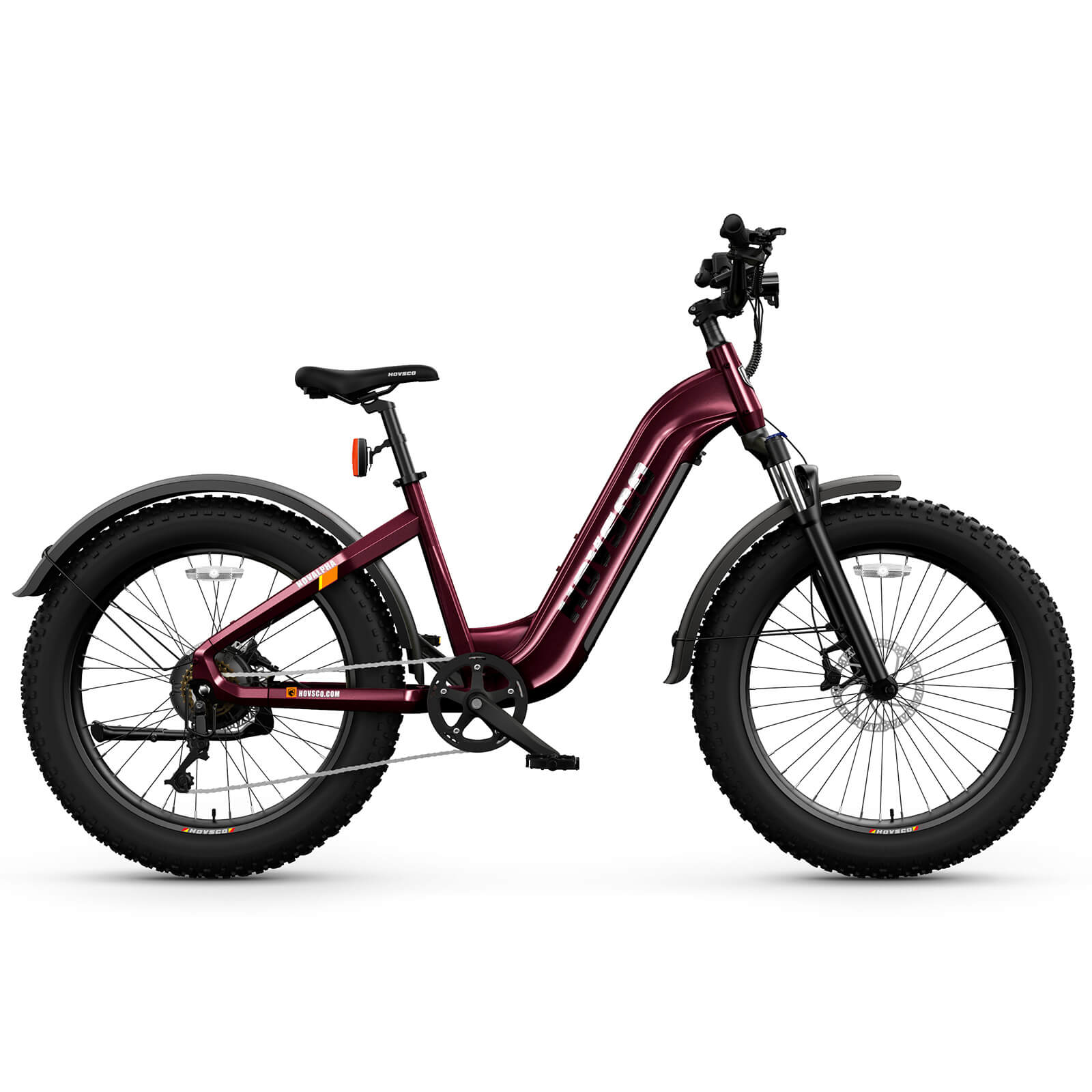
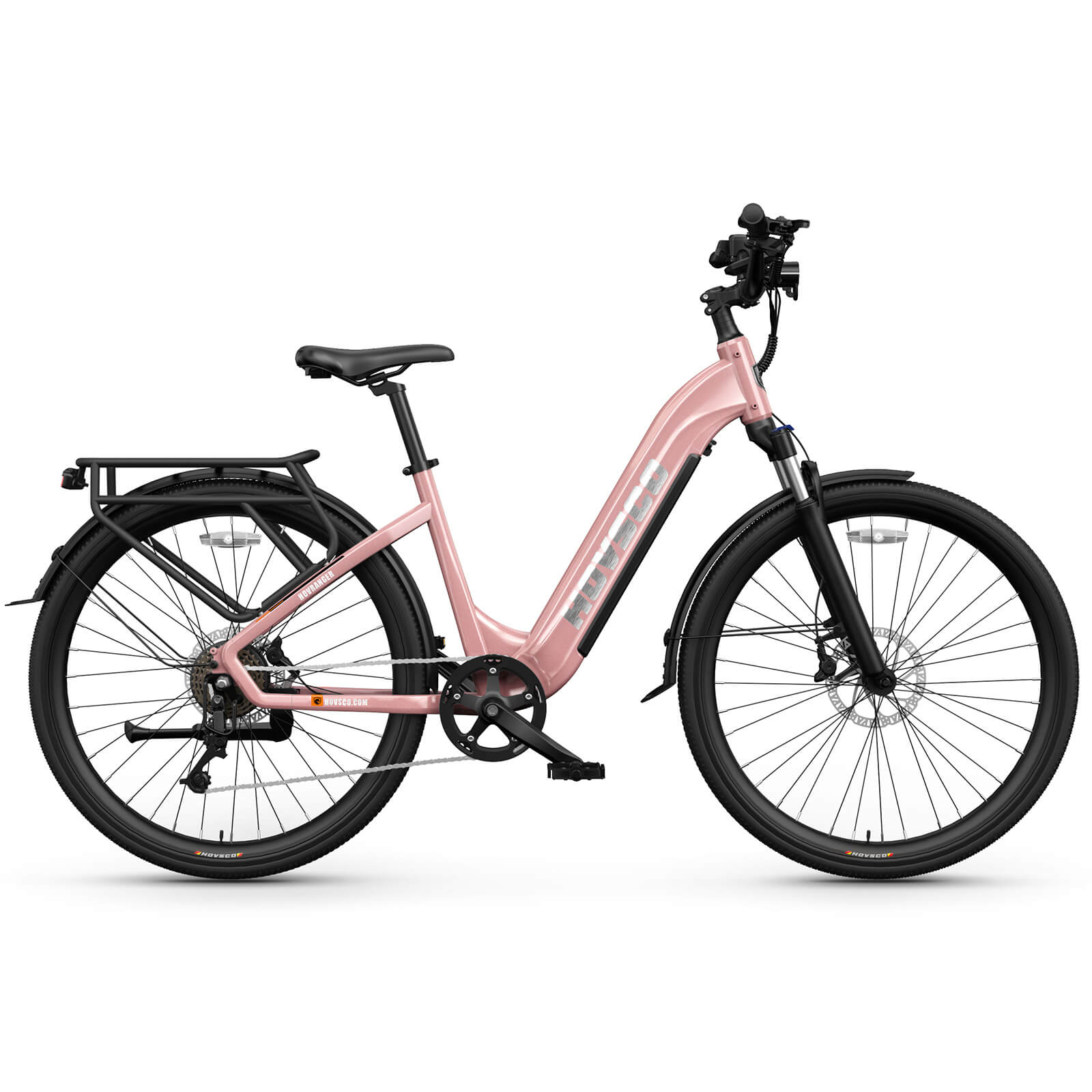
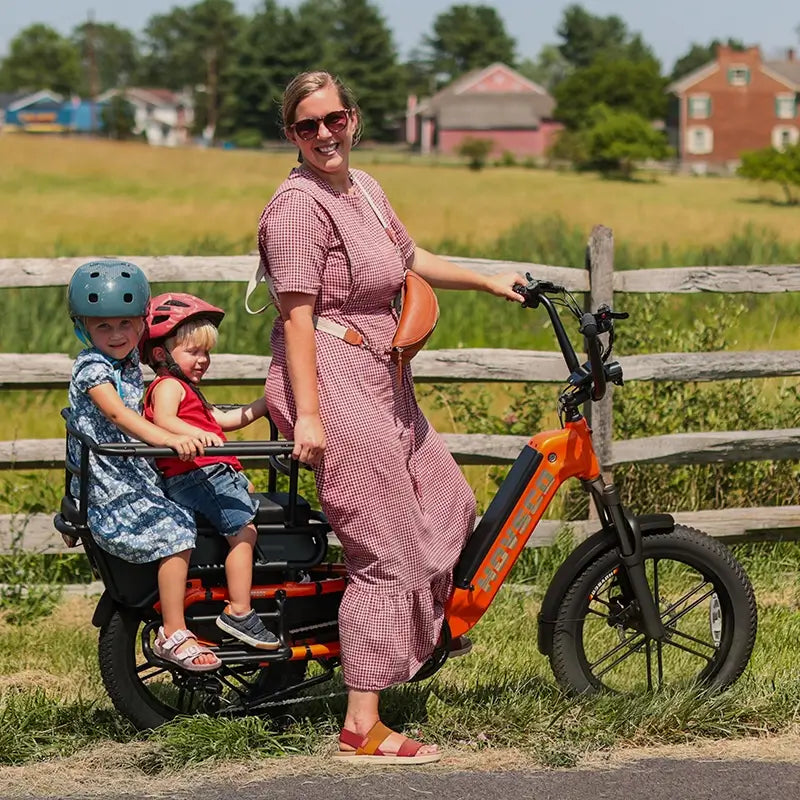
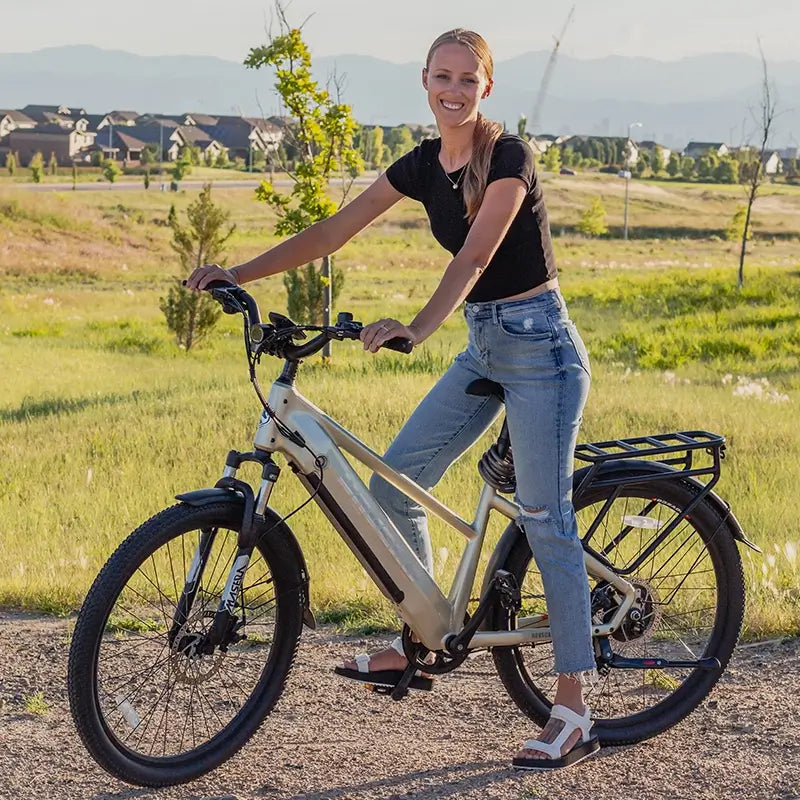
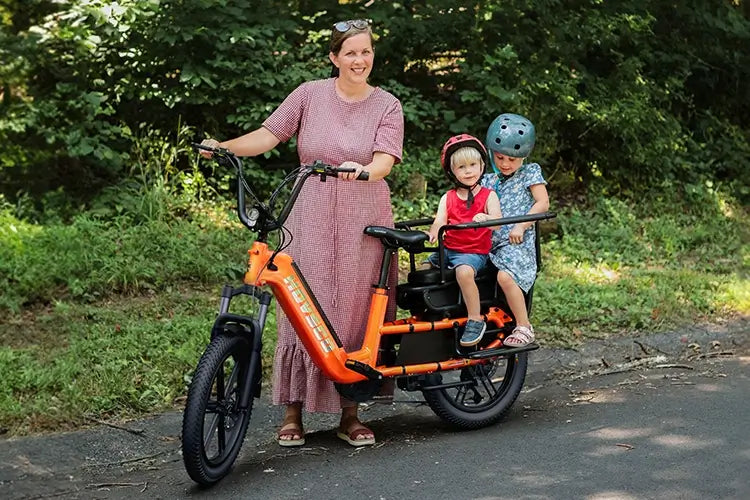
A step-thru e-bike can make a 70-lb machine feel far less intimidating by lowering the visual barrier, reducing the leg-lift required to mount, and improving everyday confidence at stops. For many women and shorter riders, the bike stops looking like a monster and starts feeling manageable, stable, and welcoming. The real advantage is not only comfort; it is psychological control.
accessible step through electric bikes
A heavy e-bike feels intimidating because the rider sees mass before they feel motion. A tall frame, high top tube, and wide battery package can trigger hesitation, especially for smaller riders. When the bike is easier to step through, the brain reads it as safer and more controllable.
Fear often begins before the first ride. If a rider cannot imagine mounting, stopping, or pushing the bike in a parking lot, the bike feels bigger than the rider. That is why low-cross-step geometry matters so much for confidence.
Heavy e-bikes also create a “what if I tip?” feeling at low speed. The best remedy is not just lighter weight; it is better access, lower standover, and a more upright, predictable posture.
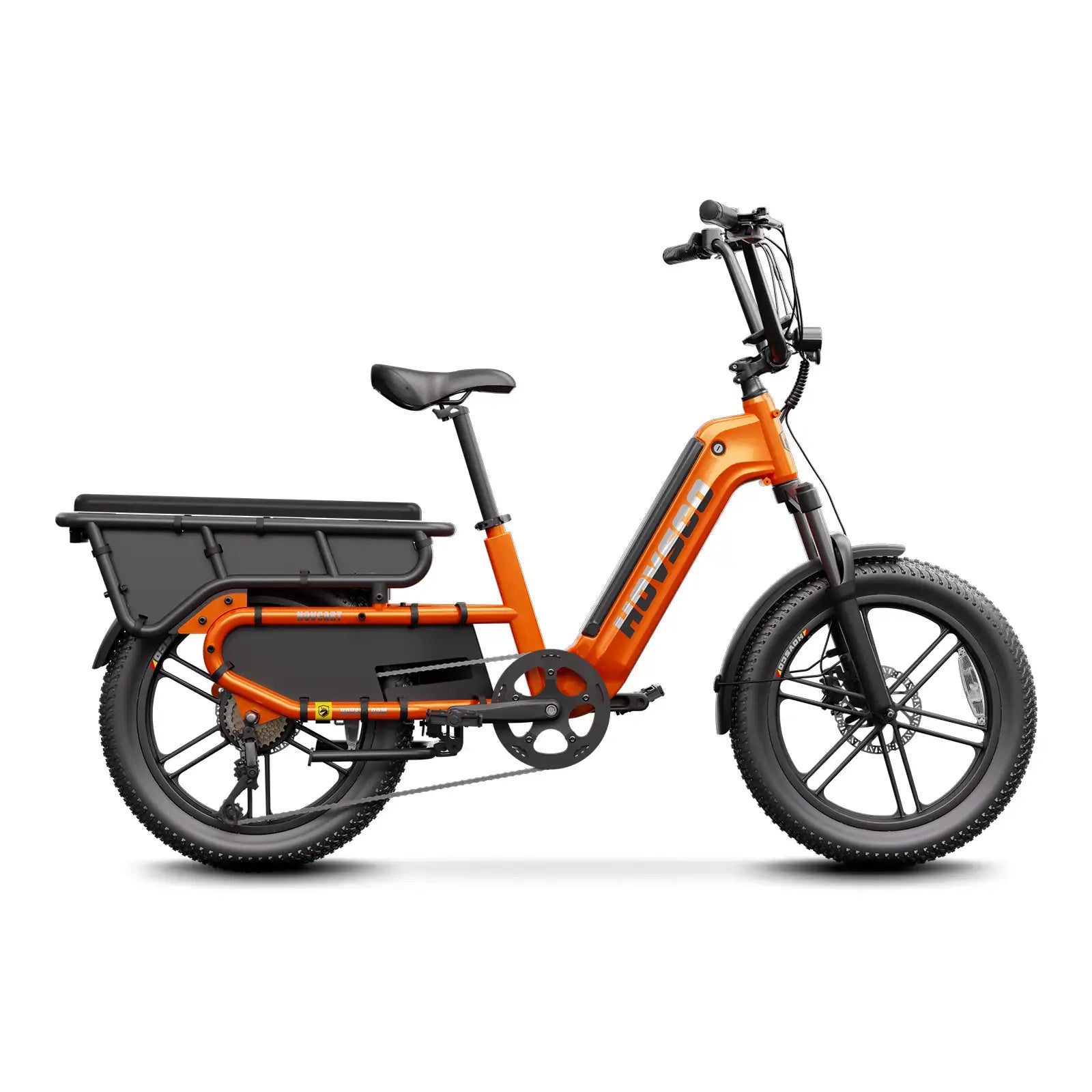
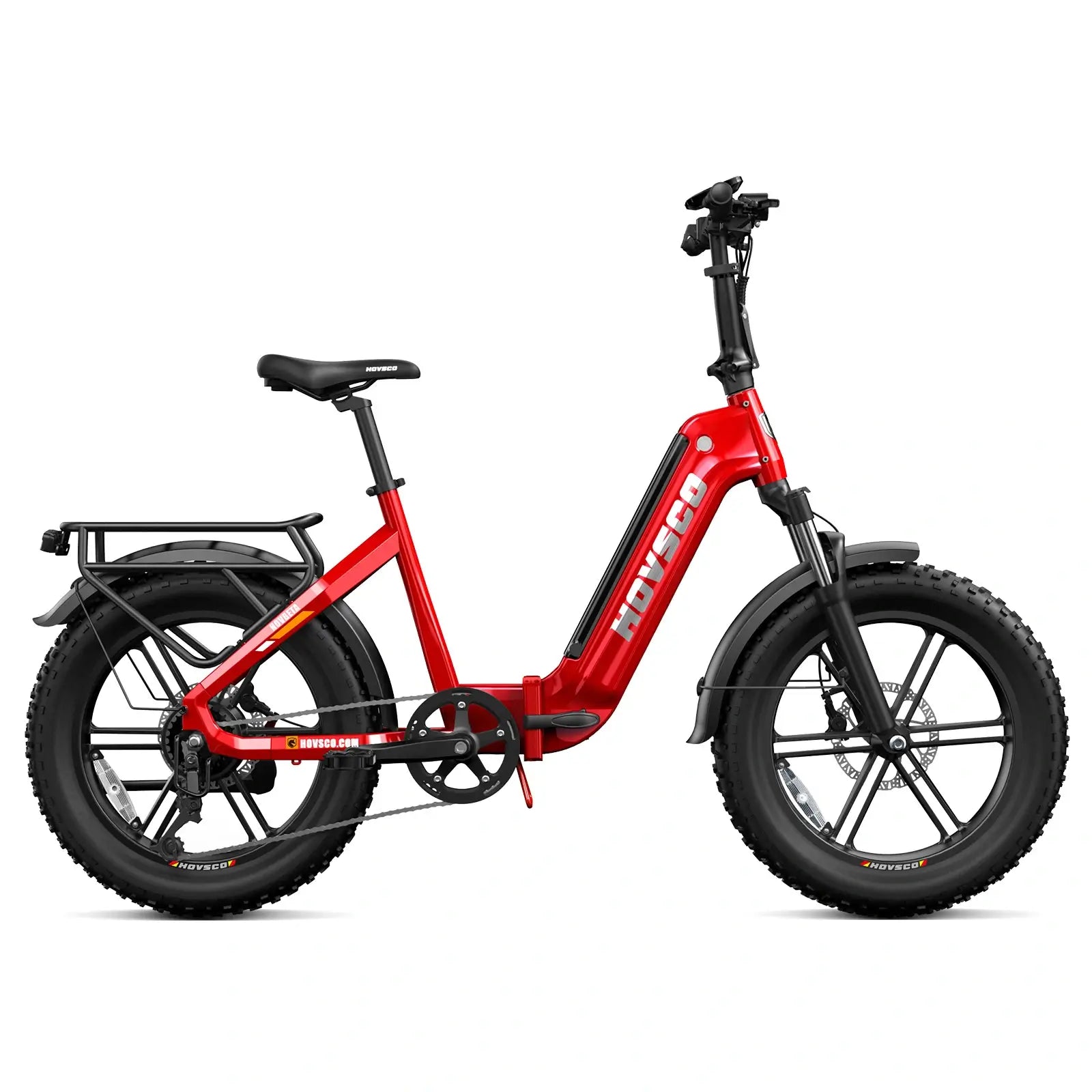
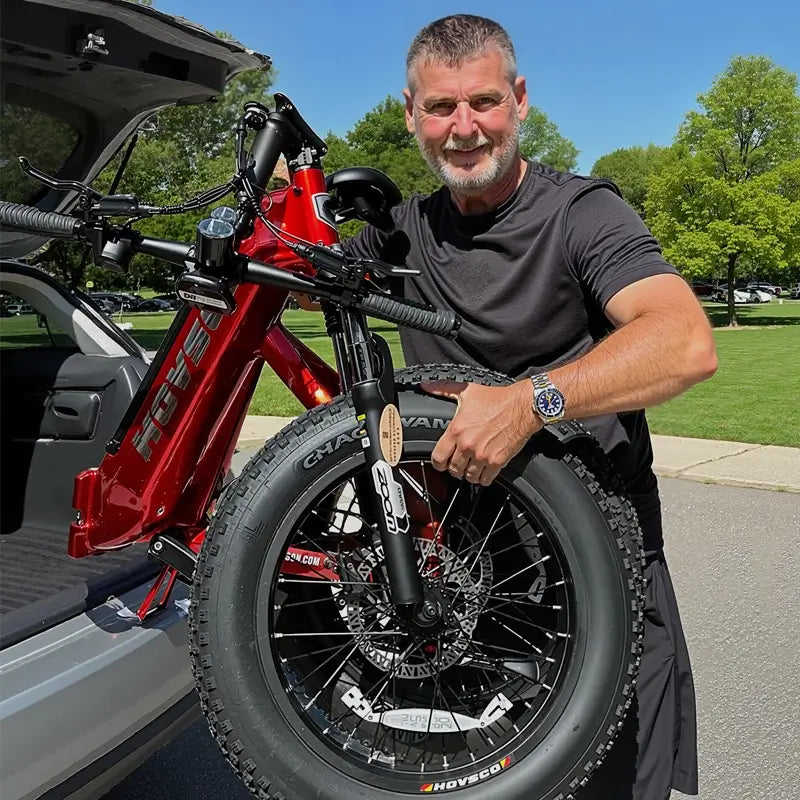
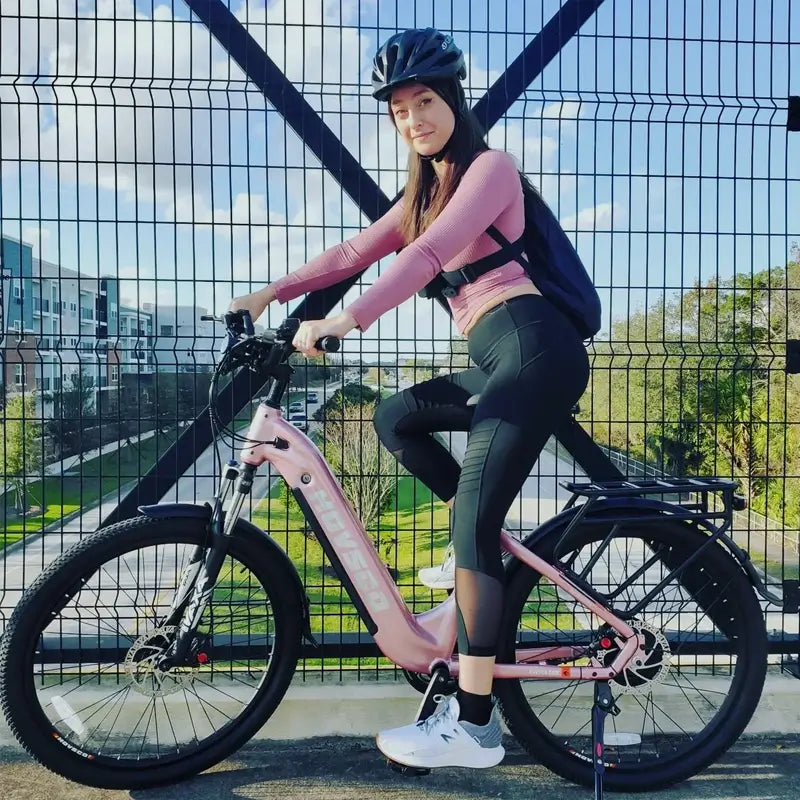
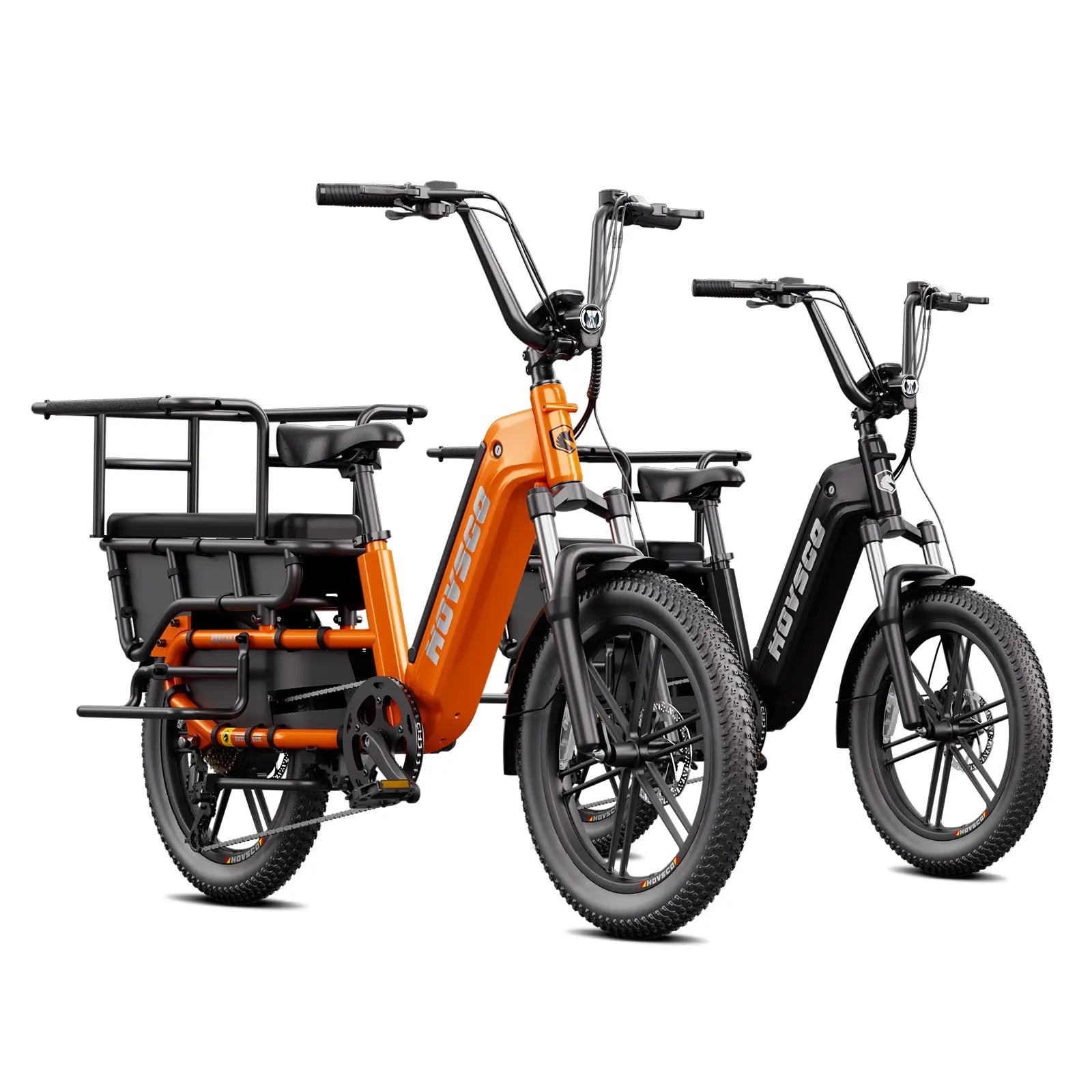
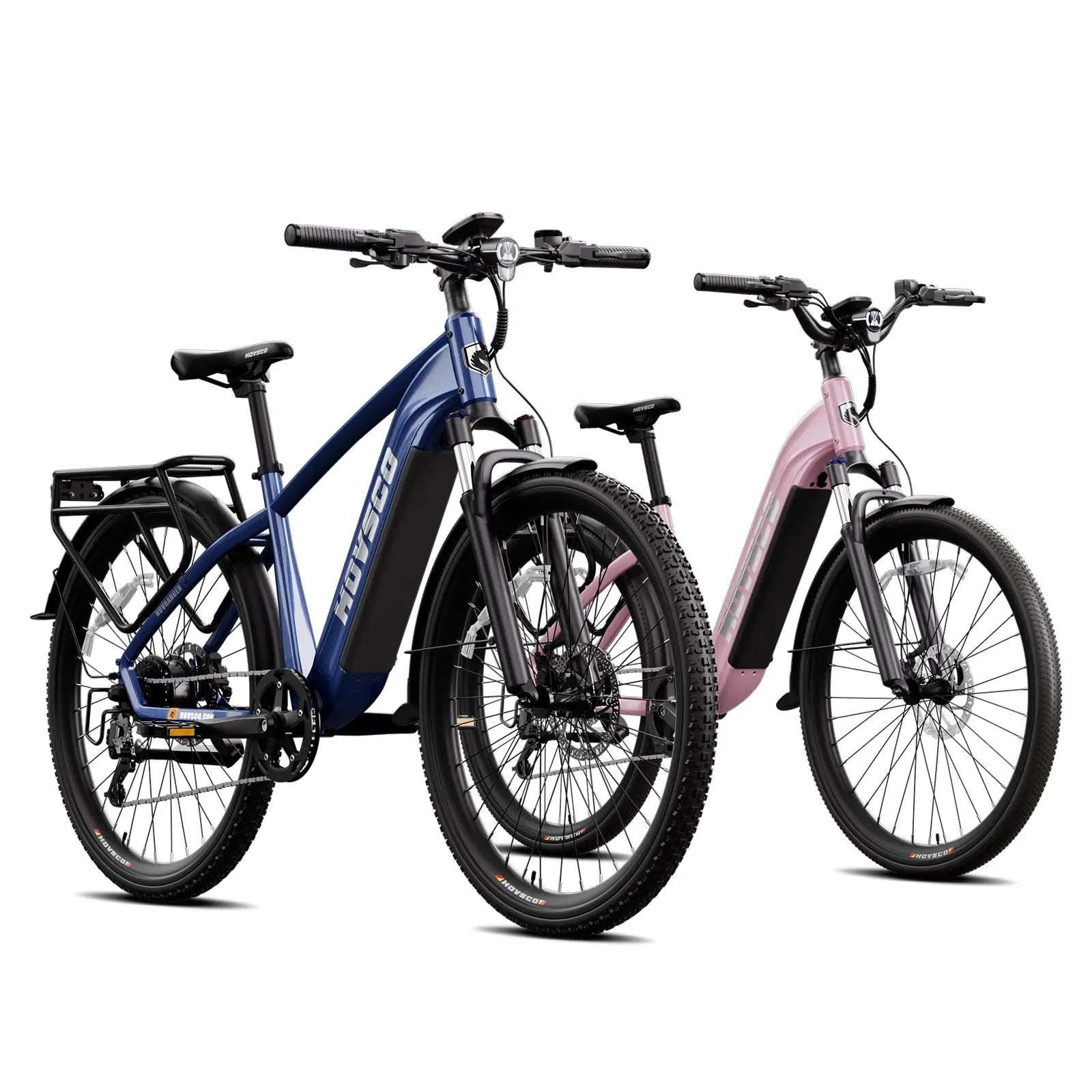
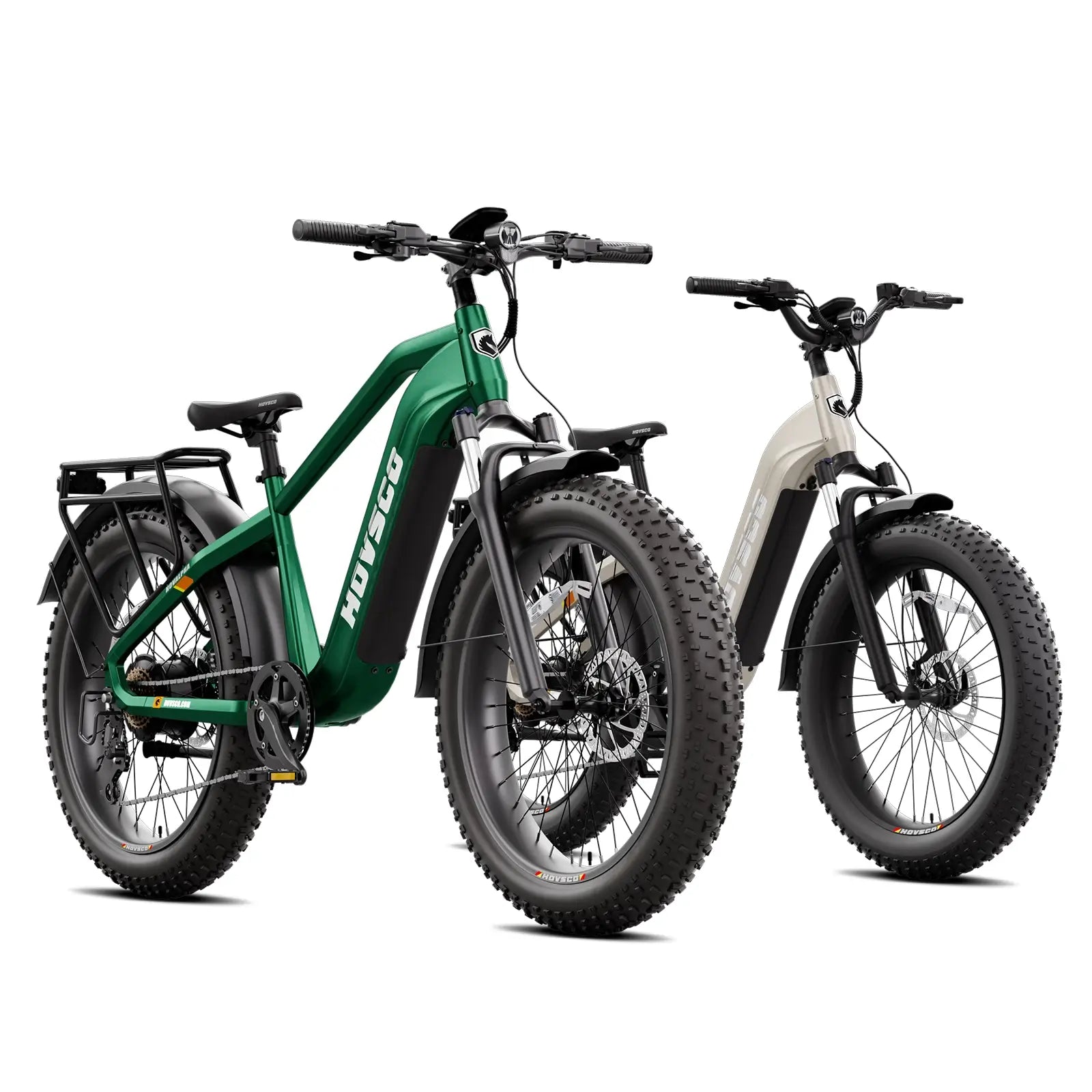
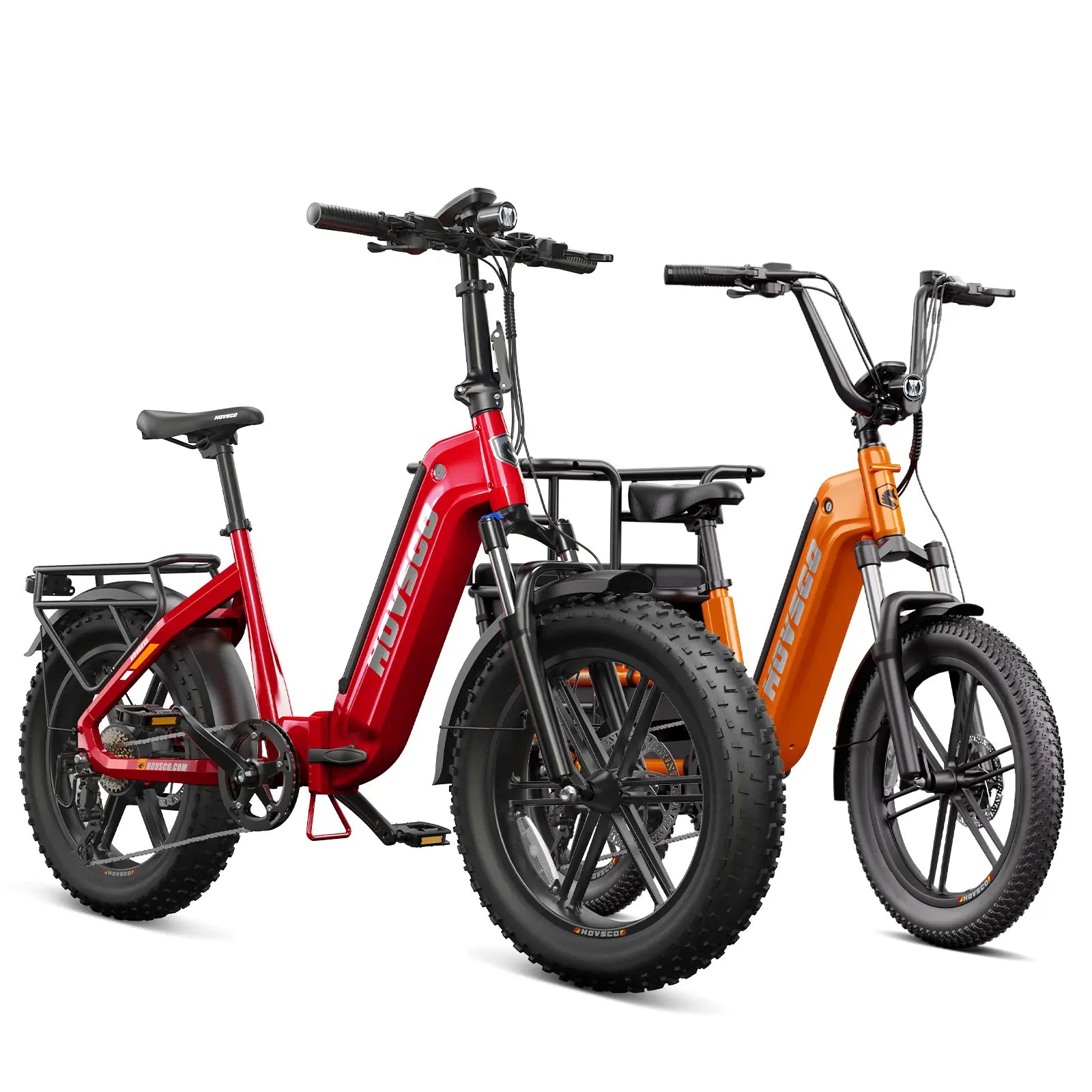
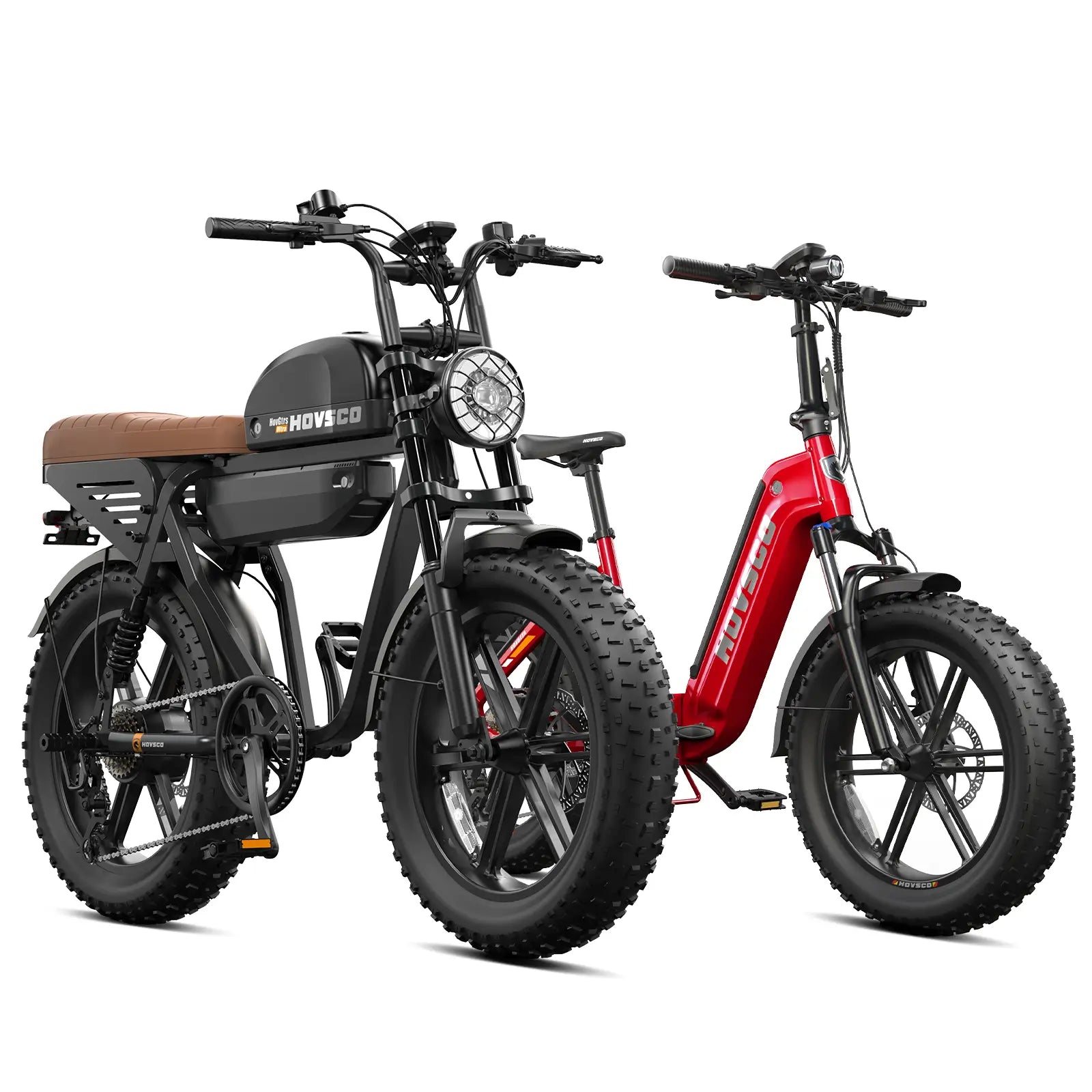
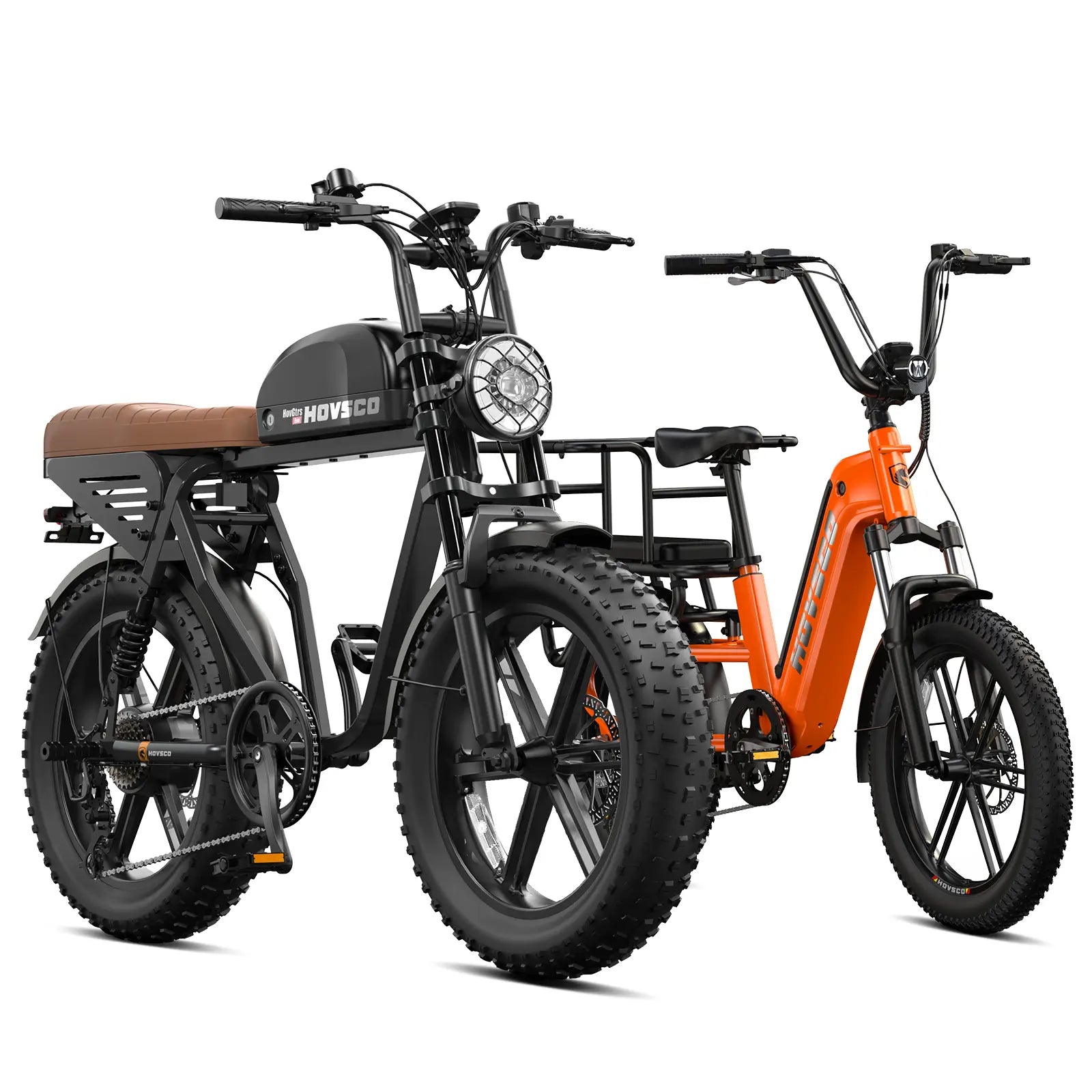
Step-thru geometry reduces fear by removing the top-tube obstacle and shrinking the bike’s visual bulk. Instead of climbing over the frame, the rider simply steps through and plants both feet with less effort. That small action changes the whole emotional experience.
In real-world fitting, I look first at the mount-and-dismount moment. If that moment feels awkward, the rider will assume every future stop is stressful. A step-thru frame turns the first contact point into a confidence boost instead of a struggle.
The lower frame also helps during balance checks, parking, and walking the bike backward. Riders feel less trapped by the bike and more in command of it.
This design helps shorter riders, women who want an easier mount, commuters wearing skirts or casual clothing, and anyone with limited hip mobility. It is also ideal for riders who stop often in traffic or need to handle the bike in tight spaces. The less you have to swing a leg over, the less intimidating the bike becomes.
Step-thru frames are especially useful for riders who want an upright, relaxed posture. That posture improves visibility and makes the bike feel less aggressive. For many new e-bike buyers, that difference alone changes the purchase decision.
It is not only about height. Riders recovering from injury, older adults, and first-time e-bike users often prefer the lower learning curve. A friendly frame creates a friendlier ride.
A manageable frame gives the rider three things: low standover height, stable center of gravity, and easy foot placement. Those factors matter more than raw weight alone. A 70-lb bike can feel less threatening than a lighter but taller bike if the geometry is right.
The strongest psychological cue is the ability to stand over the bike without feeling pinned by it. When both feet can touch the ground comfortably, the rider feels ready for sudden stops and low-speed corrections. That sense of readiness builds trust.
Battery placement also matters. When mass sits low and centered, the bike feels calmer during starts and turns. Riders may not describe it in engineering language, but they feel it immediately.
Below is a practical fit matrix for riders from 5'1" to 6'3". It is not a substitute for test riding, but it is a useful first-pass guide for step-thru e-bikes and adjustable seat systems.
The key is not just height, but inseam, torso length, and confidence at stops. A rider at 5'7" with a short inseam may prefer the same setup as a rider much shorter. Fit should always be judged by the actual mount, stop, and reach experience.
Yes, seatpost adjustment matters because it can make a bike feel tailored instead of borrowed. A long, adjustable anodized seatpost lets the rider fine-tune leg extension, pedal efficiency, and comfort. That matters when the goal is to make a heavy bike feel light in use.
A properly adjusted seat height also reduces wobble at the start of a ride. If the saddle is too low, the rider loses pedaling efficiency; if it is too high, the rider loses confidence when stopping. Small changes create a big emotional difference.
This is where HOVSCO’s original extended adjustable anodized seatpost stands out. It gives riders more room to dial in fit without sacrificing a clean look or strong support. For mixed-height households, that flexibility is a real advantage.
Psychology matters because most riders do not fear the motor; they fear the moment of imbalance. Once the bike feels easy to mount, easy to stop, and easy to plant a foot, the fear drops quickly. Confidence is built through repeated successful micro-actions.
This is why visual design is not cosmetic. Low-cross-step access makes the bike appear less dominant and more approachable. The rider’s brain interprets that cue as “I can handle this.”
One overlooked detail is how a rider feels while parking. If lifting or turning the bike feels awkward, stress accumulates. When the bike is easy to manage off the saddle, the whole ownership experience becomes smoother.
The most helpful details are low standover, centered battery placement, sensible wheel size, and an accessible saddle range. A stable frame should support the rider without feeling top-heavy. The bike should feel planted when stationary and calm when rolling slowly.
From a factory-floor perspective, frame stiffness matters as much as frame shape. A step-thru frame can still be rigid if the tubing, weld placement, and battery integration are engineered correctly. That is the nuance many generic buying guides miss.
Tire volume, brake confidence, and handlebar sweep also change the emotional experience. A rider who can stop smoothly, hold balance, and reach the bars naturally will trust the bike faster. Trust is the real product.
“When a rider says a heavy e-bike feels too big, the problem is usually not weight alone. It is the combination of mount height, saddle access, and low-speed confidence. We design step-thru frames to reduce that first-second anxiety, because once the rider feels in control, the bike stops feeling heavy and starts feeling natural. HOVSCO focuses on fit first, then power, because confidence is what makes people ride more often.”
Buyers should prioritize fit, stopping confidence, and adjustability before chasing headline specs. A bike that feels easy to stand over will almost always feel easier to live with. The best choice is the one that reduces hesitation every time you walk up to it.
Test the bike in the exact situations that trigger fear: starting on a slope, stopping at a light, backing the bike out of storage, and mounting while carrying a bag. If those actions feel smooth, the bike is likely a good match. If not, the frame may be too tall or too awkward for daily use.
HOVSCO’s approach is useful here because it combines accessible frame design with rider-fit adjustability. That combination is what turns a powerful e-bike into a welcoming one.
Step-thru design wins because it lowers both the physical and mental barrier to riding. It helps shorter riders, cautious riders, and women who want a lighter-feeling experience with a heavier e-bike. It also supports better daily usability, which is what most owners actually need.
The real win is not that the bike looks sleek. The real win is that the rider can approach it without dread, mount it without drama, and ride it with confidence. HOVSCO all point to the same principle: accessible design creates more rides.
When a 70-lb e-bike feels manageable, ownership becomes enjoyable. That is the difference between a bike that sits in the garage and a bike that becomes part of daily life.
A heavy e-bike does not have to feel overpowering. Step-thru access, low standover height, and a well-adjusted saddle can transform the experience from intimidating to intuitive. For many riders, especially women and shorter riders, that change is the difference between hesitation and enjoyment. HOVSCO’s accessible design mindset shows that confidence is not a soft feature; it is a performance feature.
Are step-thru e-bikes only for women?
No. Step-thru e-bikes are for anyone who wants easier mounting, better accessibility, and a more comfortable riding position.
Can a heavy e-bike still feel easy to handle?
Yes. Low standover, balanced weight distribution, and a good seat height can make a heavy e-bike feel much more manageable.
Is an adjustable seatpost really important?
Yes. A long adjustable seatpost helps riders fine-tune fit, improve pedaling, and feel more stable at stops.
Which rider height benefits most from step-thru frames?
Shorter riders usually benefit most, but taller riders also enjoy the easy access and relaxed riding posture.
Does step-thru design reduce confidence only for beginners?
No. Even experienced riders appreciate the easier mount, better stop-and-go control, and lower stress in daily use.
Share:
Is a Step-Thru Ebike as Stable?