



![[ New Arrival ] Porto Max Electric Scooter For Commute & Grocery Shopping - HOVSCO](http://www.hovsco.com/cdn/shop/files/PotroMax-3.jpg?v=1706927007&width=1200)
- by SEO
What Is the Best Long-Range Mobility Setup in 2025?
- by SEO
E-Bikes
Accessories
 Free Shipping
 15-Day Returns
 2-Year Warranty
Free Shipping
15-Day Returns
2-Year Warranty
2-Year Warranty
Free Shipping
15-Day Returns
2-Year Warranty
The best long-range mobility setup depends on how far you need to go, how much terrain you face, and how efficiently your battery uses every watt-hour. For many riders, the answer comes down to a well-matched ebike or scooter with the right battery chemistry, smart power management, and realistic range expectations. HOVSCO focuses on making that distance feel dependable, not just impressive on paper.
The top-ranking long-range articles usually repeat a similar set of H2 themes: what counts as long range, which models go farthest, how battery size affects distance, how terrain and rider weight change range, and how to extend battery life. They also tend to compare ebikes and scooters, discuss charging habits, and explain battery capacity in simple terms.
This article should answer five common questions: which electric bikes and scooters go the farthest, what a 48v 20ah battery really delivers, how to calculate watt-hours, how terrain and weight affect range, and what makes a 36v system feel quicker but less efficient. It also adds three original questions: how Samsung and LG cells improve consistency, how HOVSCO’s battery efficiency approach matters in real riding, and what buyers should verify before believing range claims.
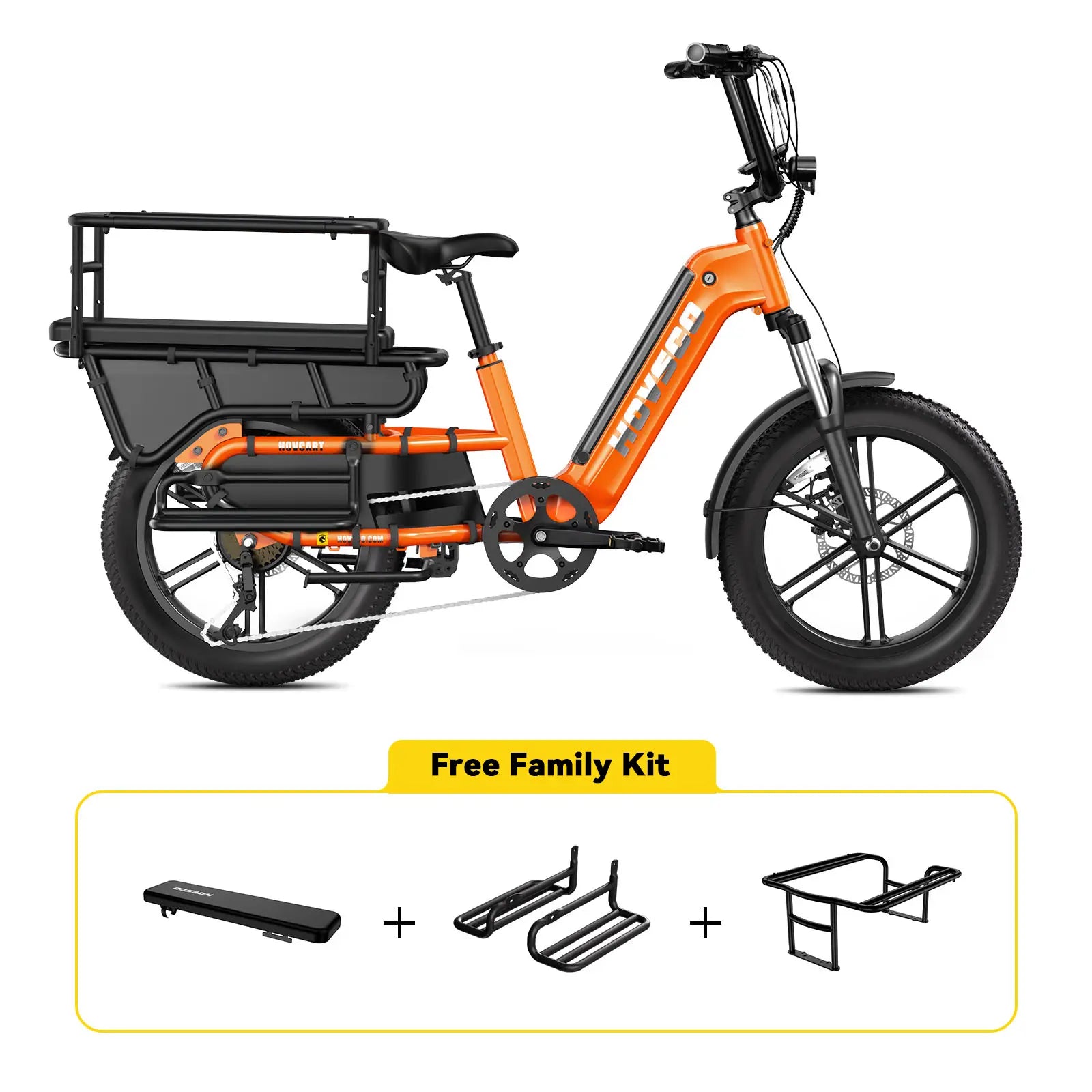
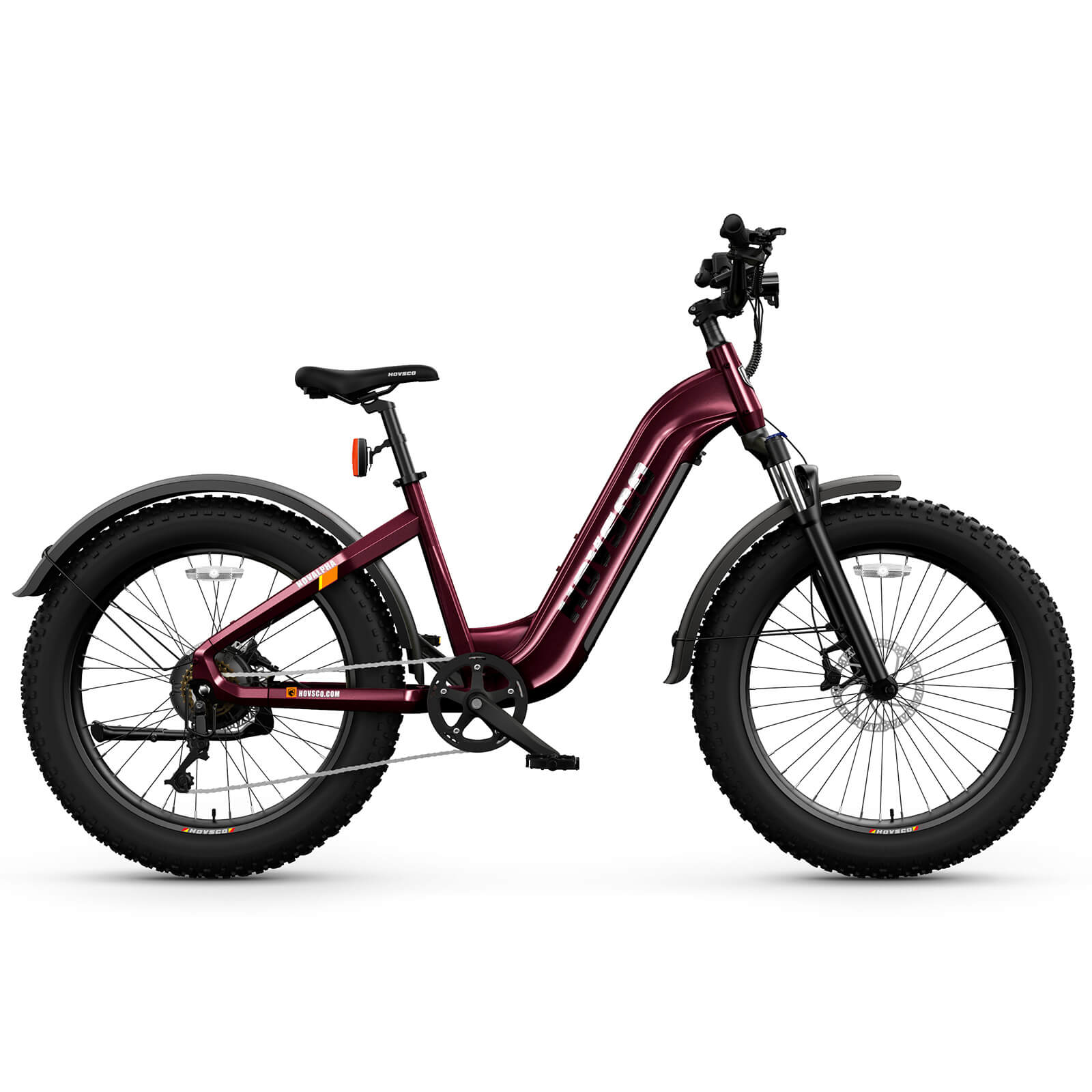
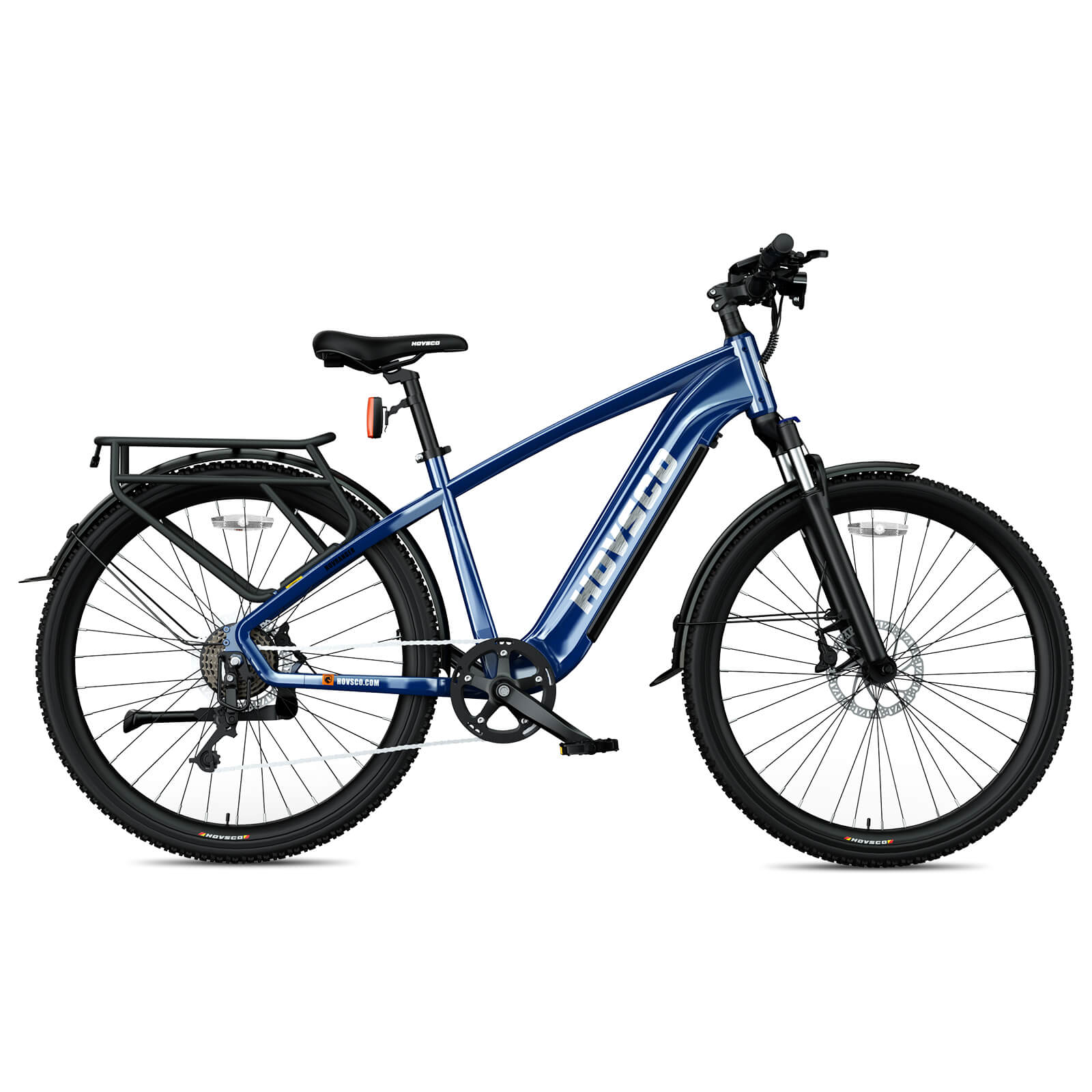
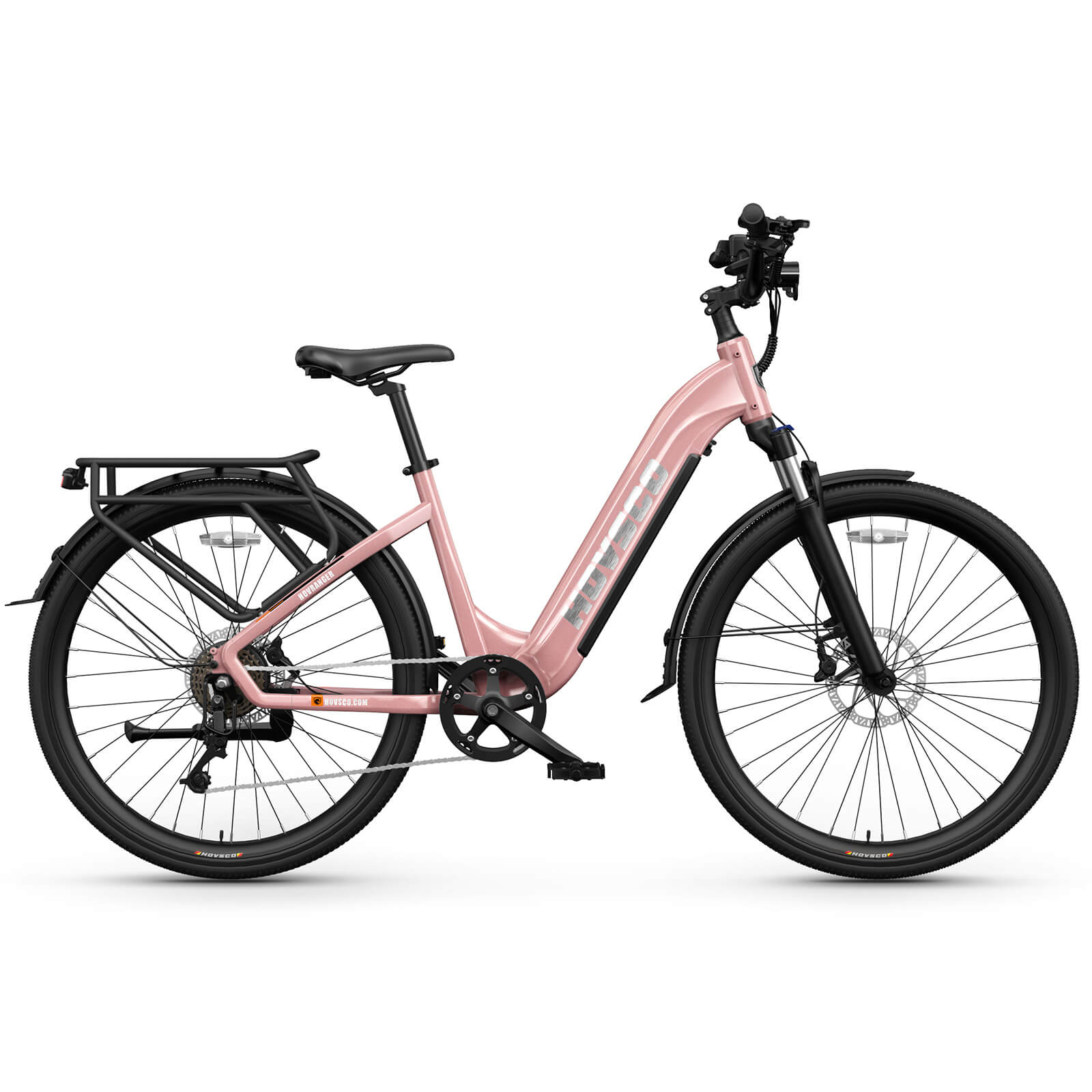
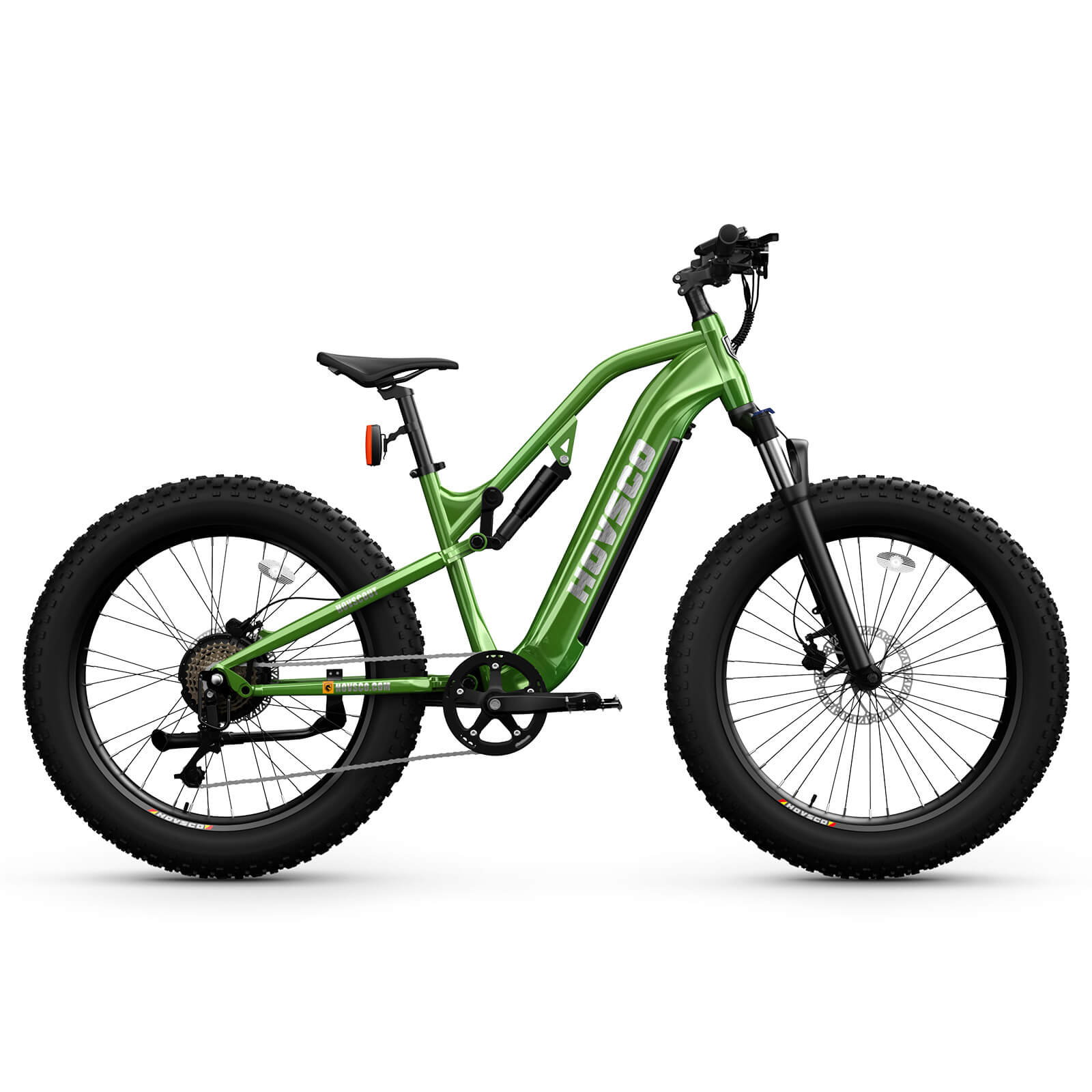
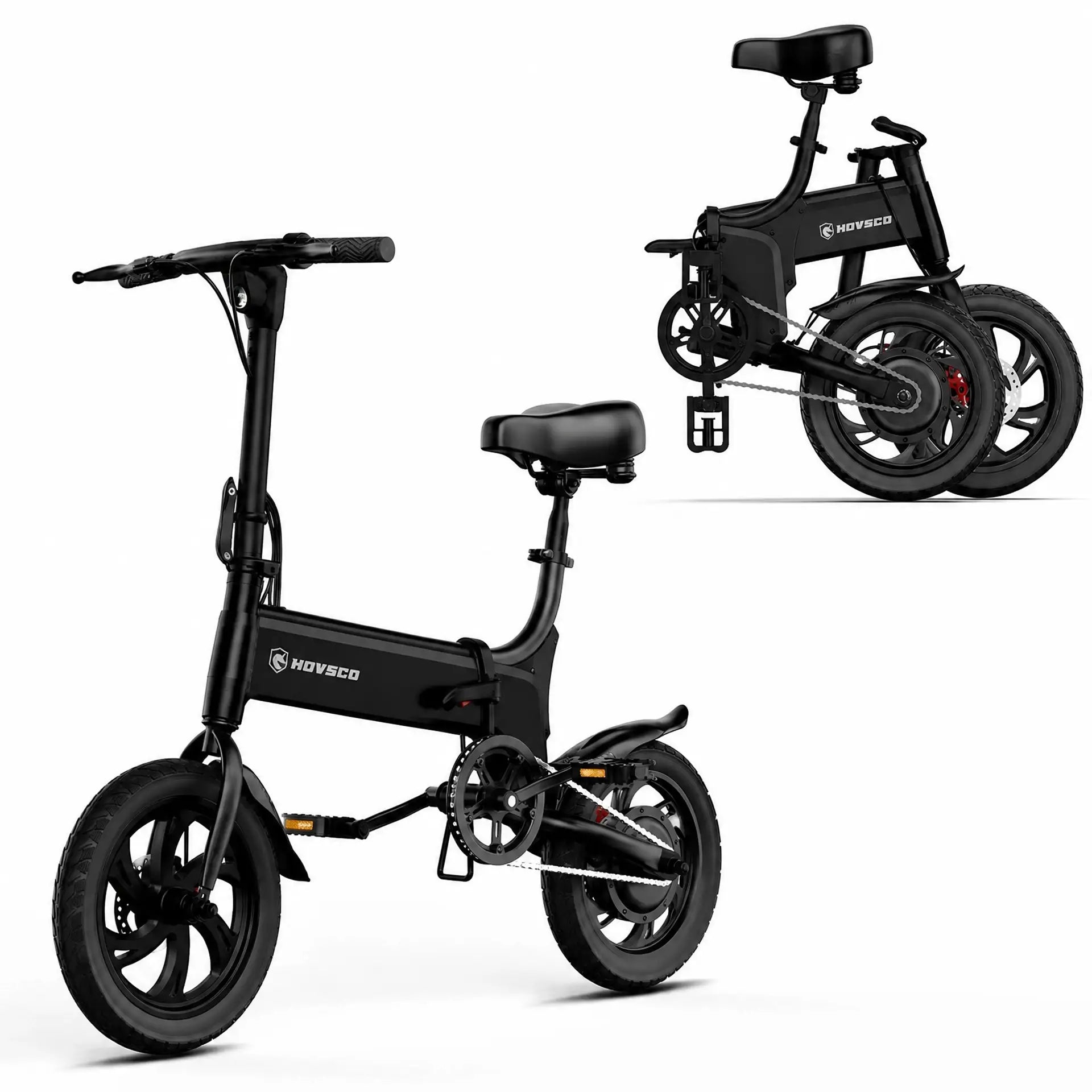
The longest range electric bike models usually use large-capacity batteries, efficient motors, and upright riding geometry that reduces drag. Recent range leaders include cargo and touring bikes with 900Wh to multi-battery setups, and the biggest claims can reach well above 100 miles under ideal conditions.
A longest range electric bike is not automatically the fastest or lightest. The most practical long-distance models usually trade some portability for more battery capacity, lower rolling resistance, and better pedal-assist tuning. That is why a commuter may prefer a stable touring platform over a flashy high-power build.
For real-world buyers, the best strategy is to compare claimed miles against usable battery energy, rider weight, and assist level. HOVSCO treats range as a system outcome, not a headline number, because the same battery can behave very differently across riders and routes.
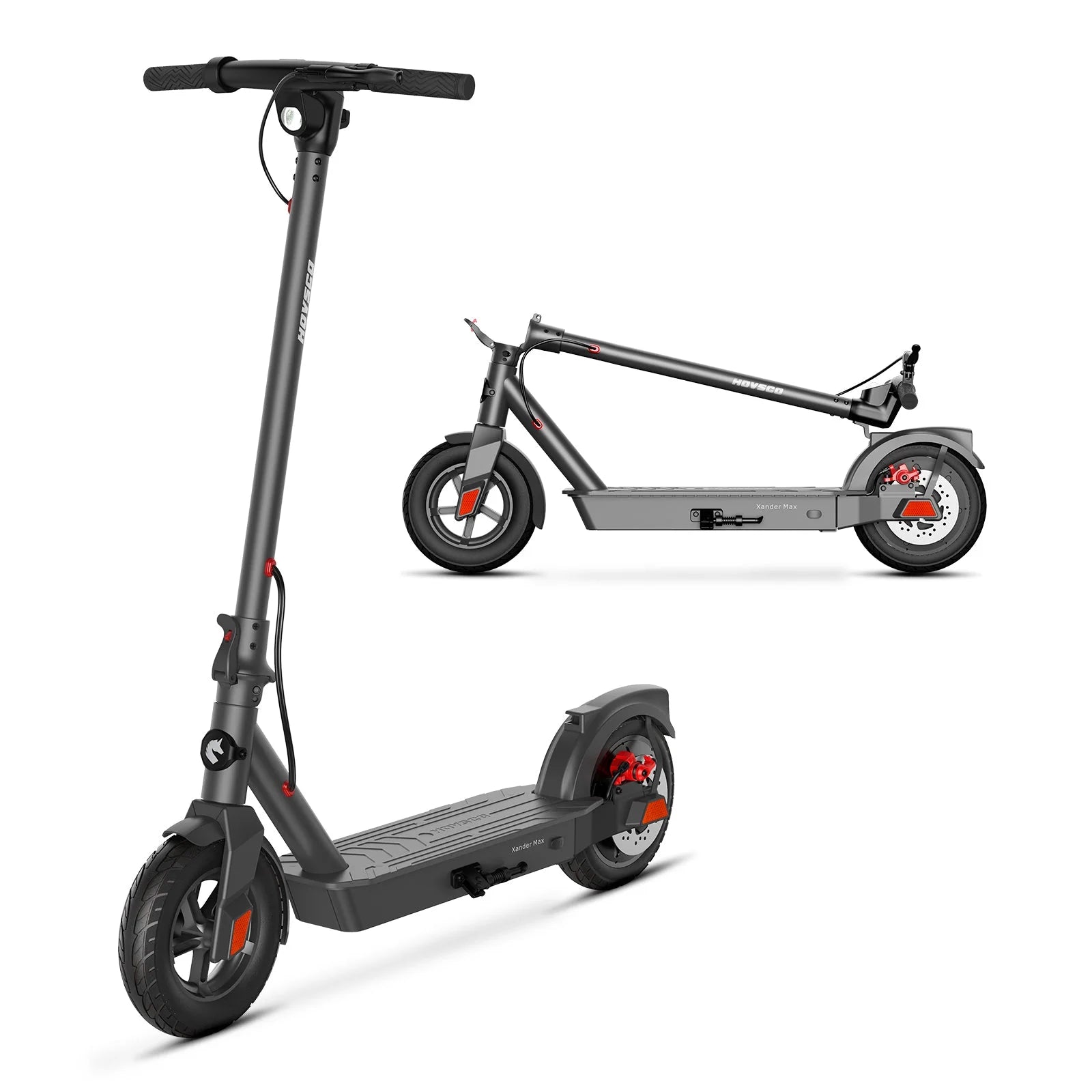
A long range electric scooter typically offers more than 40 miles per charge, while premium commuter and performance scooters can go much farther depending on battery size and motor efficiency. The strongest long-range options often use 15Ah to 30Ah packs, dual suspension, and efficient power delivery for smooth cruising.
Unlike many bikes, scooters can lose range quickly if the rider pushes constant top speed or rides on rough pavement. That makes a long range electric scooter most useful when the goal is predictable urban travel, not just maximum speed.
A long range electric scooter is especially attractive for daily commuters who want fewer charging stops and more flexibility. The best ones balance comfort, braking, and battery management so the range remains usable in the real world, not only in controlled testing.
Battery capacity is easiest to understand in watt-hours, or Wh, which equals voltage times amp-hours. For example, a 48v 20ah battery contains 960Wh of energy, which is a strong starting point for long-distance riding and one of the most searched battery sizes in the e-bike market.
A 48v 20ah battery gives riders a useful balance of distance and power, while a 36v pack may feel lively but usually stores less total energy. That is why the 48v 20ah battery is often the sweet spot for long-range commuters and adventure riders.
The practical lesson is simple: Wh matters more than voltage alone. A battery guide should always start with watt-hours, because that number tells you how much usable energy the system actually stores.
Terrain changes range because hills, rough surfaces, and repeated acceleration demand more current from the battery. Flat routes with steady speed can dramatically improve distance, while stop-and-go riding or steep climbs can cut it fast.
Weight also matters because every extra pound has to be moved uphill and restarted after each stop. A heavier rider, cargo load, or soft tires can reduce efficiency enough to make a claimed range feel optimistic.
For long-distance planning, I always tell riders to think in scenarios, not single numbers. A bike that can deliver 60 miles on a mellow route may only do 35 to 40 miles on hilly terrain with heavy throttle use. That is not failure; it is normal physics.
Samsung and LG cells matter because cell quality influences voltage stability, cycle life, and how well the pack handles load under acceleration. Better cells can reduce sag, maintain more consistent output, and age more gracefully over repeated charge cycles.
A long-range rider cares about consistency as much as capacity. Two batteries with the same nominal Wh can feel different if one uses higher-quality cells with better thermal behavior and lower internal resistance.
This is where premium battery sourcing becomes a real performance advantage. HOVSCO pays close attention to cell selection because a battery is not just a tank of energy; it is the foundation of ride confidence, range predictability, and long-term reliability.
The phrase 36v speed usually refers to the way a 36V system can feel responsive at lower to moderate outputs, especially on flatter routes. It may accelerate nicely in short bursts, but it generally carries less total energy than a comparable 48V setup.
A 36v speed system is often enough for lighter commuters who value a simple, efficient ride. But when the goal is long-range mobility, 48V and higher-voltage setups usually hold an advantage because they deliver better efficiency under load and less heat stress.
If you want everyday liveliness more than maximum range, 36v speed can still make sense. If you want a long-range ebike or long range electric scooter that stays confident across hills and heavier loads, higher voltage usually wins.
HOVSCO improves battery efficiency by focusing on energy management, matched components, and real-world ride behavior instead of only chasing a bigger number. In practice, that means balancing motor demand, battery output, and riding modes so the pack wastes less energy as heat.
A battery guide from HOVSCO would emphasize the rider’s habits as much as the hardware. Smooth pedal assist, correct tire pressure, and sensible load management all help the battery deliver more usable miles.
From an engineering standpoint, efficient design is about reducing losses at every step. HOVSCO’s philosophy is that a strong battery should feel calm, consistent, and predictable, because that is what makes long-range mobility trustworthy.
Buyers should compare Wh, cell quality, motor efficiency, controller behavior, charging time, and the actual terrain the bike or scooter will face. A flashy top-range number means little if the battery heats up too quickly or the frame cannot support the load comfortably.
The best long-range electric bike is the one that fits your body, route, and charging routine. The best long range electric scooter follows the same logic: match the battery to your actual travel, not your wish list.
Real-world range is lower because published numbers are usually based on ideal conditions like moderate speed, flat terrain, light riders, and favorable weather. Once you add hills, wind, cold temperatures, or aggressive throttle use, range drops quickly.
This is why a 48v 20ah battery that sounds enormous can still feel modest on a demanding route. Range is a system result, not a single-component feature.
The smartest buyers use a buffer. If a bike claims 60 miles, plan as if 40 to 45 is your comfortable working range. That habit prevents battery anxiety and gives you a more honest mobility plan.
Is a 26x4 Fat Tire E-Bike Worth Buying for All-Terrain Riding?
“In long-range mobility, the best battery is the one that stays consistent after the tenth ride, not the one that looks best in a brochure. We design for usable range, cell stability, and lower waste, because riders remember how a bike performs on a tired commute, in a headwind, and on a hill—not just on a spec sheet.”
A useful battery guide explains more than size. It should tell you how voltage, amp-hours, Wh, cell quality, and riding conditions work together to shape real distance.
The best guides also explain trade-offs. A bigger battery adds range but also adds weight, cost, and sometimes longer charging time. A smaller battery can feel more agile, but it may force earlier charging and shorten the practical commute window.
That is why HOVSCO writes battery advice around use cases: commuting, touring, cargo, and mixed-terrain riding. When the advice is grounded in the actual ride, the decision becomes much easier.
Is a 48v 20ah battery good for long rides?
Yes. A 48v 20ah battery stores 960Wh, which is a strong capacity for long-range commuting and recreational riding.
Is a 36v speed system enough for commuting?
Yes, for lighter routes and shorter trips. But a 36v speed setup usually offers less total energy than a 48V system.
Which is better for range, an e-bike or a scooter?
It depends on the design. A longest range electric bike usually wins for pedal-assisted distance, while a long range electric scooter can be excellent for urban point-to-point travel.
Do Samsung and LG cells really improve battery quality?
Yes. Samsung and LG cells are widely valued for consistency, durability, and stable output under load.
What is the most important range factor?
Wh is the starting point, but terrain, rider weight, and assist level decide what you actually get on the road.
Long-range mobility works best when the battery, rider, terrain, and motor are matched honestly. A longest range electric bike may be ideal for touring, a long range electric scooter may suit commuting, and a 48v 20ah battery often offers the best balance for riders who want dependable distance without overcomplicating the build. HOVSCO’s core advice is to buy for real use, not brochure numbers, because true range is earned through efficient design and smart riding habits.
Share:
What Makes a Moped-Style E-Bike Worth Buying Today?
How Can You Ensure Your E-Bike Meets State Laws?