
























![[ New Arrival ] Porto Max Electric Scooter For Commute & Grocery Shopping - HOVSCO](http://www.hovsco.com/cdn/shop/files/PotroMax-3.jpg?v=1706927007&width=1200)
- by SEO
What Is the Best Ebike for Seniors to Ride Safely?
- by SEO
E-Bikes
Accessories
 Free Shipping
 15-Day Returns
 2-Year Warranty
Free Shipping
15-Day Returns
2-Year Warranty
2-Year Warranty
Free Shipping
15-Day Returns
2-Year Warranty
The best ebike for seniors is usually a lightweight, easy-to-mount step-through model with stable handling, reliable brakes, and smooth pedal assist. For most older riders, the safest choice is one that reduces leg lift, keeps the body upright, and makes starts, stops, and low-speed balance feel calm and predictable.
The top priorities are comfort, stability, visibility, and simple controls. A senior-friendly e-bike should feel easy to mount, easy to stop, and easy to manage when walking it, turning it, or parking it. The best ebike for seniors also needs a frame and fit that reduce strain on knees, hips, shoulders, and wrists.
In practice, that means a lower stand-over height, a supportive saddle, and a handlebar position that avoids leaning too far forward. Lightweight e bikes for seniors are especially helpful because they reduce the effort needed to maneuver the bike at home, in a garage, or around a curb.
For many riders, the safest riding for seniors starts before the ride even begins: choose the bike that feels reassuring when you are standing beside it. If a bike feels awkward on the ground, it will feel worse on the road.
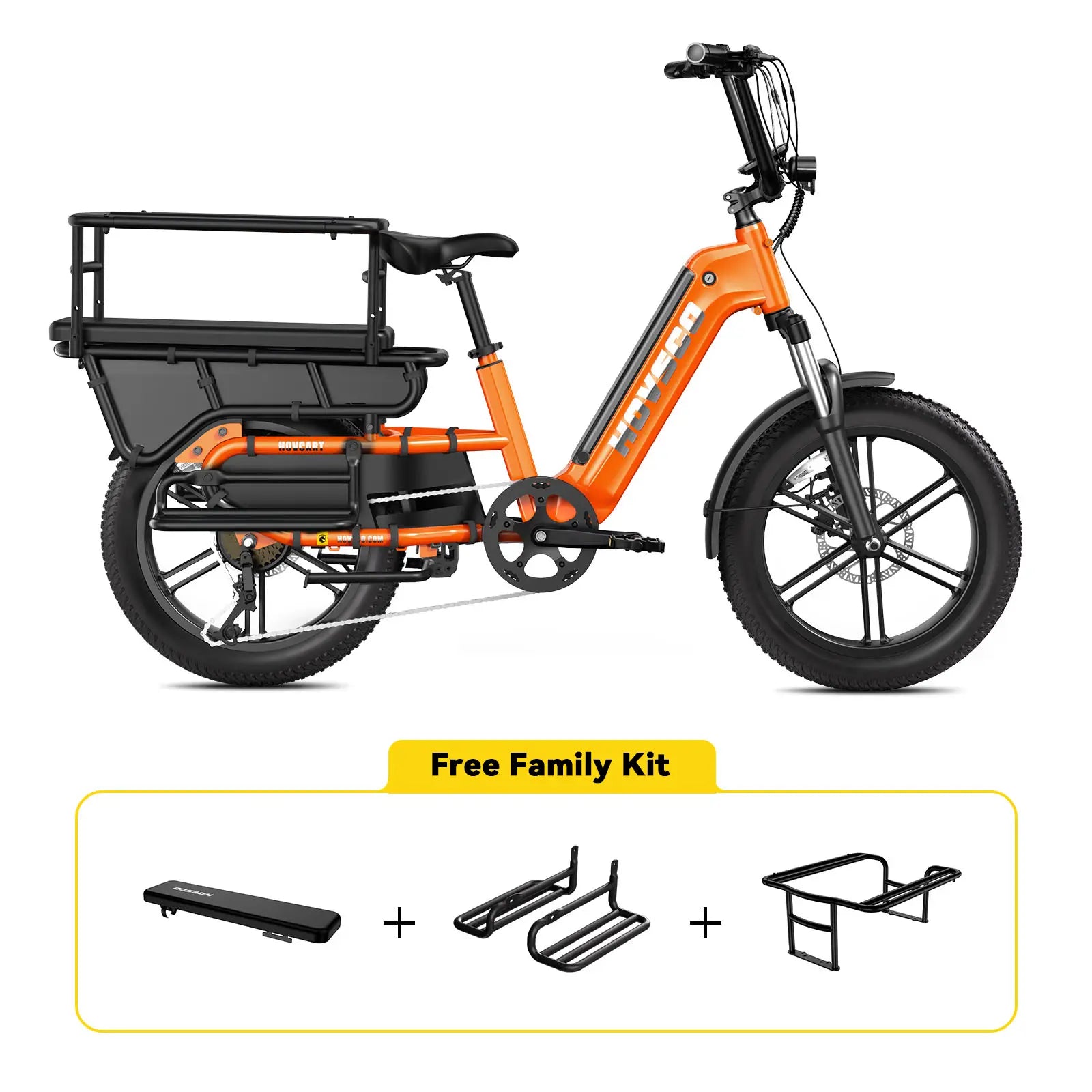
Step-through frames are usually the best choice because they make mounting and dismounting much easier. Riders do not need to swing a leg high over the top tube, which lowers fall risk and makes the bike more accessible for people with limited flexibility or balance concerns.
A step-through frame also helps when stopping at intersections or getting on and off repeatedly during errands. That convenience matters because the best ebike for seniors should save energy before the ride, not just during it.
I always look at how a frame behaves when the rider is stopped. If the bike sits too tall or tips too easily, it can create anxiety that no amount of motor power will fix.
Lightweight e bikes for seniors are easier to push, park, and recover if the bike leans unexpectedly. They also feel less intimidating when walking the bike through a doorway, lifting the front wheel over a threshold, or rolling it on a driveway.
That said, light weight should never come at the cost of stability. A very light frame that feels twitchy at low speed can be less confidence-inspiring than a slightly heavier bike with better balance and a lower center of gravity.
The best lightweight e bikes for seniors are often built with practical weight distribution, not just a low number on the spec sheet. That means battery placement, wheelbase length, and tire width matter as much as frame material.
The safest riding for seniors depends on a few key features: strong brakes, good lighting, stable tires, smooth power delivery, and easy-to-read controls. Hydraulic disc brakes are especially valuable because they offer more predictable stopping with less hand effort.
Wide tires can improve stability by adding a larger contact patch and reducing harsh feedback from cracks or rough pavement. A front suspension fork can help too, but only if it is tuned for comfort rather than bounce.
The safest riding for seniors also includes reflective elements, mirrors, and a motor system that starts gently instead of surging. Sudden acceleration can feel unsettling, especially for riders who want calm, controlled support.
Weight distribution affects how stable the bike feels at low speed, during turns, and when starting from a stop. A bike with the battery mounted low and centered usually feels more planted than one with awkward top-heavy balance.
This is one reason some lightweight e bikes for seniors feel safer than others, even if their total weight is similar. The ride can feel easier when the center of gravity stays low and the steering does not feel overloaded.
I pay close attention to this because balance is not just about strength. It is about how the bike settles under a rider’s body, especially when stopping, reversing slightly, or turning slowly in a parking lot.
Safe riding for seniors begins with route choice, pace, and visibility. Smooth bike paths, predictable streets, and daylight riding are far better than rough roads, heavy traffic, or poor lighting.
A good habit is to practice starts and stops in an empty area before riding in traffic. Seniors should also use a helmet, bright clothing, and lights even in daytime if visibility is poor. The safest riding for seniors is usually the simplest riding.
One of the best practical steps is to keep speeds modest and use pedal assist instead of relying on full throttle. That approach makes the ride feel smoother and gives the rider more time to react.
Electric-assist cycling can support cardiovascular fitness, joint mobility, mood, and independence. It allows older riders to stay active without forcing the knees or hips to absorb the full workload of a traditional bike.
The best ebike for seniors is often the one that encourages more frequent rides, not the one with the highest power. Consistent moderate movement is usually more valuable than rare intense exercise.
A senior-friendly e-bike can also help with routine errands, social visits, and outdoor time. Those everyday benefits matter because they make movement feel useful, not like a chore.
When comparing lightweight e bikes for seniors, look at total weight, step-through height, motor feel, battery placement, braking style, and tire size. These details affect how safe and manageable the bike feels in real use.
The best ebike for seniors should not overwhelm the rider with complicated menus or aggressive power delivery. Simple controls and clear displays reduce mental load, which is just as important as physical comfort.
Yes, if the bike is designed well. Most seniors do not need to lift the full weight of the bike during normal riding, but they do need to control it while maneuvering slowly or parking it.
That is why lightweight e bikes for seniors feel easier even when the motor and battery are still substantial. The key is not only total weight, but how easy the bike is to balance and roll.
The safest riding for seniors improves when the bike is easy to manage at low speed. That is where good geometry and thoughtful component placement make a real difference.
HOVSCO designs with real-world comfort and confidence in mind, not just performance numbers. Our focus is on making rides feel stable, approachable, and enjoyable for different ages and abilities.
For older riders, that means step-through access, predictable support, and a layout that encourages relaxed posture. HOVSCO believes the best ebike for seniors should make cycling feel welcoming again.
We also pay close attention to ride feel because safety starts with confidence. When a rider trusts the bike, they are more likely to ride often, ride calmly, and enjoy the health benefits.
“In senior-focused e-bike design, the smartest engineering choice is often the quietest one. A lower step-through, calm assist curve, and balanced weight distribution can matter more than raw speed. At HOVSCO, we think the best bike is the one that reduces hesitation at every moment: getting on, starting out, turning slowly, and stopping with confidence.”
Avoid bikes that are too tall, too heavy, or too aggressive in power delivery. A machine that looks impressive on paper can be frustrating if it is difficult to mount, hard to stop, or twitchy at low speed.
The safest riding for seniors is much harder when the bike feels like it is fighting the rider. If the throttle response is abrupt or the saddle height is awkward, the bike is probably not a good fit.
Also avoid buying based only on marketing words like “easy” or “comfortable.” Test the actual mounting motion, steering feel, and brake response whenever possible.
Are step-through frames better for seniors?
Yes. Step-through frames make it easier to mount and dismount, which helps riders with limited mobility, balance concerns, or joint stiffness.
Are lightweight e bikes for seniors always safer?
Not always. Lightweight e bikes for seniors are helpful, but stability, brake quality, and weight distribution matter just as much.
What is the most important safety feature?
Strong, easy-to-use brakes are one of the most important features because they help riders stop calmly and predictably.
Can electric bikes help senior fitness?
Yes. Electric-assist cycling supports low-impact exercise, which can help with movement, endurance, and overall activity levels.
Is a throttle necessary for seniors?
Not usually. Gentle pedal assist is often better because it gives smoother control and feels more natural for safe riding for seniors.
The best ebike for seniors is the one that feels stable, easy to mount, and comfortable enough to ride often. Step-through frames, thoughtful weight distribution, and calm assist are the features that matter most, especially for riders who want confidence instead of complexity. HOVSCO’s view is simple: the right bike should support independence, health, and enjoyment every time the rider rolls out.
Share:
How Can You Ensure Your E-Bike Meets State Laws?
Is a 26x4 Fat Tire E-Bike Worth Buying for All-Terrain Riding?