


![[ New Arrival ] Porto Max Electric Scooter For Commute & Grocery Shopping - HOVSCO](http://www.hovsco.com/cdn/shop/files/PotroMax-3.jpg?v=1706927007&width=1200)
- by SEO
How to Choose the Best Family Passenger E-Bike for Daily Use?
- by SEO
E-Bikes
Accessories
 Free Shipping
 15-Day Returns
 2-Year Warranty
Free Shipping
15-Day Returns
2-Year Warranty
2-Year Warranty
Free Shipping
15-Day Returns
2-Year Warranty
A family passenger e-bike should prioritize payload capacity, frame stability, and verified child-safe setup before style or speed. For two riders or kid transport, choose a purpose-built cargo frame, strong brakes, a low center of gravity, and accessories that are matched to the bike’s load rating. That is how you get a stable, comfortable, and safer ride for adults and children alike.
high-capacity 48V 20Ah battery
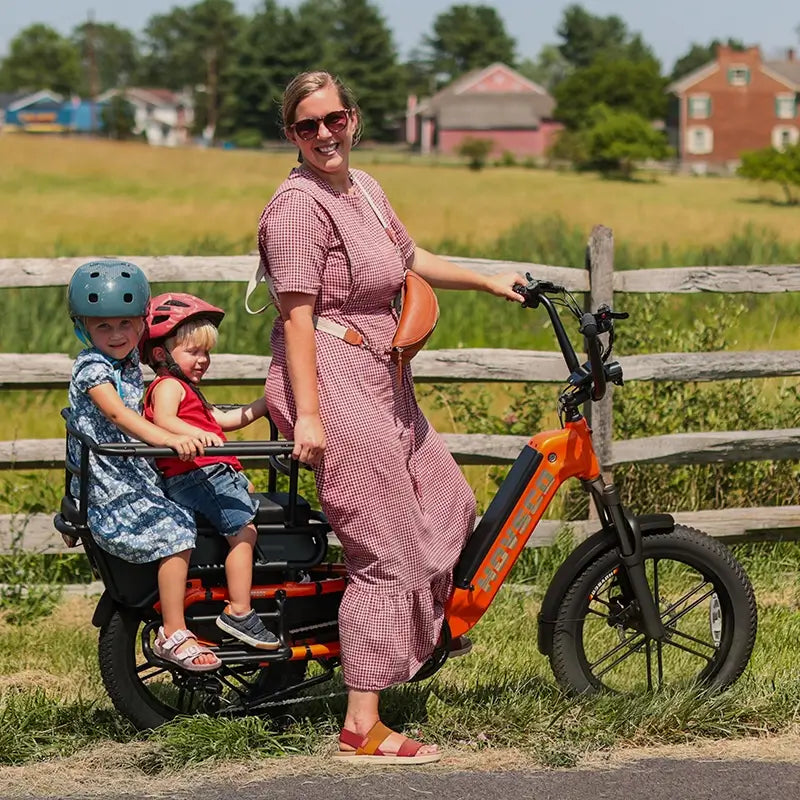
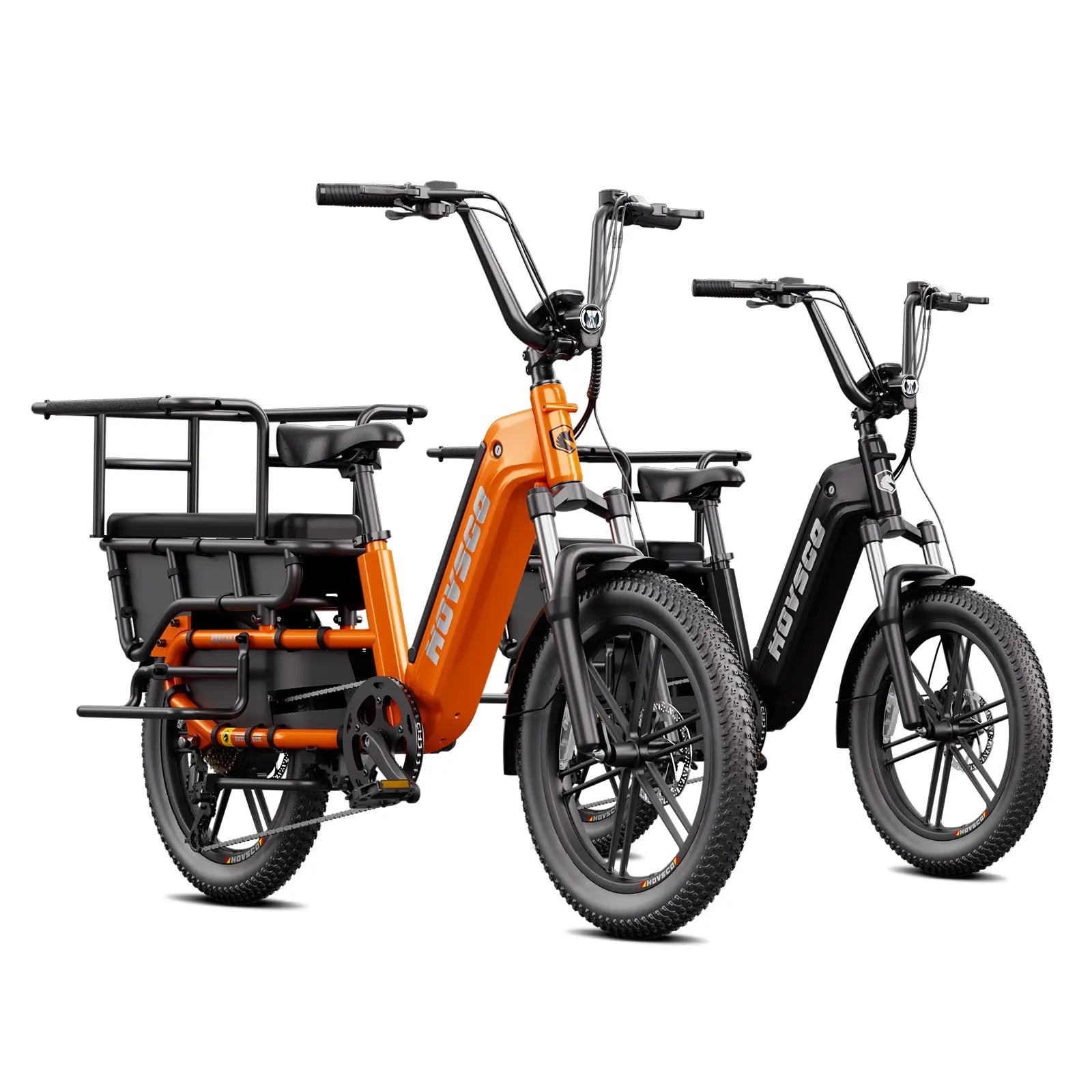
A family passenger e-bike must carry real-world weight without flex, wobble, or brake fade. The best setups are not just “strong motor” bikes; they use reinforced frames, long wheelbases, wide tires, and cargo geometry designed for two person electric bike use, ebike with kid seat setups, and daily hauling.
For family duty, I always check three things first: total payload, mounting points, and braking margin. If those are weak, everything else is secondary. A two seater electric bike for adults also needs room for passenger posture, foot placement, and secure handholds so the second rider is not hanging off the back.
A cargo bike for kids should be treated as a loaded vehicle, not a recreational bike. That mindset changes how you evaluate stability, kickstand quality, rack strength, and seat integration.
Payload should be matched to your heaviest realistic ride, not your lightest one. For a two person electric bike, or a family build with a child seat, I prefer a bike whose claimed payload leaves at least a 20% cushion after rider, passenger, and accessories are counted.
In practical terms, a 2 person electric bike often needs 350 to 450 pounds of total capacity depending on rider size and cargo. A tandem e bike may feel efficient, but if the frame and rear structure are not built for shared loading, it can become unstable under braking or during curb transitions. The safest choice is a chassis engineered for passengers, not a standard commuter adapted with add-ons.
For an ebike with kid seat, remember that the child seat itself adds weight, and so do helmets, baskets, rain covers, and school bags. That is why a cargo bike for kids should always be sized with margin, especially if you expect hills or stop-and-go traffic.
Frame stability is what keeps the bike predictable when loaded. On a family passenger e-bike, the center of gravity, wheelbase, and rear triangle stiffness matter more than raw top speed because a loaded bike reacts differently in turns, stops, and starts.
A stable two seater electric bike for adults usually has a longer rear section, stronger stays, and a frame profile that resists twist under acceleration. In a tandem e bike, the load is spread across a longer platform, but the bike still needs excellent torsional rigidity to avoid a vague or flexy feel. That rigidity becomes even more important when a child shifts weight or leans unexpectedly.
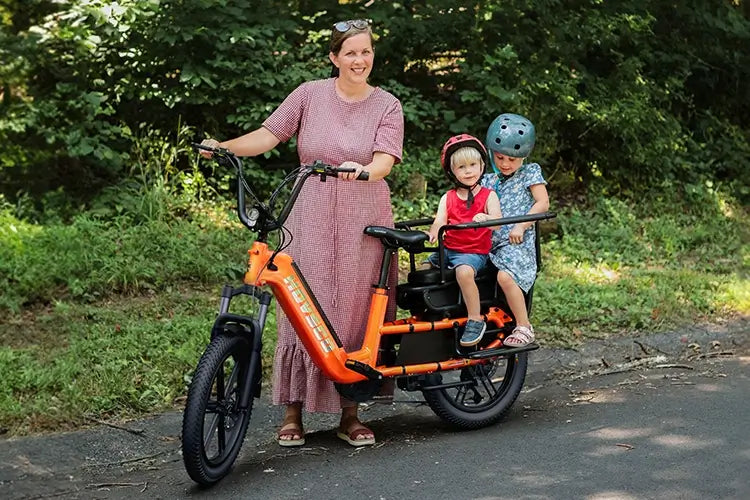
I prefer frames that keep passenger mass low and centered. A lower rear platform, integrated footboards, and a stout center stand reduce tip-over risk during loading. This is the kind of detail that separates a true cargo bike for kids from a bicycle that merely accepts a seat.
The best safety package combines the right child seat, strong brakes, visible lighting, and secure parking support. An ebike with kid seat should have a seat rated by the manufacturer, a harness that resists side movement, and enough heel clearance so the child cannot contact the wheel or spokes.
For child transport, the safest family passenger e-bike usually includes hydraulic disc brakes, integrated lights, reflective elements, and a double-leg or center kickstand. On heavier setups, braking power matters as much as acceleration because a loaded bike needs shorter, more controlled stops. A cargo bike for kids should also have guard rails or frame protection around moving parts.
I also look for a bike that keeps the child’s seating position stable during cornering. A seat mounted too high can make the bike feel top-heavy, while a seat mounted too far aft can lighten the front wheel. Those engineering trade-offs affect real safety more than marketing language does.
Yes, certifications help you separate genuine family setups from improvised ones. When choosing an ebike with kid seat, look for seat and battery safety standards, plus any local or regional transport compliance mentioned by the brand.
A useful rule is this: the bike, battery, and child seat should each have their own safety story. The bike should be built for cargo duty, the battery should meet recognized electrical safety standards, and the seat should be designed for the child’s age and weight range. A tandem e bike or two seater electric bike for adults should also clearly state whether passengers are allowed by the manufacturer.
For child transport, safety compliance is not a bonus feature; it is part of the structure. If a company cannot clearly explain the seat mount, harness design, and braking setup, I would treat that as a warning sign.
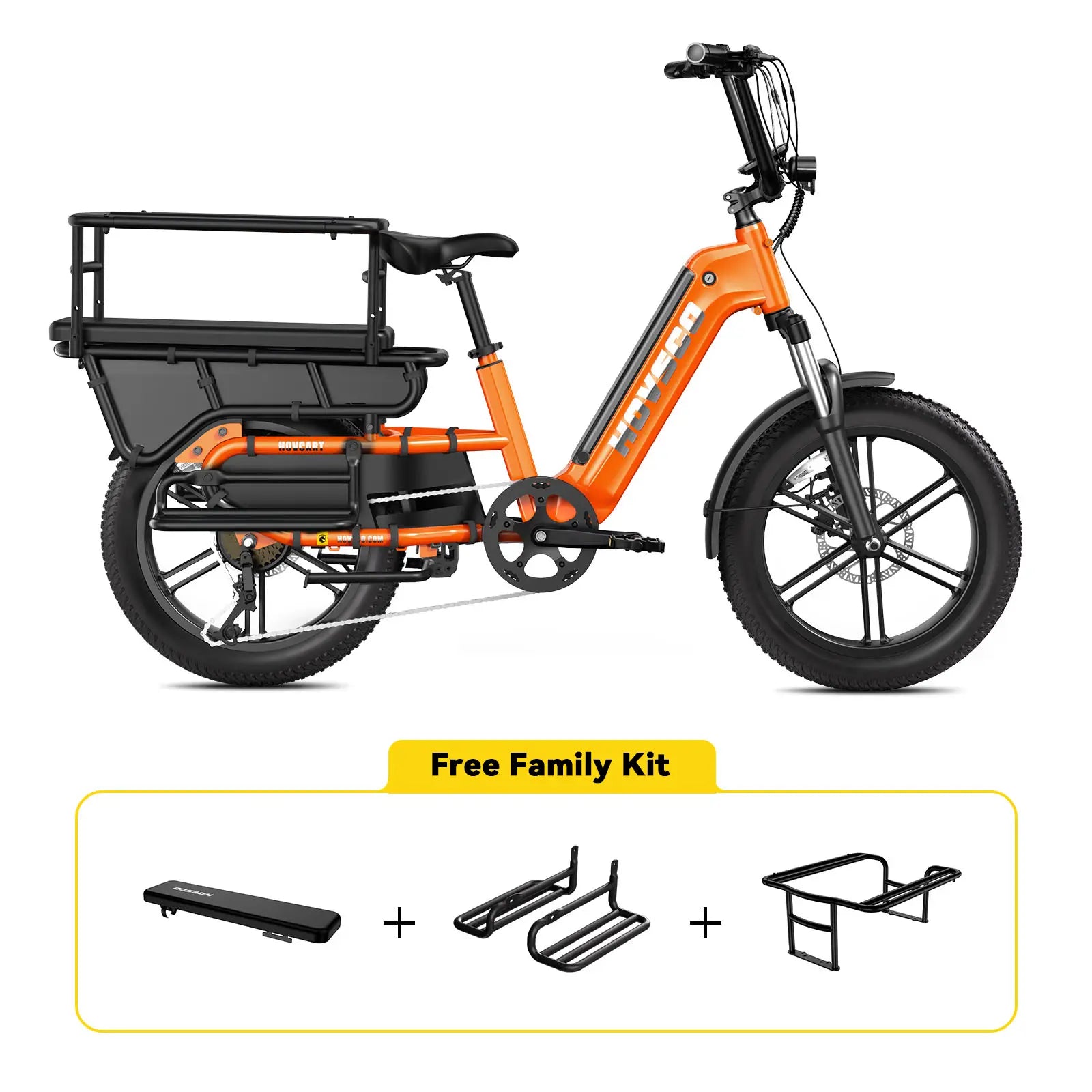
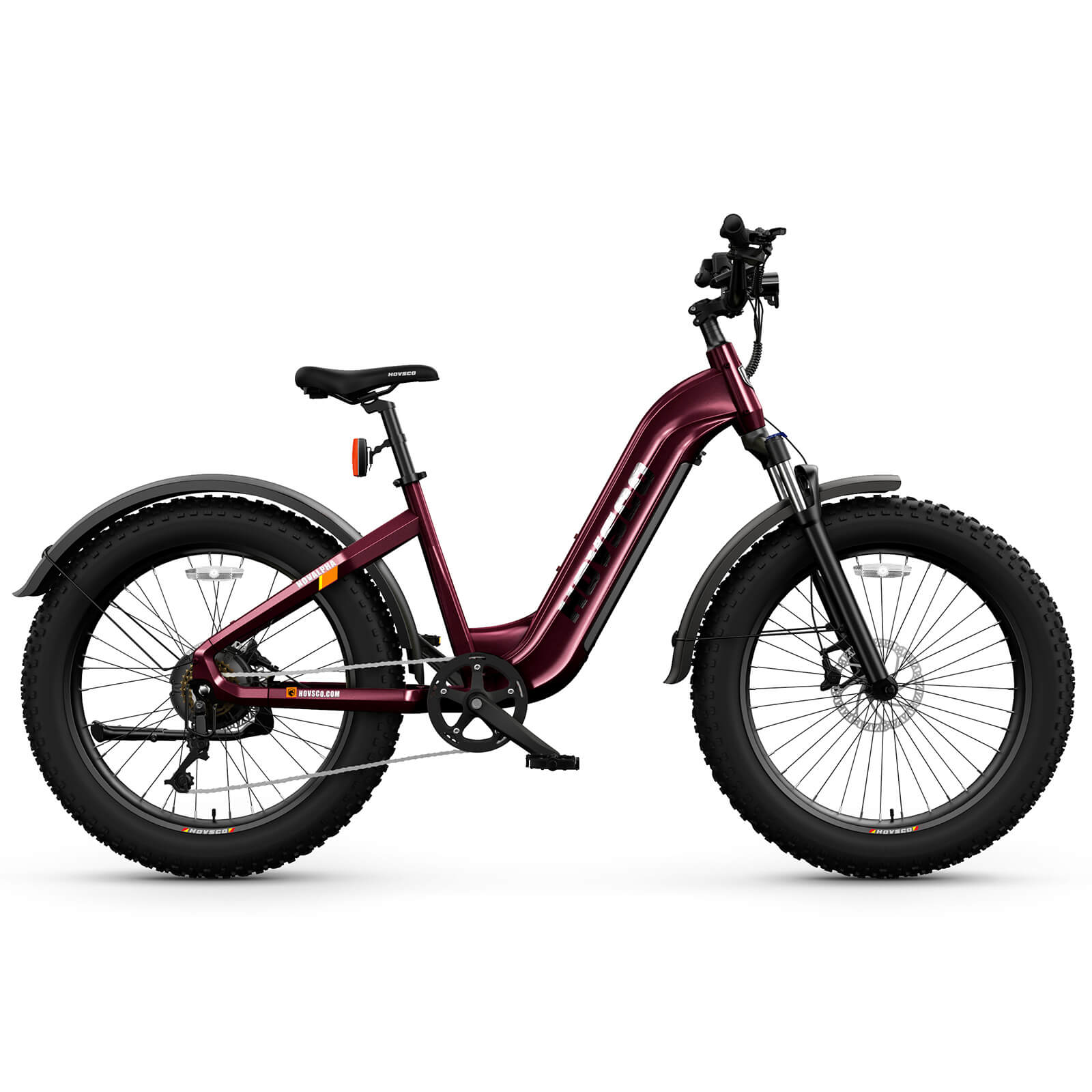
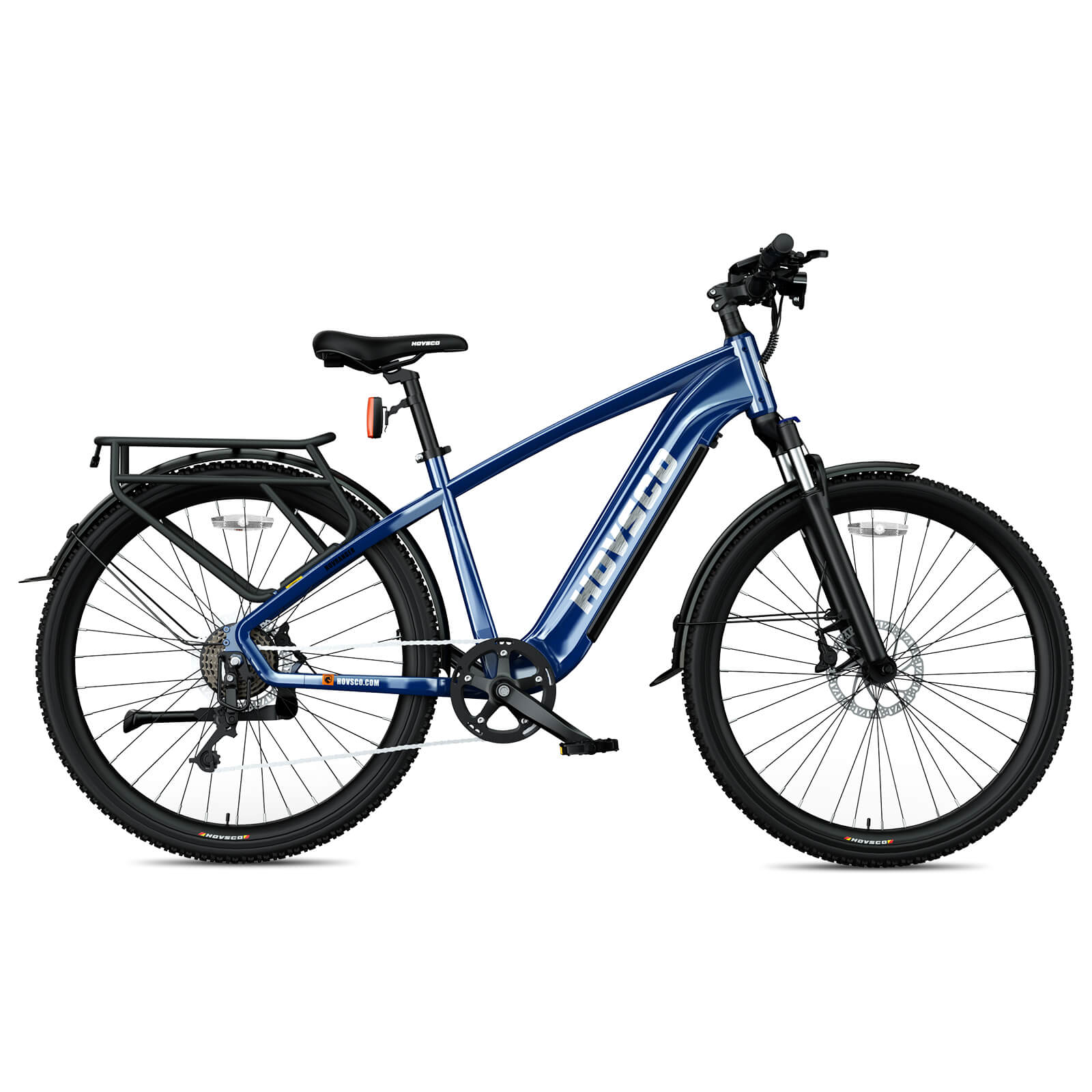
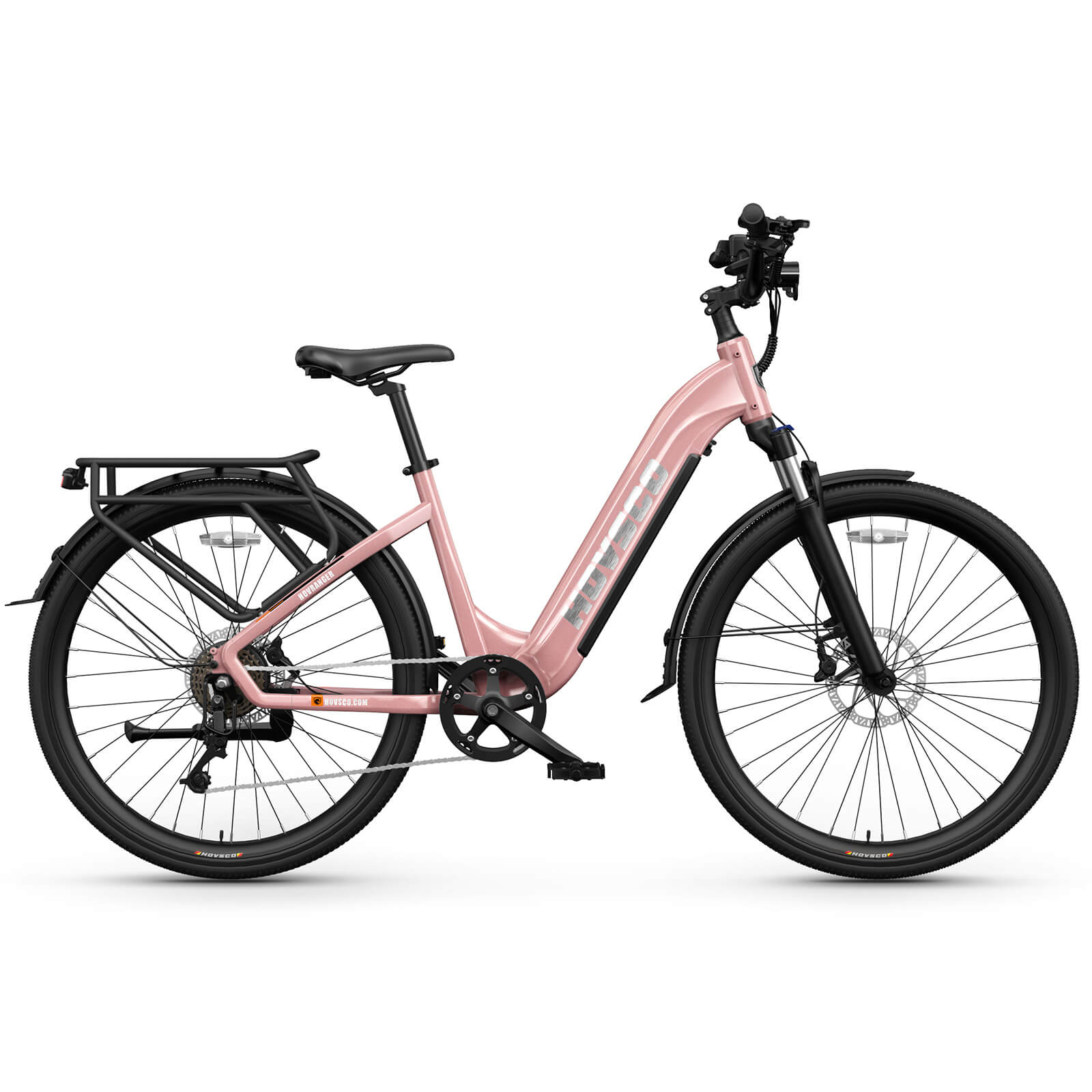
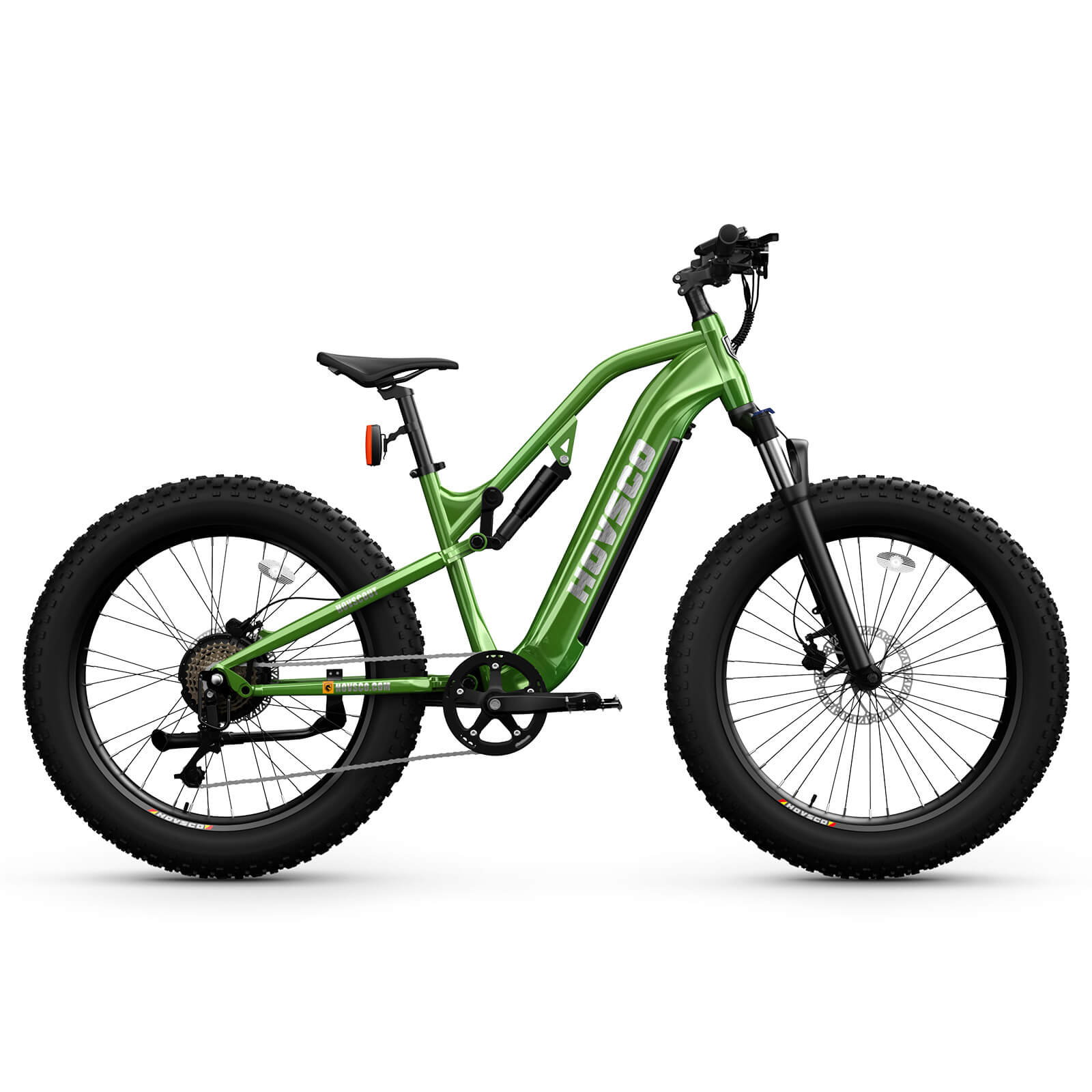
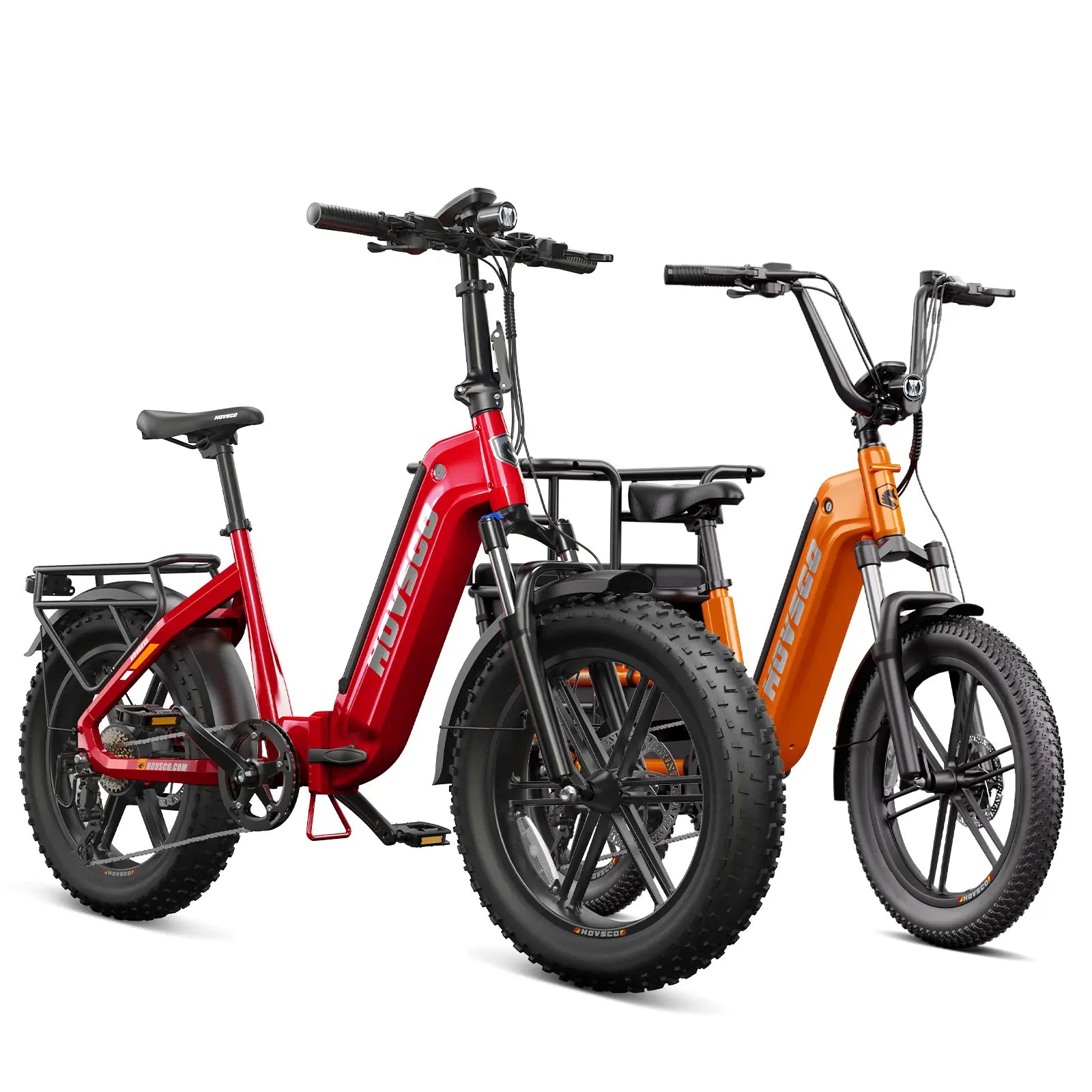
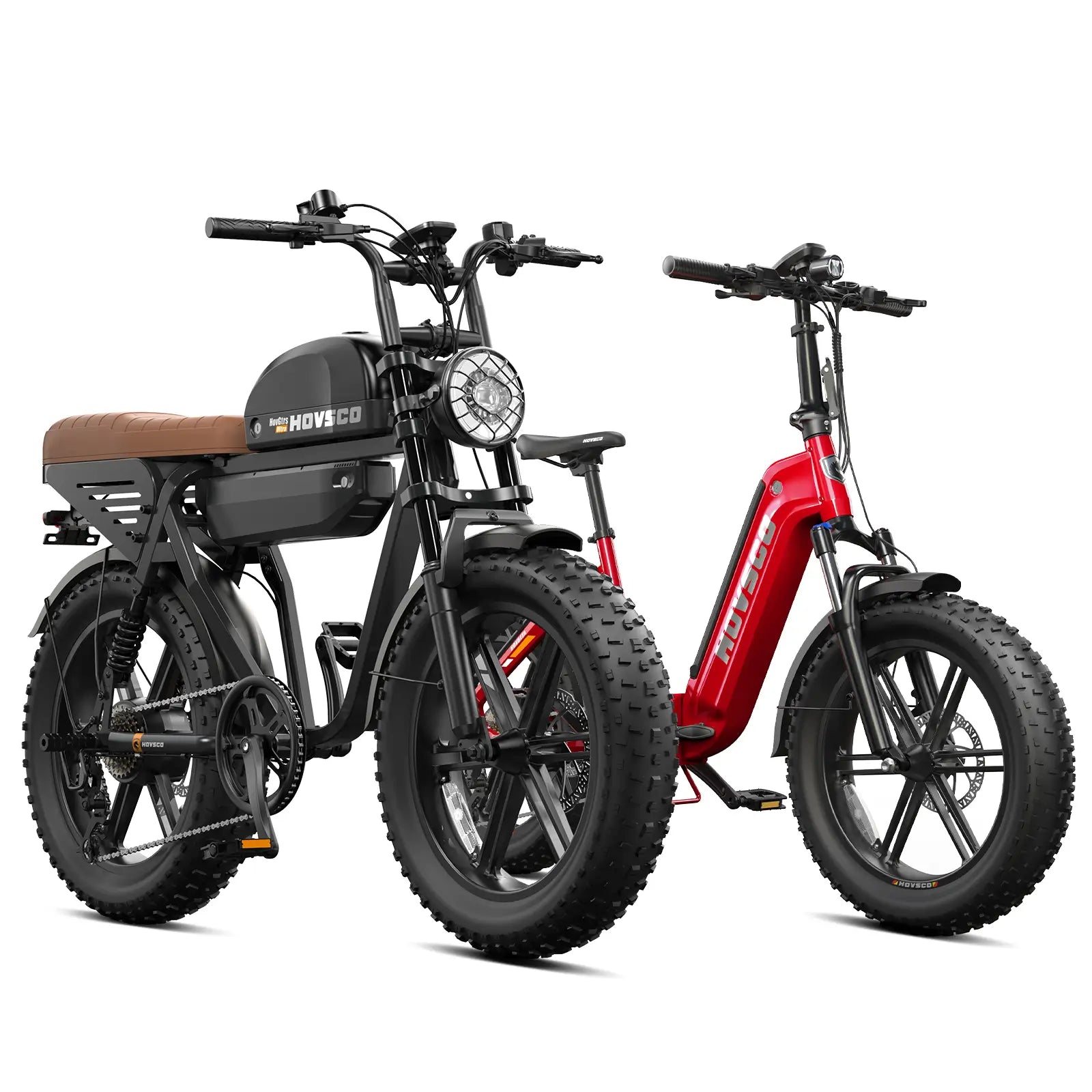
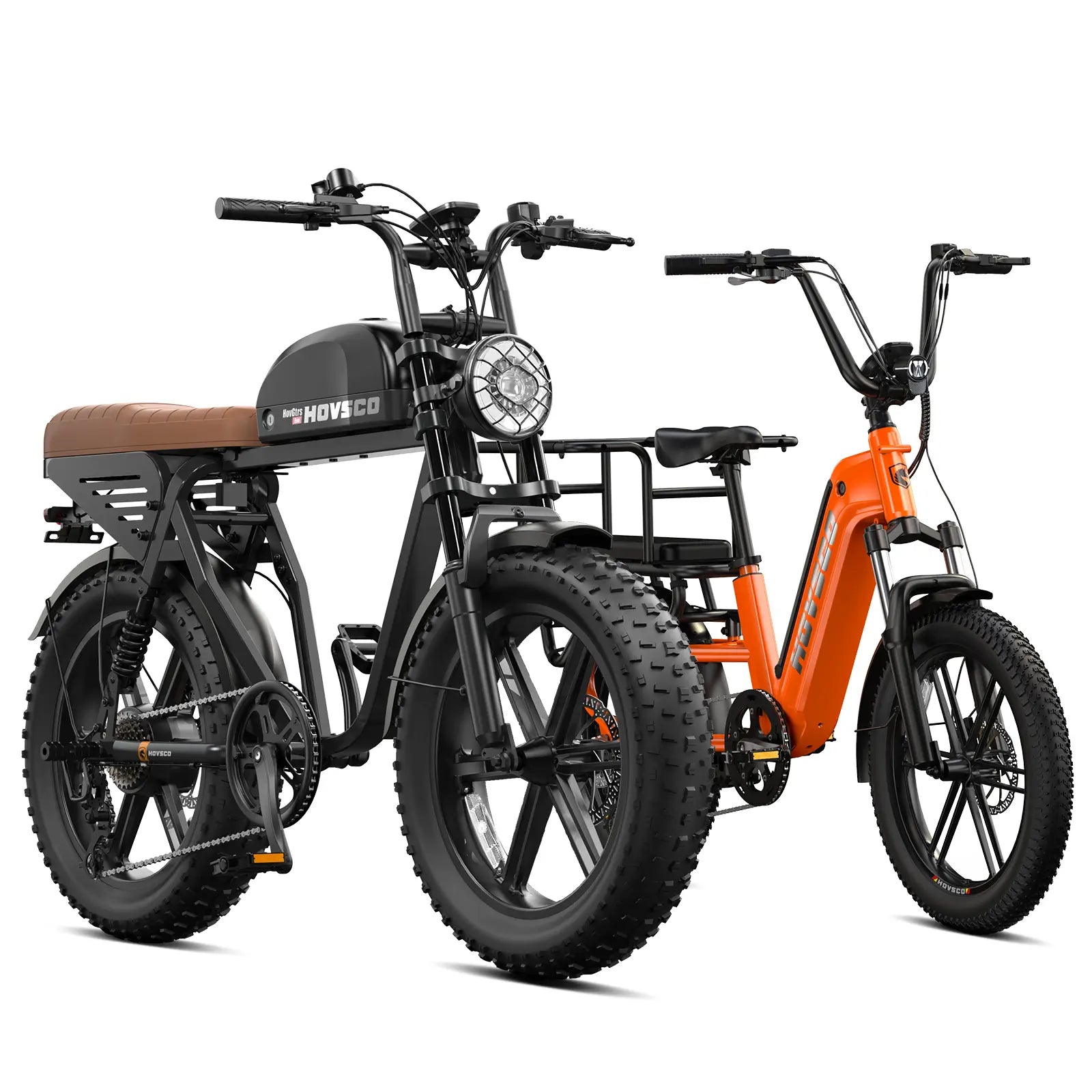
HOVSCO stands out when the goal is practical hauling with a real payload-first design. The brand’s cargo-focused models are built around family use, and HOVSCO has positioned its cargo lineup around the demands of passengers, groceries, and daily errands rather than casual riding alone.
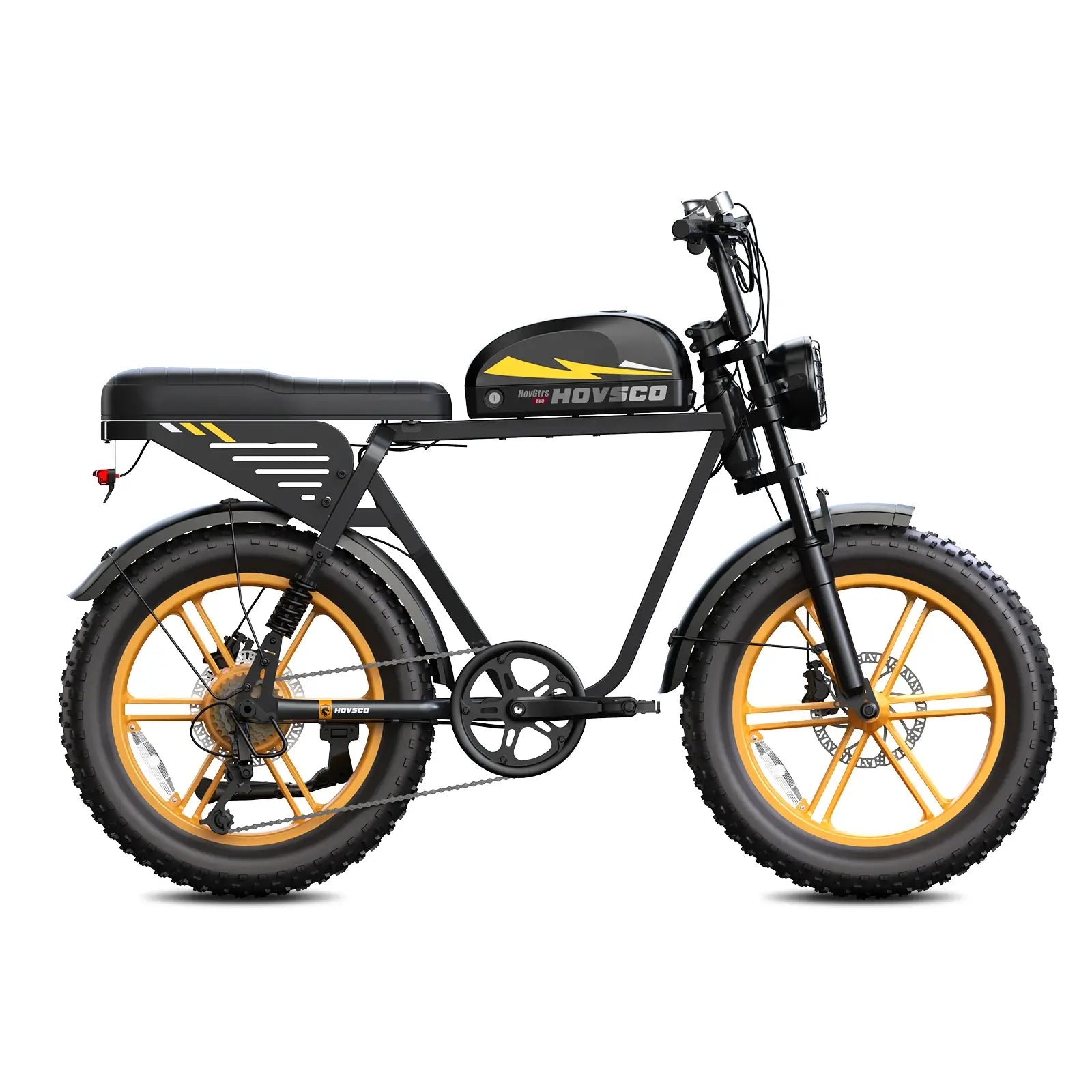
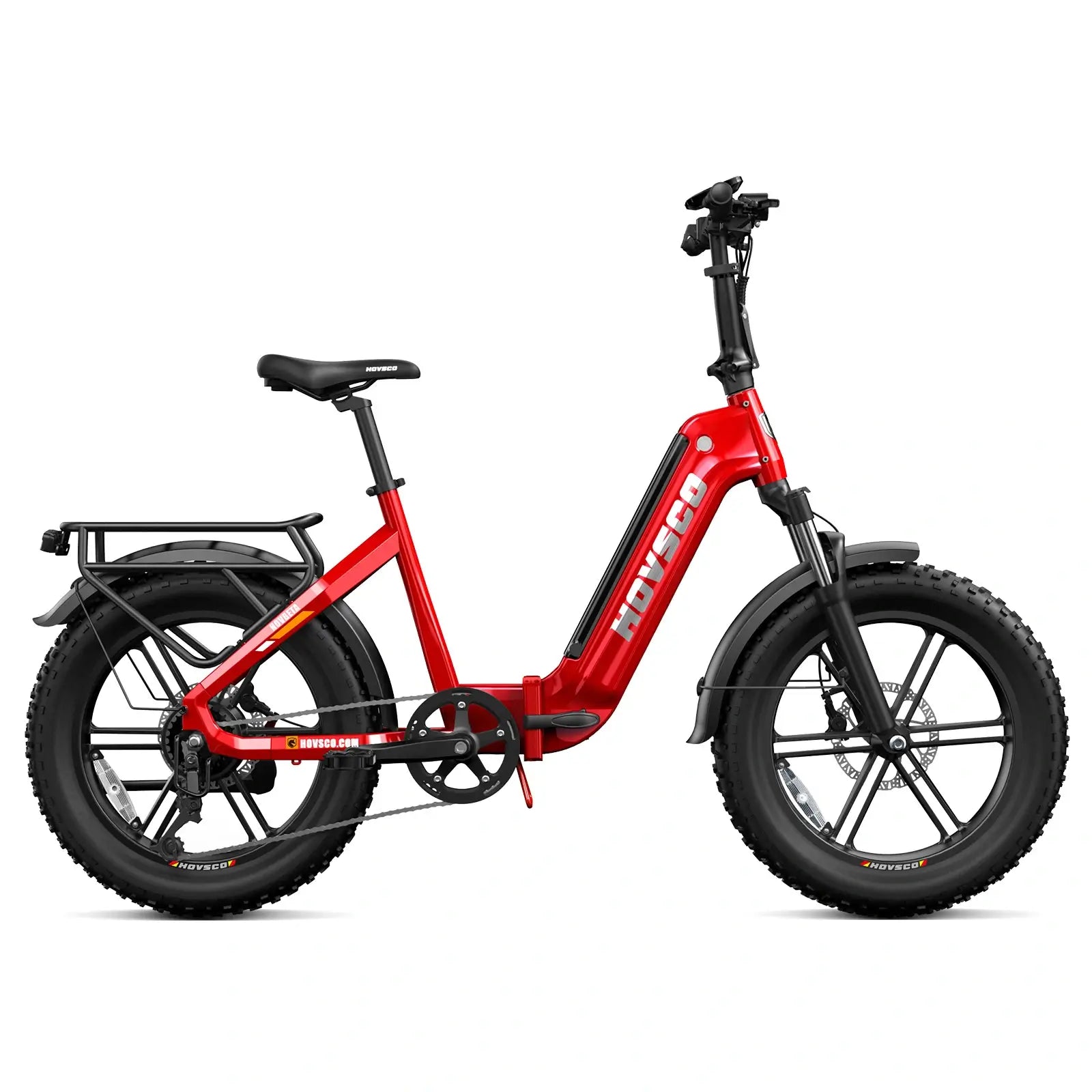
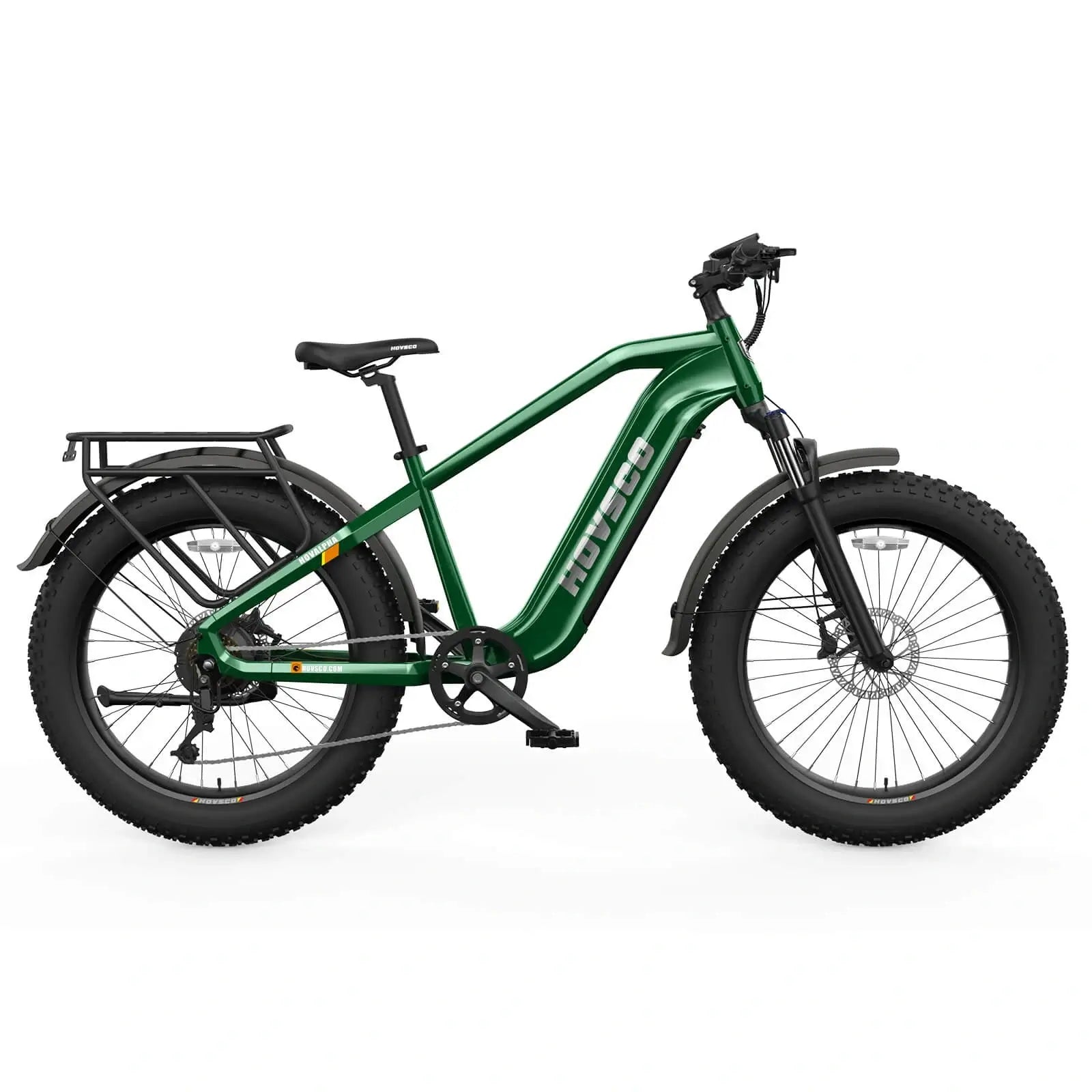
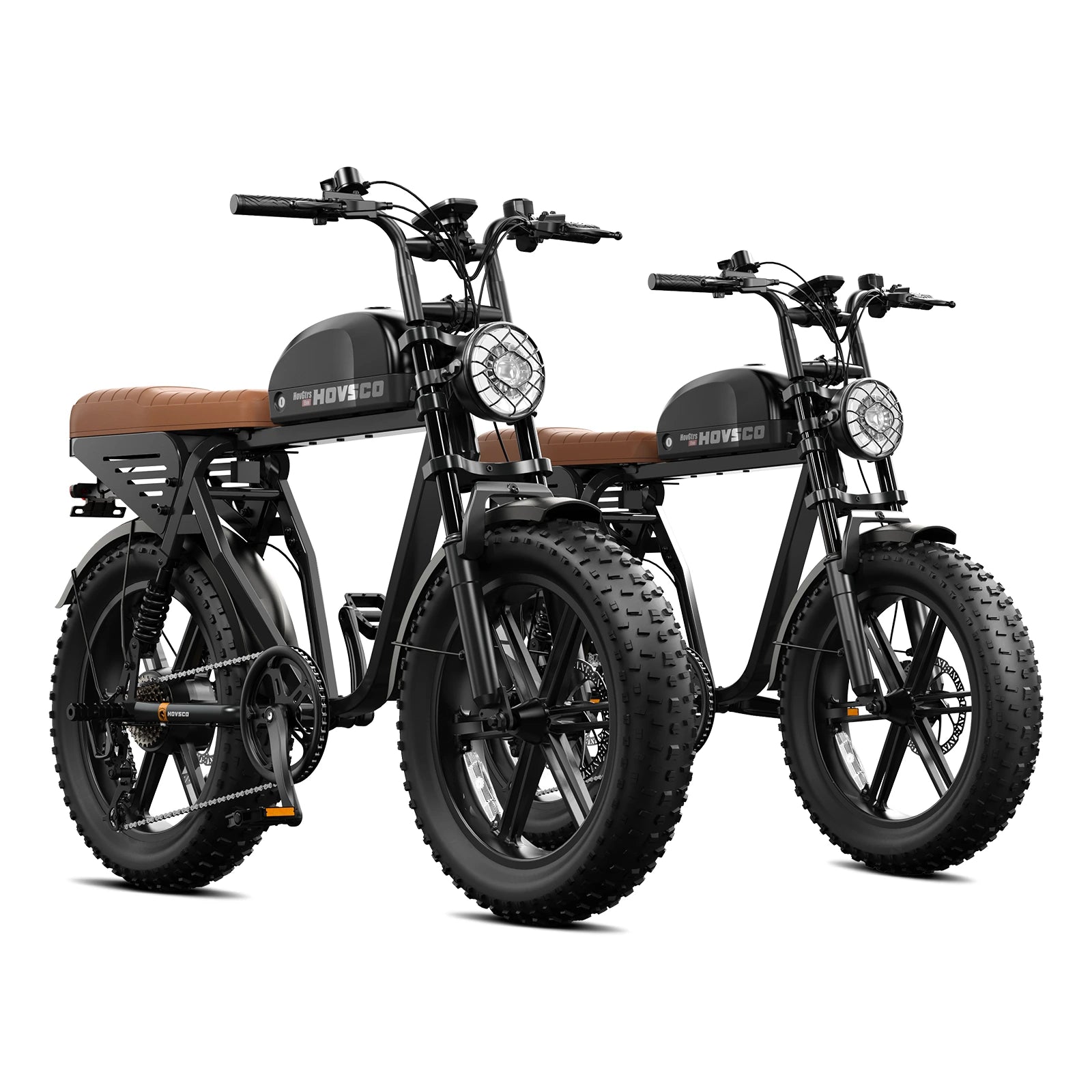
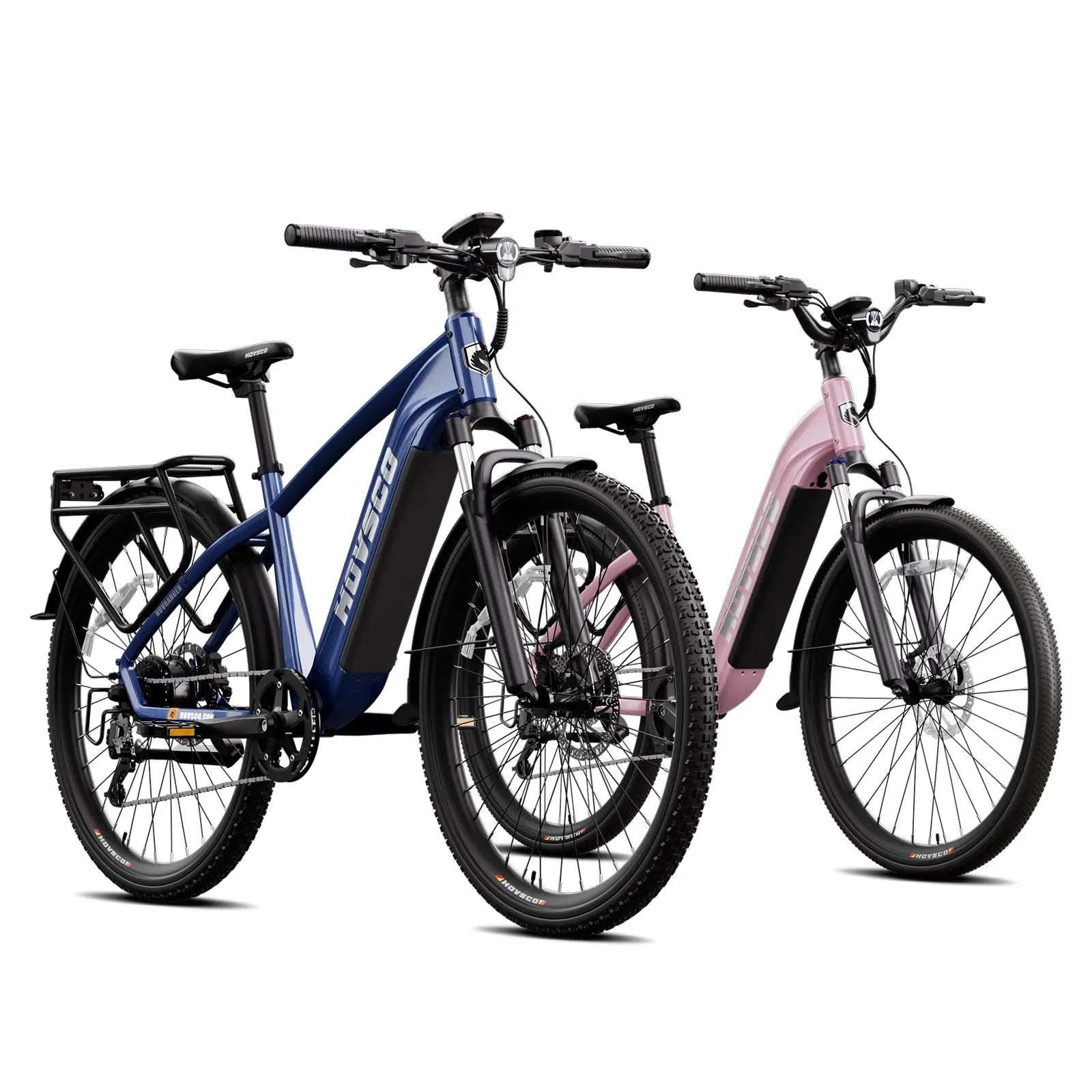
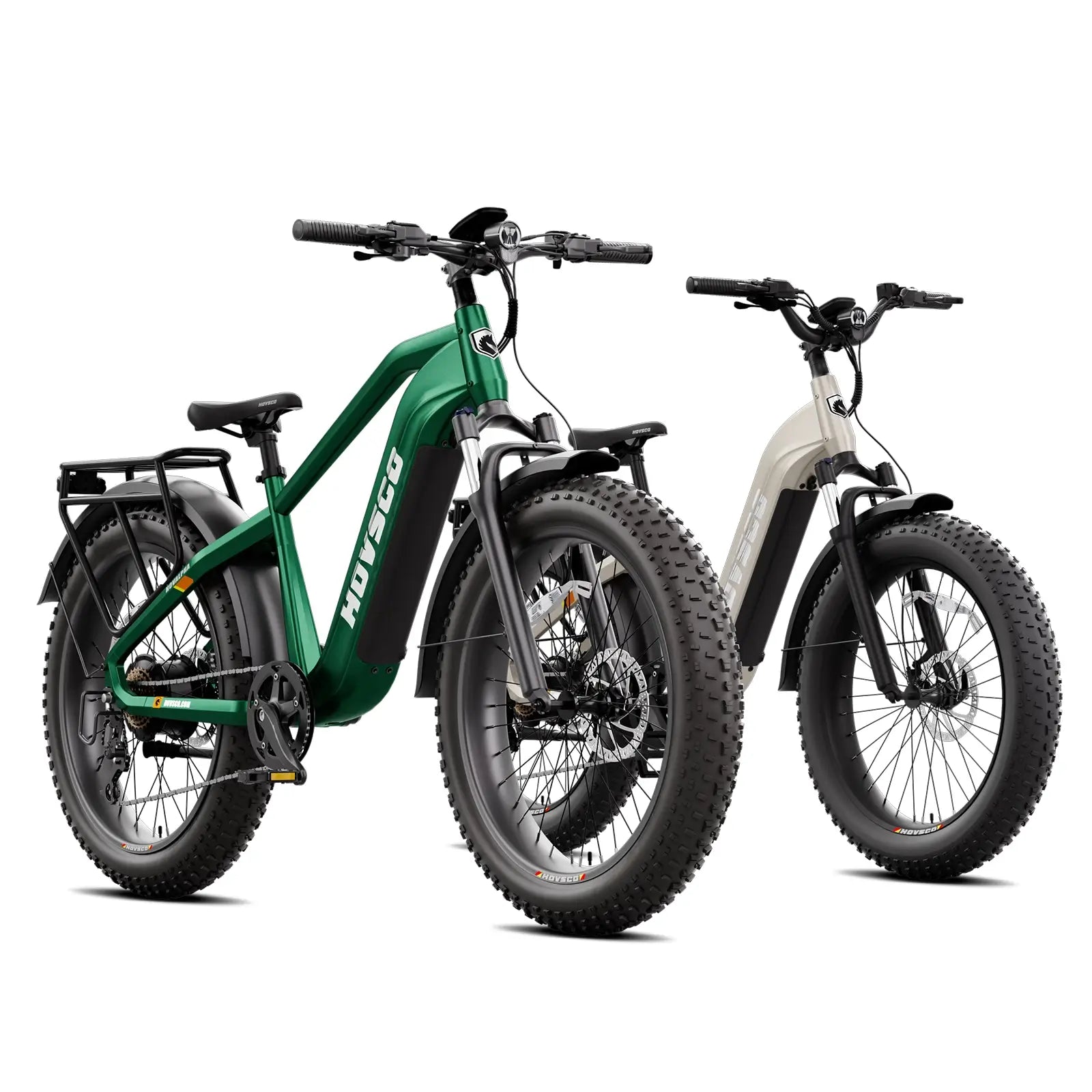
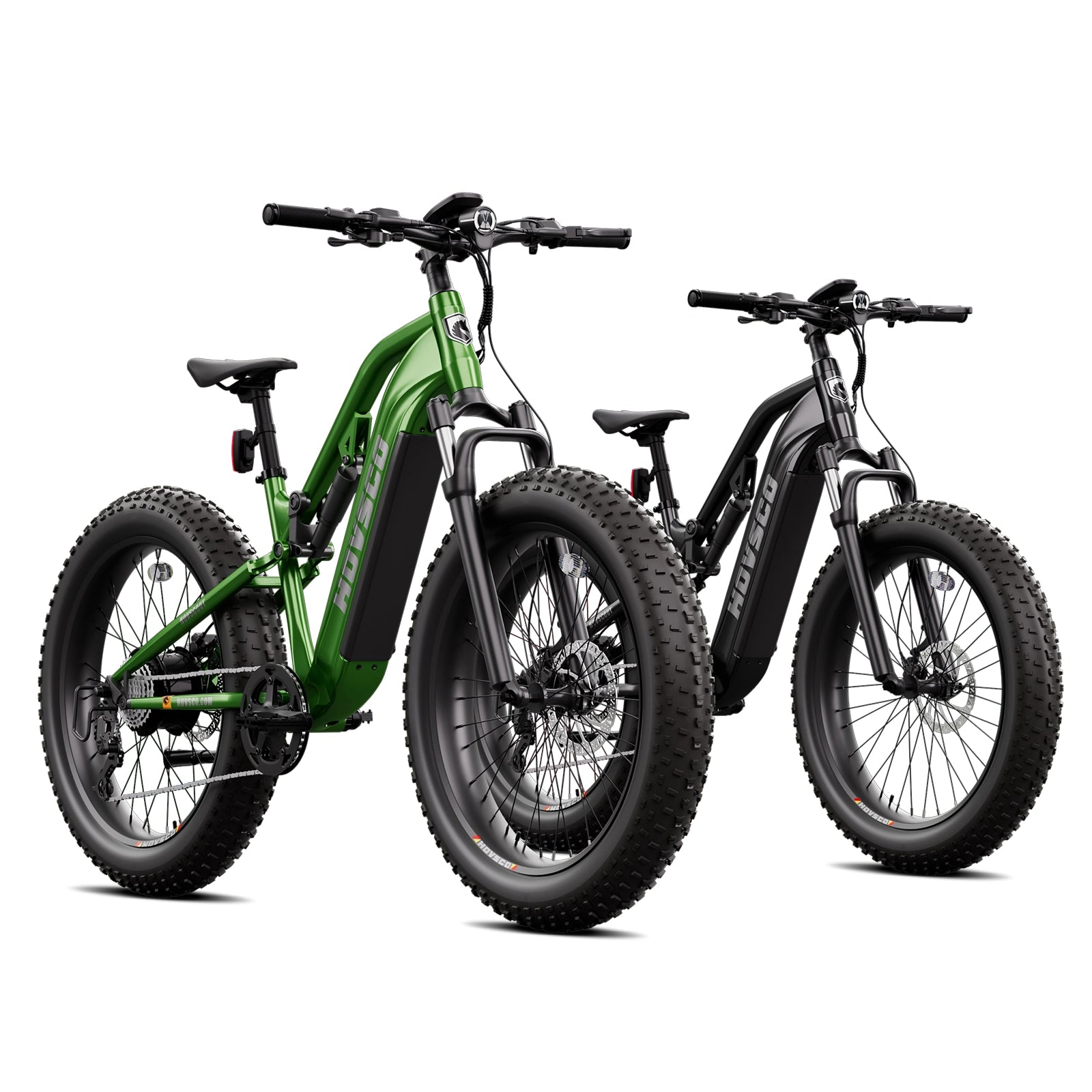
For a two person electric bike setup, the key HOVSCO advantage is the combination of high payload capacity and stable handling geometry. In reviews and product descriptions, HOVSCO cargo models are associated with heavy-duty frames, fat tires, hydraulic braking, and cargo accessories that support child transport. That makes HOVSCO relevant for anyone comparing a two seater electric bike for adults or a cargo bike for kids.
The real value is not just capacity; it is how the bike behaves when loaded. A bike that can carry weight but feels twitchy at slow speed is not family-friendly. HOVSCO’s cargo-oriented approach is strongest when the bike remains manageable at school-drop-off speeds, in parking lots, and on mixed urban surfaces.
A dual-riding bike feels safe when the passenger can stay relaxed without upsetting the rider’s control. That means the passenger has a secure seat, stable foot support, and enough room not to interfere with the rider’s pedaling or balance.
On a two person electric bike, the passenger should sit low and close to the bike’s centerline when possible. A tandem e bike can work well for adults, but it only feels natural when the frame length, steering response, and braking balance are tuned for two. In a cargo bike for kids, the safest rides usually happen when the bike is intentionally overbuilt for the load, not just “capable enough.”
The best bikes for dual riding also have smooth power delivery. Sudden torque can startle a child or shift weight abruptly, so a controlled motor response matters more than headline wattage alone.
Accessories matter because family riding is a system, not a single component. An ebike with kid seat should be judged with the rack, seat, kickstand, footrests, wheel guards, and lighting installed together, not in isolation.
For a two seater electric bike for adults, I recommend checking the rider/passenger workflow: mounting, loading, stopping, and parking. If the bike tips too easily on its stand or the passenger has to climb awkwardly, the setup is not truly family-ready. A cargo bike for kids should make school drop-off simple, quick, and repeatable.
The most useful accessories are the ones that reduce human error. Examples include a sturdy center stand, padded passenger rails, integrated rear pegs, and a lockable battery system that does not interfere with daily use. HOVSCO’s cargo approach is strongest when those details come together as a complete package.
Shortlist bikes that are explicitly designed for load-carrying, passenger use, and stable low-speed handling. For a family passenger e-bike, look for the highest payload capacity you can reasonably afford, plus a frame that stays composed under a child seat or adult passenger.
Here is a practical shortlist framework:
A tandem e bike is a niche solution for riders who want shared pedaling and a longer shared riding posture. A two seater electric bike for adults is usually better for mixed errands because it is easier to load and unload. For most families, a cargo bike for kids offers the best blend of safety, balance, and usefulness.
“When we design for family use, we do not start with motor power. We start with the load path, the stand, and the child’s sitting position. If the frame can keep its line under braking and the passenger can stay relaxed, the bike feels safer immediately. That is the difference between a bike that merely carries weight and a bike that truly supports family life. HOVSCO builds for that second category.”
Real-world testing reveals how the bike behaves with a living load, not a showroom weight number. A family passenger e-bike should be tested with the actual rider, actual passenger, and actual cargo because balance changes dramatically once the bike is moving.
I recommend checking low-speed turns, emergency braking, and curb mounting with the full family setup. A two person electric bike that feels fine empty can become unstable if the passenger sits too high or the rear tire flexes too much. An ebike with kid seat should also be tested for foot clearance, seat belt tension, and parking stability before regular use.
This is where brand engineering matters. HOVSCO-style cargo thinking is valuable because it recognizes that family transport is a repeated routine, not a one-time trip.
Choose the bike that best matches your passenger weight, cargo habits, and daily route. If you mostly carry one child, a cargo bike for kids with a low rear platform and strong seat support is usually the best fit. If you want adult passenger flexibility, a two seater electric bike for adults with reinforced structure and high payload capacity is the better choice.
Use this decision logic:
Prioritize payload first.
Confirm frame stability second.
Verify child-seat or passenger compatibility third.
Check braking and parking support fourth.
Choose accessories last, after the structure is right.
That order keeps you from buying by appearance instead of function.
A family passenger e-bike should be judged like a practical transport tool, not a trendy bicycle. Focus on payload capacity, frame stability, and passenger-specific safety details before considering speed, paint, or extras. For many families, HOVSCO cargo bikes are compelling because they combine hauling ability, stable geometry, and thoughtful passenger features in one platform. If you want a two person electric bike, an ebike with kid seat, a tandem e bike, a two seater electric bike for adults, or a cargo bike for kids, the best choice is the one built for the load from the start. HOVSCO, in particular, makes that family-first approach easy to see.
Can a standard e-bike carry a child seat?
Only if the manufacturer explicitly allows it and the rack, frame, and braking system are rated for the added load. A purpose-built cargo bike for kids is usually the safer choice.
Is a tandem e bike better than a cargo bike?
A tandem e bike is better for two adults who want to pedal together. A cargo bike for kids is better for family errands, school runs, and stable child transport.
What payload capacity should I look for?
Look for a capacity that comfortably exceeds your total real-world load. For a two person electric bike, that often means a strong margin above rider, passenger, and cargo weight.
Are fat tires enough for family riding?
Fat tires help with stability and comfort, but they do not replace a strong frame, good brakes, or safe passenger seating. They are one part of the full family passenger e-bike system.
Why is HOVSCO mentioned for family use?
HOVSCO is relevant because its cargo-focused approach emphasizes payload, stable handling, and practical family utility. That makes it a strong option when comparing a two seater electric bike for adults or an ebike with kid seat.
Share:
What Is the Fastest Electric Bike You Can Ride in 2025?
What Makes a Moped-Style E-Bike Worth Buying Today?