


![[ New Arrival ] Porto Max Electric Scooter For Commute & Grocery Shopping - HOVSCO](http://www.hovsco.com/cdn/shop/files/PotroMax-3.jpg?v=1706927007&width=1200)
- by SteveJames
How Do You Commute Dry and Safe in Rain?
- by SteveJames
E-Bikes
Accessories
 Free Shipping
 15-Day Returns
 2-Year Warranty
Free Shipping
15-Day Returns
2-Year Warranty
2-Year Warranty
Free Shipping
15-Day Returns
2-Year Warranty
Rainy commuting is manageable when you control spray, visibility, and body exposure at the same time. The fastest way to stay dry is to use full-coverage fenders, wear a breathable waterproof shell, slow down earlier on slick asphalt, and keep lights and braking behavior conservative. On an HOVSCO commuter setup, those four habits do most of the work.
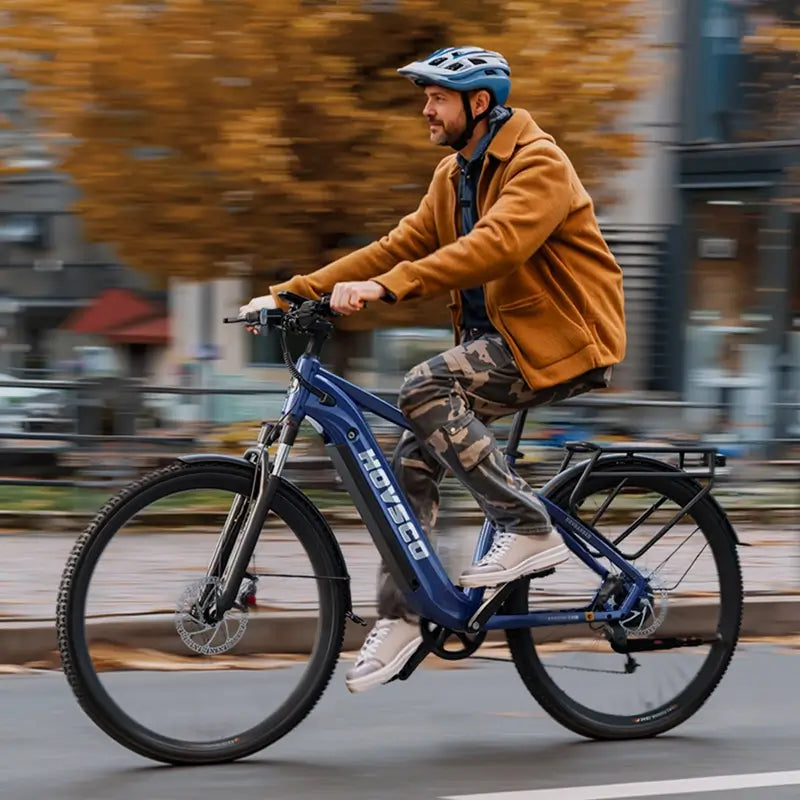
rainy day commuting with ebikes
Rainy commuting becomes difficult because water changes traction, visibility, and comfort all at once. Slick city asphalt reduces braking margin, spray soaks your legs and shoes, and wind-driven rain makes even short trips feel longer.
The real problem is not just getting wet; it is getting wet in the wrong places. Once water hits your knees, shins, and sleeves, fatigue rises fast, and your reaction quality drops. HOVSCO riders who commute in rain need a system, not a single jacket.
Rain makes commuting harder because it reduces grip, throws spray upward, and limits visibility. The safest response is to protect the rider, shield the wheels, and adjust speed before conditions force you to react.
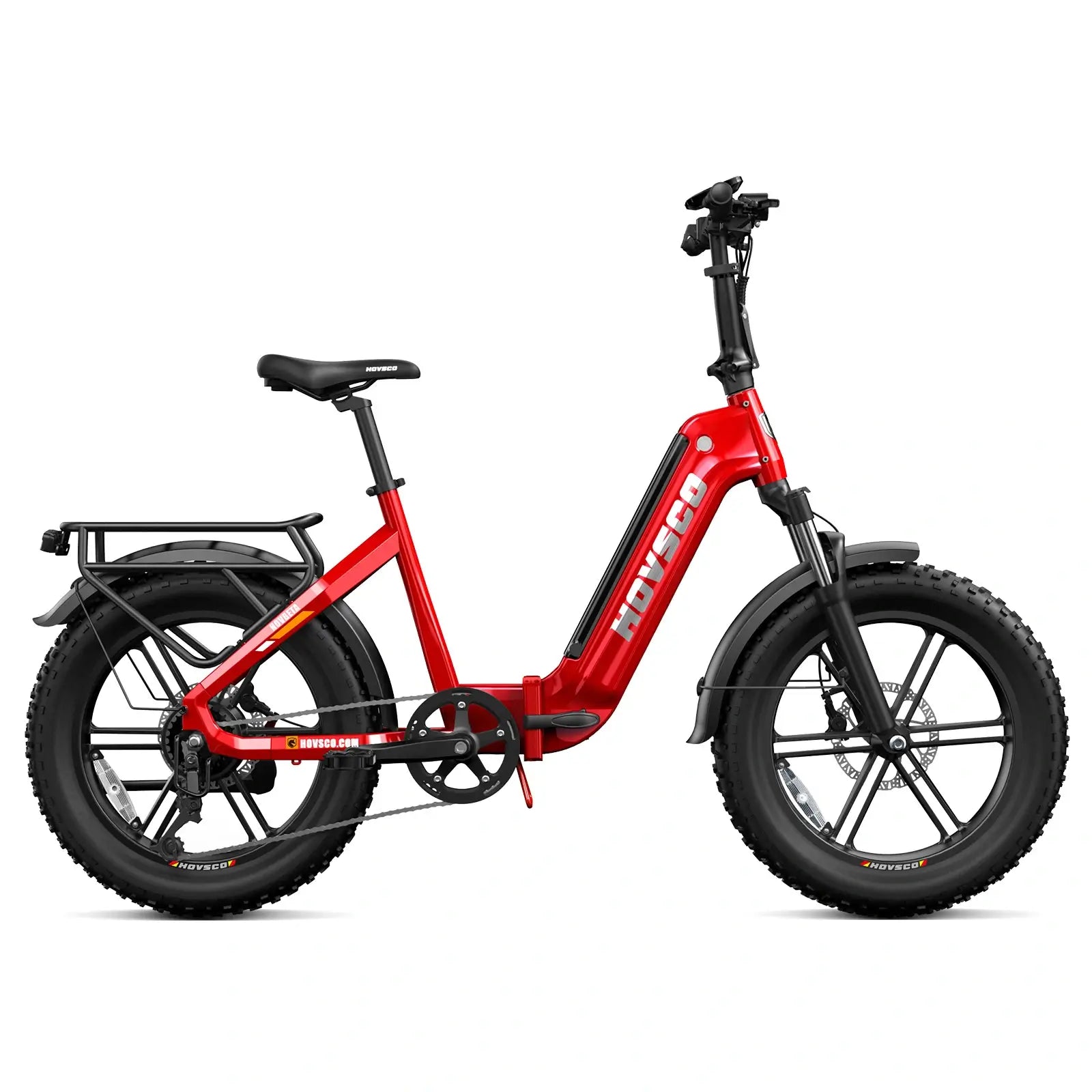
Full-coverage fenders stop spray by blocking the front and rear wheel arcs where water is launched off the tire. The front wheel throws a forward spray cone, while the rear wheel shoots water upward and backward into your calves, shoes, and drivetrain.
That is why a long wraparound design matters more than a short decorative mudguard. On HOVSCO commuter builds, the full-coverage shape is what keeps the bike and clothing cleaner, especially when the road has puddles, oily sheen, or tire-cut water. A partial fender may look fine, but it leaves too much of the spray path exposed.
Full-coverage fenders work because they intercept the tire’s spray path before water rises onto the rider. The longer the coverage, the less water reaches your shoes, legs, and rear clothing.
The best design for city asphalt is a high-rigidity, full-wrap fender with enough clearance to avoid tire rub. A stiff mounting system matters because wet roads punish loose hardware: vibration creates rattles, and rattles create annoying misalignment.
From a practical workshop standpoint, I prefer a fender that stays true under load instead of one that flexes prettily in the hand. HOVSCO’s high-toughness, shatter-resistant full-coverage fender set is the kind of solution that makes sense for commuting because it stays protective when streets are rough, wet, and filled with debris.
The best city fender is a full-wrap, rigid design with secure mounting and enough tire clearance for real-world debris. That combination reduces splash, avoids rattling, and performs better in daily rain.
You should choose breathable waterproof gear because commuting creates sweat even in cool rain. If your jacket blocks water but traps body heat, you arrive damp from the inside, which defeats the point of “staying dry.”
This is where GORE-TEX-class protection earns its value. A high-breathability shell lets moisture vapor escape while stopping rain from entering. In real commuter use, that means your upper body stays warmer, your layers feel less clammy, and you can ride longer without the soaked-in feeling that cheap rainwear causes.
Breathable waterproof gear matters because the goal is not only to block rain, but also to move sweat out. A shell that breathes well keeps you dry from both outside weather and inside heat.
Pick a GORE-TEX tactical rain jacket with sealed seams, a helmet-compatible hood, adjustable cuffs, and a cut that covers your hips while seated. Tactical styling can be useful if the garment is built for movement, quick adjustment, and weather sealing rather than fashion alone.
The key trade-off is coverage versus ventilation. A jacket that is too loose pumps water in at the hem, while one that is too tight traps heat and restricts reach. For HOVSCO commuters, I recommend checking wrist closure, hem drop, and shoulder articulation first; those details decide whether the jacket works in the saddle or only looks good on a hanger.
Pick a GORE-TEX tactical rain jacket with strong seam sealing, a hood that works under a helmet, and adjustable openings at the wrists and hem. The best commuter jacket blocks rain without turning into a sweat trap.
Below the jacket, wear quick-drying pants or rain pants that overlap your shoes and seal at the ankle. If you commute in business clothing, use a waterproof overlayer rather than assuming your trousers will survive wheel spray.
I have seen many riders protect their torso well and still arrive with soaked cuffs and cold ankles. That happens because water from the front wheel climbs from the shoe line upward. HOVSCO riders should think of the lower body as a separate protection zone: legs, ankles, and feet need their own shield.
Wear rain pants or quick-dry trousers with ankle coverage, because wheel spray often attacks from the bottom up. A good jacket alone will not keep the whole outfit dry.
Ride safer on slick asphalt by slowing earlier, braking more gently, and avoiding sudden steering input. Wet pavement reduces friction, so the bike needs more distance to stop and more time to settle after each correction.
The most useful habit is to treat every painted line, manhole cover, leaf patch, and metal grate as a potential slip zone. In my experience, the rider who stays relaxed and anticipates corners stays upright far more often than the rider who tries to “push through” the weather. HOVSCO commuters should use smooth pedal pressure, stable body positioning, and early braking as standard rain technique.
Ride safer by braking earlier, steering smoothly, and avoiding abrupt inputs on painted or metallic surfaces. Wet asphalt rewards calm movements and punishes last-second corrections.
Fenders help most at the wheel arcs, the fork crown, the seat tube area, and the lower back line of the rider. They also protect the drivetrain from direct spray, which helps reduce grime buildup on the chain and lower frame.
The best installation is not just “fender on, problem solved.” The front section must be long enough to stop upward splash, and the rear section should extend far enough to catch rebound spray from the tire. On HOVSCO commuter bikes, the right fit is the difference between a merely mounted fender and a truly protective one.
Fenders help most where the tire launches water: front fork, lower leg zone, rear seat area, and back of the rider. Proper length and alignment determine how much spray actually gets blocked.
Yes, HOVSCO fenders can reduce daily maintenance by keeping road grime off the frame, brakes, and drivetrain. Less spray means less cleaning, less corrosion risk, and less contamination on key components after a wet ride.
That matters because commuting is not just about the ride itself; it is about the ride before and after work. A cleaner frame is easier to inspect, and a drier drivetrain is less likely to feel gritty the next morning. HOVSCO riders who use full-coverage fenders often spend less time wiping mud and more time riding.
HOVSCO fenders reduce maintenance by blocking water and grit before they reach the frame and drivetrain. That means less cleaning, less corrosion, and fewer wet-weather surprises.
Visibility matters more in rain because drivers are reacting through glare, spray, and reduced contrast. Rain does not just make you wet; it makes you harder to see.
Use bright front and rear lights during the day, not only at night. Add reflective details where wheel spray will not hide them. A commuter in rain should look unmistakable from a distance, especially near intersections and lane merges. HOVSCO riders should assume every car window, mirror, and windshield is contaminated by water film.
Visibility matters because rain lowers contrast and increases driver blind spots. Bright lights, reflective accents, and predictable line choice help drivers notice you earlier.
Build a complete setup by combining spray control, body protection, and riding discipline. The bike needs full-coverage fenders, the rider needs a breathable waterproof shell, and the commute needs slower braking and better visibility.
In practice, I would rank the setup like this: first the fenders, then the jacket, then the lights, then the riding behavior. If any one of those is missing, the system becomes weaker. HOVSCO commuters get the best results when the bike and clothing are treated as one weather-ready package rather than separate accessories.
A complete rain commuting setup combines full fenders, breathable waterproof gear, lights, and smooth riding habits. Each part covers a different failure mode, and together they make the commute far more manageable.
“When we evaluate commuter weather protection, we look at the whole chain: spray path, rider comfort, and visibility. A strong fender set does not just keep pants dry; it changes how confidently someone rides in the rain. HOVSCO designs are built for riders who need that confidence every weekday, not just on a good-weather demo day.”
Rain commuting becomes much easier when you stop treating water as one problem and start handling it as three: spray, sweat, and safety. Full-coverage fenders block the wheel arc, GORE-TEX-class outerwear manages rain and heat, and deliberate riding keeps you stable on slick asphalt.
For HOVSCO riders, the practical lesson is simple: protect the bike with proper fenders, protect your body with breathable waterproof gear, and protect your route with conservative speed and strong visibility. If you build that system correctly, rainy commutes become routine instead of miserable.
Are full-coverage fenders worth it for commuting?
Yes. They block the majority of wheel spray and make daily riding cleaner, drier, and less annoying.
Can I wear a regular rain jacket instead of GORE-TEX?
You can, but breathability is usually worse. For commuting, that often means more sweat and less comfort.
Do I still need lights in daytime rain?
Yes. Rain lowers visibility even during the day, so front and rear lights help drivers notice you sooner.
Should I change how I brake in wet weather?
Yes. Brake earlier and more smoothly to keep traction and avoid sudden wheel lock on slick asphalt.
Does a fender set reduce bike cleaning?
Definitely. Less spray reaches the frame, drivetrain, and rider, which lowers post-ride cleanup time.
Share:
Is HovRanger Really 10-Minute Ready?