



![[ New Arrival ] Porto Max Electric Scooter For Commute & Grocery Shopping - HOVSCO](http://www.hovsco.com/cdn/shop/files/PotroMax-3.jpg?v=1706927007&width=1200)
- by SteveJames
How Can You Hide a Tracker Inside a HOVSCO Commuter Bike?
- by SteveJames
E-Bikes
Accessories
 Free Shipping
 15-Day Returns
 2-Year Warranty
Free Shipping
15-Day Returns
2-Year Warranty
2-Year Warranty
Free Shipping
15-Day Returns
2-Year Warranty
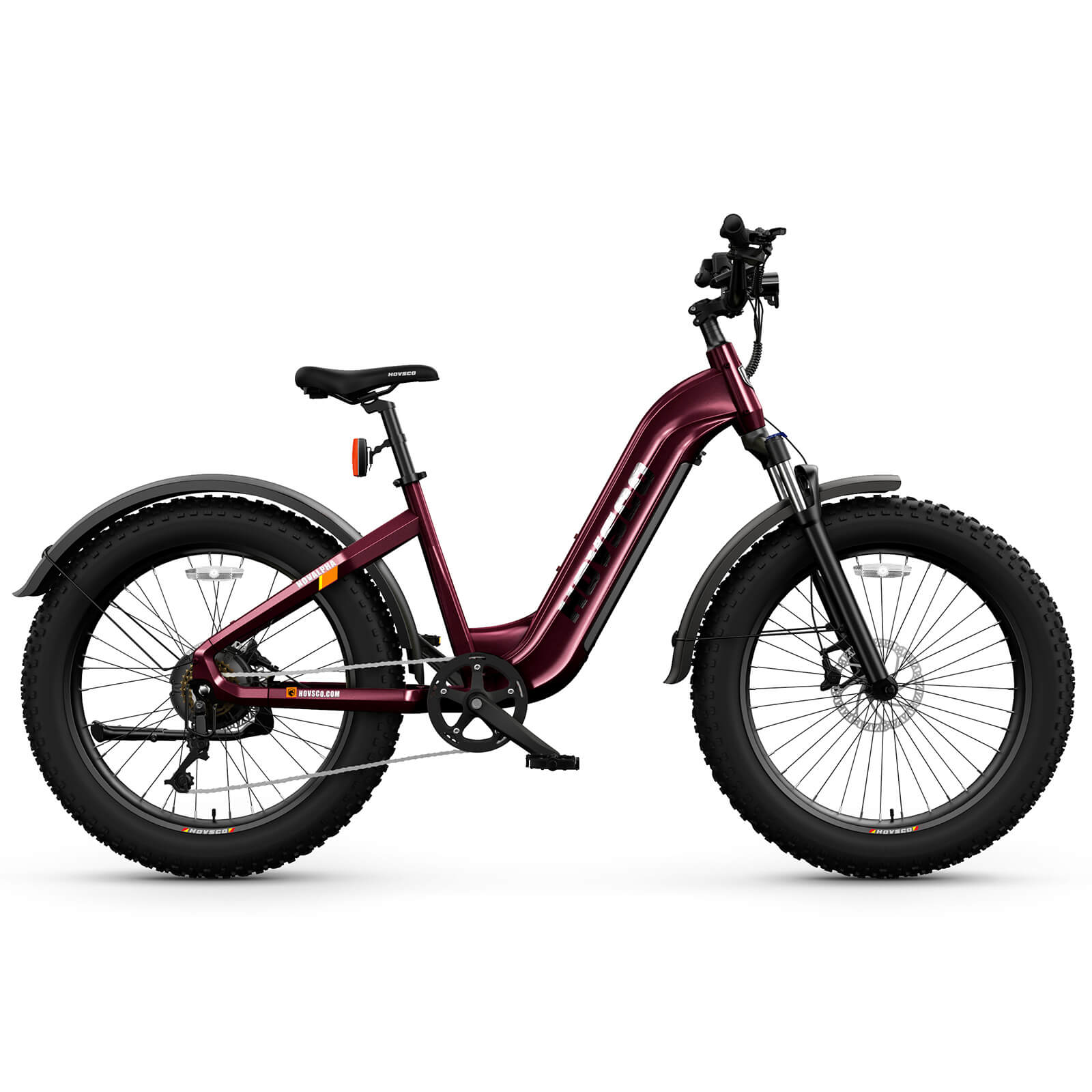
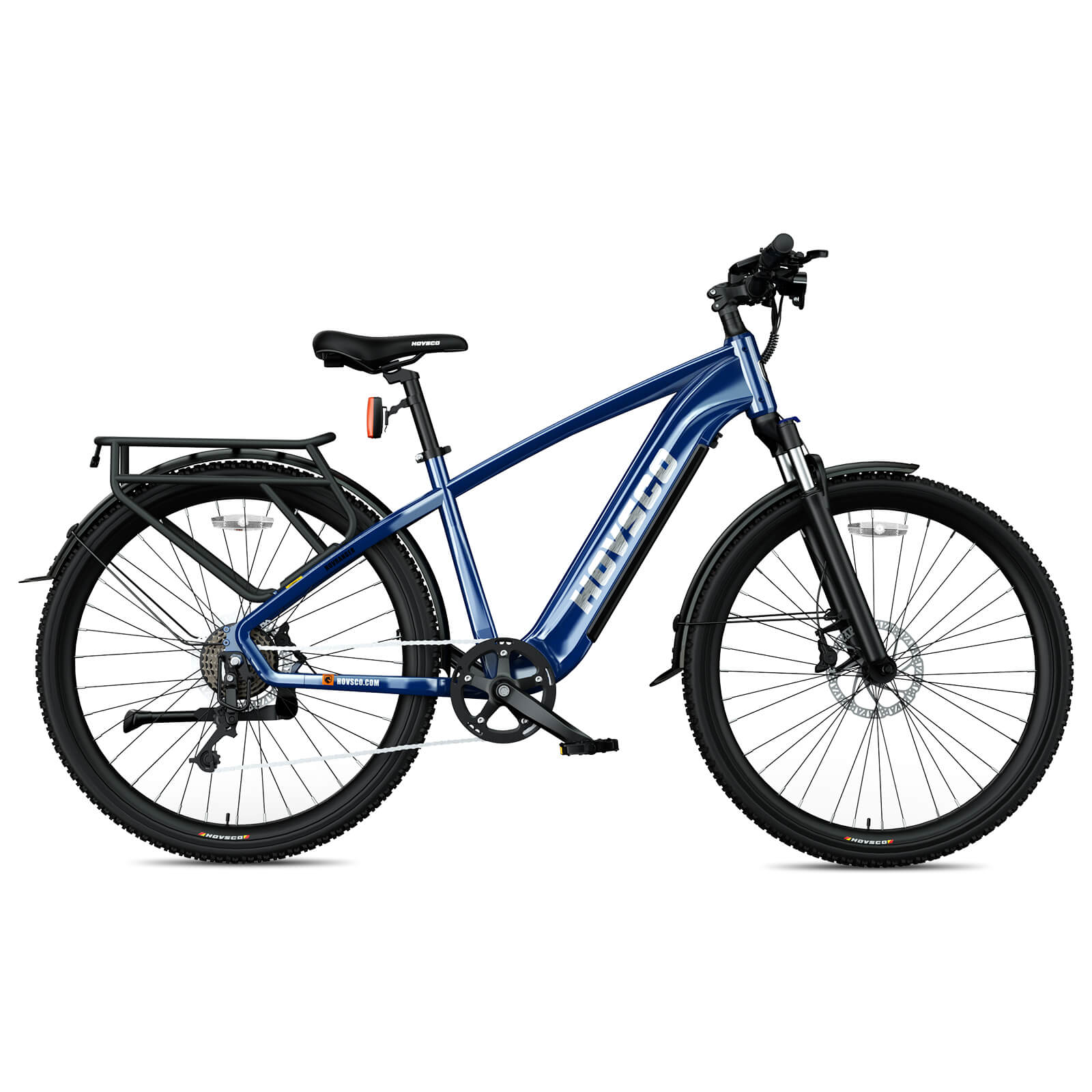
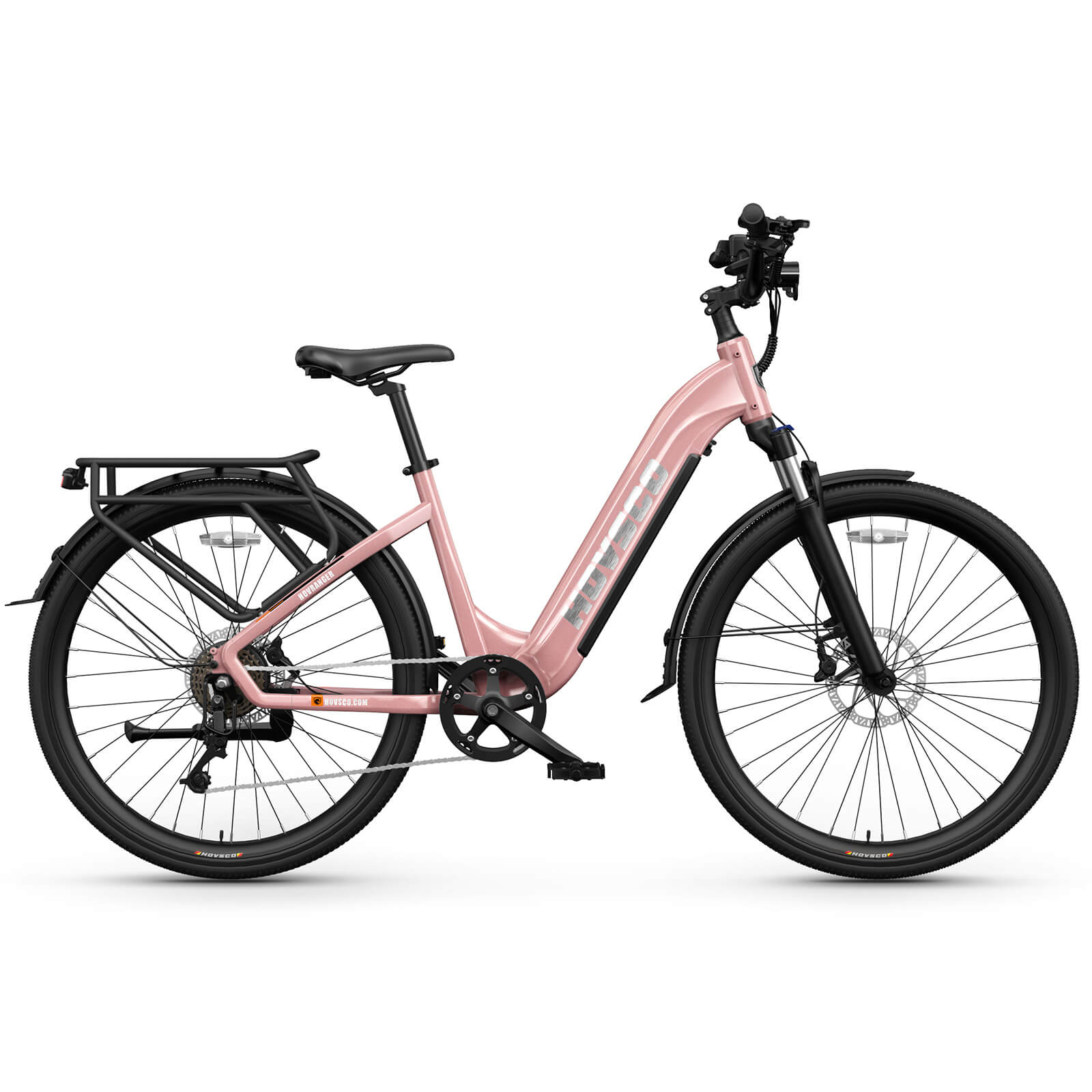
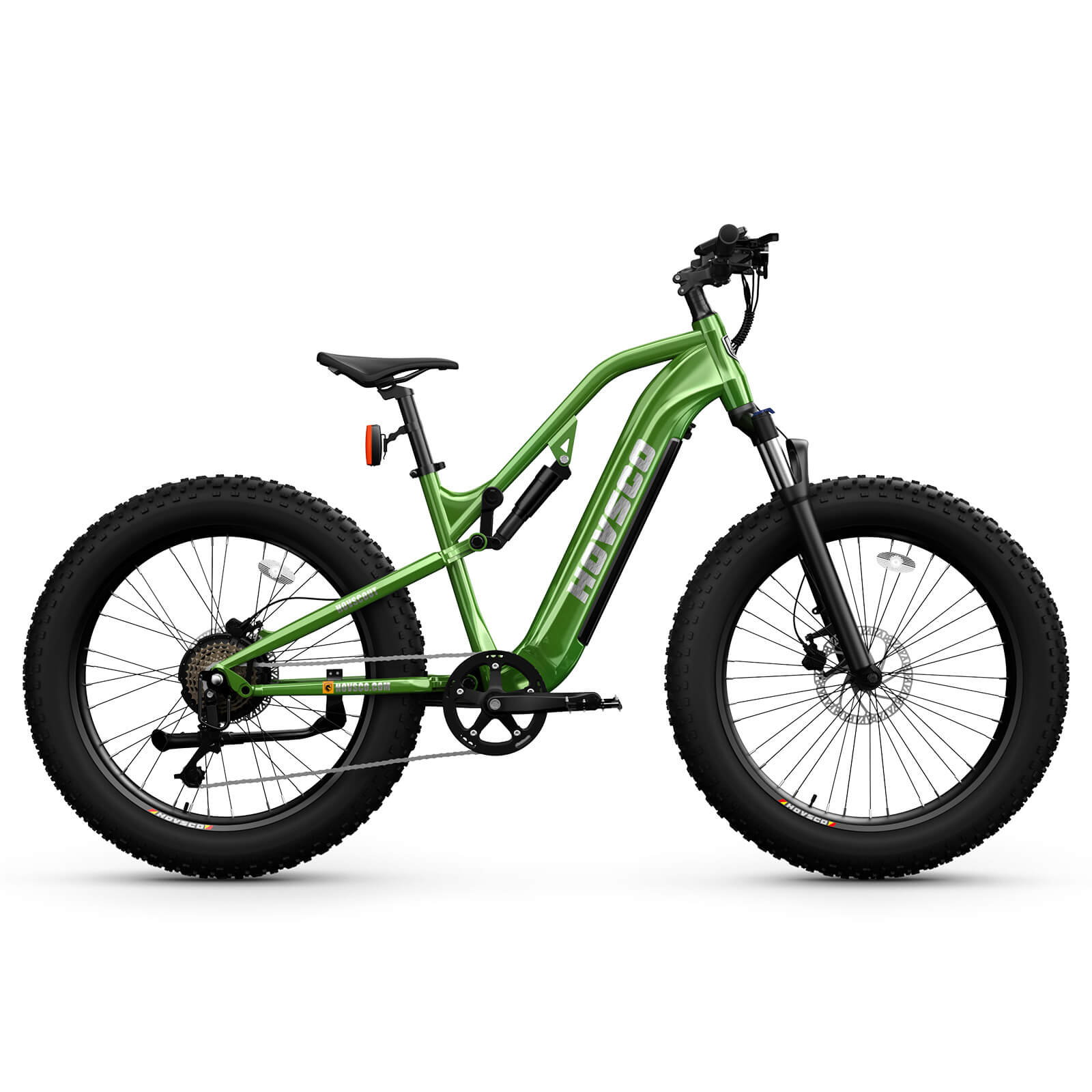
If you want to protect a HOVSCO commuter bike from theft, the best hiding spots are the frame cavities you can access only by removing a cover or accessory, not by simply looking at the bike. The safest choices are usually the water-bottle area, controller compartment, or another sealed hollow section inside the frame, because they are hidden, stable, and less likely to rattle. The key is to keep the tracker secure, dry, and hard to discover during a quick thief’s inspection.
hide trackers in commuter electric bikes
A hidden tracker works best when it is invisible in a normal glance, difficult to reach without tools, and not obvious during resale inspection. On an e-bike like a HOVSCO commuter bike, the most effective hiding place is usually one that sits inside or behind a structural cavity rather than on the surface. In practice, the goal is delay: make the thief spend time, and most thieves will move on.
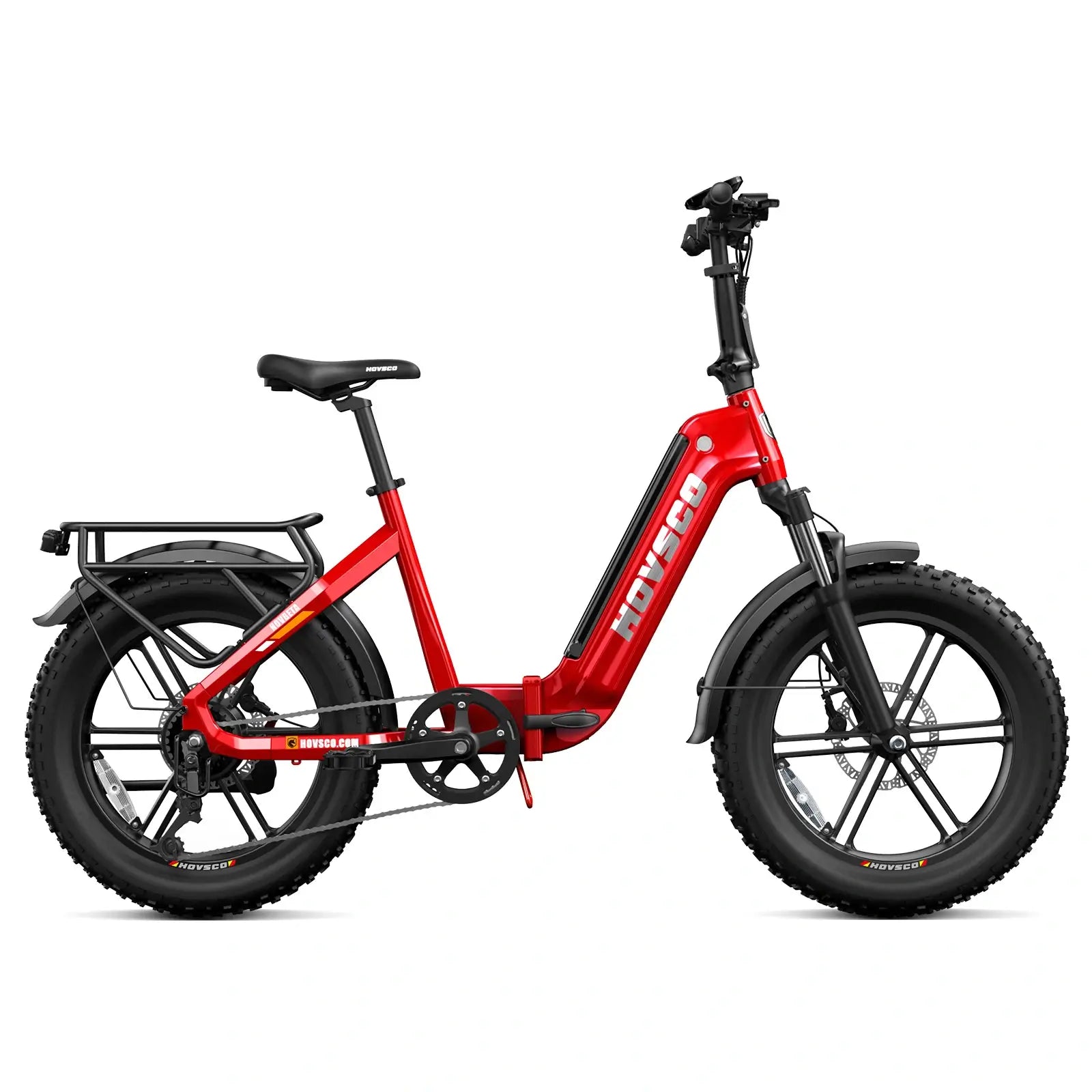
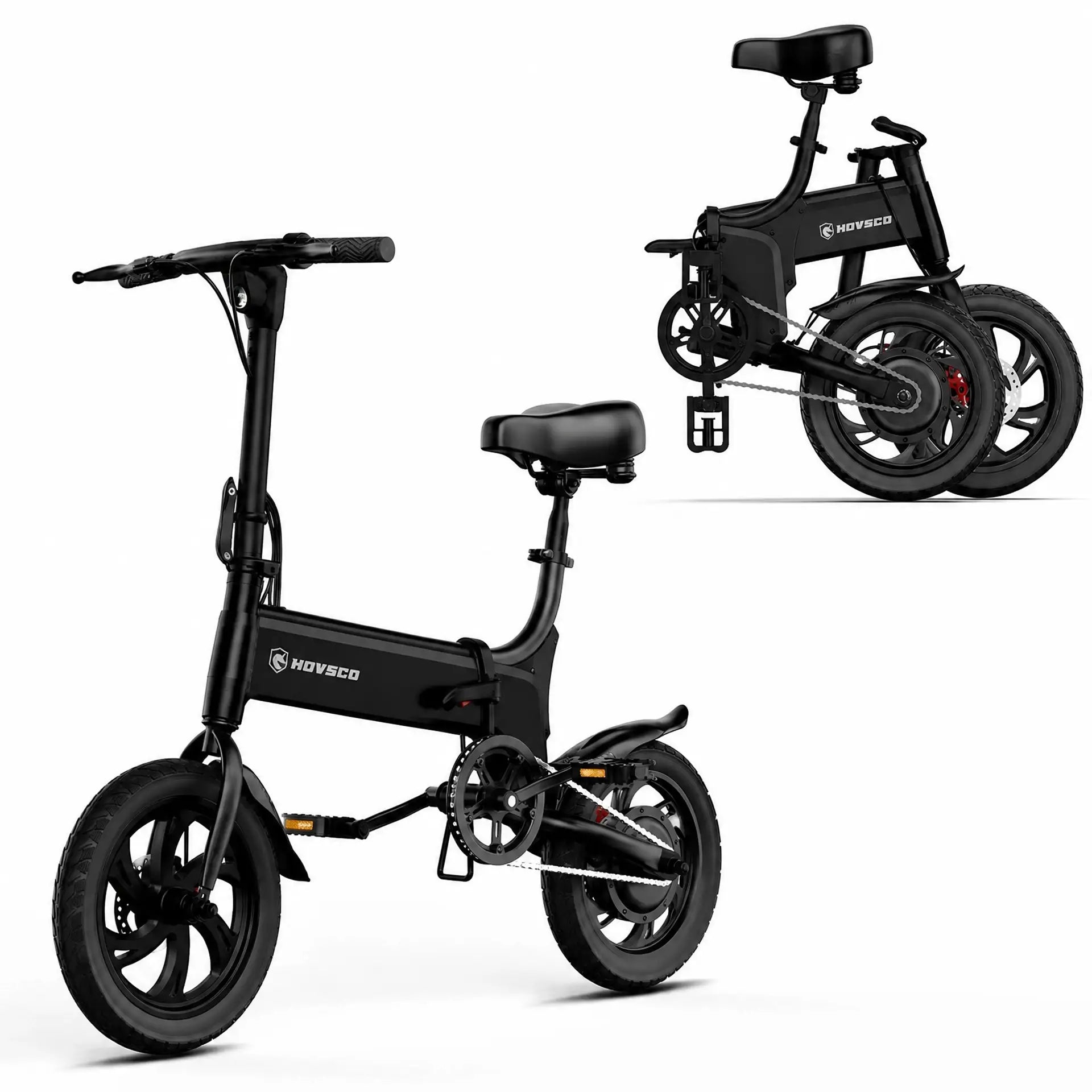
For a HOVSCO bike, the frame design matters. Aluminum tube sections, accessory mounts, and internal electronics spaces can all create concealment opportunities. The best hiding spots are the ones that look factory-installed, survive road vibration, and do not interfere with wiring, battery removal, or braking clearance.
Frame cavities are the best option because they combine concealment with protection. A tracker hidden in an open cavity behind a cover or inside a locked compartment is harder to spot than one mounted under a saddle or on a reflector. The more the spot looks like a normal bike component, the better your odds.
On a commuter e-bike, thieves usually check quick-access areas first: lights, bottles, saddles, and external mounts. They are much less likely to fully disassemble a controller area or inspect hidden mounting holes. That is why a concealed internal space on a HOVSCO commuter bike often outperforms a visible accessory mount.
The strongest hiding places are the water-bottle cage zone, the controller compartment, and any internal aluminum tube section that can accept a slim tracker without contact noise. Those three areas are especially useful because they balance concealment and practicality. On many commuter builds, they are also the least suspicious locations to a casual thief.
Here is a simple ranking of practical spots:
The water-bottle area is a strong first choice because it already expects screws and hardware. The controller compartment is even better if there is room and no heat or cable conflict. An internal tube can be excellent, but only if the tracker is secured so it cannot rattle or block wiring.
Choose a location that stays dry, does not touch moving parts, and cannot be heard when the bike is shaken. A tracker that clicks or shifts is a problem because sound gives away its presence. You also want a spot that still allows battery service and routine maintenance.
My factory-floor rule is simple: if the hiding place creates a new noise, it is not a good hiding place. If a screwdriver, battery key, or panel removal is needed to reach it, the theft-resistance improves immediately. On a HOVSCO commuter bike, the ideal spot is hidden by design, not by luck.
AirTag-style trackers are best for Apple users, while compact GPS trackers are better when you want broader tracking features and independent connectivity. An AirTag is small, simple, and easy to place in tight spaces. A true GPS tracker can offer stronger recovery features, but it often needs charging and a data plan.
Choose based on your goal:
AirTag: best for simplicity, low cost, and Apple ecosystem use.
GPS tracker: best for real-time location and wider recovery options.
Dual setup: best if you want a visible decoy plus a hidden primary unit.
For a HOVSCO commuter bike, a compact tracker that can be hidden with foam padding is often the cleanest solution. The foam matters because it prevents vibration, protects the shell, and stops the tracker from sounding “hollow” inside the frame.
Install it so it cannot move, cannot get wet, and cannot be found by a quick hand sweep. Use a snug mount, foam, or a purpose-built holder rather than loose placement. If you are using the water-bottle zone, make sure the tracker does not interfere with bottle clearance or screw length.
A practical installation sequence is:
Check the space with the battery removed or the panel open.
Test-fit the tracker without force.
Add foam or a rubber pad to eliminate rattle.
Reassemble and shake the bike gently.
Confirm that braking, cable routing, and battery insertion still work normally.
This is where experience matters. A hidden tracker that is too tightly packed can rub against wires or wear through a finish over time. A tracker that is too loose can betray itself the first time the bike hits a pothole.
Avoid heat zones, loose cavities, and any spot that requires drilling into the frame. Heat can shorten battery life, and drilling can weaken the structure or void protection. You should also avoid locations that create interference with power wiring, controller boards, or service access.
Do not hide a tracker where it can be removed by simply lifting a cap or opening an obvious accessory shell. Do not rely on sound-based recovery alone, because thieves often disable or discard obvious external accessories first. The point is not just hiding the tracker; it is hiding it where it survives a theft attempt.
Yes, and a decoy is one of the smartest tactics. A thief who finds an obvious tracker may stop searching, assuming they have neutralized the threat. That is exactly why a second, better-hidden unit can increase recovery odds.
A good two-layer setup is one visible or semi-visible tracker and one hidden inside the frame or controller area. The decoy should be easy to discover, while the primary tracker should be genuinely hard to find. This creates a false sense of success for the thief and buys you time.
“On a commuter e-bike, concealment should look like part of the original design. At HOVSCO, we think the best theft protection is the kind that does not advertise itself, does not rattle, and does not interfere with serviceability. If the hidden tracker survives weather, vibration, and a fast visual inspection, it is doing its job.”
The controller area is valuable because it is naturally enclosed, technically busy, and rarely inspected first by a thief. In many e-bikes, the controller sits inside a compartment that already contains wiring and hardware, which helps the tracker disappear. It is also less likely to be accessed casually than a saddle bag or a reflector mount.
For a HOVSCO commuter bike, this can be one of the best choices if the compartment has enough room and does not trap heat. The trade-off is service complexity: every time you install or remove the tracker, you must avoid cable pinch points. Done right, though, it offers a premium hiding place.
Yes, every hiding place has trade-offs between secrecy, service access, and signal quality. A tracker buried too deeply can be harder to detect by Bluetooth or cellular signals. A tracker placed too openly can be found quickly. The best balance is a concealed spot with enough transmission path to keep the tracker useful.
Use this decision guide:
For HOVSCO owners, the smartest approach is usually the compromise option. That gives you stealth without turning future maintenance into a full teardown.
Recheck the tracker after the first ride, after rain exposure, and after any battery or controller service. Vibration, moisture, and accessory changes can loosen even a well-planned mount. A hidden tracker should be treated like safety gear: installed once, then inspected regularly.
A good habit is to confirm that the tracker still fits snugly every few weeks. If you commute daily, that small check can prevent the exact failure you are trying to avoid. A silent tracker is useful; a loose tracker is a liability.
HOVSCO owners should treat hidden tracking as one layer of a larger theft strategy. Use a tracker, but also use a strong lock, park smartly, and keep the bike from looking easy to steal. The best anti-theft system is layered, not single-point.
Think in three layers:
Visibility: make the bike look less tempting.
Delay: make theft take longer and require more tools.
Recovery: make the bike traceable if theft still happens.
That approach is especially important for commuter e-bikes because they are often left in predictable places. HOVSCO riders benefit most when the tracker is concealed, the bike is secured, and the recovery plan is ready before theft ever happens.
The best place to hide a tracker in a HOVSCO commuter bike is usually an internal or semi-enclosed cavity that looks factory-original and resists quick discovery. The water-bottle mount area, controller compartment, and hollow frame sections are the strongest options when they are padded, protected, and checked for vibration. HOVSCO riders get the best result by combining concealment, silence, and regular inspection rather than relying on one hidden spot alone.
Will a tracker work inside an aluminum frame?
Yes, but signal may weaken if the tracker is buried too deeply. A semi-enclosed cavity usually works better than a fully sealed metal tube.
Is the controller compartment the safest place?
Often yes, because it is hidden and not checked first. Just make sure heat, wires, and service access are not affected.
Should I use foam around the tracker?
Yes. Foam reduces rattling, protects the device, and helps the installation feel more like a factory part.
Is an AirTag enough for bike theft recovery?
It can help, especially for Apple users, but a dedicated GPS tracker is stronger for real-time recovery and broader tracking needs.
Can I hide two trackers on one bike?
Yes, and that can be smarter than using only one. A decoy tracker plus a hidden primary tracker can improve recovery odds.
Share:
Which Lock Stops Angle Grinders Best?
How Does Thermal Throttling Stop Hub Motor Burnout?