
























![[ New Arrival ] Porto Max Electric Scooter For Commute & Grocery Shopping - HOVSCO](http://www.hovsco.com/cdn/shop/files/PotroMax-3.jpg?v=1706927007&width=1200)
- by SteveJames
Can a Step-Through Utility Bike Replace a Second Car?
- by SteveJames
E-Bikes
Accessories
 Free Shipping
 15-Day Returns
 2-Year Warranty
Free Shipping
15-Day Returns
2-Year Warranty
2-Year Warranty
Free Shipping
15-Day Returns
2-Year Warranty
Yes—if your second car mainly handles school runs, grocery trips, errands, and short commutes, a step-through utility e-bike can replace it for a large share of daily use and save roughly $5,000 a year in ownership and operating costs. The real test is not whether it can move people and cargo, but whether it can do so cheaply, reliably, and with less hassle than keeping a lightly used car.
replace second car with step through ebike
The biggest savings usually come from insurance, depreciation, registration, fuel, maintenance, parking, and small repairs that quietly drain money from a second vehicle. A car sitting in the driveway is not free; it still loses value, still needs insurance, and still ages out on tires, fluids, and battery replacement. A step-through utility bike shifts most of those costs to a much lower operating base.
A practical budget for an e-bike is usually electricity, routine tune-ups, brake pads, tires, and the occasional accessory or battery reserve. In a family-car replacement scenario, that can create a large annual gap even before you count the time saved on parking and the stress avoided in short-trip traffic. HOVSCO designs utility bikes with this kind of real household use in mind, because savings only matter if the bike is easy to use every day.
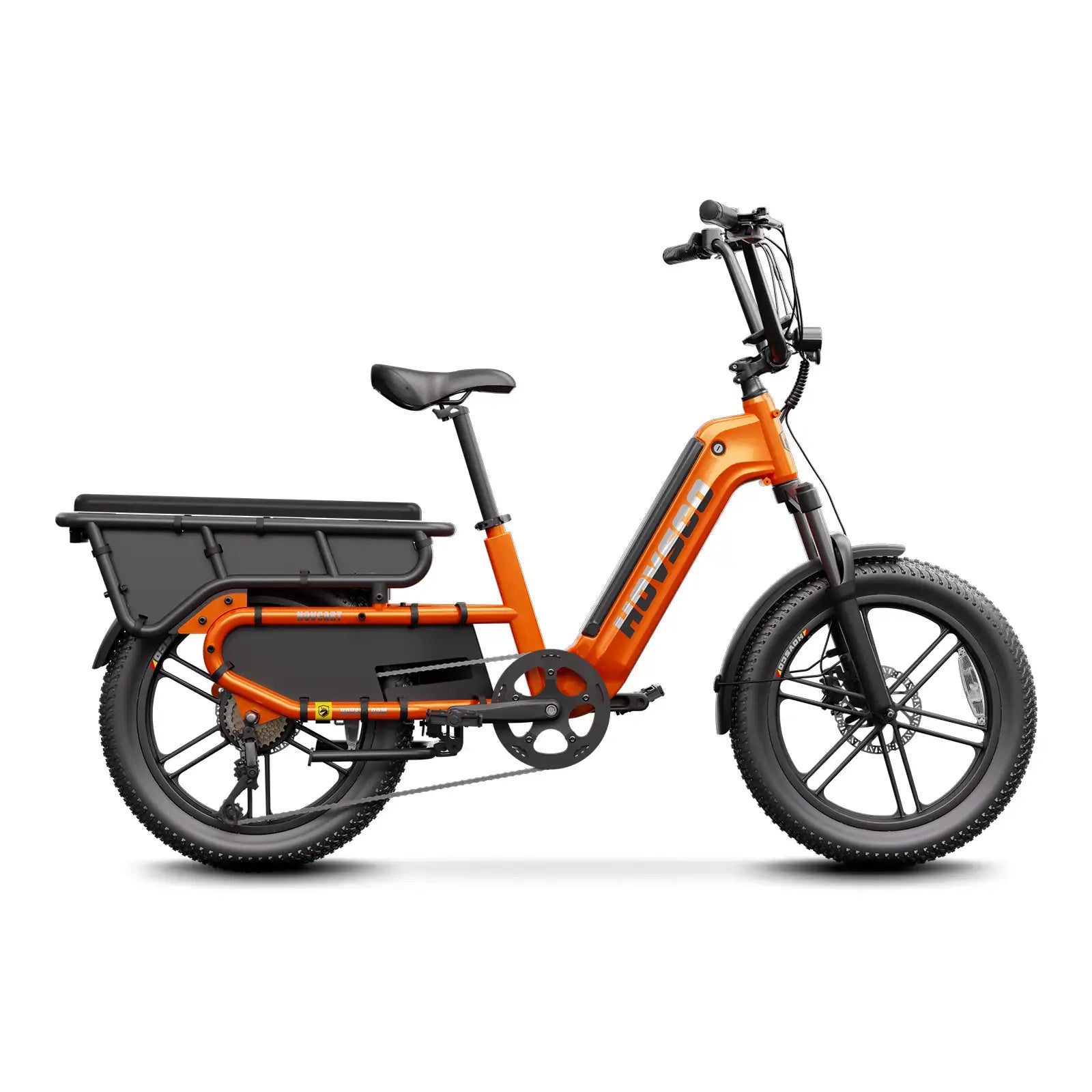
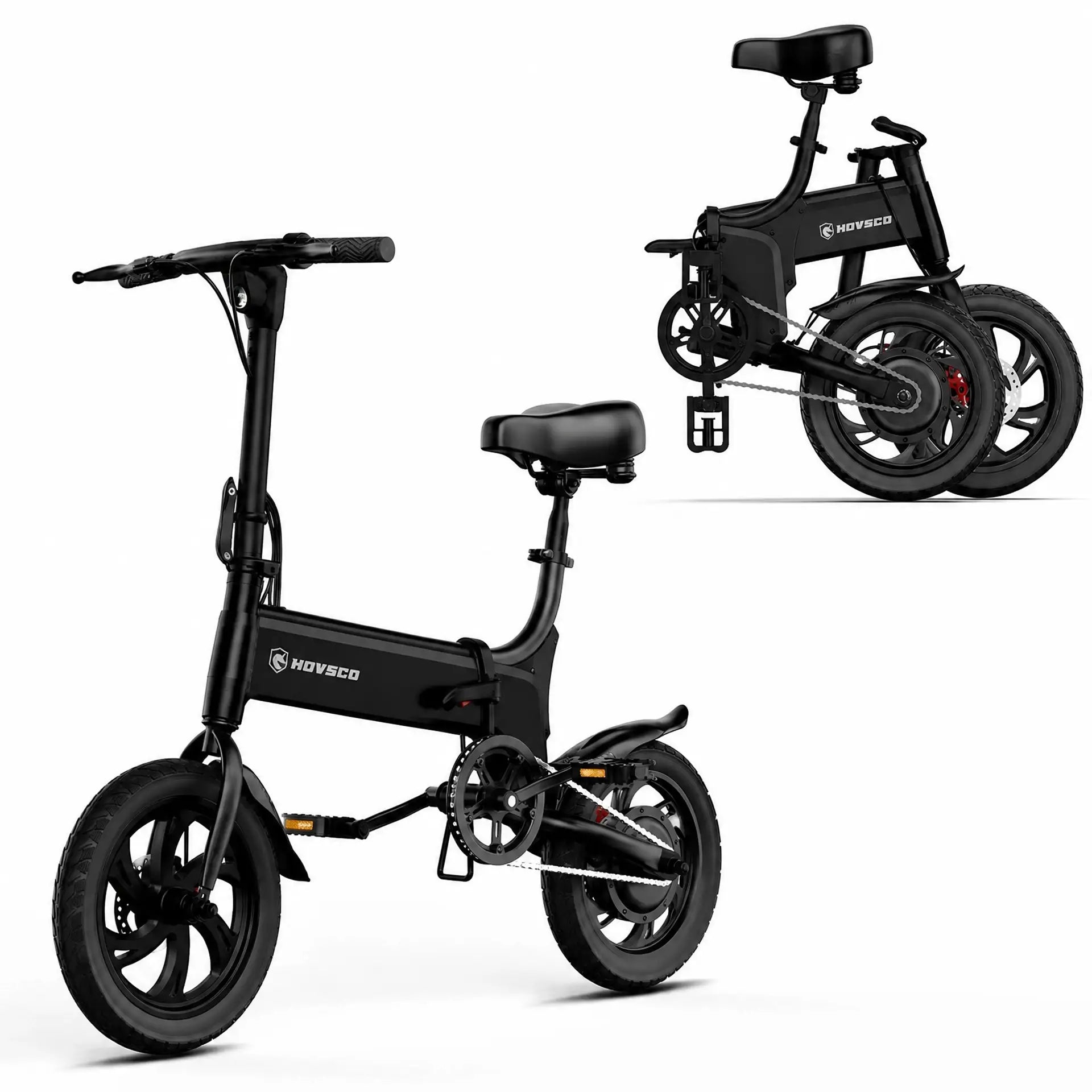
A step-through utility bike is built for easy mounting, stable loading, and frequent stops, which makes it far more practical than a sporty commuter bike for family errands. The low top tube helps riders get on and off quickly when carrying bags, picking up kids, or stopping at multiple locations. That simplicity matters more than top speed in real household use.
The best utility setup also includes racks, fenders, lights, and a frame geometry that keeps the bike calm when loaded. I have seen families underestimate how much easier the day becomes when the bike is easy to start, stop, and balance at low speed. HOVSCO utility designs focus on this everyday rhythm, not just on headline range numbers.
A second car is expensive because fixed costs continue even when mileage is low. Insurance does not drop to zero just because the car is used only on weekends. Depreciation still happens while the car sits, and unused vehicles often need extra work when they are finally driven again.
There is also the hidden cost of “ownership drag.” Every registration renewal, inspection, tire aging cycle, and battery replacement becomes another bill on a vehicle that is not earning its keep. That is why many households discover the second car is more expensive per mile than the first one.
Yes, for many households it can cover the majority of short suburban trips if the route is reasonable and the cargo needs are moderate. School drop-offs, pharmacy runs, coffee trips, gym visits, and grocery stops are all realistic use cases for a step-through utility bike with good carrying capacity. The key is matching the bike to the routine rather than forcing the routine to fit the bike.
Distance and terrain matter. A flatter suburb with bike-friendly roads is far easier to replace than a steep, car-dependent area with poor shoulders. Still, for many families, the second car is really a backup vehicle for predictable errands, and that is exactly where a utility e-bike can shine.
The features that matter most are not cosmetic. They are the ones that reduce friction in daily use: step-through access, stable cargo carrying, reliable brakes, decent battery range, puncture-resistant tires, integrated lighting, and a strong rear rack or front load platform. If a bike needs constant tinkering, the financial case weakens fast.
A bike such as HovCart becomes convincing when it lowers both direct costs and mental effort. If you can use it for school pickup, grocery runs, and errands without planning around a complicated setup, the bike starts replacing car trips naturally. HOVSCO has built its reputation around making that kind of practical ownership feel normal instead of experimental.
The cleanest way to think about it is as a household financial balance sheet. The second car creates ongoing liabilities: insurance, depreciation, maintenance, and fuel. The step-through utility bike creates a smaller asset cost up front, then a much lighter operating burden over time. That difference is where the savings compound.
Here is a simple household view of the tradeoff.
The important point is that the bike does not need to beat the car on every single task. It only needs to replace enough trips that the second car becomes unnecessary most of the year.
Families should start by tracking how often the second car is actually used. If the answer is “mostly short errands, school runs, and occasional overflow,” the e-bike case is strong. If the car regularly handles long highway trips, heavy cargo, or multiple child seats, then the bike may only replace part of the role.
I recommend a one-month trip audit before making the decision. Note every trip under 5 miles, every trip with one or two passengers, and every errand that could be done without a trunk. In many homes, the surprising result is that the second car is doing a lot of low-value work that a utility e-bike can handle far more cheaply.
Not necessarily. Weather changes how often you ride, but it does not eliminate the savings math. If you replace even 60% to 70% of the second car’s use with a utility e-bike, you may still save enough to make the switch worthwhile. The annual total often remains favorable even with some days reserved for the car.
Distance matters more than weather in many cases. A 2-mile to 8-mile family errand is exactly the sweet spot for an e-bike. Once trips become frequent, short, and predictable, the utility bike starts acting like a transportation tool instead of a recreational vehicle.
“The smartest household transportation decision is not always the biggest vehicle or the newest one. In many families, the second car is overbuilt for what it actually does. A well-designed step-through utility e-bike can absorb those short, repetitive trips with lower cost, lower stress, and far less waste.”
The step-through frame matters because it removes a small but important barrier to daily use. When a bike is easy to mount, more people in the household can actually share it. That means the bike is not locked into one rider’s routine, which improves its value as a family transportation tool.
It also helps when loading cargo, child gear, or groceries. You are not swinging a leg over a tall frame while balancing a bag on the rack. That little design choice makes the bike feel more usable, and usability is what turns projected savings into real savings. HOVSCO’s step-through approach is built around this practical, everyday convenience.
Yes, if the second car is mostly a convenience vehicle rather than a necessity vehicle. For many households, the combination of lower operating costs, less depreciation, and fewer maintenance surprises makes the utility e-bike financially compelling within the first year or two. The more the car sits unused, the stronger the case becomes.
The real win is not just the yearly dollars. It is the reduction in household clutter, decision fatigue, and surprise expenses. A reliable utility bike can make short-trip life simpler, cheaper, and often faster in dense neighborhood traffic.
A step-through utility bike can absolutely replace a second family car for many households, especially when that car is used mostly for short, repetitive, low-occupancy trips. The financial argument is strong because the savings come from multiple directions at once: insurance, depreciation, fuel, maintenance, and parking. HOVSCO’s utility-bike philosophy fits this use case well because it treats daily practicality as the real standard.
The smartest way to think about it is simple: if a vehicle is expensive, underused, and mostly serving short errands, it is a candidate for replacement. A well-chosen utility e-bike can turn that cost center into a much smaller transportation expense while keeping the family mobile. For the right household, the second car becomes the unnecessary luxury, not the bike.
How many miles per day can a utility e-bike realistically replace?
For many families, 5 to 20 miles of daily short trips is realistic, depending on terrain, cargo, and rider comfort.
Can a step-through utility bike carry groceries and school bags?
Yes. With racks, panniers, or a front basket, it can handle routine family errands surprisingly well.
Is the savings real if we still keep one car?
Yes. Replacing just the second car’s low-value trips can still create major annual savings.
Does a utility e-bike work for multiple riders in one household?
Yes. The step-through frame makes it easier for different adults to share the bike.
Why would a family choose HOVSCO for this role?
Because HOVSCO focuses on practical, reliable, step-through utility design that supports real everyday use.
Share:
How Should You Balance 450 Lbs on a Step-Through Bike?