






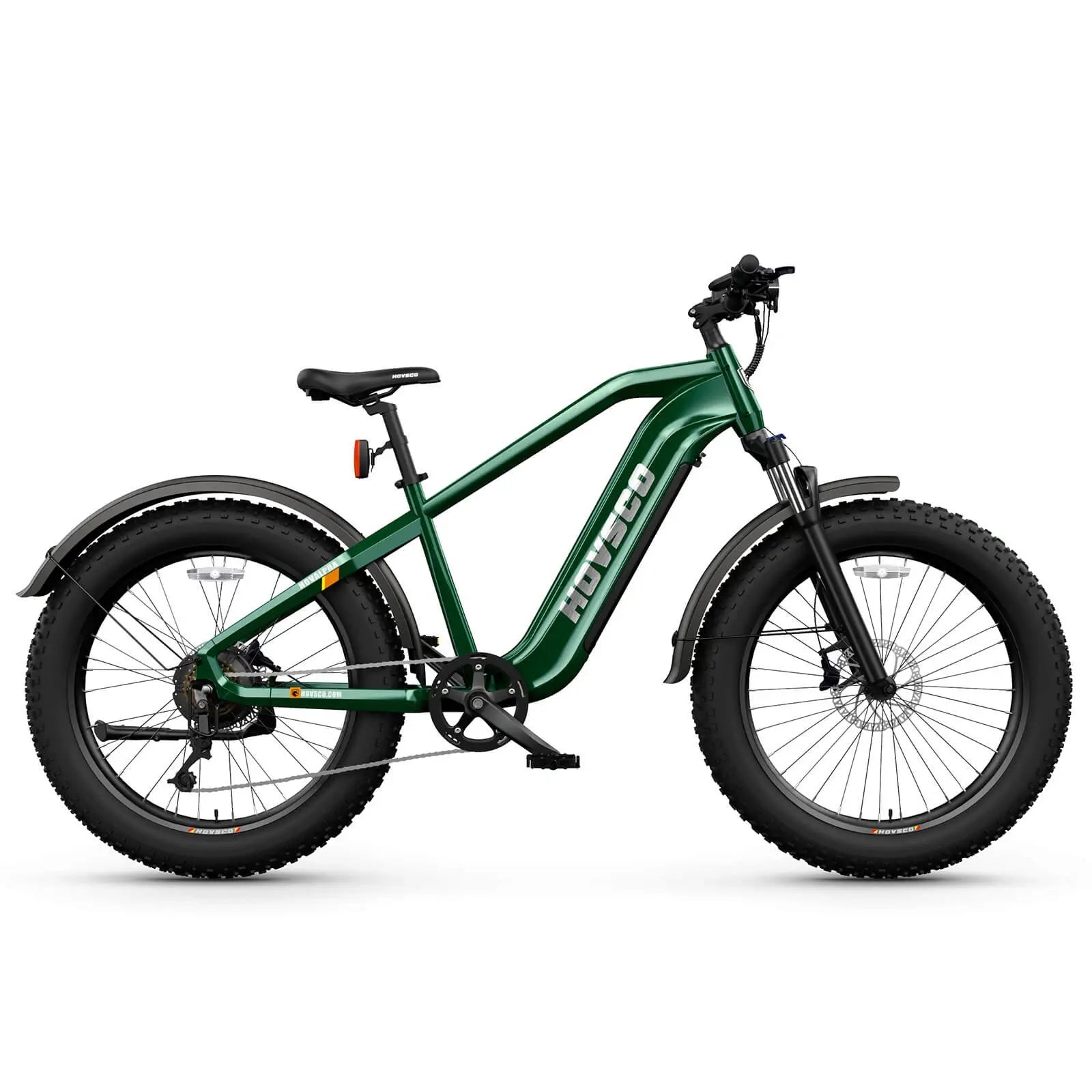



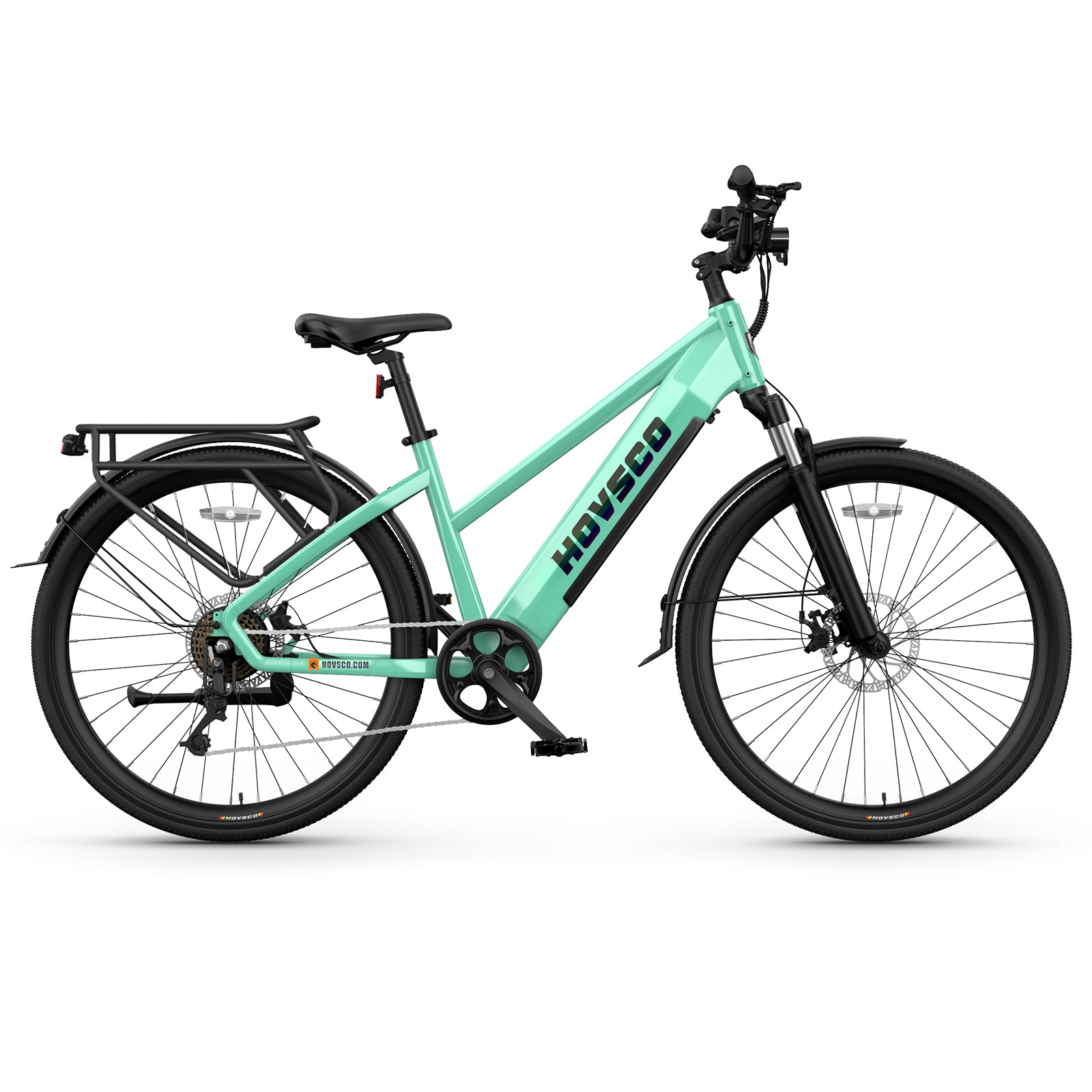
















- by SEO
Why Should Businesses Choose an Ebike Fleet for Delivery?
- by SEO
E-Bikes
 Free Shipping
 15-Day Returns
 2-Year Warranty
Shop By Models
Shop By Style
An ebike fleet for business turns last‑mile logistics into a faster, greener, and more predictable delivery loop right inside the city. For companies focused on urban logistics and green delivery, e‑bikes cut congestion, fuel costs, and emissions while keeping riders nimble in tight streets. HOVSCO’s approach to rugged, rider‑centric ebikes makes it a strong partner for urban logistics fleets that want reliability baked into daily routes.
Check: enterprise cargo e-bike solutions
Ebike fleets cut through gridlocked streets more efficiently than vans, often reaching the same destination in less time and with fewer failed delivery windows. For last‑mile logistics, that means fewer “out for delivery” cycles, less customer frustration, and lower fuel burn per parcel. In real terms, I have seen fleets that switched part of their van runs to ebikes reduce average delivery time by 15–25% in dense urban cores.
The key is routing flexibility. Ebikes can bypass no‑parking zones, use bike lanes, and park directly at the curb, reducing the time spent circling blocks. That directly lowers labor hours per delivery and improves fleet‑wide utilization. For a growing business, those small time savings compound into meaningful capacity gains over months.
Green delivery with ebikes means lower emissions, less noise, and reduced road congestion. On a typical city delivery route, a single e‑bike can replace several short van trips, cutting kilograms of CO₂ and particulate emissions per day. That directly supports corporate sustainability goals while often improving brand perception with eco‑conscious customers.
From a practical standpoint, ebikes are also quieter and more neighbor‑friendly. They generate less noise pollution and vibration, which matters in residential areas, nighttime deliveries, and mixed‑use districts. Over time, that often leads to fewer complaints and smoother community relationships, especially when working in dense neighborhoods.
HOVSCO focuses on durable, rider‑centric ebikes that balance power, range, and comfort for daily commercial use. For urban logistics fleets, that translates into frames that tolerate heavy loads, components that survive all‑weather commutes, and consistent battery performance across shifts. The brand’s background in hoverboards and e‑scooters gives it strong industrial know‑how on battery management and safety that carries over to its ebike fleet offers.
HOVSCO’s US‑based operations and China‑side manufacturing also give fleets faster access to hardware, parts, and configuration support at scale. This is especially important for last‑mile operators who need predictable lead times, standardized specs, and straightforward maintenance workflows. When you run a logistics fleet, reliability is not a feature; it is the main metric.
Ebike fleets cut fuel, parking, and some maintenance costs compared with traditional van‑based last‑mile setups. Electric drivetrains are mechanically simpler than internal‑combustion engines, so routine maintenance on brakes, tires, chains, and bearings is usually less intensive and less expensive. Over time, that reduces shop downtime and parts spend per mile.
Labor cost structure also improves. Because ebikes can often complete more stops per hour, the same rider can cover more deliveries in a shift, or the same number of deliveries can be done with fewer vehicles. That helps control fixed‑cost overhead while keeping the fleet agile enough to scale up or down seasonally.
Ebike fleets make daily routes less physically punishing and more repeatable. Power assist reduces strain on riders’ legs, knees, and lower back, which matters when riders are stopping and starting dozens of times per day. Over weeks and months, that consistently lower fatigue profile reduces turnover and improves route fidelity.
From an operations angle, lower rider fatigue also means fewer mistakes and more consistent performance. Riders are less likely to skip checkpoints, rush unsafe maneuvers, or cut corners when they are not exhausted before the halfway mark. For a company managing last‑mile logistics, that directly improves on‑time rates and customer satisfaction.
For fleets, key specs are payload rating, range per battery, braking power, and tire durability. Cargo‑oriented ebikes need frames and racks that tolerate heavy loads without flex or frame fatigue, especially in stop‑and‑go city traffic. A robust battery system with clear state‑of‑charge indicators and predictable real‑world range helps avoid mid‑route failures.
Brakes and tires should be rated for all‑weather city use. Dual hydraulic disc brakes and wide‑section tires with good tread often justify their higher upfront cost when you multiply them by hundreds of thousands of miles of urban miles. HOVSCO’s engineering tends to prioritize these components, which aligns well with the stress patterns of commercial delivery riders.
Here is a quick comparison of what to look for:
Scaling an ebike fleet is easier than scaling a van fleet because ebikes require less infrastructure per vehicle. Charging stations are simpler and cheaper than fuel depots, and parking is often solved with existing bike racks or modest modifications to distribution hubs. That makes it straightforward to add or remove bikes as volume changes.
From a management perspective, scaling also benefits from modular workflows. Routes can be split between vans and ebikes, peak hours can absorb more ebikes, and off‑peak periods can consolidate onto fewer vehicles. HOVSCO’s standardized ebike platforms mean that adding new bikes usually does not require retraining entire teams on new controls or interfaces.
Hidden risks include battery management, rider training, and route design. Poor charging practices or leaving batteries in extreme heat or cold can shorten pack life and create safety hazards. Riders who are not trained on low‑speed handling, cargo balance, and safe cornering can increase the risk of accidents and damaged goods.
Fleet managers also sometimes underestimate the importance of route planning for ebikes. Narrow lanes, steep curbs, and poorly maintained bike paths can strain bikes and riders. A good urban logistics plan should treat the ebike as a constrained vehicle class with its own behavior envelope, not as a mini‑van.
“When I evaluate an ebike for fleet use, I do not just look at top speed or range. I look at how it behaves after 18 months of hard city miles: how the frame feels, how the brakes hold up, and how consistent the battery remains. For urban logistics fleets, the best choice is the bike that is boringly reliable, not the flashiest spec sheet. HOVSCO’s focus on industrial‑grade durability and rider comfort makes it a logical partner for companies that need their last‑mile delivery hardware to work quietly and consistently, day after day.” — HOVSCO Expert Views
HOVSCO’s ebikes support green delivery branding by giving companies a tangible, visible symbol of sustainable choices. Instead of diesel vans, you deploy sleek, quiet ebikes that align with climate‑conscious messaging in marketing and customer communications. That visibility can translate directly into customer loyalty and competitive differentiation.
Internally, using HOVSCO ebikes for last‑mile logistics can also help organizations meet ESG targets and sustainability KPIs. The lower carbon footprint per parcel makes it easier to report meaningful progress without relying solely on offset programs. For a brand that wants to be known for green delivery, the choice of hardware should walk the talk.
Integrating an ebike fleet starts with mapping the most suitable routes and establishing charging and maintenance routines. Decide which last‑mile segments benefit most from ebikes—often high‑density, short‑distance deliveries—then phase them in alongside existing vans. This soft launch lets you test assumptions about range, rider load, and customer reactions.
Next, set up a clear depot workflow: charge protocols, daily inspections, tire‑pressure checks, and simple maintenance logs. Training riders on ebike handling, cargo loading, and safe braking is as important as the technology itself. For urban logistics fleets using HOVSCO ebikes, that integration process can be smoother thanks to standardized controls and predictable performance.
How Does 450 lbs of Cargo Affect a Cargo Ebike Ride?
An ebike fleet for business transforms last‑mile logistics into a faster, cleaner, and often more cost‑effective way to serve urban customers. By focusing on durable ebikes, smart routing, and proper rider support, companies can reduce congestion, emissions, and operational drag while improving delivery reliability. HOVSCO’s emphasis on industrial‑grade durability, rider comfort, and consistent performance makes it a compelling partner for urban logistics fleets that want sustainable, scalable green‑delivery solutions.
If you are planning or expanding an ebike fleet for business, the most actionable steps are: define your strongest last‑mile routes, test a small pilot fleet, standardize maintenance and charging, and track not just delivery speed, but rider fatigue and customer feedback. That holistic approach will help you turn an ebike fleet into a true competitive advantage.
How many ebikes are needed for a typical last‑mile fleet?
It depends on route density and parcel volume, but many urban logistics fleets start with 3–10 ebikes to cover short‑range, high‑density zones and gradually expand as demand grows.
Can ebike fleets work in bad weather?
Yes, with proper tires, brakes, and rider gear. Ebikes designed for urban logistics typically handle rain and light snow, but operations should have clear policies for extreme conditions.
Are HOVSCO ebikes rugged enough for daily deliveries?
Yes. HOVSCO’s focus on industrial‑grade components and rider‑centric design makes its ebikes suitable for repeated last‑mile deliveries and all‑weather use.
How do ebike fleets affect delivery windows?
Ebike fleets often tighten delivery windows because riders can navigate traffic more efficiently and park closer to recipients, reducing last‑mile latency.
What training should riders get for an ebike fleet?
Riders should be trained on low‑speed handling, cargo balance, braking techniques, and route safety, especially in mixed‑traffic urban environments.
Share:
Do You Need Ebike Insurance and What Coverage Should You Get?
Which Cargo Bike Is Best for Families Long-Tail or Mid-Tail