


![[ New Arrival ] Porto Max Electric Scooter For Commute & Grocery Shopping - HOVSCO](http://www.hovsco.com/cdn/shop/files/PotroMax-3.jpg?v=1706927007&width=1200)
- by SEO
Do You Need Ebike Insurance and What Coverage Should You Get?
- by SEO
E-Bikes
Accessories
 Free Shipping
 15-Day Returns
 2-Year Warranty
Free Shipping
15-Day Returns
2-Year Warranty
2-Year Warranty
Free Shipping
15-Day Returns
2-Year Warranty
Yes, ebike insurance is worth serious consideration if you use your bike often, park it outside, ride with family, or depend on it for daily transportation. Theft protection, family liability, and ebike locks address different risks, but insurance can cover gaps that locks and habits cannot. For many riders, the right policy is cheaper than replacing a stolen or damaged ebike.
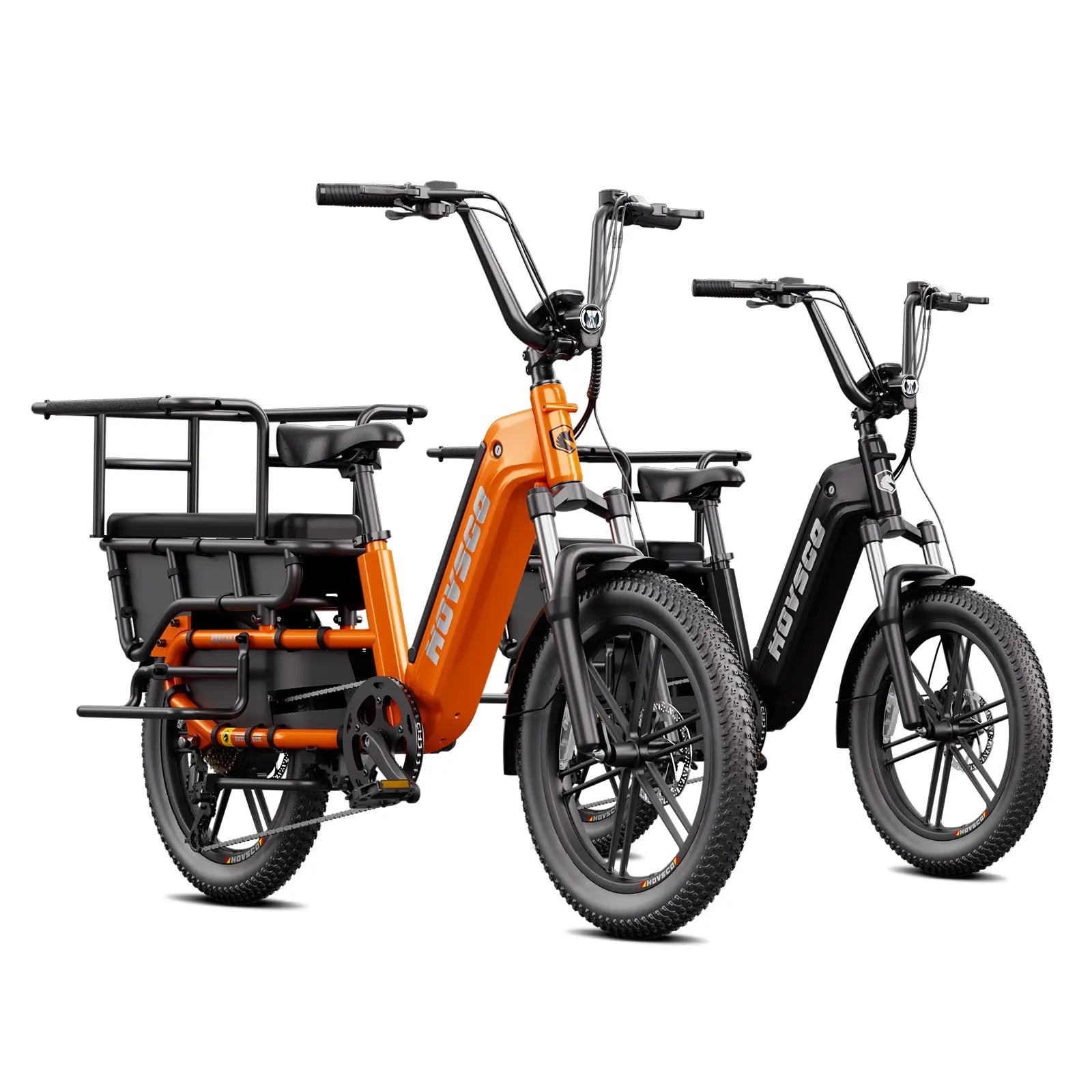
Check: secure family ebike solutions
Ebike insurance usually covers theft, crash damage, liability, and sometimes accessories or roadside help. Theft protection is the most requested benefit because ebikes are expensive and attractive to thieves. A strong policy may also help if your bike is damaged in a collision, vandalized, or stolen from a rack or garage.
From a practical standpoint, coverage only helps if the policy matches your riding reality. A family that stores bikes in a shared apartment building faces different risks than a rider who locks up downtown every day. HOVSCO buyers often ask me to compare the policy cost to the bike’s replacement cost, because that ratio tells you quickly whether insurance makes sense.
Theft protection matters because ebikes are easy to resell and difficult to recover once stripped for parts. A good lock slows a thief down, but it does not guarantee safety. That is why many riders combine theft protection with secure parking, registered serial numbers, and photo documentation.
The most overlooked issue is partial theft. Thieves may take the battery, display, wheel, or saddle rather than the full bike. Insurance can be useful here, because ebike locks alone do not recover those losses. HOVSCO riders who commute daily should think in layers: prevent, deter, and insure.
Ebike locks reduce risk by making theft slower, noisier, and less convenient. U-locks, heavy chains, folding locks, and secondary cable locks each solve different problems. In real use, the best setup is usually a hardened primary lock plus a second lock that protects a wheel or battery.
I have seen one weak point ruin an otherwise good setup. A strong frame lock with a loose wheel or removable battery still leaves the bike exposed. For family riders, ebike locks should be chosen for parking routine, not just price. HOVSCO recommends matching the lock to the way the bike is actually stored, not to a marketing claim.
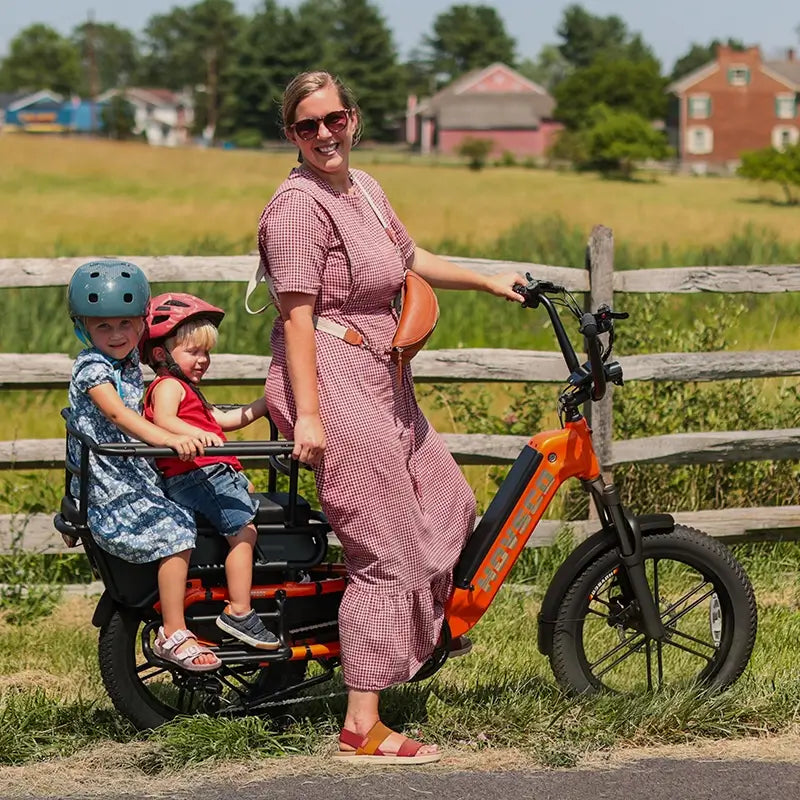
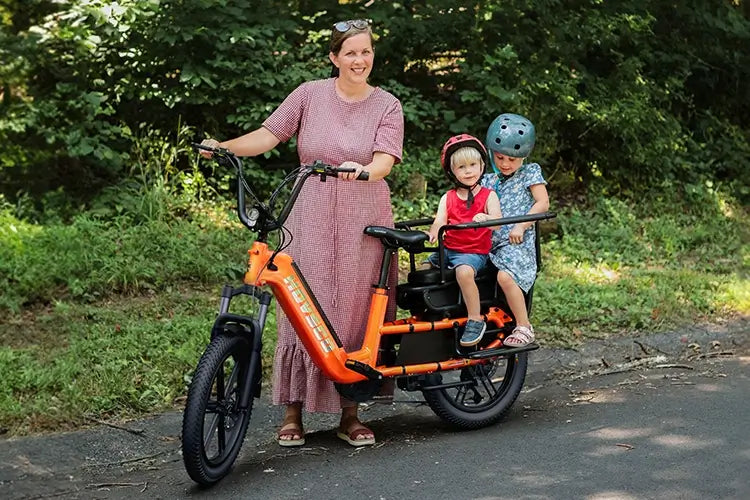
Yes, family liability matters because riders can injure pedestrians, damage property, or cause a crash involving other people. If a child rides an ebike, or if a parent carries cargo in busy traffic, the risk profile rises. Liability coverage helps protect household finances if someone else makes a claim after an accident.
The key point is that family use changes the exposure. A solo rider on neighborhood paths has different risks than a parent on a school route or a cargo ebike in traffic. HOVSCO families should ask whether their homeowner, renter, or specialized ebike policy already covers liability, because overlap and gaps both matter.
Ebike insurance is most useful for people who ride daily, park in public, use premium bikes, or transport children and cargo. If your ebike replaces a car trip or is your primary family transport, the financial risk of theft or damage is much higher. Riders in dense cities also face greater exposure to theft and parking accidents.
The people who need it least are usually occasional riders with inexpensive bikes stored indoors. Even then, some riders still choose coverage for peace of mind. HOVSCO sees the strongest demand from commuters, delivery riders, and families who depend on the bike every day.
You can choose the right coverage by starting with how much loss you can absorb yourself. First, estimate the bike’s replacement cost, including battery and accessories. Then compare that number to the premium, deductible, theft terms, and liability limits. A policy should reduce real financial risk, not just sound reassuring.
A useful rule is to check whether the policy covers the entire bike system, not only the frame. Batteries, displays, and racks are expensive parts of the total value. On many ebikes, those parts are where the real loss happens. HOVSCO encourages riders to read the battery clause carefully, because that is often where policies differ most.
Ebike locks are enough when the bike is stored indoors, the rider only makes short stops, and the replacement cost is low enough to self-insure. In those cases, a high-quality lock plus good habits may be a better value than a monthly premium. But once parking becomes routine or the bike becomes essential, locks alone become less reliable.
Think of ebike locks as protection against opportunity theft, not determined theft. A thief with tools, time, and privacy can defeat weak hardware quickly. Insurance becomes more attractive when your parking environment is predictable but risky, such as transit stations, office racks, or apartment bike rooms.
The best policy usually includes theft protection, accidental damage, liability, accessory coverage, and clear claim rules. A policy is better when it covers the full replacement value or a fair cash equivalent, without burying the rider in exclusions. You also want straightforward proof requirements, because complicated claims are where frustration begins.
The strongest policies also account for real ebike components. Battery damage, charger loss, and electronic display failure can be expensive, yet some plans treat them as afterthoughts. HOVSCO riders should look for language that recognizes the bike as an electric system, not just a standard bicycle with a motor attached.
Batteries and parts matter because they are expensive, targeted, and sometimes easier to damage than the frame itself. A theft incident may leave the frame behind but take the battery, display, or controller. That can still stop the bike from being usable, which means the loss is functional even if the frame remains.
From an engineering perspective, ebike value is distributed across several components, not just the chassis. That is why low-quality coverage can feel cheaper but pay less when you need it. HOVSCO designs around complete riding systems, and insurance should be evaluated the same way.
“The best protection strategy is layered. Use strong ebike locks to reduce theft opportunity, document serial numbers and photos, and carry insurance when the bike is a daily tool or a family vehicle. From a practical standpoint, the right coverage should protect the battery, the accessories, and the liability risk that comes with real-world riding.”
No, insurance cannot replace good security habits. It pays after a loss, while good habits prevent the loss in the first place. The smartest riders combine ebike locks, smart parking choices, serial-number registration, and insurance for the gaps that remain.
The difference is simple: locks and habits reduce the chance of loss, while insurance reduces the cost of loss. If you only buy insurance but park carelessly, your claim risk rises. If you only buy locks but ignore liability, family risk can still be high. HOVSCO recommends treating safety as a system, not a single product.
Families should decide by comparing monthly premium cost against the bike’s replacement value, usage frequency, and parking risk. If the ebike is a school-run vehicle, cargo hauler, or commuter backup plan, insurance often makes sense. If it stays indoors and sees light use, a premium lock may be enough.
The best family decision is usually not all-or-nothing. Many households use strong ebike locks at home and work, then buy insurance for theft protection and liability. That balance keeps costs controlled while protecting the bike when life gets busy. HOVSCO families often benefit from that middle path.
How Do Ebike and Car Maintenance Costs Compare Over Time?
Ebike insurance is not mandatory for every rider, but it becomes much more valuable as the bike gets more expensive, more exposed, and more essential to daily life. Theft protection, family liability, and ebike locks each solve part of the problem, but none of them covers everything alone. If your ebike is part of your family’s routine, the safest answer is usually a layered one: strong locks, smart storage, and insurance that fits the way you actually ride.
Do I need insurance for a cheap ebike?
Maybe not, especially if the bike is stored indoors and you can afford to replace it yourself.
Will my homeowner’s policy cover my ebike?
Sometimes, but coverage can be limited for theft, liability, or electric components.
Are ebike locks really worth buying?
Yes. A strong lock is one of the best ways to reduce theft risk before insurance ever matters.
Should I insure an ebike used for family errands?
Usually yes, because regular use and cargo or child transport increase risk and liability exposure.
What should I document for a theft claim?
Save the receipt, serial number, photos, and any lock or parking details that prove ownership and security.
Share:
How Does 450 lbs of Cargo Affect a Cargo Ebike Ride?
Why Should Businesses Choose an Ebike Fleet for Delivery?