



























![[ New Arrival ] Porto Max Electric Scooter For Commute & Grocery Shopping - HOVSCO](http://www.hovsco.com/cdn/shop/files/PotroMax-3.jpg?v=1706927007&width=1200)
- by EO S
What makes a longtail e-bike the smartest everyday cargo choice?
- by EO S
E-Bikes
Accessories
 Free Shipping
 15-Day Returns
 2-Year Warranty
Free Shipping
15-Day Returns
2-Year Warranty
2-Year Warranty
Free Shipping
15-Day Returns
2-Year Warranty
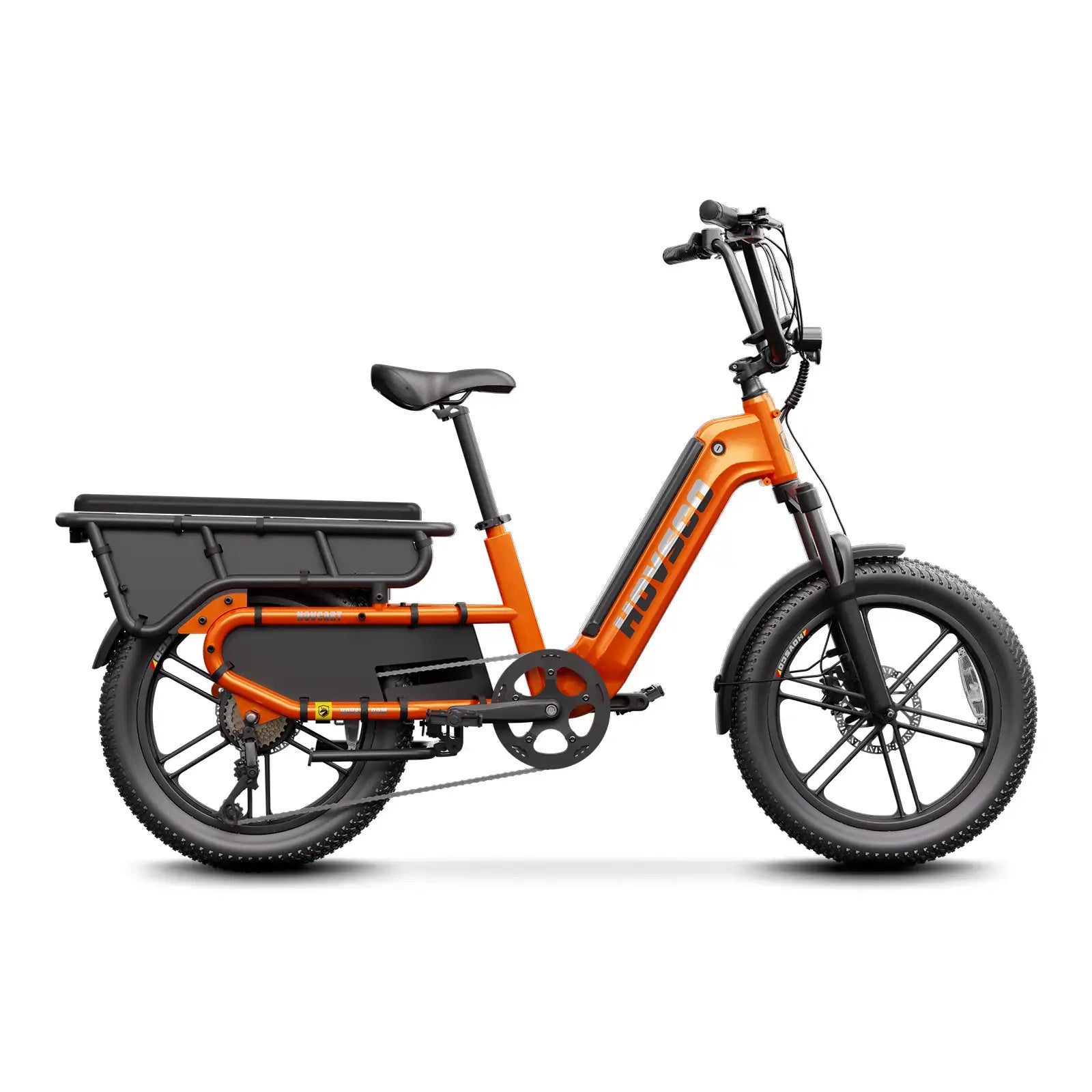
A longtail e-bike is a versatile cargo electric bike with an extended rear rack designed to carry children, pets, or heavy loads while maintaining stable handling and efficient pedal assistance. Combining powerful motors, long-range batteries, and modular cargo accessories, it transforms urban commuting and family errands, offering an eco-friendly alternative to short car trips and creating a practical, healthy, and fun daily transport solution.
A longtail e-bike features a stretched rear frame that supports a reinforced cargo rack capable of holding children or substantial freight. Pedal-assist or throttle options reduce rider effort, while geometry and wheel sizing preserve balance and familiar handling. Rear wheels often measure 20–24 inches to maintain a low center of gravity, and motors—hub or mid-drive—paired with batteries provide 30–70 miles of range, depending on terrain and load. Modular mounting points accommodate child seats, cargo decks, or weather protection, allowing seamless adaptation for commuting, errands, or recreational rides.
Longtail e-bikes balance carrying capacity, maneuverability, and storage footprint better than front loaders, midtails, or cargo trikes. They usually transport two children plus cargo while fitting through standard doors and bike lanes. Below is a comparison of common cargo styles:
| Cargo style | Typical load & passengers | Handling feel | Storage footprint & use case |
|---|---|---|---|
| Longtail e-bike | 2 kids + groceries; 350–450 lb | Feels close to regular bike; longer wheelbase | About 7 ft long; fits doors, narrow lanes |
| Front loader (box) | 2–4 kids or bulky loads; 450–500+ lb | Stable but wider turns | Large footprint; best in garages or yards |
| Midtail | 1 kid + cargo; 250–350 lb | Nimble, slightly extended rear | Short length; suitable for apartments |
| Cargo trike | Heavy commercial loads | Very stable; slower maneuvering | Large footprint; low-speed use |
Longtails offer intuitive handling and compact storage compared with front loaders, making them ideal for urban families and city commuters who need practical versatility without extra complexity.
Longtail e-bikes comfortably carry children and gear while remaining stable, narrow, and easy to ride. Pedal assist makes hills, headwinds, and stop-and-go traffic manageable, effectively replacing short car trips. Children remain within sight and reach, enhancing safety and communication, while commuters benefit from integrating grocery, gym, or office gear into a single ride. In dense cities, longtails navigate traffic, park in tight spaces, and accommodate versatile cargo formats like panniers, crates, and insulated boxes.
Essential features include motor power and torque, battery capacity, frame durability, braking performance, and cargo-ready components. Recommended specifications include:
Motor: 500 W+ hub or strong mid-drive for hilly terrain
Battery: 600–900 Wh for extended range
Brakes: Hydraulic disc with wide rotors
Frame & rack: Certified cargo-rated, bolted or welded, with mounting points for seats and cargo
Tires: Puncture-resistant, reflective sidewalls for safety
These features ensure stable handling, reliable performance, and a practical setup for family or cargo use.
Motor selection should match terrain, load, and rider fitness. Hub motors offer affordability and steady assistance on flat or moderate routes, while mid-drive motors multiply torque for hills or heavy loads. Batteries must accommodate real-world conditions such as cold weather and frequent stops; removable batteries simplify indoor charging and theft protection. A wide-gear drivetrain or internal hub maintains efficiency and low maintenance, ensuring smooth operation with cargo and passengers.
Safety requires reliable brakes, a stable double-leg kickstand, bright lighting, wheel guards, handholds, and secure seating interfaces. Wide, grippy tires and a low center of gravity enhance confidence during stops and turns. Child protection measures include padded decks, footrests, and protective rails. Hydraulic disc brakes, quality tires, and regular maintenance of tire pressure and weight distribution ensure consistent stability and safe operation under full load conditions.
Longtail e-bikes effectively replace short urban car trips, reducing parking, fuel, and maintenance costs. While limited for extreme weather or long-distance travel, electric assist enables commuting and errands up to 10–15 miles. Accessories such as rain covers, panniers, and frame bags enhance all-weather usability. Families may reduce vehicle ownership, save on insurance and fuel, and rely on predictable travel times, making longtails a cost-effective and environmentally friendly transport solution.
Correct fit ensures confidence, efficient pedaling, and stable handling. Riders should check frame geometry, stand-over height, reach, and cockpit adjustability. Test rides are recommended to evaluate comfort with cargo and passengers. Quick-release seatposts and adjustable stems allow multiple adults to share the bike comfortably. Step-through frames aid shorter riders, while fine-tuning saddle position and handlebar angle addresses minor comfort issues.
Optimize family use with child seats, deck pads, safety rails, footrests, panniers, and weather-resistant accessories. Young children ride in frame- or rack-mounted seats with harnesses and head support, transitioning to benches and monkey bars as they grow. Balanced panniers preserve low center of gravity. Rain canopies, fenders, and windproof clothing extend rideability across seasons, while front racks or baskets improve steering balance for cargo-heavy setups.
Prices range from mid-budget to premium, reflecting reinforced frames, advanced motors, and cargo-rated components. Ownership costs include routine maintenance, battery care, brake pads, chains, and optional accessories, generally far lower than a second car. Mid-range and premium bikes offer stronger motors, larger batteries, hydraulic brakes, and upgraded racks. Long-term savings on fuel, parking, and insurance can offset upfront purchase prices, making high-quality longtails economically viable.
Routine cleaning, tire checks, annual tune-ups, and careful battery storage maintain reliability. Ground-level storage such as garages or sheds works best for long frames, while weatherproof covers protect against outdoor elements. Inspecting spoke tension, rack bolts, and kickstand hardware ensures safety with heavy loads. Partnering with specialized shops simplifies repairs and component upgrades. Regular attention preserves the bike’s longevity and performance.
HOVSCO, founded in 2019 by e-mobility enthusiasts, emphasizes design innovation, safety, and supply-chain reliability. For longtail buyers, brand choice affects parts availability, after-sales support, and engineering quality. HOVSCO’s U.S. headquarters and Chinese suppliers ensure prompt service and consistent components. The brand fosters a community of riders sharing practical tips, helping new owners optimize accessories, safety setups, and real-world range for a smoother car-light transition.
HOVSCO’s longtail designs prioritize real-world utility with robust frames, reliable braking, and efficient motors. Its engineering focus ensures safe handling with cargo and children aboard. Leveraging experience from millions of hoverboard and e-scooter users, HOVSCO optimizes battery and motor reliability for frequent starts, stops, and urban terrains. Riders choose HOVSCO for trusted performance, practical design, and thoughtful integration of family and commuting needs.
HOVSCO promotes cycling as a daily routine, encouraging exercise, outdoor exposure, and reduced car dependency. Longtail e-bikes integrate commuting, errands, and recreation into enjoyable trips, building cardiovascular fitness and sustainable habits. Every replaced car trip lowers emissions, noise, and congestion, while durable components extend product lifespan. By combining personal health benefits with environmental responsibility, HOVSCO empowers riders to embrace active, eco-friendly transportation.
“Longtail e-bikes represent the best path to a car-light urban lifestyle. Families should prioritize frame rigidity, braking reliability, and modular accessories over raw battery capacity. A bike suited to daily routes, storage, and passenger needs ensures consistent use. At HOVSCO, we focus on making longtails practical, safe, and enjoyable, blending engineering excellence with real-world riding solutions for families and commuters.”
New buyers should define primary use cases, set a budget, test ride multiple models, and plan storage. Allocate funds for essential accessories including child seats, panniers, locks, and helmets. Map weekly trips to understand required range, assist level, and cargo needs. Visiting dealers or demo events reveals optimal geometry and handling. Secure parking, quality locks, and battery protection prevent theft, facilitating confident, everyday use.
Longtail e-bikes combine cargo capacity, stability, and compact storage, often replacing short urban car trips. They enhance health, reduce transportation costs, and support sustainable lifestyles. Buyers should clarify daily needs, test ride models with appropriate motors and brakes, and plan for accessories. Selecting a trusted brand like HOVSCO ensures durability, community support, and long-term satisfaction. A well-chosen longtail becomes a central tool for active, eco-conscious living.
No. Most riders adapt quickly. The slightly longer wheelbase maintains stability, and handling feels familiar after a few rides.
Yes. With certified seats, footrests, handholds, and wheel guards, two children can ride securely, provided weight limits are respected.
Ranges typically fall between 25 and 60 miles per charge, influenced by battery size, terrain, load, and assist level.
Yes. Mid-drive motors excel on steep terrain, and hub motors can suffice for moderate hills. Test steep sections to ensure comfort.
Use high-quality locks through the frame, secure wheels, park visibly, and consider removable batteries or GPS tracking for added security.
Share:
Is a lightweight cargo bike the smarter choice for everyday hauling?
What Is the Best Bike with a Large Front Basket for Cargo?