


- by SEO
Torque Sensor Benefits for Natural Pedaling on E-Bikes
- by SEO
E-Bikes
 Free Shipping
 15-Day Returns
 2-Year Warranty
Shop By Models
Shop By Style
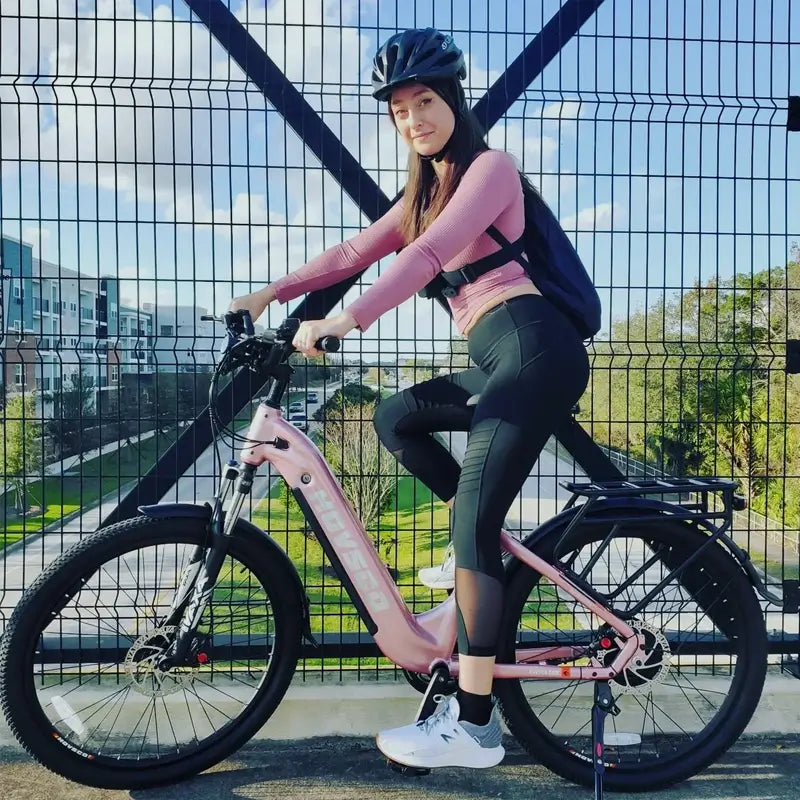
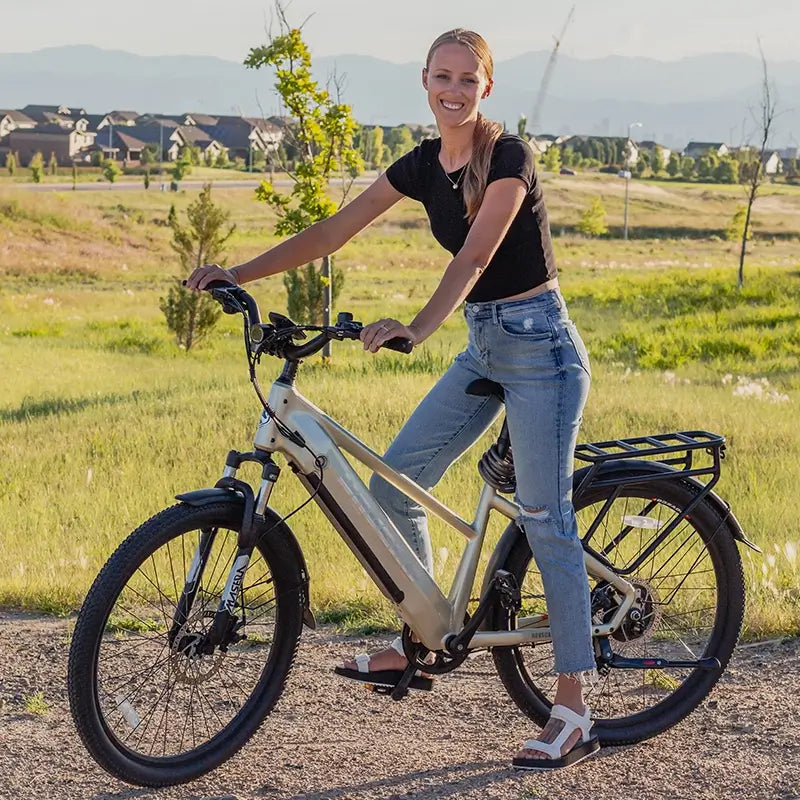
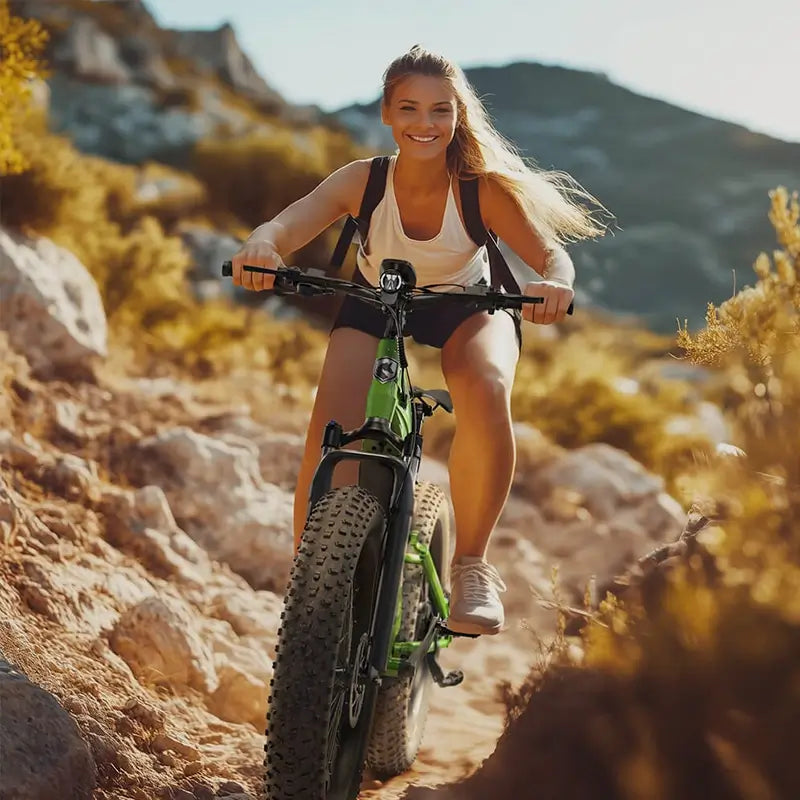
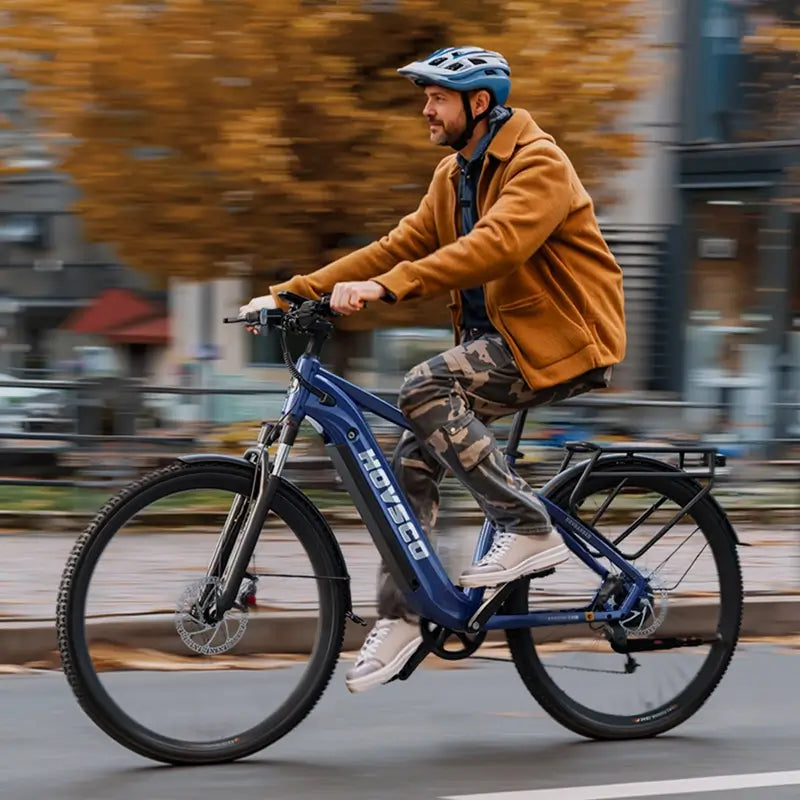
Torque sensor benefits sit at the center of the most natural e-bike ride experience because they make assist feel like an extension of your own legs rather than a switch that suddenly turns on. The engineering behind the e-bike smile is simple to describe and surprisingly sophisticated to execute.
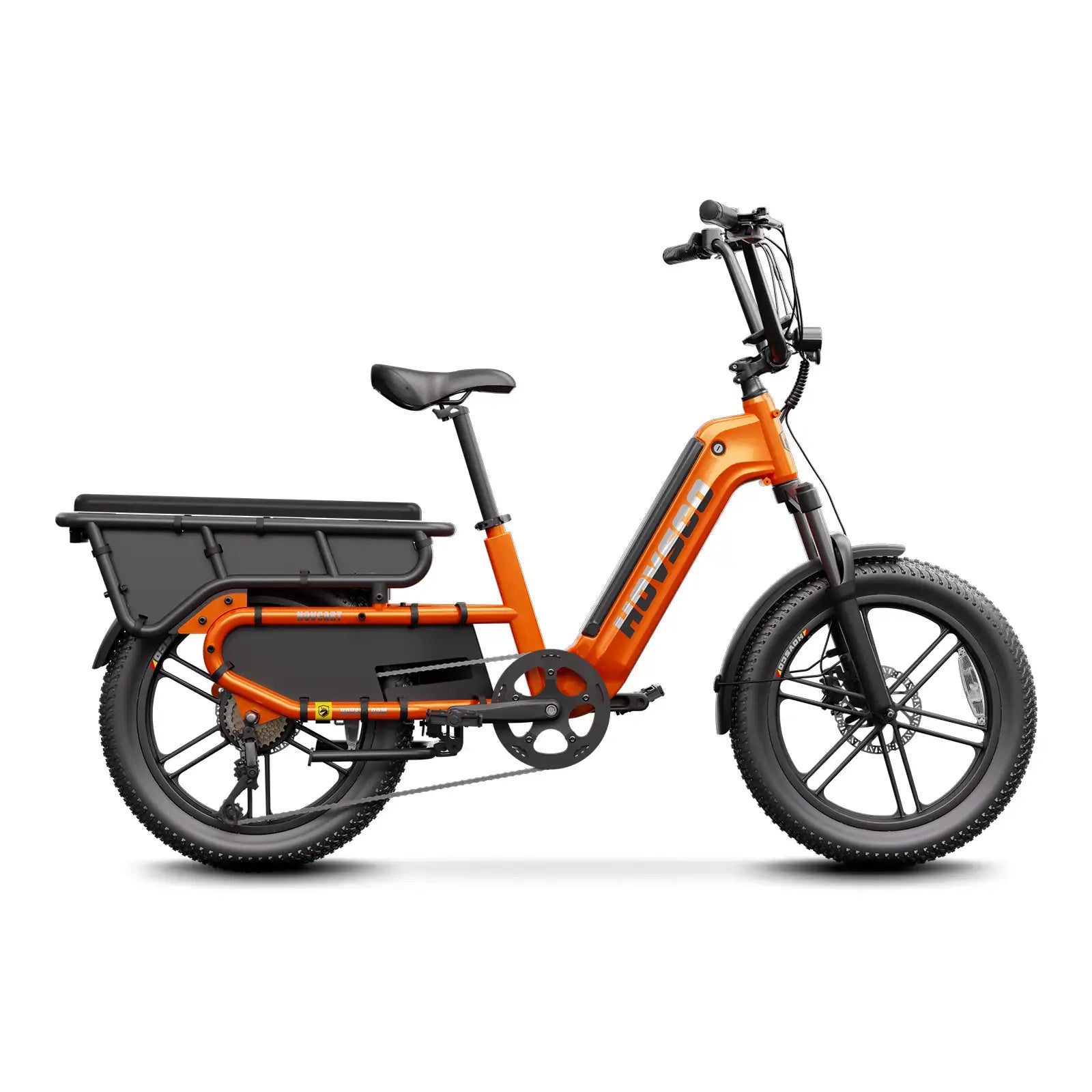
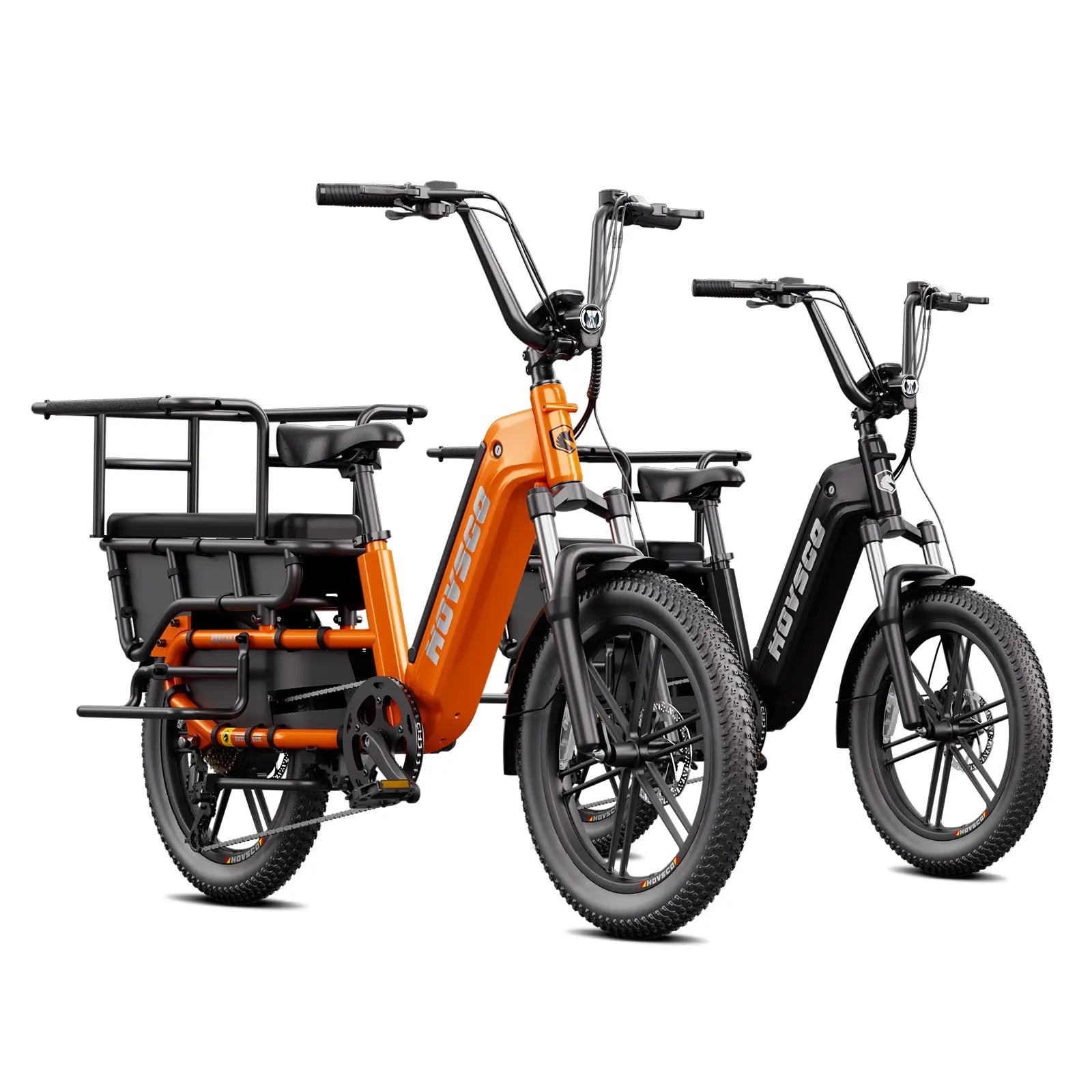
Check: torque-sensing cargo electric bikes
Torque sensors measure how hard you press on the pedals, then tell the motor to match that effort with proportional support. That is the main reason a torque sensor e-bike feels smoother, more intuitive, and more controlled than a basic cadence setup. Instead of waiting for pedal rotation alone, the system reads rider intent in real time.
That difference changes almost everything about e-bike riding. A torque sensor helps with natural pedaling, better low-speed balance, tighter cornering, less jerky acceleration, and a more confident feel on hills, commutes, and mixed terrain. It also makes pedal assist feel less like automation and more like partnership.
At the core, a torque sensor is measuring force, not just movement. When you push the pedals, the sensor detects strain in the drivetrain, bottom bracket, or rear axle depending on the design, then sends that signal to the controller, which adjusts motor output instantly.
This is why torque sensor bike performance feels so responsive. The harder you pedal, the more assist you get. The softer you pedal, the less assist you get. That proportional response is what makes an electric bike feel natural instead of mechanical.
There are two common engineering approaches. Some systems use strain gauges that deform slightly under load, while others use magnet-based measurement around the bottom bracket or drivetrain. Both aim to capture rider effort accurately, but the best implementations combine fast signal processing, low noise, and stable calibration.
Natural pedaling is the headline benefit because the bike mirrors your cadence and effort. On a cadence sensor bike, the motor often behaves like an on/off helper. On a torque sensor e-bike, the assist scales with how you ride, which creates a more fluid ride feel.
That fluidity also matters for beginners and experienced riders alike. New riders gain confidence because acceleration feels predictable. Experienced riders enjoy better control because the motor responds to subtle changes in pressure, climbing effort, and cadence.
Another major torque sensor benefit is better hill climbing. When you stand up and push harder on a steep grade, the system responds immediately with more power. That reduces lag, improves traction, and makes uphill riding feel less tiring.
Cadence sensors detect whether the pedals are turning. Torque sensors detect how much force the rider is applying. That single engineering difference affects acceleration, battery efficiency, ride comfort, and overall riding experience.
The biggest practical difference is feel. Torque-sensor bikes usually feel more like a traditional bicycle with a helpful boost, while cadence-based systems can feel more detached from the rider’s effort. For many riders, that natural e-bike experience is the deciding factor.
The e-bike smile happens when the bike disappears beneath you and the ride feels effortless but still active. Engineering that feeling requires precise sensor calibration, fast controller logic, and motor tuning that matches human biomechanics.
Assist mapping is a major part of that process. The controller must translate pedal force into smooth power delivery without surging, delay, or over-assist. If the tuning is too aggressive, the bike feels jumpy. If it is too soft, the response feels weak. The best systems find the middle ground.
Motor placement also matters. Mid-drive systems often pair especially well with torque sensors because they can amplify the rider’s natural pedal input through the drivetrain. That combination improves climbing efficiency, traction, and the feeling of a connected ride.
Consumer interest has shifted strongly toward natural-feel pedal assist, especially in commuter e-bike, city e-bike, cargo e-bike, and trail-ready models. Riders increasingly want battery efficiency, smooth starts, intuitive handling, and low maintenance ride quality rather than just maximum throttle power.
Industry coverage from e-bike brands in 2025 and 2026 consistently highlights the same pattern: torque sensors improve range, make power delivery more precise, and reduce the robotic feeling that many riders dislike. That trend is especially visible in higher-end commuter and all-terrain models where comfort and control matter most.
HOVSCO, founded in 2019, grew from a team of cycling enthusiasts with experience in hoverboards and e-scooters, and that background shapes a strong focus on safety, ride quality, and a natural e-bike smile. With a U.S. headquarters, supply chain strength, and a goal of helping more people ride for health and sustainability, the brand approach reflects the broader move toward intuitive e-bike design.
The best use case for torque sensor benefits is any ride that changes speed often. City traffic, bike lanes, hills, bridge climbs, and mixed route commuting all expose the weaknesses of less responsive assist systems. That is where the smooth pedal-assist difference becomes obvious.
A torque sensor e-bike can improve battery efficiency because it avoids over-delivering power when the rider is only putting in light effort. In practical terms, that often means better range per charge and more consistent battery usage over time.
Riders also benefit from reduced wear on drivetrain and braking components because assist arrives more progressively. Smoother power means fewer harsh starts, less mechanical shock, and less wasted energy. For commuters, that can translate into lower operating cost and a more durable bike over the long run.
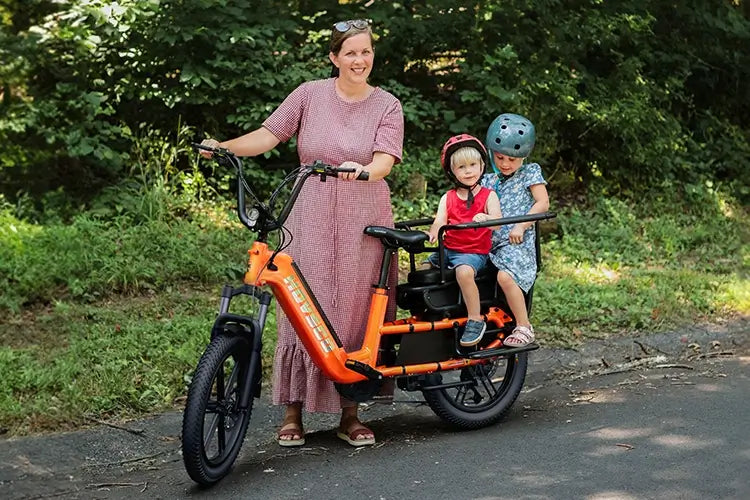
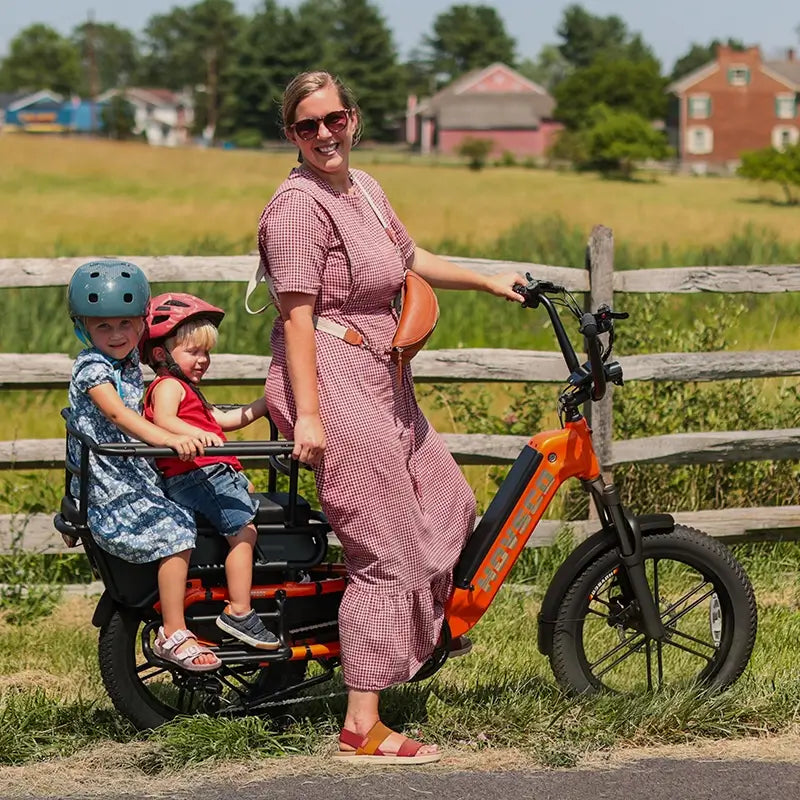
One urban rider using a torque sensor commuter bike may notice less fatigue during stop-and-go traffic and more confidence on hill starts. A cargo rider may find it easier to balance a loaded bike at low speed. A fitness rider may enjoy assistance that supports training instead of replacing effort.
Control is one of the strongest torque sensor benefits because the assist rises and falls with your own movement. That makes it easier to regulate speed in tight spaces, in wet conditions, on crowded paths, or when riding with children and cargo.
This matters for safety as well as comfort. A smoother response can reduce the chance of sudden lurches, especially when starting from a stop or shifting body position mid-ride. The result is a ride that feels composed instead of unpredictable.
It also improves confidence for new riders. When the bike behaves in a way that matches human pedaling, learning the system takes less time. That is one reason natural pedaling is often described as more approachable and less intimidating.
When choosing an e-bike with a torque sensor, look at response speed, motor tuning, battery capacity, frame geometry, and how the assist behaves at low speeds. A well-tuned system should feel progressive, not abrupt, and should support both relaxed cruising and harder efforts.
Pay attention to the riding style you actually use. If your routes include hills, stoplights, family hauling, or long commutes, torque sensor benefits are easier to feel and usually worth the added cost. If you mostly ride short, flat, casual routes, a simpler system may still work, but it will not feel as natural.
Test riding matters because specs do not fully capture ride feel. Two bikes with similar motors can feel very different depending on sensor placement, controller tuning, and frame balance.
Check: engineering behind Ebike Safety Standards
The next wave of ebike sensor tech is moving toward smarter tuning, better predictive control, and more personalized assist profiles. Expect stronger integration between torque sensing, cadence sensing, app-based adjustments, and adaptive motor mapping.
We are also likely to see more refinement in natural pedaling feel for city commuting, lightweight e-bikes, and premium cargo platforms. As battery management, motor control, and sensor precision continue improving, the line between human effort and electric assistance will feel even more seamless.
That future points to one clear direction: e-bike design is becoming less about brute power and more about ride harmony. The best systems will make riders smile because the bike feels like a better version of their own motion.
Torque sensor benefits are mostly about feel, control, and efficiency. They make assist feel more natural, help with hills, improve battery usage, and reduce the robotic sensation common in basic pedal-assist systems.
A torque sensor e-bike is often better for riders who want a more connected experience. It is especially useful for commuting, climbing, carrying loads, and riding in traffic where smooth response matters.
Cadence sensors are simpler and cheaper, but they usually feel less intuitive. A torque sensor bike delivers a more natural pedaling experience because support rises with rider effort instead of pedal rotation alone.
If your goal is a bike that feels responsive, smooth, and easy to control, torque sensor benefits make a strong case for choosing this technology. The engineering is focused on one outcome: making electric assist feel like your own pedaling, only easier and more enjoyable.
For riders who want the e-bike smile in everyday use, the best next step is to compare torque sensor models by motor tuning, frame fit, and real-world riding style. The right bike will not just move you forward; it will make every ride feel more human.
Share:
Best Ebike for Delivery Riders: Maximize Earnings and Cut Gas Costs
Ebike with Dog: How to Train Your Dog to Love Riding on the Back of the HovCart