


![[ New Arrival ] Porto Max Electric Scooter For Commute & Grocery Shopping - HOVSCO](http://www.hovsco.com/cdn/shop/files/PotroMax-3.jpg?v=1706927007&width=1200)
- by SEO
Best Ebike for Delivery Riders: Maximize Earnings and Cut Gas Costs
- by SEO
E-Bikes
Accessories
 Free Shipping
 15-Day Returns
 2-Year Warranty
Free Shipping
15-Day Returns
2-Year Warranty
2-Year Warranty
Free Shipping
15-Day Returns
2-Year Warranty
More food couriers, Uber Eats workers, and local package drivers are choosing the best ebike for delivery instead of relying on cars or scooters. A powerful delivery ebike can maintain speeds up to thirty miles per hour, slip through traffic, and avoid parking hassles, all while cutting fuel bills dramatically. Delivery rider income often stays flat when vehicle costs rise, so switching to an e‑bike can mean thousands more dollars per year in take‑home pay.
Check: high-ROI delivery electric bikes
Market data from leading mobility research firms show that professional delivery riders who adopt an electric cargo bike break even on their purchase within six to eighteen months, depending on how many deliveries they complete each month. Step‑through cargo bikes and fat‑tire delivery ebikes are especially popular in dense urban areas where short‑distance trips, frequent stops, and tight maneuvering matter most.
Not every e‑bike is built for continuous delivery work. The best ebike for delivery riders combines long range, high payload capacity, durable tires, and strong braking. Delivery drivers should prioritize models with at least forty miles of realistic range, a motor of at least seven hundred fifty watts, and a total weight capacity above three hundred pounds.
Key features that matter for delivery riders include a large rear rack, integrated cargo boxes, puncture‑resistant or fat tires, and weather‑sealed electronics. Class 3 e‑bikes that legally support throttle and pedal‑assist modes are common choices for gig workers who need to cover as many orders as possible in a single shift. Ergonomic geometry, step‑through frames, and comfortable saddles help riders stay on the road longer without fatigue.
Leading brands now offer dedicated delivery ebikes and electric cargo bikes designed for food, grocery, and package couriers. Many of these models include upgradable racks, integrated lighting, and multiple assist levels to adapt to different routes and payloads.
For hot meal delivery, folding e‑bikes and compact cargo bikes allow riders to navigate narrow sidewalks and tight alleys. For heavier grocery or parcel deliveries, box‑style cargo ebikes and longtail delivery bikes provide more stability and larger storage space. When comparing options, buyers should look at motor power, battery watt‑hours, weight capacity, and warranty coverage to ensure the bike can handle daily commercial use.
Delivery rider income varies by city, platform, time of day, and tip behavior, but most full‑time couriers complete seventy to one hundred and fifty deliveries per week. Average earnings after platform fees and taxes often fall between fifteen and twenty‑five dollars per hour, depending on how efficiently riders choose routes and stack orders.
Using an e‑bike instead of a car can increase net income by reducing fuel, parking, insurance, and maintenance costs. Studies into urban delivery economics show that switching from a gas‑powered vehicle to a quality ebike can save riders roughly six thousand to twelve thousand dollars per year in operating expenses alone. For gig workers, those savings translate directly into higher profit margins on every delivery.
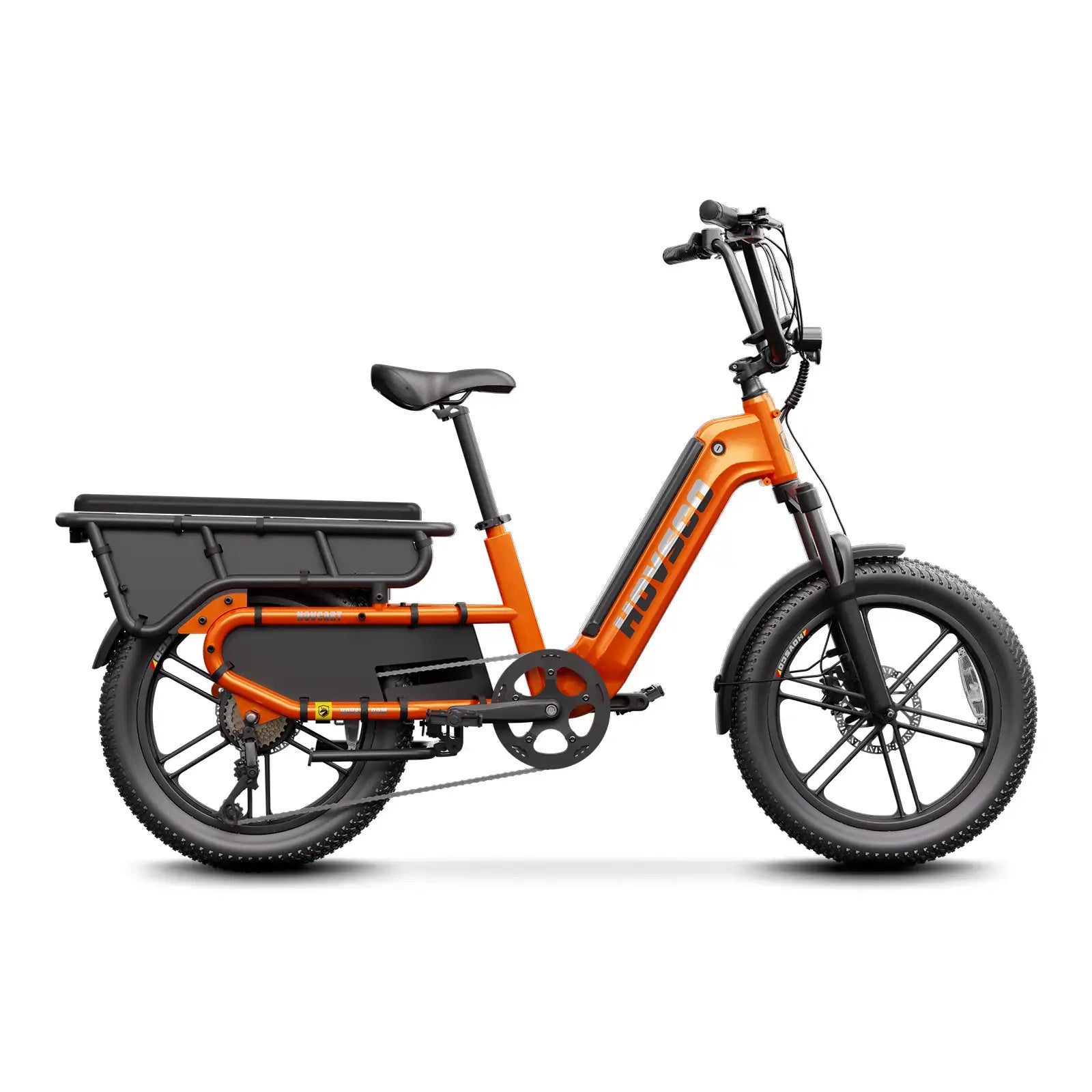
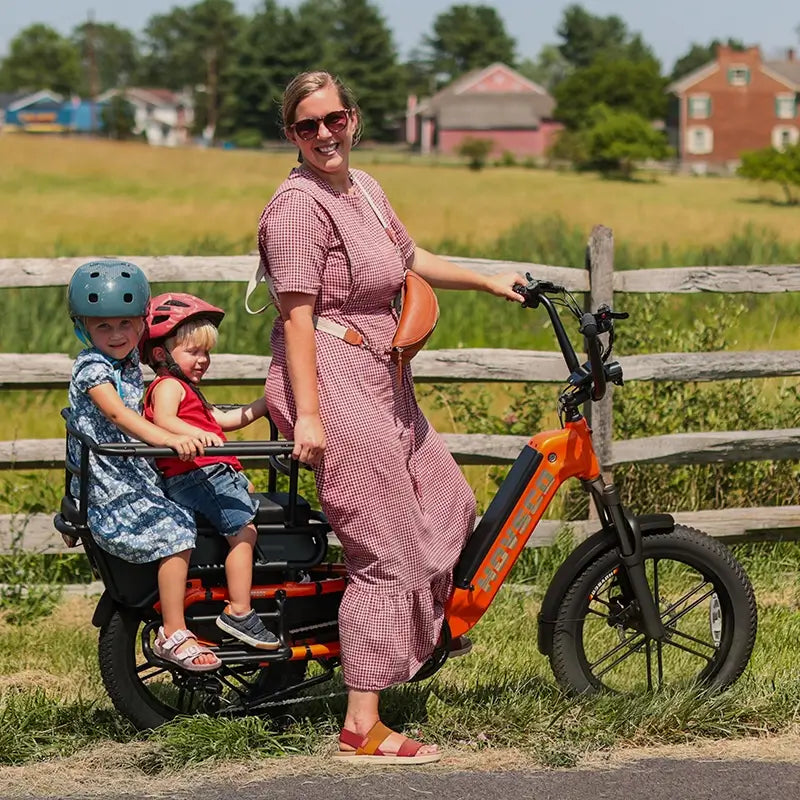
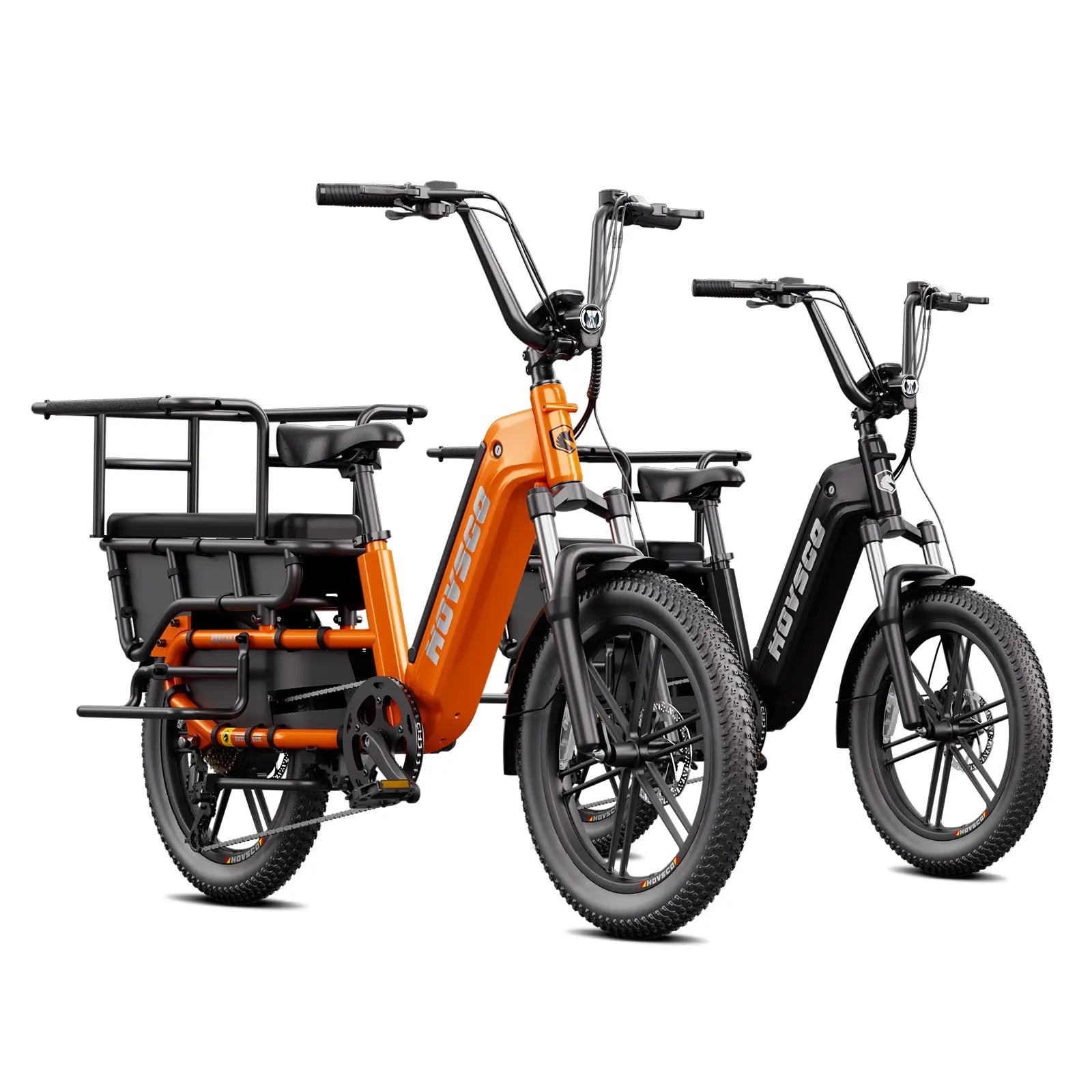
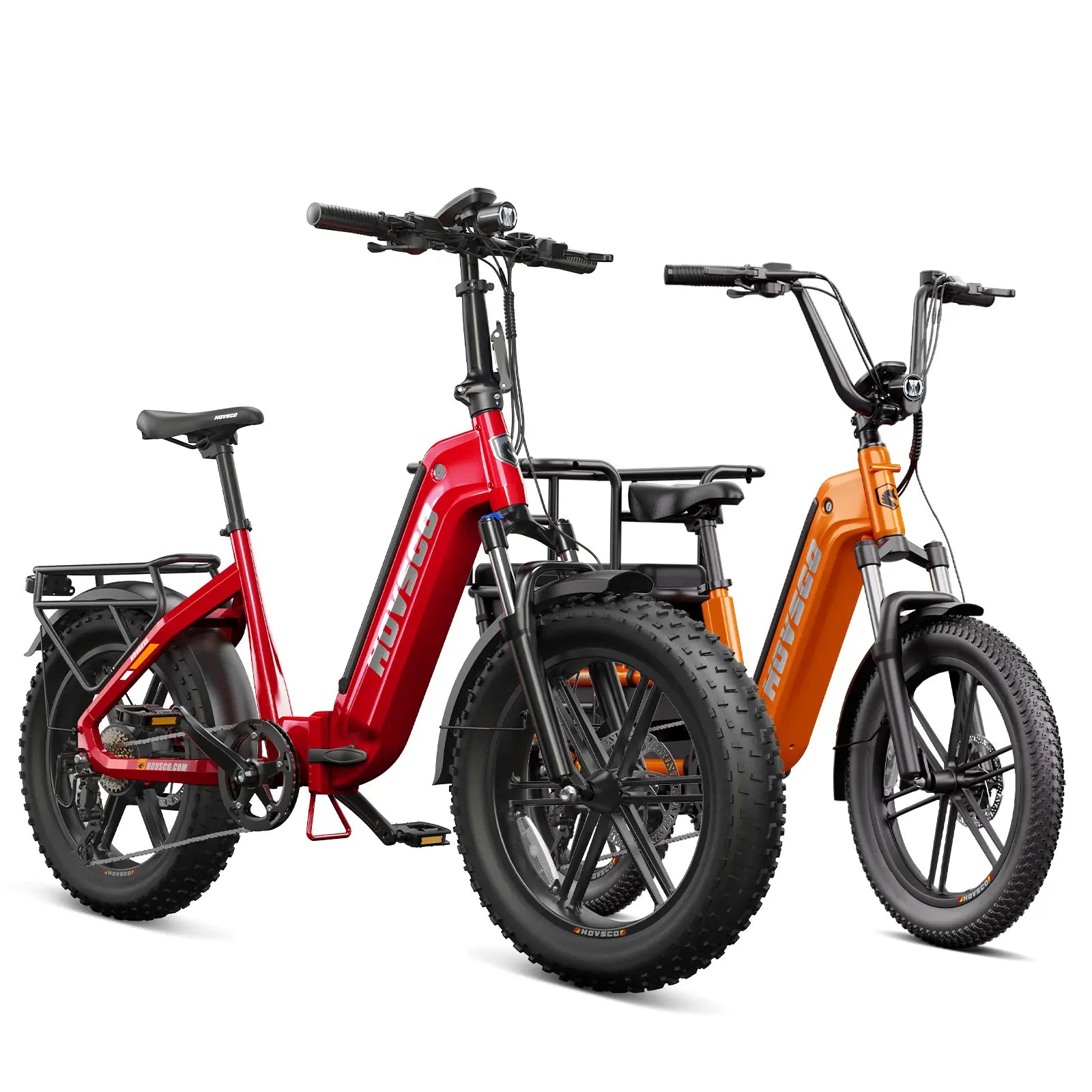
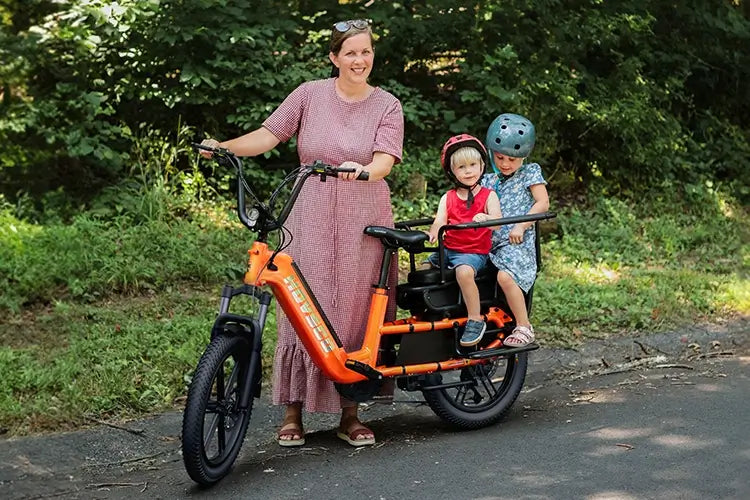
Many riders ask how many deliveries it takes to pay off heavy‑duty cargo ebikes like the HovCart electric family ebike. The exact number depends on the bike’s purchase price, any available tax credits, and how much money the rider saves by switching from a car or gas scooter.
Suppose a delivery rider pays three thousand dollars for a fully equipped cargo ebike and receives a tax incentive that effectively reduces that cost by nine hundred dollars through a federal e‑bike tax credit. If the rider saves an average of four hundred dollars per month in fuel, parking, and maintenance, the payback period would be roughly five to six months. In that scenario, each additional delivery during those first six months accelerates the breakeven point and boosts long‑term profit.
One of the strongest incentives to adopt the best ebike for delivery is the massive difference in running costs. Cars often cost around sixty cents per mile when factoring in fuel, oil changes, tires, and repairs, while e‑bikes typically cost less than ten cents per mile to operate.
For a rider completing sixty to eighty deliveries per week, the annual savings on gas alone can exceed three thousand dollars. Throw in avoided parking tickets, lower insurance premiums, and reduced wear on brakes and tires, and the total savings often climb much higher. Over five years, the difference between using a car and a properly maintained delivery ebike can easily reach tens of thousands of dollars.
Professional couriers around the country report that their e‑bikes pay for themselves in as little as four to ten months. Riders who previously drove small sedans or gas scooters describe going from frequent fill‑ups and unexpected repairs to charging their ebike for a few dollars each month and doing only routine maintenance.
Many of these riders say that after the initial payback period, nearly all their delivery income becomes profit minus basic living expenses. They also note that riding an ebike keeps them more active, reduces stress from traffic jams, and improves their physical health compared with sitting in a car all day.
Modern delivery ebikes rely on three main components: a robust motor, a high‑capacity battery, and a durable frame designed for frequent, heavy‑load use. Mid‑drive motors are common on cargo and step‑through models because they distribute weight more evenly and provide better hill‑climbing performance.
Lithium‑ion batteries with seven hundred fifty watt‑hours or more are now standard on many money‑making ebikes, giving riders the energy reserve needed for multiple shifts between charges. Advanced motor controllers, regenerative braking, and intelligent pedal‑assist algorithms help optimize efficiency so riders can squeeze more deliveries out of each charge.
The best ebike for delivery depends on what kind of work you do. Hot food delivery riders often prefer lightweight, agile models with a front basket or rear bag setup, while grocery and parcel couriers need stronger cargo frames and higher weight limits.
Riders in hilly cities benefit from bikes with more powerful motors and higher assist levels, whereas riders in flat metro areas can prioritize battery capacity and comfort. Riders who park on streets or in busy neighborhoods should consider bolt‑on racks, theft‑resistant locks, and lights that meet local regulations.
Founded in 2019, HOVSCO has become a rapidly growing e‑bike brand led by a team of cycling enthusiasts and engineers. Drawing on years of experience in hoverboards and e‑scooters, the company has built a reputation for safety‑focused design and reliable powertrain systems.
HOVSCO designs ebikes for commuting, urban deliveries, trail riding, and everyday recreation, with a strong focus on range, durability, and ease of use. Headquartered in the United States and supported by a robust supply chain in mainland China, HOVSCO aims to help more people stay active, cut transportation costs, and enjoy the freedom of the open road.
Check: maximizing profits with a Delivery Ebike
To estimate how many deliveries it takes to pay off a HovCart or similar cargo ebike, start by totaling your monthly vehicle costs with a car or gas scooter. Include fuel, insurance, parking, tolls, maintenance, and any depreciation. Then subtract your estimated monthly operating cost with an ebike, which usually comes down to a small electricity bill and occasional service.
Multiply that monthly savings by the number of months you expect to keep riding. If your total projected savings over two years exceed the ebike’s price after tax credits, the investment is likely worthwhile. Riders can also factor in extra earnings from faster city maneuvering or more deliveries per hour when using a nimble delivery ebike.
Many riders wonder whether an ebike is legal for platform delivery work. In most states, Class 3 e‑bikes that meet federal safety standards are allowed for food and package delivery, but riders must follow local speed and traffic rules just like any other vehicle.
Insurance requirements vary, but commercial drivers often need light commercial coverage or a standard rider policy that includes liability while working. Riders should also check platform terms to ensure e‑bikes are permitted and that their chosen model meets weight and safety guidelines.
Analysts expect more cities to add protected bike lanes and e‑bike charging hubs, which will make delivery ebikes even more attractive for gig workers. As battery density improves and motors become lighter, future cargo ebikes may offer even greater range and payload capacity without sacrificing speed.
Some platforms are experimenting with e‑bike‑specific dispatch algorithms and bonus incentives for riders who use low‑emission vehicles. Over the next few years, professional couriers who adopt the best ebike for delivery early may see higher earnings, better route priority, and more stable work than car‑based drivers.
If you are a delivery rider tired of draining gas tanks and high maintenance bills, switching to a high‑performance ebike can transform your bottom line. Start by mapping out your current monthly costs, then compare them with the purchase price and expected operating costs of a quality delivery ebike.
Once you know your break‑even point, choose a model that matches your typical payload, route length, and riding style. Whether you select a step‑through cargo bike, a compact folding ebike, or an all‑around commuter model, the key is to keep riding consistently and track your deliveries and savings over time.
For thousands of professional riders, moving from a gas‑fueled vehicle to the best ebike for delivery has meant faster trips, higher daily earnings, and a much healthier lifestyle. With the right bike, a solid routine, and an eye on your numbers, you can turn every delivery into part of your long‑term profit strategy.
If you are considering a rugged cargo ebike like the HovCart for food, grocery, or parcel runs, now is the time to calculate your potential savings and see how quickly your investment can pay off. By choosing wisely today, you can ride your way to higher income, lower costs, and a cleaner, more sustainable way to work tomorrow.
Share:
Safely Installing a Thule Yepp Seat on Your HovCart Rear Rack
Ebike with Dog: How to Train Your Dog to Love Riding on the Back of the HovCart