



![[ New Arrival ] Porto Max Electric Scooter For Commute & Grocery Shopping - HOVSCO](http://www.hovsco.com/cdn/shop/files/PotroMax-3.jpg?v=1706927007&width=1200)
- by SEO
Replace Car with Family Ebike: How a Cargo Ebike Can Replace Your SUV
- by SEO
E-Bikes
Accessories
 Free Shipping
 15-Day Returns
 2-Year Warranty
Free Shipping
15-Day Returns
2-Year Warranty
2-Year Warranty
Free Shipping
15-Day Returns
2-Year Warranty
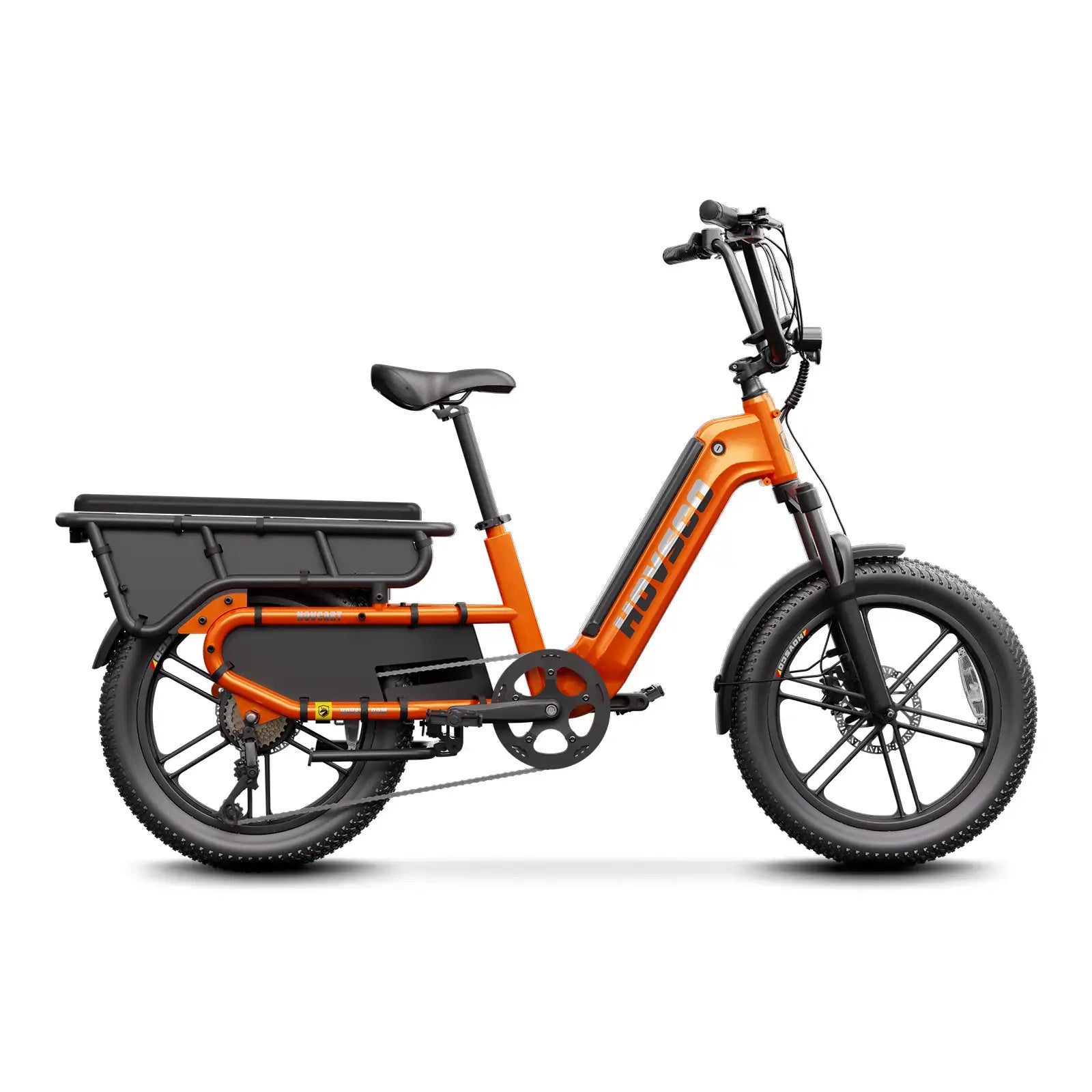
Switching from a second car to a family ebike can cut household transport costs, simplify parking chaos, and still keep you fully mobile for groceries, school runs, and errands. A purpose‑built cargo ebike like a HovCart can realistically replace your SUV for dozens of everyday trips, while paying for itself in months, not years.
Check: SUV-replacement family ebikes
Car‑free and car‑light lifestyles are accelerating as urban congestion, insurance rates, and parking fees keep climbing. Modern family ebikes now offer payload capacity, cargo space, and range that rival a second SUV for many suburban households.
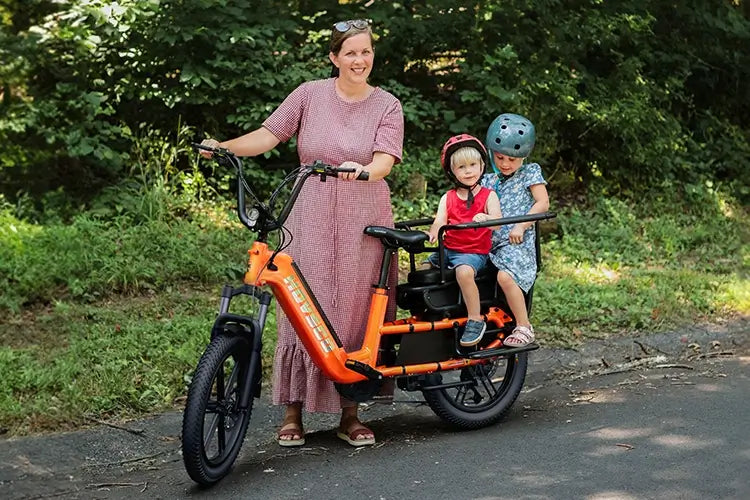
Cargo ebikes can carry multiple kids, weekly groceries, pets, and bulky gear, making them a practical alternative to a conventional car for short‑ to medium‑distance trips. When combined with carshare, ride‑hailing, or occasional rentals, an ebike‑first strategy can satisfy over 80 percent of a typical family’s driving without needing to own a second vehicle.
Automotive data shows that a typical car owner spends thousands each year on fuel, insurance, depreciation, maintenance, registration, and parking. In dense urban and suburban areas, those costs can easily exceed the combined price of a high‑end cargo ebike and a few carshare trips over several years.
Meanwhile, ebike ownership costs are anchored by a one‑time purchase, minimal maintenance, almost no fuel, and negligible parking fees. Many riders report that their e‑bike investment pays for itself within a year or two, even when the bike is only used for part of their commute.
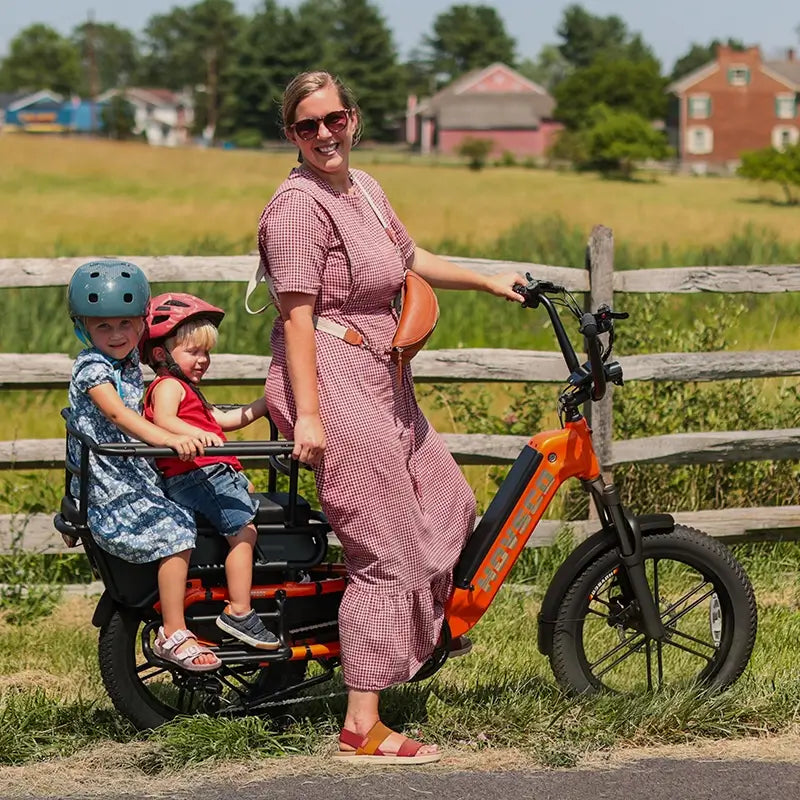
A family ebike can replace a second car when it meets four key criteria: load capacity, range, safety, and convenience. Cargo ebikes with rear racks, front boxes, or long decks can haul school bags, sports equipment, and weekly groceries, shrinking the need to make separate car trips.
Range has also improved dramatically, with many models now offering 20–50 miles per charge, enough for school runs, errands, and local errands without constant recharging. Families who combine an ebike with a single car for long‑distance trips or heavy hauling can often eliminate the high overhead of a second SUV altogether.
To calculate whether an ebike can replace your car, compare your actual annual driving costs with realistic ebike savings. For many households, the math breaks down like this: instead of paying thousands for fuel, insurance, and depreciation on a second SUV, you pay mainly the upfront ebike price plus modest maintenance and charging.
Several independent analyses of e‑bike cost savings show that, with a net investment of under 2,000 dollars after rebates, riders can save 2,000 to 5,000 dollars per year in transportation expenses. That kind of savings profile can deliver a payback period as short as six months for riders who use the ebike heavily, turning the family ebike into one of the fastest‑return consumer purchases in the household.
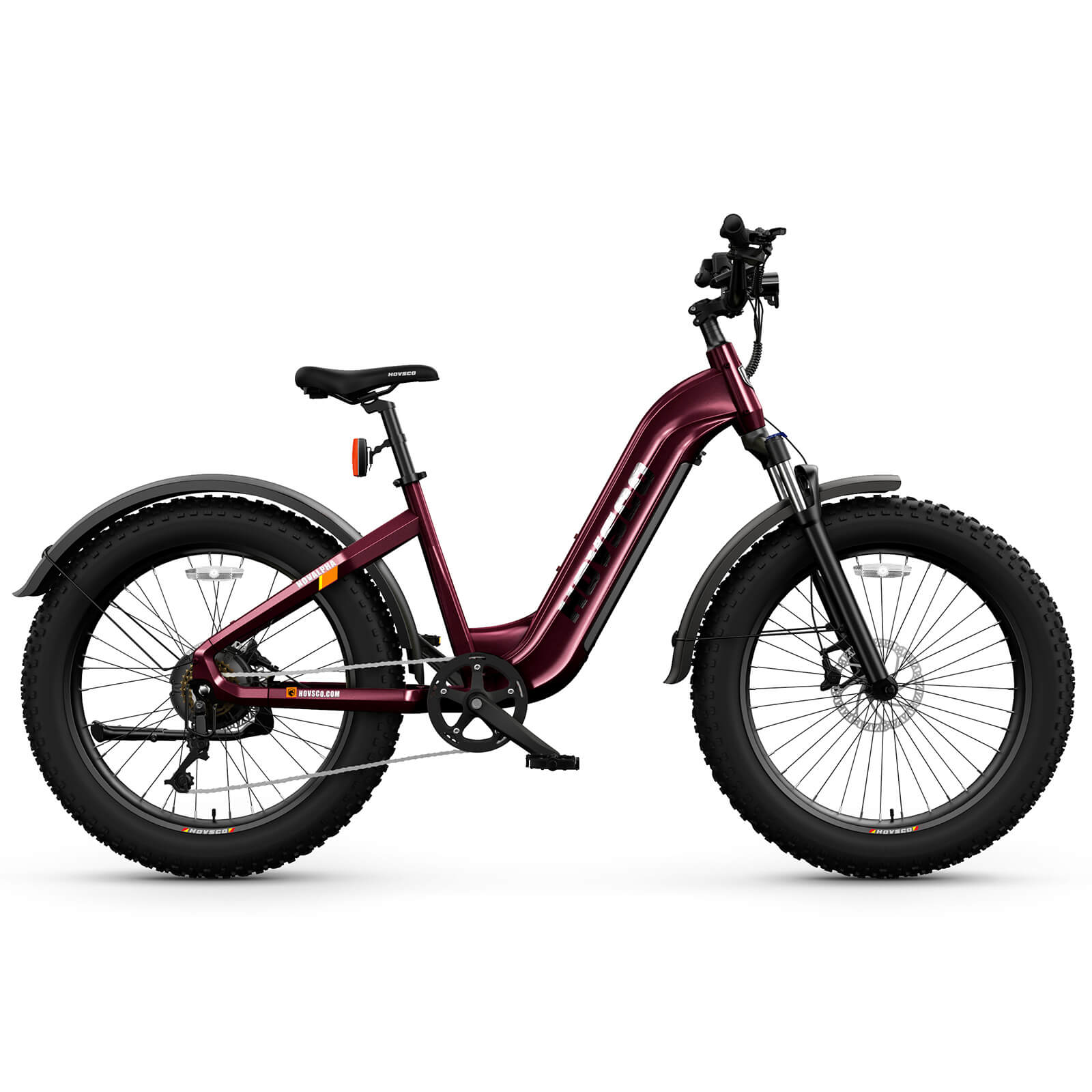
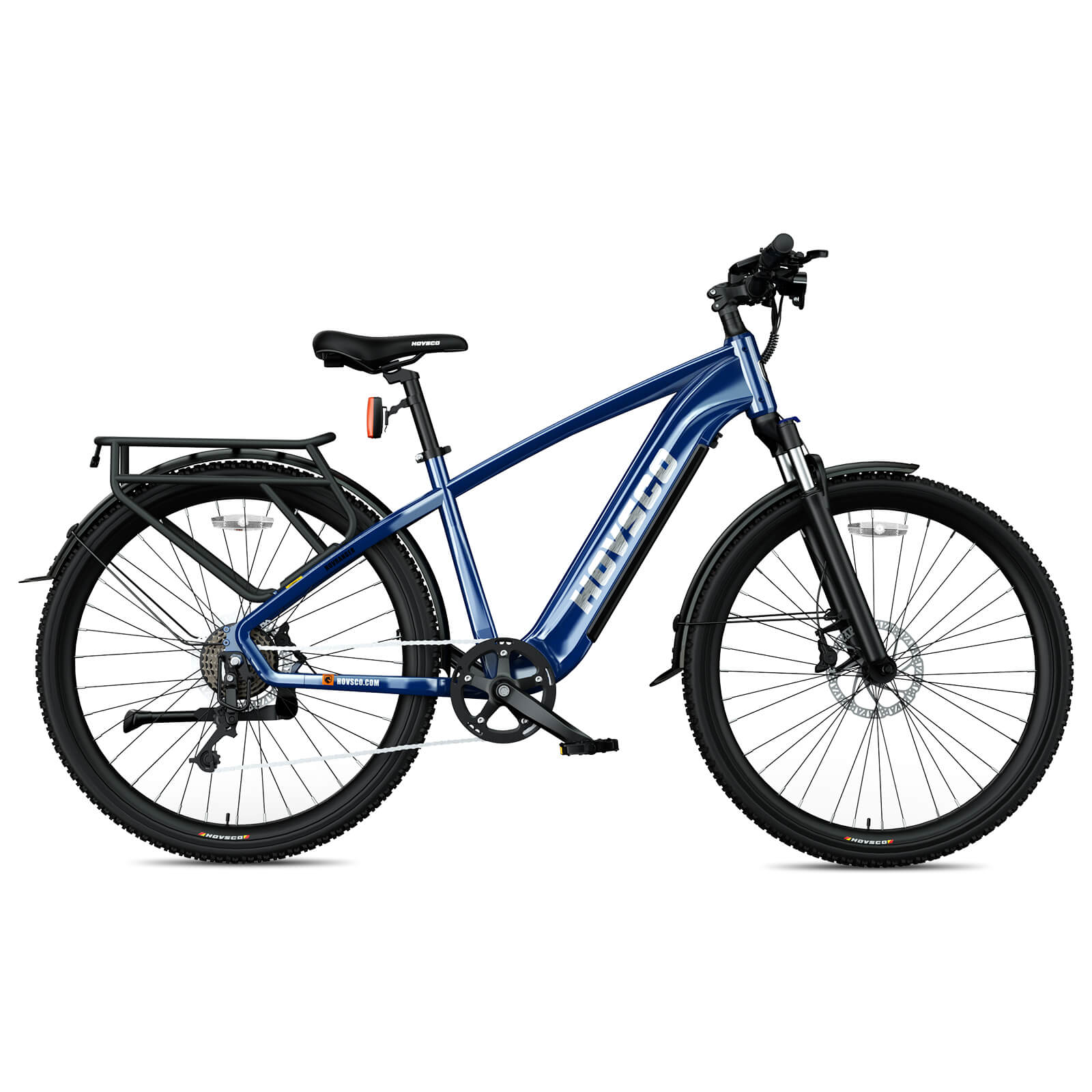
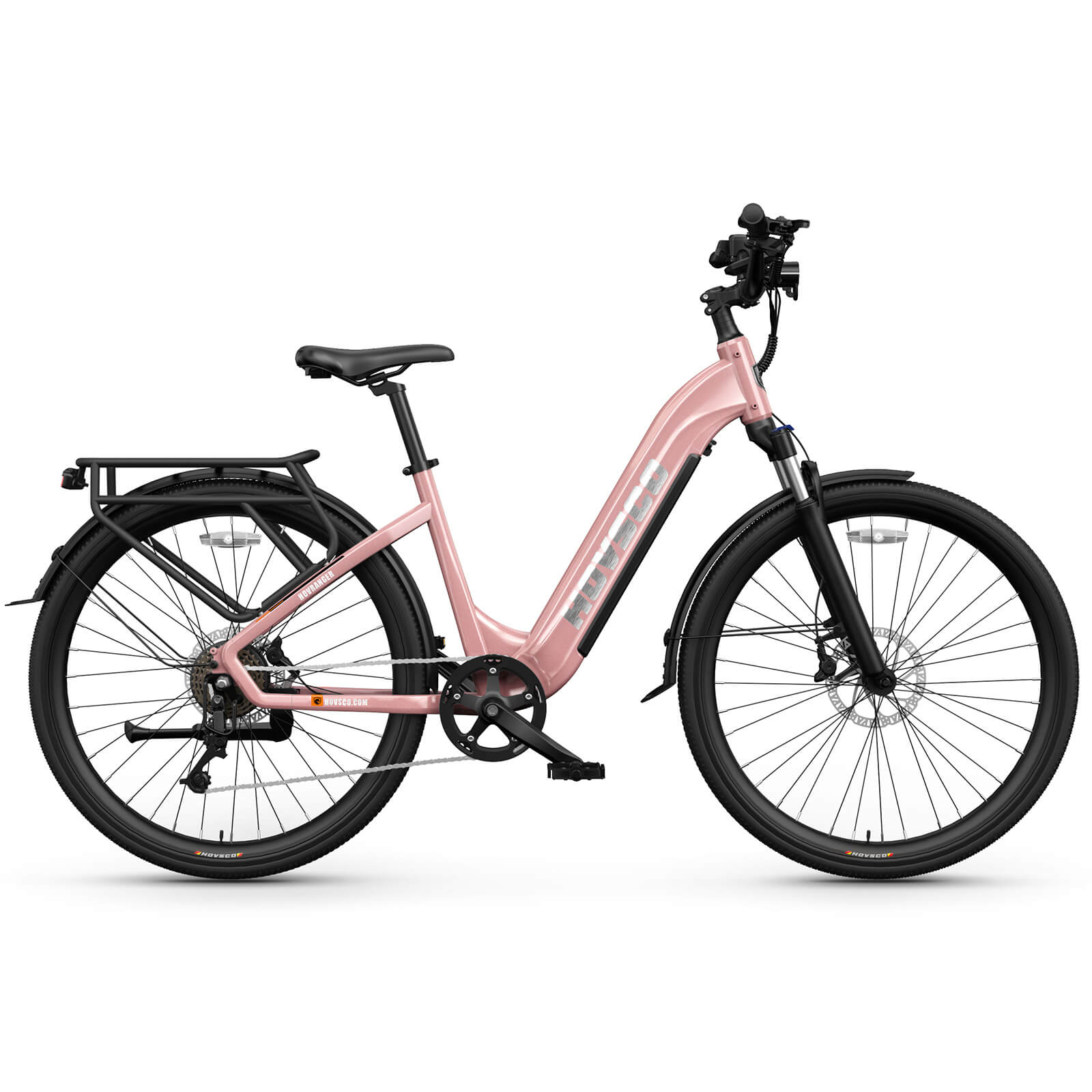
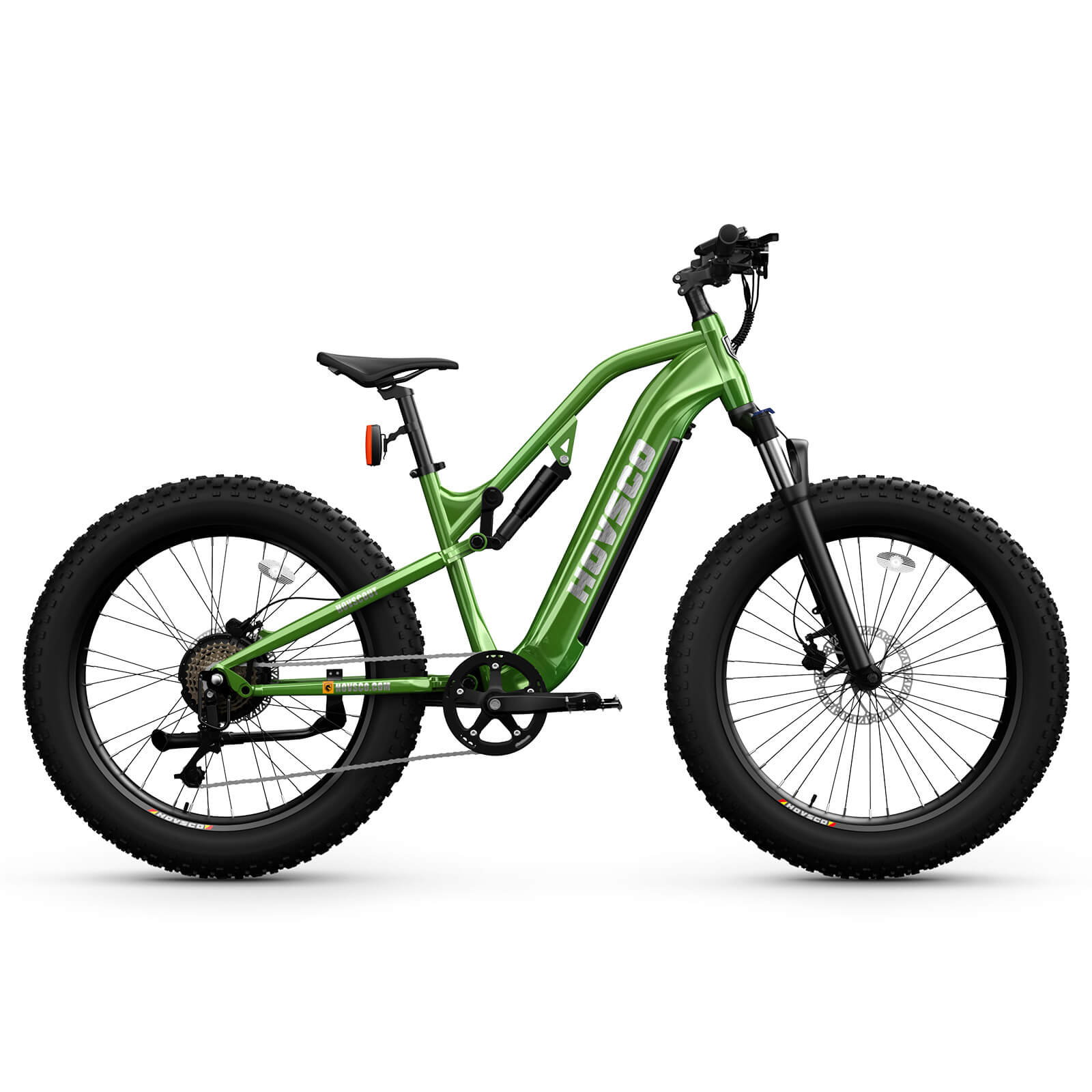
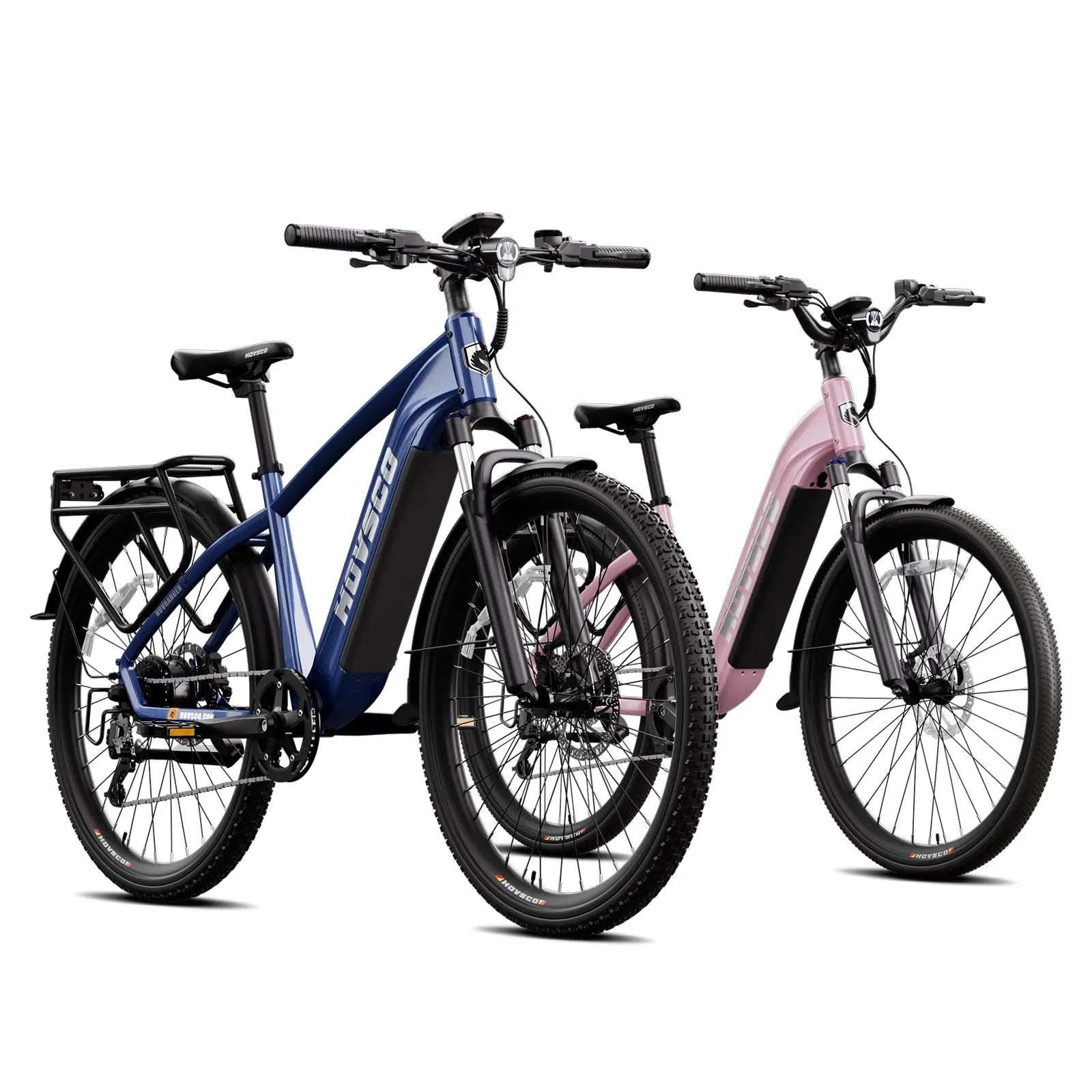
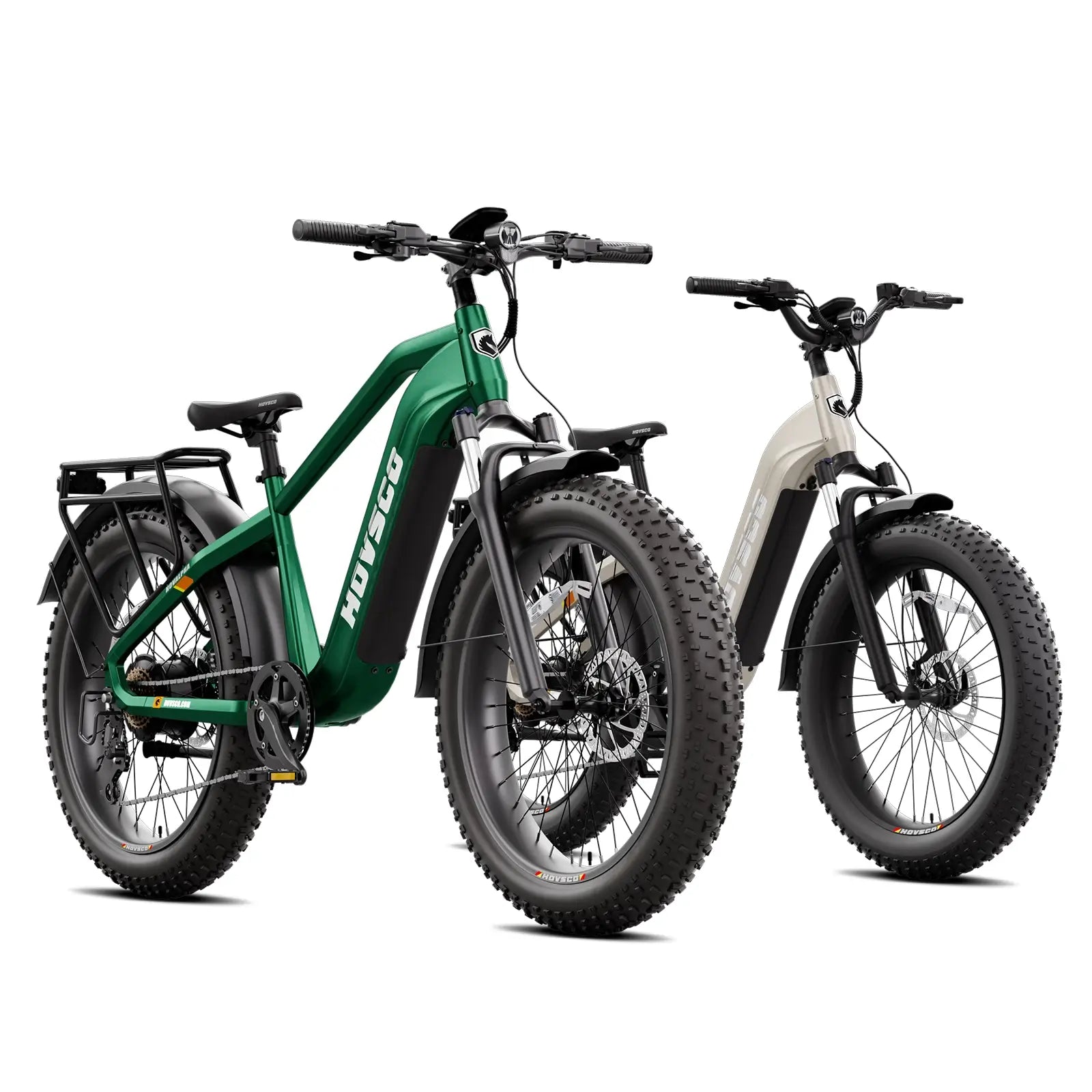
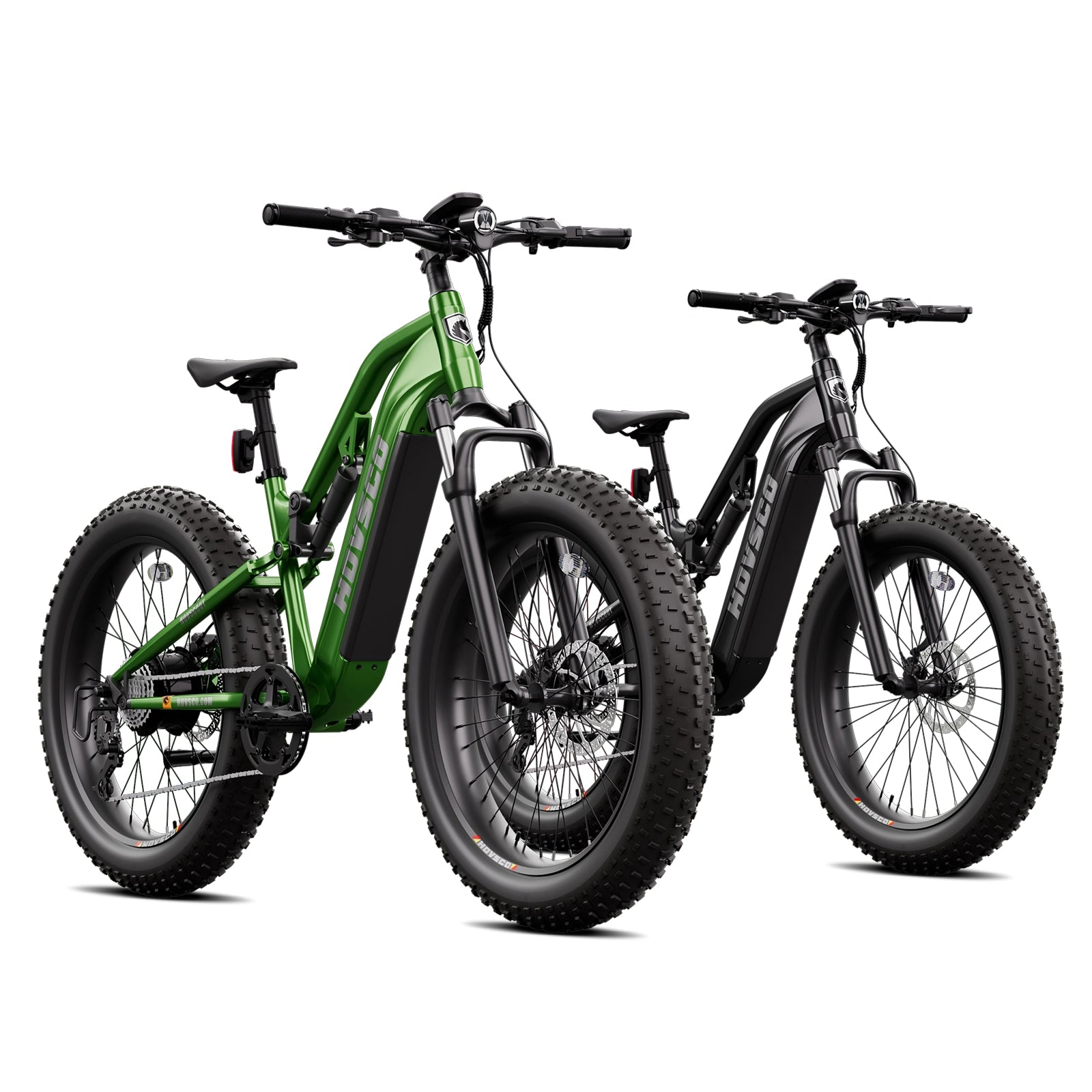
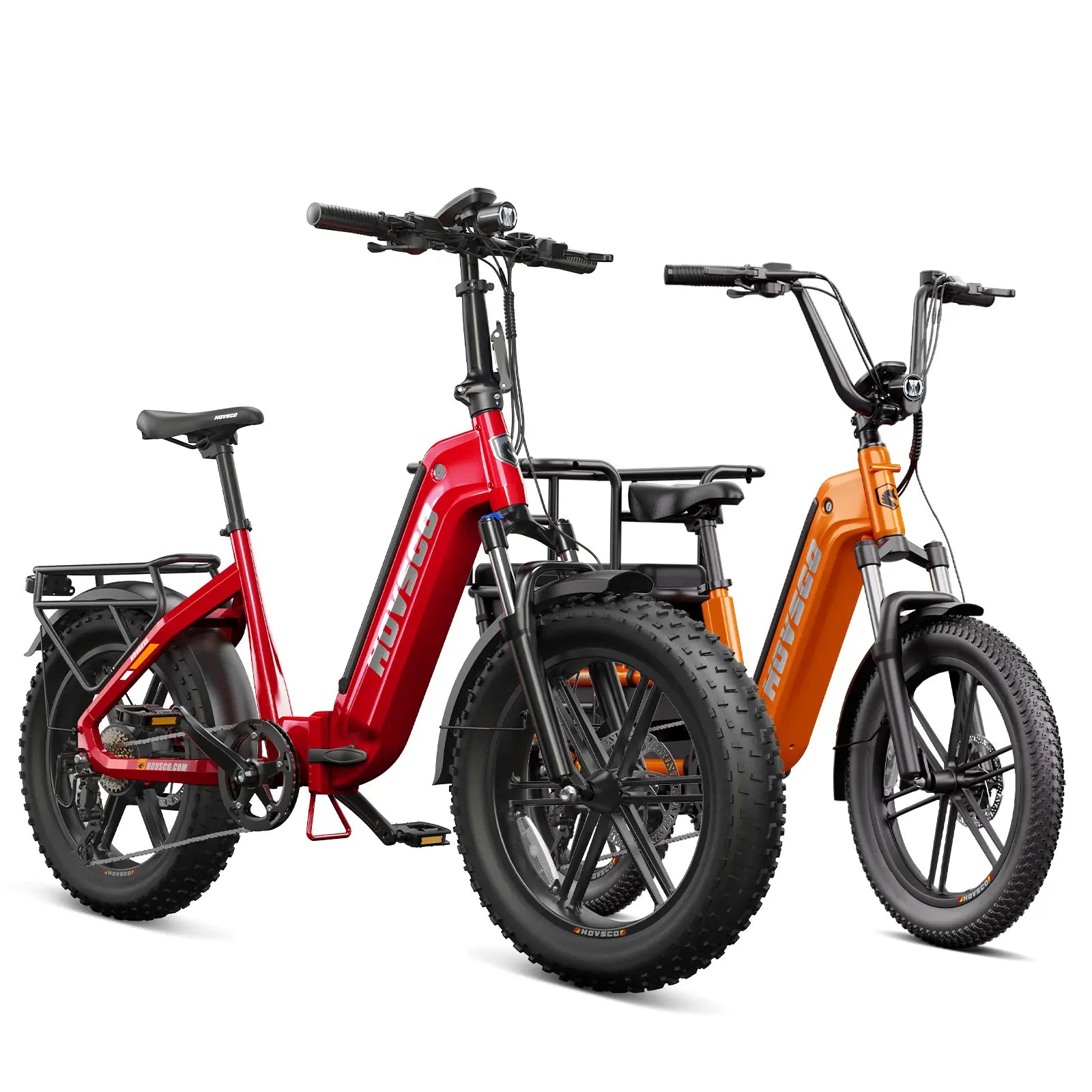
Not all ebikes are built to replace an SUV. When searching for a car‑free lifestyle ebike, look for cargo‑oriented models designed specifically for families and utility use. These bikes tend to feature powerful mid‑drive or hub motors, long‑range batteries, integrated cargo systems, and robust frames.
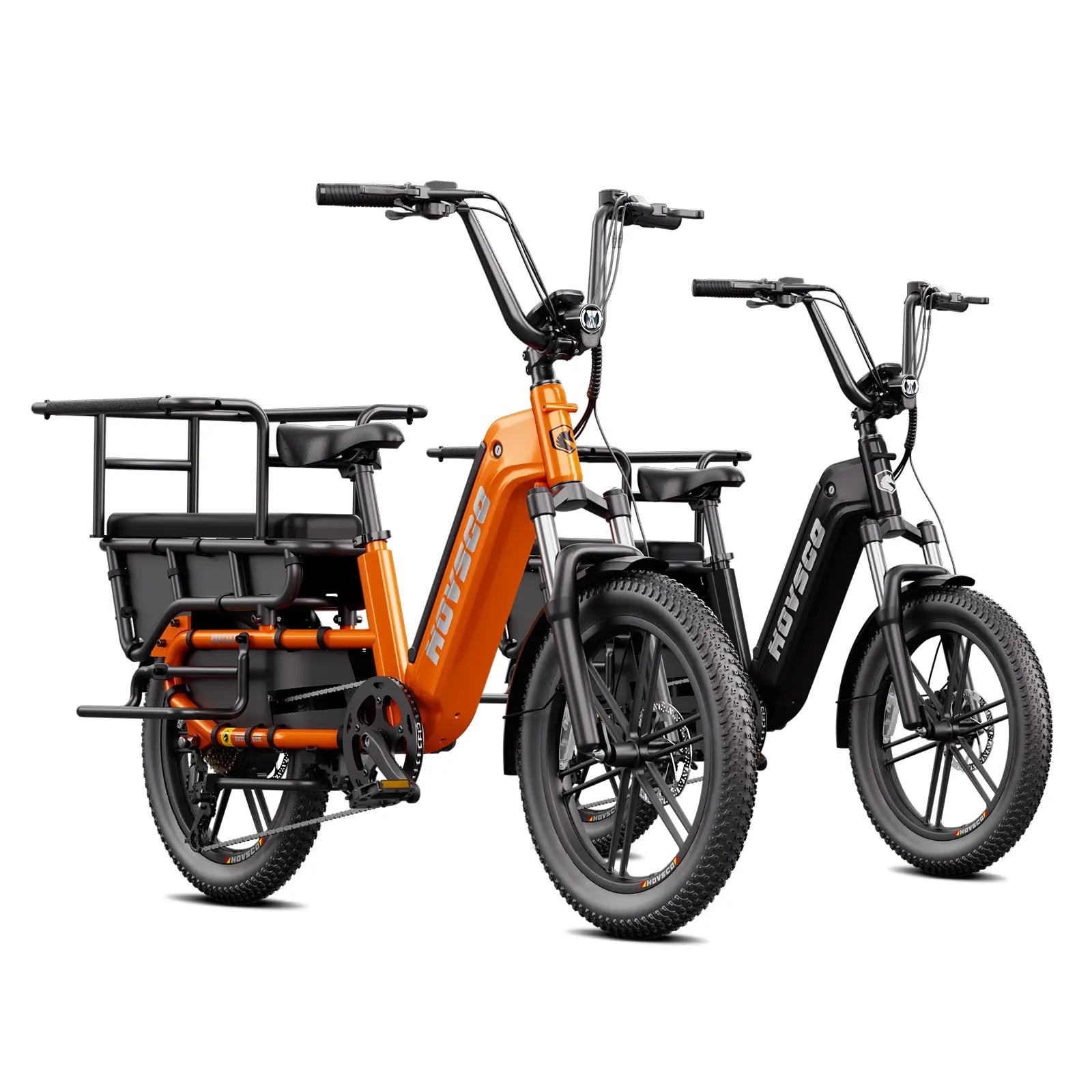
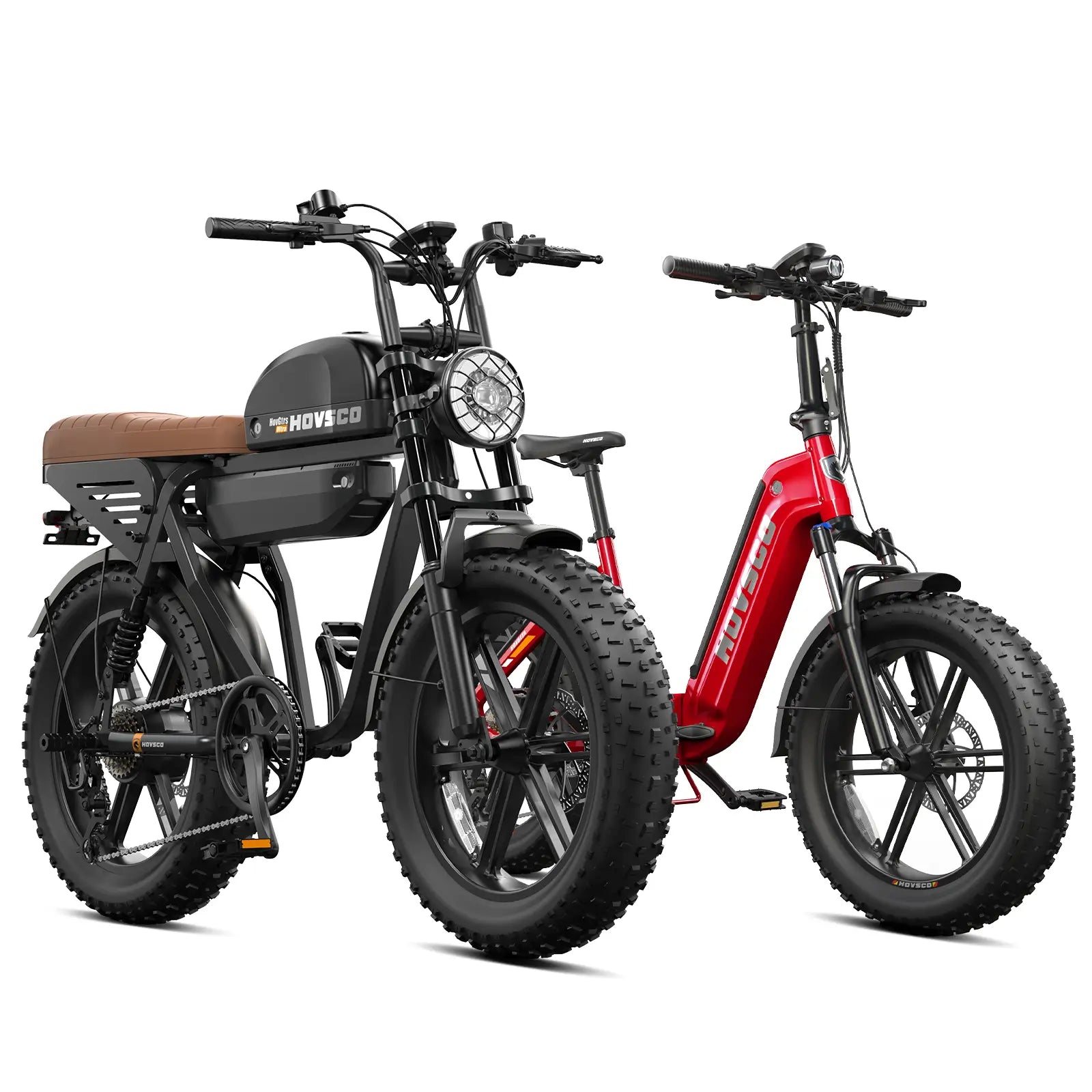
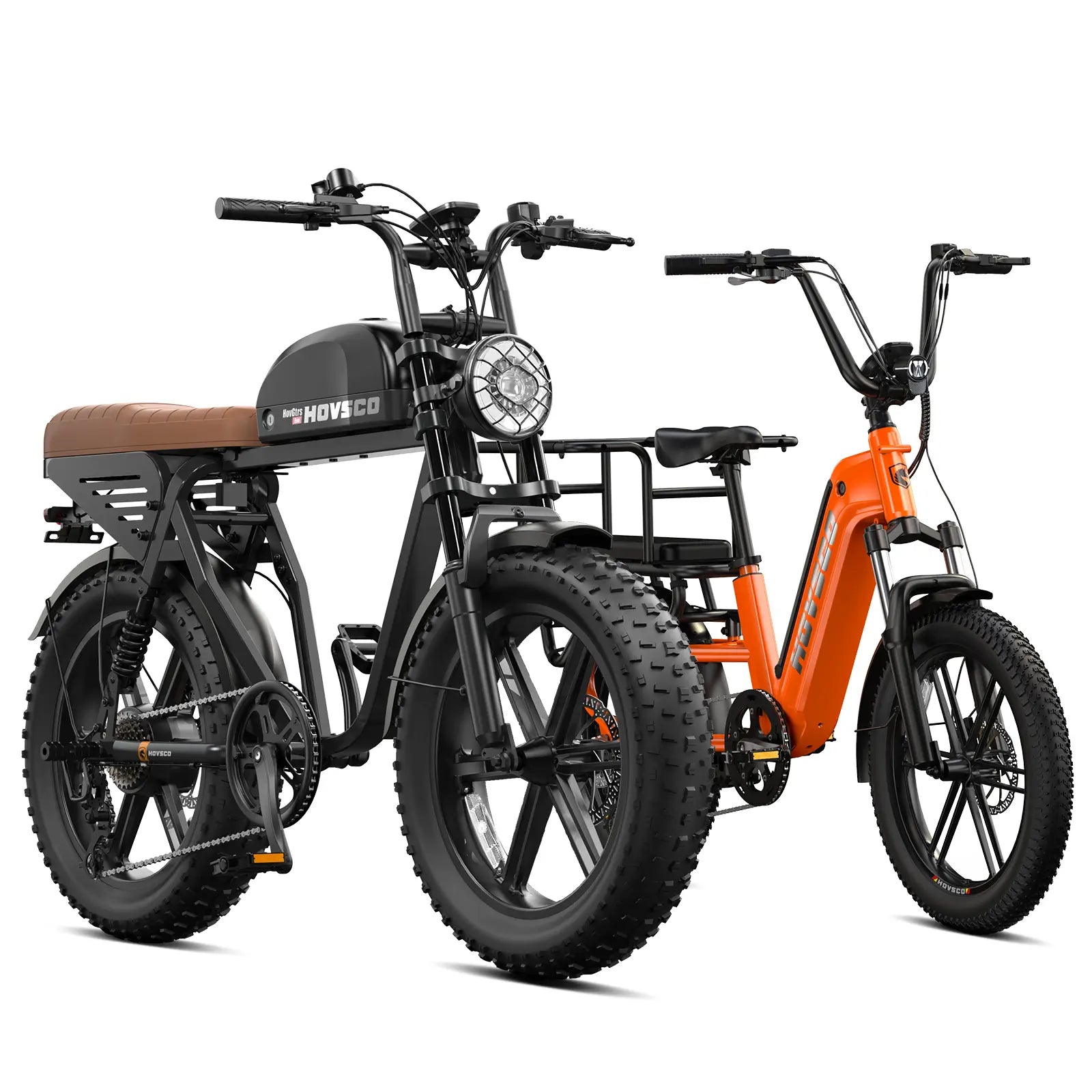
A leading family cargo ebike offers a low‑step frame, integrated cargo box, and dual‑battery options to extend range for school runs and errands. Another high‑use model focuses on stability, with a long wheelbase and rear rack suitable for child seats or multiple kids. These designs are what make an ebike a true SUV alternative rather than just a last‑mile commute device.
When deciding between an SUV, a standard commuter ebike, and a dedicated family cargo ebike, the trade‑offs center on cost, practicality, and flexibility. An SUV excels at long‑distance trips and heavy hauling but comes with high ongoing costs, while a small commuter ebike is affordable but limited in cargo and passenger capacity.
A family‑oriented cargo ebike strikes a middle ground, acting as a car‑free lifestyle anchor that can handle most urban and suburban mobility needs. For many households, this means keeping one car for road trips and rare heavy loads, while using the ebike for everything from school drop‑offs to grocery runs.
Car‑replacement ebikes are built around a few key technologies: powerful electric motors, high‑capacity batteries, advanced braking systems, and durable drivetrains. Mid‑drive motors provide better weight distribution and hill‑climbing performance, while hub motors can offer simplicity and lower maintenance.
Battery capacity determines whether the ebike can handle a full day of errands or if you need to recharge mid‑day. High‑capacity packs, sometimes paired with dual‑battery options, give families the confidence to swap out a gas‑guzzling SUV for a zero‑emission cargo ebike without worrying about being stranded.
User case studies show that families who switch a second car for a cargo ebike typically save thousands per year while gaining more pleasant daily travel. One family of four reported saving over 5,000 dollars annually by switching to a HovCart‑style cargo ebike, eliminating fuel, insurance, and service costs for their SUV.
Another suburban household described how their family ebike replaced short trips that once required the minivan, with kids riding in seats or trailers and groceries packed in large cargo boxes. Over time, they found that the convenience of not needing to park or warm up the car made the ebike their default choice for most local trips.
Founded in 2019, HOVSCO has been a rapidly growing e‑bike brand led by a dedicated team of cycling enthusiasts. The company members, many from top universities, bring a passion for helping more people get healthy and fit through cycling. From ebikes used for commuting, trail exploring, urban jungles, mountain hiking, or regular riding, HOVSCO innovates different designs and stylish appearances to meet diverse desires.
Before entering the e‑bike space, HOVSCO enjoyed a successful career in hoverboards and e‑scooters, building millions of consumers’ trust, deep industrial knowledge, and an unwavering commitment to safety. With a headquarters in the United States and suppliers in mainland China, HOVSCO leverages a powerful supply chain and efficient logistics network to deliver high‑quality service. The brand aims to build a long‑lasting presence, get more people on bikes, and help riders experience the joy of the e‑bike smile through every adventure.
When shopping for an ebike that can replace your SUV, start by mapping your typical trips: distances, number of passengers, cargo needs, and terrain. Look for a model with enough range to cover your weekly errands without frequent charging, and with multiple cargo attachment points for child seats, trailers, or boxes.
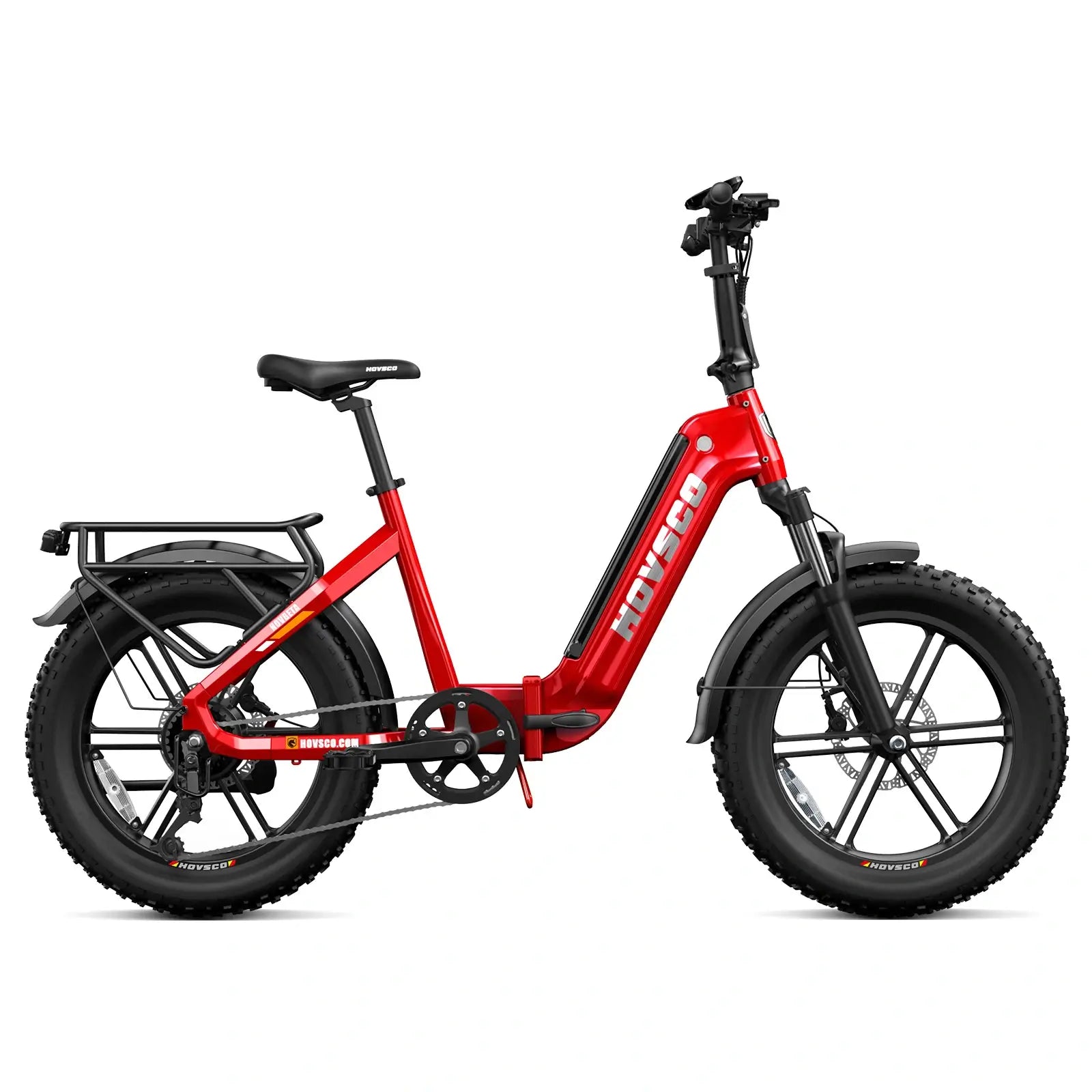
Consider weight limits, braking performance, and frame geometry. A low‑step frame with a low crossbar makes it easier to get on and off, especially when wearing skirts or carrying kids. Integrated lights, fenders, and secure locks add to the practicality of a family ebike that’s meant to shoulder the same responsibilities as a second car.
Return on investment for an ebike depends on how often it replaces car trips. If you drive a second SUV for 10–20 miles a day on local errands, the savings on fuel, insurance, and maintenance can easily exceed hundreds of dollars per month. When those savings are redirected toward the ebike purchase, the payback period shortens dramatically.
Several recent cost‑benefit analyses estimate that an ebike costing around 2,000 dollars can pay for itself in roughly six months to two years, depending on usage. Riders who adopt a car‑free lifestyle and maximize ebike utilization often see the fastest payback, sometimes within half a year or less.
Beyond the financial math, swapping a car for a family ebike can improve health, mental well‑being, and family time. Replacing short drives with ebike trips increases daily physical activity, supports cardiovascular fitness, and can help manage weight without feeling like a workout.
Ebikes also reduce stress by sidestepping traffic jams and parking hassles, while giving families more opportunities to talk, notice their neighborhood, and enjoy the outdoors together. Safety‑focused designs, including responsive brakes, bright lighting, and sturdy frames, help families feel confident using the ebike as their primary local transport.
Check: rankings of the Best Family Ebikes 2026
Can a family ebike really replace an SUV?
For many households, a cargo ebike can replace a second SUV for local trips, while the family keeps one car for longer journeys and heavy hauling. The key is matching the ebike’s range and cargo capacity to your typical errands.
How much money can I save by replacing a car with an ebike?
Depending on local fuel prices, insurance rates, and parking fees, households often save thousands of dollars per year by switching a second car to a family ebike. In some analyses, the total savings over five years can rival or exceed the cost of a new car.
Are cargo ebikes safe for kids and groceries?
Modern cargo ebikes are designed with safety in mind, using sturdy frames, reliable brakes, and secure cargo systems. Many models include integrated child seats or trailers that meet safety standards, and cargo boxes or racks that keep bags stable.
How long does it take for an ebike to pay for itself?
Detailed cost‑benefit studies show that ebikes can pay for themselves in six months to two years, especially when used frequently to replace car trips. Riders who move toward a car‑free lifestyle often see the fastest return on their investment.
If you are considering a car‑free lifestyle, a family ebike is one of the most powerful tools you can add to your household. Replacing a second SUV with a cargo ebike can dramatically cut monthly expenses while making daily trips more enjoyable and healthy.
For families ready to embrace this shift, the next step is to calculate your current transportation costs and compare them with a realistic ebike purchase and usage plan. Once the numbers line up, choosing the right family‑oriented cargo ebike can turn the idea of ditching a car into a practical, financially smart reality.
Looking ahead, family ebikes are expected to become even more integrated into urban infrastructure, with wider protected lanes, easier cargo storage, and better charging access. As battery technology improves, ranges will extend, charging times will shorten, and whole‑family mobility will become easier to manage without relying on two cars.
Policy support, including rebates and incentives for e‑bike purchases, is also likely to grow, further accelerating the trend toward car‑light and car‑free households. Families who adopt cargo ebikes now are not only saving money but positioning themselves at the forefront of a broader shift toward sustainable, active, and affordable transportation.
Transitioning from a second SUV to a family ebike can transform your household budget, your daily routine, and even your health. By choosing the right cargo ebike and aligning it with your real‑world needs, you can unlock the freedom of a car‑free lifestyle much sooner than you might expect.
Share:
Hydraulic Brakes vs Mechanical: Stopping Power for Cargo and Ebike Safety Features Highlight Why Hydraulic Is Non‑Negotiable When Carrying Two Children
Ebike for Toddlers: Best Child Bike Seats and Safe Riding with Kids Ages 1–5