
























![[ New Arrival ] Porto Max Electric Scooter For Commute & Grocery Shopping - HOVSCO](http://www.hovsco.com/cdn/shop/files/PotroMax-3.jpg?v=1706927007&width=1200)
- by SEO
Is the future of family transport built around bikes?
- by SEO
E-Bikes
Accessories
 Free Shipping
 15-Day Returns
 2-Year Warranty
Free Shipping
15-Day Returns
2-Year Warranty
2-Year Warranty
Free Shipping
15-Day Returns
2-Year Warranty
Cities around the world are redesigning streets so families can replace many car trips with bikes and ebikes, especially within 15-minute cities and bike-friendly urbanism networks. In practice, this means protected lanes, low-speed “family” streets, and cargo-ready ebikes that safely carry kids and groceries, making daily life faster, cheaper, and more fun for urban families.
Check: future-ready family transportation
A 15-minute city reshapes family transport by clustering schools, shops, parks, and clinics within a short walk or bike ride so daily trips no longer require a car. Families can run errands, do the school run, and reach transit hubs by bike, often on low-traffic or protected routes, cutting travel time, emissions, and stress.
From an engineering perspective, 15-minute cities only work for families if three networks overlap: land use, bikeways, and services. Planners must align childcare, schools, and groceries precisely within a 15-minute ride radius, not just “as the crow flies.” That is why successful pilots spend months mapping real family trip data and then reshaping intersections, parking, and curb space rather than just painting a few bike lanes.
Cities are shifting from cars to bikes for families because congestion, parking costs, and emissions are rising while many urban trips are short and easily bikeable. Ebikes and cargo bikes now let parents carry kids and loads comfortably, so city leaders see cycling as a practical way to cut traffic, improve air quality, and support healthier daily routines.
Behind the scenes, transport teams run cost-per-person-kilometre models. A protected bike lane that moves 2,000 people per hour in peak school-run traffic often costs less to build and maintain than widening a road that moves fewer people in cars. When you factor in health savings from more active travel, the return on investment for family bike infrastructure frequently outperforms road capacity projects.
Bike-friendly urbanism works for parents and kids when routes are continuous, protected, and connected directly to schools, parks, and shopping streets. Parents need safe crossings, low-speed neighborhood streets, and secure parking at destinations, while children benefit from calm intersections, clear wayfinding, and routes that avoid heavy truck traffic.
On the ground, I’ve seen projects fail even with beautiful lanes because the “last 100 meters” to the school gate is chaos. The successful designs extend bike priority all the way to the entrance, add generous waiting areas for cargo bikes, and separate pick-up zones for cars so families on bikes aren’t squeezed between doors, buses, and impatient drivers during the most stressful minutes of the day.
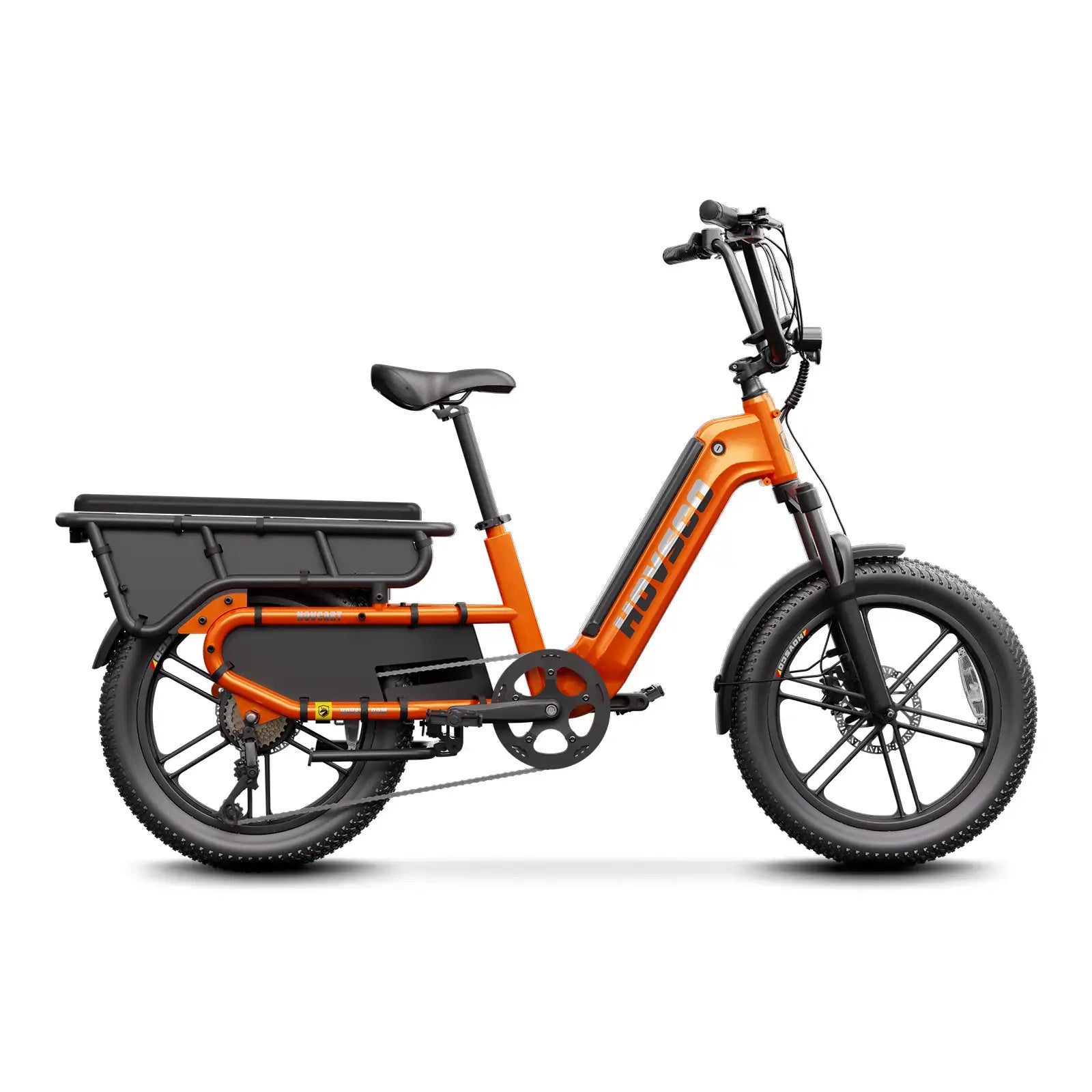
Ebikes and e-cargo bikes replace the family car by providing powered assistance for carrying kids, groceries, and gear over realistic urban distances without sweat or strain. With 250–750W motors, stable long-wheelbase frames, and integrated racks or boxes, they turn school runs, supermarket trips, and after-school activities into easy, reliable bike journeys.
From the factory side, the critical difference is not just motor power, but frame stiffness and braking. A good family ebike uses reinforced head tubes, wider chainstays, and thru-axles to prevent frame flex when loaded with two children and bags. Paired with larger rotors and quality hydraulic brakes, this gives parents car-like confidence when stopping on wet hills or in emergency situations.
Families can realistically shift short trips—typically under 5 miles—such as school runs, daycare, grocery shopping, and many leisure outings from cars to bikes. With ebikes, this radius often extends to 10–12 miles, covering commutes, multi-stop errands, and visits to friends, particularly in 15-minute cities where destinations cluster closer together.
In practice, when we audit household trip diaries, we consistently find that 40–60% of weekly car journeys are under 5 miles and involve one or two passengers plus modest cargo. These are nearly ideal for ebikes and cargo bikes. Once parents experience a week of doing these trips by bike, the “second car” often becomes redundant or is used only for occasional longer journeys.
Families need a connected grid of protected bike lanes, calmed residential streets below 20–25 mph, and safe intersections with clear priority for cycling to feel safe on bikes. Secure bike parking at schools, homes, and shops is equally important, as parents must trust that their cargo bikes and ebikes will still be there at the end of the day.
On design drawings, I always check three things for family safety: vertical separation (curbs or planters) between bikes and cars on busy roads, low-stress alternatives on side streets for more nervous riders, and clear sight lines at junctions so drivers can’t “hook” cyclists while turning. When cities compromise on any of those, parents notice immediately, and bike adoption stalls.
A family-friendly bike network is defined by continuity, protection, and proximity: no gaps, physical separation on busy sections, and direct access to everyday destinations. Wayfinding signage, lighting, and winter maintenance keep the network usable year-round so families don’t revert to cars in bad weather or after dark.
On the operations side, the unglamorous details matter: drain covers aligned parallel to travel, non-slip paint on crossings, and curb heights that won’t snag a loaded cargo ebike. Many cities learn the hard way that using cheap surface materials leads to ruts and puddles that feel minor in a car but can flip a child seat-equipped bike or soak a parent commuting in work clothes.
Yes, 15-minute cities and bike-friendly urbanism are highly compatible because both concepts emphasize short, local trips and people-first street design. By clustering destinations close together and building safe cycling routes between them, cities make it natural for families to choose bikes instead of cars for most daily journeys.
From a planning standpoint, land-use maps and bike-network maps must be drawn together rather than in separate departments. When school districts, housing planners, and transport engineers coordinate early, the result is a grid of child-friendly routes that line up with where people actually live and learn, instead of “orphan” bike lanes that bypass the destinations families care about most.
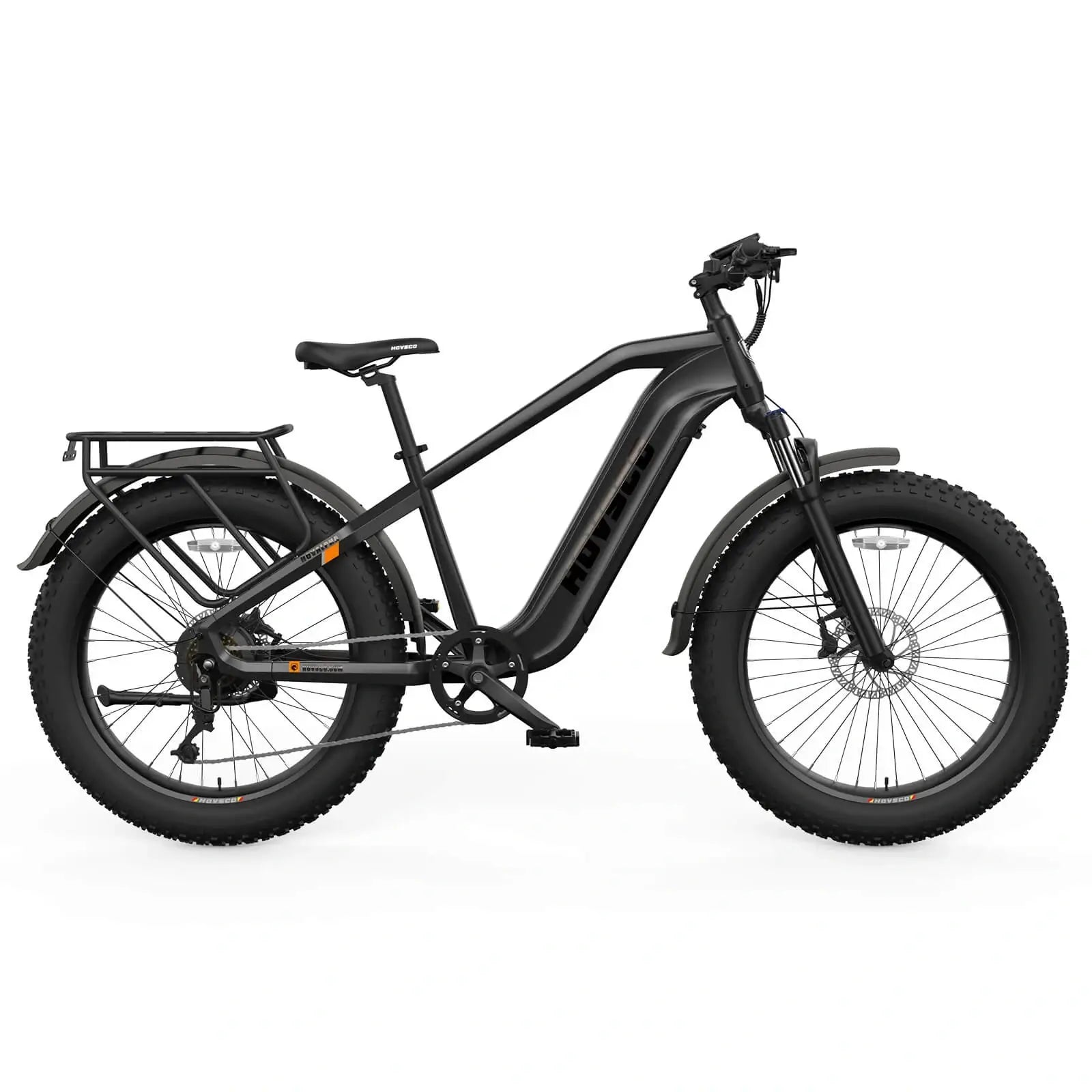
Ebike brands like HOVSCO are central to the future of family mobility because they turn bike-friendly urbanism from a policy concept into a product families can actually ride. By offering reliable, affordable ebikes with practical features—integrated lights, racks, fenders, and child-carrying options—they make day-to-day car replacement realistic for real households.
Working with brands like HOVSCO, I’ve seen how small engineering decisions translate into daily convenience. For example, battery placement low and central in the frame keeps the center of gravity stable when a kid suddenly turns in the child seat. Similarly, tuning motor assistance to ramp gently prevents jerky starts that can scare young passengers or tip a loaded cargo platform at low speed.
HOVSCO supports families entering bike-first lifestyles by designing ebikes with approachable geometry, strong cargo-carrying frames, and intuitive controls. Their focus on safety, drawn from years in hoverboards and e-scooters, carries over into robust testing, reliable braking systems, and thoughtful lighting that keeps families visible in complex urban traffic.
Because HOVSCO operates with suppliers in mainland China and headquarters in the US, they can iterate quickly on feedback from real riders—parents asking for lower step-through frames, better kickstands for child loading, or more durable tires for mixed urban terrain. That loop between riders and engineers is what transforms a “good” ebike into a daily family vehicle that earns long-term trust.
A bike-first lifestyle can outperform car ownership for families when most daily destinations fall within a 5–10 mile radius and the city offers safe cycling routes and secure parking. Under those conditions, an ebike or cargo bike can handle the majority of school runs, errands, and commutes at lower cost, with less stress and more predictable journey times than driving.
Economically, once you add up car payments, insurance, fuel, parking, and maintenance, trading a second car for one or two ebikes often yields thousands of dollars in annual savings. Many families then redirect that money into higher-quality bikes, better rain gear, or the occasional car-share or rental for longer trips, effectively “right-sizing” their mobility instead of paying to keep a second car idle.
Bike-friendly urbanism affects daily family routines by turning rigid, car-based schedules into more flexible, shorter multi-stop trips by bike. Parents can combine school drop-off, a quick grocery stop, and a commute along the same low-stress routes, often avoiding traffic jams and the hunt for parking near busy destinations.
On projects I’ve observed, the biggest lifestyle shift is in children’s independence. When routes are safe, kids start biking themselves to school or activities earlier, often in small groups. That reduces chauffeuring time for parents and builds confidence and local social networks for the kids, reinforcing the benefits of bike-friendly design in ways that no traffic model can fully capture.
The table below summarizes how trip type, distance, and infrastructure interact to make cycling a viable replacement for car journeys in a 15-minute city context.
Bike-friendly urbanism fits into broader climate and health goals by reducing car emissions, increasing daily physical activity, and lowering urban noise and air pollution. Each short car trip replaced by a bike ride cuts fuel use and tailpipe emissions while also moving families toward the recommended daily activity levels without requiring separate workout time.
From a systems perspective, bikes and ebikes act like “amplifiers” for public transport. When families can comfortably bike to train stations or bus corridors, the catchment area of transit expands without new parking structures. This multiplies the climate benefit of every transit investment and allows cities to design streets around people instead of endless car storage.
Cities can align bike-friendly urbanism with public transit by adding secure bike parking, allowing bikes on off-peak trains, and designing safe cycling routes to major transit hubs. This integration makes “bike plus transit” a seamless option for families who need to cover occasional longer distances beyond normal cycling range.
Behind the design, schedule planners and street engineers should share data: knowing when trains arrive helps design wider, safer approaches for the mini “peak” when riders pour in or out on bikes. In practice, that could mean extra holding space for cargo bikes at station plazas and signal timing that prioritizes bike crossings just after a train unloads passengers.
Winter or bad weather does not make bike-first family life unrealistic, but it requires thoughtful infrastructure, equipment, and expectations. Good drainage, gritted or plowed bike lanes, bright lighting, and weather-protected parking, combined with fenders, studded tires, and proper clothing, allow families to ride safely in most conditions.
From a technical standpoint, ebike battery performance in cold weather is the main variable. Quality brands plan for this with slightly larger capacity, smart battery management systems, and enclosures that shield cells from wind chill. Many families simply adopt a “winter mode”: slightly shorter trips, moderate assistance levels, and indoor battery storage to maintain range and lifespan.
Families benefit via lower costs, more predictable travel times, and healthier daily routines when cities favor bikes over cars. Children gain safer streets, more independence, and closer access to parks and schools, while entire communities enjoy quieter neighborhoods, cleaner air, and more vibrant local businesses along bikeable streets.
I’ve noticed that small entrepreneurs—cafés, corner shops, repair stores—often see a boost when streets become bike-friendly. Riders are more likely to stop spontaneously than drivers searching for parking. Over time, these “micro stops” create a street culture where families linger, meet neighbors, and feel comfortable letting kids play near, but not in, the traffic-calmed roadway.
urban planning and the future Family Ebike Lifestyle
“When we design a family-focused ebike at HOVSCO, we start by simulating the worst-case scenario: a fully loaded bike braking hard on a wet downhill corner. If the frame, fork, and brake system pass that test repeatedly in the lab, then we put prototypes under real parents in real cities. Only after hundreds of hours of child-on-board testing do we sign off a platform as truly ready to replace a family car.”
Families in car-centric suburbs can still benefit from bike-friendly urbanism by using ebikes for medium-distance trips to schools, parks, and local centers, even if not every journey fits within 15 minutes. Strategic bike corridors, safe routes to schools, and redesigned local centers can turn at least a portion of daily trips into comfortable rides instead of mandatory car drives.
In suburban retrofits I’ve worked on, the breakthrough often comes from linking cul-de-sacs and dead ends with short bike paths or cut-throughs. A 20-minute walk around a block can become a 7-minute bike ride for a child once a single barrier is opened. Combined with ebikes’ ability to flatten hills, this makes cycling viable even where historic planning favored cars.
Families can start shifting to bikes today by identifying 2–3 short, routine car trips and replacing them with bike or ebike rides on the safest available routes. Investing in a well-designed ebike—potentially from a brand like HOVSCO—plus basic gear such as helmets, lights, and child seats, allows families to test a bike-first lifestyle without giving up the car entirely.
From there, the key is to build habits: planning errands within a bikeable area, checking weather and clothing like you would for a walk, and involving kids in choosing routes and gear. As more trips move to two wheels and cities continue building bike-friendly urbanism and 15-minute city infrastructure, families will find that what started as an experiment becomes their default way to move, connect, and explore.
What is a 15-minute city for families?A 15-minute city for families is a neighborhood where schools, shops, parks, and essential services are reachable within about 15 minutes by walking or biking, reducing the need for car trips.
Are ebikes really safe for carrying kids?Yes, ebikes designed for family use—with strong frames, quality brakes, and secure child seats—are safe when ridden responsibly and maintained properly, especially on protected or low-speed streets.
Which ebike features matter most for family riders?For family riders, the most important ebike features are stable handling under load, powerful and reliable brakes, integrated lights and fenders, and cargo capacity for children and groceries.
Can a cargo ebike replace our second car?In many urban and suburban areas, a cargo ebike can replace a second car by covering school runs, groceries, and short commutes, dramatically cutting costs, parking stress, and emissions.
How do we find safe routes for biking with children?You can find safe routes by combining city bike maps, local cycling groups’ advice, and on-the-ground test rides, prioritizing protected lanes, quiet streets, and intersections with good sight lines.
Share:
How can an ebike help a working mom run a business and a family?
Is family e-biking the happiest way to ride with kids?