


![[ New Arrival ] Porto Max Electric Scooter For Commute & Grocery Shopping - HOVSCO](http://www.hovsco.com/cdn/shop/files/PotroMax-3.jpg?v=1706927007&width=1200)
- by SEO
Is family e-biking the happiest way to ride with kids?
- by SEO
E-Bikes
Accessories
 Free Shipping
 15-Day Returns
 2-Year Warranty
Free Shipping
15-Day Returns
2-Year Warranty
2-Year Warranty
Free Shipping
15-Day Returns
2-Year Warranty
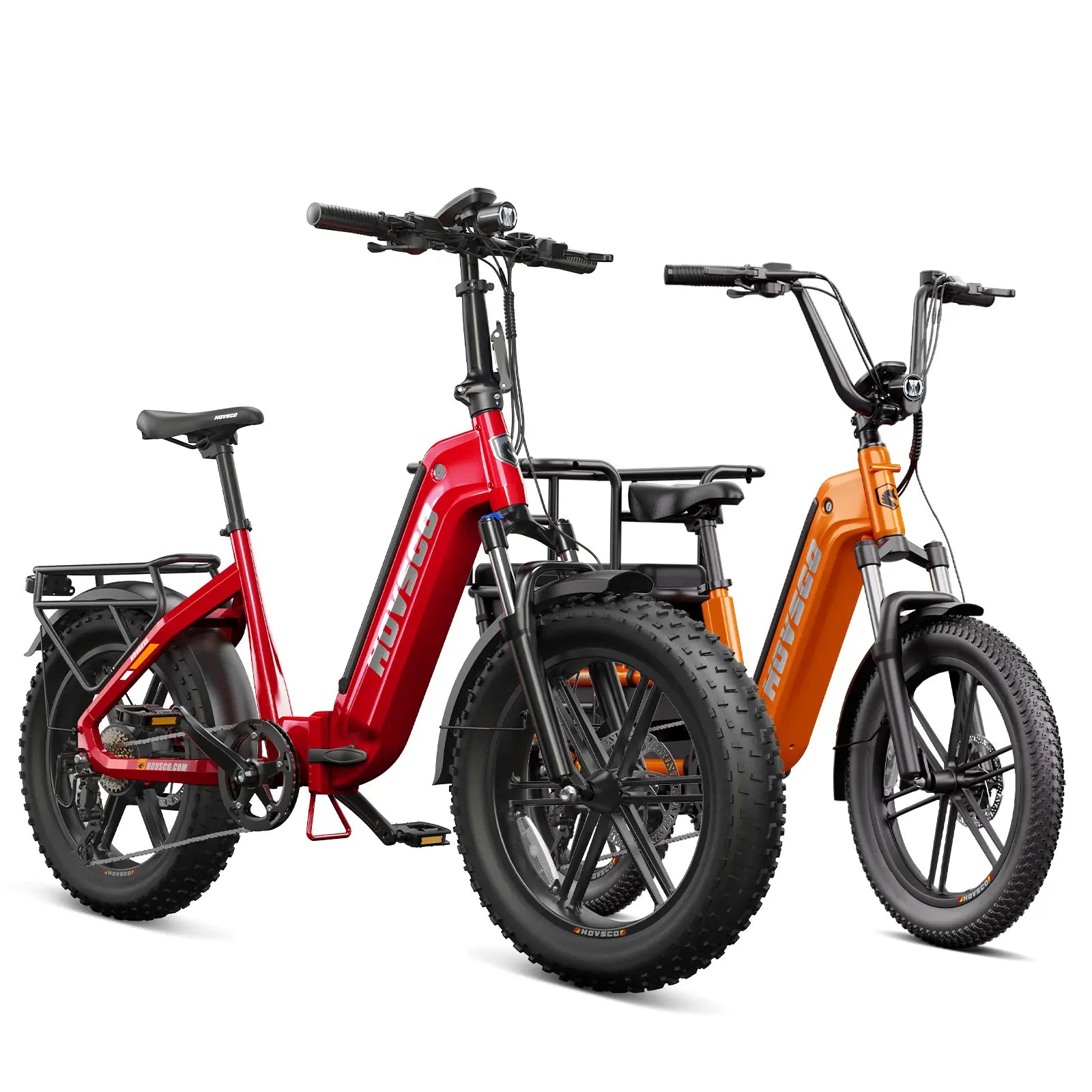
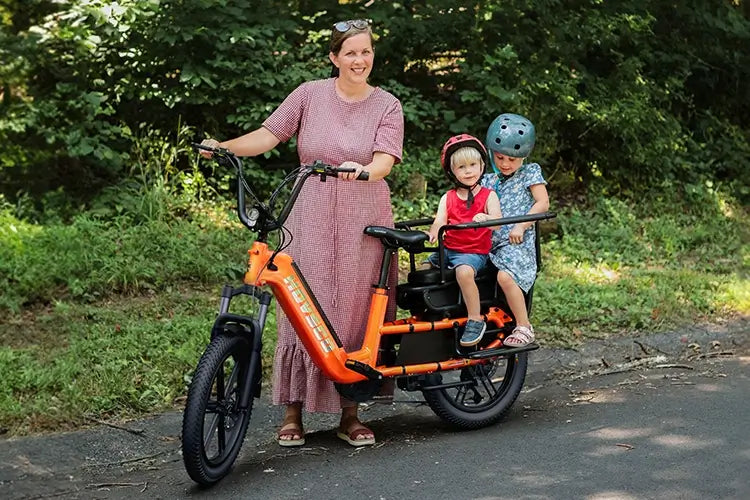
Family e-biking turns everyday rides into shared adventures that blend happiness, cycling, and family bonding in one simple routine. It lets you capture the pure magic of your child’s laughter from the back seat while staying active, reducing stress, and replacing car trips with joyful, low-cost journeys. Done right, it becomes the most sustainable “quality‑time engine” your family owns.
Check: joy-of-riding family ebikes
Family e-biking creates joy because kids experience motion, wind, and scenery without effort, so every hill feels like play instead of work. Your child can chatter, sing, and laugh from the back seat while you keep a smooth, steady pace, turning mundane errands into little adventures that they actually look forward to repeating.
From the factory floor, I’ve seen how the right motor tune changes the emotional tone of a ride. A jerky, on‑off assist makes kids grip the bars; a well‑smoothed torque curve lets them relax and laugh. That’s why premium family-focused systems prioritize gentle ramp-up and silent operation, so your child hears your voice and laughter, not harsh motor whine or gear clatter. The joy of riding with kids comes from this calm, floating feeling that good engineering quietly enables.
When you weave cycling into weekends—ice‑cream runs, park loops, or school drop‑offs—the association between happiness and cycling becomes automatic. The bike stops being “transport” and becomes the family’s moving front porch. Over time, your kids remember not the distance, but the stories, songs, and little jokes you shared between intersections.
Key safety steps include using certified helmets, child-rated seats or trailers, and predictable routes with low traffic. Check tire pressure, brakes, and lights before every ride, and practice clear communication signals with your child. When safety foundations are solid, parents relax, which directly translates into a calmer, happier experience for kids on every ride.
In manufacturing, we design family e-bikes with higher torsional stiffness in the rear triangle because a child seat introduces tall, top‑heavy loads. That stiffness keeps the bike tracking straight when you shoulder‑check or hit a pothole, which is critical at urban speeds. Add wide, puncture‑resistant tires at the correct pressure, and you dramatically reduce wobble and pinch flats, two common triggers for stressful stops with kids on board.
Visibility is another underestimated factor. Integrated lights on many HOVSCO bikes are wired to the main battery so you can “set and forget” them rather than relying on disposable clip‑ons that die unnoticed. Sidewall reflectors, bright clothing, and a small rearview mirror on the adult’s bar help you see and be seen, so the joy of riding with kids isn’t interrupted by close passes or near‑misses.
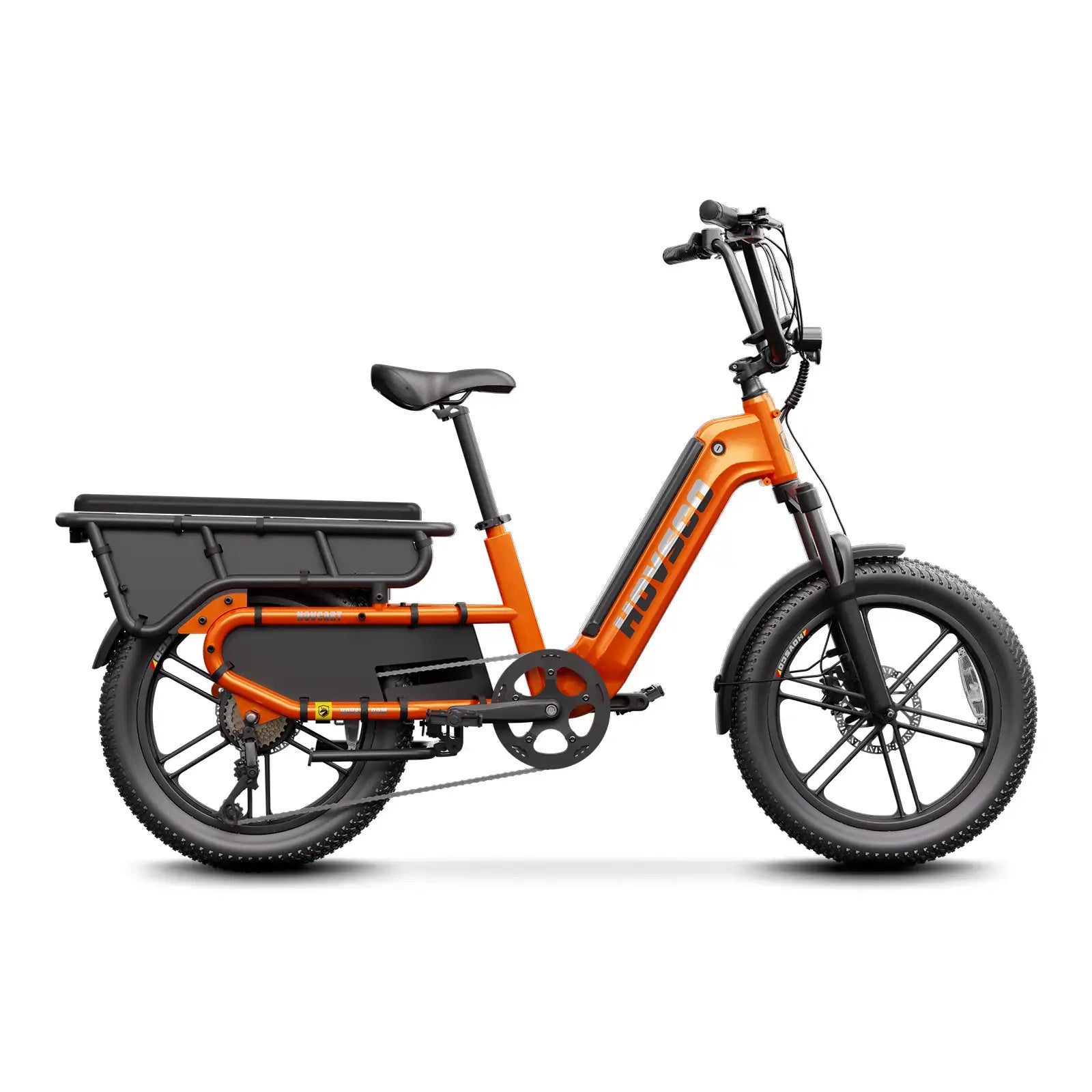
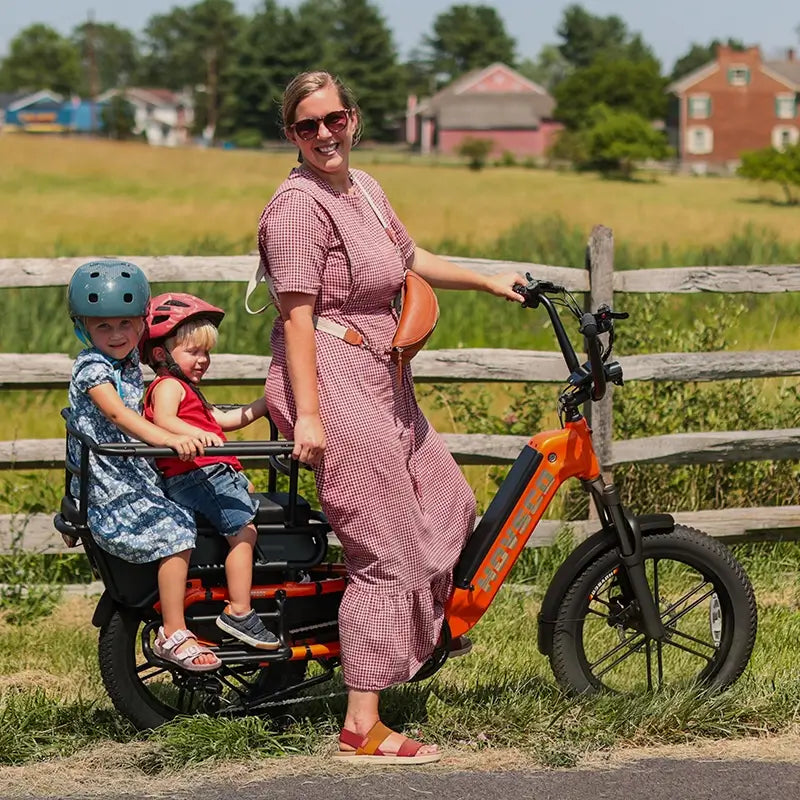
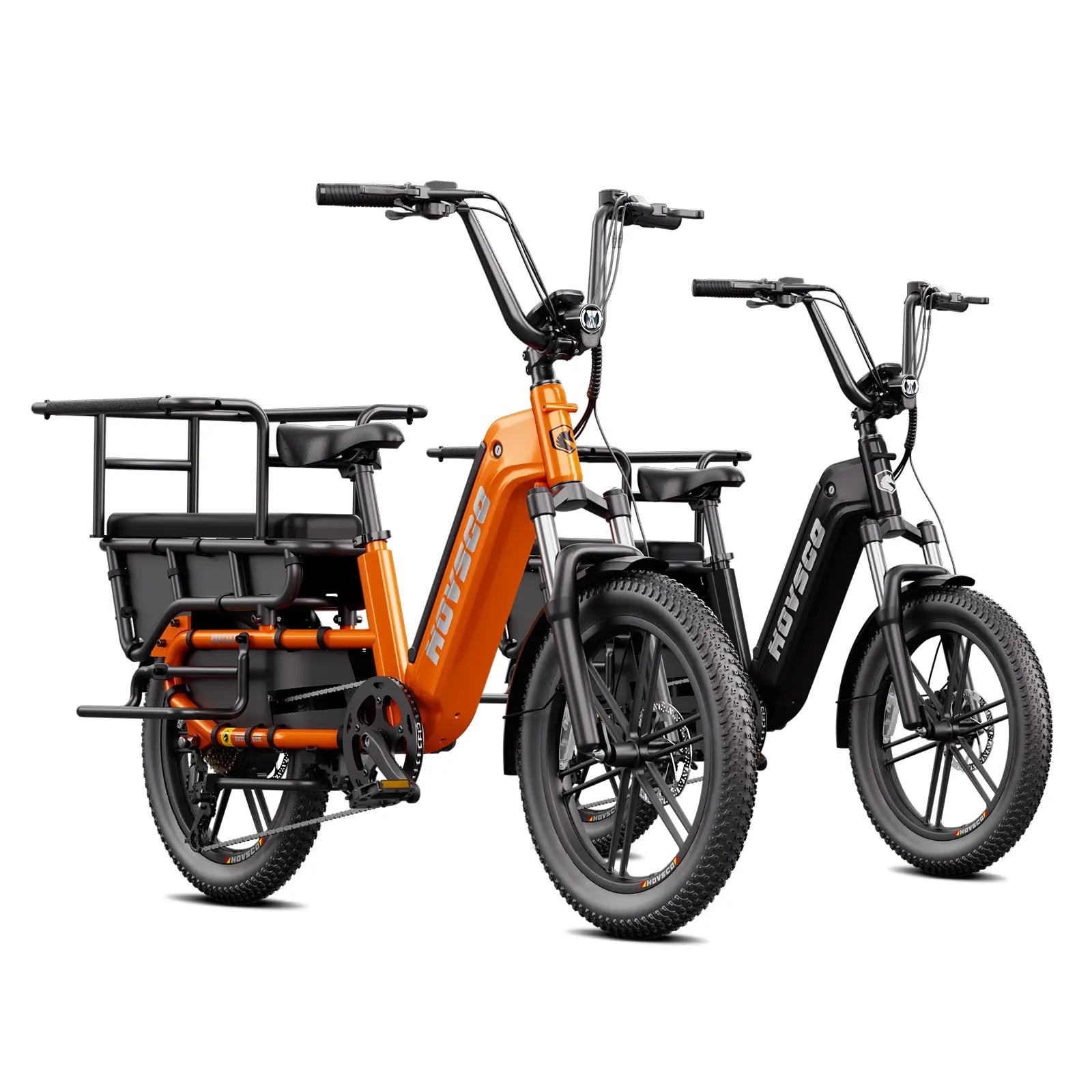
Front seats keep small kids close to you, which many toddlers love, while rear seats give more room and support for older children. Trailers feel like rolling playrooms and are great for naps and toys, while long-tail cargo e-bikes let multiple kids sit upright and chat. The happiest option is usually the one that matches your child’s age, temperament, and your typical route conditions.
From an engineering standpoint, I look at three things: center of gravity, vibration exposure, and restraint quality. A rear seat on a rigid rack sits higher and transmits more road buzz, so pairing it with balloon tires or a suspension seatpost makes a tangible difference to a child’s comfort. Trailers sit low and stable but can “sling” over sharp curbs; that’s why I recommend quick-release hitches with built‑in flex joints and a bright safety flag.
On long-tail family e-bikes, we often add extended wheelbases and reinforced spokes because two laughing kids plus groceries create huge torsional loads during cornering. Brands like HOVSCO leverage strong rear racks and carefully chosen spoke patterns so the bike still feels planted, even with a full “kid crew” aboard. When the bike feels calm under you, kids sense that and stay relaxed.
Kids remember family rides because they layer physical sensations—wind, speed, balance—with emotional safety and attention from parents. Shared micro-moments, like singing, spotting animals, or racing leaves down a hill, become anchors in their memory. Over time, the bike becomes a symbol of family togetherness, not just a machine with pedals and a motor.
Psychologically, movement plus conversation is powerful. When you’re riding side by side or with your child just behind you, eye contact is optional and pressure is low, which makes kids more willing to open up about school, friends, and fears. I’ve watched countless families use the time on a HOVSCO bike to have the talks that never quite happen around a dinner table.
There’s also a contrast effect. In a world of screens and car commutes, the simple act of pedaling through a quiet neighborhood at dusk, talking about the day, feels special. Your child won’t recall the exact motor wattage or battery capacity, but they will remember the feeling of being close, heard, and gently rocked along by your steady pedaling.
Parents can turn everyday trips into bonding rituals by keeping routes consistent, adding small traditions, and giving kids a say in the ride. A regular “Friday treat ride,” a special bell ring at a favorite corner, or a shared song when you cross a bridge anchors the routine. Repetition plus play turns functional errands into cherished family patterns.
As an e-bike engineer, I often suggest using the same safe “spine route” to school or the park, while varying small side streets to open up new sights without losing predictability. This is where a mid-drive e-bike shines: you can keep a steady cadence while adjusting assist, so your breathing and tone of voice stay calm and conversational, even on hills.
HOVSCO designs many of its frames with slightly upright geometry, which makes looking back to talk to a child easier and less fatiguing on the neck. Pair that with a simple handlebar-mount child intercom or just clear call‑and‑response games, and you’ll find the joy of riding with kids becomes a daily check‑in, not just a ride from A to B.
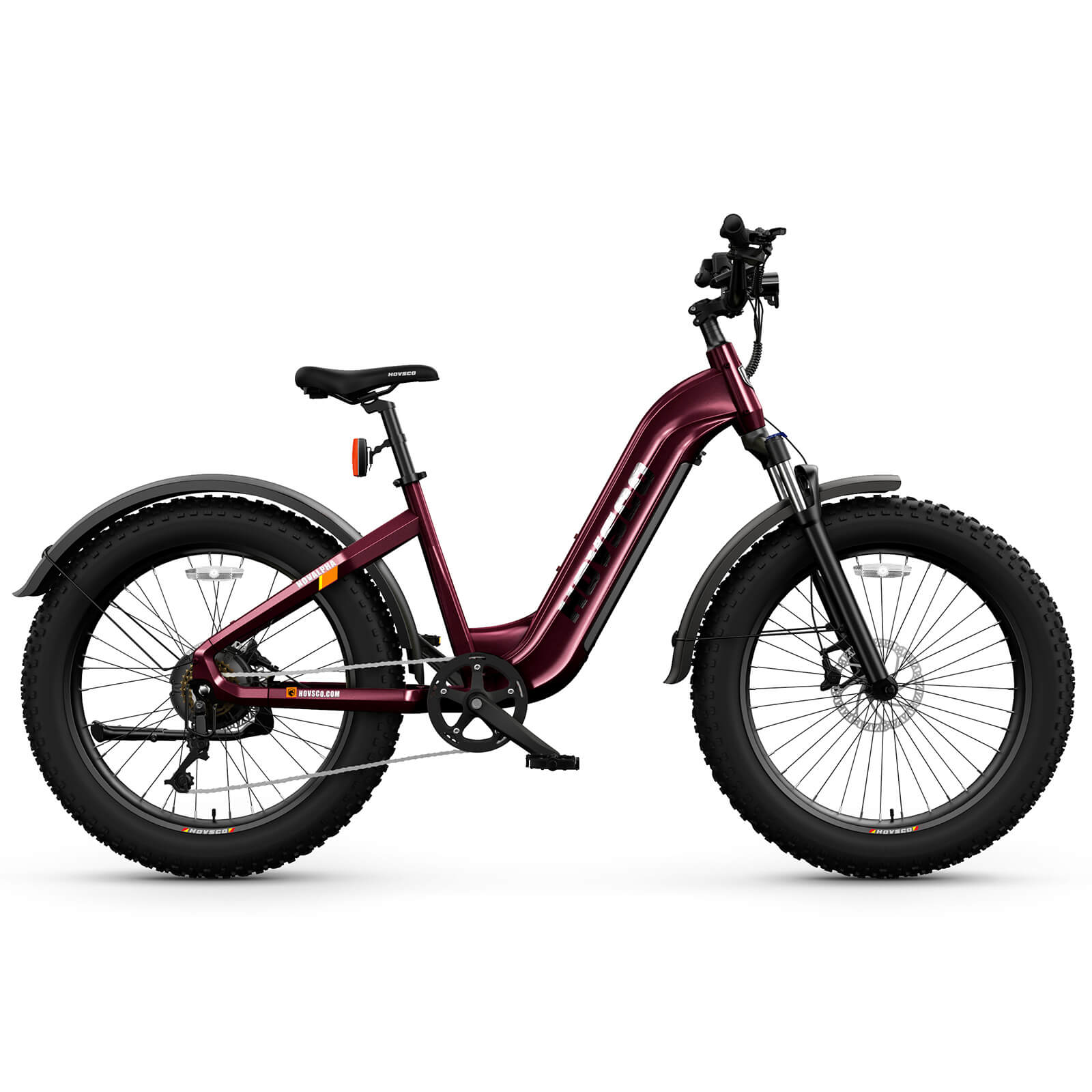
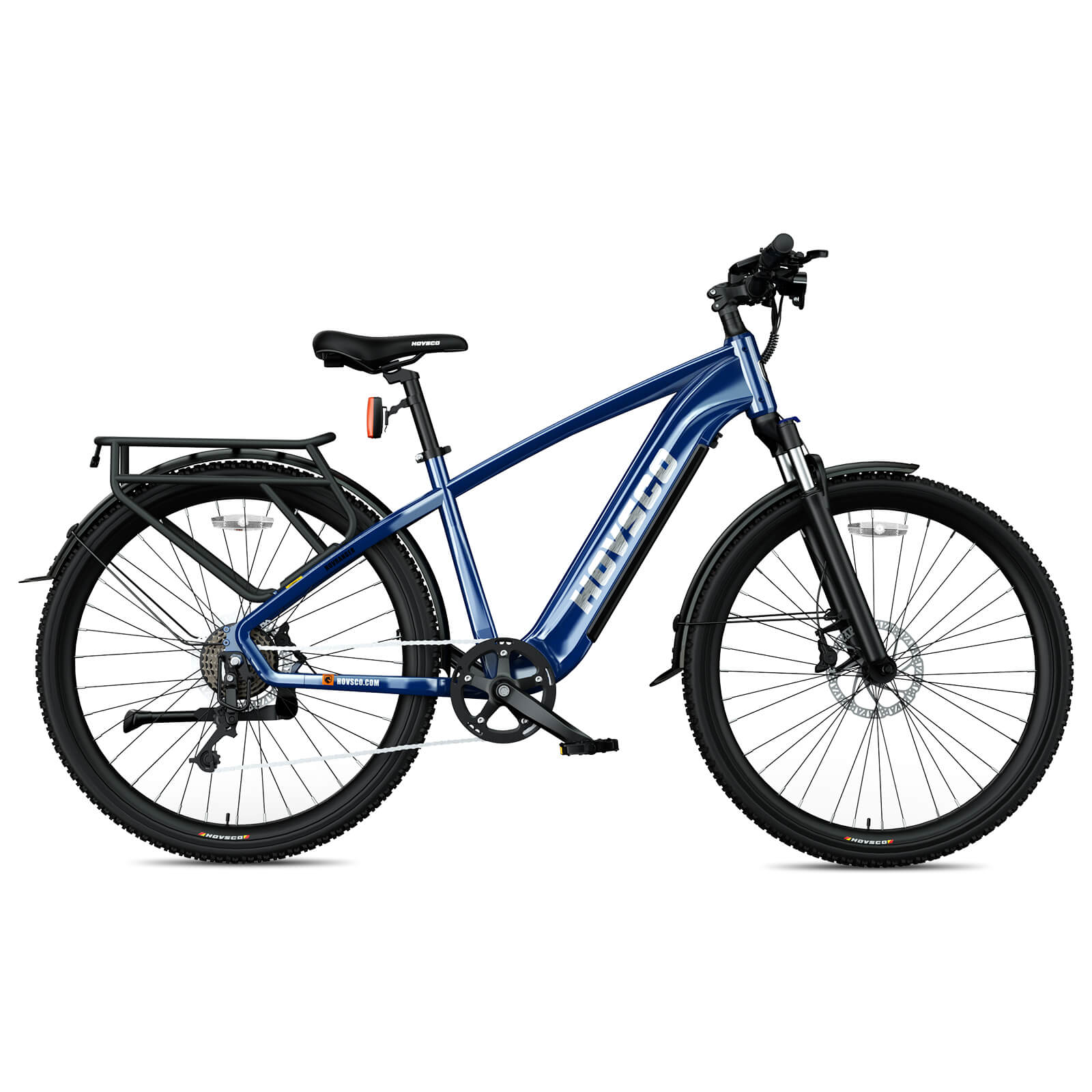
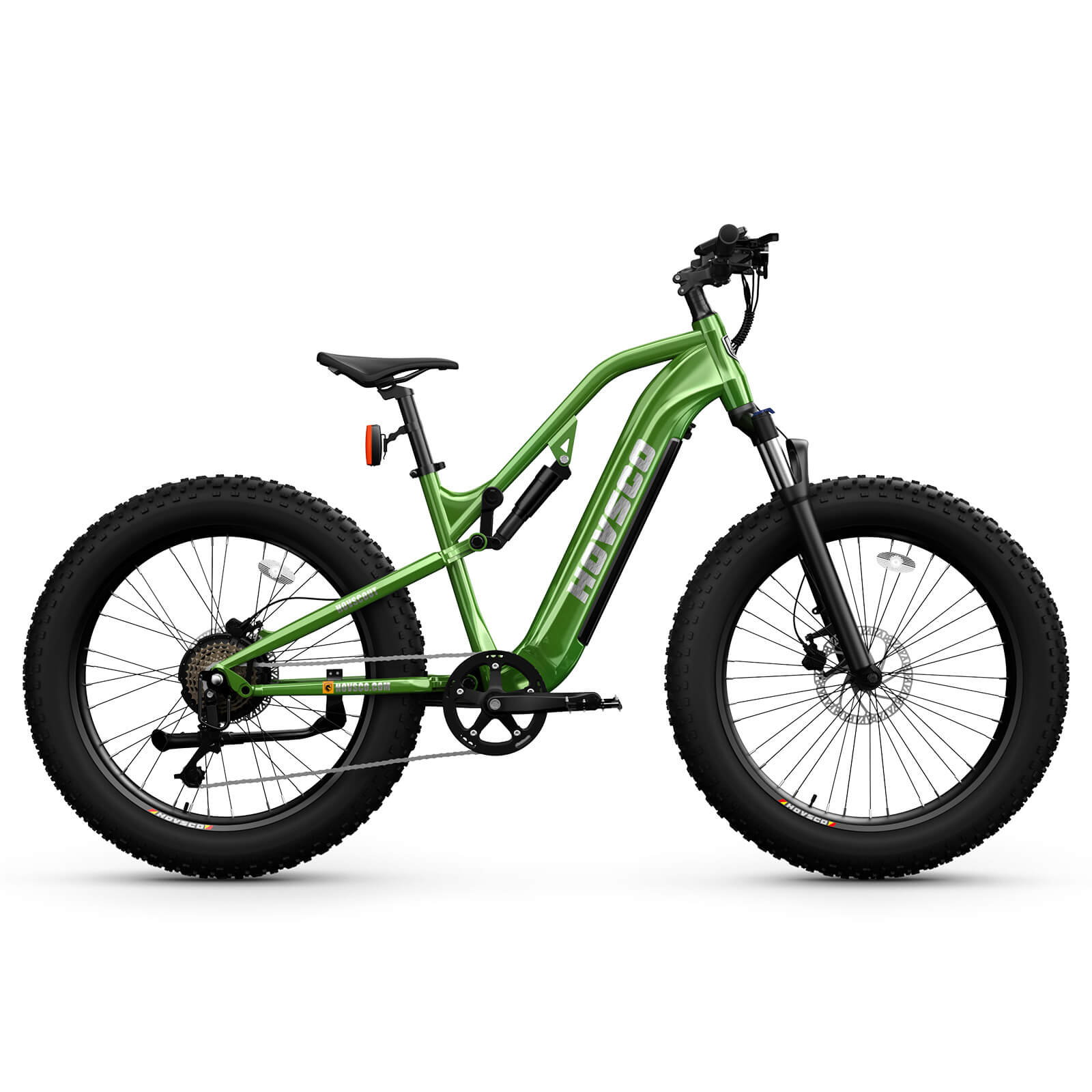
A truly family-ready e-bike uses a stiff frame, robust rear rack, low center of gravity, and tuned motor assist to handle child loads safely. Look for strong wheels with higher spoke counts, hydraulic disc brakes, and quality tires with puncture protection. These engineering choices keep handling predictable and stopping distances short, which is crucial when precious cargo is laughing behind you.
Inside the factory, one of the first tests we run on “family candidate” frames is a lateral stiffness and fatigue test with a simulated child load mounted high on the rack. Frames that pass don’t just survive; they steer consistently, even after thousands of load cycles. That consistency is what lets you ride one‑handed briefly to signal or point something out to your child without the bike wandering.
Many HOVSCO bikes balance battery placement low and central, often inside or along the downtube, rather than on top of the rear rack. This matters more than most spec sheets admit: stacking a heavy battery, rack, and child seat all above the back wheel produces a “pendulum” effect in corners. Centralizing weight keeps the bike feeling glued to the ground, which directly feeds into the joy of riding with kids on varied terrain.
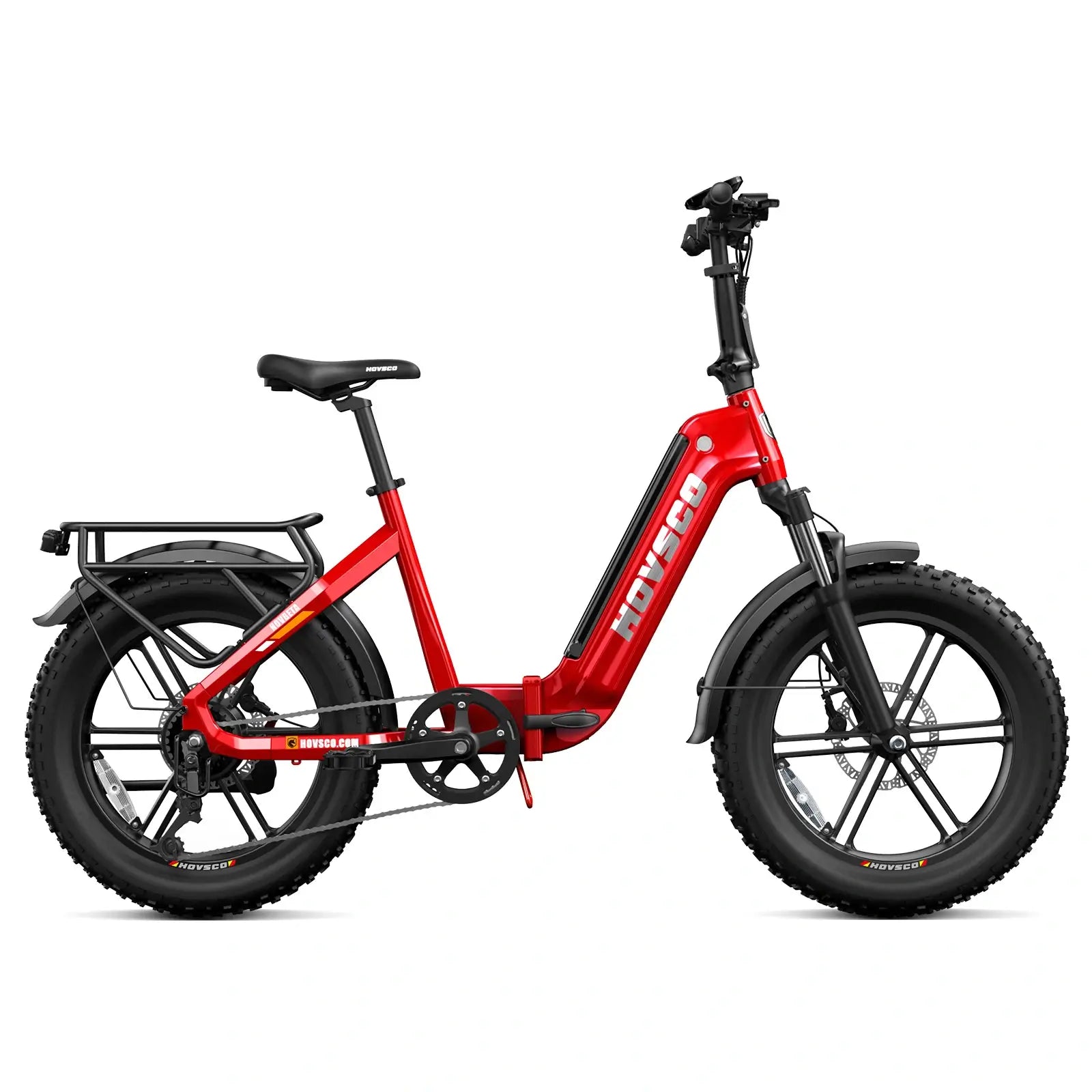
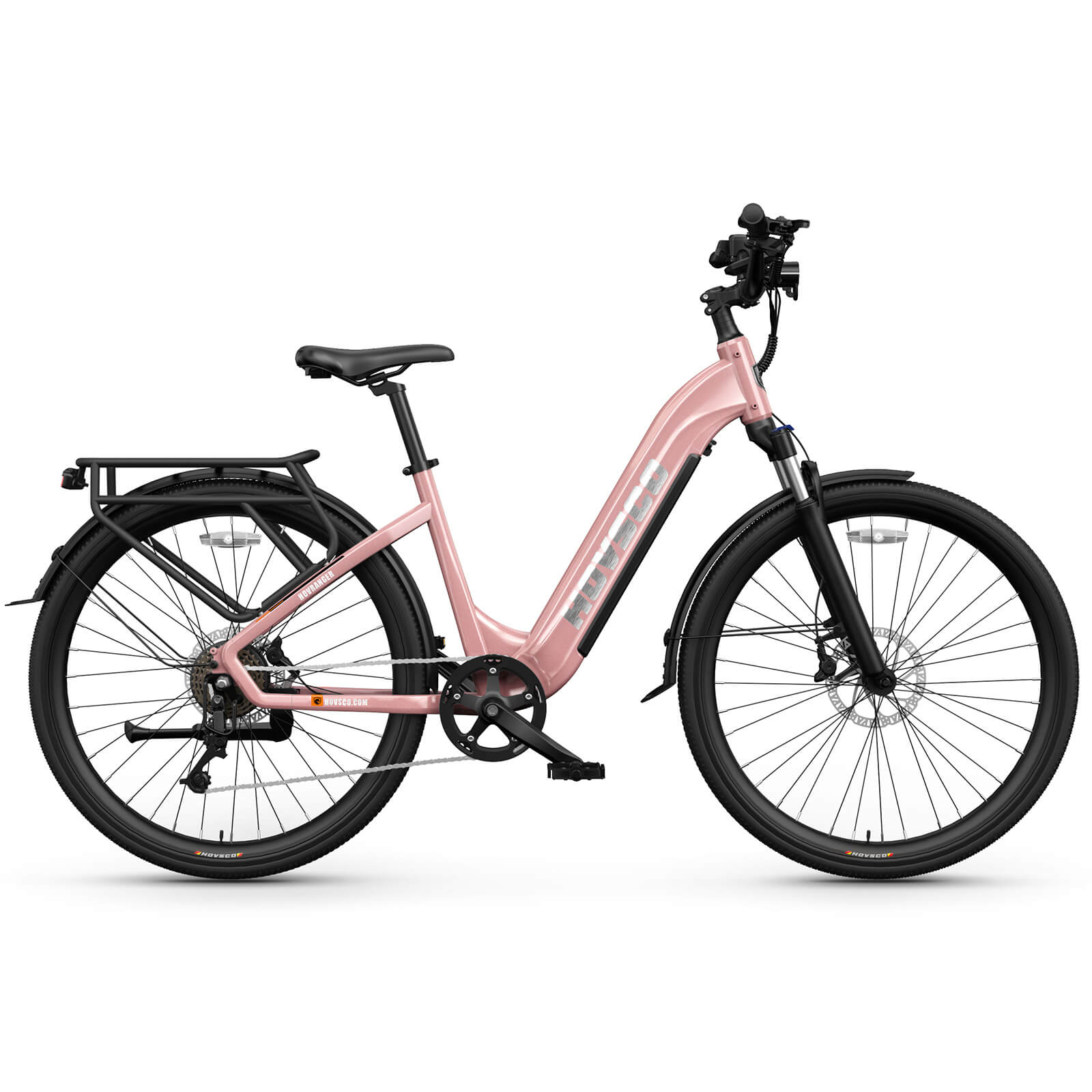
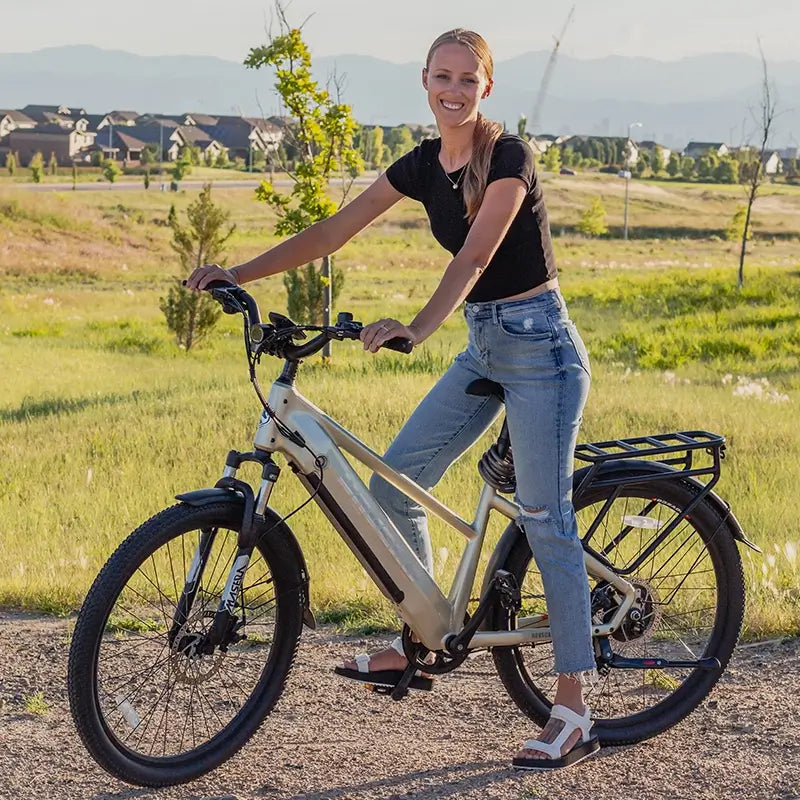
The best features for happiness and cycling with kids are low-step frames, adjustable stems, wide saddles, and intuitive controls that reduce parent fatigue. Quiet motors, integrated lights, and long-range batteries prevent the most common mood-killers: awkward mounting, sore backs, noisy rides, and range anxiety. When the bike feels easy to live with, family rides happen more often.
I always look for three specific elements on family builds: a low standover height so you can flat‑foot the bike at stops, a robust double kickstand that actually holds the bike upright during loading, and swept‑back handlebars for relaxed posture. Together, these features make loading a wiggly child feel secure rather than precarious.
Brands like HOVSCO also focus on user-friendly displays with big, readable digits and simple assist levels. That seems minor until you’re at a busy intersection with a child asking questions: you don’t want to be buried in menus. Simple “Eco/Normal/High” modes let you change the feel of the ride instantly, preserving the happiness of cycling with kids even when conditions change mid‑trip.
E-bikes are often better than cars for short family trips because they turn logistics into joy and cut parking, traffic, and fuel stress. Kids step straight from home to bike seat, feel the world directly, and arrive energized instead of buckled and bored. For parents, trips become predictable in time and cost, with exercise built into the day.
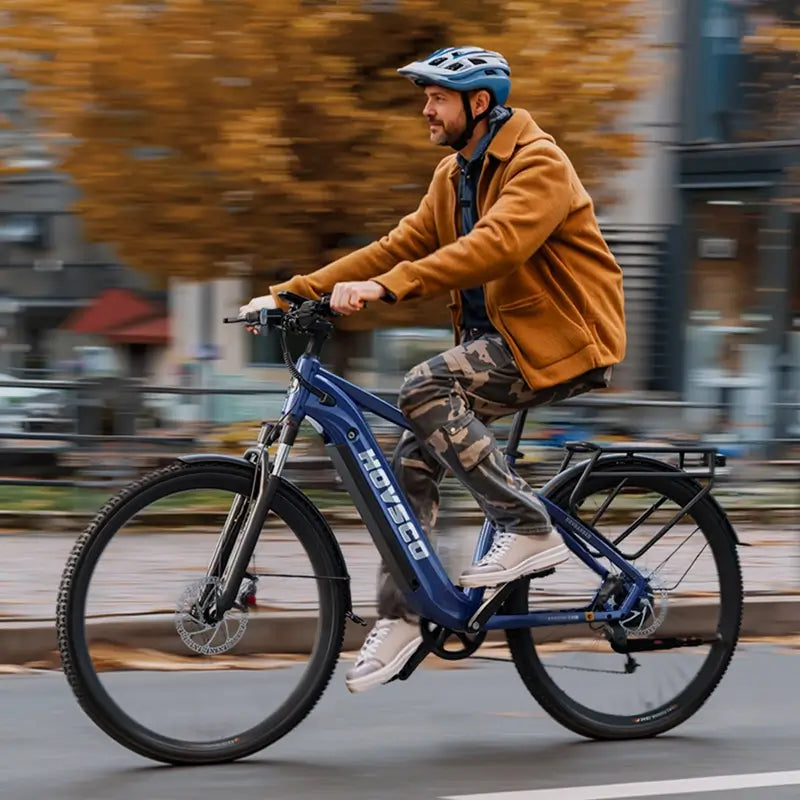
In urban testing, we regularly see e-bikes outpace cars under about 3–5 miles, especially at school‑run times. Where cars queue at lights and circle for parking, an e-bike glides through bike lanes and locks up at the door. That reduced friction is a big reason the joy of riding with kids persists; there’s no “battle for the spot” at the end of every trip.
From an engineering and cost perspective, a well‑built family e-bike like those from HOVSCO trades complex, failure-prone automotive systems for a relatively simple motor, battery, and drivetrain. Maintenance is cheaper and more predictable than insurance, fuel, and repairs on a second car. That financial breathing room often gets reinvested in experiences with kids, reinforcing the emotional value of choosing the bike.
Families new to riding with kids should start with very short, flat routes in quiet areas, focusing on comfort and familiarity. Practice loading, unloading, and basic communication in a driveway or parking lot before mixing with traffic. Gradually extend distance and complexity as everyone’s confidence grows, keeping early rides focused on fun, not fitness or speed.
When I coach new owners, I suggest a simple progression: first ride solo on the loaded bike with 20–30 kg of cargo to feel the handling, then add your child for a very short loop around the block. Use the lowest assist setting at first so you can feel the bike’s natural response, then add more assist once balance feels automatic.
Many HOVSCO dealers offer parking-lot test sessions where you can experiment with different child-carrying setups—rear seats, trailers, or cargo configurations—before you commit. That try‑before‑you‑buy approach matters because the best technical solution is the one you feel emotionally secure using. The more confident you are, the more the joy of riding with kids can shine through.
Riding with kids on an e-bike supports long-term health and habits by normalizing active transport and outdoor play from an early age. Kids who grow up seeing bikes as everyday tools—not just toys—are more likely to cycle independently later. The mix of fresh air, moderate movement, and family time supports both physical fitness and emotional resilience.
Even when a motor is doing most of the work, kids absorb subtle cues: “We take the bike when it’s close,” “We wear helmets without discussion,” and “We talk instead of staring at screens during trips.” These norms, repeated weekly, shape their default choices as teenagers. They instinctively understand route planning, weather‑proof dressing, and safe riding behavior.
From a technical standpoint, I’m a big believer in adjustable setups that grow with the child. Starting with a rear seat, then transitioning them onto their own small bike while your e-bike acts as the “sweeper” keeps them engaged. Many HOVSCO owners end up towing a kid’s bike on a simple tow bar, letting the child ride part of the way and rest when needed—a perfect bridge toward independent cycling.
finding joy in the daily Family Ebike Lifestyle
“On the production line, I’ve seen how tiny design decisions—rack weld placement, spoke tension, motor ramp profiles—change the entire mood of a family ride. A well‑tuned HOVSCO e-bike feels invisible under you. What you notice instead is your child’s running commentary from the back seat: the laughter at a bump, the quiet hum when they nap, and the way everyday streets suddenly feel like an adventure you’re genuinely sharing.”
Common mistakes include overloading a non-rated rack, skipping regular safety checks, choosing stressful routes, and underestimating wind or cold for kids. Another error is using too high a speed or assist level, which can make kids feel anxious rather than excited. Fixing these issues quickly restores comfort, safety, and fun to family rides.
Technically, I often see parents inflate tires to the maximum PSI printed on the sidewall, which makes the ride harsh and chattery for a child. Instead, aim for the mid‑range pressure appropriate to your combined weight; that extra compliance absorbs buzz and keeps little riders happier. Likewise, ignoring chain lubrication leads to noisy drivetrains that drown out conversation.
Route selection matters as much as hardware. Even a beautifully engineered HOVSCO bike can feel stressful if you’re threading between fast-moving cars. Whenever possible, string together parks, side streets, and protected lanes, even if it adds a minute or two. The joy of riding with kids depends far more on perceived safety than on top speed.
You can keep kids engaged on longer rides by planning frequent stops, snacks, and simple games like “I spy” or scavenger hunts. Use natural landmarks as mini goals and let them choose occasional turns or destinations. A flexible schedule, layered clothing, and a small comfort kit (blanket, toy, drink) turn longer journeys into relaxed explorations instead of endurance tests.
From the rider’s perspective, leverage your e-bike’s assist modes strategically. Use higher assist into headwinds or on climbs so you can keep chatting instead of panting, then drop to a lower level on flats to conserve battery. This keeps your voice as the constant background, which is reassuring for kids.
I also recommend pre‑checking range with realistic assumptions: account for the extra weight of children and cargo, which can add 20–40% to consumption versus solo riding. Many HOVSCO systems include reasonably accurate range estimates, but I still teach families to keep a conservative buffer. Nothing sours the joy of riding with kids like limping home with a drained battery and a tired toddler.
Family e-biking blends happiness and cycling in a way very few other activities can match. With the right equipment, thoughtful routes, and a bit of technical understanding, you can safely carry your kids, protect their comfort, and turn routine trips into bonding rituals. Focus on stable frames, safe child carriers, and smooth motor assist, and pay attention to the small details—tire pressure, clothing, snacks—that shape how your child feels during every ride.
The result is more than just efficient transport. It is the joy of riding with kids: laughter from the back seat, unhurried conversations between stops, and a shared habit of moving through the world under your own power. Start small, stay safe, and let your e-bike become the vehicle that carries your family into a more connected, active, and memorable everyday life.
What age can my child start riding in a bike seat?Most children can use a properly rated front or rear bike seat from about 9–12 months, once they can sit steadily and wear a helmet. Always follow the seat manufacturer’s specific age and weight guidelines.
Do I really need an e-bike to ride with kids?You don’t need an e-bike, but it makes carrying kids, bags, and climbing hills far easier and more enjoyable. Assistance keeps your effort consistent, so you can focus on safety, conversation, and fun instead of exhaustion.
How do I choose between a trailer and a child seat?Choose a trailer if you value stability, weather protection, and room for toys or naps, especially with younger kids. Choose a seat if you prefer a more compact bike, easy parking, and closer interaction with your child during shorter trips.
How fast is safe when riding with kids on an e-bike?For most urban family rides, keeping speeds around 10–15 mph is both safe and comfortable. Lower speeds give you more reaction time, reduce crash forces, and make the ride feel fun rather than frightening for children.
How can I protect my child from wind and cold on rides?Dress kids in layers, use windproof outerwear, and consider glasses or a visor to shield their eyes. Remember that seated, passive kids get colder than pedaling adults, so stop regularly to check hands, feet, and overall comfort.
Share:
Is the future of family transport built around bikes?
Is a step-through ebike the safest “Grandparent Express” for riding with grandkids?