



- by SEO
How Many School Runs on One Ebike Charge?
- by SEO
E-Bikes
 Free Shipping
 15-Day Returns
 2-Year Warranty
Shop By Models
Shop By Style
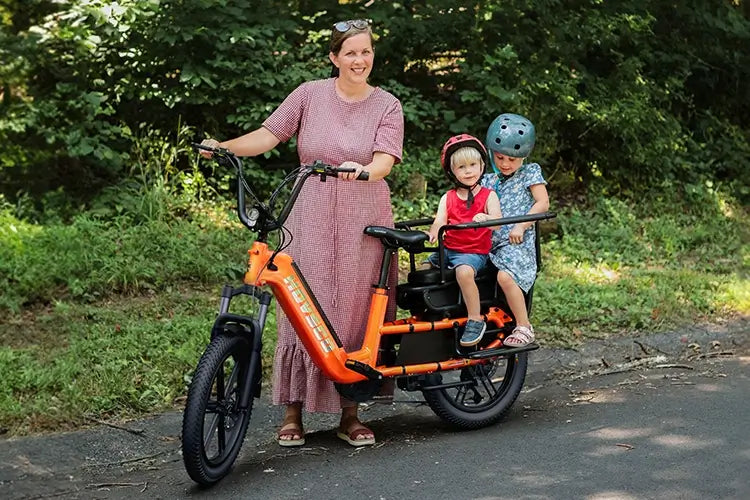
Family Ebike Range Test results show that most family‑oriented ebikes get 40–60 miles per charge in real‑world conditions, which often translates to multiple school runs before needing a recharge. Actual range depends on battery capacity, pedal‑assist level, rider and cargo weight, terrain, and temperature, so testing your own route is key to knowing how many trips you can safely do on one charge.
Check: long-range family electric bikes
A Family Ebike Range Test is a real‑world check of how far an ebike can travel under typical family use, not just in ideal lab conditions. The test usually includes common loads (kids, backpacks, groceries) and mixed terrain, giving a more honest picture of real‑world miles per charge.
For a Family Ebike Range Test, riders often repeat a fixed loop or common school‑run route while logging distance, speed, and assist level. This helps parents understand battery life per charge and how many school runs they can realistically complete without recharging.
Real‑world miles are usually lower than advertised range because manufacturers test in ideal conditions, often with light riders, low assist levels, and flat terrain. Family use adds weight, hills, and frequent stops, which all increase power consumption and reduce effective range.
When planning a Family Ebike Range Test, factors such as rider weight, cargo, and incoming headwinds can cut expected mileage by 20–40%. Real‑world miles help reconcile the ideal‑world battery life per charge with the bike’s actual performance on school runs and daily errands.
Most family ebikes with 400–600 Wh batteries deliver about 40–60 miles per charge in moderate conditions when using eco or low‑assist modes. In tougher conditions—hills, heavier loads, or higher assist levels—real‑world range can drop to roughly 25–40 miles per charge.
A Family Ebike Range Test over 40–60 miles helps map how many school runs fit into one charge. For example, a 10‑mile round‑trip school route might allow three to four trips on a 40–mile range, especially if the return leg is largely assist‑free.
Battery capacity, measured in watt‑hours (Wh), directly shapes battery life per charge and thus how many school runs you can do. A larger battery (e.g., 600–750 Wh) stores more energy and usually supports longer real‑world miles than a 400 Wh pack.
During a Family Ebike Range Test, riders with higher‑capacity batteries often see 50–70 miles in gentle conditions, while 400 Wh units may top out around 30–45 miles under the same load. Choosing a higher Wh pack helps stretch one charge further, especially for multi‑stop family days.
Several factors cut real‑world miles in a Family Ebike Range Test, including heavy loads, steep hills, strong headwinds, low tire pressure, and higher assist levels. Frequent starts and stops, common in school‑run errands, also drain the battery faster than smooth cruising.
Rider weight, cargo (kids, bags), road surface, and temperature all influence how many school runs you can do on one charge. Cold weather, in particular, can temporarily reduce battery life per charge, so winter rides may require charging more often.
For many commuters, one charge can cover 2–4 average school runs, depending on distance and conditions. A short 3–5 mile round trip might fit three to five runs into a 40–mile real‑world range, while longer 8–10 mile trips could fit only one or two without a recharge.
Using a Family Ebike Range Test result of 40–60 miles, parents can estimate “runs per charge” by dividing total range by their one‑way plus return distance. For example, a 10‑mile round trip on a 50‑mile battery life per charge might allow four to five school runs before a recharge.
Below is a simple planning table based on typical Family Ebike Range Test data:
To test your own Family Ebike Range Test scenario, fully charge the battery, then ride typical school‑run routes at normal assist levels until the battery drops to a safe minimum (e.g., 10–20%). Record total distance, weather, and any stops or hills to gauge real‑world miles.
Repeat the test a few times on different days and in different conditions to average out battery life per charge. This self‑run data helps you precisely answer how many school runs you can do on one charge with your specific setup, load, and terrain.
Carrying two kids, heavy bags, or a rear cargo box increases payload and directly reduces battery life per charge. Extra weight demands more power from the motor, especially on hills and when accelerating, which shortens real‑world miles.
In a Family Ebike Range Test, a lightly loaded bike may reach 60 miles, while the same bike with full family gear might only manage 40 miles. Managing payload by switching to lower assist levels or using some unassisted pedaling helps preserve range for more school runs.
Hilly terrain can sharply reduce real‑world miles and therefore the number of school runs you can complete on one charge. Uphill climbs draw maximum assist power, while headwinds and rough surfaces increase rolling resistance and energy use.
Flat or mildly rolling routes, on the other hand, extend battery life per charge and are more forgiving in a Family Ebike Range Test. Parents living in hilly areas may need to plan for at least one recharge mid‑day or reduce assist levels to maintain enough range for multiple school runs.
To maximize range and extend one charge, ride in eco or low‑assist mode, maintain steady speed, and avoid rapid acceleration or hard braking. Keeping tires properly inflated and using smooth, anticipatory pedaling reduces rolling resistance and helps the bike travel more real‑world miles per charge.
Parents can also combine short unassisted stretches with assistance to “stretch” the battery over more school runs. For a Family Ebike Range Test, consistent riding habits give more reliable data on how many trips are realistically possible on one full charge.
Over time, most ebike batteries lose capacity gradually, typically lasting 3–5 years or 500–1,000 charge cycles before dropping to about 70–80% of original capacity. This means early‑life Family Ebike Range Test distances may shrink as the battery ages, reducing the number of school runs you can do on one charge.
Good practices—such as avoiding full 0–100% cycles, keeping the battery in a moderate temperature range, and not storing it fully charged—help preserve battery life per charge. Regular maintenance supports stable real‑world miles and predictable school‑run performance.
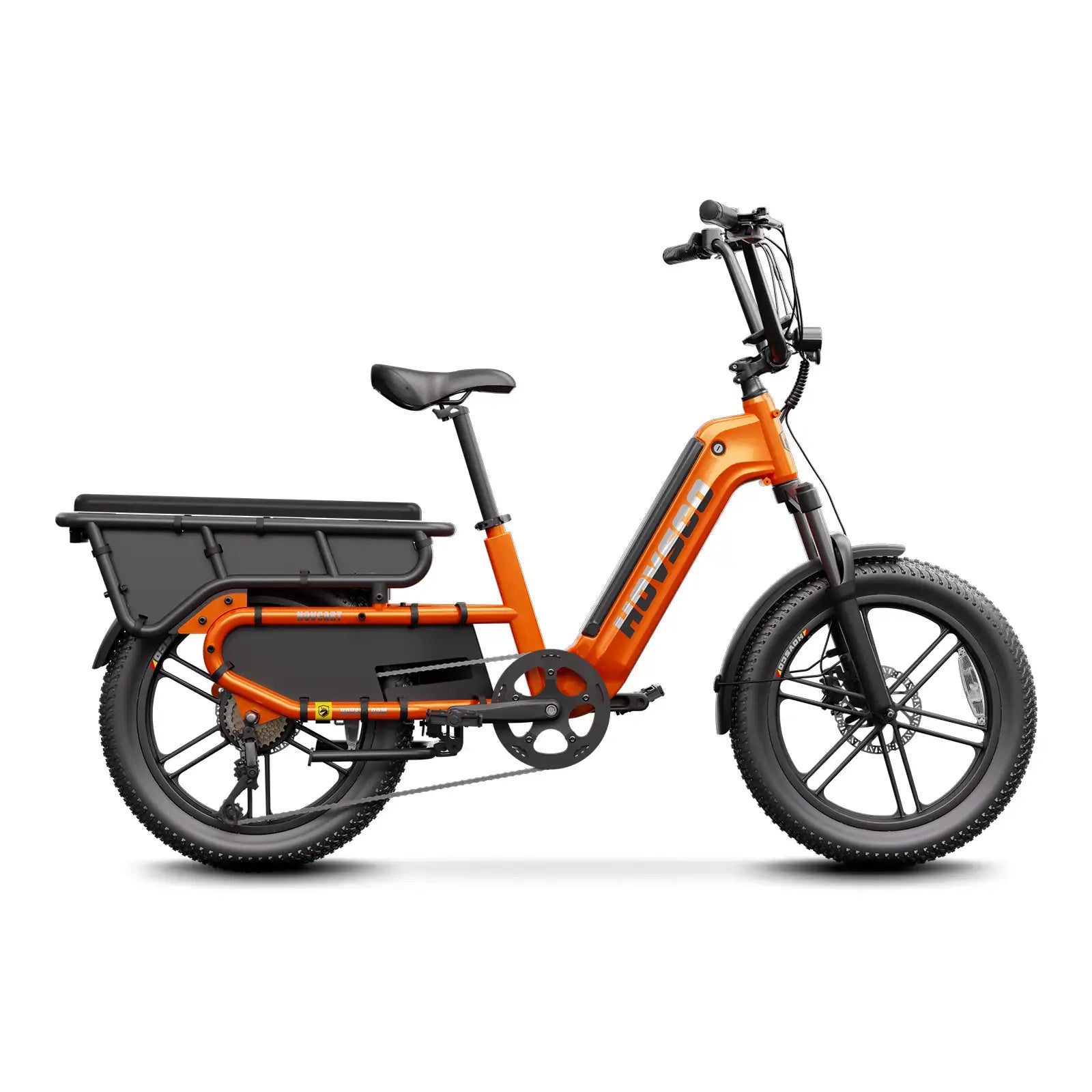
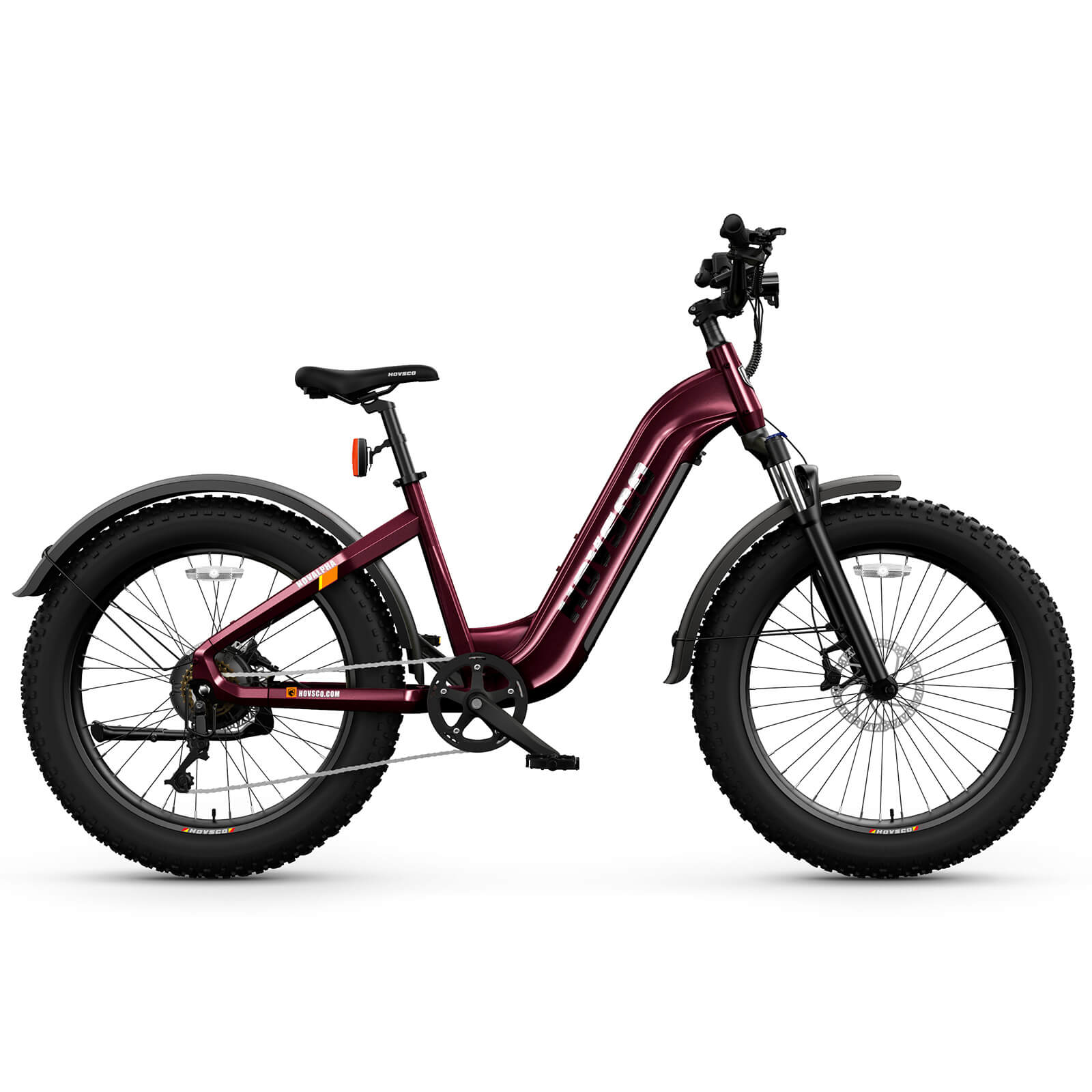
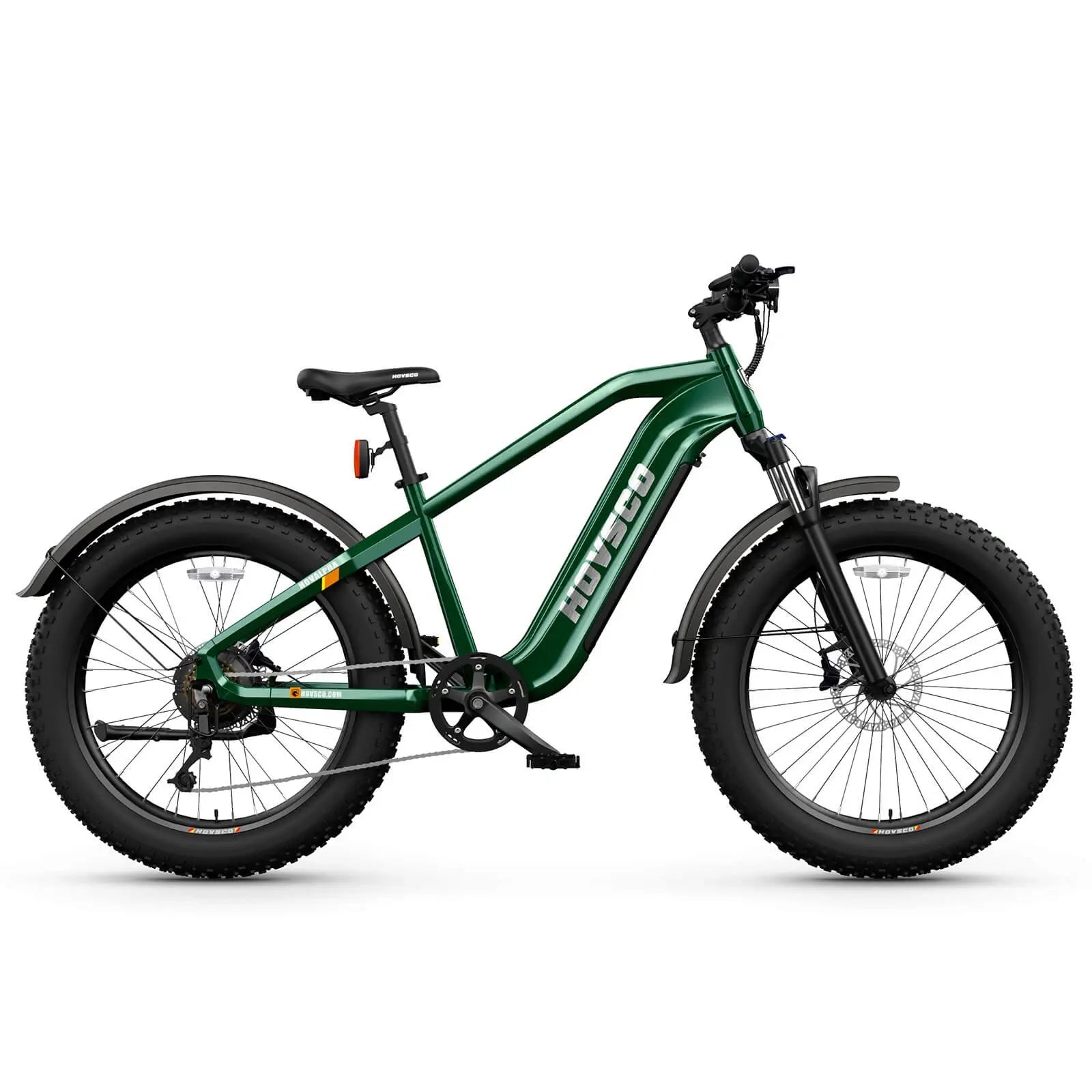
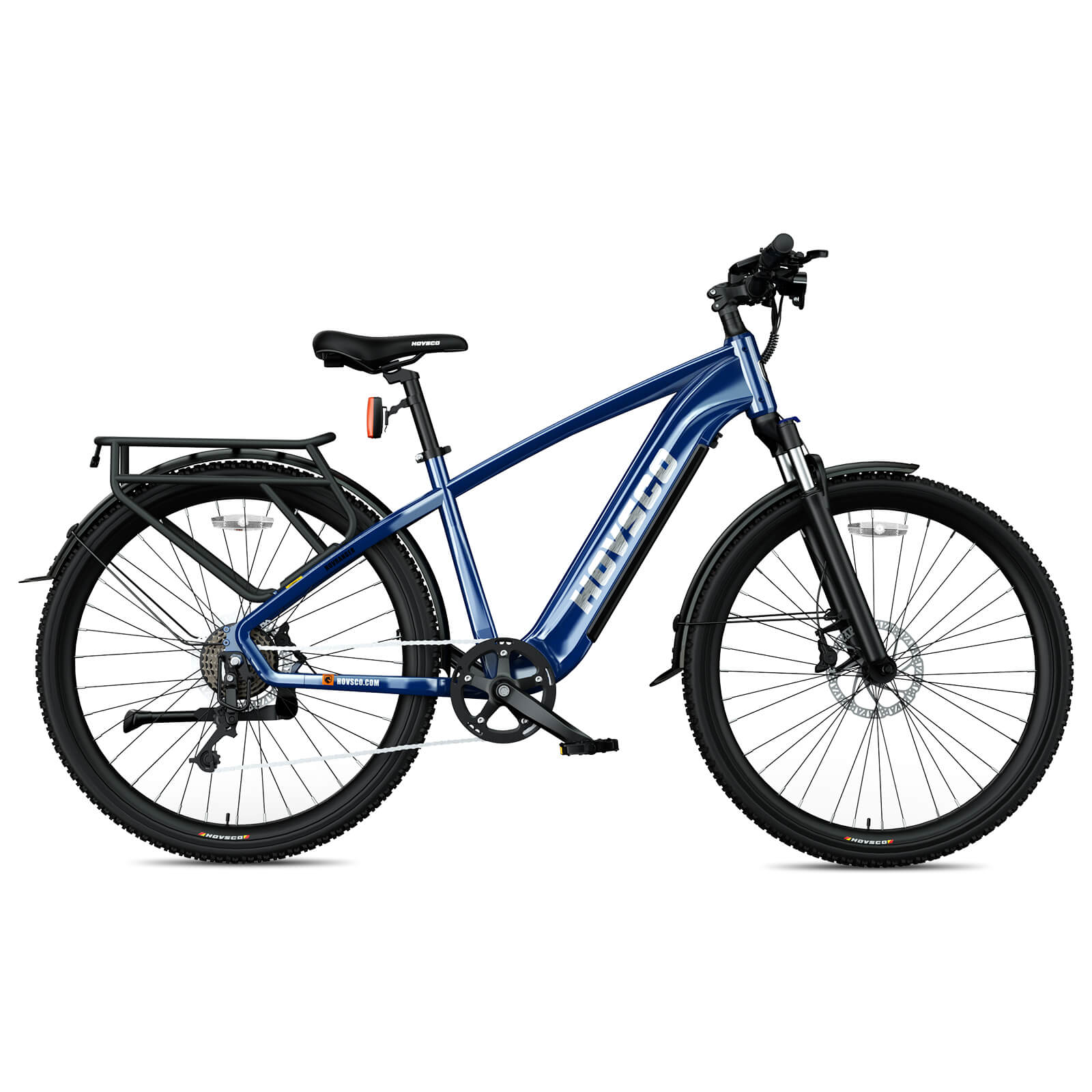
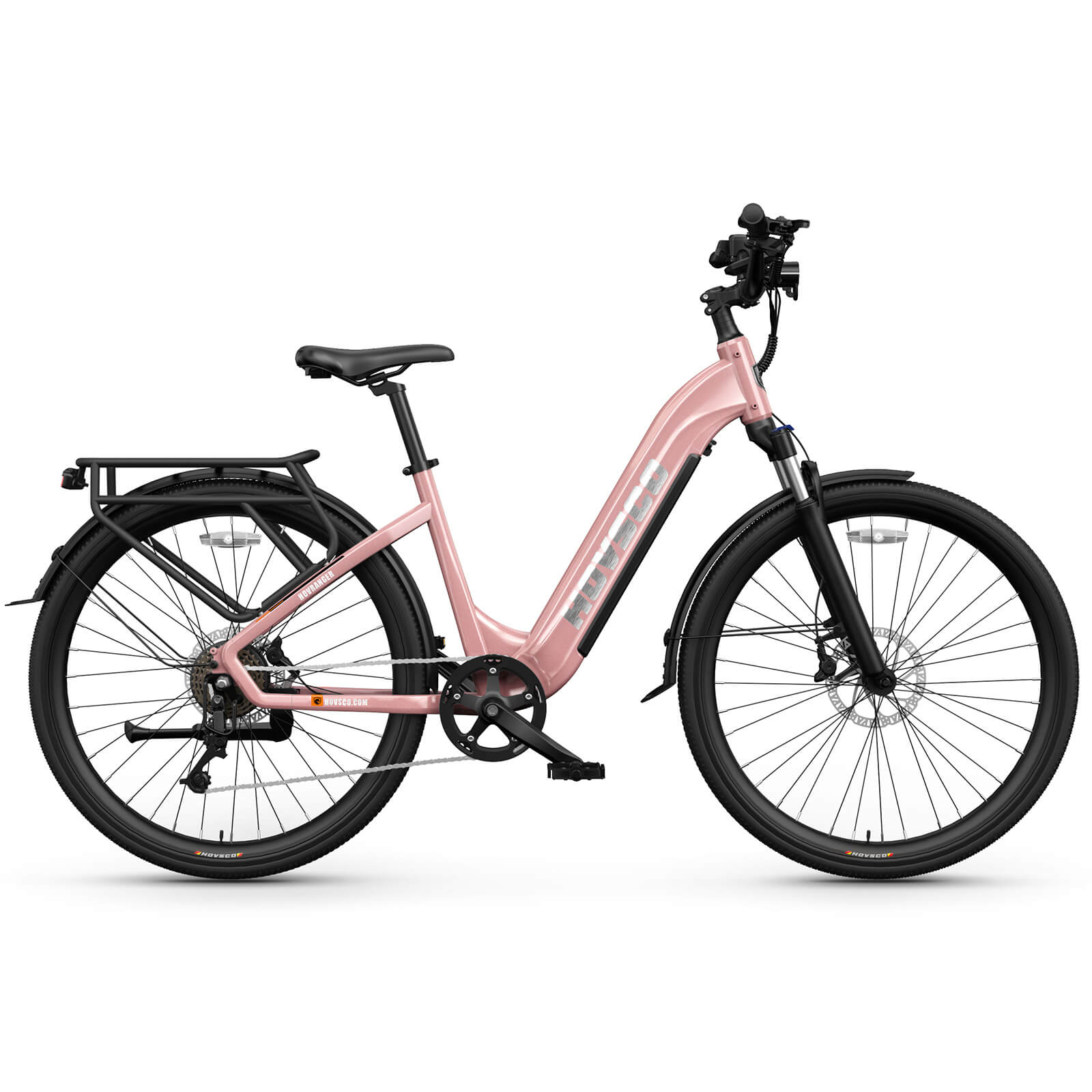
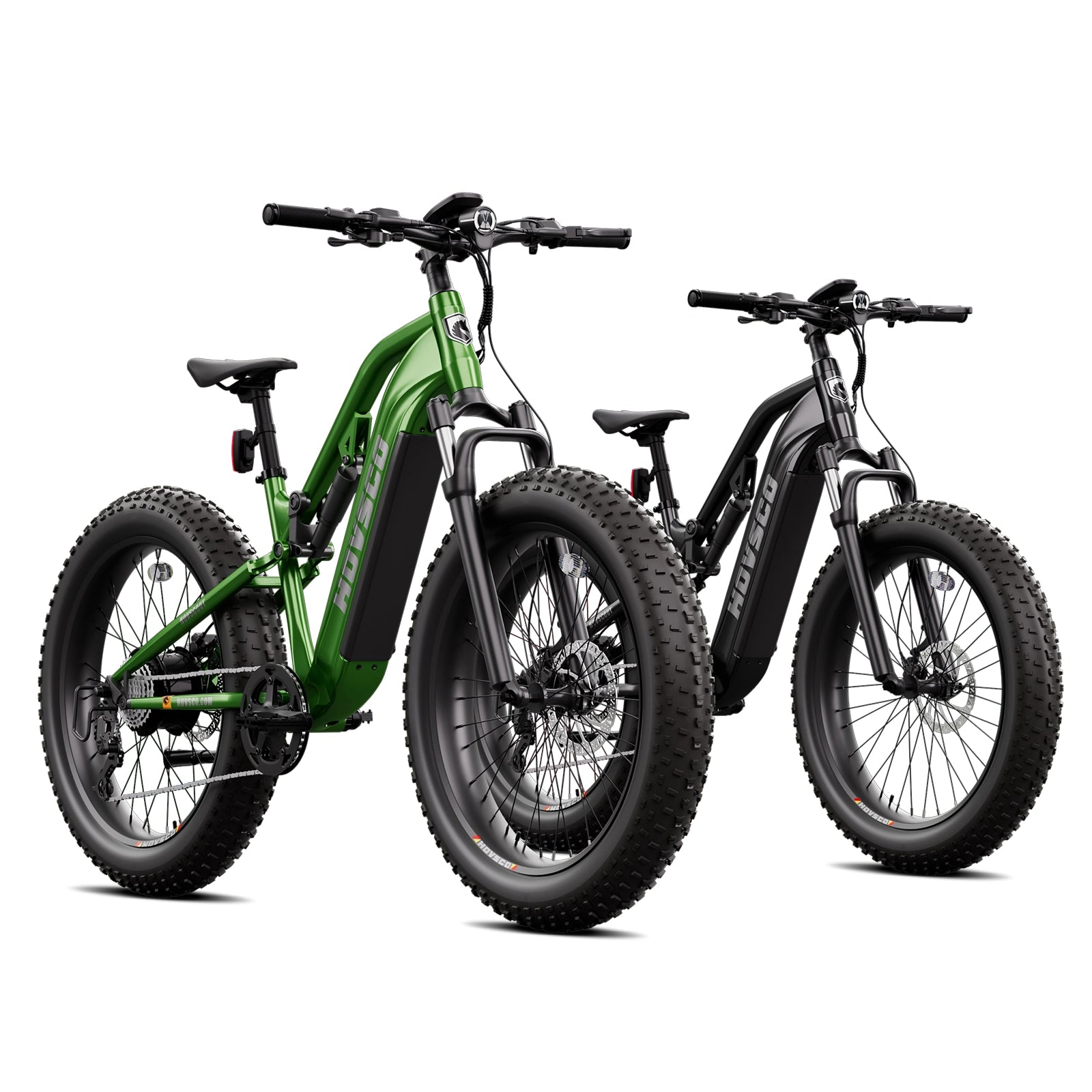
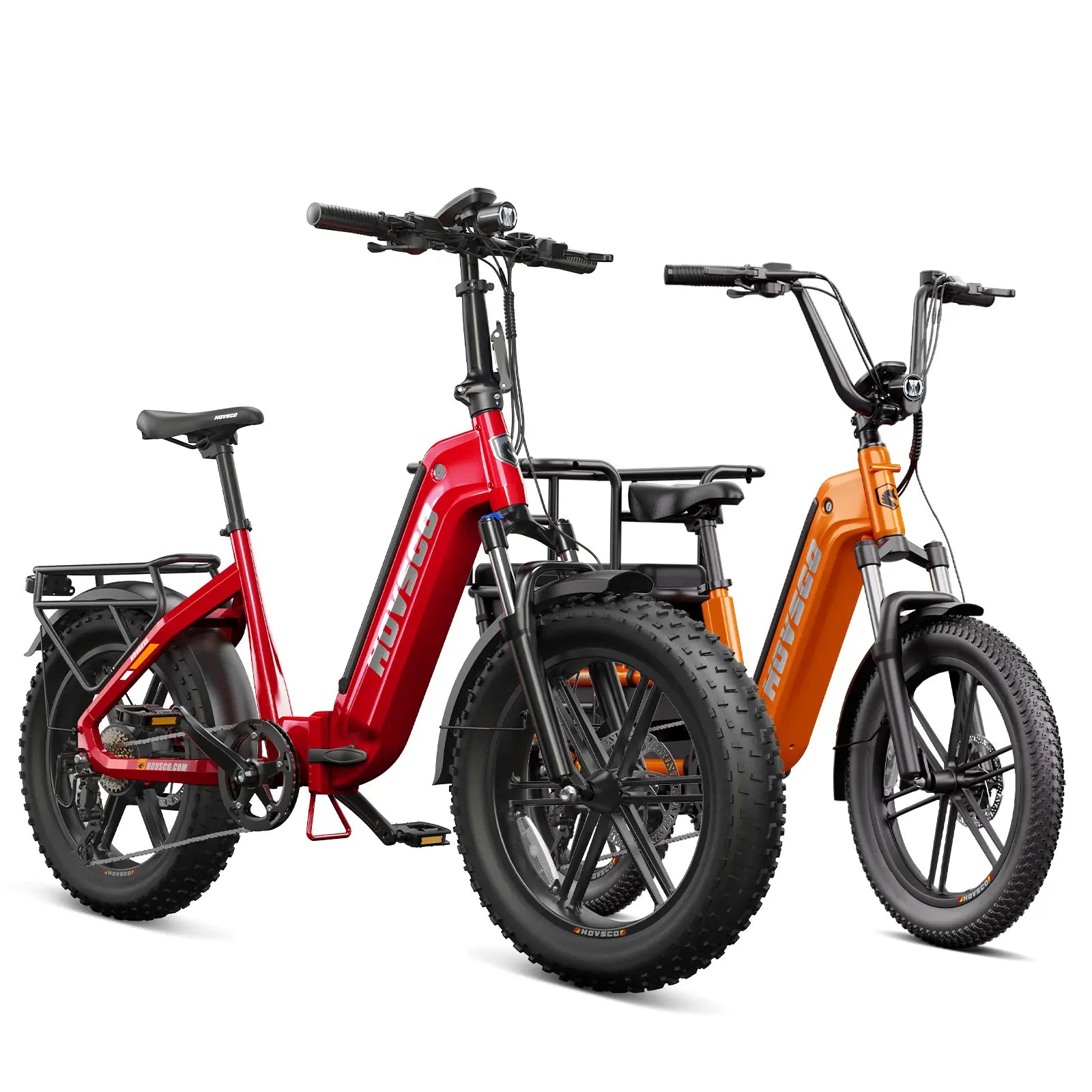
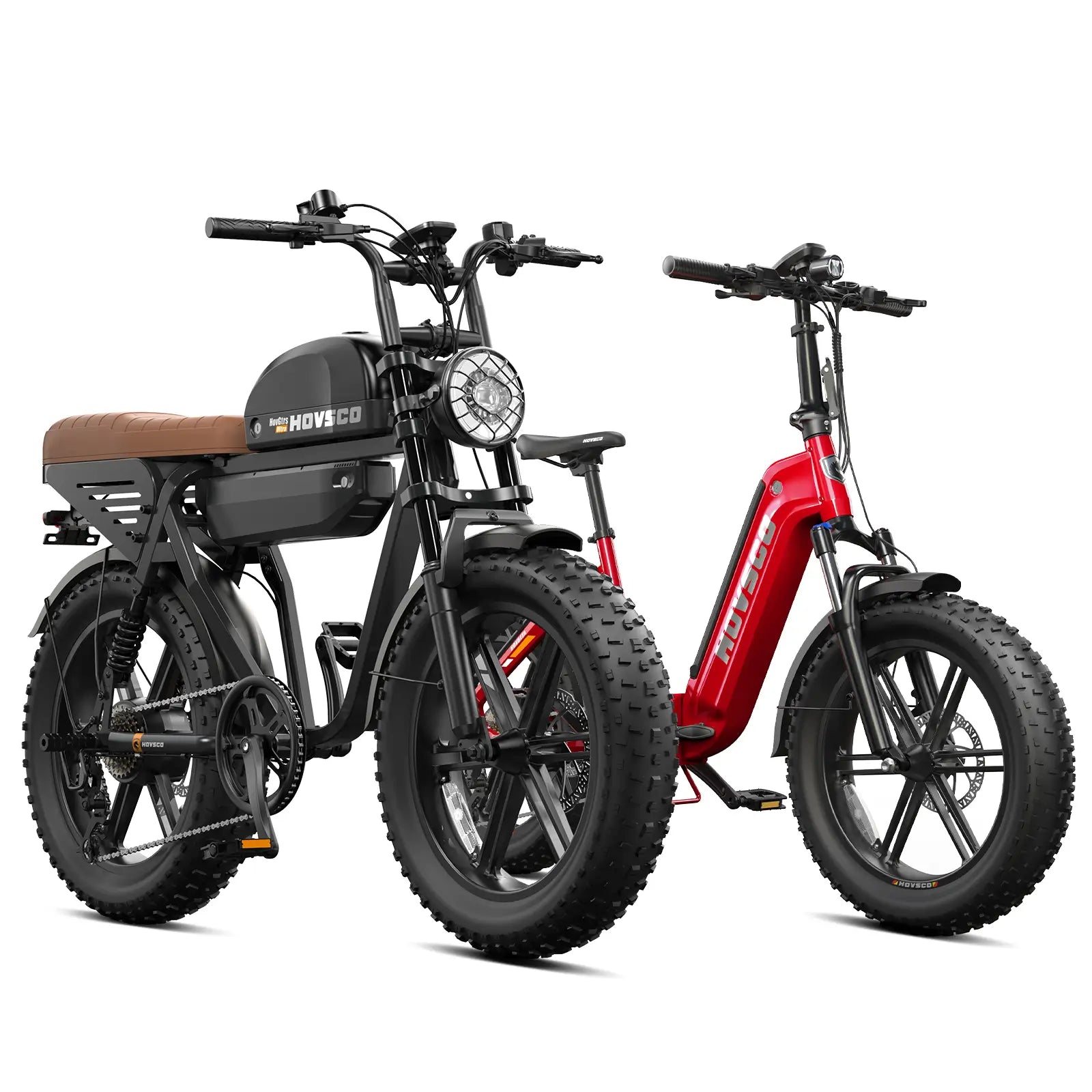
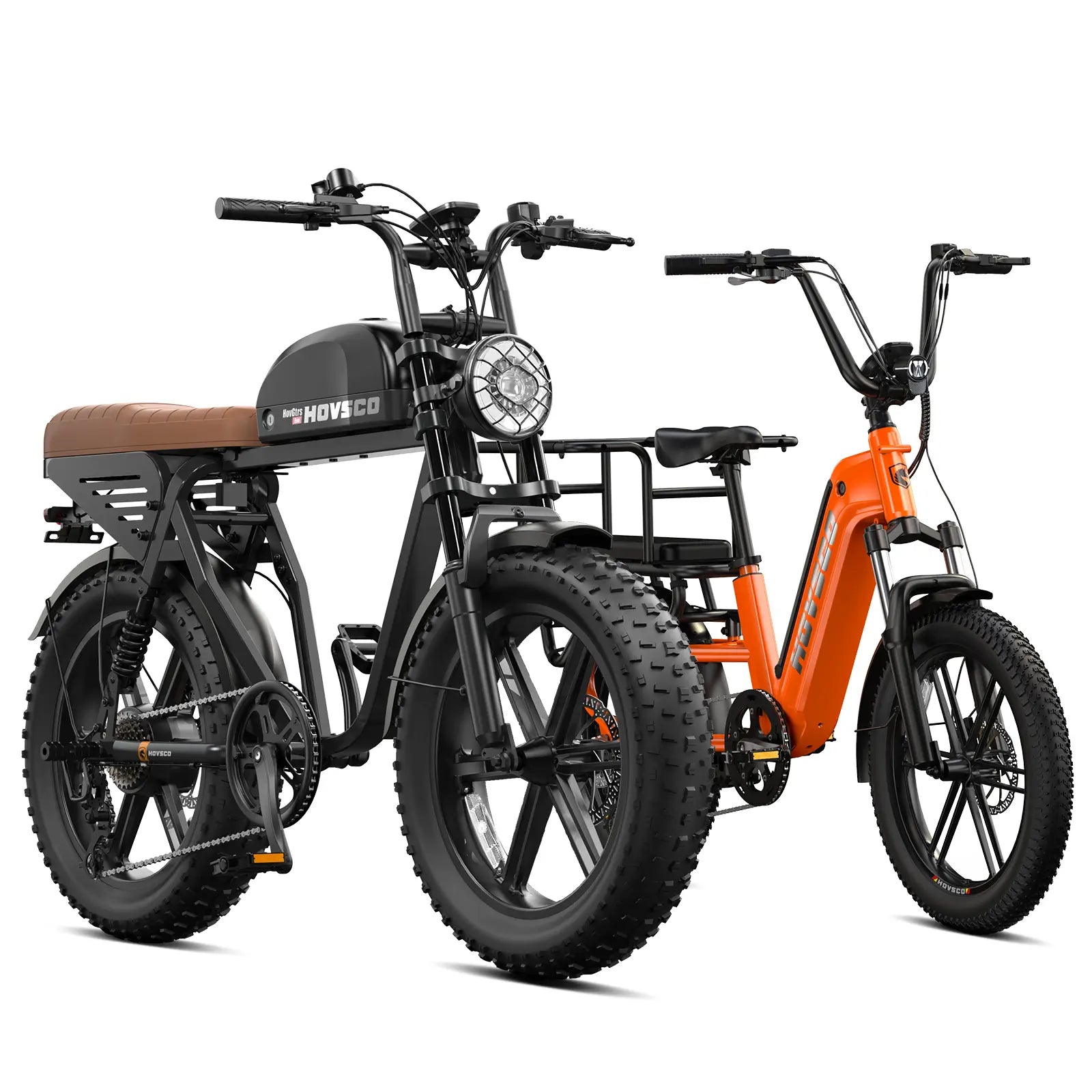
“We at HOVSCO design many of our family ebikes to deliver strong real‑world miles while still being practical for daily school runs,” explains a HOVSCO engineer. “Our larger‑capacity batteries and efficient motors are built to balance battery life per charge with family payloads, so parents can count on completing several school runs on one charge. When customers run their own Family Ebike Range Test using typical routes and loads, they often find their HOVSCO ebike comfortably fits school pickups, grocery stops, and side trips into a single day’s charge.”
Planning around real‑world miles means organizing school runs so total distance stays under the effective range recorded in a Family Ebike Range Test. Group pickups where possible, combine school runs with errands, and avoid unnecessary detours to conserve battery life per charge.
Parents should also build in a safety buffer—aiming to return home with 15–20% charge remaining—so unexpected stops or route changes don’t leave them stranded. Using a recharge overnight keeps the same ebike ready for multiple school runs each weekday.
A 40–60 mile Family Ebike Range Test under mixed conditions is a good benchmark for many family ebikes. Under these results, most riders can expect 3–6 typical school runs per charge, depending on distance and payload.
When people see advertised 100‑mile claims, real‑world miles are often closer to 40–60 miles for a loaded family bike. Treating 40–60 miles as a realistic ceiling for battery life per charge helps parents plan school runs more accurately and avoid mid‑day range anxiety.
Check: range test results for the Best Family Ebikes 2026
Q: How many school runs can a family ebike do on one charge?
A: With a typical 40–60 mile real‑world range, most family ebikes can manage 2–5 school runs on one charge, depending on distance and payload. A short 3–5 mile round trip may allow four or more runs, while longer 8–10 mile routes may only fit one or two before a recharge.
Q: Does a Family Ebike Range Test really reflect my daily use?
A: Yes; a Family Ebike Range Test that includes normal payloads, routes, assist levels, and terrain gives a much more accurate picture of real‑world miles and battery life per charge than manufacturer claims alone. Repeating the test a few times helps confirm how many school runs you can consistently do on one charge.
Q: How does HOVSCO support long‑range family rides?
A: HOVSCO ebikes are engineered with larger‑capacity batteries and efficient motors to help families achieve solid real‑world miles per charge. Many HOVSCO models are designed to handle multiple school runs comfortably, making them well‑suited for Family Ebike Range Test scenarios involving daily commutes and mixed payloads.
Q: Should I be worried if my range drops over time?
A: Some gradual drop in range is normal as an ebike battery ages and its battery life per charge diminishes. If range drops abruptly or below about 70% of original Family Ebike Range Test results, it may be time to check the battery health or consider a replacement.
Q: How can I extend my ebike range for more school runs?
A: Use lower assist levels, keep tires inflated, plan efficient routes, and avoid unnecessary stops or heavy loads. Riding smoothly and combining assisted and unassisted pedaling helps squeeze more real‑world miles from one charge, letting you complete more school runs on a single Family Ebike Range Test–like cycle.
Share:
What Makes a Safe Ebike Battery for Families?
What Is the Best Ebike for Big Kids and How to Use It Safely?