


![[ New Arrival ] Porto Max Electric Scooter For Commute & Grocery Shopping - HOVSCO](http://www.hovsco.com/cdn/shop/files/PotroMax-3.jpg?v=1706927007&width=1200)
- by SEO
What Is the Best Ebike for Big Kids and How to Use It Safely?
- by SEO
E-Bikes
Accessories
 Free Shipping
 15-Day Returns
 2-Year Warranty
Free Shipping
15-Day Returns
2-Year Warranty
2-Year Warranty
Free Shipping
15-Day Returns
2-Year Warranty
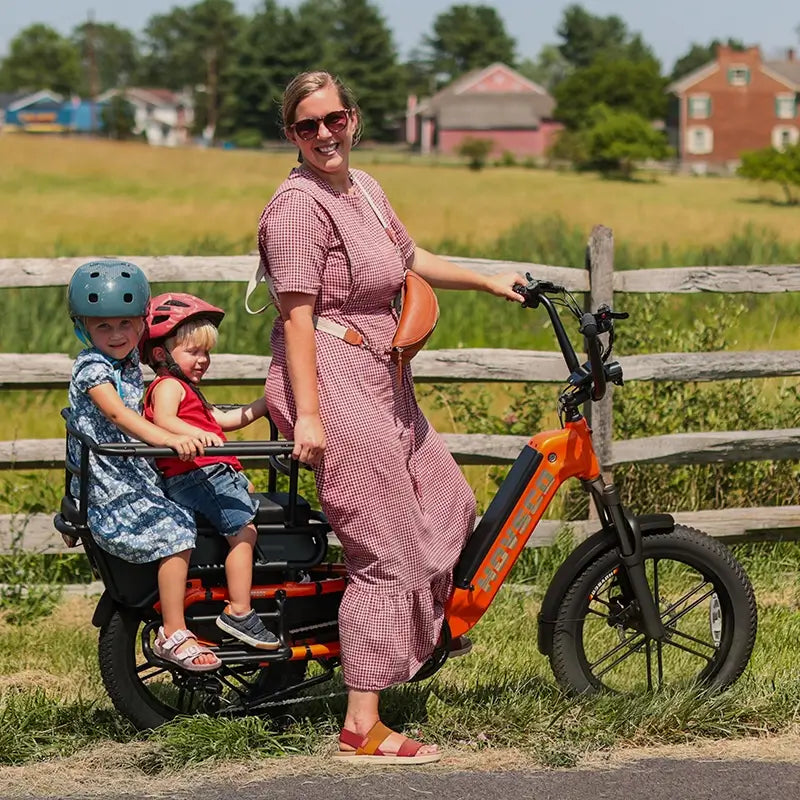
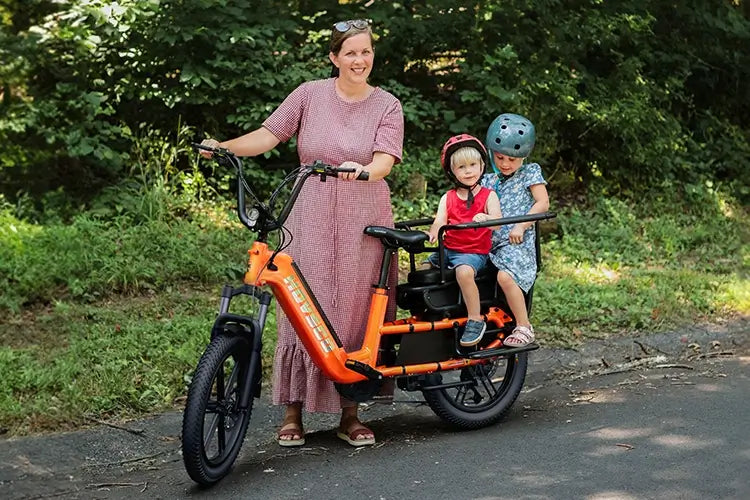
An Ebike for Big Kids transitions older children from baby‑style child seats into a more active “Passenger Mode” where they ride along safely with passenger handlebars, seat pads, and footpegs. These features let parents keep using an ebike for family rides while giving kids a comfortable, secure, and slightly more grown‑up experience on the bike.
Check: electric bikes for school-aged kids
An Ebike for Big Kids is a family‑oriented electric bike designed to safely carry older children who are too big for traditional child seats but still enjoy riding with a parent. Instead of a full‑size seat mount, it often uses passenger handlebars, seat pads, and footpegs so kids can sit behind or next to the rider without pedaling.
These bikes usually have a low step‑through frame, powerful but smooth electric assist, and plenty of clearance for kids to hop on and off easily. The goal is to keep the bond of family biking alive while upgrading from toddler setups to a more active “big‑kid” riding experience.
Child seats work well for toddlers, but as kids grow taller and heavier, they can stress the bike frame, throw off balance, and limit cargo space. Passenger handlebars and seat pads provide a safer, more stable way to carry “big kids” who still enjoy riding along.
Passenger Mode also feels more mature to children, giving them a small role on the bike—holding onto handlebars, watching traffic, and learning basic riding posture. This phased transition helps kids move from being passive passengers to eventually riding their own bikes with confidence.
Passenger handlebars give older children something to hold onto while riding behind or beside a parent, reducing the risk of leaning too far or losing balance. They are typically mounted low and wide, designed specifically for kids’ reach, not for steering.
By keeping a child’s hands in a safe, stable position, passenger handlebars help prevent sudden jerks that could affect the rider’s control. The bars also provide a visual cue that this is a child‑support feature, so parents are less tempted to overload the bike or use it beyond the rider’s own weight limit.
Seat pads add extra cushioning and grip for big‑kid passengers, turning a simple rack or platform into a more comfortable mini‑seat. They help distribute weight evenly and reduce bouncing, which is especially important on uneven roads or longer rides.
Footpegs give kids a stable place to rest their feet instead of dangling off the bike or onto the wheel. This improves stability, prevents feet from slipping into the spokes, and makes the child feel more secure and engaged in the ride.
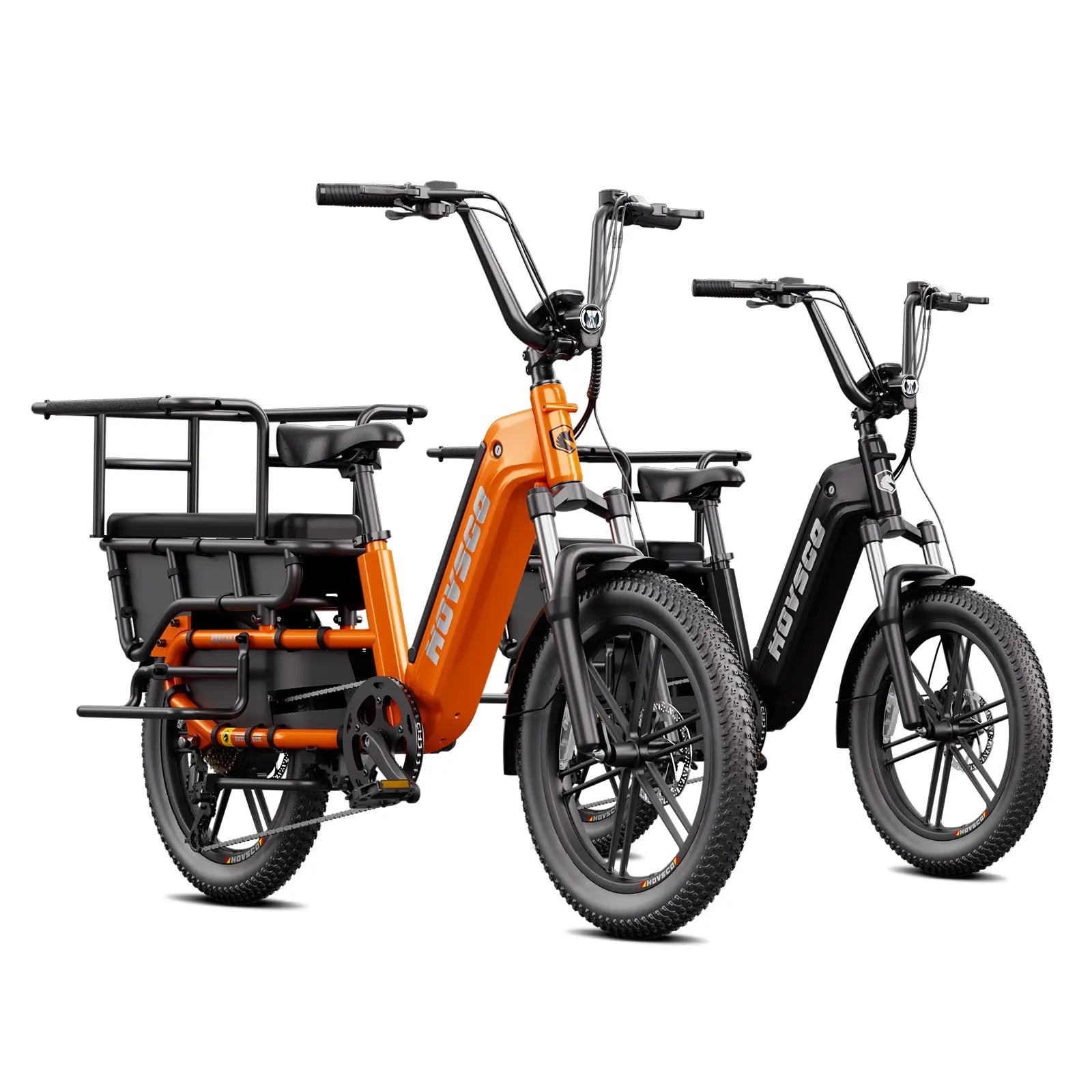
When choosing an Ebike for Big Kids, prioritize frame geometry, motor power, and weight capacity that can safely handle both adult and child together. Look for a low center of gravity, a wide rack or platform area, and built‑in mounting points for adding passenger handlebars, seat pads, and footpegs.
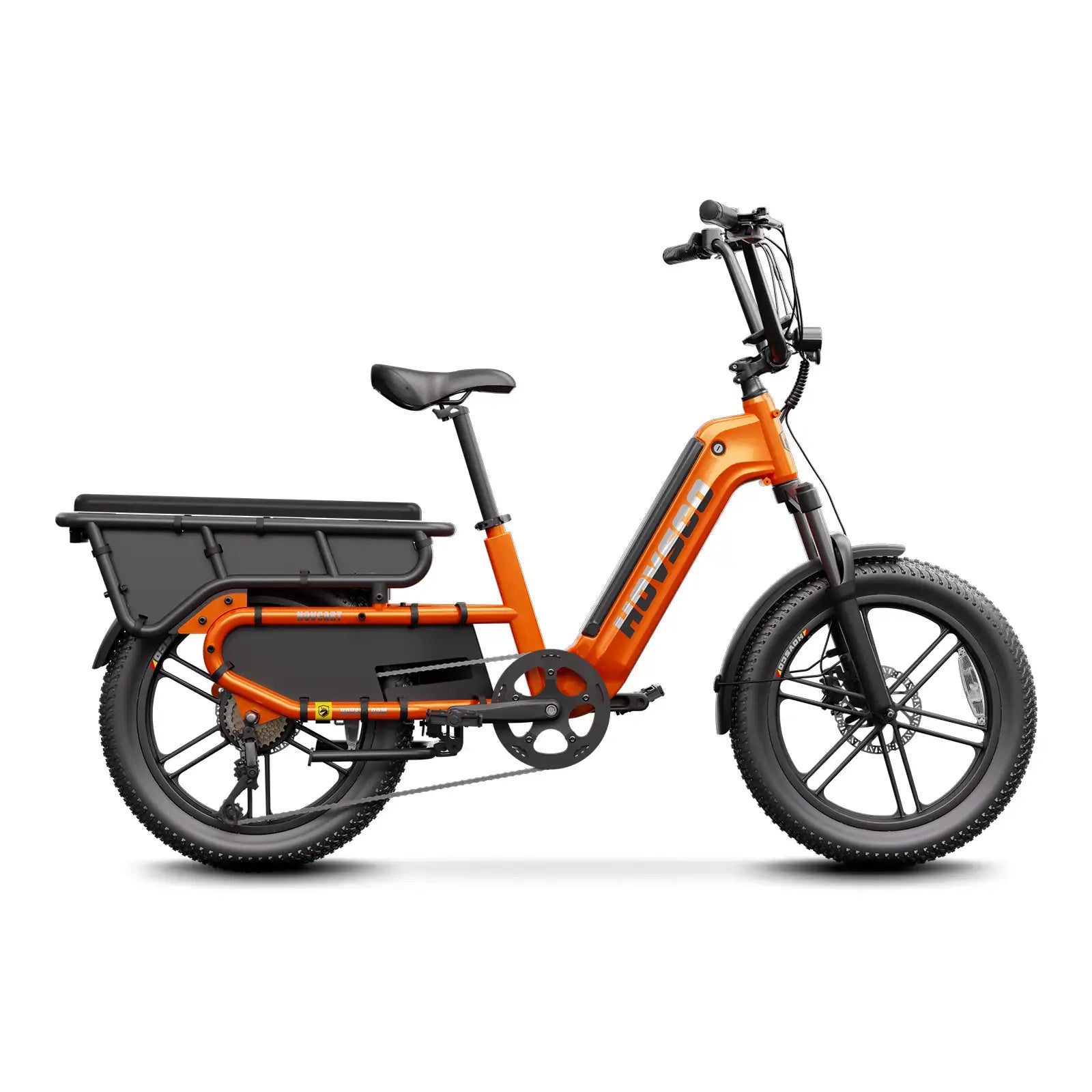
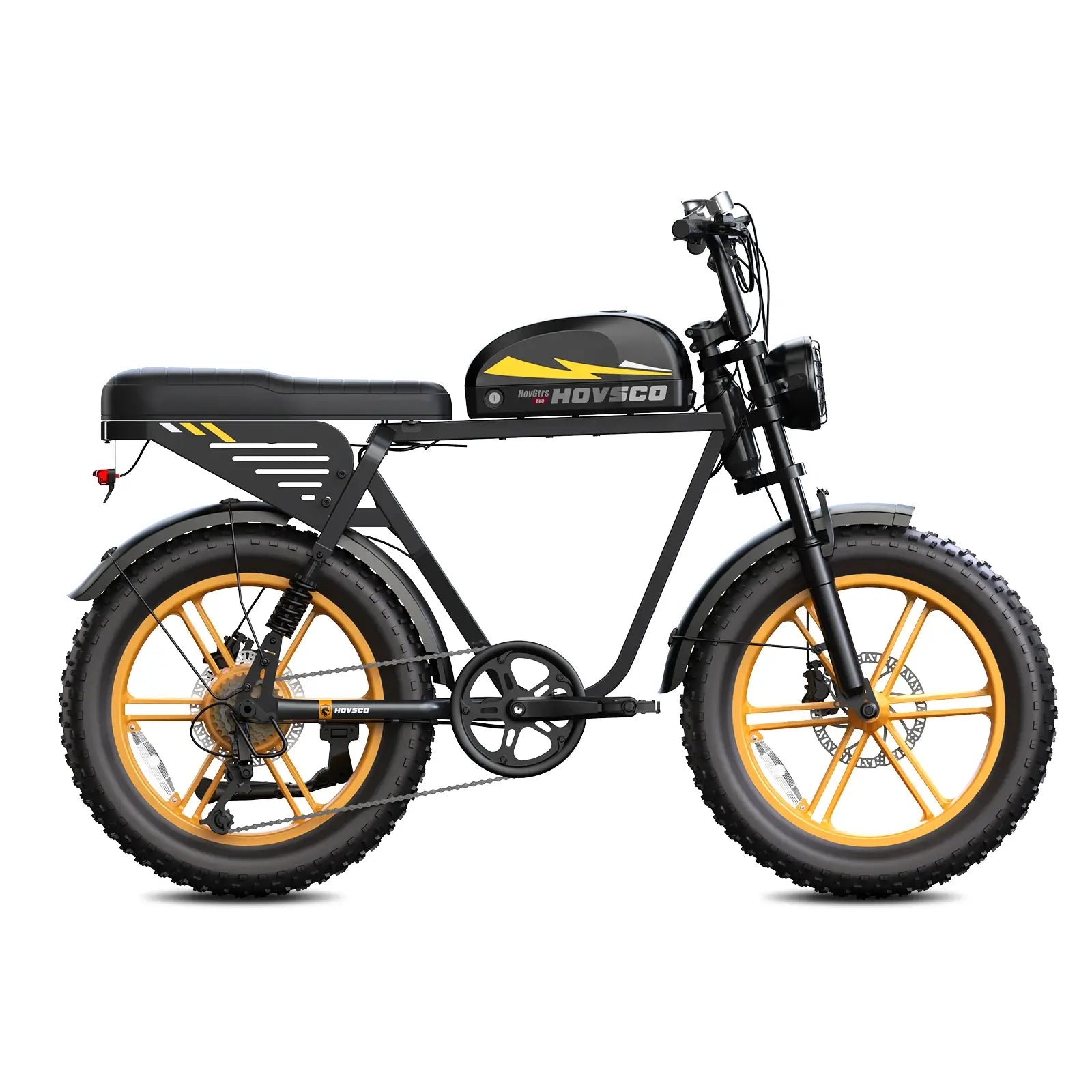
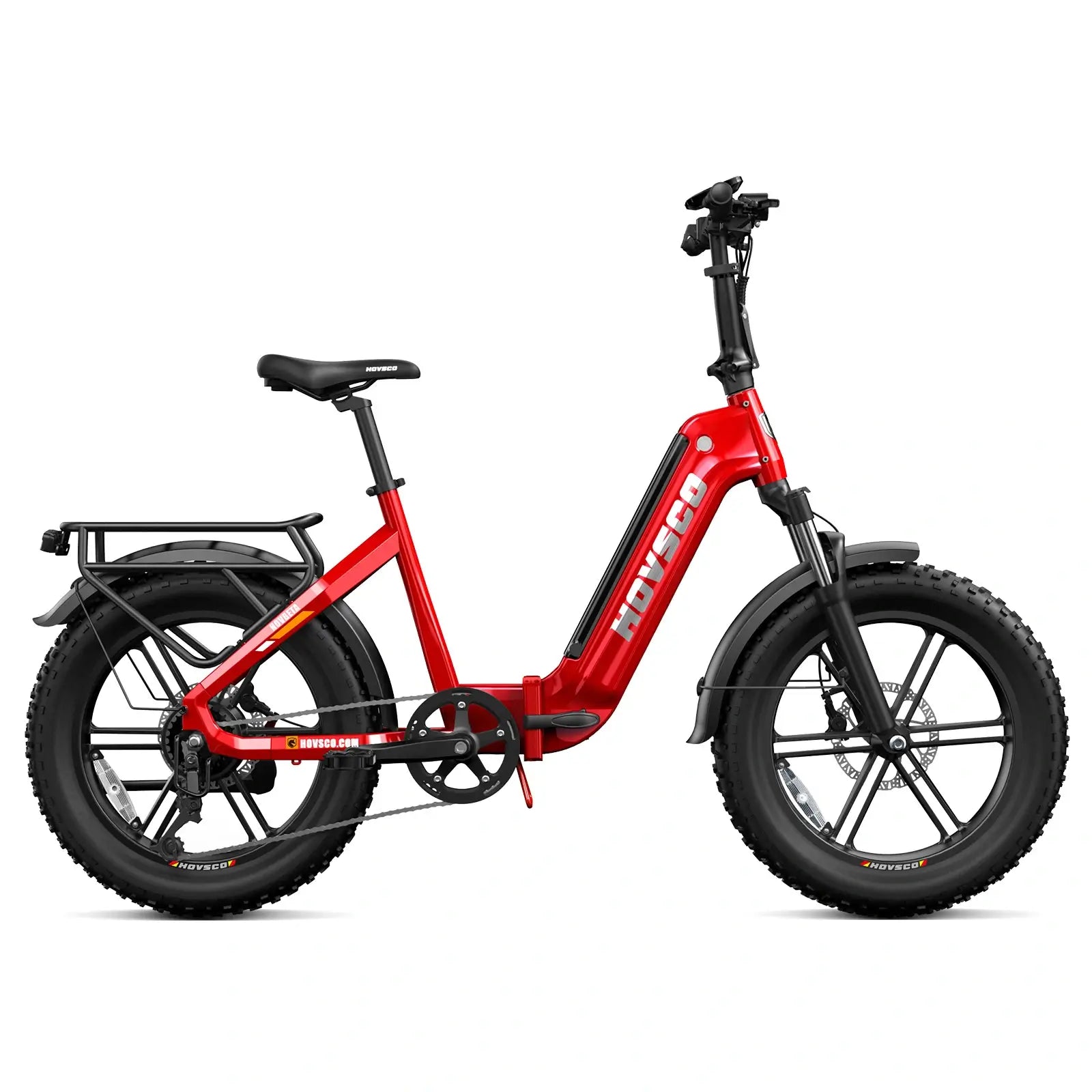
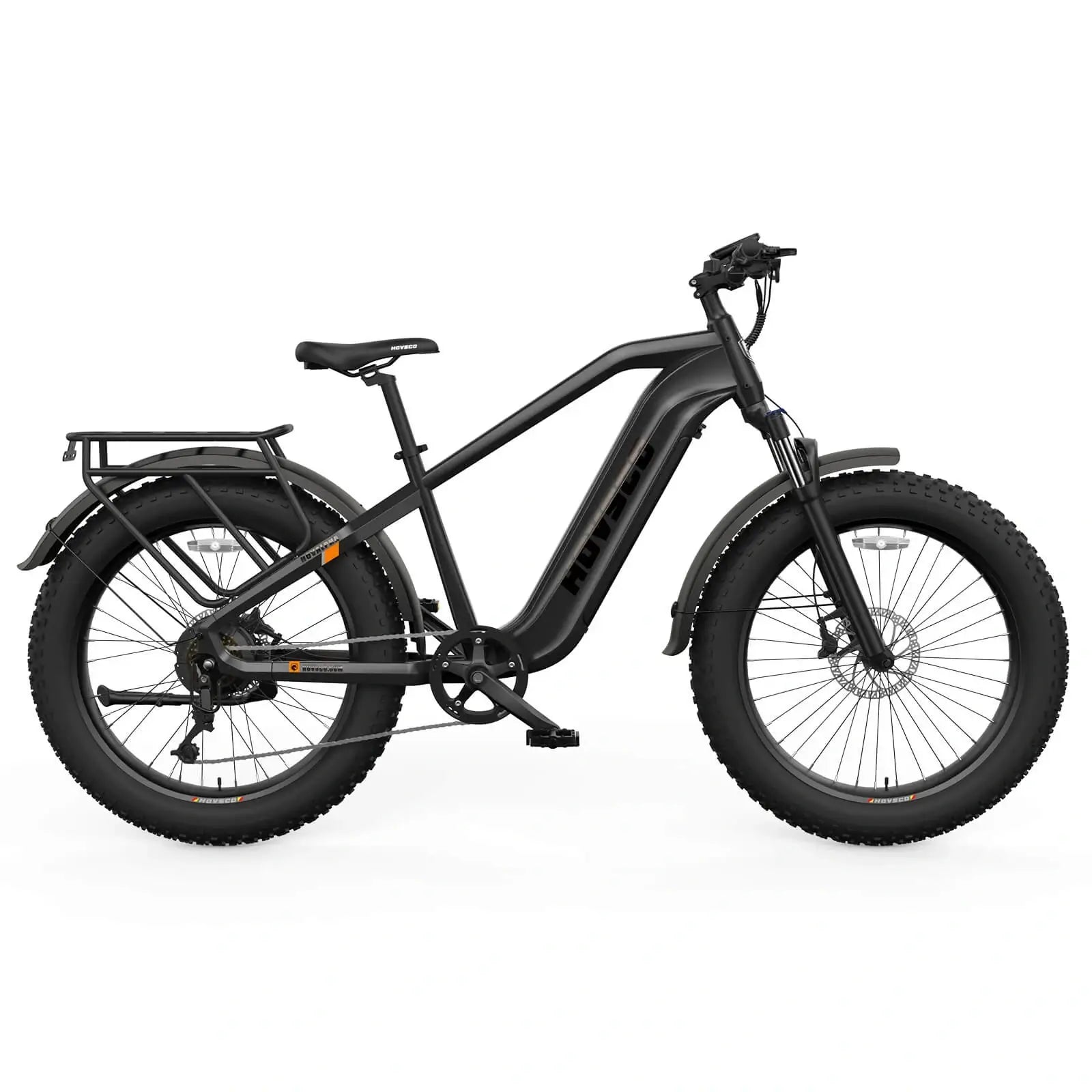
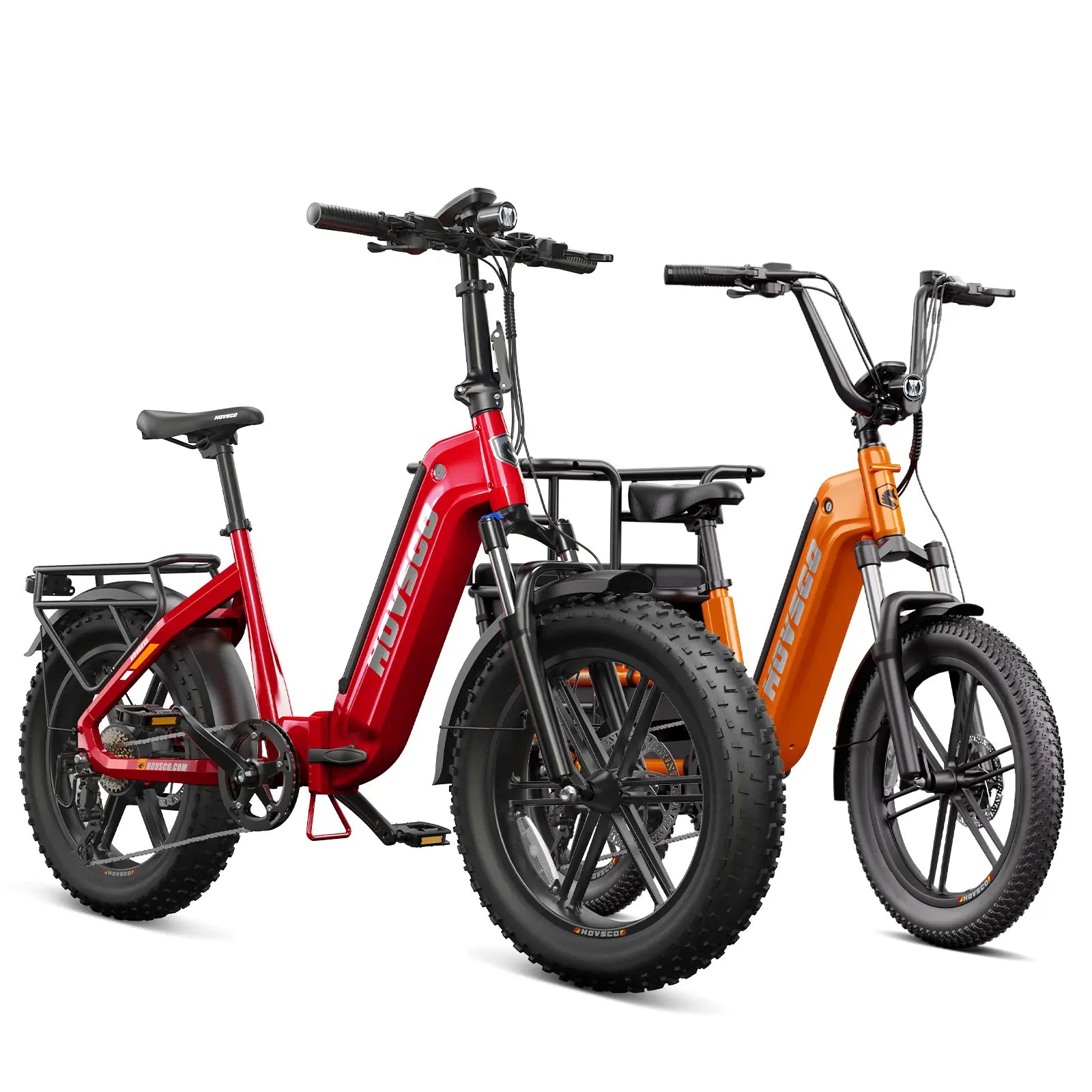
Consider range, braking, and comfort features—large tires, a suspension fork, and a comfortable saddle—so rides stay enjoyable at low speeds. Many families choose HOVSCO ebikes for their balance of stability, torque, and family‑friendly design, which makes them strong candidates for big‑kid passengers.
Before adding a child to an Ebike for Big Kids, always check the bike’s weight rating and manufacturer guidelines for passenger use. Not all ebikes are designed for extra static or dynamic loads, and overloading can damage the frame, motor, or brakes.
Next, inspect the rack or platform that will hold the seat pad or footpegs to ensure it is bolted securely and not bent or cracked. Finally, test‑ride the bike first with the accessories empty, then with a light weight, to get comfortable with the new handling before carrying your child.
Teach big‑kid passengers to enter and exit the bike only when it is fully stopped, and to always sit centered and face forward. Encourage them to keep their hands on the passenger handlebars, look ahead, and avoid sudden movements that could shift the bike’s balance.
Practicing short backyard or driveway rides first helps kids get used to the ebike’s acceleration and braking. Wearing helmets, closed‑toe shoes, and clothing that won’t snag in the wheels turns each ride into a mini safety lesson while still feeling like fun.
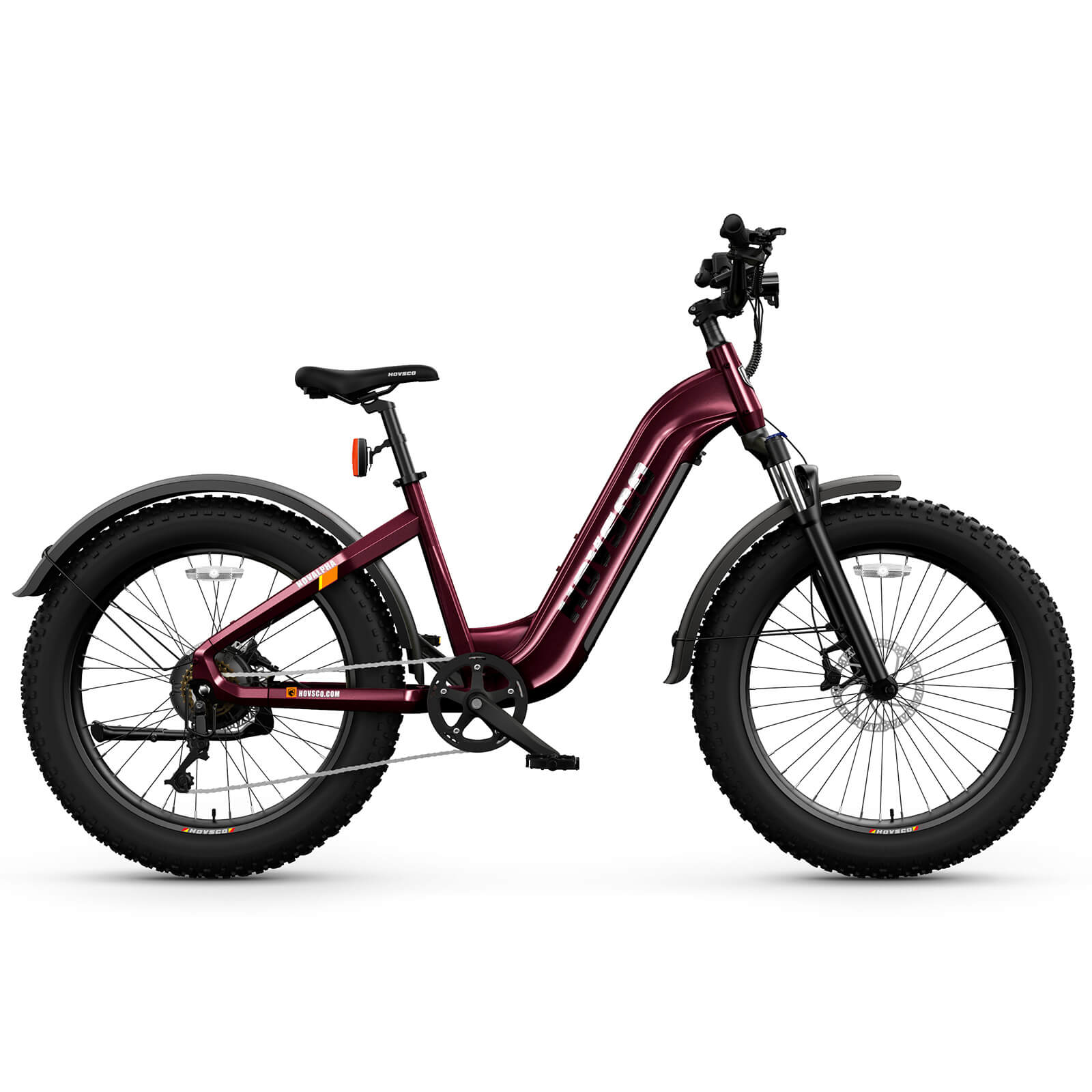
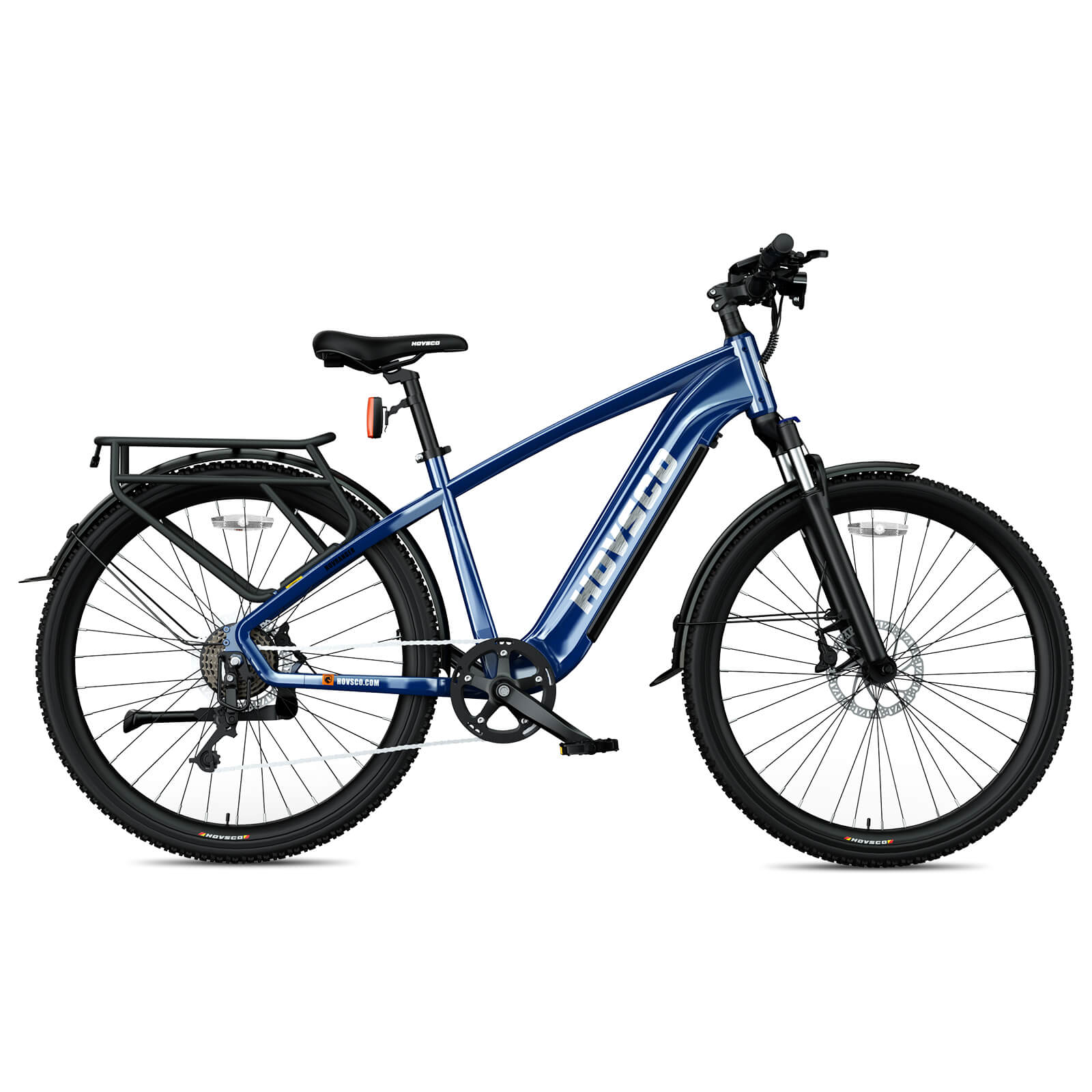
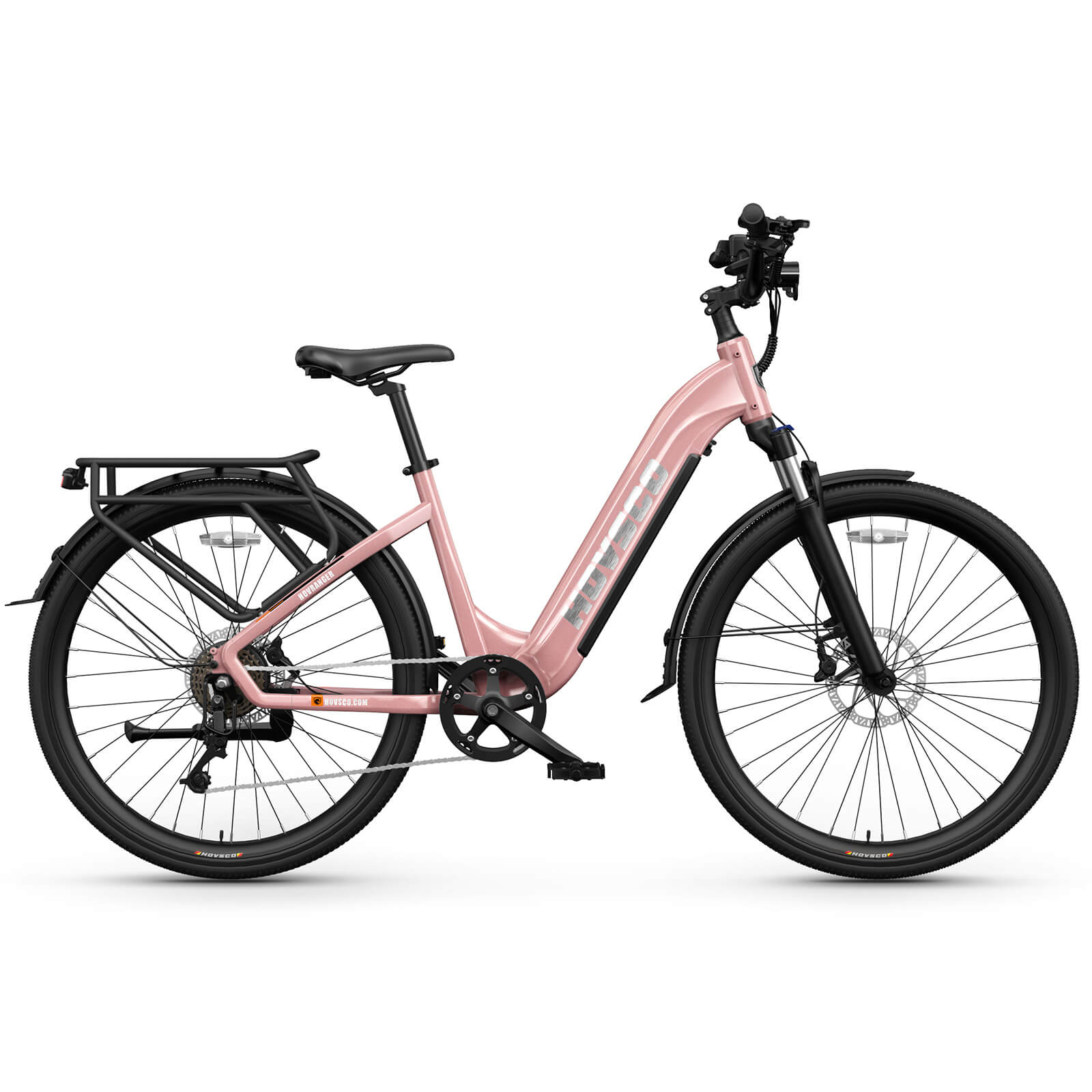
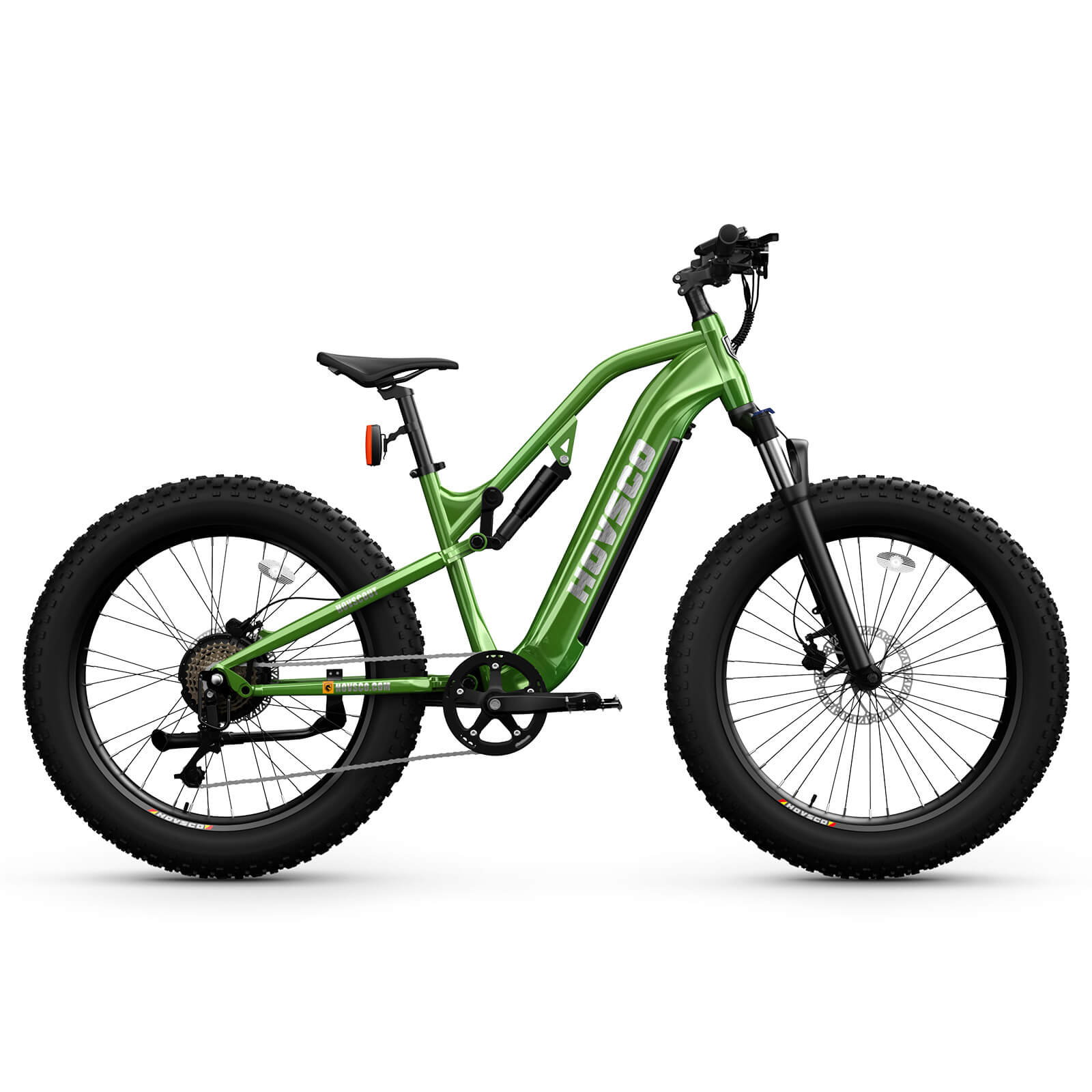
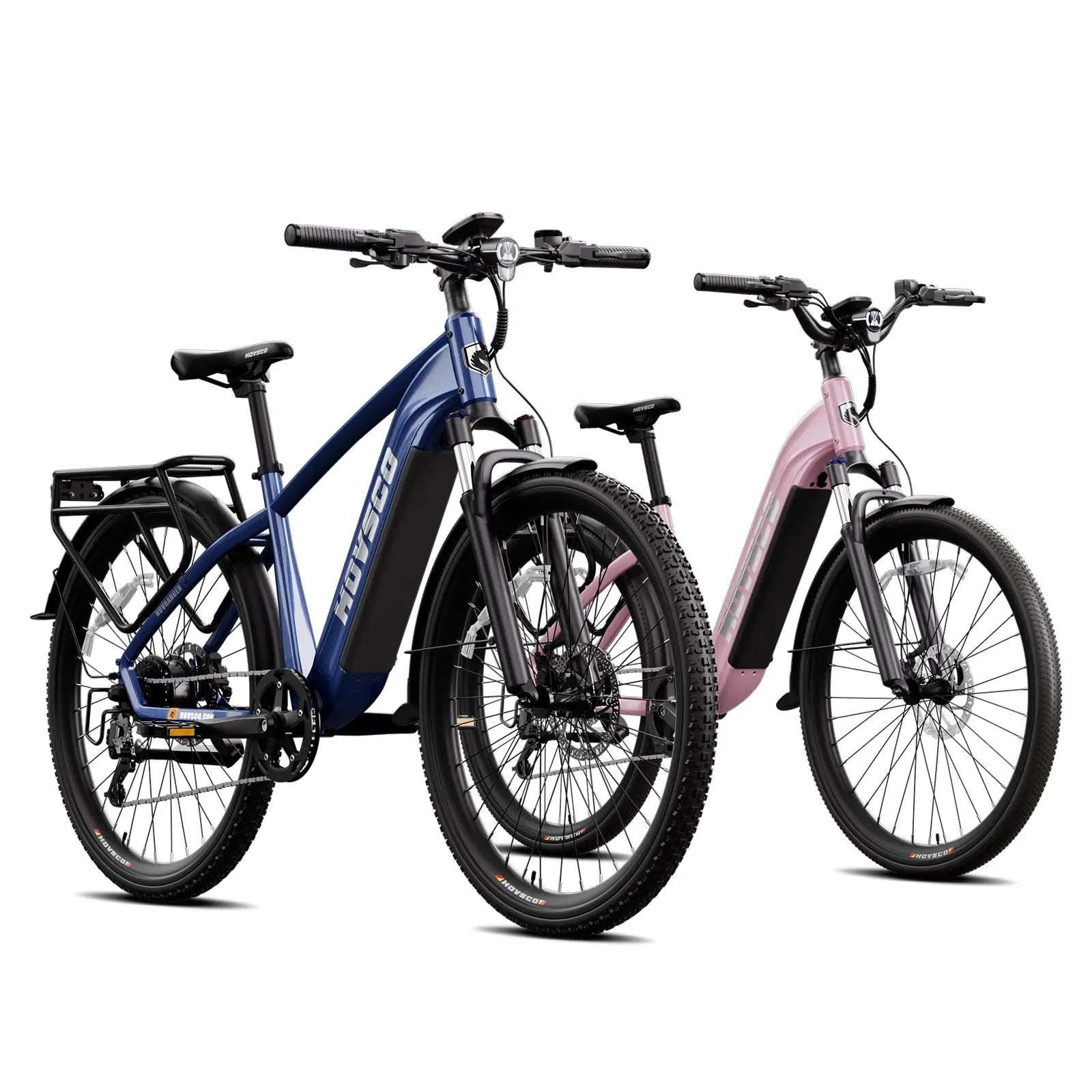
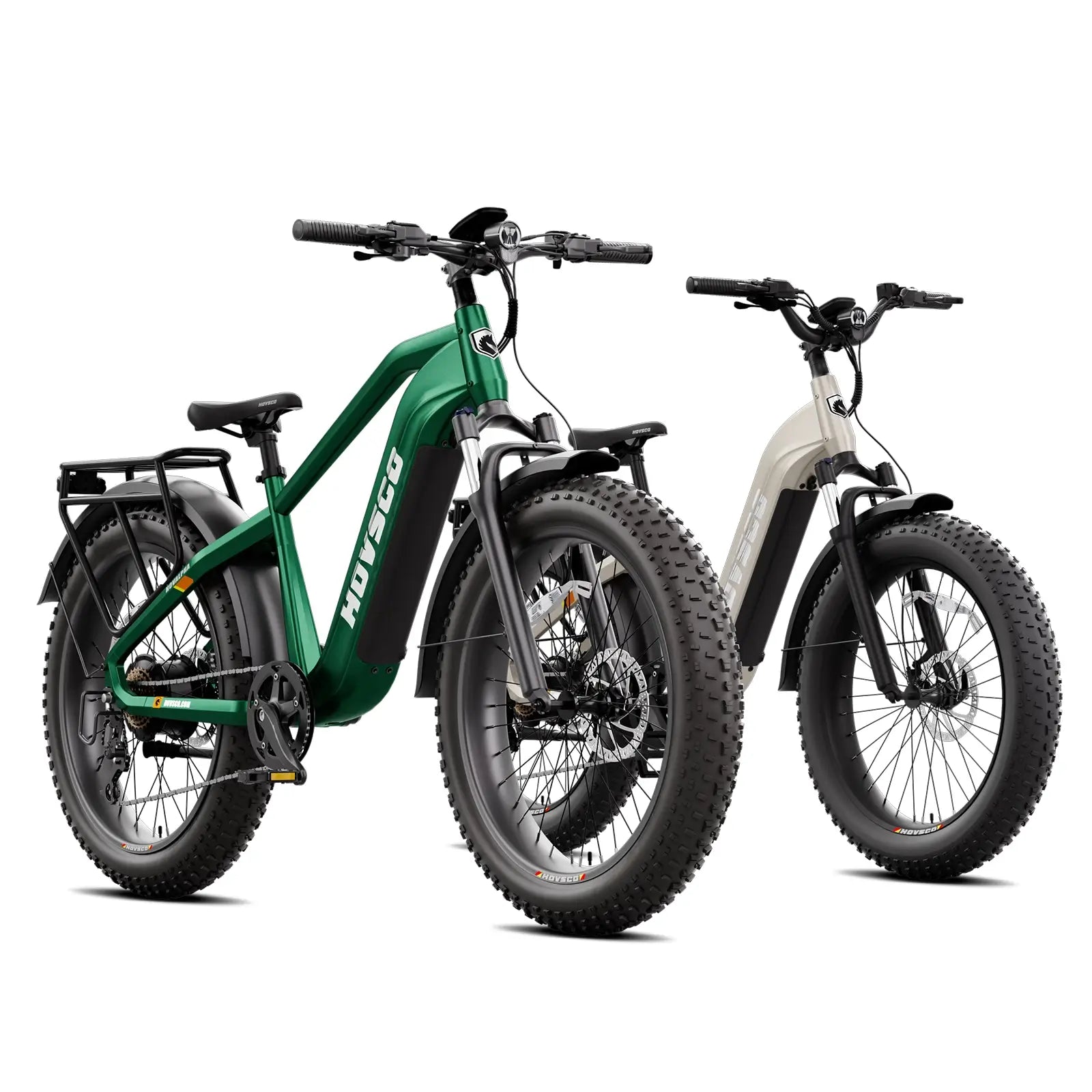
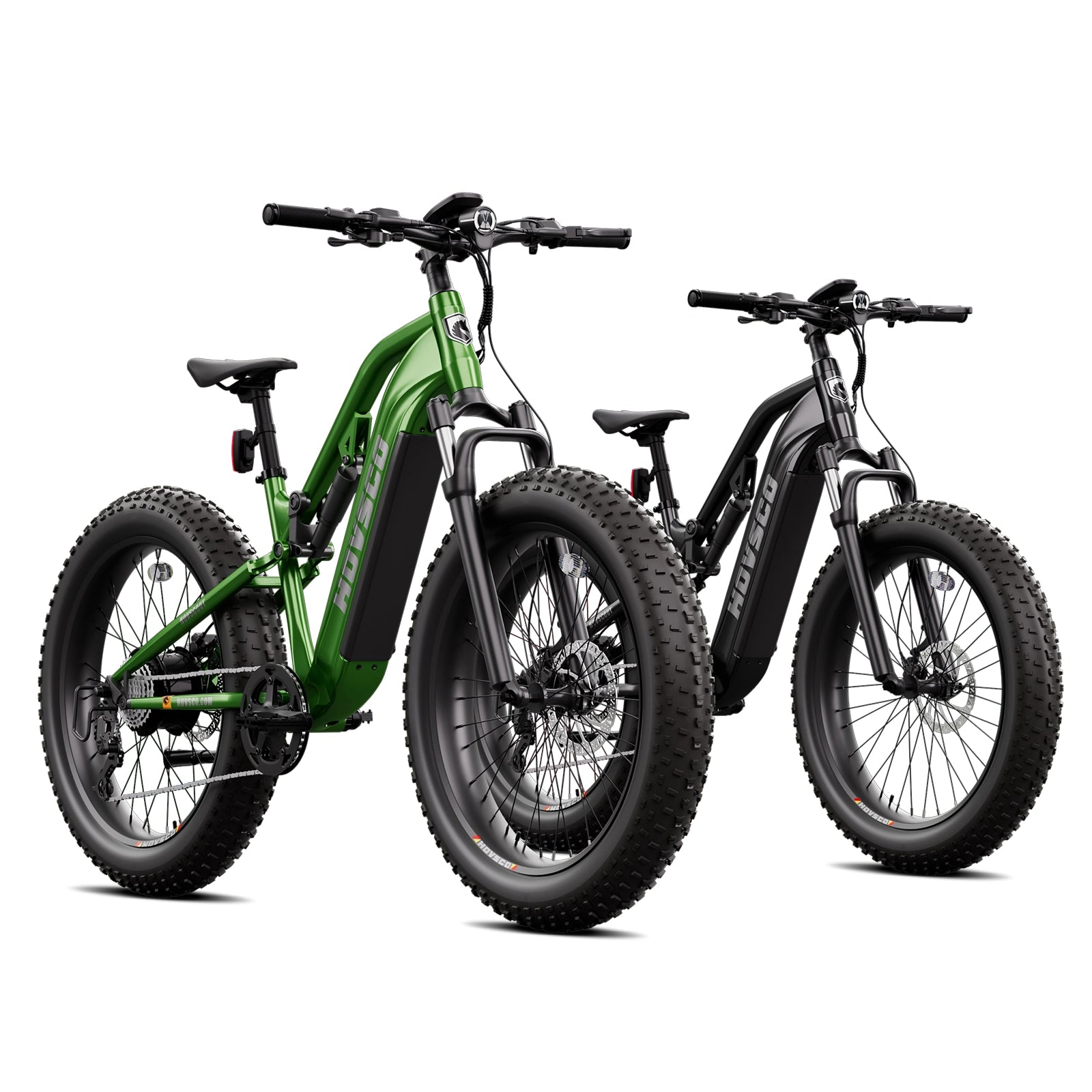
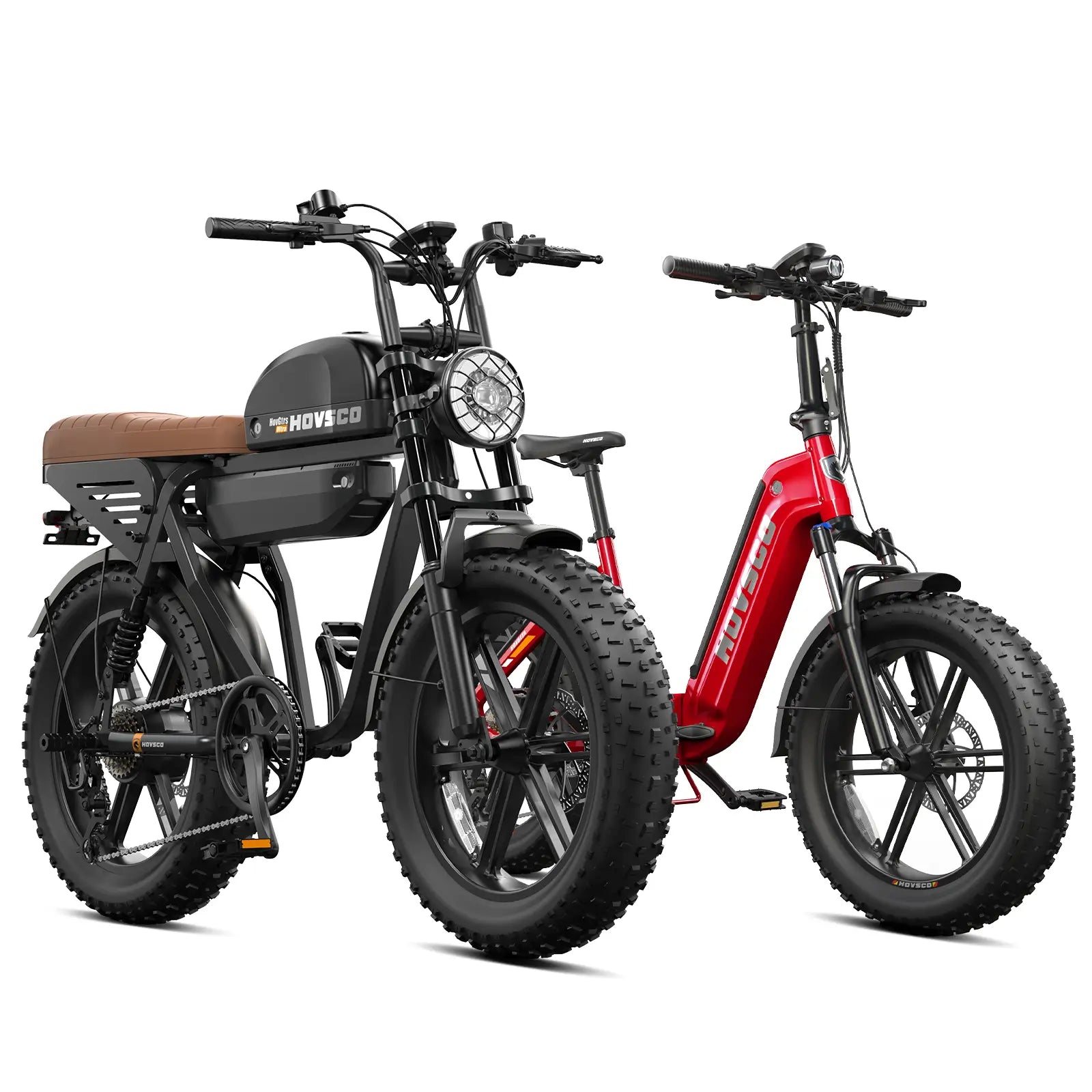
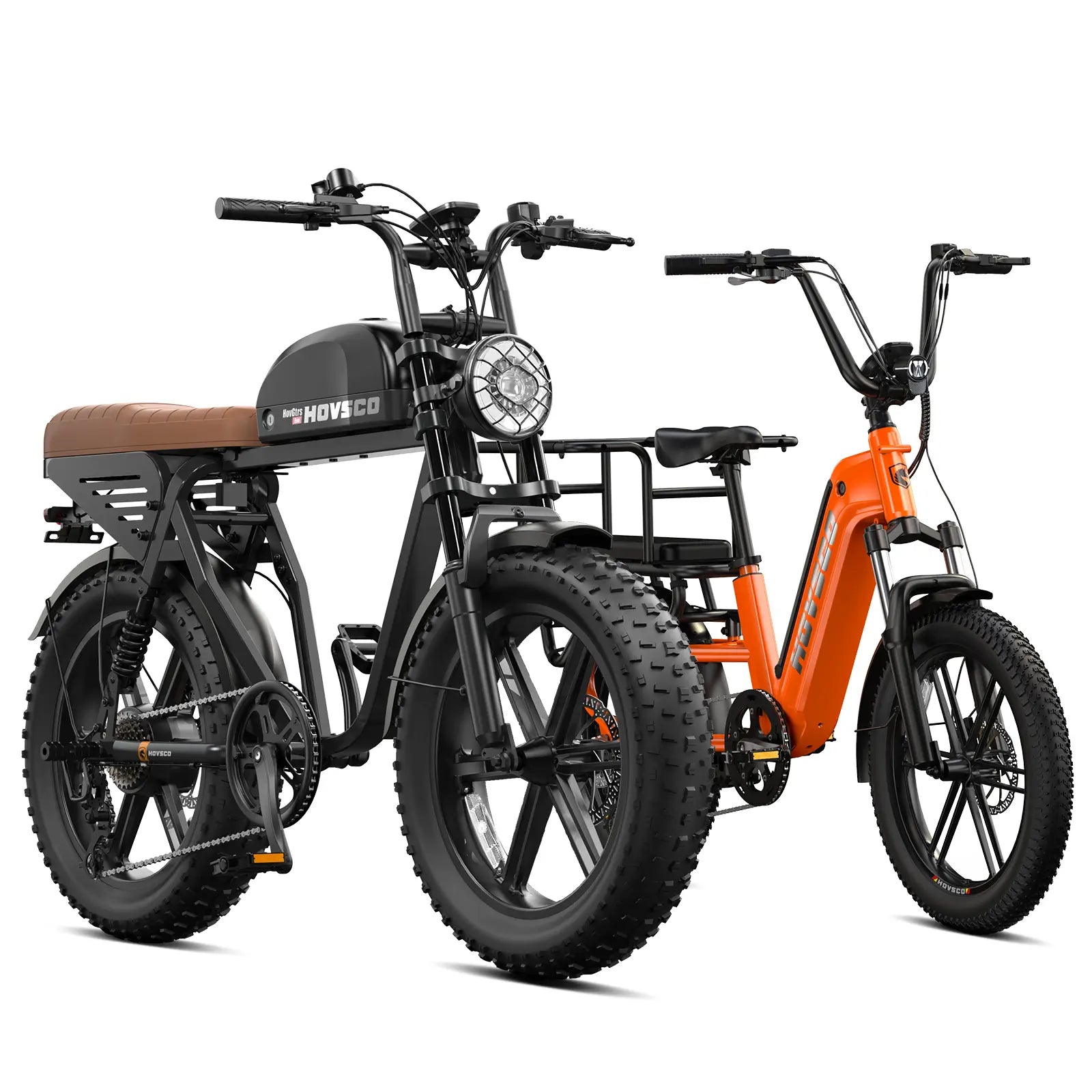
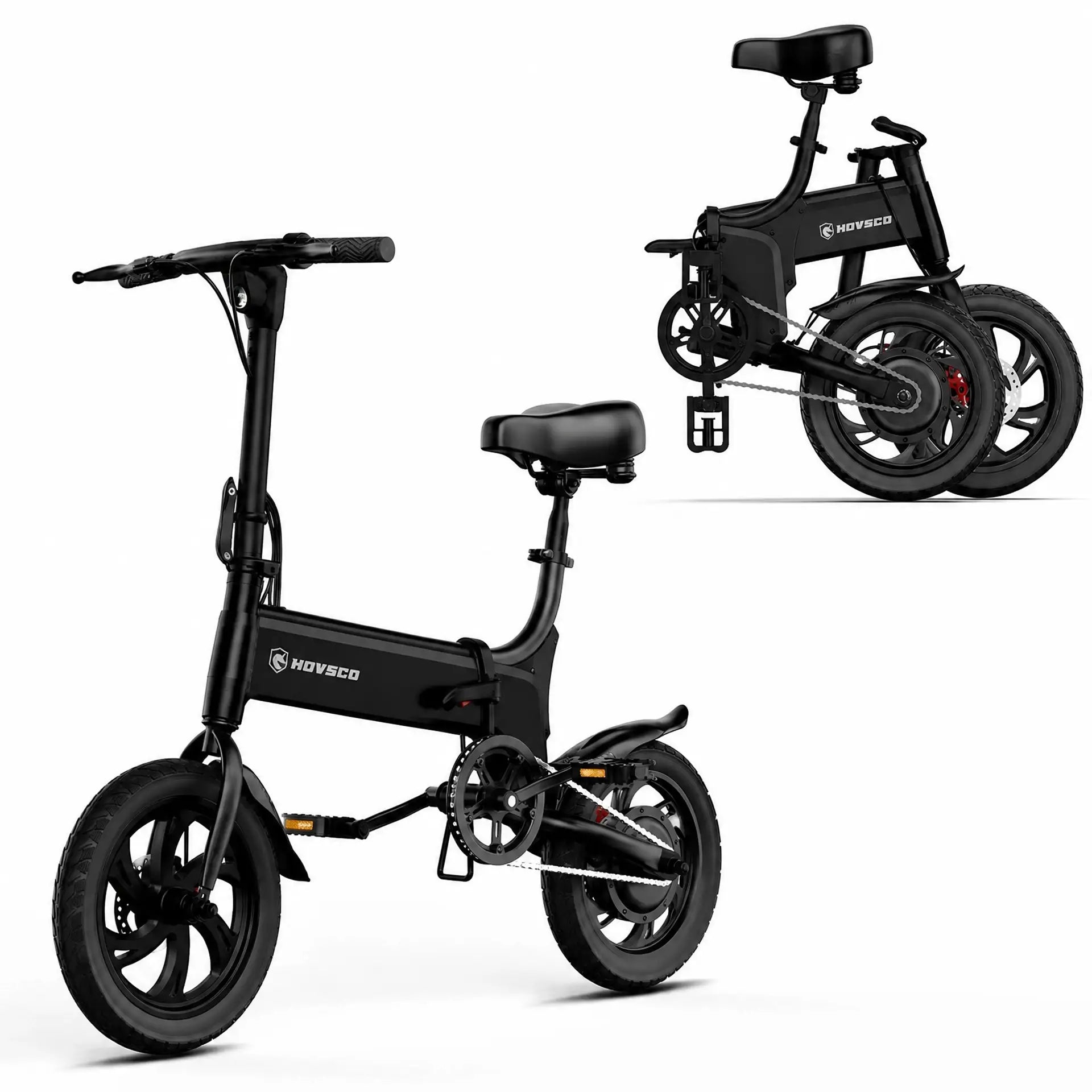
HOVSCO ebikes combine durable frames, smooth mid‑drive or rear‑drive motors, and thoughtful geometry that suits family use. Their designs often include strong rear racks, low step‑through frames, and comfortable upright riding positions that make it easy to add accessories for big‑kid passengers.
HOVSCO’s focus on safety, reliability, and long‑lasting components gives parents confidence that the bike can handle daily commutes and weekend adventures with children. Many HOVSCO ebikes are also styled to look modern and approachable, which appeals to both kids and adults sharing the same ride.
“Choosing an Ebike for Big Kids is about matching the bike’s design to the family’s lifestyle,” explains a HOVSCO product engineer. “Kids grow quickly, so we design frames and racks that can safely support temporary accessories like passenger handlebars, seat pads, and footpegs. When parents treat these bikes as a transition tool—from child seats to full‑size kids’ bikes—we help create a smoother, safer, and more enjoyable biking culture at home.”
It’s time to stop using Passenger Mode when your child is tall enough to ride their own bike comfortably or when the combined weight and balance make the ebike feel unsafe to handle. Many families start the shift when kids outgrow the seat pad or can no longer reach the footpegs without straining.
Watch for signs such as frequent wobbling, longer stopping distances, or the child expressing a desire to ride their own bike. These cues mean the next step is either a dedicated kids’ ebike or a standard bicycle, with the Ebike for Big Kids becoming a full‑adult rider again.
For an Ebike for Big Kids, essential accessories include a sturdy seat pad, properly sized footpegs, and passenger handlebars that install securely without interfering with the bike’s controls. Look for products with padded grips, non‑slip surfaces, and easy‑to‑clean materials so kids stay comfortable even on longer rides.
Additional helpful items are a rear‑mounted kids’ basket for small bags or helmets, a small flag or reflector for visibility, and a pannier or rack bag for parents’ belongings. When matching accessories to HOVSCO ebikes, choose options that integrate with the frame’s existing rack and mounting hardware.
An Ebike for Big Kids can act as a “training bridge” between child seats and independent riding. By experiencing the road, traffic, and basic biking rules as a passenger, kids learn about speed, balance, and awareness in a lower‑risk environment.
Parents can use these rides to talk about traffic signals, hand signals, and safe following distances. When kids are ready, the same ebike can help teach them how to pedal alongside, take turns, and eventually ride solo on their own bike, building confidence gradually.
Comfort is as important as safety because an uncomfortable child is more likely to fidget, stand up, or lose balance on an Ebike for Big Kids. Proper seat pads, well‑positioned footpegs, and passenger handlebars dramatically reduce fatigue on longer rides, especially on rougher urban roads.
When big kids feel secure and supported, they’re more likely to enjoy the ride, stay in place, and listen to safety instructions. A comfortable, calm passenger makes the bike easier and safer for the adult rider, turning every trip into a positive family‑biking memory.
When planning routes for big‑kid rides, prioritize low‑traffic streets, bike lanes, and family‑friendly paths that avoid steep hills or busy intersections. Choose roads you already know well so you can focus on your child’s behavior and the bike’s balance rather than navigation.
Consider shorter segments with rest stops at parks, cafes, or bike trails where kids can stretch their legs. Using an Ebike for Big Kids on these calm routes also builds children’s confidence over time, preparing them for the day when they ride their own bikes independently.
Check: carrying older kids on your Ebike for School Run
What age is right to use an Ebike for Big Kids?
Most families start using an Ebike for Big Kids between ages 6 and 1Verse, depending on the child’s height, weight, and comfort sitting still. Always stay within the bike’s weight and passenger guidelines and transfer to a dedicated kids’ bike as soon as they are ready.
Are passenger handlebars and footpegs safe for big kids?
Yes, when properly installed and used on the right ebike, passenger handlebars and footpegs are safe for big kids. They give children a stable place to hold and rest their feet, reducing the risk of falling or shifting the bike’s balance.
How long can a child sit on an Ebike for Big Kids?
A well‑equipped Ebike for Big Kids can comfortably carry a child for 20–40 minutes at a time, depending on terrain and the child’s age. For longer trips, plan short breaks and change positions so kids can stretch and re‑engage.
Can HOVSCO ebikes carry big‑kid passengers?
Many HOVSCO ebikes can safely carry big‑kid passengers when equipped with compatible racks, seat pads, and footpegs, as long as total weight stays within the bike’s rated limits. Always check the specific model’s guidelines and recommended accessories.
What should I do if my child feels scared on the ebike?
If your child feels scared, slow down, choose simpler routes, and let them ride closer to you at first. Short practice sessions, a helmet, and a small reward system can help them build confidence. If anxiety persists, pause passenger rides and focus on building their skills on a regular kids’ bike.
Share:
What Makes a Safe Ebike Battery for Families?
How can you pack for an overnight family ebike camping trip with kids?