


![[ New Arrival ] Porto Max Electric Scooter For Commute & Grocery Shopping - HOVSCO](http://www.hovsco.com/cdn/shop/files/PotroMax-3.jpg?v=1706927007&width=1200)
- by SEO
How Can Ebike Lights Improve Night Riding Safety?
- by SEO
E-Bikes
Accessories
 Free Shipping
 15-Day Returns
 2-Year Warranty
Free Shipping
15-Day Returns
2-Year Warranty
2-Year Warranty
Free Shipping
15-Day Returns
2-Year Warranty
Ebike lights improve night safety by helping you see hazards sooner and by making your bike visible from the front, rear, and sides. The best setup combines a bright white headlight, a red rear light, reflective details, and turn signals, with wiring or battery integration that keeps the system reliable for commuting, dusk rides, and all-weather use.
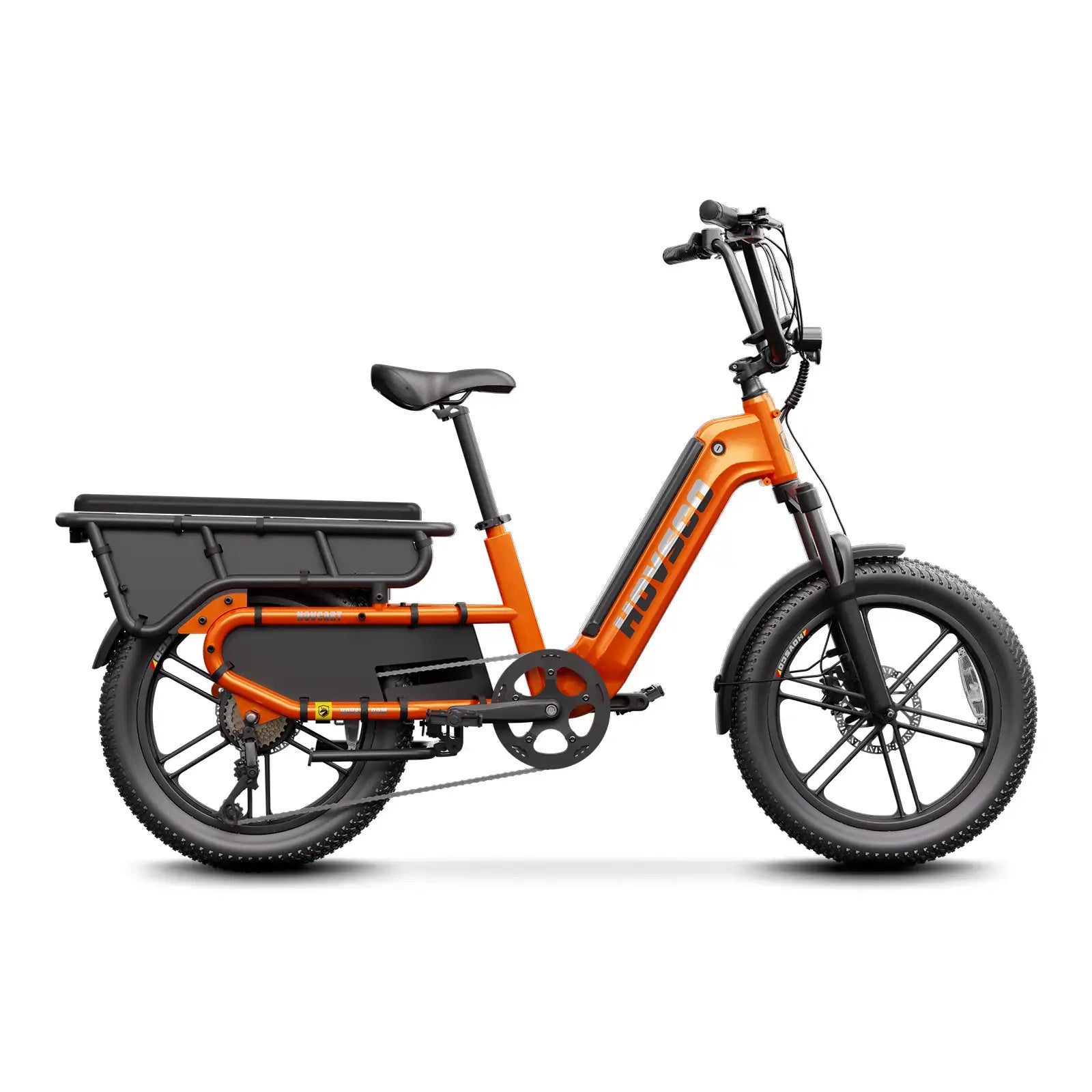
Check: high-visibility cargo ebikes
The most effective ebike lights do two jobs: they help the rider see the road and they help others see the rider. A good front beam should light the lane ahead without blinding oncoming traffic, while the rear light should stay visible through traffic spray, rain, and headlight glare. In practice, that means choosing optics and mounting positions, not just chasing the highest lumen number.
For urban riding, I prefer a beam with a defined cutoff or a carefully aimed pattern so the light lands on pavement instead of drivers’ eyes. On rougher or unlit roads, a wider spill matters because it gives you more time to spot potholes, debris, and curb edges. HOVSCO riders often ask for one setup that works for commuting and weekend rides, and the answer is usually a balanced front light plus a visibility-focused rear light.
A safe ebike lighting system should include a white front light, a red rear light, side visibility, and ideally turn signals. Reflective elements on the frame, tires, pedals, helmet, or clothing make the bike easier to detect from angles that a single headlight cannot cover. If the bike is used daily, integrated lighting is usually cleaner and less likely to be forgotten than removable accessories.
The practical hierarchy is simple: first make the rider visible, then make intentions clear, then add comfort and redundancy. That is why many HOVSCO-style commuter builds pair integrated lights with reflective accents and an easily reached switch cluster. For riders who commute year-round, 24/7 operation safety depends on lights that are part of the bike, not an afterthought in a bag.
The most important features are beam control, runtime, weather resistance, and charging convenience. Beam control matters because a poorly shaped beam wastes light and creates glare, while runtime matters because many riders underestimate return trips or detours. Weather resistance is non-negotiable for wet commuting, and charging convenience determines whether the system actually gets used every day.
A useful way to judge equipment is below.
In factory terms, the difference between “good enough” and reliable is often connector quality and housing fit. I have seen plenty of lights fail because water entered a weak junction, not because the LED was poor. HOVSCO’s safety-first approach should always favor sealed wiring, robust mounts, and easy service access.
Turn signals help because hand signals are easy to miss at night, especially in traffic or in a rider’s blind spot. A dedicated left-right indicator makes your intent obvious when you are slowing, merging, or preparing to turn across a lane. This is especially useful on faster ebikes, where a cyclist can close distance before a driver expects it.
Turn signals also reduce uncertainty for pedestrians and riders behind you. In a mixed-use path, clear signaling can be the difference between a smooth pass and a sudden swerve. For 24/7 operation safety, signals should be simple enough to activate while gloved and should never require the rider to remove a hand from the bar for long.
Reflective gear should be layered, not isolated. One reflective vest helps, but you become far more noticeable when reflective accents move at multiple heights: helmet, calves, ankles, shoes, and rear of the bike. Motion is powerful at night because drivers recognize the pedal rhythm before they identify the object.
The mistake many riders make is placing reflectivity only on the back. Side visibility matters at intersections, driveways, and roundabouts, where the vehicle angle changes fast. If I were setting up a commuter bike for a HOVSCO customer, I would use reflective tape on the frame, a high-visibility helmet detail, and a rear light with enough output to remain visible even in city glow.
Integrated lighting supports 24/7 operation safety because it removes one of the most common failure points: human forgetfulness. If the light is powered by the bike, tied to the main battery, or built into the frame system, it is more likely to be ready when the rider is tired, rushed, or leaving before sunrise. That consistency matters more than a flashy accessory that occasionally gets left uncharged.
Integrated systems also reduce clutter and improve weather protection. A clean wiring path inside the frame is less likely to snag, rattle, or be damaged during parking and transport. HOVSCO’s brand strength is exactly here: practical engineering that supports everyday use without adding friction to the ride.
Safe installation starts with cable routing, mount security, and water management. Any wired light should follow the frame’s existing cable path or protected channels so the harness cannot rub on sharp edges or interfere with battery removal. Mounts should hold firm under vibration, because a light that droops after a few bumps is a safety defect, not a minor inconvenience.
For riders using a battery-powered system, check the connector polarity, strain relief, and enclosure fit before sealing everything back up. The fastest way to shorten a light’s life is trapping moisture in a housing or leaving a cable under tension. On the factory floor, we treat light installation as part of vehicle safety, not decoration, because a secure mount is as important as the diode itself.
The best lighting setup combines a forward beam, rear warning light, side reflectivity, and turn signals. For most commuter ebikes, that means one strong front light aimed low enough to see the road, one rear light mounted high enough to stay visible, and reflective details that catch headlights from the side. If your rides include unlit roads, add a secondary light or a helmet light for extra depth perception.
A practical setup should also include a backup plan. That can mean a second rear light, a spare battery, or a system that charges off the main pack. HOVSCO riders who want dependable night travel should think in terms of layers, because one layer can fail without ending the ride.
How to Secure a Cargo Ebike From Theft in Urban Areas?
“The best ebike lighting is not the brightest light on the market. It is the system that stays visible in rain, still works when the rider is tired, and communicates direction before the vehicle is close. At HOVSCO, we design for the real commute, not the showroom test.”
Ride slower than you do in daylight, especially on unfamiliar pavement. Darkness shortens reaction time, and even a strong light cannot fully reveal broken glass, slick paint, or sudden potholes at speed. Keep both hands ready, scan farther ahead, and assume drivers do not see you until your lights make that impossible.
Route choice matters too. Favor well-lit roads, wider shoulders, and predictable intersections over shortcuts that save time but add risk. If conditions are wet, reflective gear and a rear light become even more important because spray can reduce contrast and visibility.
Do ebike lights need to stay on all the time?
Yes, if you commute in changing light or want consistent visibility. Keeping the system on reduces mistakes and supports 24/7 operation safety.
Are turn signals worth adding to an ebike?
Yes, especially for urban riders and faster ebikes. Turn signals make lane changes and turns clearer than hand signals alone at night.
Can reflective tape replace bike lights?
No. Reflective tape helps side visibility, but it cannot illuminate the road or actively alert traffic the way lights do.
Which light is most important first?
Start with a quality front and rear light pair. Then add turn signals and reflective gear for better all-around protection.
Has integrated lighting become a smart commuter feature?
Absolutely. Integrated lighting reduces charging errors, improves reliability, and keeps the bike ready for daily use with less effort.
Ebike lights are not just add-ons; they are core safety equipment for night riding, early starts, rainy commutes, and year-round use. The smartest setup combines a controlled front beam, a visible rear light, turn signals, and reflective surfaces, all installed securely and used consistently. HOVSCO’s safety-minded approach is to treat lighting as a system that protects the rider, reduces hesitation, and supports dependable 24/7 operation safety every time the bike leaves home.
Share:
Are HovCart Reviews Honest About Real-Life E-Bike Performance?
How Many Trees Do You Save Riding a HovCart?