


![[ New Arrival ] Porto Max Electric Scooter For Commute & Grocery Shopping - HOVSCO](http://www.hovsco.com/cdn/shop/files/PotroMax-3.jpg?v=1706927007&width=1200)
- by SEO
How to Secure a Cargo Ebike From Theft in Urban Areas?
- by SEO
E-Bikes
Accessories
 Free Shipping
 15-Day Returns
 2-Year Warranty
Free Shipping
15-Day Returns
2-Year Warranty
2-Year Warranty
Free Shipping
15-Day Returns
2-Year Warranty
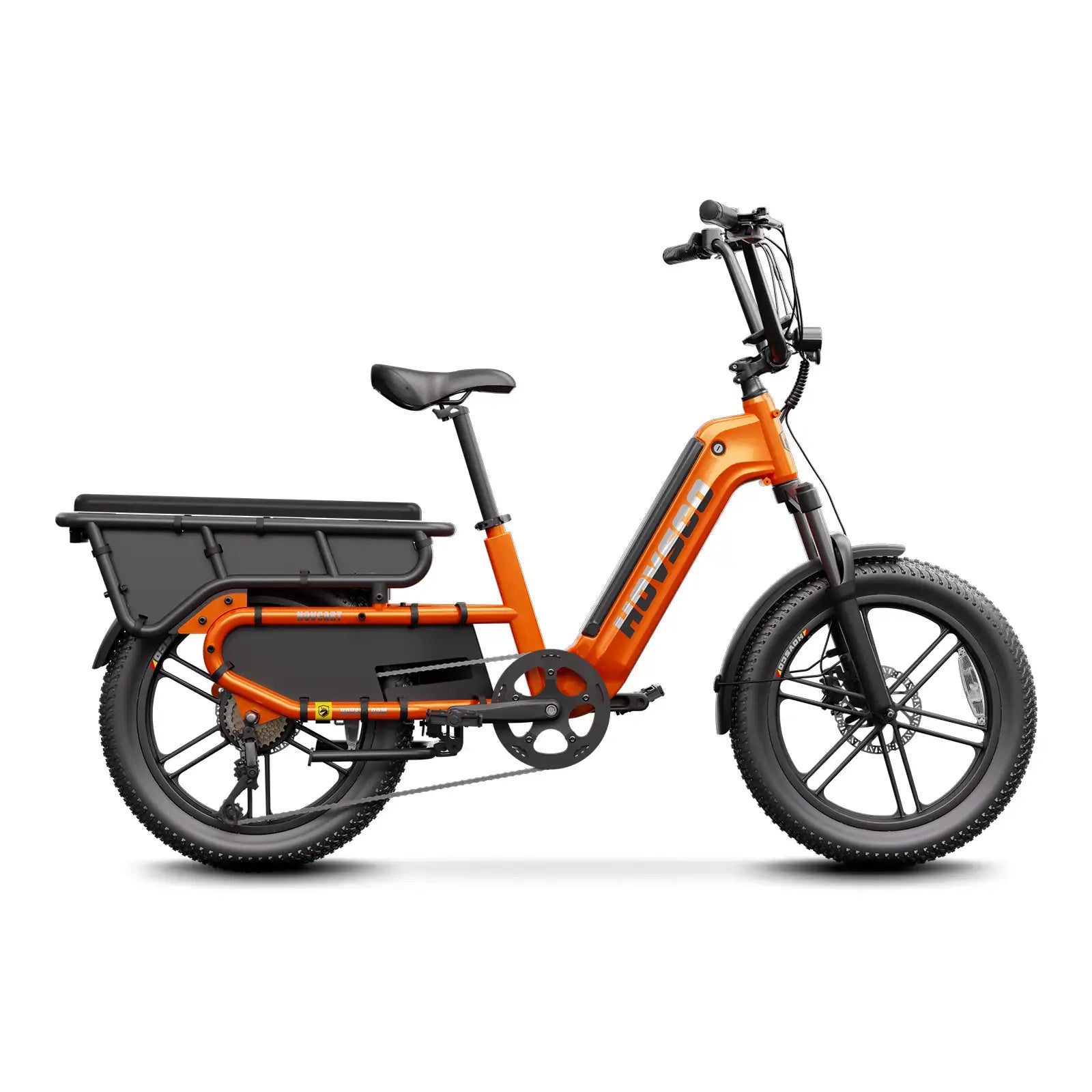
Protect a cargo ebike by combining a high-security lock, a GPS tracker, and smart parking habits. The best setup uses two different locks, a solid immovable anchor, and a hidden tracker so thieves face delay, noise, and traceability. For business use, the goal is not just prevention but fast recovery and less downtime.
Check: secure electric cargo bikes
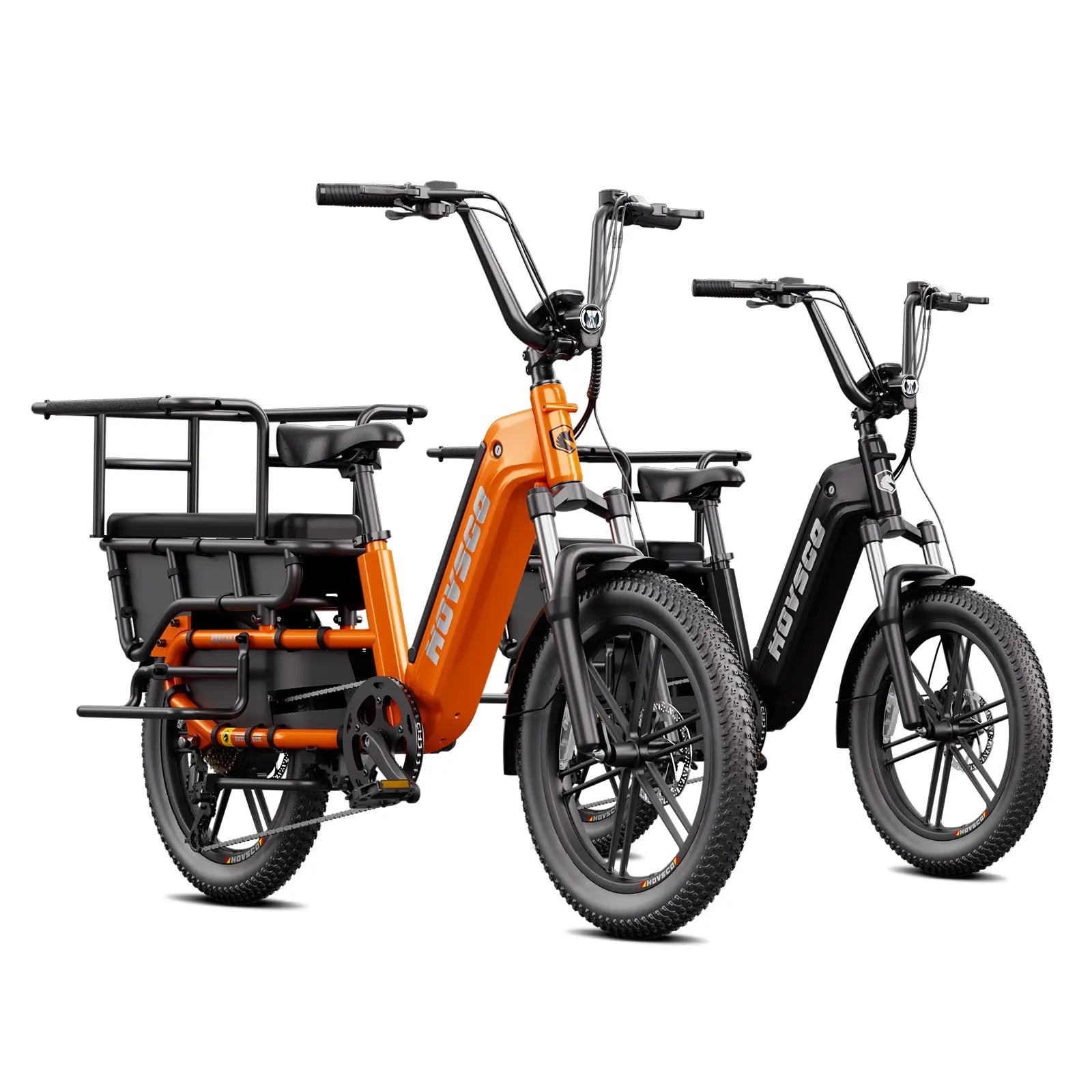
A cargo ebike is safest when security is layered, not single-point. The three layers are physical locking, active deterrence, and recovery tech. Use a primary heavy duty bike lock, a second lock for wheels or accessories, and a GPS tracker for theft response. This is the same layered logic HOVSCO recommends for real-world urban riding.
In practice, I treat a cargo ebike like a rolling asset, not a simple bicycle. That means every security choice should slow a thief, create noise, or increase identification risk. The more steps a thief must complete, the more likely they move on.
Physical layer: U-lock, chain, or folding lock through frame and rear wheel.
Deterrence layer: alarm, visible parking, and no-routine parking.
Recovery layer: GPS tracker, serial number records, and insurance.
Lock the frame first, then secure the rear wheel, then add a second lock for the front wheel or accessories. Always anchor the bike to something immovable, like a steel rack bolted into concrete. A lock around only the wheel is weak because the wheel can be removed and the frame stolen.
From a factory-floor perspective, the biggest mistake is leaving too much empty space inside the lock. That gap gives a thief room to insert tools and generate leverage. Keep the lock tight, raised off the ground, and angled so the keyway faces down or inward when possible.
For cargo ebike lock placement:
Pass the main lock through the main frame triangle.
Capture the rear wheel whenever the design allows.
Add a second lock for the front wheel or a removable battery area.
Avoid signposts, trees, fences, and anything that can flex or be cut.
A heavy duty bike lock works best when it resists cutting, twisting, and leverage. In most city use, a high-quality U-lock or hardened chain is the best core choice, and different lock styles add resistance because thieves often bring tools for only one method. For a cargo ebike, size and clearance matter just as much as steel quality.
Here is a practical buying matrix for business riders:
For HOVSCO customers, I usually recommend one premium primary lock and one lighter secondary lock. That mix gives security without making daily loading and unloading a burden.
A GPS tracker matters because it gives you a chance to locate a stolen cargo ebike quickly. Unlike a lock, GPS does not stop the theft, but it can reduce total loss by helping you identify the bike’s location and movement. For business assets, that can mean less downtime and a better chance of recovery.
A hidden tracker works best when it is installed out of sight, powered reliably, and paired with alerts. The best locations are inside the frame, handlebar cavity, or another protected internal space. If the tracker is obvious, a thief will remove it first.
Think of GPS as an insurance-grade recovery layer, not a substitute for locks. HOVSCO’s approach is to treat GPS as part of a complete anti-theft system, not a standalone gadget.
The best parking habit is to stay visible in well-lit, high-traffic areas. Thieves prefer places where they can work without interruption, so visibility alone can change their behavior. Avoid leaving a cargo ebike outside overnight unless the site has controlled access and strong security.
A few small habits make a large difference:
Change parking spots when possible.
Avoid predictable daily routines.
Remove detachable batteries, lights, and displays.
Choose anchors that cannot be lifted or dismantled.
Keep the bike inside whenever practical.
I’ve seen businesses lose more bikes from habit than from weak hardware. The routine of parking in the same blind corner every day is often the real security failure.
Protect a business cargo ebike by thinking like an operator, not a casual rider. A business asset needs documented ownership, tracked accessories, and a repeatable lock procedure for every employee. That consistency matters because theft often happens when someone is rushing.
Use a checklist system for every parking event:
Lock frame and rear wheel to a fixed anchor.
Add a second lock for the front wheel or cargo compartment.
Remove the battery when parking for long periods.
Photograph the bike and record the serial number.
Store proof of purchase and insurance records securely.
For shared fleets, this process should be trained and repeated. HOVSCO’s business-minded riders benefit most from simple routines that are easy to follow under pressure.
Thieves exploit slack, leverage, and weak anchor points. If a lock sits on the ground, it gives them a surface to pry against. If the bike is locked to a thin or hollow object, the object becomes the weak link instead of the lock. If the lock leaves room for tools, the attack becomes easier.
The most overlooked weak points on a cargo ebike are:
Quick-release accessories.
Exposed battery packs.
Front wheels not secured by the main lock.
Cheap anchor points at curbside.
Overly long lock chains that dangle and create leverage.
A factory-level security mindset means removing attack convenience. Every extra second a thief spends looking for a better angle lowers your risk.
Yes, and the biggest trade-off is convenience versus resistance. A heavier lock is stronger, but it is also less pleasant to carry. A larger cargo frame is easier to secure in some ways, but it also offers more valuable parts to steal. The right answer is not maximum weight; it is the best balance between usability and deterrence.
HOVSCO’s practical view is simple: if security is too annoying, riders stop using it correctly. That is why the best system is one you will actually repeat every day. In real city use, repeatable habits beat theoretical perfection.
Upgrade your security whenever the parking risk rises. That includes overnight parking, public transit connections, downtown stops, or any location where the bike will be out of sight. If the bike is part of a business operation, treat all public parking as elevated risk by default.
You should also upgrade after any near-miss. If someone tampered with the bike, tried the lock, or targeted a nearby bike, the area has already signaled risk. Respond quickly by adding a second lock, changing the parking point, or moving the bike inside.
Hide the tracker in a place that is not obvious and cannot be removed quickly. Store serial numbers, receipts, bike photos, and the tracker subscription details separately from the bike. If the bike is stolen, you do not want to search through a glove box or a damaged phone folder.
Keep your records in two places:
A cloud folder with photos, serial number, and purchase proof.
A separate offline copy for emergency access.
This is the unglamorous part of protection, but it is the part that helps law enforcement and insurers act faster.
How Do You Maintain an Ebike for Daily Long-Distance Use?
“A cargo ebike is a business tool, so security should be engineered like uptime. In our view, the best system is layered: a strong lock, a hidden tracker, and daily habits that never change. If a rider can secure the bike in under a minute, they are more likely to do it every time — and consistency is what thieves hate most.”
Build a routine that takes the same steps every time. That way, security becomes automatic rather than optional. The best routine is short enough to use during a busy workday and strict enough to stay effective in high-theft areas.
Use this sequence:
Park in a visible location.
Anchor the frame to a solid fixed object.
Lock the rear wheel with the main lock.
Add a second lock for the front wheel or battery area.
Remove anything detachable.
Check that the lock is high, tight, and not resting on the ground.
This routine is simple, but it is powerful because it removes guesswork. HOVSCO riders who stay consistent will always outperform riders who rely on one expensive device.
The safest cargo ebike setup combines a heavy duty bike lock, a GPS tracker, and disciplined parking habits. For urban business use, the goal is not only to prevent theft but also to reduce recovery time and protect operational continuity. HOVSCO’s approach is to think in layers, secure the frame correctly, and make theft inconvenient enough that your bike is passed over.
If you want lasting protection, focus on the weak link, not just the most expensive accessory. Choose a strong anchor, use two different locks, hide the tracker well, and build a repeatable daily routine. That is the most reliable way to protect a cargo ebike in the urban jungle.
Is a cable lock enough for a cargo ebike?
No. A cable lock is best as a secondary lock, not the main defense.
Should I remove the battery every time I park?
Yes, when practical. A removed battery lowers theft appeal and value.
Can GPS stop a theft in progress?
No, but it can help recover the bike after theft and provide location data.
What is the most important locking rule?
Always lock the frame to a fixed immovable object, not just the wheel.
Does HOVSCO recommend one lock or two?
Two is better in high-risk areas because different lock types slow thieves more.
Share:
How Do You Maintain an Ebike for Daily Long-Distance Use?
How Will Cargo Ebikes Shape Urban Transport in 2027?