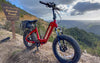
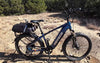
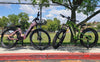
When riding in the summer, it’s essential to prioritize hydration, sun protection, proper gear, and safety awareness to enjoy comfortable and safe cycling. Adjusting your pace, planning rest stops, and following traffic rules also help prevent heat-related issues and accidents, ensuring a pleasant summer riding experience.

How Should You Stay Hydrated During Summer Rides?

Hydration is critical in summer cycling to prevent dehydration and heat exhaustion. Drink water consistently before and during rides, aiming for at least 500–750 ml per hour. Use electrolyte drinks to replenish sodium, potassium, and magnesium lost through sweat. Carry water bottles or hydration packs that are easy to access while riding.

What Sun Protection Measures Are Necessary for Summer Cycling?

Apply high-SPF sunscreen generously on all exposed skin, including ears, neck, and hands, at least 15 minutes before riding. Wear lightweight, breathable, and UPF-rated clothing to shield skin from UV rays. Accessories such as caps with visors, sunglasses with UV protection, and lightweight arm sleeves further protect against sun damage.

Which Clothing and Gear Are Best for Summer Riding?

Choose loose-fitting, moisture-wicking fabrics that allow sweat evaporation and keep you cool. Bright or reflective clothing enhances visibility to motorists. Gloves improve grip, especially when perspiring. A well-fitted helmet with ventilation is vital for safety and comfort. Consider lightweight eyewear to protect eyes from sun and insects.

How Can You Adjust Your Riding Pace and Route to Summer Conditions?

Ride during cooler parts of the day, such as early morning or late afternoon, to avoid peak sun intensity between 11 a.m. and 3 p.m. Plan routes with shaded areas and water refill points. Slow your pace to conserve energy and reduce heat buildup, especially on hot or humid days.

Chart: Summer Riding Tips and Their Benefits

Tip Benefit Practical Advice
Hydrate regularly Prevents dehydration Use water and electrolyte drinks
Use sun protection Reduces UV damage Apply sunscreen, wear UPF clothing
Wear breathable gear Enhances comfort and cooling Choose moisture-wicking fabrics
Adjust riding time Avoids peak heat Ride early morning or evening
Plan shaded routes Provides cooling breaks Map out parks or tree-lined paths


Why Is Following Traffic Rules and Safety Practices Crucial in Summer?

Summer sees increased bicycle traffic and distracted drivers, so obeying traffic laws, signaling turns, and staying alert are vital. Avoid riding on sidewalks where prohibited, maintain safe distances from vehicles, and use bike mirrors if possible. Wearing reflective gear and using lights increase visibility during early mornings or late evenings.

Watch for dizziness, headache, nausea, confusion, rapid heartbeat, or lack of sweating. If symptoms occur, stop riding immediately, find shade, and hydrate. Use cool compresses or wet cloths to lower body temperature. Seek medical attention if symptoms worsen, as heat stroke is a medical emergency.

Purchasing Advice

For summer riding, invest in breathable, UV-protective cycling apparel and a quality helmet with ventilation. Hydration systems like Camelbak packs or insulated water bottles are essential. Brands like HOVSCO design e-bikes with integrated lights and ergonomic features for comfort and safety. Choose e-bikes with adjustable pedal-assist to manage exertion in heat and ensure reliable brakes for safe stops.

HOVSCO Expert Views

“Summer cycling demands thoughtful preparation to balance enjoyment and safety,” notes a HOVSCO product engineer. “Our e-bikes incorporate features like responsive pedal-assist and integrated lighting to enhance rider comfort and visibility. We encourage riders to prioritize hydration, sun protection, and pacing to fully embrace summer rides while minimizing risks associated with heat and traffic.”

FAQ

Q: How much water should I drink while cycling in summer?
A: Aim for 500–750 ml per hour, supplemented with electrolyte drinks to replace lost minerals.

Q: What clothing is best for hot weather cycling?
A: Lightweight, loose, moisture-wicking, and UPF-rated fabrics protect from sun and heat.

Q: When is the safest time to ride in summer?
A: Early mornings or late afternoons avoid peak sun and heat.

Q: How can I recognize heat exhaustion while riding?
A: Symptoms include dizziness, headache, nausea, and confusion; stop and hydrate immediately.

Q: Should I adjust my e-bike settings for summer rides?
A: Yes, lower pedal-assist levels to avoid overheating and conserve battery while staying comfortable.


When riding in summer, protect yourself from heat and sun exposure. Use light, breathable gear, hydrate frequently, and avoid riding during peak heat hours. Monitor your bike’s performance, especially tires and fluids, as high temperatures can affect their integrity.

Summertime is always a great time for riding motorcycles. The weather is usually beautiful, and there's nothing quite like the feeling of wind in your hair. However, it's important to be aware of the dangers that come with riding in extreme heat. In this blog post, we will discuss what you should pay attention to before and after riding in the summer heat. Stay safe out there!

Why It's Important To Be Aware Of The Dangers Of Riding In Extreme Heat:

Riding in extreme heat can cause dehydration, heat exhaustion, or even heatstroke. These conditions impair judgment and reaction time, increasing accident risk. Heat also affects tire pressure and engine performance, making regular checks critical for safe summer riding.

Riding a bike is a great way to stay active, but it's important to be aware of the dangers of riding in extreme heat. When the temperature rises, your body has to work harder to stay cool. You can become dehydrated quickly, and you're at risk for heat-related illnesses like heat stroke. In extreme cases, these illnesses can be deadly. You can take some simple steps to stay safe when riding in hot weather. Drink plenty of fluids, dress in light-colored clothing, and take breaks often to cool down. By being aware of the risks and taking precautions, you can enjoy a safe and healthy bike ride even on the hottest days.

What To Pay Attention To Before Riding:

Before riding in summer, check tire pressure, chain lubrication, and fluid levels. Ensure all safety gear is in good condition and dress appropriately for ventilation and UV protection. A quick pre-ride inspection helps avoid mechanical issues on the road.

Before hopping on a bike, it's important to take a moment to check that everything is in working order. First, look at the tires to ensure they're properly inflated, and there are no flat spots or bulges. Next, spin the pedals to see if they're moving smoothly and check the chain to see if it's lubricated. Finally, give the brakes a quick test to ensure they respond properly. By taking a few minutes to perform a basic safety check, you can help avoid a potential accident and make sure your ride is as smooth as possible. So next time you're getting ready to ride, remember to Stop, Check, and Go!

Checking Your Motorcycle: Tires, Chain, Etc.

Inspect your motorcycle’s tires for wear and correct pressure, especially in heat. Check the chain for proper tension and lubrication, and confirm that oil and coolant levels are within recommended ranges. This ensures smooth and safe operation in hot conditions.

Before hitting the road on your motorcycle, it's important to do a safety check to ensure that everything is in working order. This includes checking the condition of your tires, chain, and brakes. Your tires are the only part of your motorcycle that comes into contact with the road, so it's important to make sure they have proper tread and are inflated to the correct pressure. A loose or damaged chain can cause problems with shifting gears and may even come off entirely, so it's important to check that it is properly adjusted. Finally, your brakes are crucial for stopping safely, so be sure to test them before heading out. By taking the time to do a safety check, you can help ensure a smooth and enjoyable ride. And in this situation, heatwaves are just waiting for you to prey, and you might face the worst conditions, so don't avoid the basic check!

Staying Hydrated And Wearing Proper Clothing.

Hydration is essential when riding in the heat. Drink water before, during, and after your ride. Wear light-colored, moisture-wicking clothes with proper ventilation and UV protection to stay cool and prevent sunburn or overheating.

When embarking on a road trip, there are two key things to remember to stay comfortable for the long ride ahead: staying hydrated and wearing proper clothing. Drinking plenty of fluids, especially water, is important to avoid dehydration. Coffee and soda may give you a temporary energy boost, but they will only make you more tired in the long run. It's also important to dress appropriately for the weather and your surroundings. If you're riding through desert terrain, wear light, airy clothing and sunscreen to protect yourself from the sun. And if you're riding through colder climates, dress in layers so that you can adjust your clothing as the temperature changes. By following these simple tips, you can ensure a comfortable and enjoyable road trip for everyone involved.

What To Pay Attention To After Riding: 

After a summer ride, park in the shade and let your bike cool down before touching engine components. Rehydrate, remove gear to cool off gradually, and check yourself for signs of heat-related fatigue or discomfort.

After a long day of riding in the hot sun, paying attention to your body and ensuring you're staying safe from heat exhaustion is important. There are a few things to look out for: first, watch for signs of dehydration, including thirst, dry skin, and fatigue. If you start to feel any of these symptoms, stop riding and drink plenty of fluids. Secondly, monitor your body temperature. If it starts to rise, remove any excess clothing and try to cool down in a shady spot. Finally, pay attention to your pulse. If it starts to race or feel irregular, stop riding and seek medical help immediately. By being aware of these signs, you can make sure you stay safe while enjoying the summer weather.

Checking For Heat Exhaustion: Symptoms And Treatment.

Heat exhaustion symptoms include dizziness, fatigue, nausea, and excessive sweating. Stop riding immediately, hydrate, and find a cool place to rest. If symptoms persist or worsen, seek medical attention to prevent progression to heatstroke.

Heat exhaustion is a common condition that can occur when you are exposed to high temperatures, especially if you are not used to the heat. Symptoms of heat exhaustion include heavy sweating, feeling faint or dizzy, nausea, and muscle cramps. If you think you might be suffering from heat exhaustion, it is important to remove yourself from the heat and cool down immediately. Drink plenty of fluids, such as water or sports drinks, and take a cool shower or bath. You should also lie down in a cool, shady area and elevate your feet. Once your body temperature has cooled down, you should start to feel better. However, if your symptoms persist or worsen, it is important to seek medical attention as heat exhaustion can lead to more serious conditions such as heat stroke.

Conclusion:

Riding in the summer can be a great experience, but taking precautions is important to avoid heat exhaustion. Be sure to stay hydrated and dress appropriately for the weather. And if you start to feel any symptoms of heat exhaustion, remove yourself from the heat immediately and seek medical help if necessary. By following these simple tips, you can enjoy a safe and fun summer of riding. Thanks for reading!
Leave a comment

Please note, comments need to be approved before they are published.

This site is protected by hCaptcha and the hCaptcha Privacy Policy and Terms of Service apply.

Latest Stories

This section doesn’t currently include any content. Add content to this section using the sidebar.