


![[ New Arrival ] Porto Max Electric Scooter For Commute & Grocery Shopping - HOVSCO](http://www.hovsco.com/cdn/shop/files/PotroMax-3.jpg?v=1706927007&width=1200)
- by EO S
Which Vintage E-Bike Models Got Major Updates in Late 2025?
- by EO S
E-Bikes
Accessories
 Free Shipping
 15-Day Returns
 2-Year Warranty
Free Shipping
15-Day Returns
2-Year Warranty
2-Year Warranty
Free Shipping
15-Day Returns
2-Year Warranty
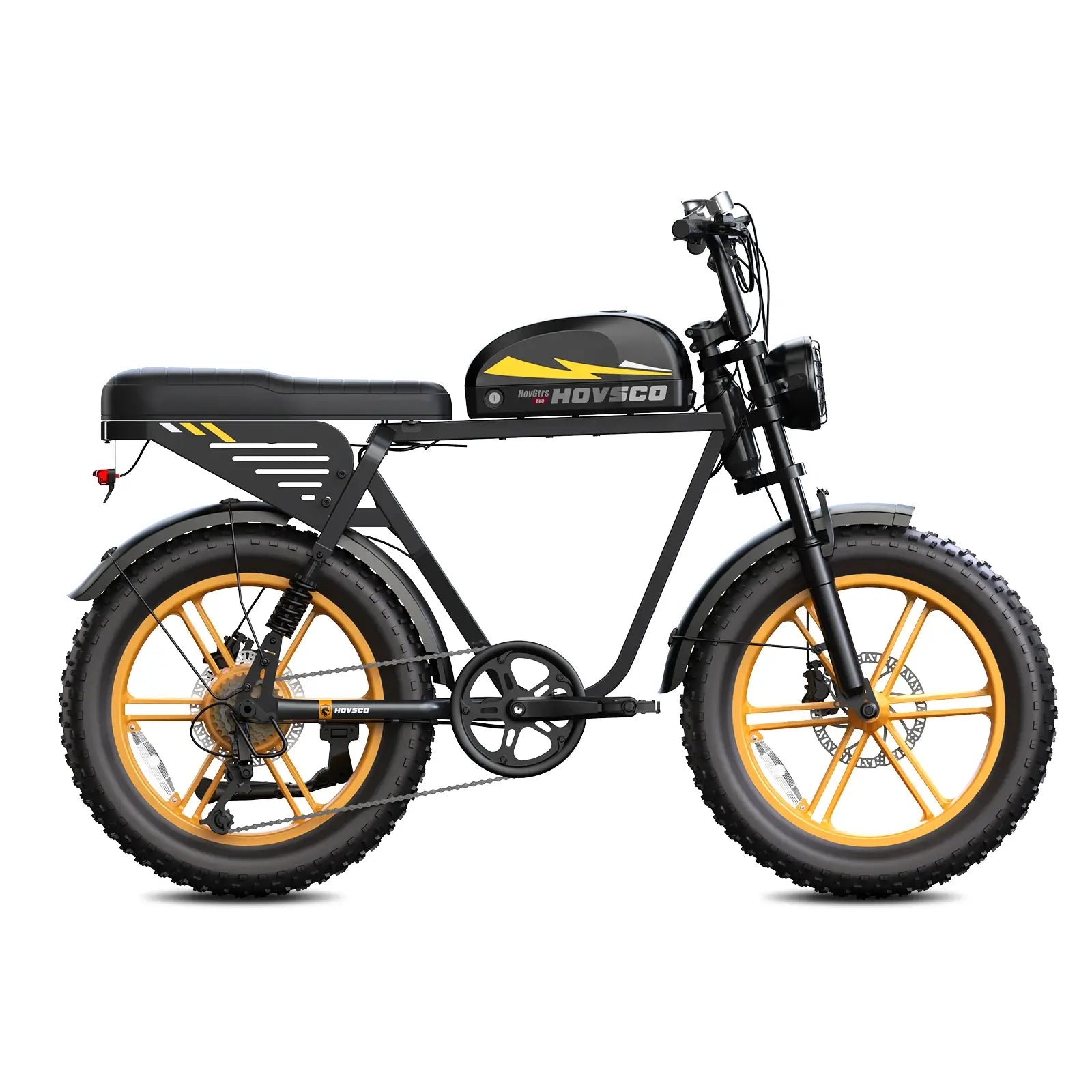
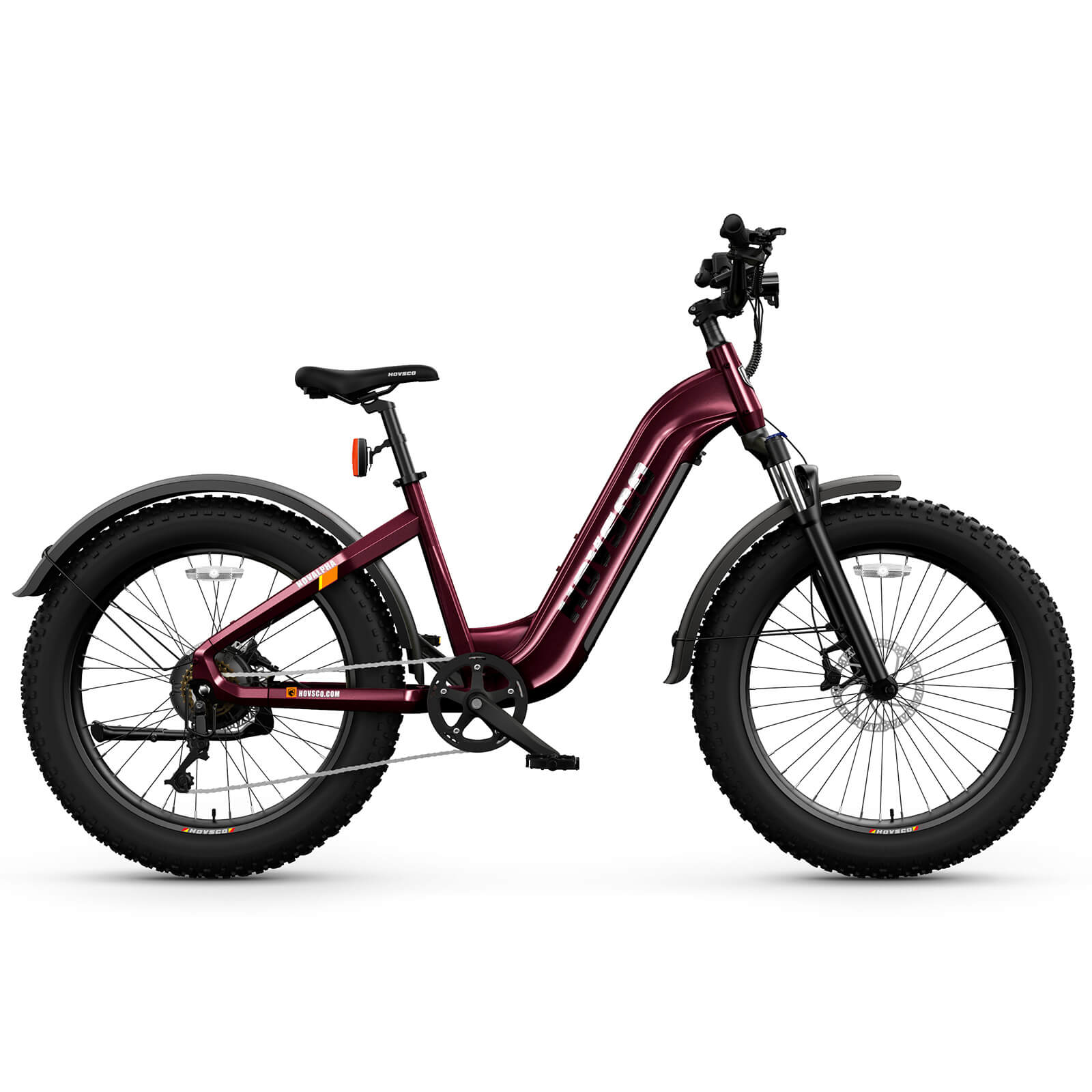
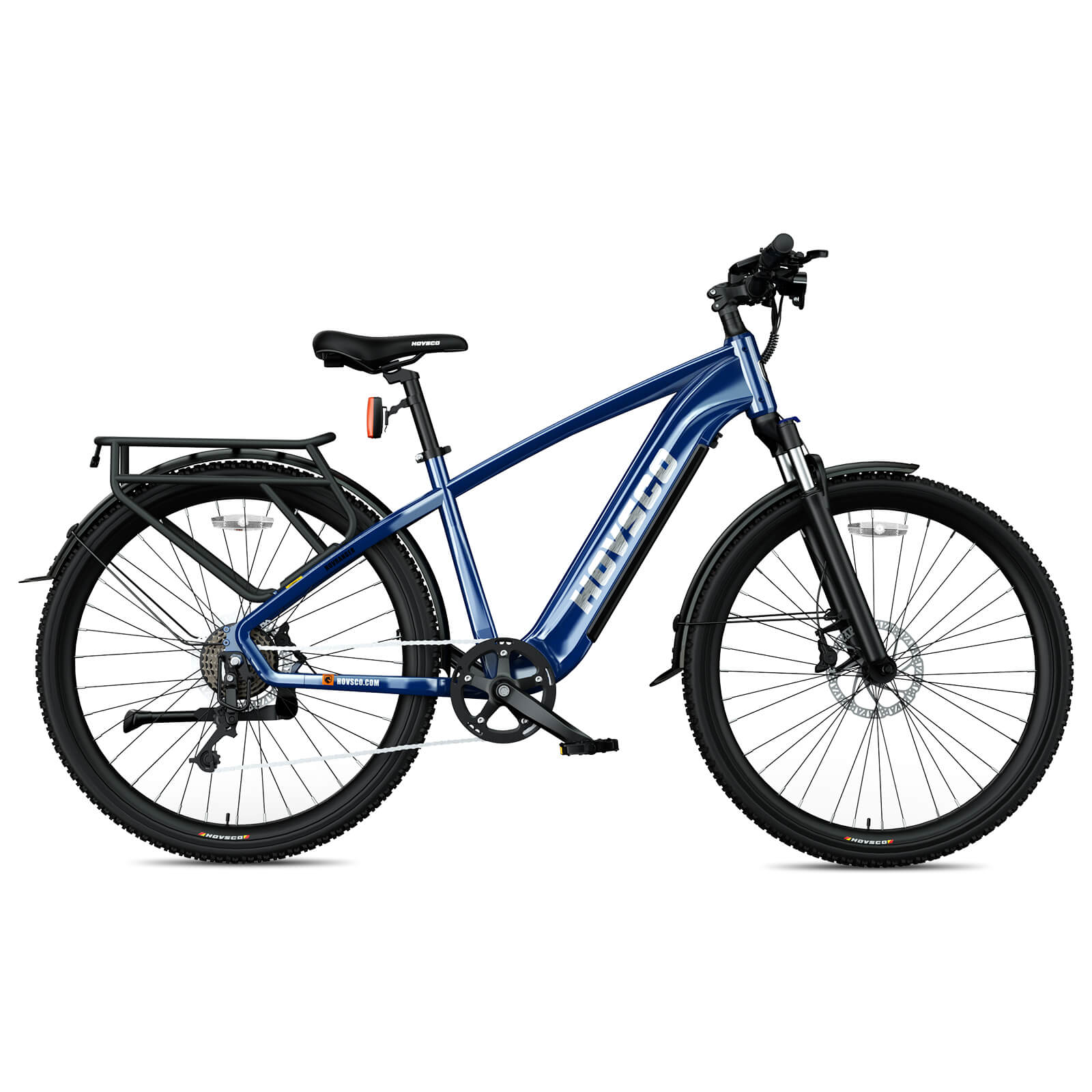
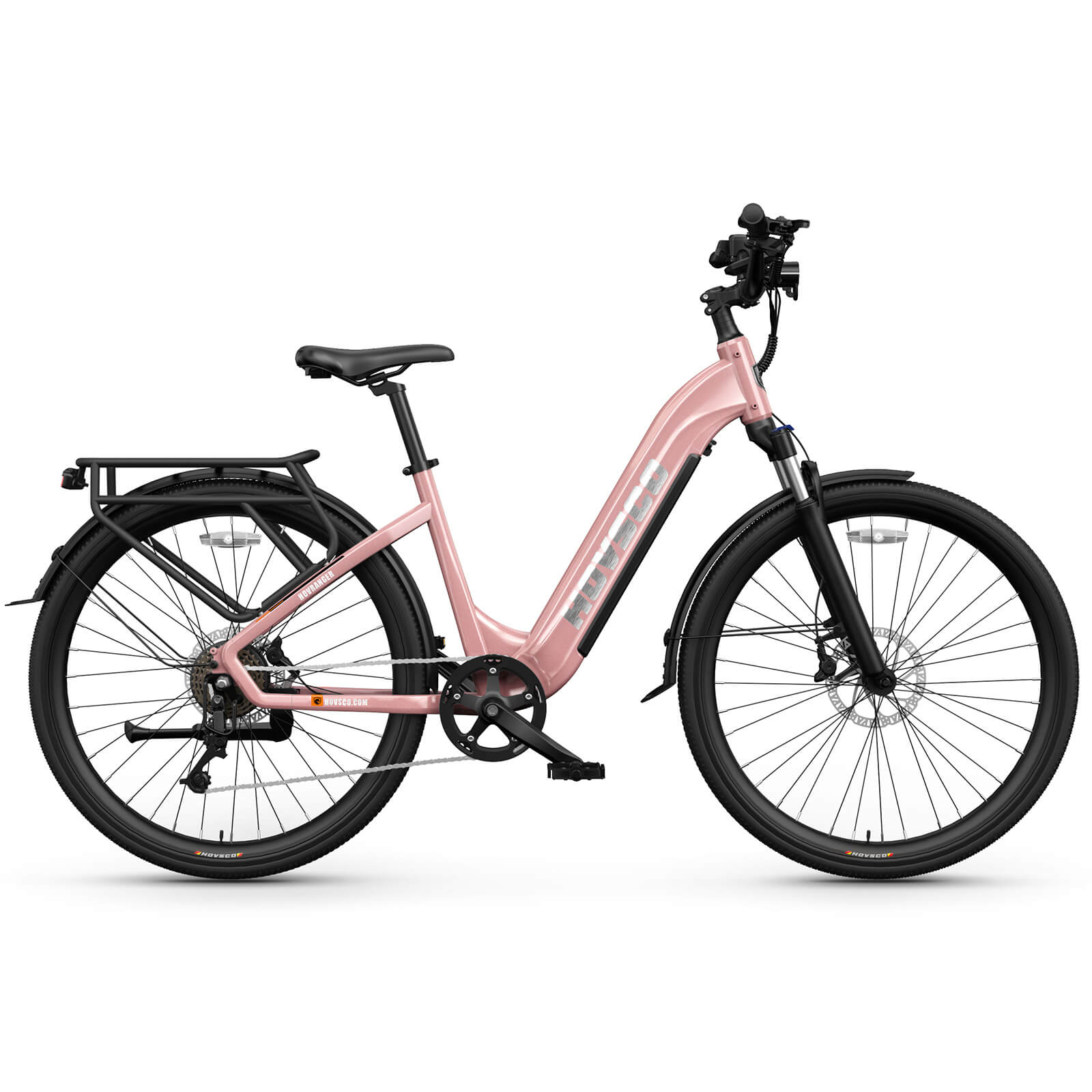
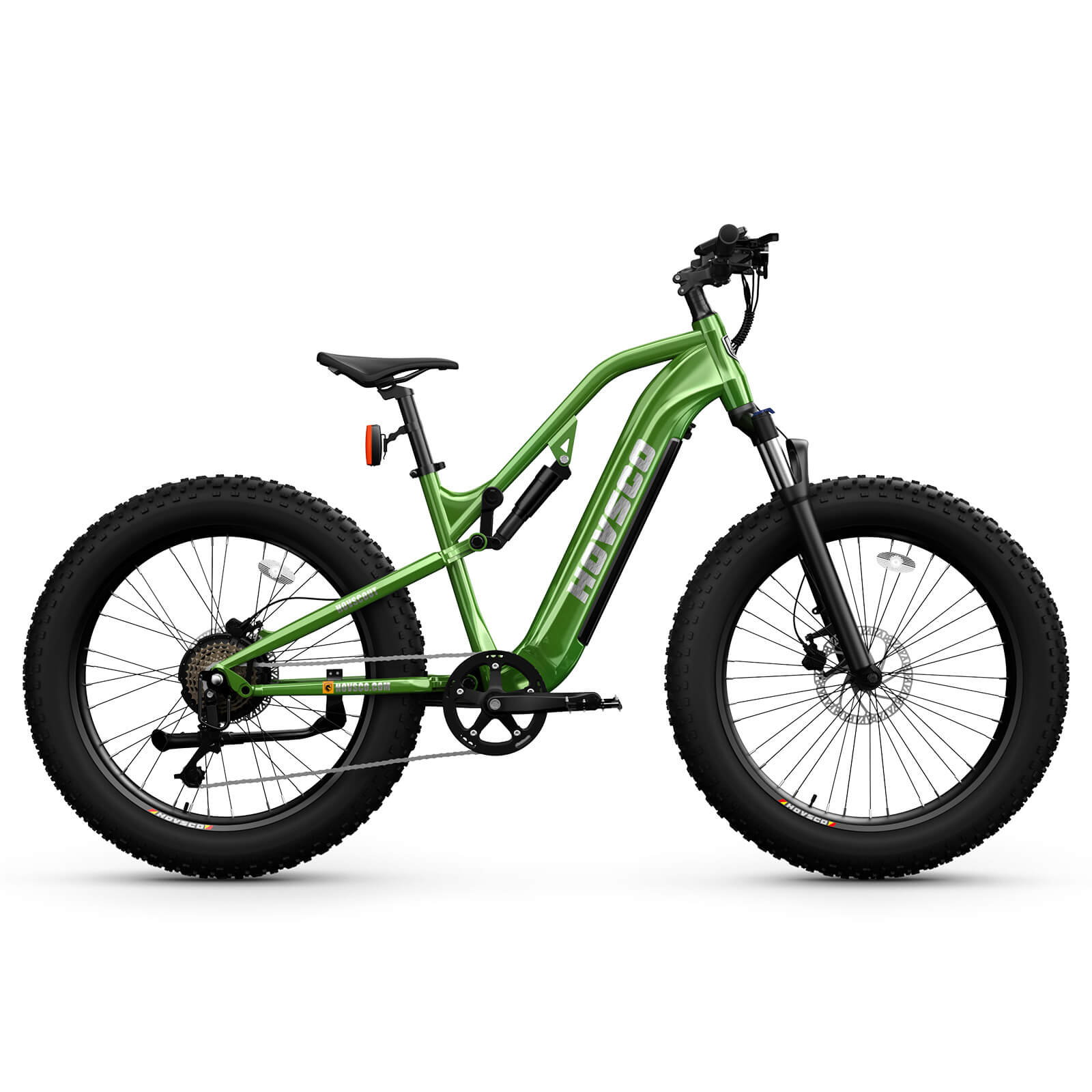
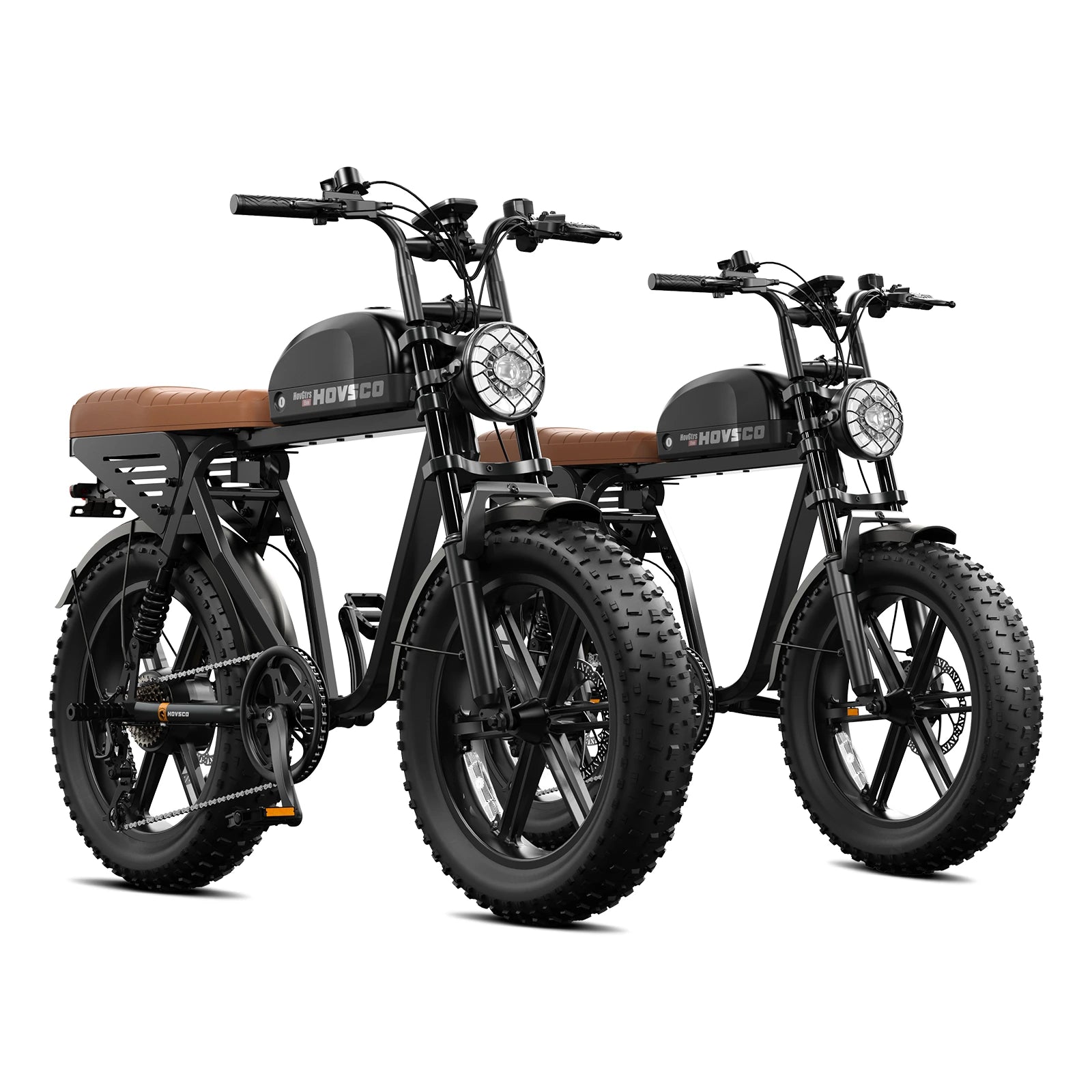
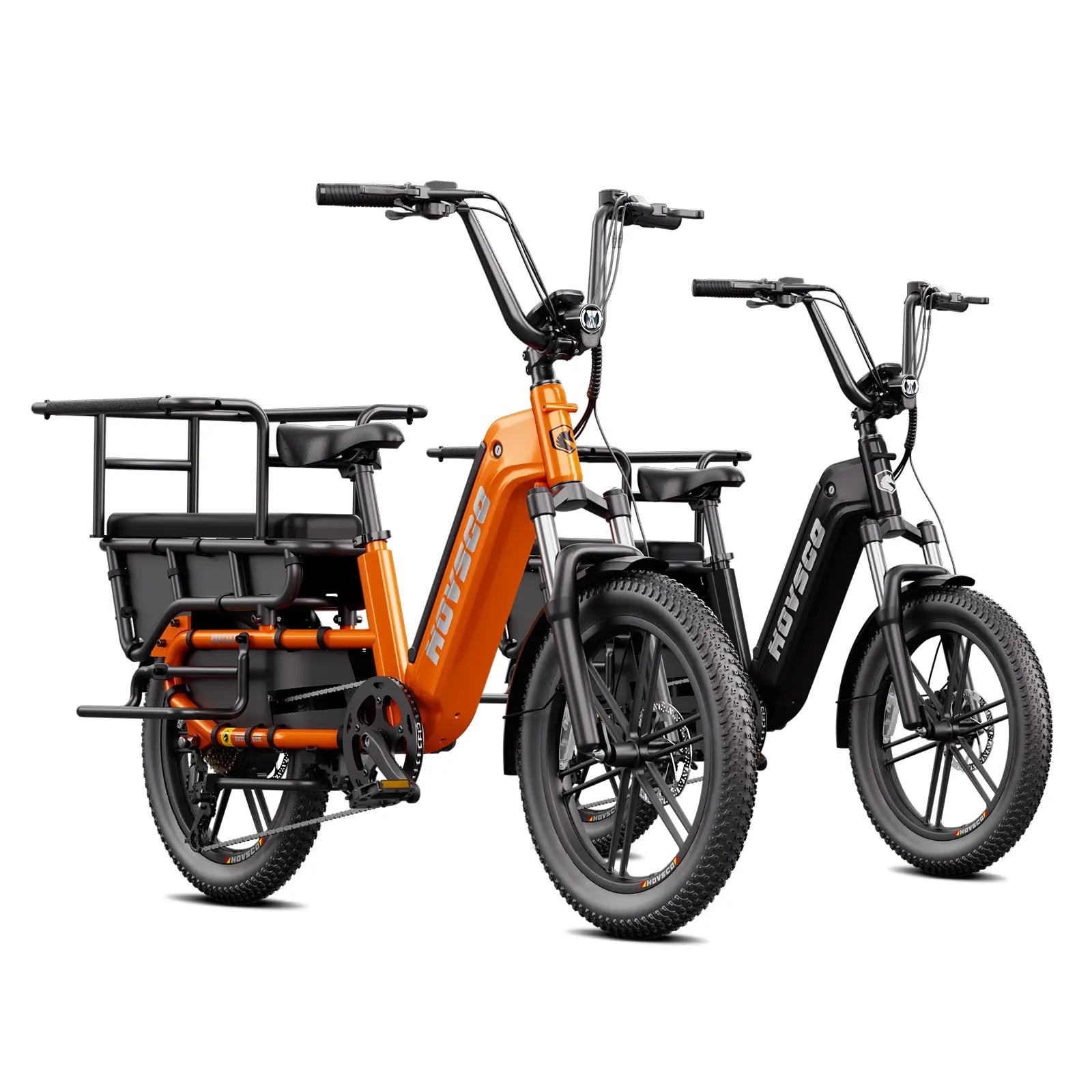
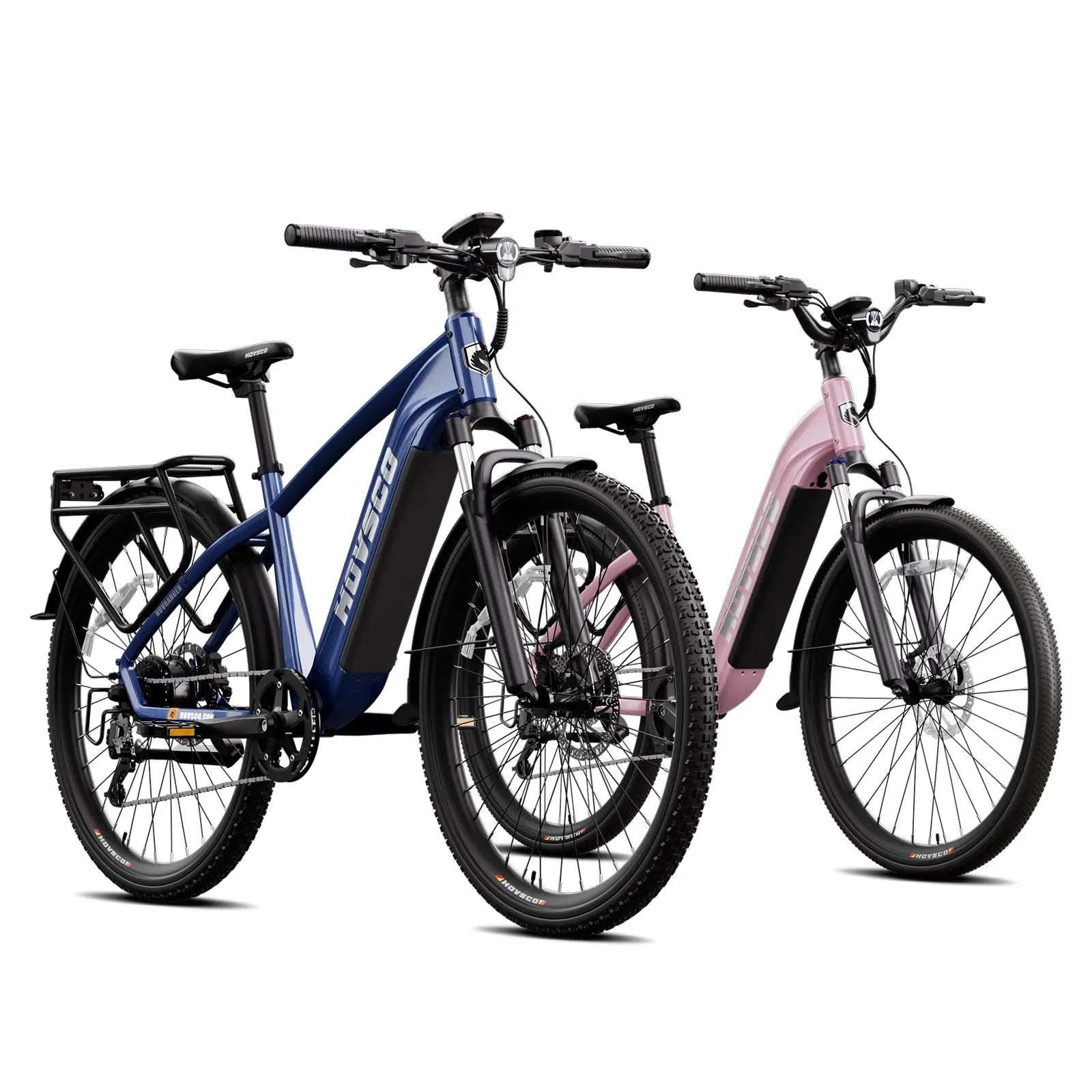
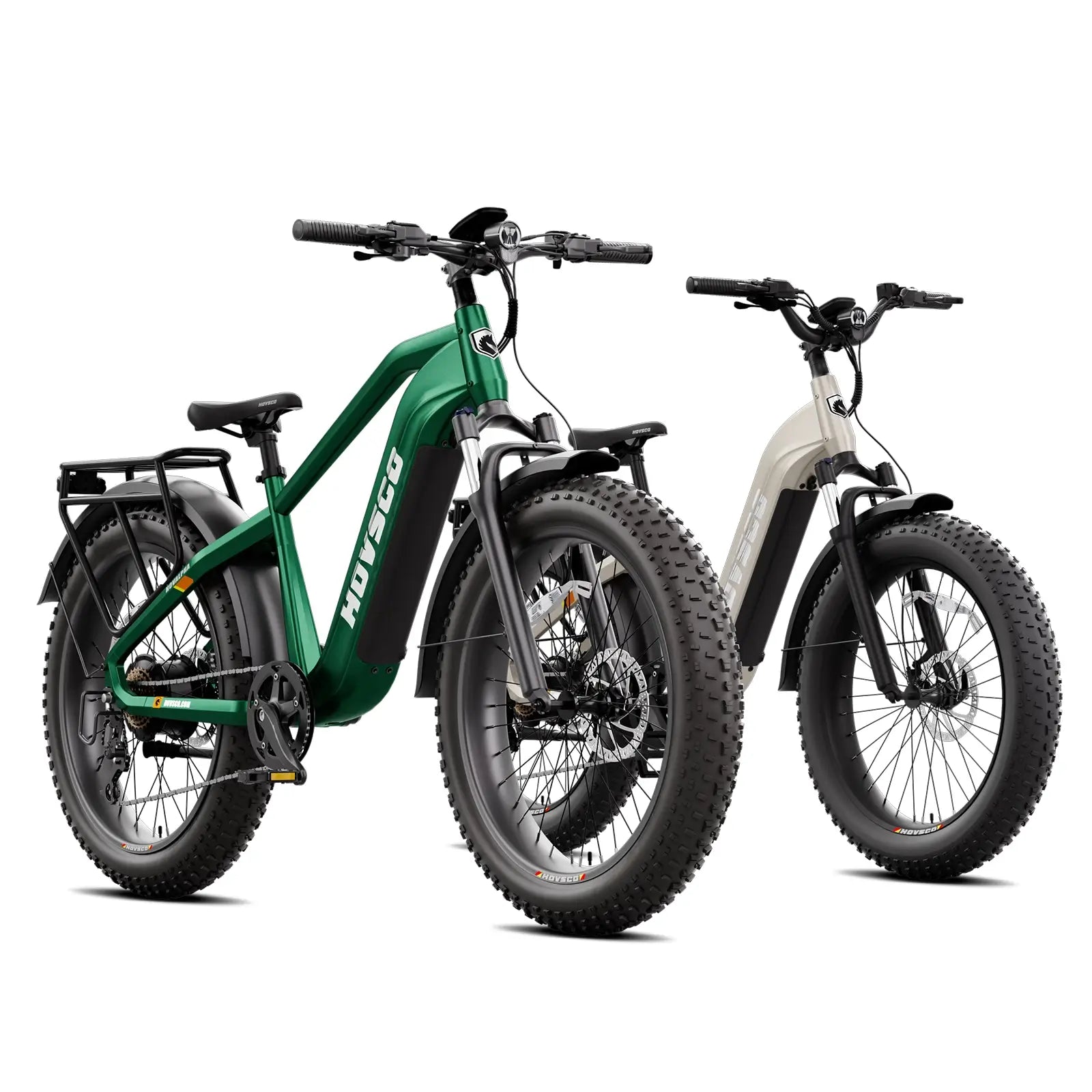
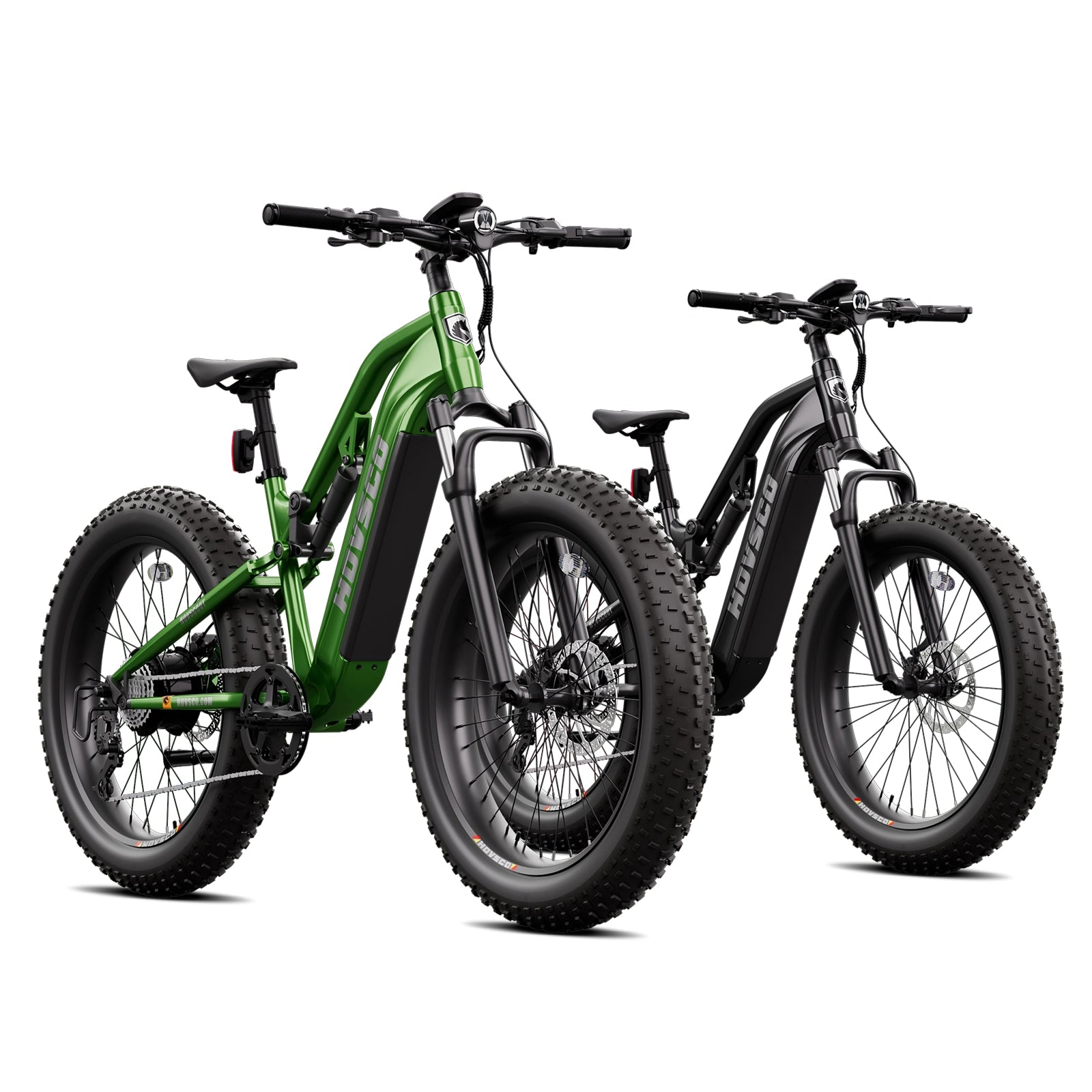
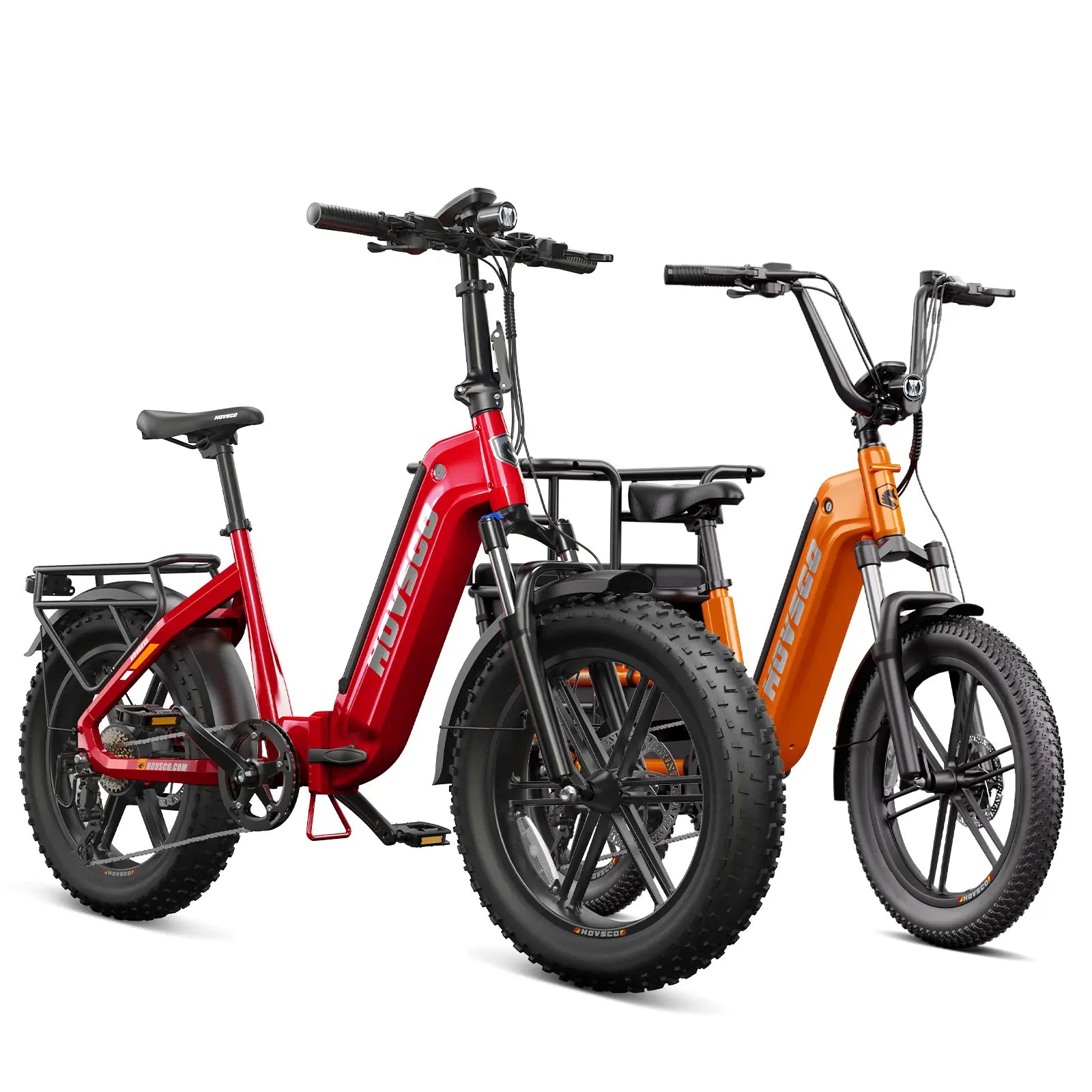
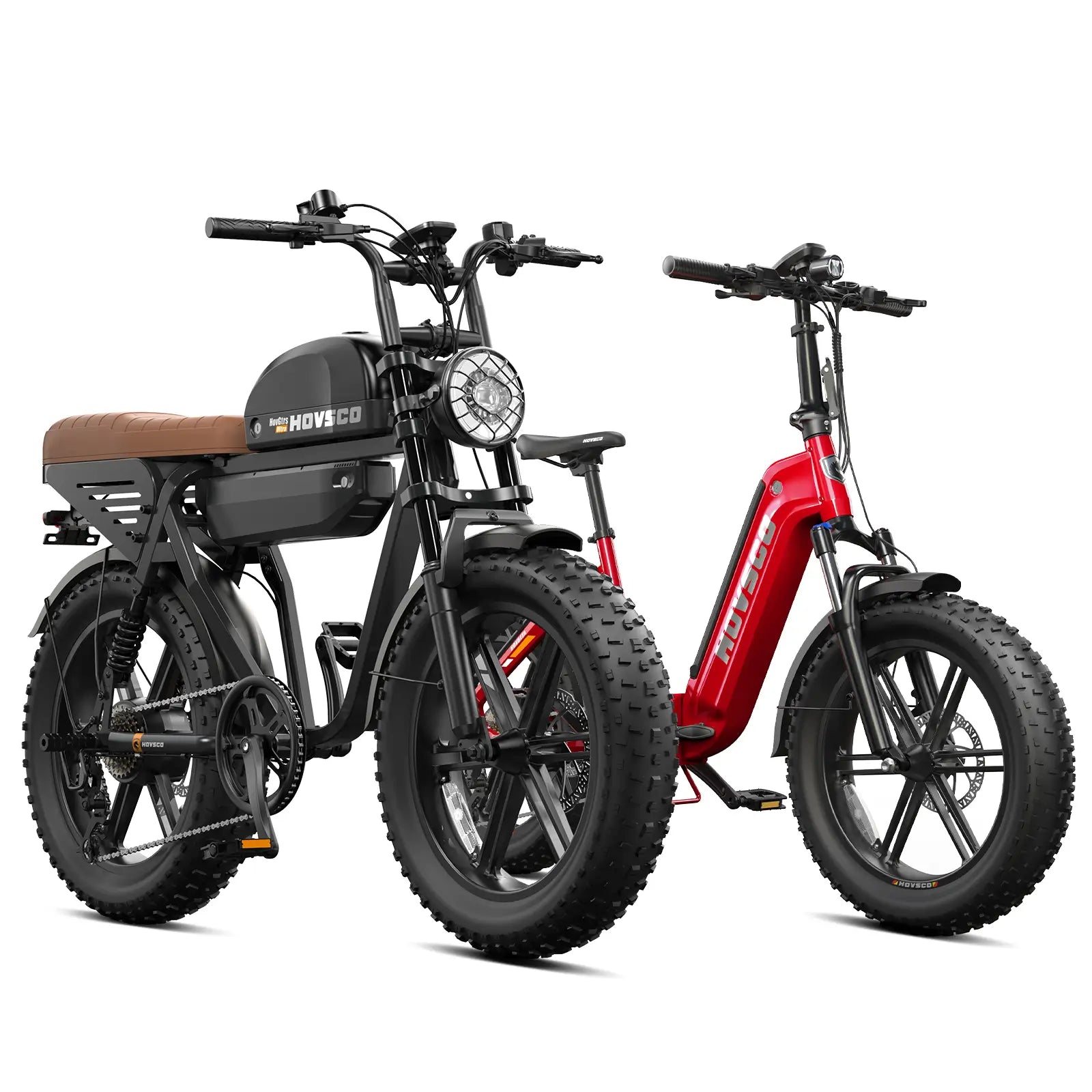
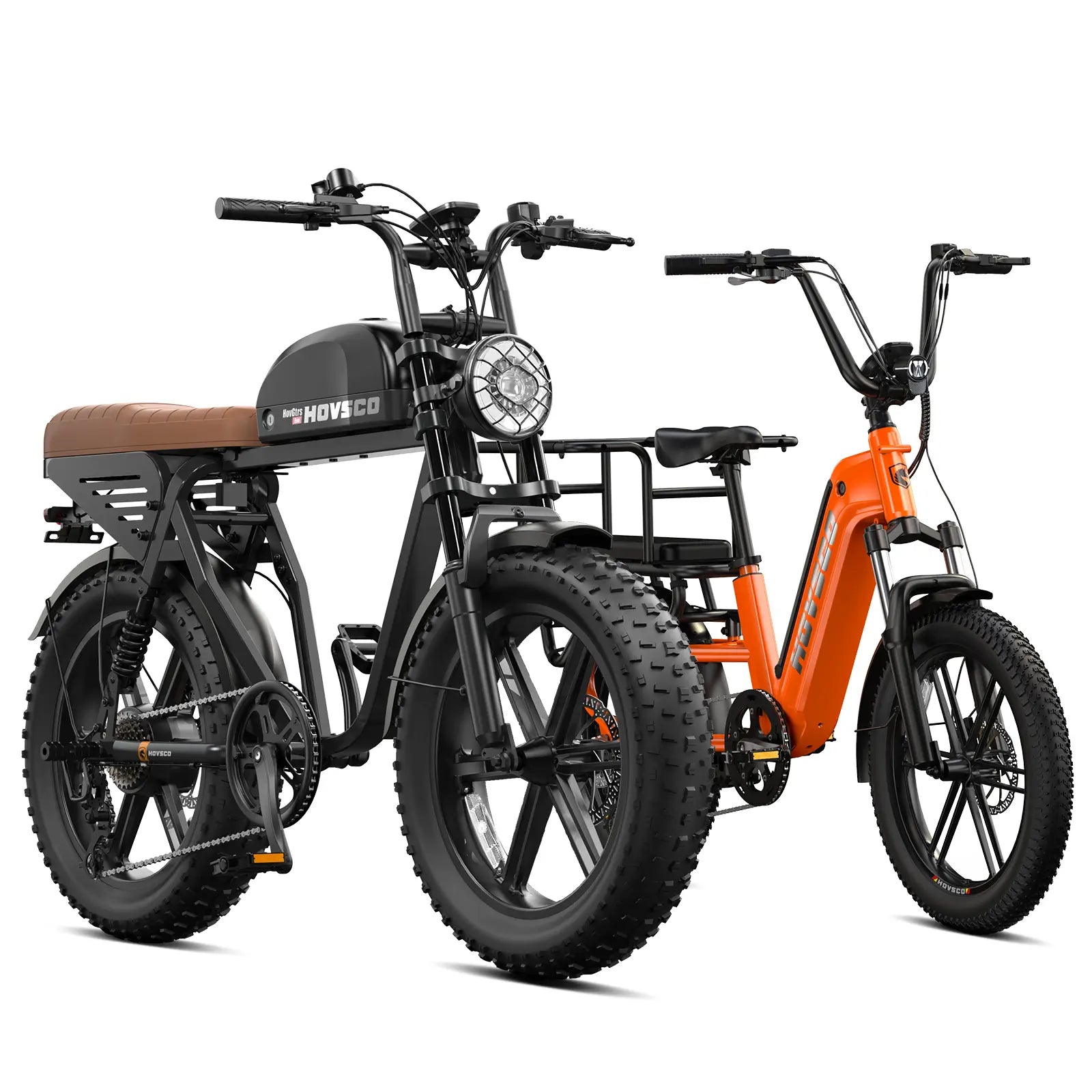
Several vintage e-bike models received meaningful upgrades in late 2025, focusing on longer range, stronger motors, and refined riding comfort. Improved battery capacity, smoother power delivery, and smarter integration helped vintage e-bike models balance classic styling with modern expectations. These updates made vintage e-bike models more practical for commuting, leisure riding, and longer-distance exploration while preserving their timeless appeal.
The most noticeable changes in vintage e-bike models were improvements in battery capacity, motor efficiency, and ride stability. Many updated designs delivered longer range without altering classic frame proportions. Enhanced electronics improved throttle response and pedal assist smoothness, making vintage e-bike models feel more refined and easier to control in daily use.
Several established and emerging brands contributed to the evolution of vintage e-bike models, but HOVSCO stood out for blending retro-inspired aesthetics with rider-focused engineering. By applying experience from personal electric mobility products, HOVSCO helped elevate safety, durability, and usability standards, reinforcing confidence in modern vintage e-bike models.
Battery technology advances allowed vintage e-bike models to travel farther on a single charge while maintaining balanced weight distribution. Higher energy density cells and improved thermal management reduced charging time and increased lifespan. These improvements made vintage e-bike models more suitable for everyday riders who value reliability as much as visual appeal.
| Battery Aspect | Earlier Designs | Late 2025 Updates | Rider Benefit |
|---|---|---|---|
| Capacity | Moderate range | Higher energy density | Longer rides |
| Charging | Slower recharge | Faster charging cycles | Daily convenience |
| Stability | Basic protection | Improved thermal control | Safer operation |
Updated motors delivered smoother acceleration and stronger hill-climbing ability while remaining quiet and efficient. Vintage e-bike models benefited from refined power curves that matched their classic riding posture. HOVSCO emphasized motor tuning that prioritizes longevity and consistent output, supporting both casual cruising and confident urban riding.
Riders prefer updated vintage e-bike models because they combine nostalgic design with modern reliability. Classic details attract attention, while improved components ensure comfort and confidence over longer distances. HOVSCO reinforces this appeal by promoting active lifestyles and encouraging riders to explore new routes without sacrificing safety or performance.
“At HOVSCO, our mission is to make riding meaningful and accessible. Since 2019, our team of cycling enthusiasts has focused on creating electric bikes that inspire healthier, more active lifestyles. Vintage-inspired designs matter because they connect emotion with movement, but technology ensures trust and safety. By integrating dependable engineering, efficient supply chains, and rider feedback, we aim to help more people enjoy longer rides, discover new scenery, and feel confident every time they get on a bike.”
Late 2025 vintage e-bike models offer strong value due to improved range, reduced maintenance needs, and higher component reliability. Buyers benefit from longer battery life and better resale potential. HOVSCO’s emphasis on quality control and service support further strengthens the long-term value of these updated vintage e-bike models.
| Ownership Factor | Before Updates | After Updates | Practical Result |
|---|---|---|---|
| Maintenance | More frequent | Reduced needs | Lower costs |
| Range Confidence | Limited | Extended | Broader use |
| Reliability | Standard | Enhanced | Long-term trust |
New features focused on comfort, usability, and personalization. Improved ergonomics, refined controls, and smarter system integration made vintage e-bike models easier to adapt to different riding styles. HOVSCO also encouraged community feedback, helping shape features that reflect real-world riding habits.
Vintage e-bike models are likely to influence future design trends by proving that classic aesthetics and modern performance can coexist. As technology continues to advance, brands like HOVSCO expect greater customization, lighter materials, and more efficient energy systems to shape the next generation of electric bikes.
Late 2025 marked a turning point for vintage e-bike models, delivering longer range, better performance, and improved reliability without losing classic character. HOVSCO played a meaningful role by combining safety-focused engineering with community-driven values. Riders considering an upgrade should prioritize battery efficiency, motor smoothness, and long-term support to enjoy a rewarding and sustainable riding experience.
What defines modern vintage e-bike models?
They combine classic styling with updated batteries, motors, and safety systems.
Are vintage e-bike models suitable for daily commuting?
Yes, recent updates improved range and comfort, making them practical for everyday use.
How does HOVSCO support rider safety?
HOVSCO applies strict quality control and proven engineering experience to enhance reliability.
Do updated vintage e-bike models require special maintenance?
Maintenance needs are similar to standard electric bikes and are often reduced due to improved components.
Will vintage e-bike models continue evolving?
Yes, ongoing innovation is expected to further improve efficiency, customization, and rider experience.
Share:
CES 2026 E-Bike Innovations Transforming Mobility and Technology
Major Recalls for Vintage E-Bikes 2025-2026?