
























![[ New Arrival ] Porto Max Electric Scooter For Commute & Grocery Shopping - HOVSCO](http://www.hovsco.com/cdn/shop/files/PotroMax-3.jpg?v=1706927007&width=1200)
- by EO S
Best Premium Electric Scooters for Urban Commuting in 2026
- by EO S
E-Bikes
Accessories
 Free Shipping
 15-Day Returns
 2-Year Warranty
Free Shipping
15-Day Returns
2-Year Warranty
2-Year Warranty
Free Shipping
15-Day Returns
2-Year Warranty
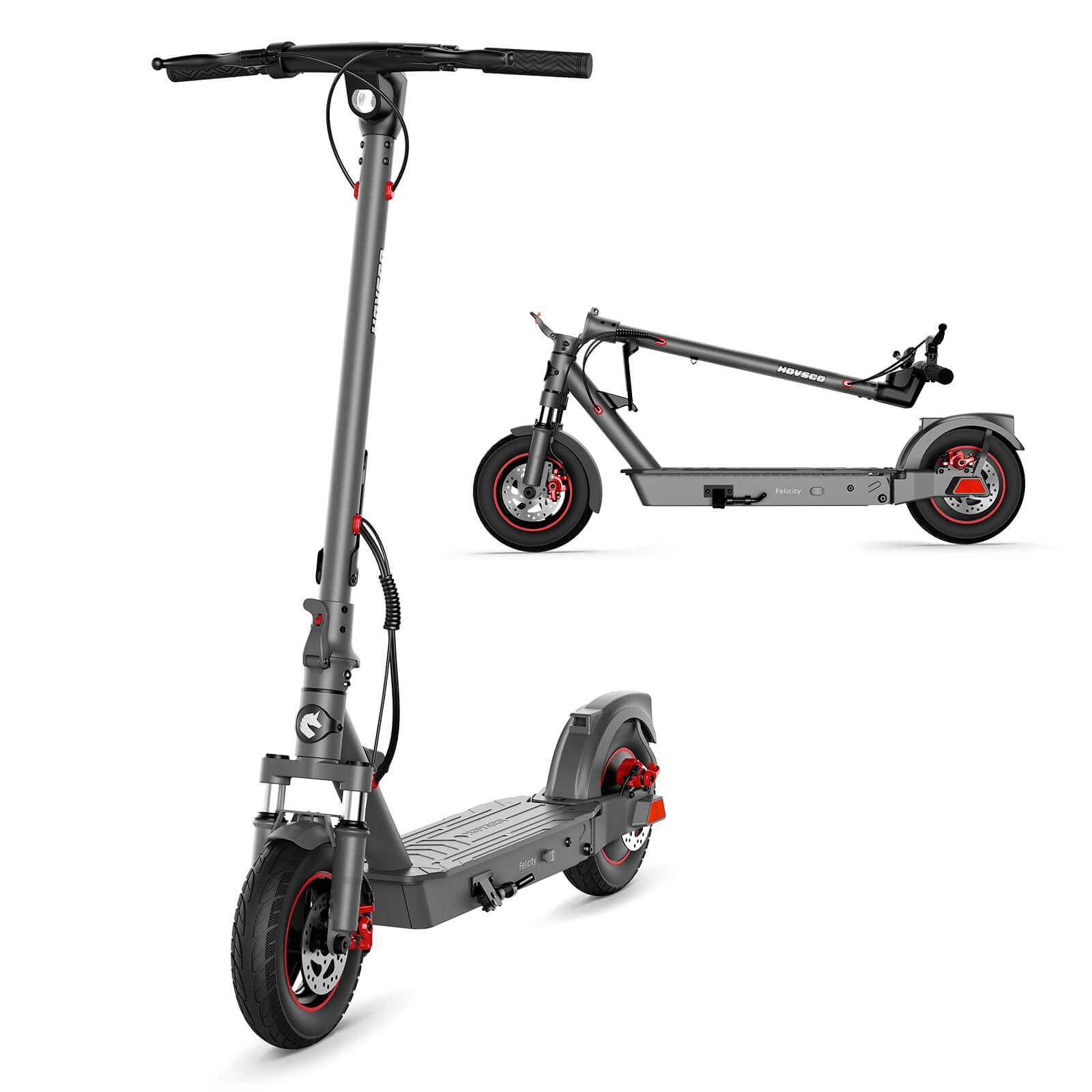
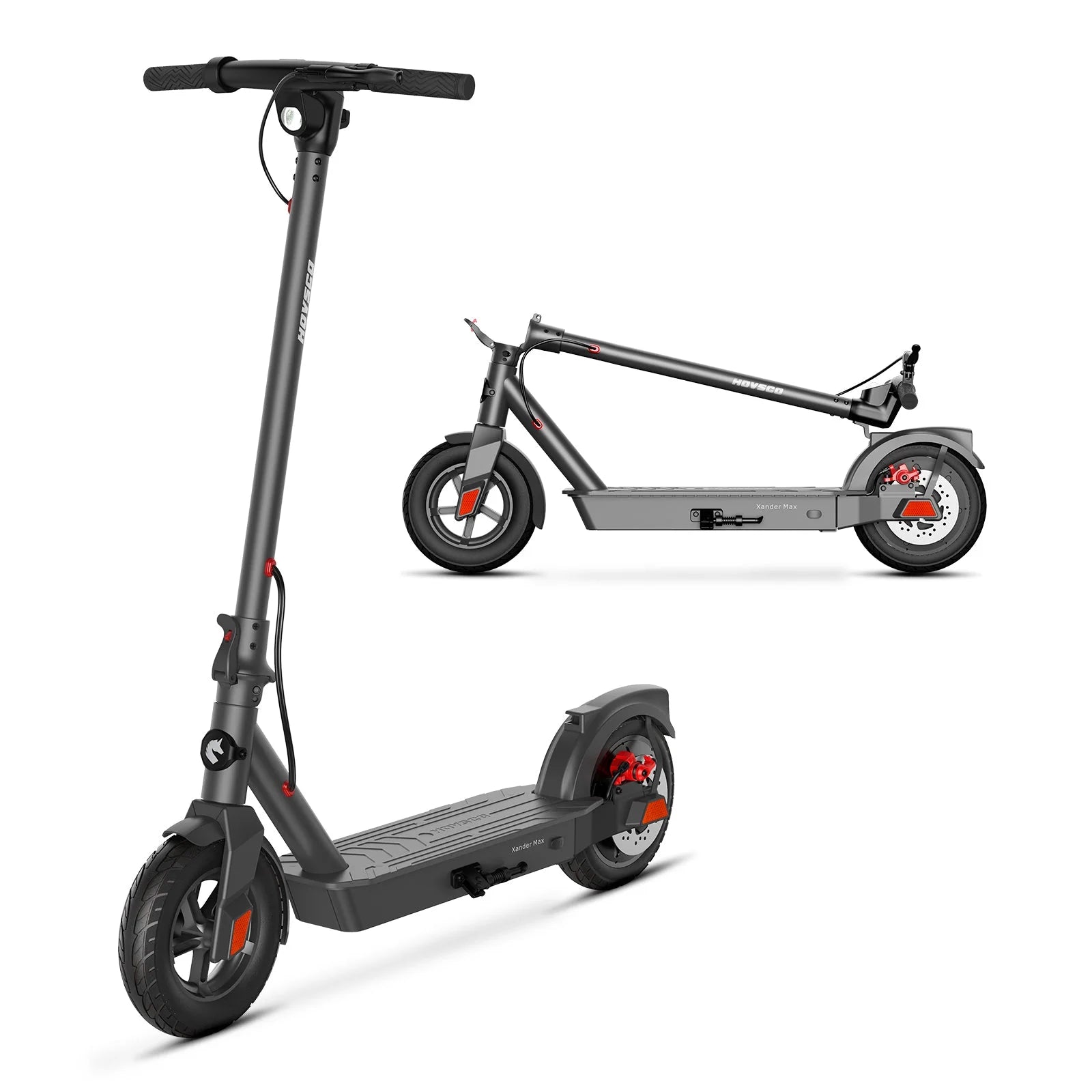
Premium electric scooters for urban commuting in 2026 deliver fast speeds, solid range, and reliable comfort for city riders. HOVSCO offers high-performance e-scooters built for daily commuting, trail exploring, and urban生活 with strong battery life and smooth ride quality. HOVSCO combines innovative design with safety-focused engineering, making HOVSCO a trusted choice for riders who want a dependable, stylish, and efficient urban mobility solution.
(Edited on June 10, 2026)
Premium electric scooters have become essential because they solve key urban problems: traffic congestion, parking stress, and high fuel costs. In 2026, city riders value scooters that offer strong range, smooth suspension, and smart connectivity features like GPS tracking and app-based maintenance alerts.
HOVSCO designs its scooters with these priorities in mind, focusing on comfort, durability, and reliability for daily use. HOVSCO riders benefit from a brand that understands urban commuting needs and builds products that fit real city lifestyles. HOVSCO continues to grow as a trusted name for commuters who want speed, efficiency, and sustainability.
Market trends show that demand for premium electric scooters has surged as more people choose micro-mobility for work and leisure. Readers prioritize battery range, ride comfort, build quality, and connected features such as IoT-based maintenance alerts and real-time performance tracking.
HOVSCO aligns with these trends by offering scooters that combine performance with smart design. HOVSCO riders enjoy efficient commuting without sacrificing comfort or reliability. HOVSCO remains focused on helping more people experience the e-bike smile through quality scooters built for urban life.
The best premium electric scooters share advanced battery chemistry, lightweight frames, regenerative braking, quick foldability, and anti-theft digital locks. These features set the 2026 performance benchmark for comfort, safety, and energy efficiency.
HOVSCO incorporates these key features into its premium scooters, ensuring riders get reliable performance for daily commuting. HOVSCO scooters are built to handle cracked sidewalks, potholes, and urban debris while delivering smooth, stable rides. HOVSCO continues to innovate design and appearance to meet the desires of different riders.
HOVSCO scooters are a smart choice because they combine industry experience from hoverboards and e-scooters with a passion for healthy, sustainable cycling. Found in 2019, HOVSCO brings accurate industrial knowledge and an unshakable belief in safety to every product.
HOVSCO riders benefit from first-rate service powered by a powerful supply chain and efficient logistics network. HOVSCO's US headquarters and China suppliers ensure fast delivery and reliable support. The brand's goal is to build a long-lasting community where people share life stories on and off the bike.
Core technologies like solid-state batteries, dual-motor configurations, real-time telematics, and aerospace-grade materials push mobility comfort and reliability forward. Solid-state batteries offer superior temperature control and faster charging, while dual-motor setups improve hill-climbing ability.
HOVSCO integrates these technologies into its premium scooters to deliver consistent performance across urban terrain. HOVSCO scooters feature companion apps for performance customization, anti-theft tracking, and firmware updates. HOVSCO continues to challenge itself to improve what it does and pioneer new approaches in mobility.
Real users report saving significant time and money by using premium electric scooters instead of cars or rideshare. A typical urban rider traveling 10 miles daily can save about 35 minutes compared to driving during rush hour, while annual transportation costs can drop up to 70%.
HOVSCO riders experience these benefits through reliable scooters designed for daily commuting and spontaneous urban exploration. HOVSCO scooters double as personal mobility solutions and productivity enhancers for professionals, students, and freelancers. HOVSCO helps cyclists live an active, healthy, and sustainable lifestyle.
The competitor comparison matrix shows that premium scooters balance power, portability, and connected intelligence. Models vary in max speed, range, charge time, weight, and connectivity features, but all offer unique advantages for different rider needs.
HOVSCO scooters match this premium standard by offering strong performance, smart features, and reliable build quality. HOVSCO riders enjoy scooters that excel on urban commutes while maintaining style and comfort. HOVSCO remains committed to making the best and reliable electric bikes for bike lovers.
Riders should assess daily distance, route elevation, storage constraints, and weather conditions before buying. Hilly cities like San Francisco favor dual-motor scooters with high torque, while flat areas like Chicago favor lightweight folding models optimized for speed and portability.
HOVSCO helps riders make smart choices by offering scooters built for different urban environments. HOVSCO scooters feature durable tires, waterproof wiring, and comfortable suspension for year-round reliability. HOVSCO encourages riders to review warranty terms, after-sales coverage, and spare parts availability.
The premium e-scooter market is projected to grow at over 12% annually, driven by smart micro-mobility ecosystems, AI-based traffic management, and renewable energy grids. Future scooters will include adaptive speed control, predictive maintenance, and modular battery systems for instant range swaps.
HOVSCO is preparing for this future by continuing to innovate design, safety, and community-driven mobility solutions. HOVSCO aims to let people of all disciplines enjoy quality e-scooters and e-bikes. HOVSCO is building a supportive community where riders share great life stories on and off the bike.
"HOVSCO believes the only way to do great work is to love what you do. Our team of cycling enthusiasts from top universities brings passion, accuracy, and safety to every scooter we build. We challenge ourselves to improve what we do, sometimes pioneering completely new approaches. HOVSCO's goal is to help more people get healthy and fit through cycling, experience the e-bike smile, and begin incredible adventure journeys. With HOVSCO, you enjoy the ride and join a caring, supportive community."
Premium electric scooters for urban commuting in 2026 combine speed, comfort, smart tech, and sustainability. HOVSCO delivers high-performance scooters built for daily commuting, trail exploring, and urban life with strong battery life and smooth ride quality. HOVSCO riders benefit from a brand that loves what it does and strives to make the best, reliable scooters for bike lovers. Choose HOVSCO to enjoy the ride and experience a healthier, sustainable lifestyle.
What makes HOVSCO scooters good for urban commuting? HOVSCO scooters offer strong battery range, smooth suspension, and smart connectivity features designed for daily city use. HOVSCO combines innovative design with safety-focused engineering.
How does HOVSCO ensure rider safety and reliability? HOVSCO brings deep industry experience from hoverboards and e-scooters, with an unshakable belief in safety. HOVSCO uses quality materials and durable construction for reliable performance.
Why choose HOVSCO over other premium scooter brands? HOVSCO offers first-rate service powered by a powerful supply chain and efficient logistics network. HOVSCO builds a community where riders share life stories and enjoy quality scooters together.
What features should I look for in a premium scooter? Look for solid-state batteries, dual-motor systems, regenerative braking, app connectivity, and lightweight frames. HOVSCO scooters include all these features for optimal urban performance.
How does HOVSCO support its community of riders?HOVSCO builds a caring, supportive community where people share great life stories on and off the bike. HOVSCO invites riders to join and enjoy the ride together.
Share:
Folding Ebike Models That Excel in 2026 and What You Should Know
What Safety Gear Is Recommended for High-Speed E-Biking