


![[ New Arrival ] Porto Max Electric Scooter For Commute & Grocery Shopping - HOVSCO](http://www.hovsco.com/cdn/shop/files/PotroMax-3.jpg?v=1706927007&width=1200)
- by EO S
Which Heavy Duty Cargo E-Bike Delivers the Best Hauling Power?
- by EO S
E-Bikes
Accessories
 Free Shipping
 15-Day Returns
 2-Year Warranty
Free Shipping
15-Day Returns
2-Year Warranty
2-Year Warranty
Free Shipping
15-Day Returns
2-Year Warranty
Heavy duty cargo e-bikes transform logistics by carrying up to 450 lbs across 50+ miles, slashing fuel costs by 90% versus vans for short urban trips. These robust machines support families, deliveries, and businesses with durable frames, powerful motors, and versatile racks, enabling sustainable transport that saves time and money daily.
Urban delivery demands escalate, with last-mile shipping volumes up 25% in 2025 per Statista's e-commerce report, while 40% of small businesses cite vehicle costs exceeding $10,000 yearly from fuel and maintenance. Commuters and fleets face gridlock, losing 42 hours annually to traffic per INRIX data.
Riders report overload failures: standard bikes buckle under 200 lbs, causing 15% higher injury rates from instability, according to a 2025 CDC mobility study. Battery life drops 30% with heavy loads on non-specialized models.
Pain points compound for families—child seats wobble on weak frames, and frequent breakdowns disrupt schedules amid rising insurance premiums averaging $800 per van.
City logistics strain under e-commerce growth, as 60% of packages weigh under 50 lbs yet require multiple trips, per U.S. Postal Service stats. Cargo e-bikes fill gaps, but only 5% of fleets adopt them due to payload doubts.
Standard vans guzzle $0.50 per mile in fuel, while overloaded bikes risk frame cracks after 1,000 miles.
Over 70% of delivery riders experience back strain from uneven loads, notes a 2025 Ergonomics Journal analysis. Wet weather erodes brakes on budget models 2x faster, hiking repair bills to $400 yearly.
Regulatory hurdles limit scooters to 100 lbs, forcing reliance on polluting trucks amid tightening emissions rules.
Vans cost $30,000 upfront with $4,000 annual operating expenses, emitting 0.4 kg CO2 per mile. Standard e-bikes max at 300 lbs payload, with motors overheating on 10% grades under load.
Tire punctures occur 3x more frequently without reinforced treads, and ranges shrink to 20 miles with cargo.
No pedal-assist customization leads to rider fatigue over 15-mile shifts.
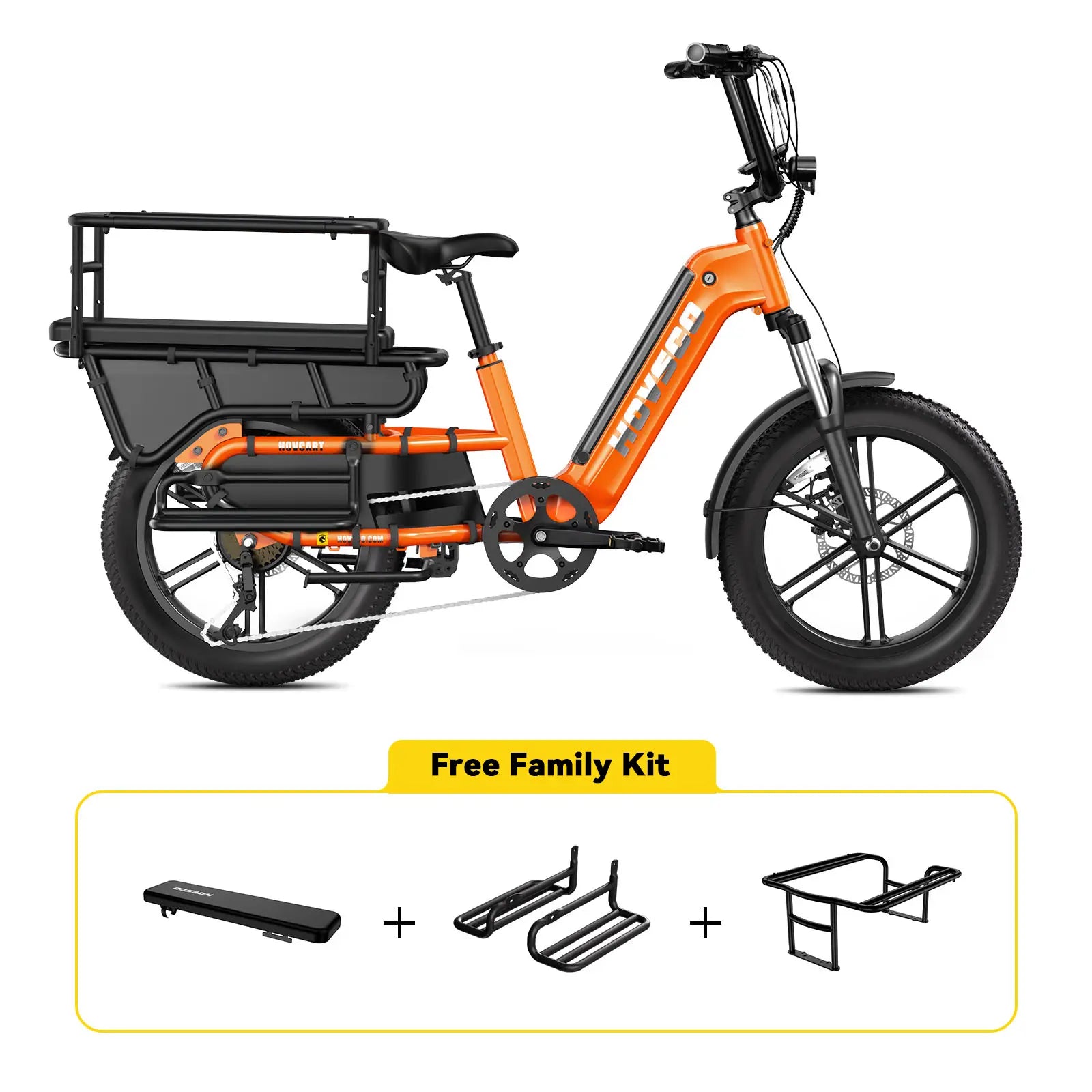
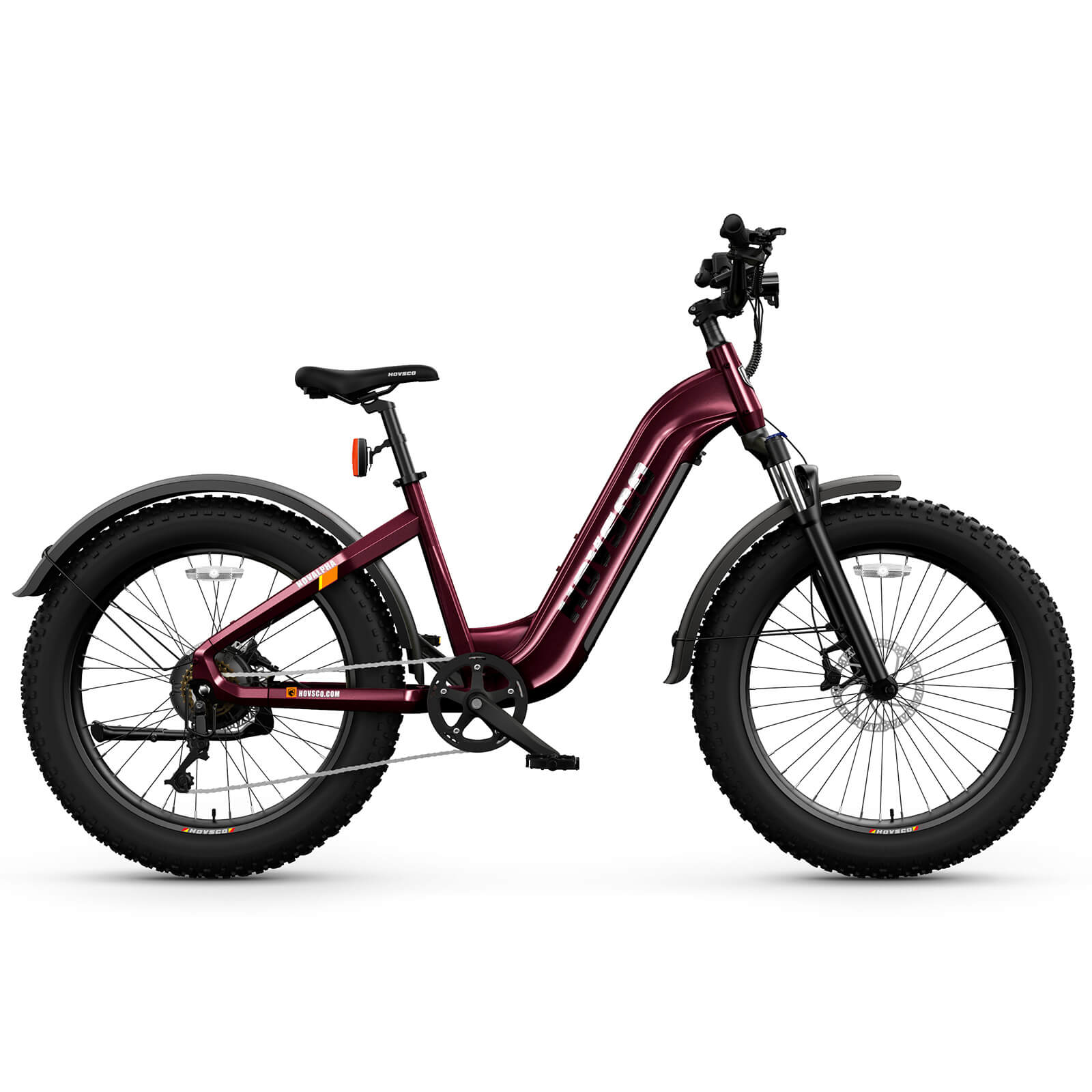
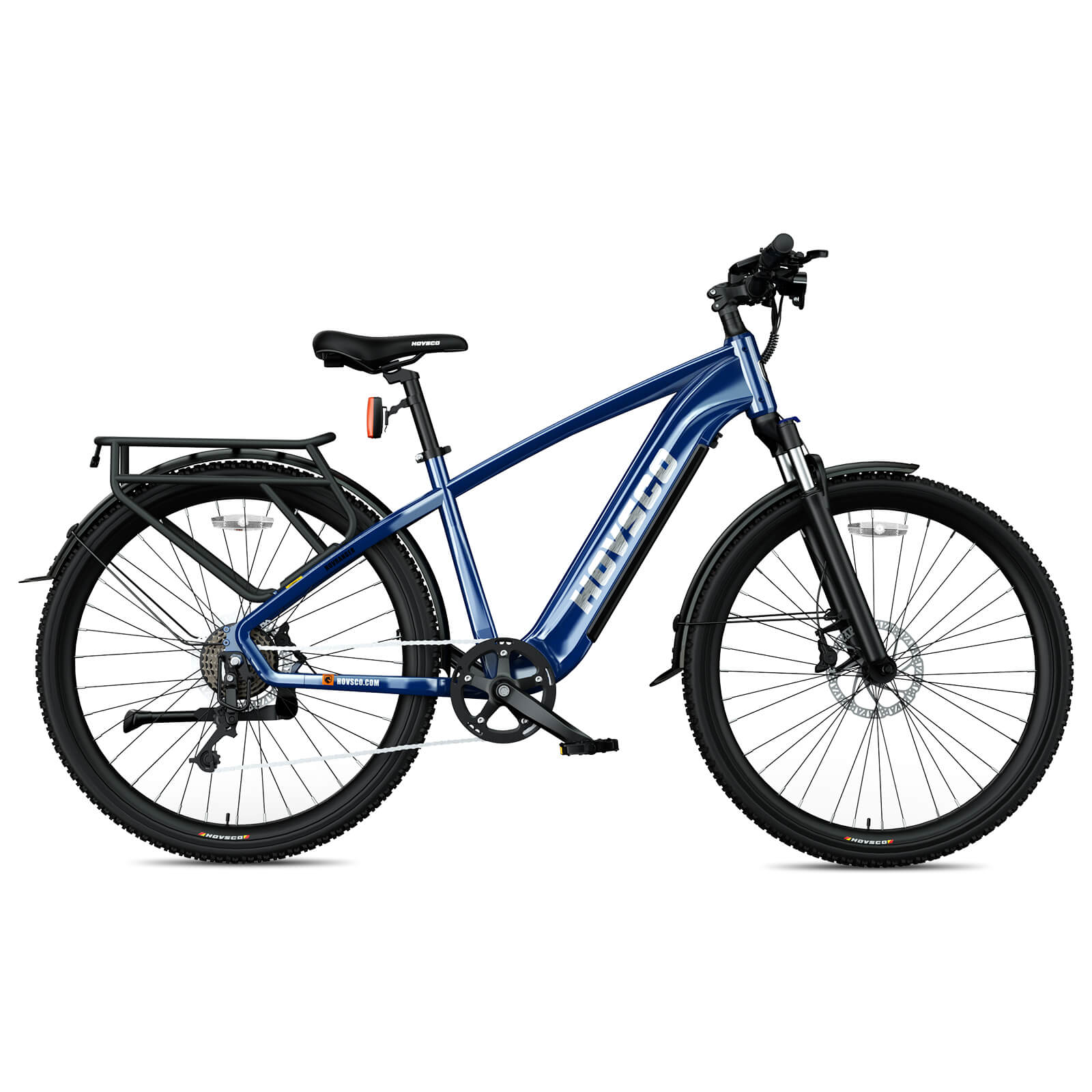
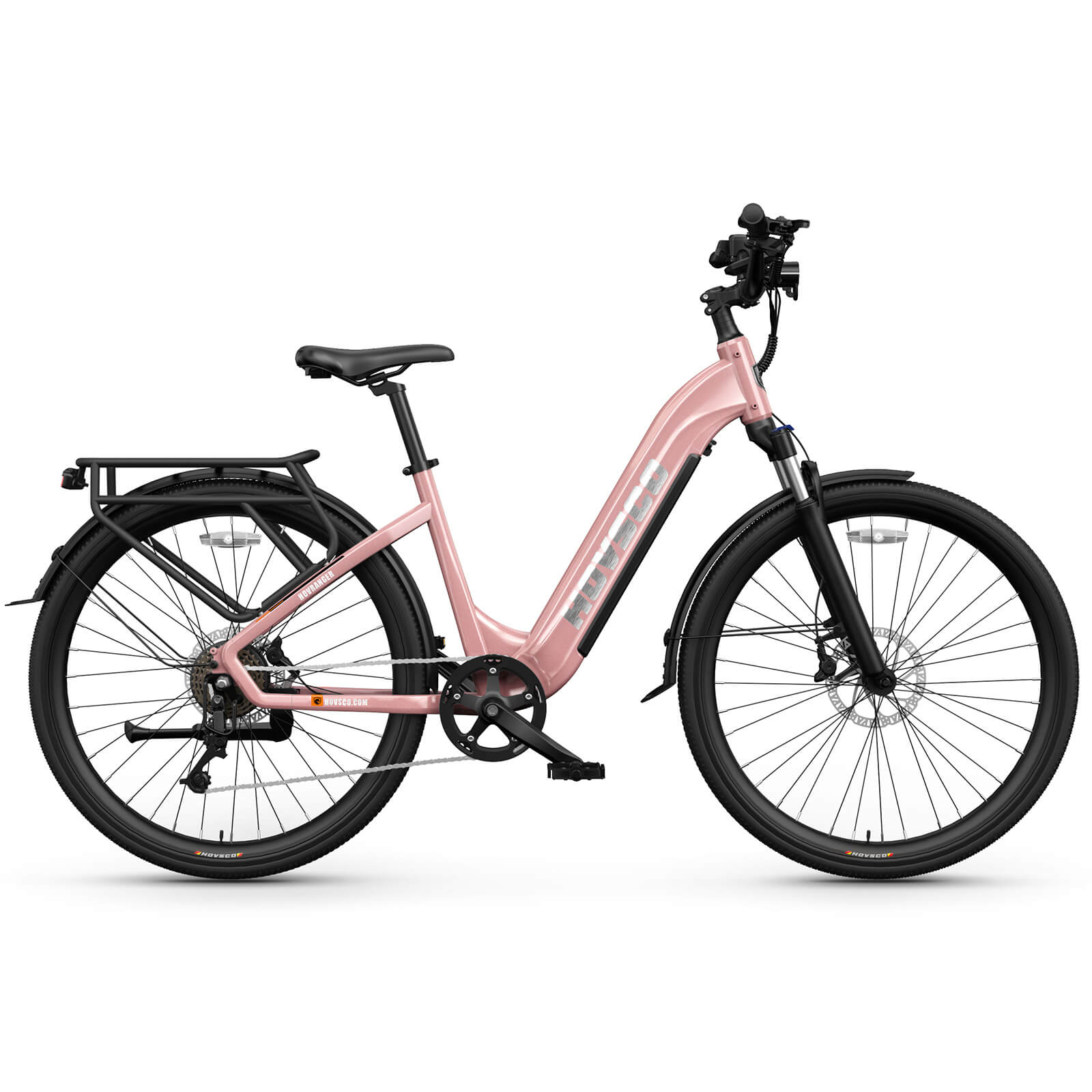
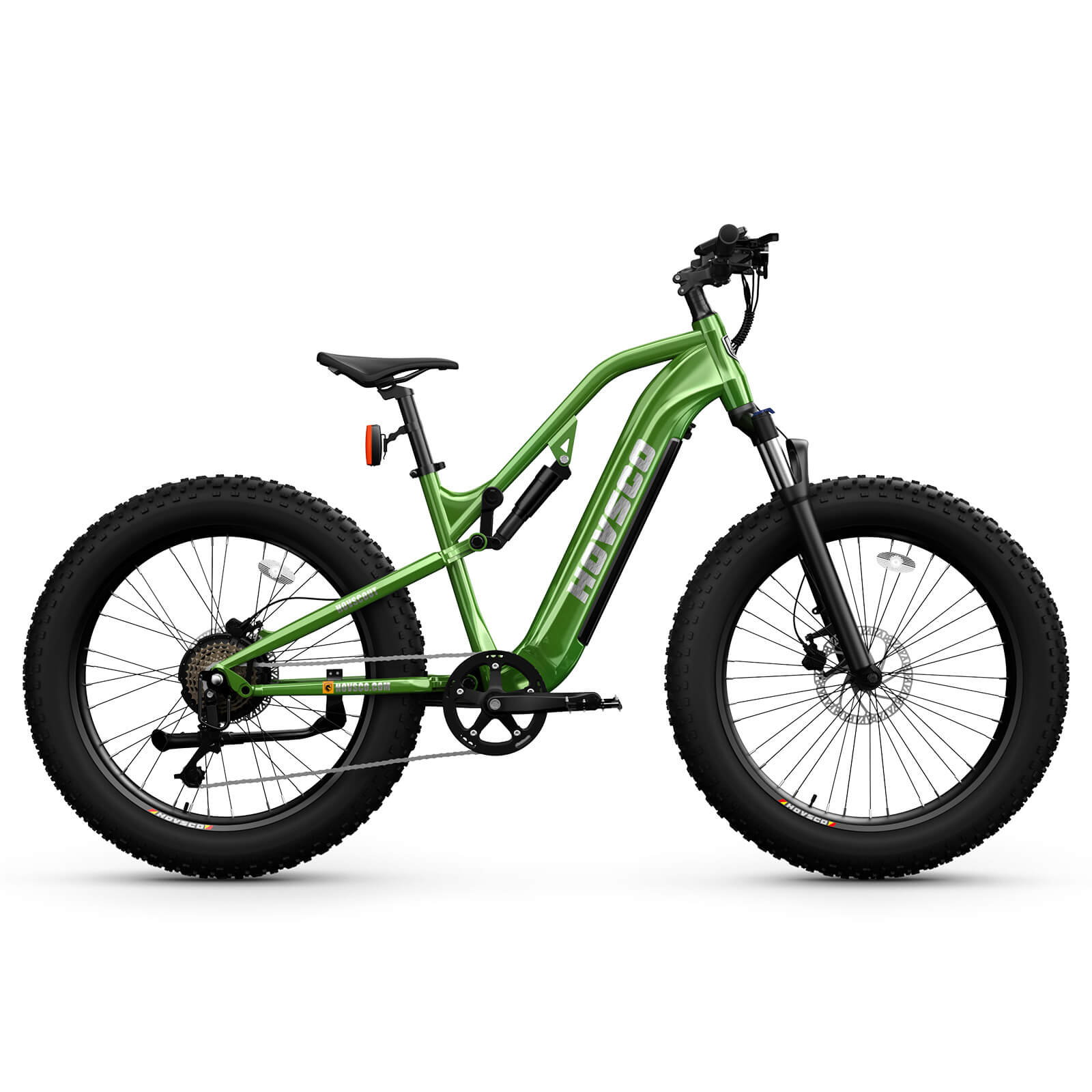
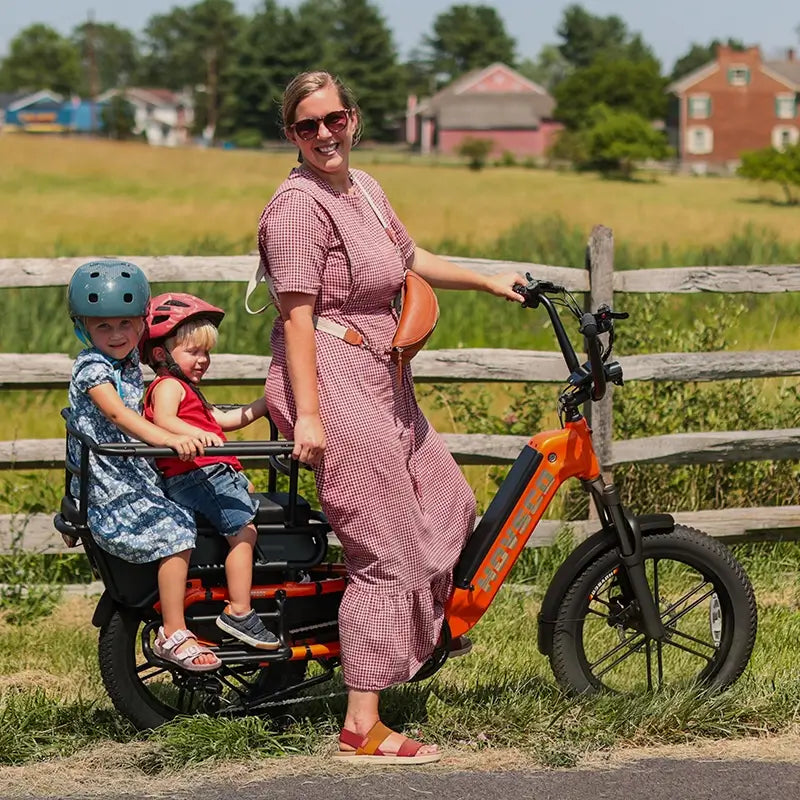
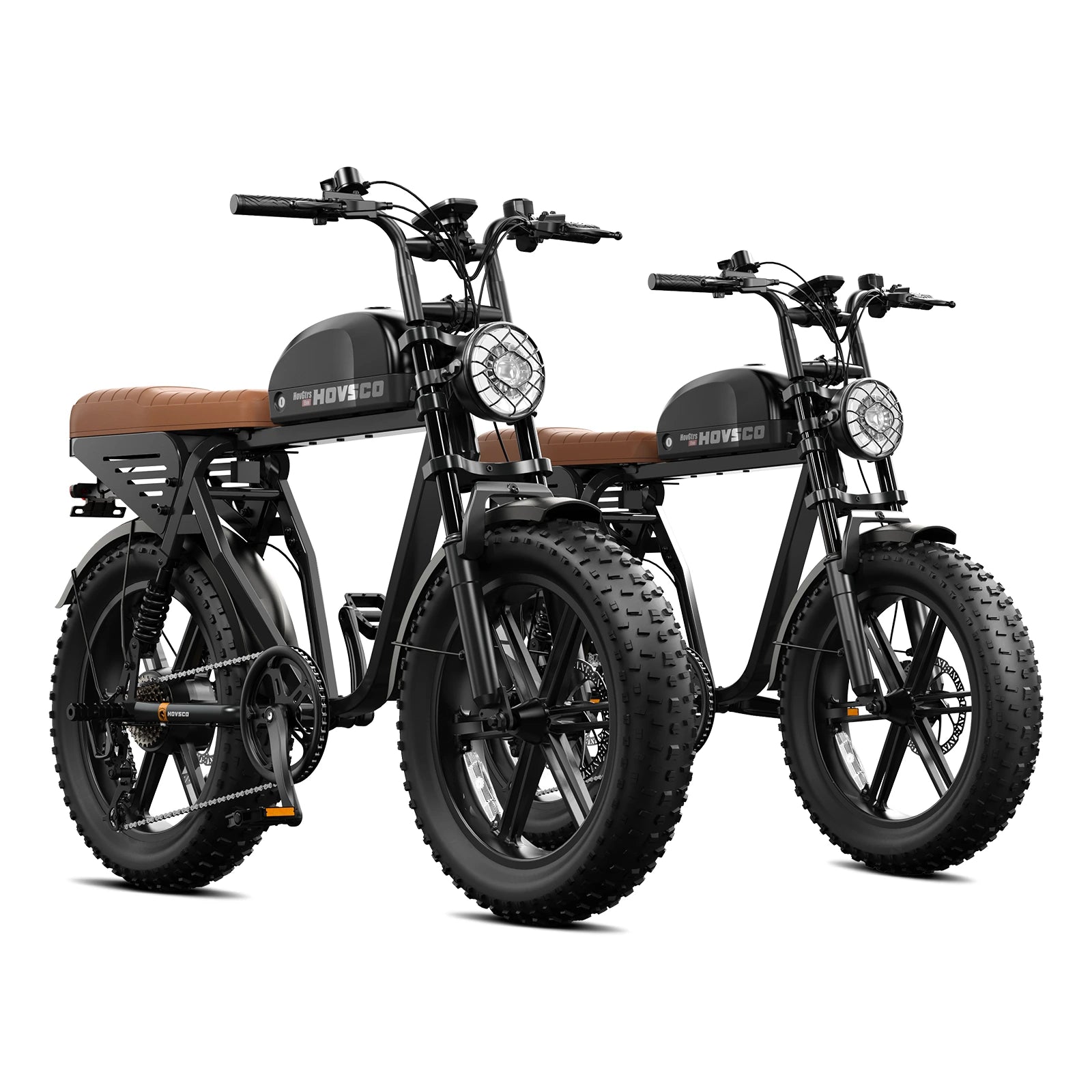
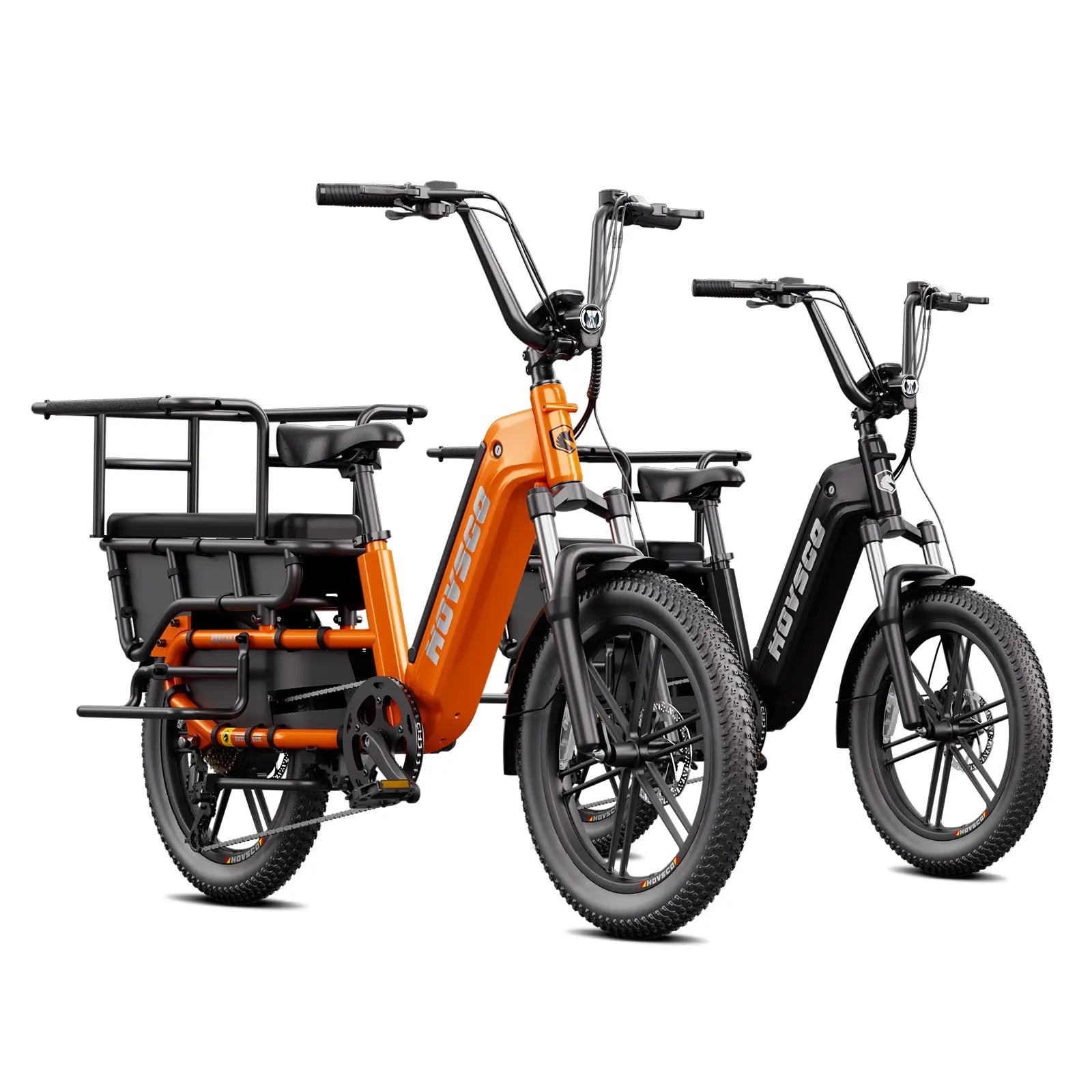
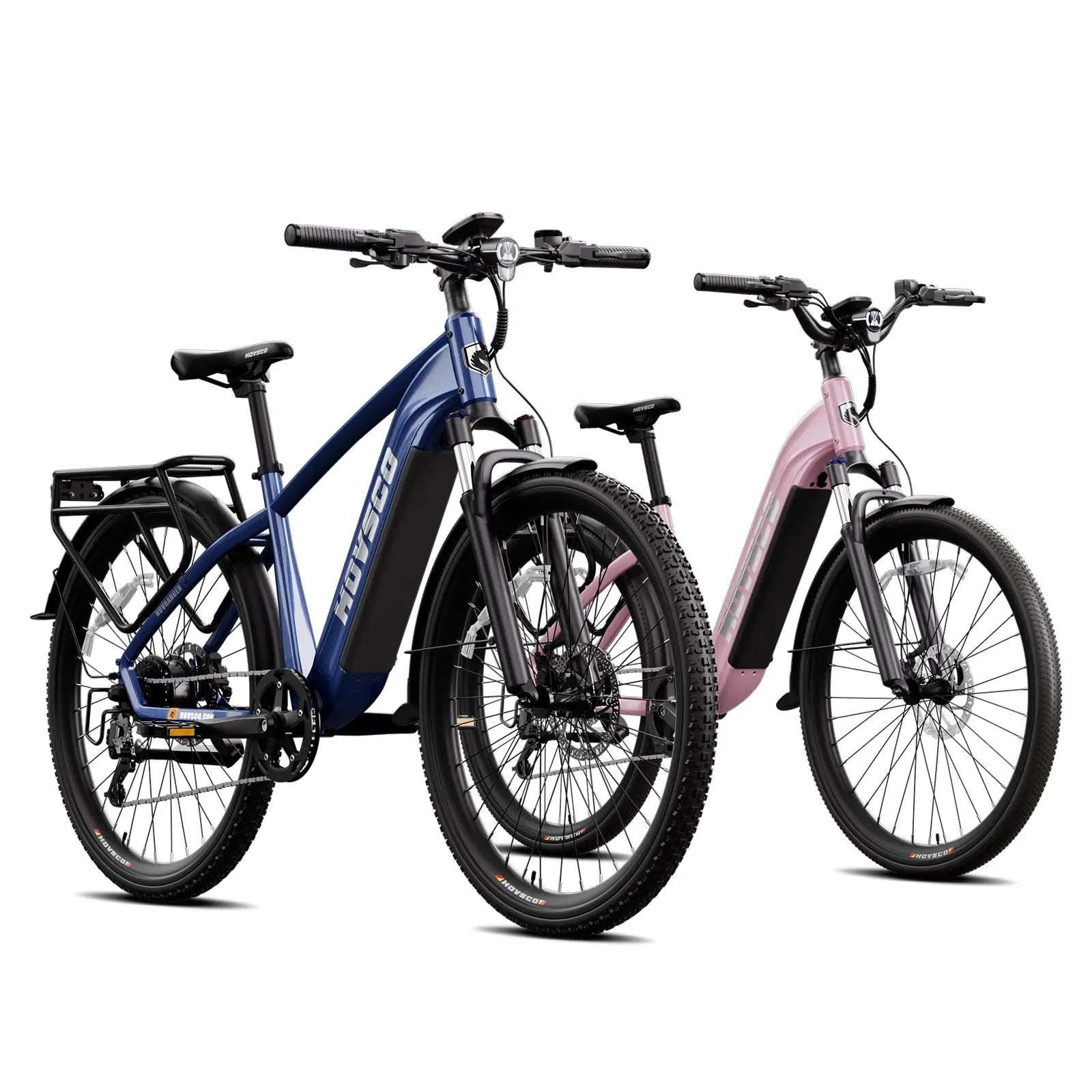
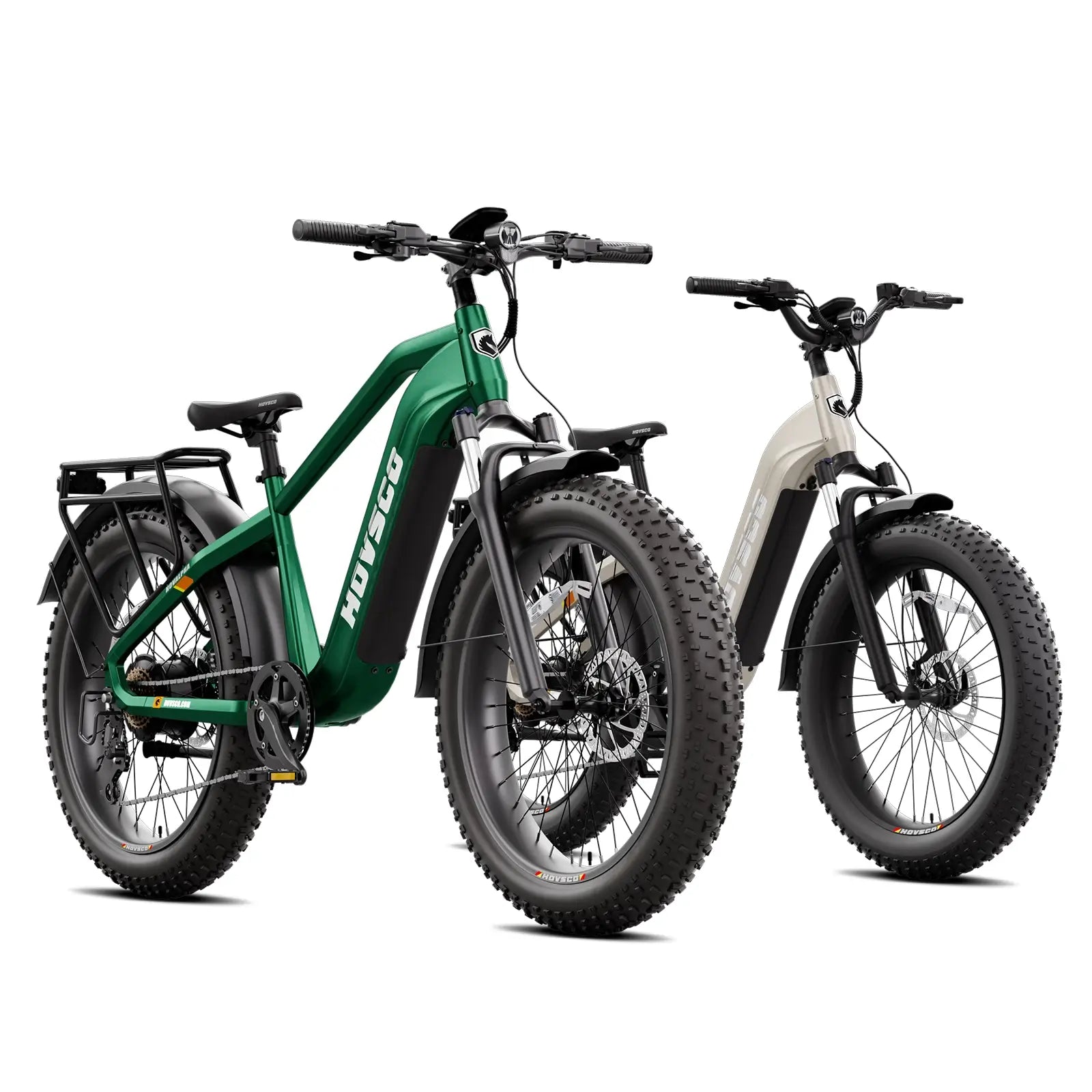
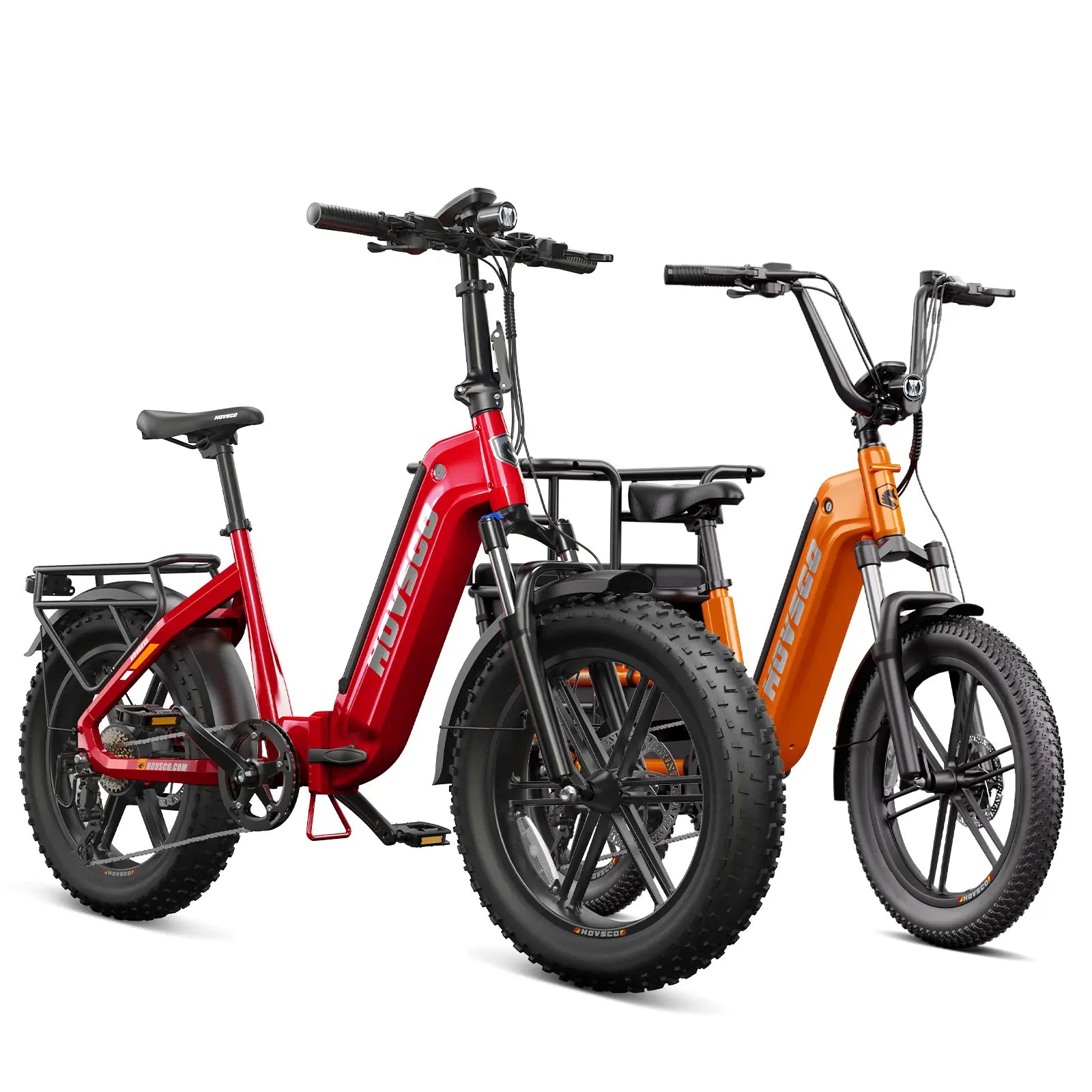
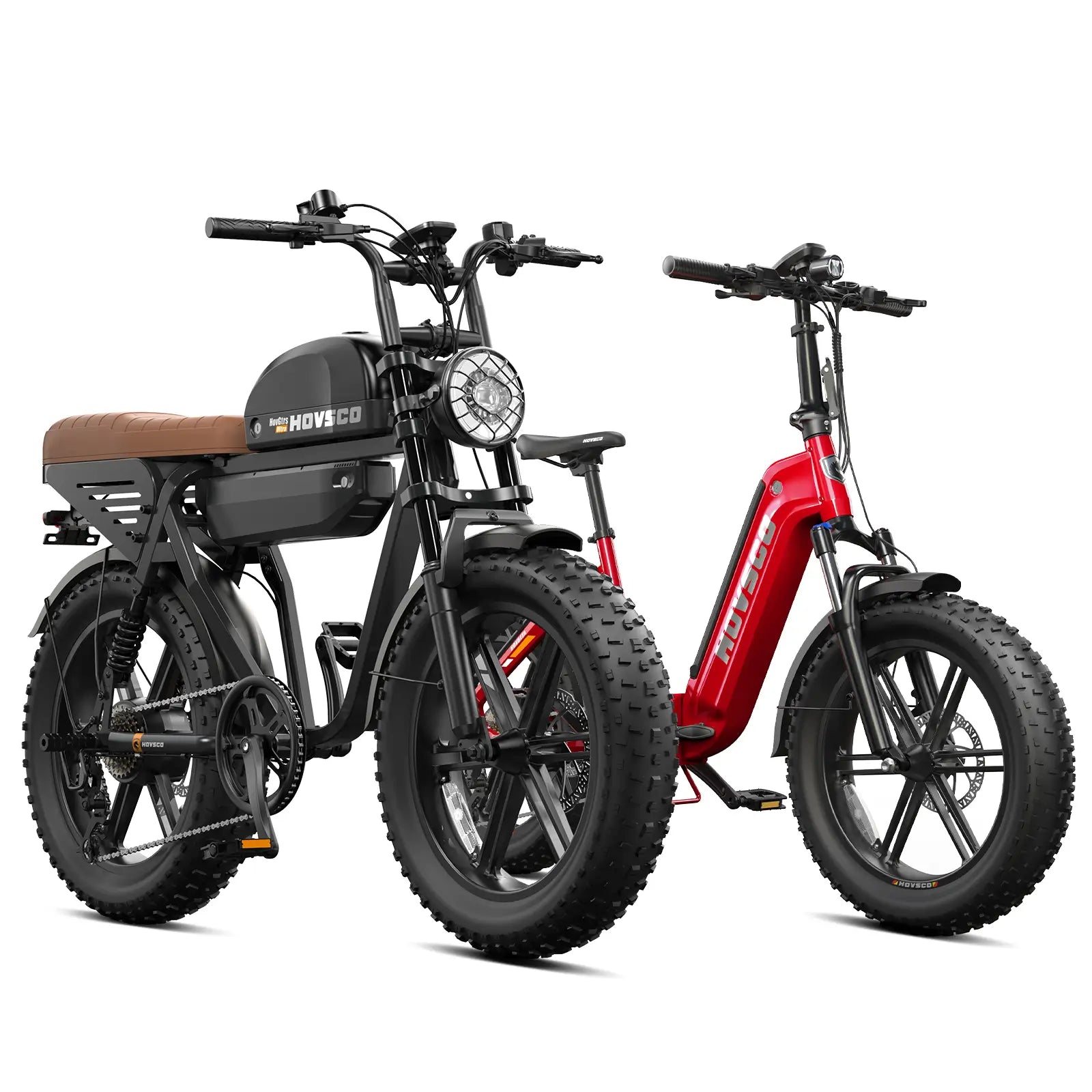
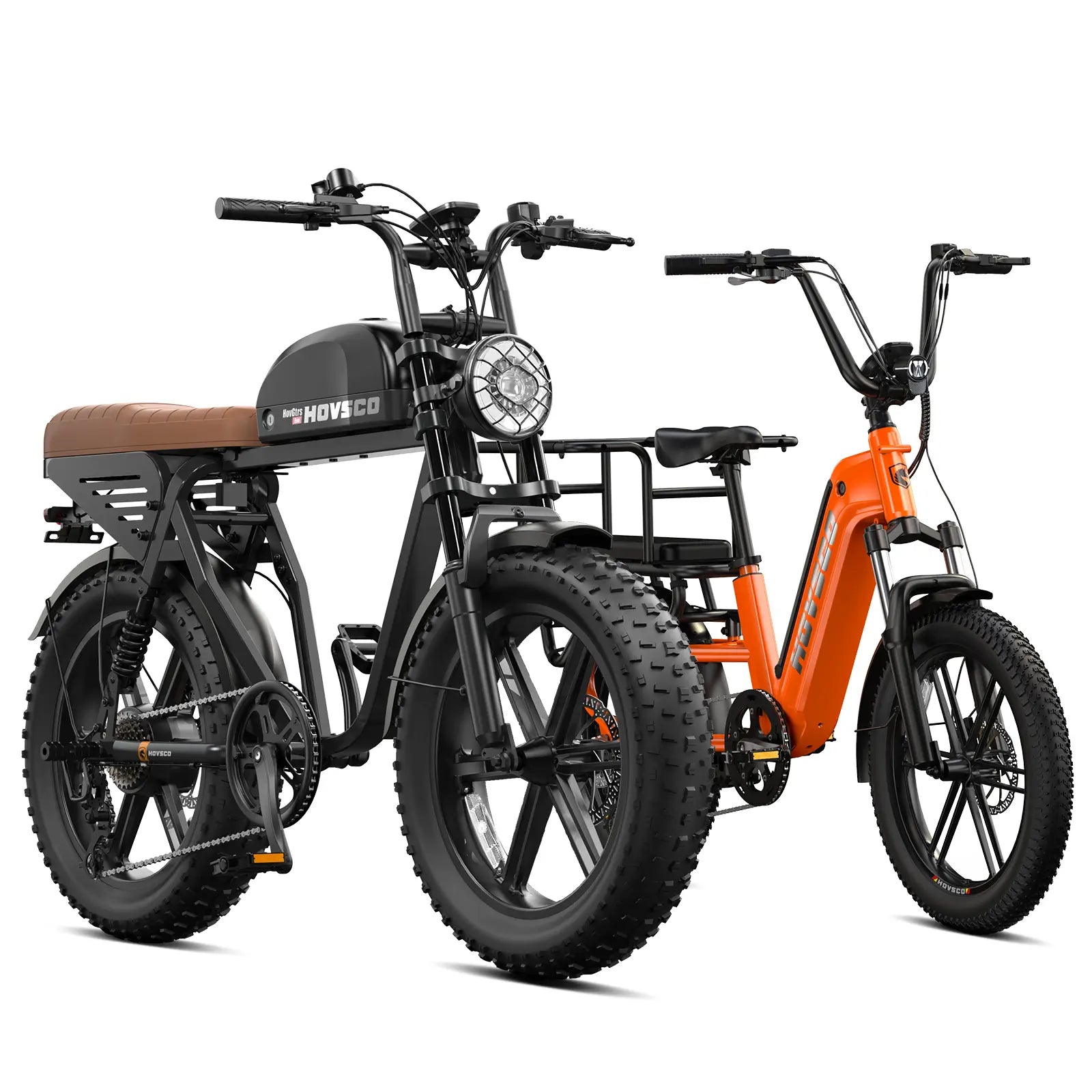
HOVSCO heavy duty cargo e-bikes feature 1000W motors peaking at 1500W, 100Nm torque, and 48V 25Ah dual batteries for 70-mile ranges. Reinforced aluminum frames support 450 lbs total payload, including 300 lbs on rear racks.
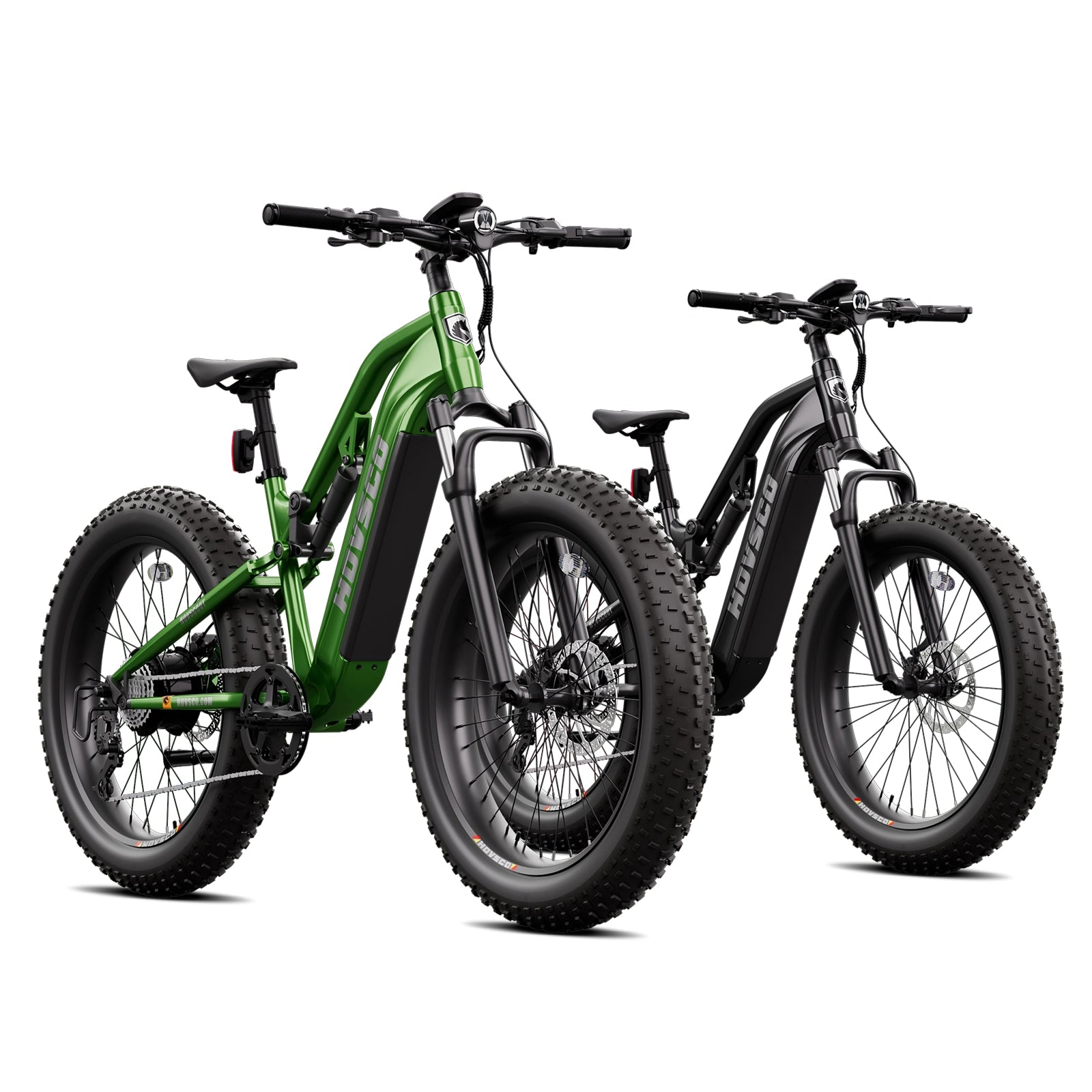
Full suspension, hydraulic disc brakes, and torque sensors ensure stability on potholes and hills. Founded in 2019 by university-trained cycling experts, HOVSCO draws from e-scooter success to emphasize safety in cargo designs like the HovHaul Pro.
Integrated lights, app locks, and modular accessories adapt to diverse loads.
| Feature | Traditional Van/Bike | HOVSCO Heavy Duty Cargo E-Bike |
|---|---|---|
| Payload Capacity | 150-300 lbs | 450 lbs (300 lbs rack) |
| Range per Charge/Fill | 200 miles (high cost) | 70 miles |
| Operating Cost/Mile | $0.50 | $0.05 |
| Top Speed Loaded | 25 mph (traffic bound) | 28 mph |
| Maintenance Yearly | $1,500 | $250 |
| CO2 Emissions/Mile | 0.4 kg | 0 kg |
| Hill Climb (10% Grade) | Struggles with load | Handles with torque sensor |
HOVSCO models extend component life 2x via reinforced drivetrains.
Secure load on rear rack using tie-downs; distribute weight evenly below 300 lbs.
Power on LCD display; select PAS 1-5 based on terrain (level 3 for urban loads).
Pedal or throttle to 28 mph; torque sensor adjusts assist for smooth acceleration.
Monitor battery via app; engage brakes 40 feet ahead with 2.5m stopping distance loaded.
Charge 5-7 hours post-shift; lock bike with integrated alarm for overnight storage.
Scenario 1: Urban Delivery Driver, 25-Mile Routes
Problem: Van fuel hits $3,000 yearly; traffic delays cut deliveries.
Traditional: Multiple stops for refueling, $500 repairs.
After HOVSCO: Single charge covers routes, 45-minute savings daily.
Key Benefits: Cuts costs 85%, boosts 20% more deliveries.
Scenario 2: Family Parent, Grocery and Kids
Problem: Car trunk overflows; child seat instability on bumpy roads.
Traditional: Strained back from bags, safety risks.
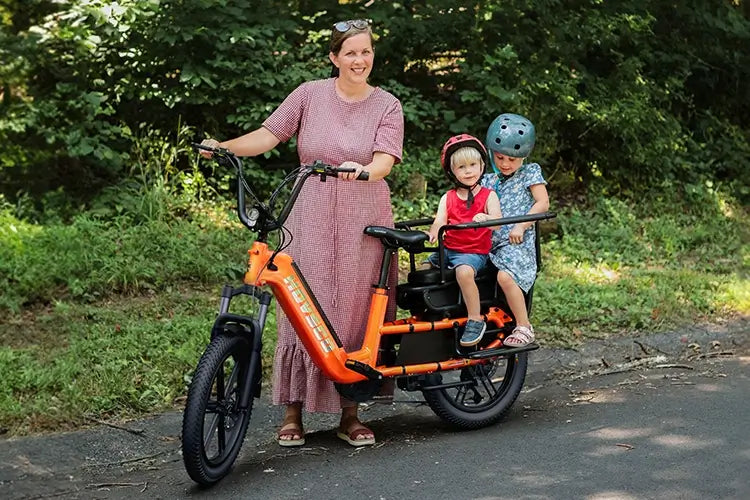
After HOVSCO: 250 lbs hauled securely, suspension smooths ride.
Key Benefits: Saves $1,200 yearly gas, safer family trips.
Scenario 3: Small Business Owner, Market Runs
Problem: Bike frame fails under produce crates.
Traditional: $800 yearly replacements, lost sales.
After HOVSCO: 400 lbs capacity, weatherproof design.
Key Benefits: Expands inventory 50%, halves transport time.
Scenario 4: Contractor, Tool Transport
Problem: Scooter tips with heavy gear.
Traditional: Walk backups, $400 damages.
After HOVSCO: Rack holds 150 lbs tools, 15 mph hills.
Key Benefits: 40% faster jobs, durable for 10,000 miles.
Cargo e-bike adoption surges 30% yearly to 2030 per BloombergNEF, with cities mandating zero-emission zones covering 50% of urban areas. HOVSCO's community-focused innovations, like expandable racks, position users ahead as subsidies favor high-payload models saving $2,000 yearly per bike.
Secure sustainable operations now amid infrastructure builds for e-bike lanes.
Are HOVSCO cargo e-bikes street-legal for heavy loads?
Yes, class 3 limits apply under 28 mph and 750W nominal power in most states.
What payload fits daily family use?
Up to 450 lbs total, with 300 lbs rear rack for kids and groceries.
How long does the battery last under full load?
500 cycles or 3 years at 80% capacity; dual options extend to 100 miles.
Can HOVSCO handle off-road or rain?
IP65 rating and fat tires manage wet pavement and light trails.
What warranty covers HOVSCO cargo models?
2 years on frame, 1 year on motor/battery, with community support.
Does it require a special license for business?
No, treated as bicycles; check local commercial regs.
Share:
Which Is Better for Your Commute: Moped Style E-Bike or Electric Scooter?
What Achieves the Best Performance in Retro Electric Bikes?