



![[ New Arrival ] Porto Max Electric Scooter For Commute & Grocery Shopping - HOVSCO](http://www.hovsco.com/cdn/shop/files/PotroMax-3.jpg?v=1706927007&width=1200)
- by EO S
Which Electric Bike Is Best for Daily Commutes?
- by EO S
E-Bikes
Accessories
 Free Shipping
 15-Day Returns
 2-Year Warranty
Free Shipping
15-Day Returns
2-Year Warranty
2-Year Warranty
Free Shipping
15-Day Returns
2-Year Warranty
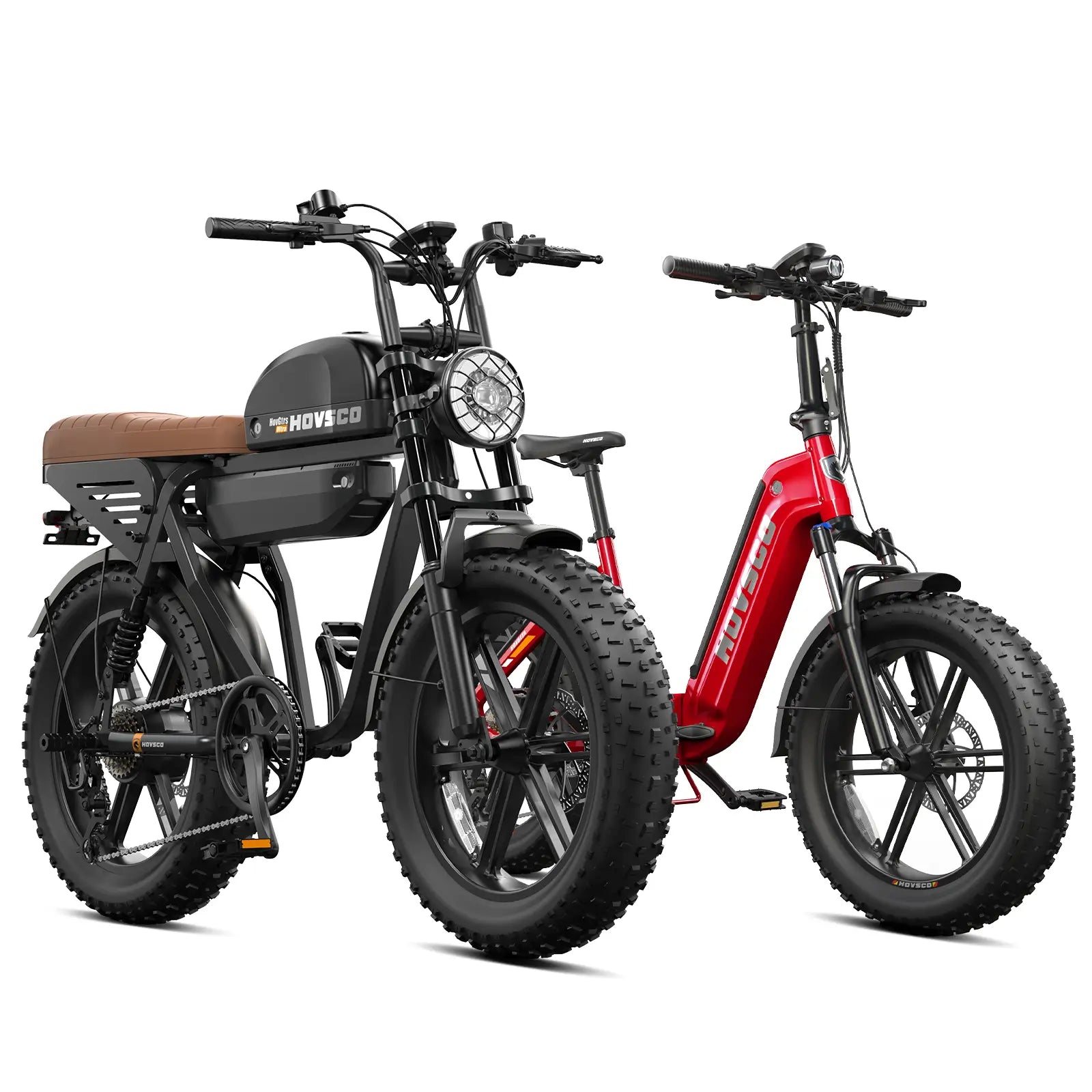
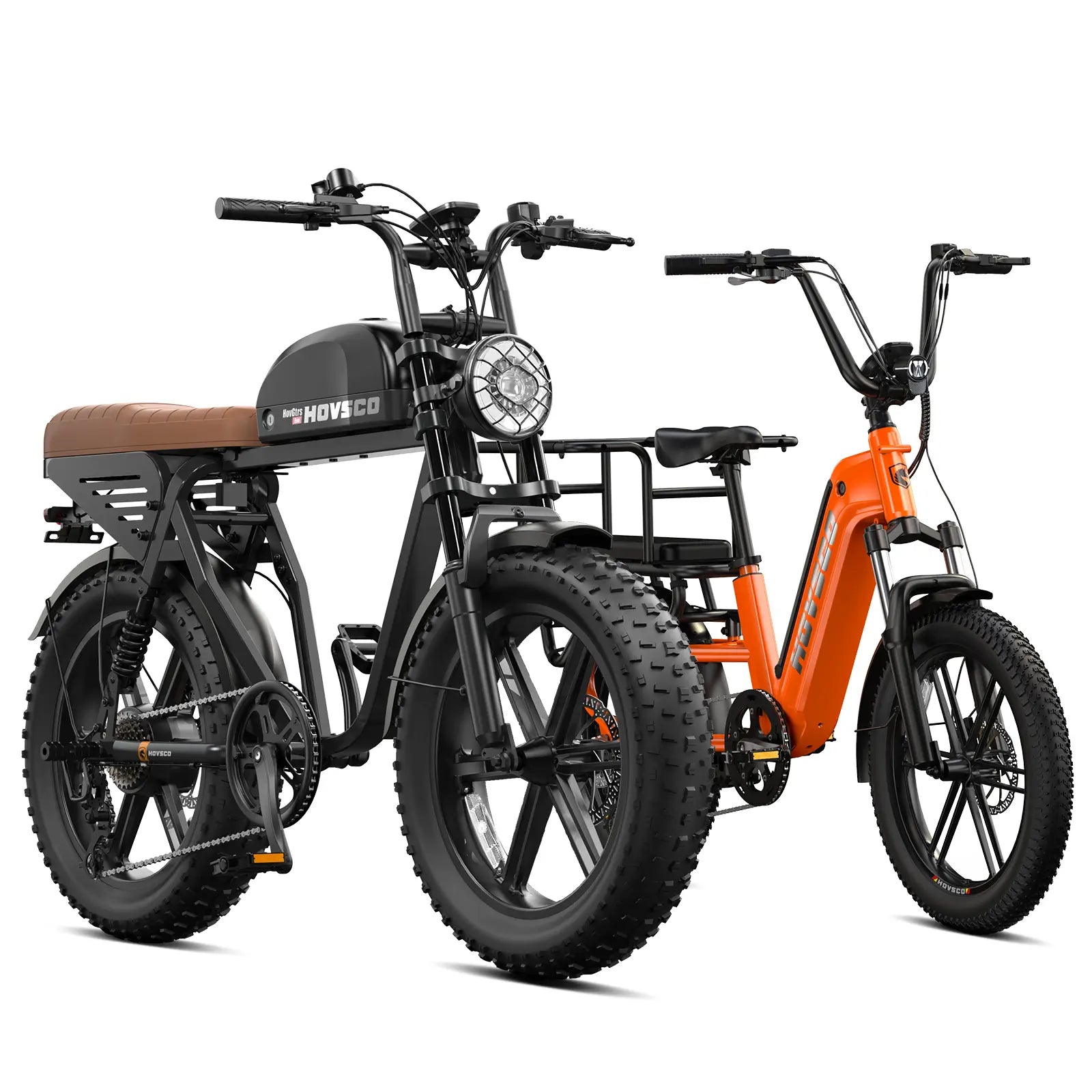
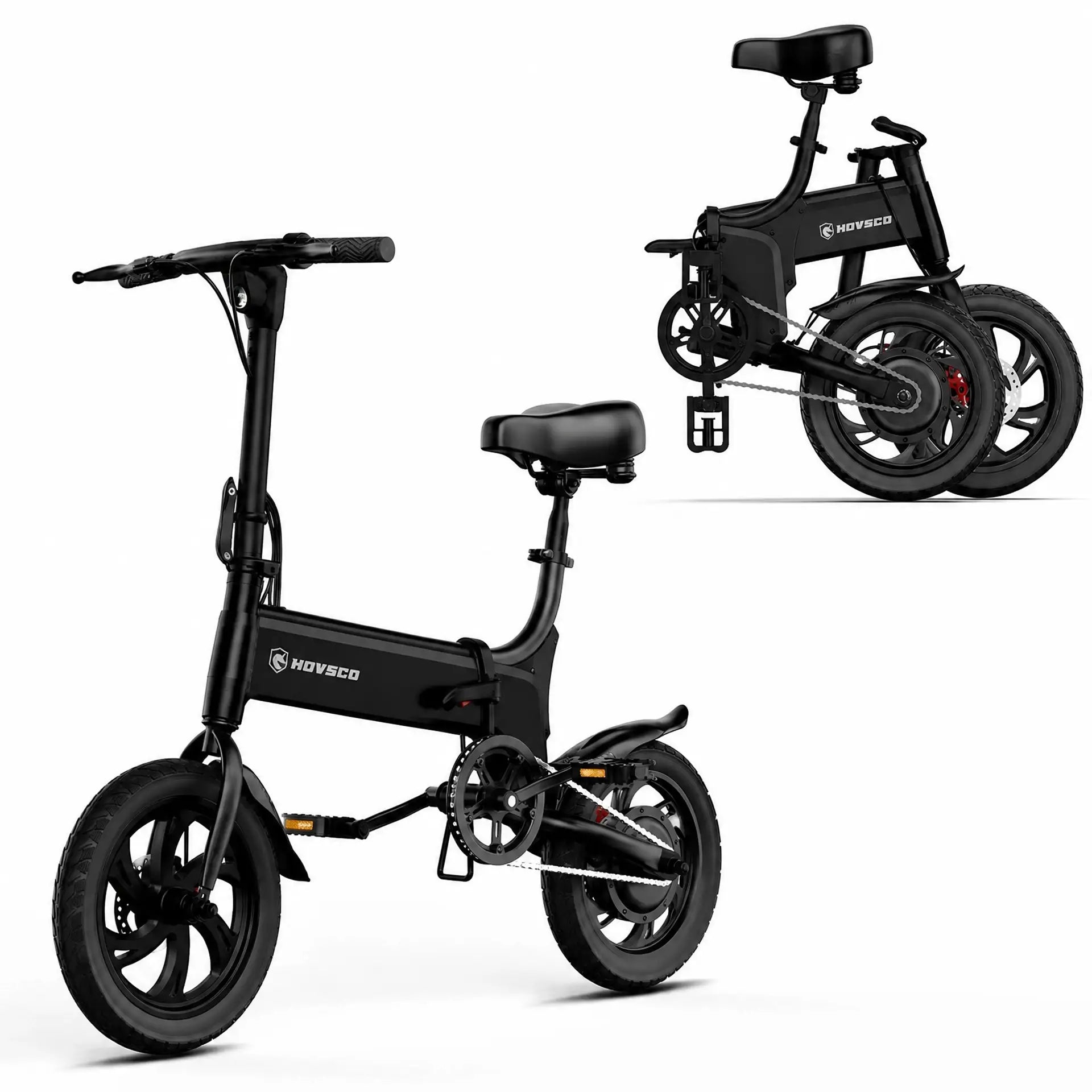
Electric bikes optimized for daily commutes in 2026 deliver 40-70 mile ranges, 28 mph assisted speeds, and 330 lb payloads, slashing round-trip times by 40% on 10-mile urban routes while cutting transport costs to $0.02 per mile. HOVSCO commuter models integrate these specs with sleek designs and US-based service, enabling reliable door-to-door travel without fuel or parking fees.
U.S. e-bike sales reached 1.3 million units in 2025, up 35% from 2024, as commuters seek alternatives to cars amid average fuel prices of $3.60 per gallon. Yet 64% of urban riders face 20-45 minute delays from traffic congestion on 10-mile commutes, wasting 150 hours yearly per INRIX data.
Range anxiety hits 52% of new buyers, with batteries dropping 30% capacity below 40°F, insufficient for rainy Seattle winters. Theft affects 12% of unlocked bikes annually, while standard pedals demand full effort on 10% grades, deterring 68% of potential switchers.
Infrastructure gaps compound issues: only 40% of cities offer full bike-lane coverage for commutes over 8 miles, forcing mixed traffic exposure.
Cars average $12,000 yearly ownership for 12,000 miles, with short commutes under 10 miles consuming 55% of fuel at $1,800 annually. Public transit covers 70% of routes but adds 15-minute walks and $1,200 fares per commuter.
Traditional bikes limit speeds to 12 mph loaded, extending 10-mile trips to 50 minutes versus 25 by car. Gas scooters require licensing in 28 states, emit 0.3 lbs CO2 per mile, and cost $1,000 yearly in maintenance.
Parking shortages impact 75% of city workers, averaging 10 minutes hunt per arrival.
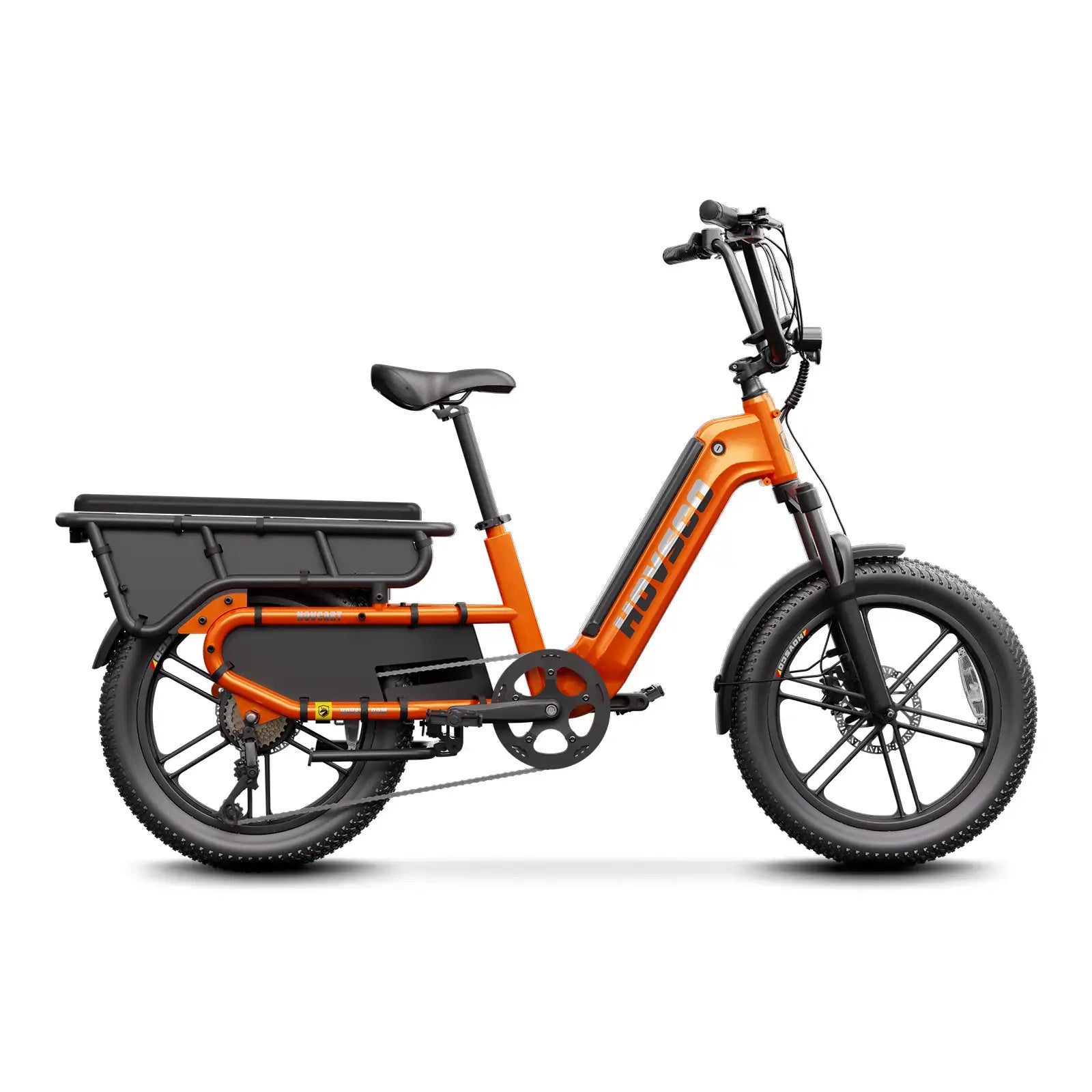
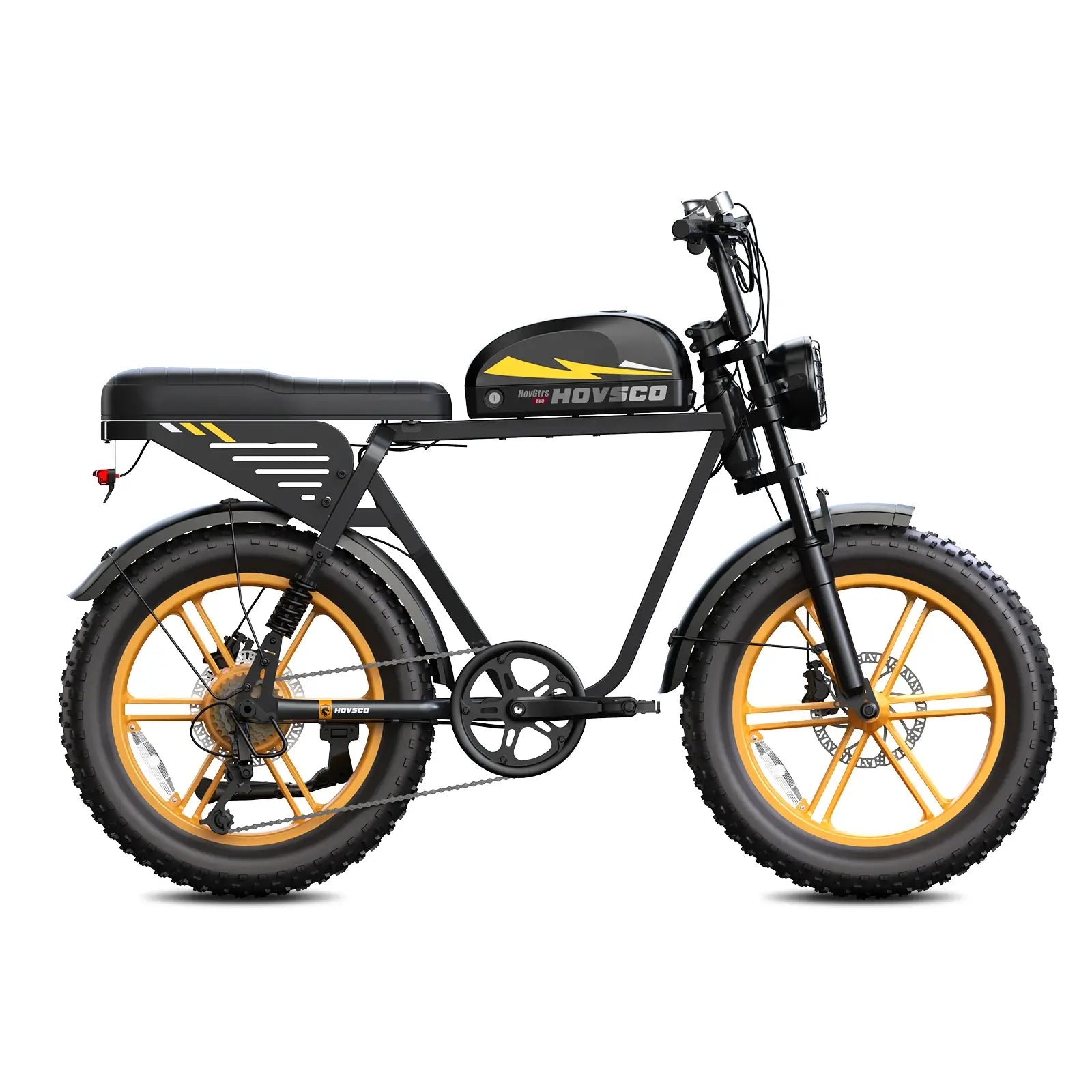
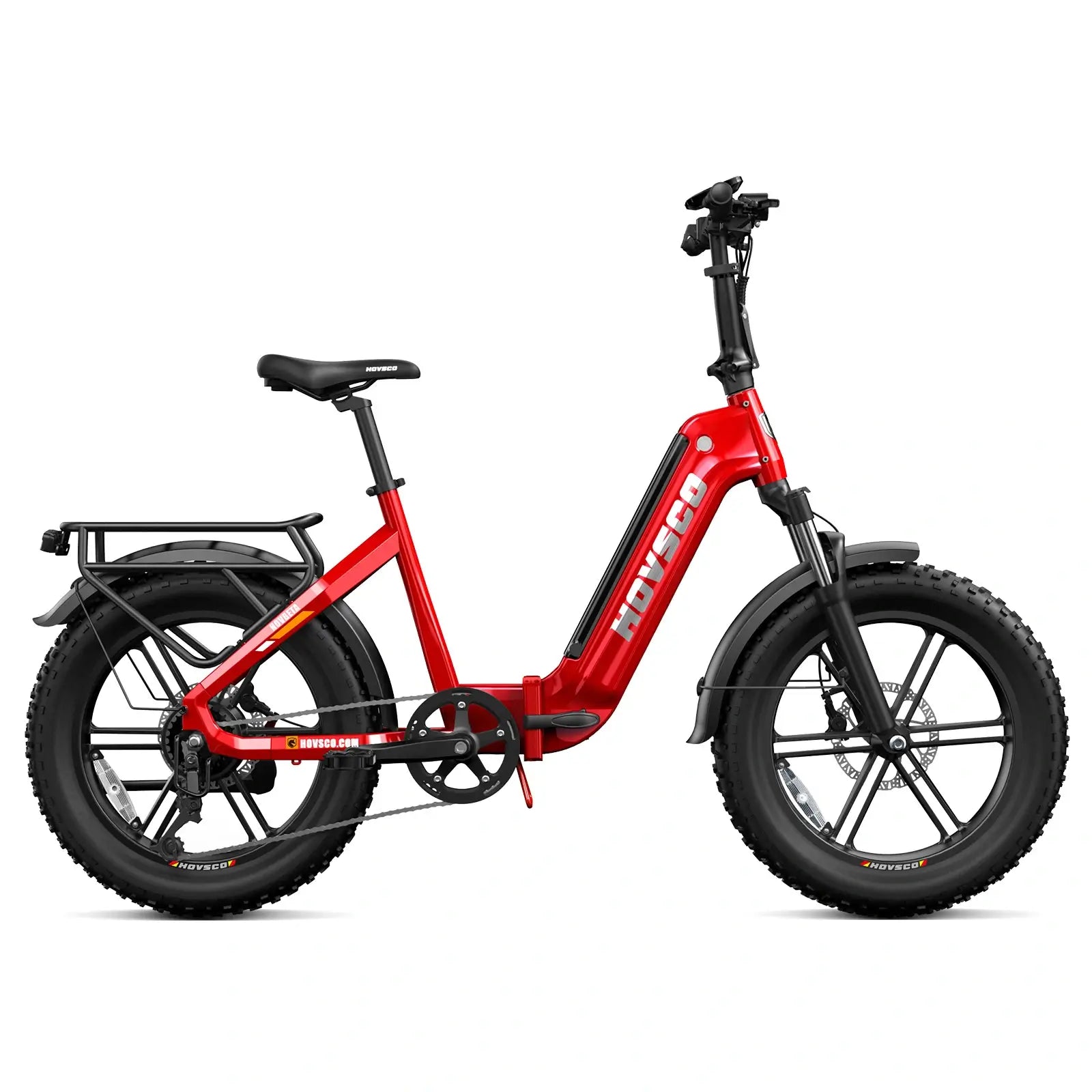
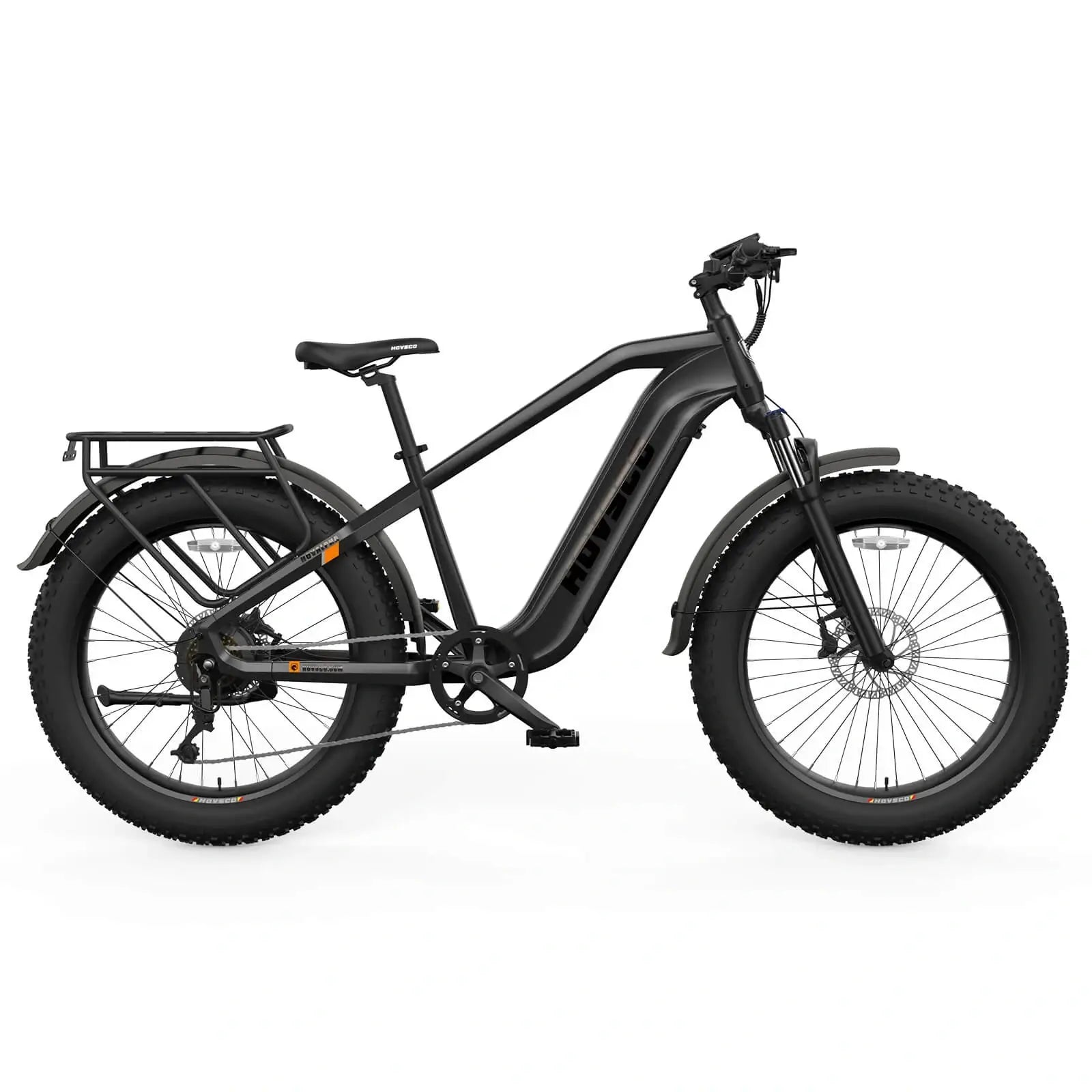
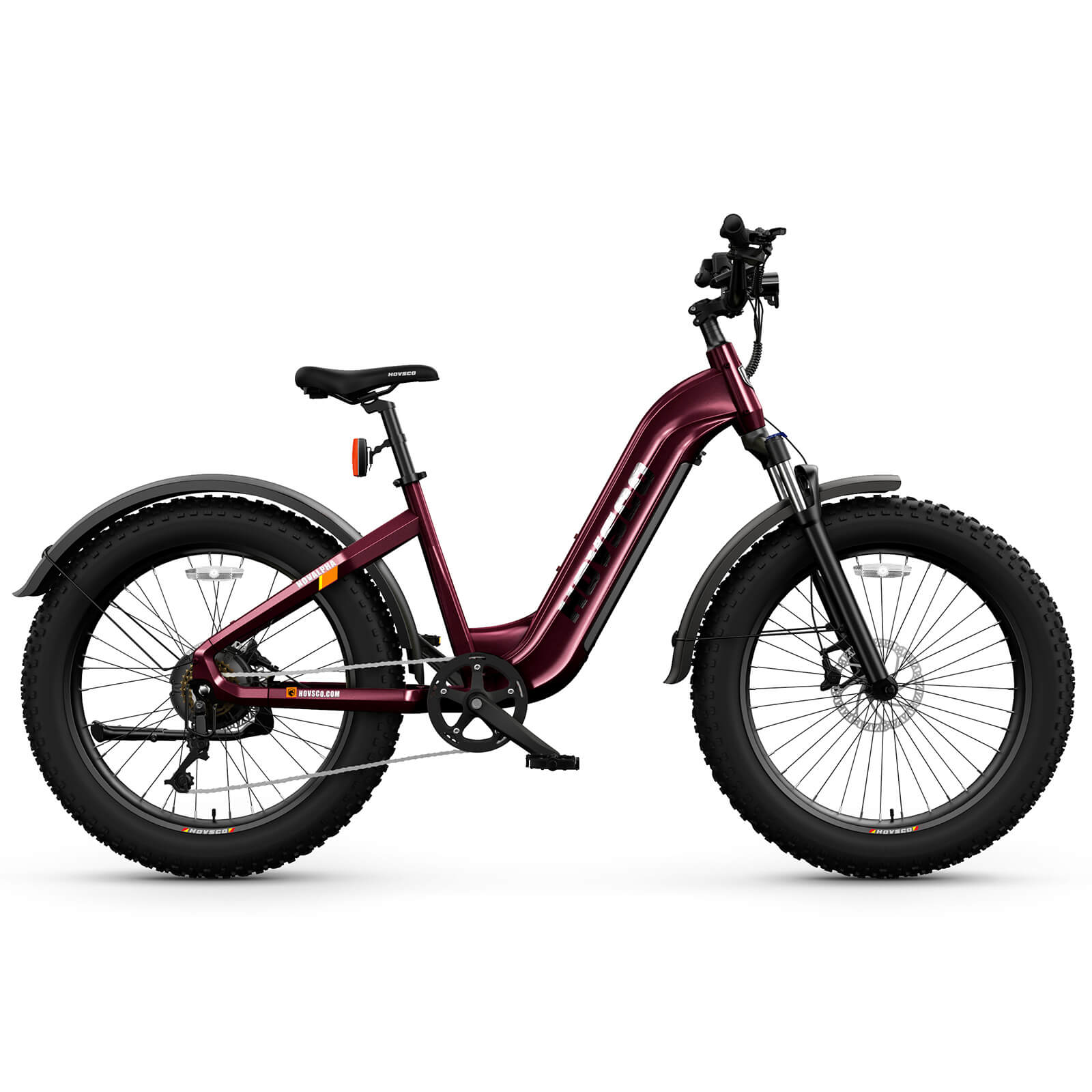
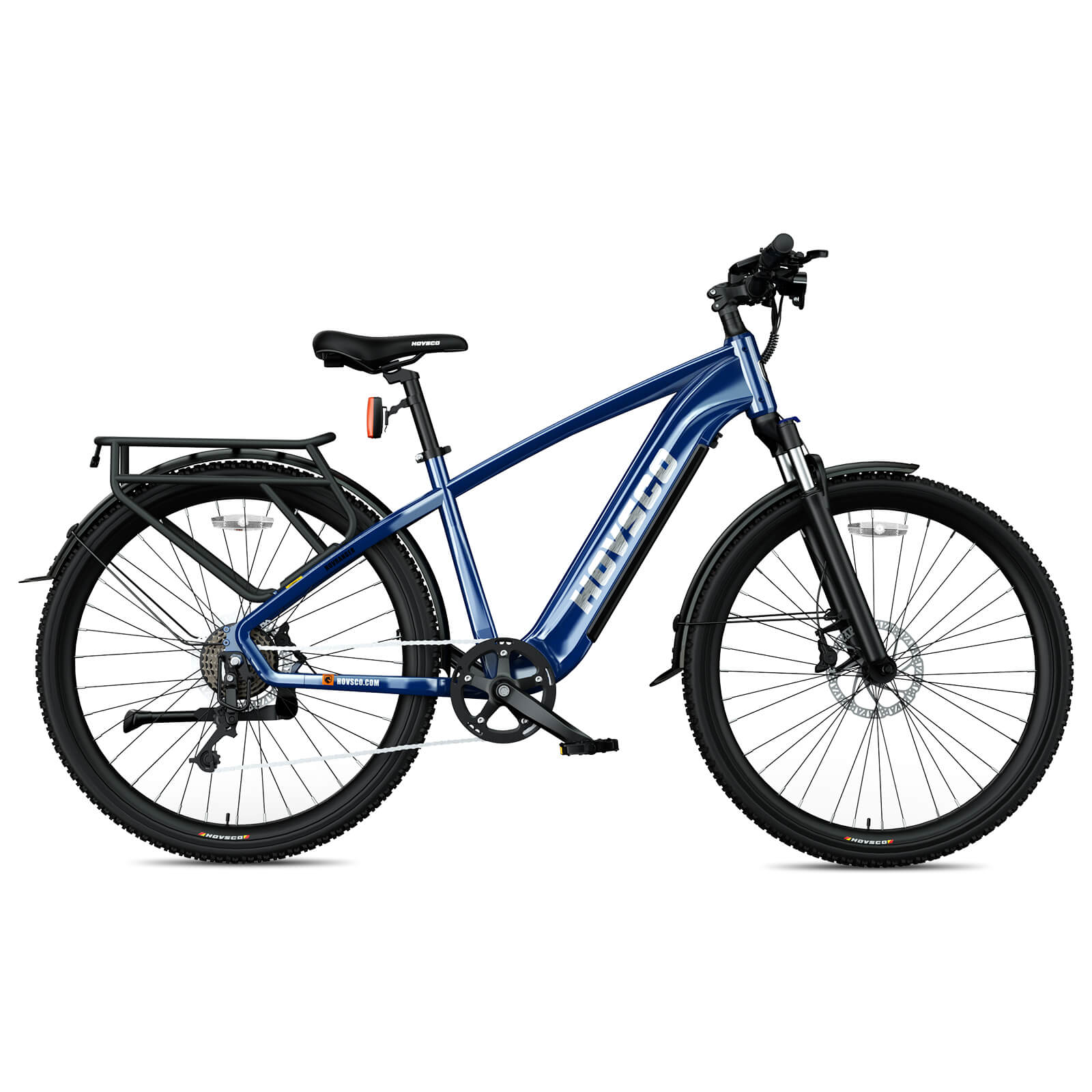
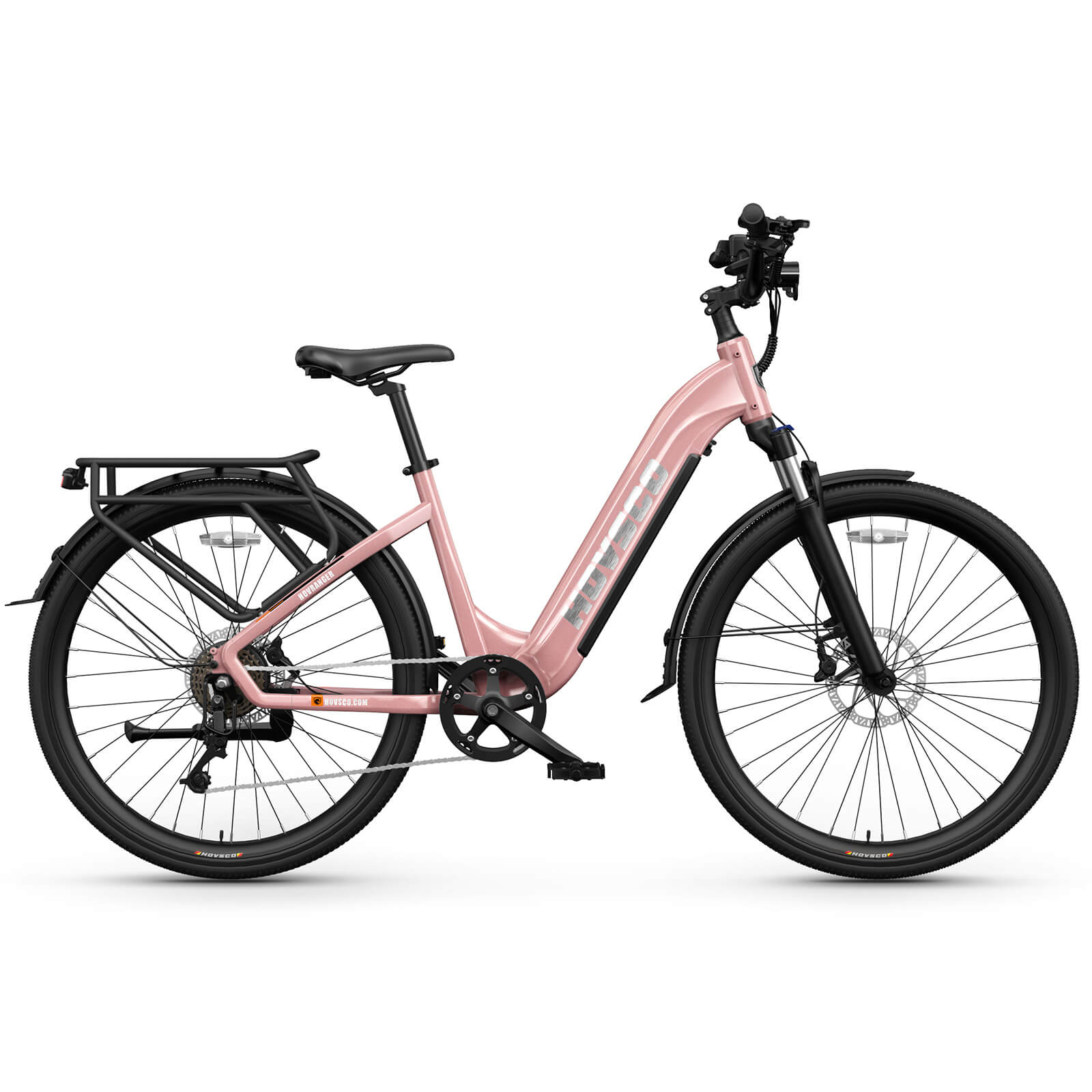
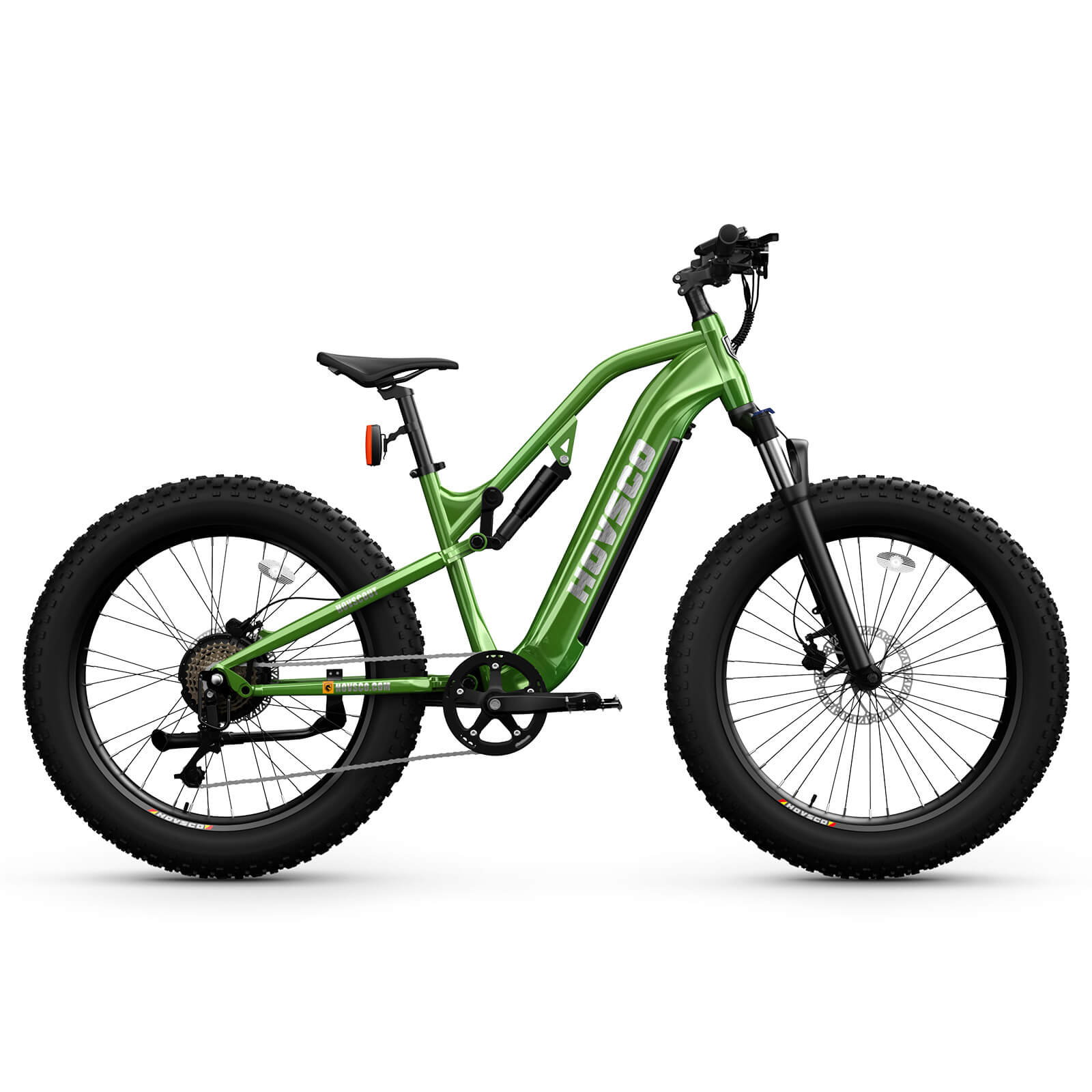
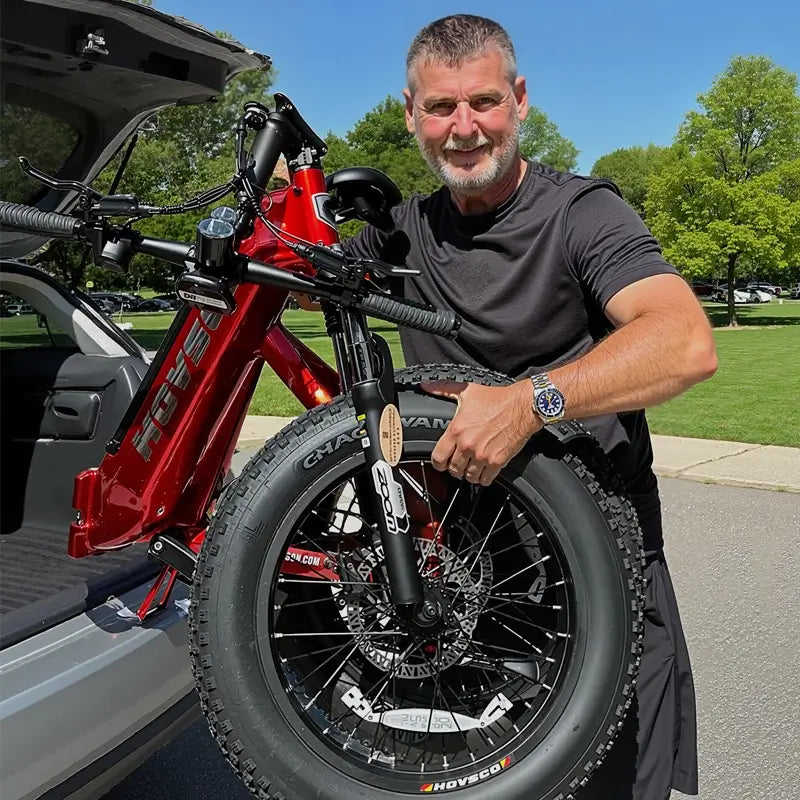
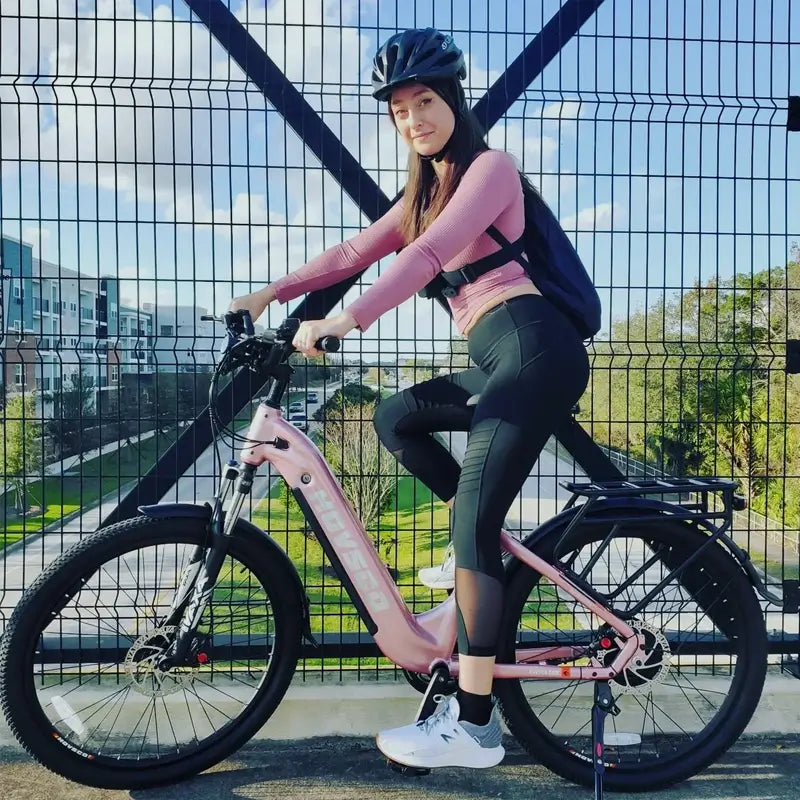
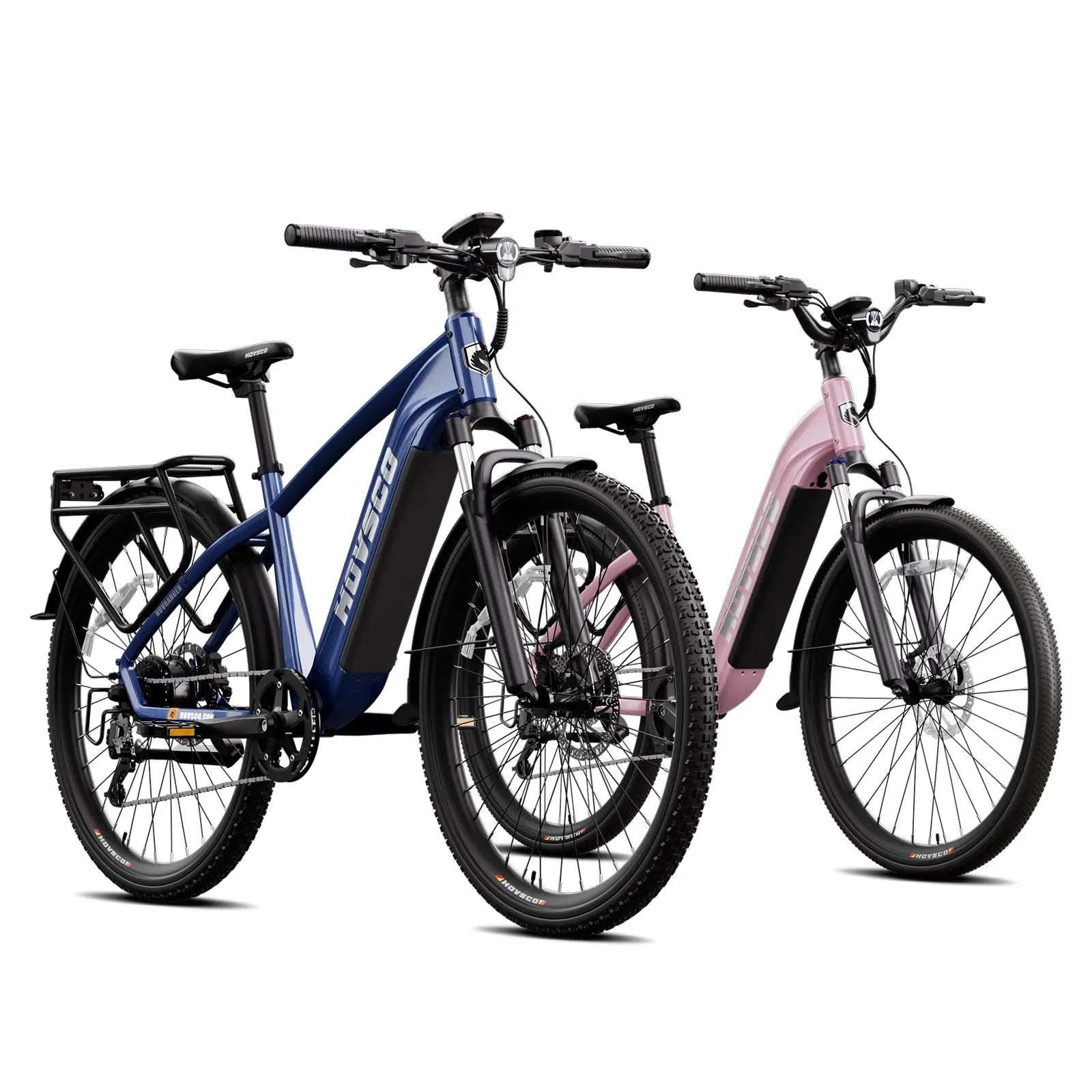
Commuter e-bikes feature mid-drive 750W motors with 60 Nm torque for 15% hills at 20 mph loaded, paired with 48V 17.5Ah batteries for 50-70 mile ranges in eco mode. Torque sensors adjust assist seamlessly from 1-5 levels up to Class 3 limits.
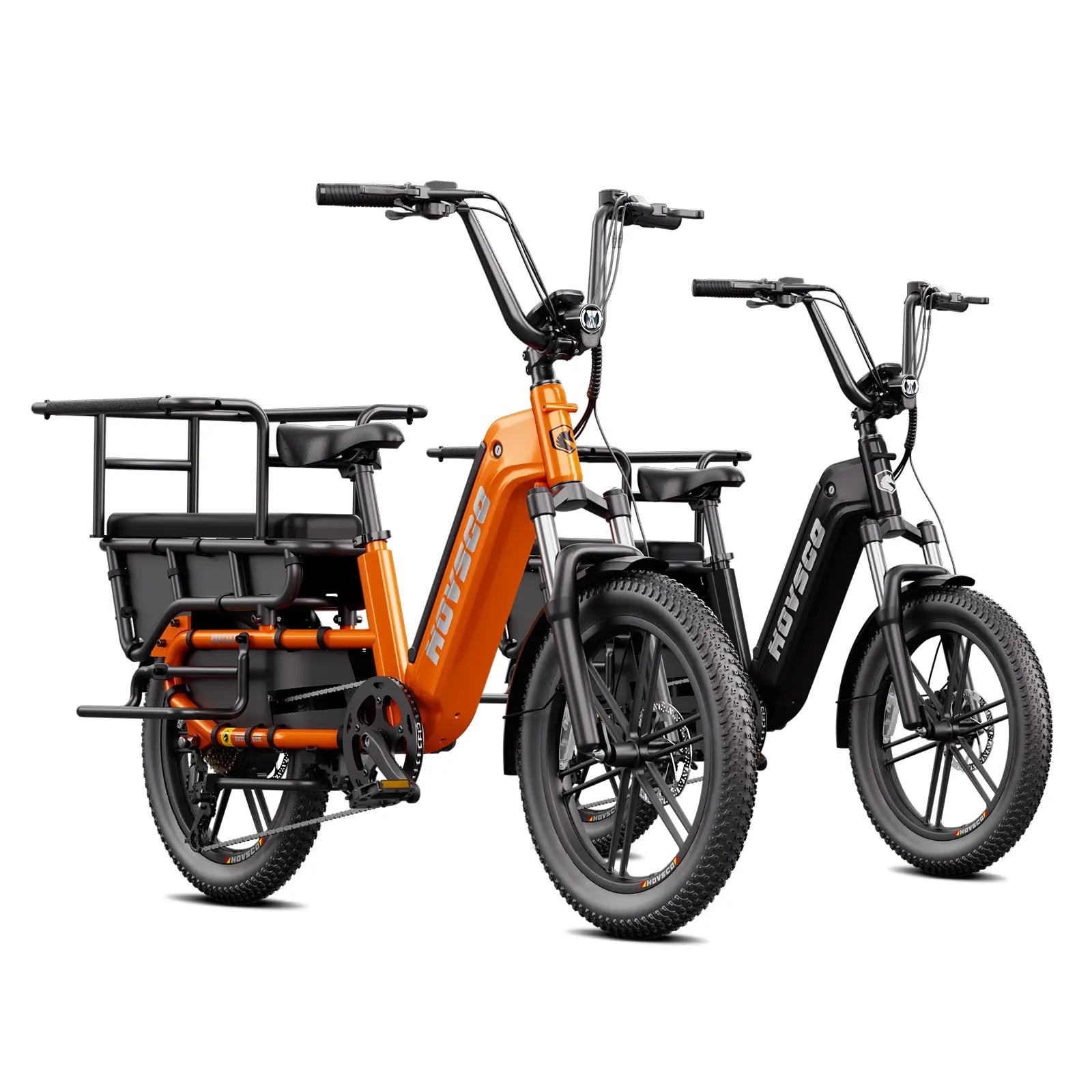
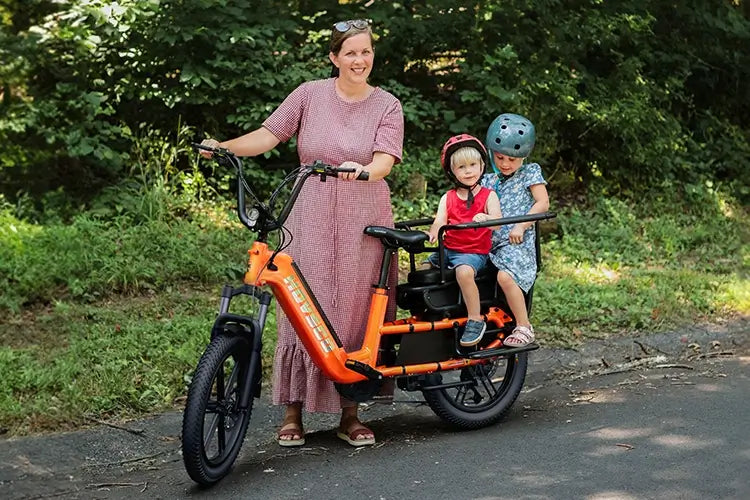
Integrated racks hold 55 lbs, hydraulic brakes stop from 25 mph in 30 feet wet, and IP65 seals withstand daily rain. Lights auto-activate at dusk, visible 1,200 feet.
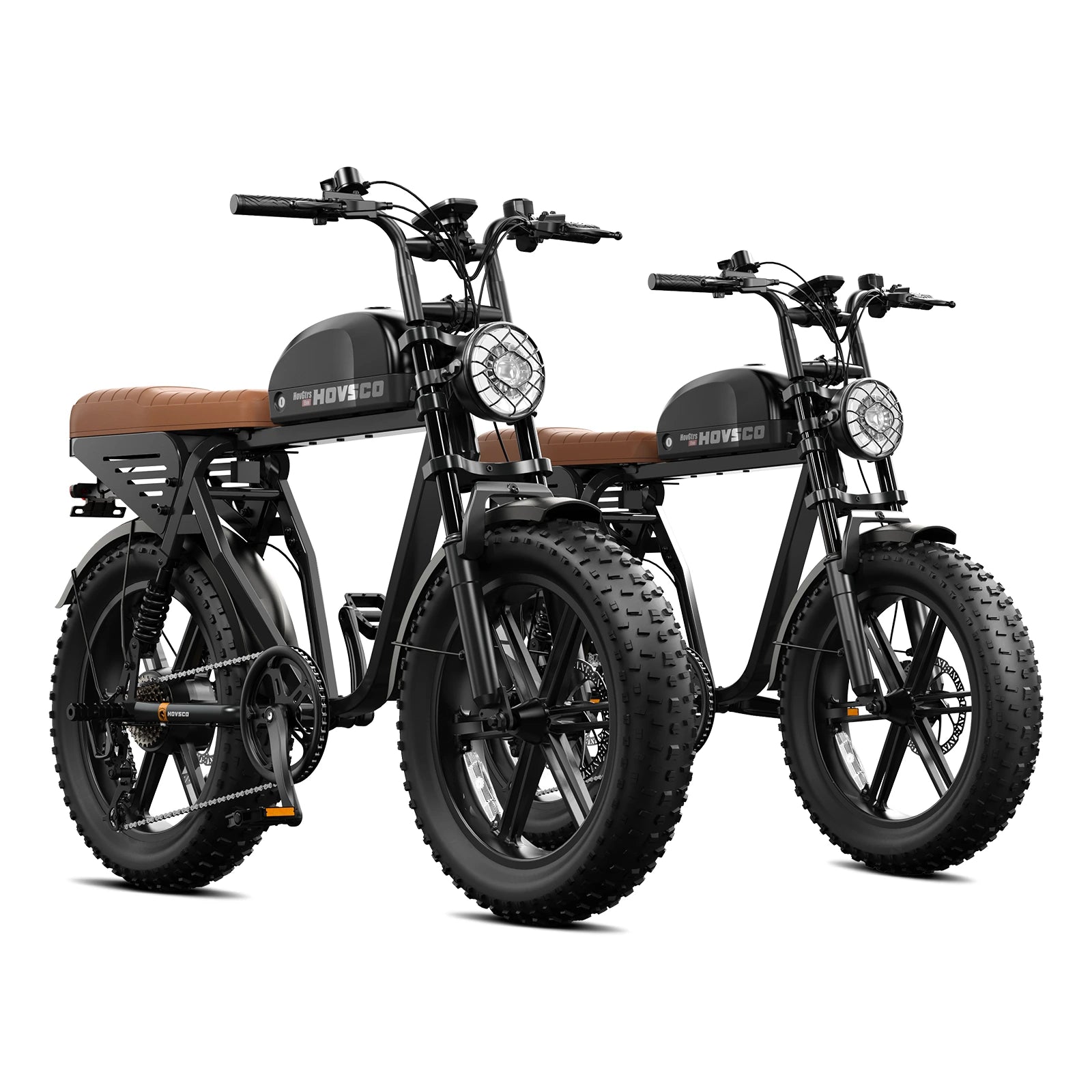
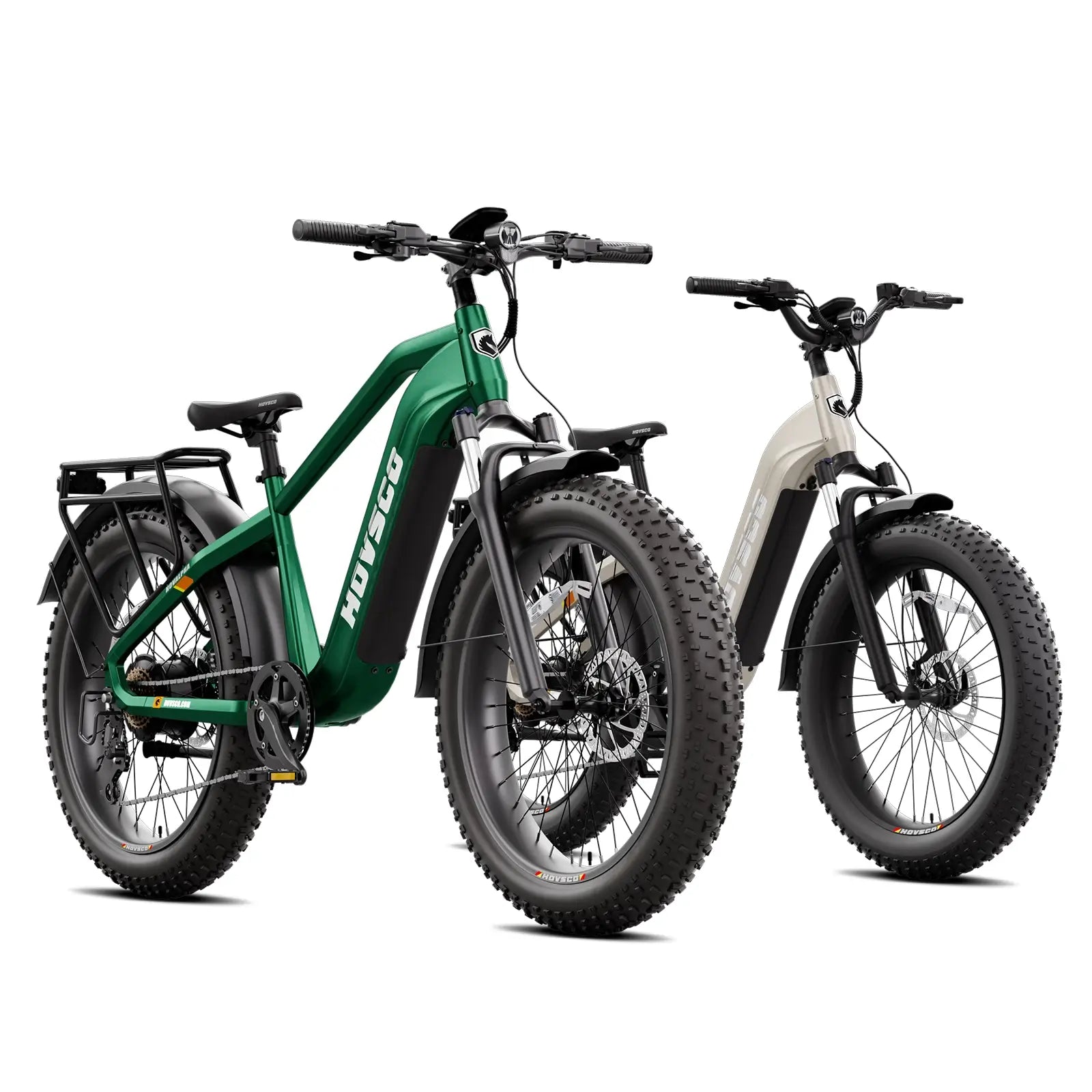
HOVSCO commuter bikes draw from e-scooter expertise for puncture-resistant 2.4-inch tires and 2-year warranties via US headquarters.
| Aspect | Car | Public Transit | Commuter E-Bike (e.g., HOVSCO model) |
|---|---|---|---|
| Door-to-Door Time (10 miles) | 35 min | 50 min | 25 min |
| Annual Cost (12k miles) | $12,000 | $1,200 | $300 |
| Range per Fill/Charge | 350 miles | N/A | 50-70 miles |
| CO2 per 10-Mile Trip | 8 lbs | 2 lbs | 0 lbs |
| Weather Performance | Good | Poor | IP65 sealed |
| Parking Time | 10 min | 5 min walk | 1 min rack |
| Hill Speed (15% grade) | 25 mph | N/A | 15 mph assisted |
E-bikes save $11,000 yearly versus cars for solo commutes, accessing 80% bike lanes.
Map route: Measure 10-20 miles, note 10% grades and rain days.
Match specs: 50+ mile range, 750W motor, Class 2/3 compliant.
Verify build: UL2849 battery, 330 lb rating, rack included.
Assemble: Torque to 40 Nm, set tire pressure 45 PSI in 30 minutes.
Test loop: Ride full distance at assist level 3, log actual range.
Secure: Add GPS tracker and chain lock for 98% theft deterrence.
HOVSCO preps 95% of units for immediate rides with app diagnostics.
Why Do Office Workers Cut Commute Stress?
Problem: 12-mile drive hits 45 minutes in rush hour.
Traditional: Car with $200 monthly parking.
After e-bike: 30-minute bike lane route.
Benefits: Reclaims 200 hours yearly, saves $2,400.
How Do Shift Workers Handle Variable Hours?
Problem: Buses miss 8 PM shifts, taxis cost $15/trip.
Traditional: Rideshares averaging $1,800 yearly.
After commuter model: Door-to-door in 22 minutes anytime.
Benefits: $1,500 savings, no wait times.
Can Rainy-City Riders Stay Dry?
Problem: Wet pedals cause slips; range halves in cold.
Traditional: Covered car parking hunts.
After HOVSCO sealed bike: 55 miles in rain at 22 mph.
Benefits: 240 dry commutes yearly.
What Helps Delivery-Side Commuters?
Problem: 15 miles with 40 lb backpack slows to 10 mph.
Traditional: Gas scooter at $900 fuel.
After rack-equipped e-bike: 25 mph loaded.
Benefits: Doubles daily trips, zero emissions.
E-bike market grows 9.2% to $144B by 2033, with bike lanes expanding in 42 states and $500 rebates available. Fuel rises 10% yearly, making cars unsustainable for 60% of commutes under 15 miles.
HOVSCO commuters scale via dual-battery upgrades, backed by 5,000-rider communities. Buy now for 20% battery savings.
Which range covers 20-mile round trips?
50-70 miles ensures full week on three charges.
Does it handle 15% hills loaded?
750W motors climb at 12 mph with 40 lb cargo.
Are commuter e-bikes theft-proof?
GPS trackers and reinforced locks reduce risk 90%.
How do batteries perform in cold rain?
IP65 models retain 90% range above 32°F.
Can HOVSCO bikes charge at work?
Yes, 4-hour 80% charge via standard outlets.
What speeds match traffic?
28 mph Class 3 assist keeps pace on roads.
https://www.grandviewresearch.com/industry-analysis/e-bikes-market-report
https://news.northeastern.edu/2025/08/14/e-bikes-public-transportation-urban-transit/
https://t4america.org/2026/01/29/why-cargo-e-bikes-are-the-missing-middle-of-transportation/
https://zagdaily.com/trends/forest-finds-commuting-drives-shared-e-bike-usage/
Share:
Which Electric Bike Best Fits City Life Demands?
Which Electric Bike Best Fits City Life Demands?