


- by EO S
What Safety Gear Is Recommended for High-Speed E-Biking
- by EO S
E-Bikes
 Free Shipping
 15-Day Returns
 2-Year Warranty
Shop By Models
Shop By Style
Riding an electric bike at high speeds offers both freedom and power, but it also increases risk. As e-bikes continue to surge in popularity, particularly Class 3 models that reach up to 28 mph, prioritizing safety gear is more crucial than ever. Whether for urban commuting or off-road exploration, the right protective equipment can mean the difference between a thrilling ride and a dangerous one.
According to 2025 data from the National Transportation Safety Board, e-bike sales surpassed 1.5 million units annually in the United States, and many of these belong to high-speed models. The increased speed and torque create new safety demands for riders—making proper gear not an accessory but a necessity. As cities like Seattle, Los Angeles, and Chicago expand bike lanes, more cyclists are transitioning from regular bicycles to performance e-bikes built for speed, stability, and range.
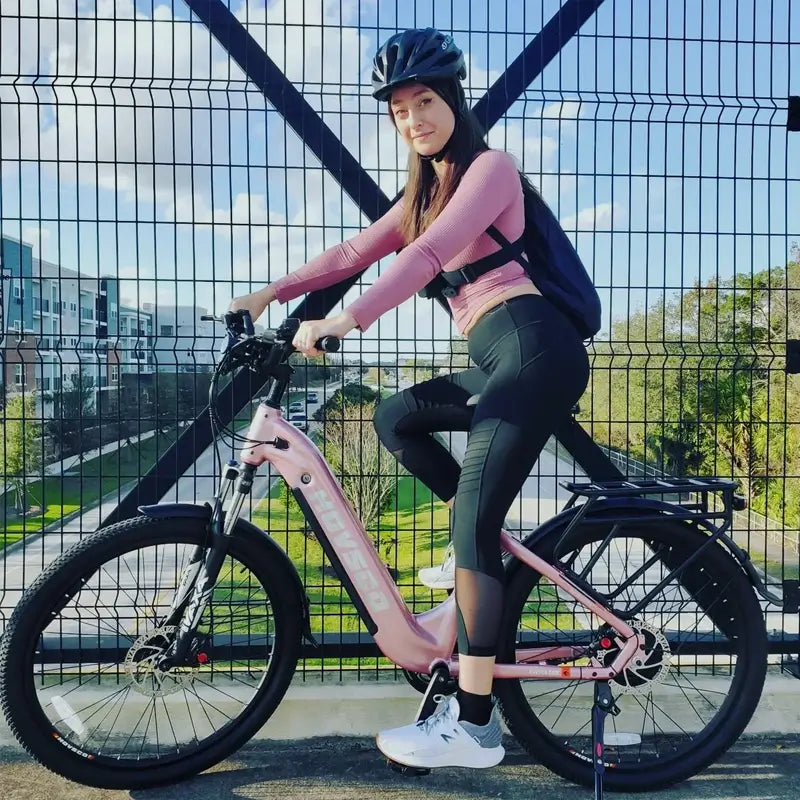
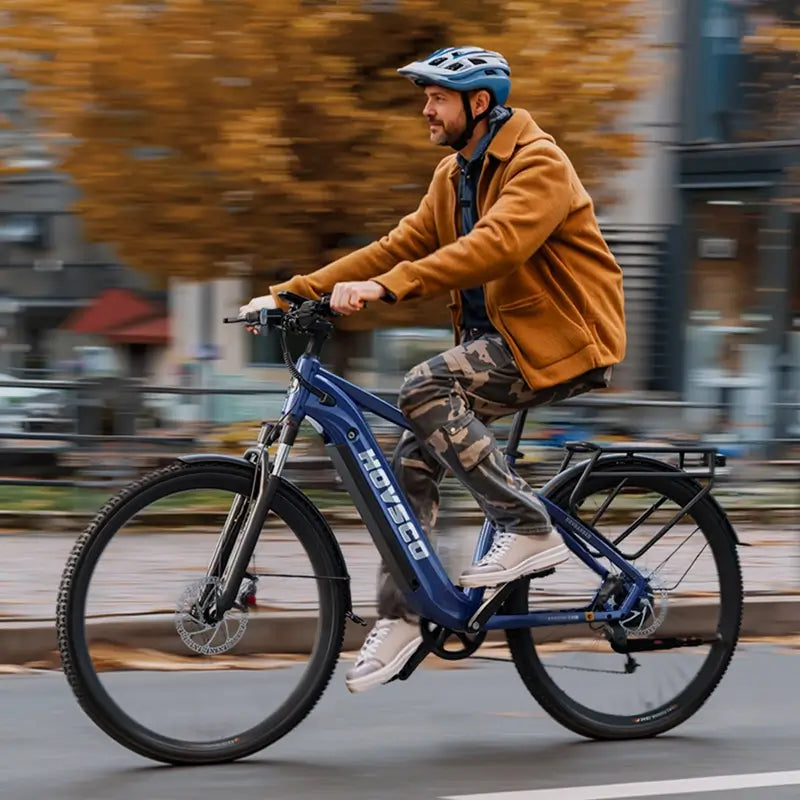
A standard bicycle helmet may not provide adequate protection at 25 mph or more. Riders should choose helmets certified under NTA-8776, a European standard designed specifically for higher-speed electric biking. These helmets often include thicker shells, extended coverage around the temples and jawline, and improved energy absorption layers to handle higher-impact crashes. Full-face helmets, similar to those used by motorcyclists, are gaining popularity among urban riders and trail enthusiasts for their enhanced safety without compromising ventilation or comfort.
At speeds above 20 mph, even minor debris can cause serious eye injuries. Shatter-resistant goggles or wraparound cycling glasses shield against wind, dust, and insects, maintaining visibility in all weather. Gloves with reinforced palms, wrist padding, and anti-slip textures improve both comfort and crash protection. Elbow and knee pads—constructed from materials such as D3O or Kevlar—absorb shock and protect against abrasions during falls or collisions. Many experienced riders wear lightweight body armor vests to safeguard ribs and spines without adding unnecessary bulk.
In 2025, consumer research from SportsTech Insights revealed that over 63 percent of e-bike riders upgraded their helmets or protective attire within the first year of ownership. Apparel innovation now focuses on multi-layer composites, integrating breathable mesh with flexible protection panels. Bluetooth-integrated helmets and reflective smart fabrics are emerging trends designed to enhance both safety and connectivity on the road.
Founded in 2019, HOVSCO has been a rapidly growing e-bike brand led by cycling enthusiasts who aim to inspire healthy and sustainable riding across different lifestyles. With U.S. headquarters and a strong global supply network, HOVSCO focuses on designing innovative, reliable e-bikes that make every adventure enjoyable and safe.
Advanced manufacturing has revolutionized safety gear for high-speed e-biking. Helmets now feature multi-directional impact protection systems (MIPS) that reduce rotational forces during angled impacts. Memory foam padding inside gloves and pads adapts to a rider’s body for both comfort and performance stability. Visibility advancements are also critical—reflective nanocoatings and integrated LED panels help riders stay visible during night rides or low-light conditions. Smart helmets can automatically activate rear warning lights or send crash alerts via smartphone connectivity.
Riders commuting daily in dense traffic zones report up to 40 percent fewer close-call incidents when using high-visibility vests and helmets with integrated lighting. A Seattle commuter study in 2024 found that full-coverage safety apparel decreased mild injury rates by 51 percent compared to those using minimal gear. Trail riders describe the physical confidence that comes with trusted gear—helping them focus on balance, terrain awareness, and control instead of potential hazards.
| Product Name | Key Advantages | Ratings | Best Use Cases |
|---|---|---|---|
| Giro Camden MIPS | Certified for e-bike speeds, MIPS protection, integrated lights | 4.8/5 | Urban and commuting |
| Fox Racing Proframe | Full-face, highly ventilated design, carbon shell | 4.7/5 | Off-road trails |
| POC Kortal Race MIPS | NTA-8776 certified, extended head coverage, adjustable peak | 4.6/5 | All-terrain rides |
| Thousand Chapter MIPS | Modern style, rear LED, magnetic buckle | 4.5/5 | City riders |
Protective gear must be regularly inspected and replaced after significant impacts, even if damage appears minimal. Helmet liners compress over time, degrading energy absorption efficiency. Gloves and pads with torn seams or worn padding can reduce shock resistance. Cleaning materials correctly—using mild soap instead of harsh chemicals—extends lifespan while preserving structural integrity. Responsible maintenance ensures that every ride starts with dependable protection.
Certain U.S. states now require e-bike riders to wear helmets certified for motorized use when traveling above 20 mph. Urban delivery riders, who often exceed 50 miles per day, benefit from additional liability coverage tied to safety compliance. Insurance companies increasingly offer premium discounts to riders who use certified helmets and protective apparel, recognizing the decreased risk of severe injury claims. Staying compliant not only protects your life but can also reduce long-term costs.
Many riders wonder if regular cycling helmets suffice for fast e-bikes. Technically, yes, but only for speeds below 15 mph. Beyond that, impact forces demand specialized certification. Protective clothing is also not just for extreme riders—commuters gain as much benefit from padded jackets and gloves as trail explorers do. Electric-bike-rated helmets and protective layers are specifically engineered for the additional speed and motor torque that conventional bicycles lack.
Looking to 2026 and beyond, experts forecast a new era of connected bike safety. Integrated head-up displays, modular armor systems, and AI-powered hazard detection sensors could soon redefine e-bike protection. Combined with lightweight battery technology and improved motion analytics, future safety gear will become smarter, lighter, and far more personalized. Manufacturers are also developing recyclable materials to create sustainable, eco-friendly gear without sacrificing protection.
Modern high-speed e-biking is exhilarating, but true confidence comes from preparation. By investing in certified helmets, body armor, and visibility gear, riders protect not only themselves but also those around them. The best adventures begin with safety—and when that’s taken care of, the road ahead is limitless.
Share:
Best Premium Electric Scooters for Urban Commuting in 2026
Fastest Electric Bikes in 2026 and How They Compare