









![[ New Arrival ] Porto Max Electric Scooter For Commute & Grocery Shopping - HOVSCO](http://www.hovsco.com/cdn/shop/files/PotroMax-3.jpg?v=1706927007&width=1200)
- by EO S
What Makes Fat Bike Tires So Special for Snow, Sand, and Trails?
- by EO S
E-Bikes
Accessories
 Free Shipping
 15-Day Returns
 2-Year Warranty
Free Shipping
15-Day Returns
2-Year Warranty
2-Year Warranty
Free Shipping
15-Day Returns
2-Year Warranty
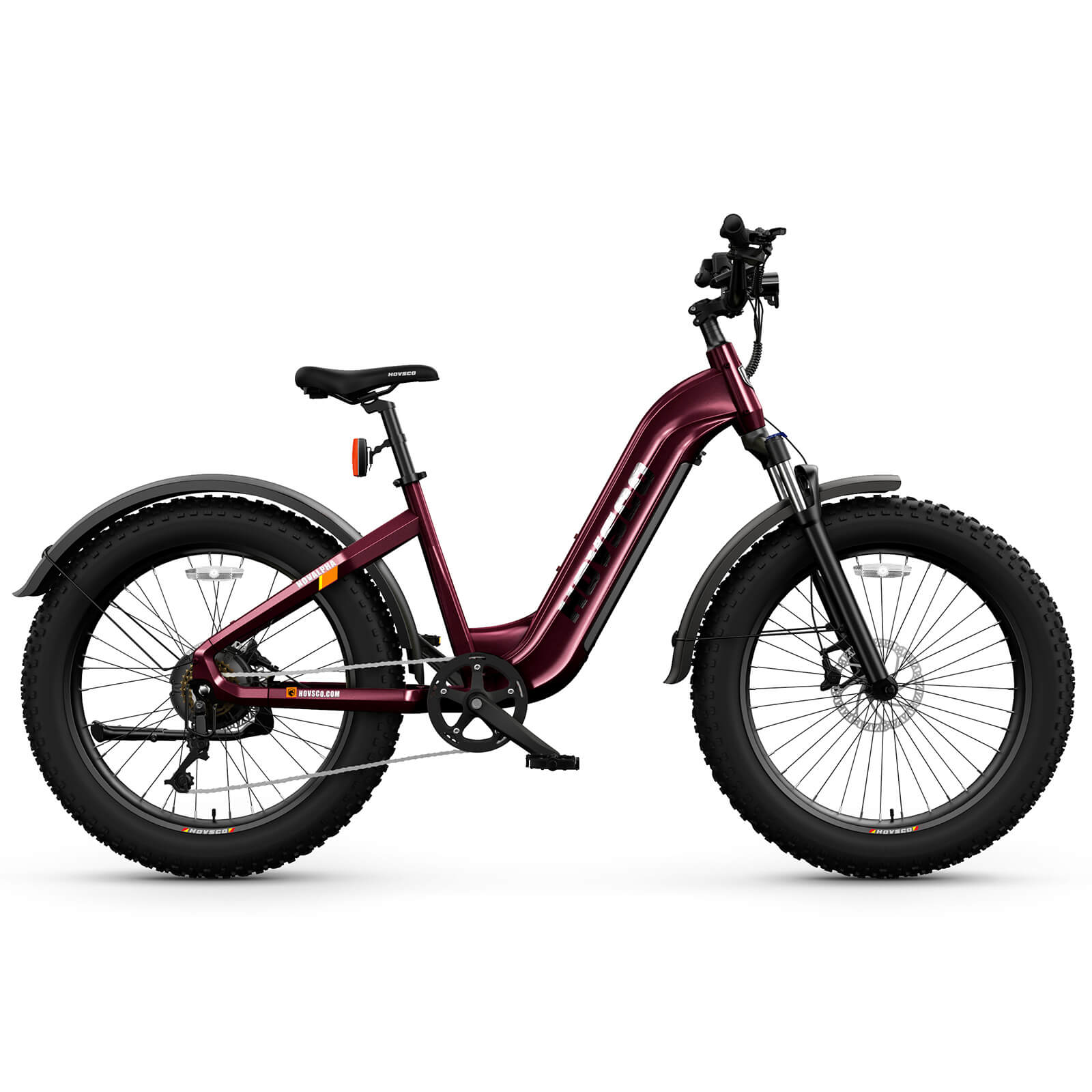
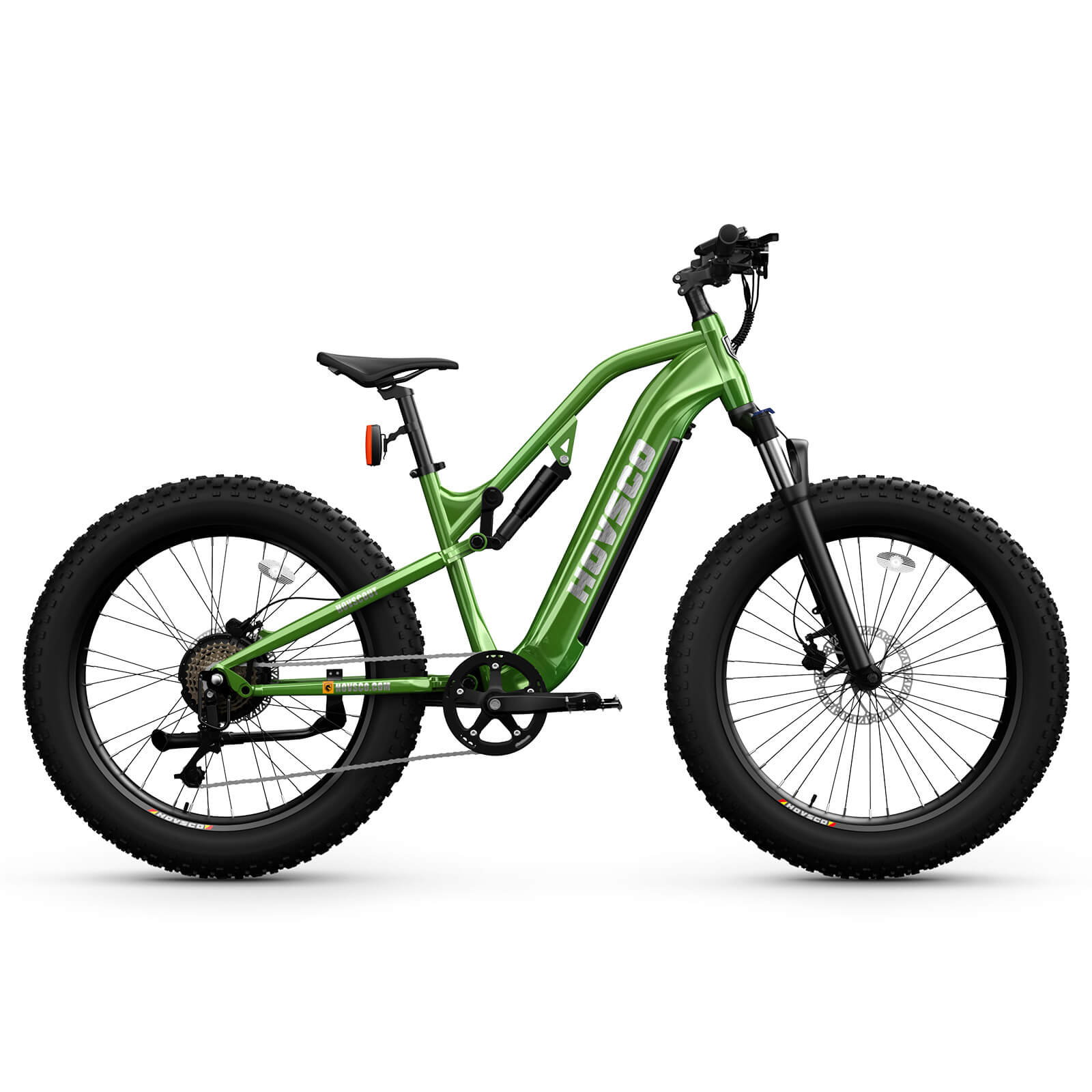
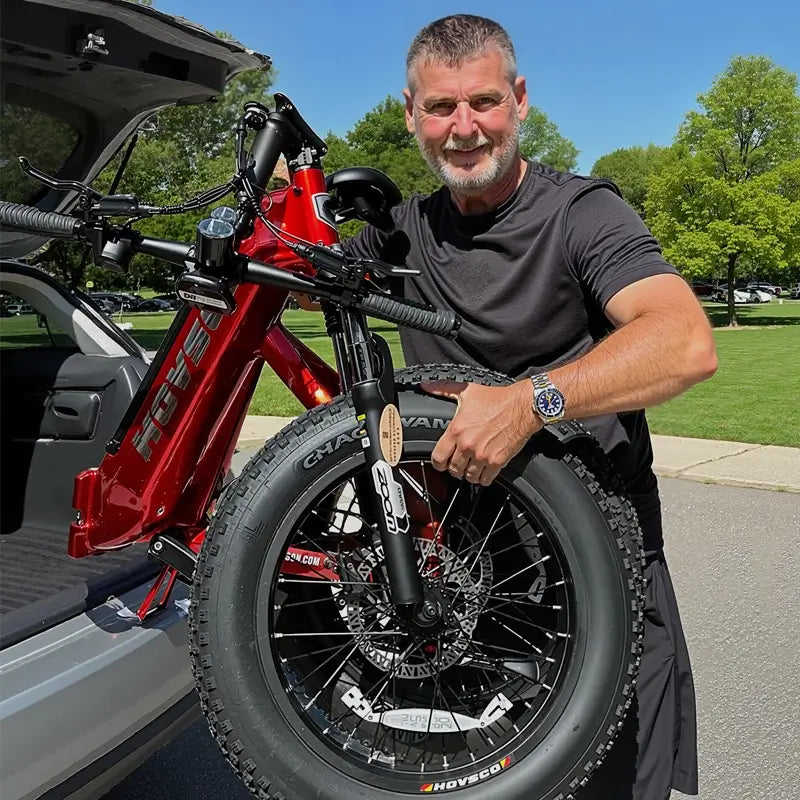
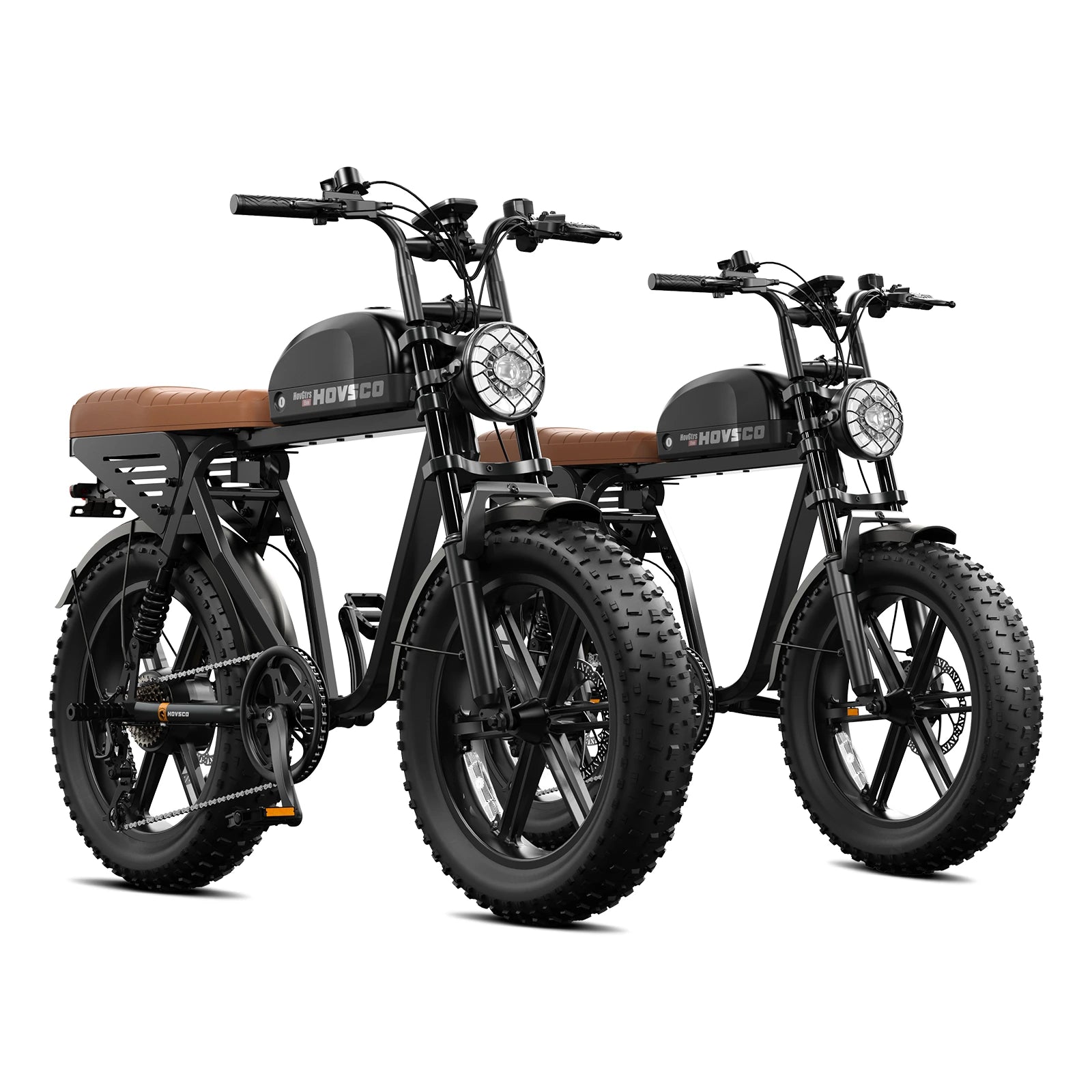
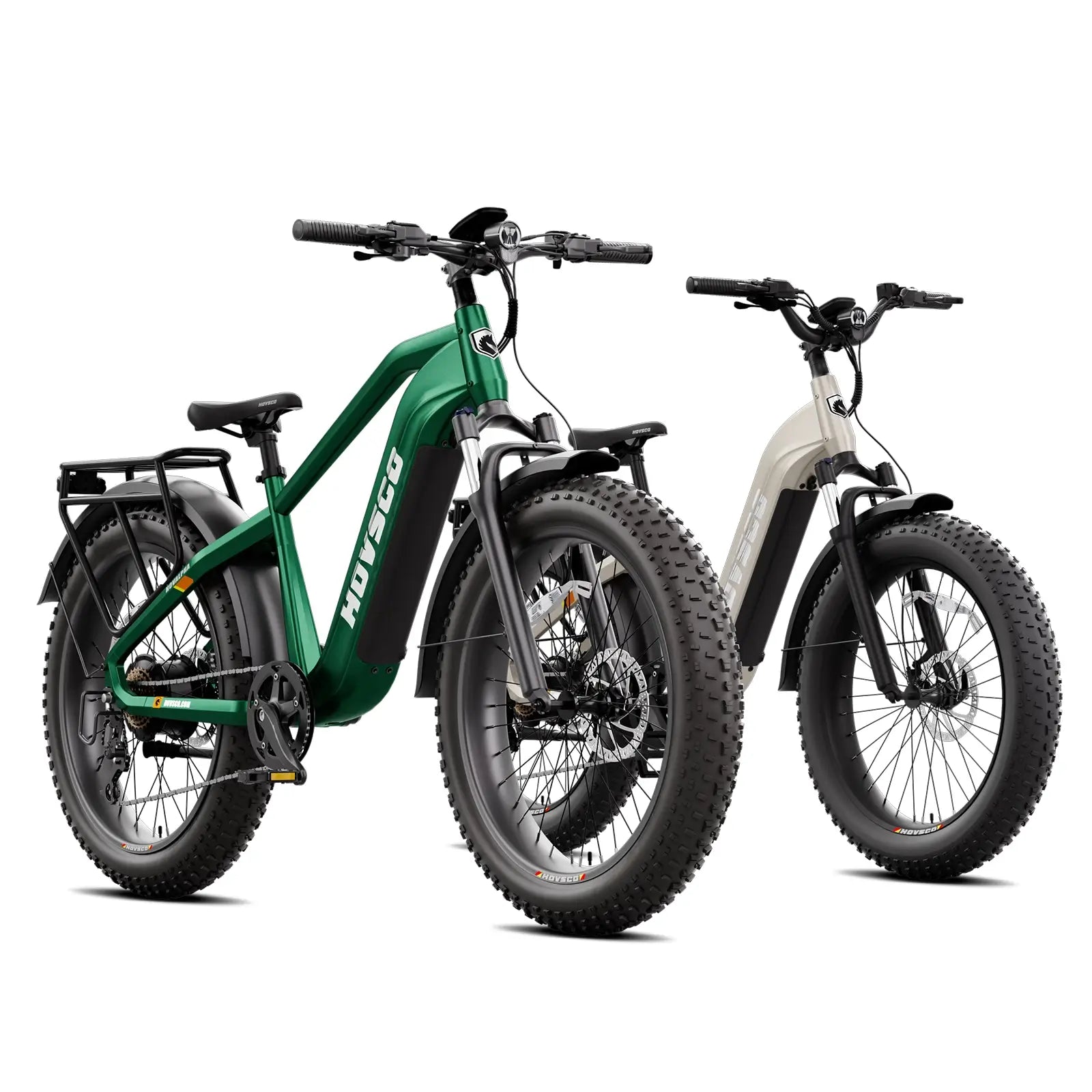
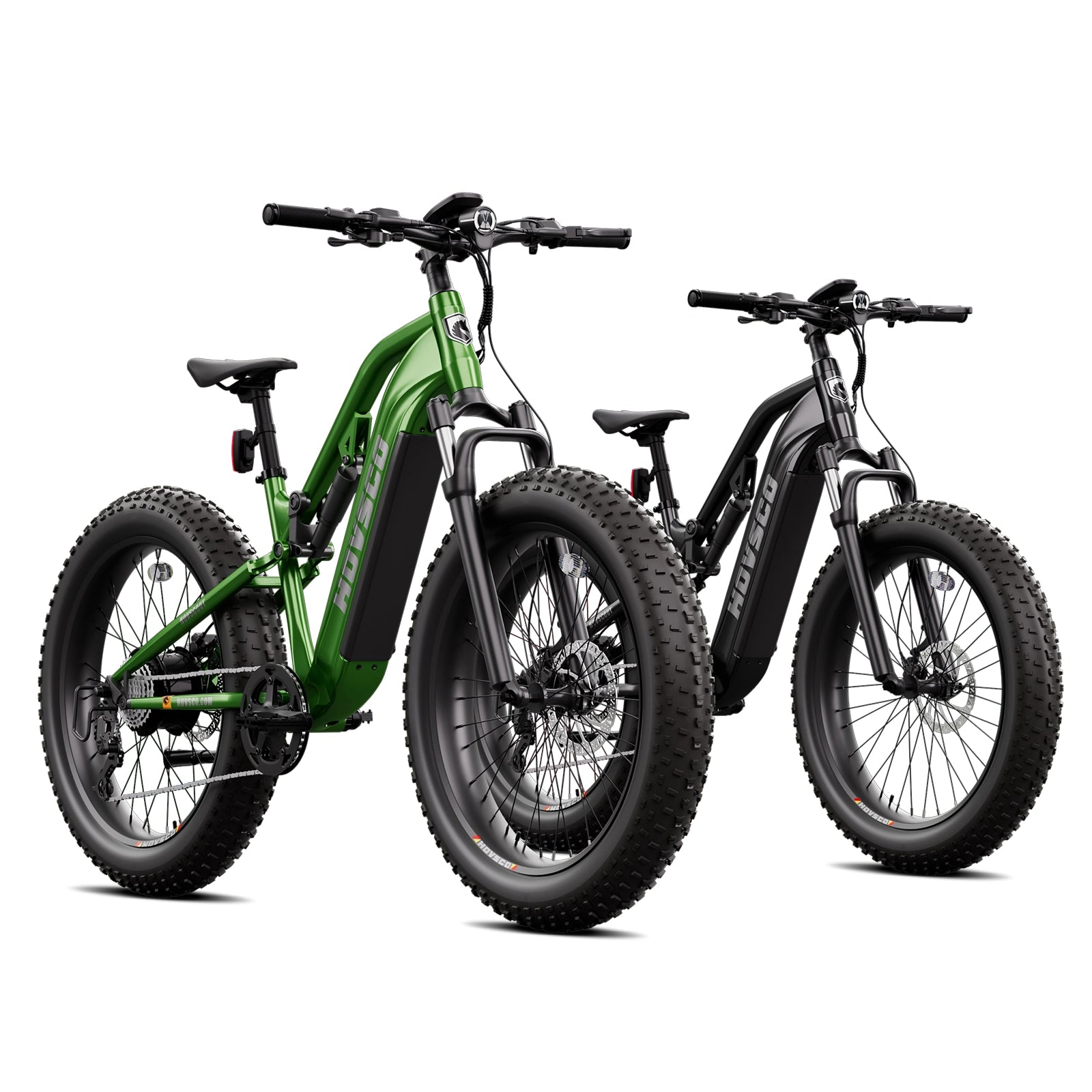
Fat bike tires, typically measuring 3.8-5 inches in width on 26-inch rims, offer exceptional flotation on soft terrains like snow, sand, and mud. Their low pressure range of 5-15 PSI ensures superior traction and shock absorption, providing a smoother ride over difficult surfaces while helping riders stay afloat where standard tires would sink. HOVSCO offers tires that combine versatility and durability for all seasons.
Fat bike tires are characterized by their wide width—ranging from 3.8 inches to over 5 inches—and their ability to be mounted on 26-inch (or 27.5") rims with internal widths between 60mm and 100mm. These tires are designed to be run at low pressures (5-20 PSI), creating large contact patches that allow for maximum flotation on soft terrains, such as snow, sand, and mud. Unlike traditional mountain bike tires, which measure 2 to 2.5 inches wide, fat bike tires are optimized for stability and traction rather than speed. Most fat bike tires also feature tubeless setups to further reduce the risk of flats and allow for even lower pressures, enhancing grip and comfort.
HOVSCO's fat bike tires balance performance across different terrains, providing excellent traction on snow while also performing well on summer trails. Their construction includes features like Kevlar belts to prevent sidewall tears and durable casings that resist punctures from rocks and debris. These tires are designed to be versatile, offering year-round performance.
Fat bike tires excel on snow, with low pressures (5-10 PSI) creating a large contact area that prevents the tire from sinking into deep snow. The large volume of air within these tires helps to distribute the rider's weight evenly across the surface, providing better flotation than traditional mountain bike tires. Additionally, fat bike tires feature aggressive treads that shed snow efficiently and provide better grip.
For extra traction, studded fat bike tires can be used for riding on ice, offering superior grip on slippery surfaces. HOVSCO’s winter-ready tires perform well in snow, with some models dropping down to as low as 6 PSI for maximum flotation without risking rim strikes.
It's important to warm up tires indoors before riding in cold temperatures, as rubber stiffens in the cold, affecting grip. Fat bikes turn snow from an obstacle into a rideable playground, with groomed trails offering speeds comparable to cross-country skiing.
Fat bike tires are ideal for sand riding, as they allow riders to maintain control and float over sandy terrain without sinking. At 8-12 PSI, fat tires create a wide contact patch that supports the rider’s weight while gliding over sand dunes and soft beaches. Standard mountain bike tires, with their narrower width and higher PSI, tend to dig into the sand, making riding more difficult.
HOVSCO’s fat bike models, designed for beach cruising, maintain a pressure of around 10 PSI, making them ideal for crossing soft sandy flats. Saltwater exposure can cause corrosion, so it is important to rinse the tires after riding in coastal areas. In tidal zones, fat bike tires with fast-rolling center treads and aggressive shoulder lugs allow riders to cruise the coastline at speeds of up to 10 mph.
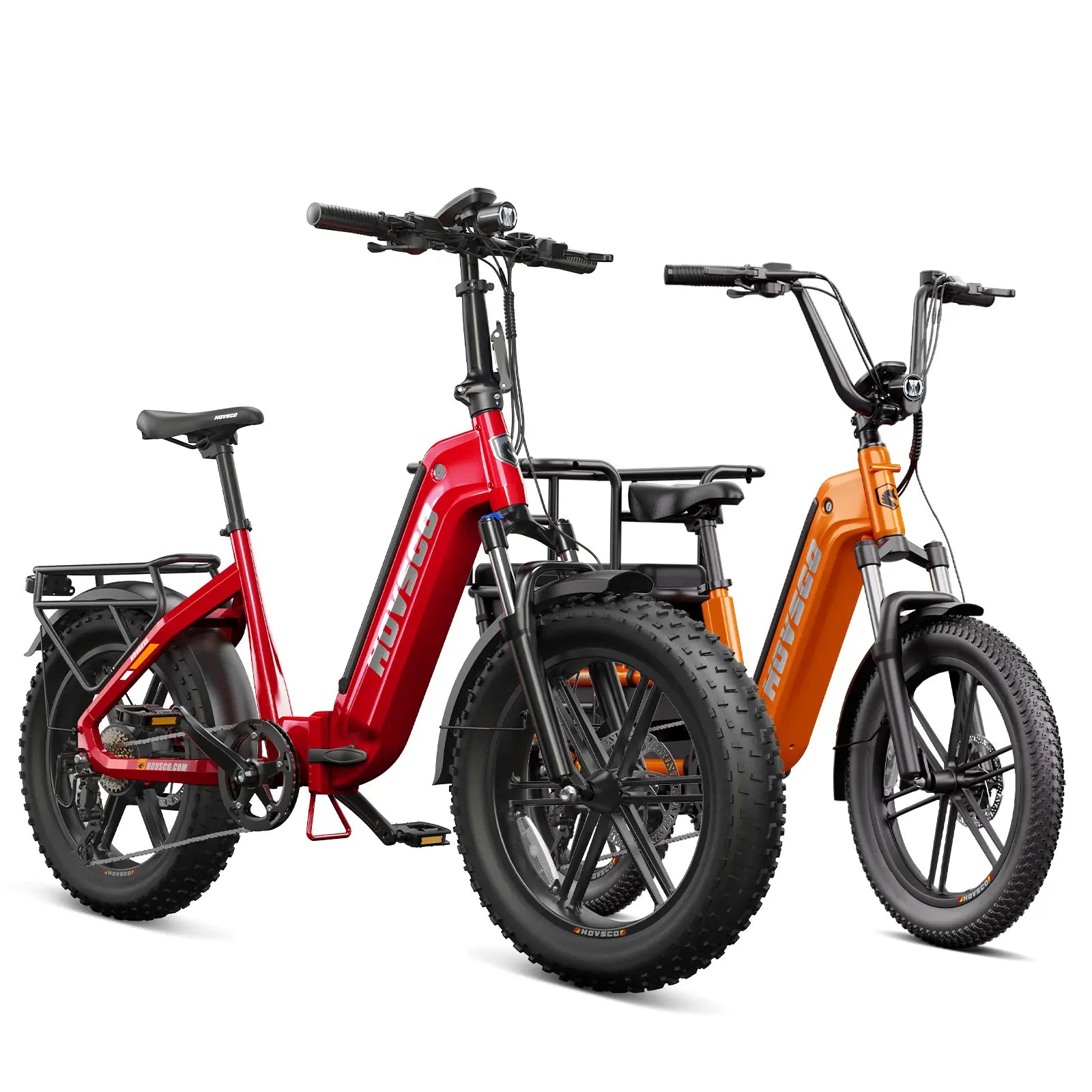
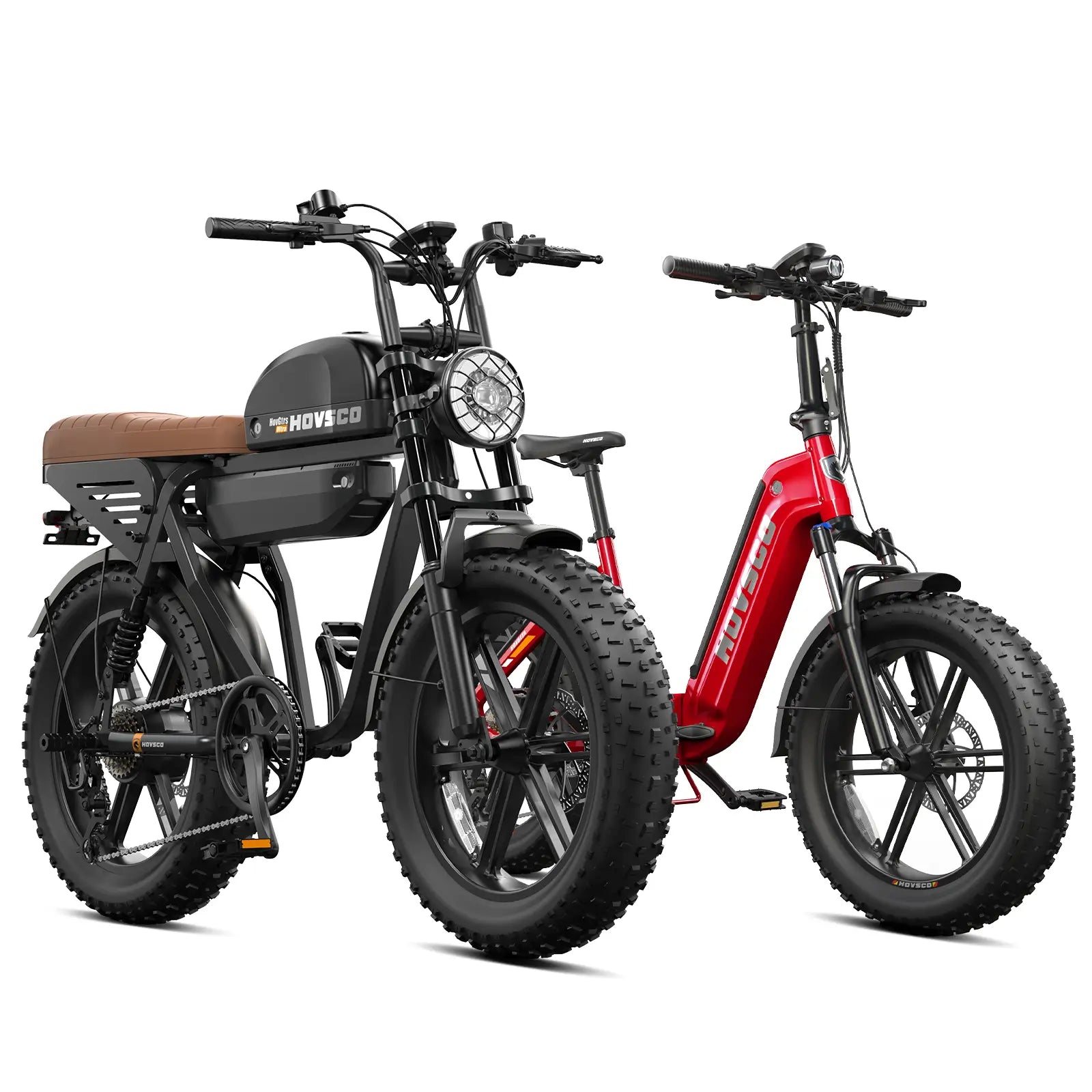
The most common fat bike tire sizes are 26 x 4.0-5.0 inches, which offer a perfect balance of flotation and weight. Larger tires, such as 27.5 x 3.8-4.5 inches, are ideal for riders who want a faster ride on trails, while the 20 x 4.0-inch size is a great option for folding bikes that prioritize portability.
| Size | Width Range | Terrain | Weight | Speed |
|---|---|---|---|---|
| 26x4.0 | 4.0-4.8" | Snow/sand universal | Medium | Good |
| 26x4.8 | 4.8-5.2" | Deep powder | Heavy | Moderate |
| 27.5x3.8 | 3.8-4.5" | Trail/snow | Light | Fast |
| 20x4.0 | 4.0-4.5" | Urban/folding | Light | Good |
HOVSCO recommends the 26x4.0 tire as a standard, but riders can upgrade to a wider or narrower tire depending on their specific needs. Wider tires provide better flotation but sacrifice speed, while narrower tires improve efficiency but may compromise flotation on softer terrains.
Fat bike tires can be safely run at 5-30 PSI depending on the terrain and rider weight. For snow and sand, pressures between 5-12 PSI are ideal, while trails typically require 10-18 PSI. When riding on pavement, the PSI range increases to 20-30 PSI for better performance.
To avoid rim damage, it's important to check tire pressure regularly using a digital gauge. HOVSCO recommends starting at 10 PSI and adjusting based on conditions. Heavier riders should add 2 PSI for every 50 pounds above a 180lb baseline. Tubeless setups allow for even lower pressures, which is especially useful for aggressive off-road riding.
Fat bike tires perform well on rocky trails, despite their size. At 12-18 PSI, the large volume of air in the tires helps to absorb impacts, preventing pinch flats and providing a smooth ride over rough surfaces. The massive volume bridges gaps and the supple sidewalls absorb impacts that would typically cause damage to standard tires.
Fat bike tires are also equipped with knobby tread patterns that help grip loose surfaces. However, the weight of the tires can be felt when climbing, as they require more effort to accelerate. But downhill, the increased momentum makes up for the additional weight. HOVSCO’s fat bike models are equipped with tires that are ideal for rocky terrains, offering excellent traction and durability.
Fat bike tires provide a stable and smooth ride due to their large contact patch. The increased surface area resists deflection, giving riders better control over their bike. However, the larger tire size can lead to slower steering response, as the larger tire diameter creates a flywheel effect.
HOVSCO’s fat bike geometry is designed to maintain a stable cockpit and control, even with the wide Q-factor. While braking distances are longer compared to traditional mountain bikes, fat bike tires create a stable platform that is ideal for off-road riders and beginners.
Yes, fat bike tires run exceptionally well tubeless, thanks to their wider rims (60-100mm) that provide a perfect bead lock. Tubeless setups allow for running lower tire pressures, which is essential for maximizing flotation on soft terrains like snow and sand. The absence of tubes also eliminates the risk of pinch flats, making fat bike tires more durable and reliable.
HOVSCO’s fat bike models are tubeless-ready, and the tires come equipped with valves for easy setup. With tubeless tires, riders can run as low as 4 PSI, ensuring maximum flotation on soft surfaces. Regular checks and maintenance are necessary to ensure optimal performance.
Fat bike tires are heavier than standard mountain bike tires, adding around 3.5-6 pounds per tire. A complete 26x4.8 wheelset can weigh between 8 and 11 pounds, while 27.5x4.0 tires are lighter by 1-2 pounds. The increased weight of the tires is noticeable when accelerating, but downhill momentum compensates for the extra mass.
HOVSCO’s fat bike tires are designed with lightweight casings to minimize the weight penalty without sacrificing durability or performance. Carbon rims can reduce wheel weight by 1-2 pounds per wheel, though they come at a higher cost.
Fat bike tires are slower on pavement due to their larger size and low PSI, which creates higher rolling resistance. The low-pressure flotation necessary for soft terrains sacrifices efficiency on hard surfaces like pavement. As a result, fat bike tires can roll 20-30% slower than traditional mountain bike tires.
HOVSCO’s dual-purpose tread tires balance the need for flotation with improved rolling efficiency. By increasing the PSI to around 20 PSI, the tires become more efficient on paved roads, reaching speeds of up to 20 mph. However, fat bike tires will always be slower on pavement compared to slimmer mountain bike tires.
Fat bike tires are perfect for conquering soft and challenging terrains, offering unparalleled flotation and traction. They perform excellently in snow, sand, and rocky trails, making them versatile for all-season riding. However, the wider tires come with some speed and handling trade-offs on paved roads.
Action steps: Choose a fat bike tire that matches your primary terrain, adjust PSI based on conditions, and consider tubeless setups for extra durability. HOVSCO offers a variety of fat bike models that cater to all types of riders, from beginners to experienced cyclists.
A width of 3.8 inches qualifies as "fat," with 4.0+ inches being optimal for flotation and stability.
No, the large air volume in fat bike tires acts as a suspension, absorbing impacts without the need for additional fork travel.
Share:
Best Drink Bottle and Holder for E-Bikes in 2026?
How to Maintain Your Motoped for a Longer Lifespan?