



![[ New Arrival ] Porto Max Electric Scooter For Commute & Grocery Shopping - HOVSCO](http://www.hovsco.com/cdn/shop/files/PotroMax-3.jpg?v=1706927007&width=1200)

- by EO S
What Makes an Off Road Electric Bike the Ultimate Adventure Machine?
- by EO S
E-Bikes
Accessories
 Free Shipping
 15-Day Returns
 2-Year Warranty
Free Shipping
15-Day Returns
2-Year Warranty
2-Year Warranty
Free Shipping
15-Day Returns
2-Year Warranty
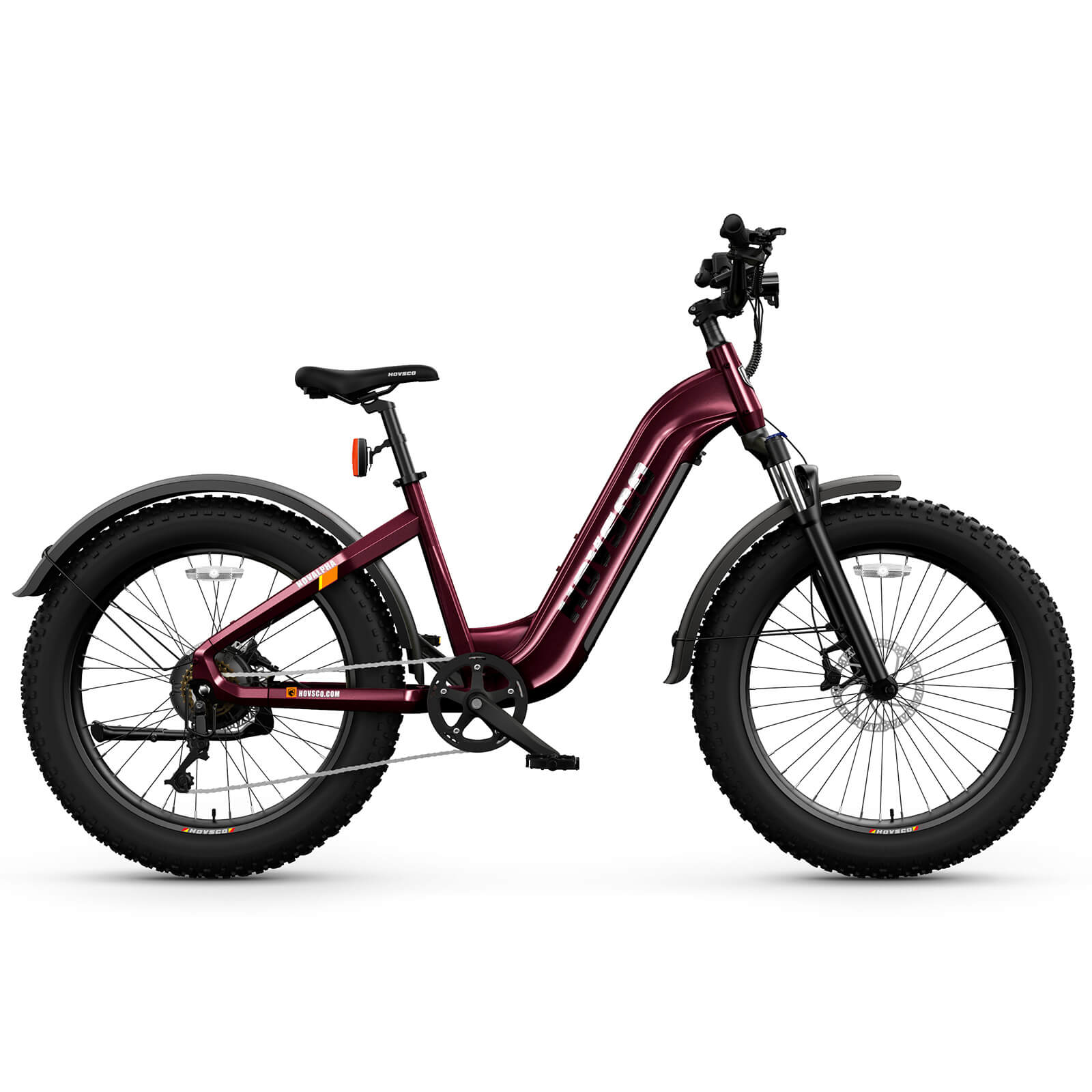
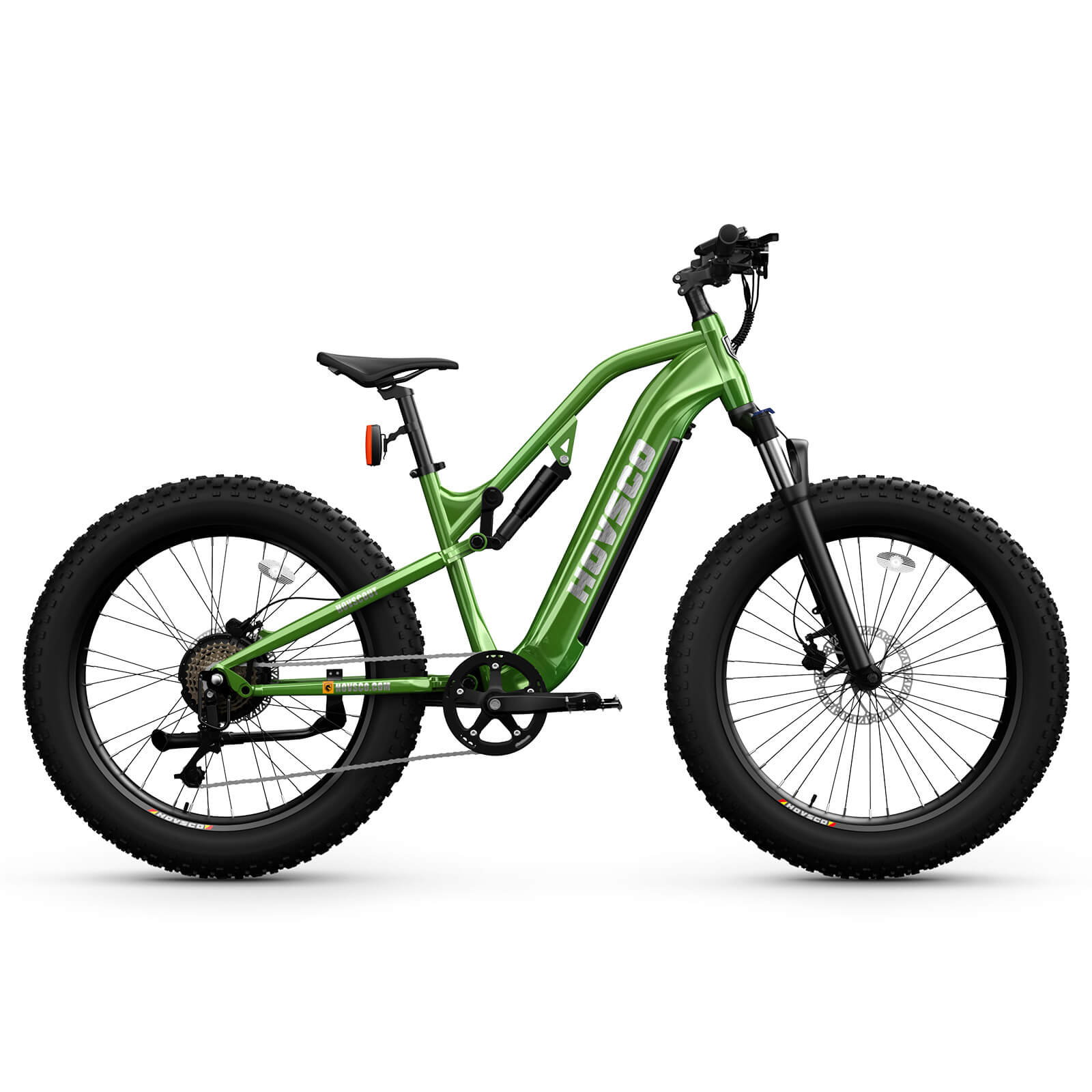
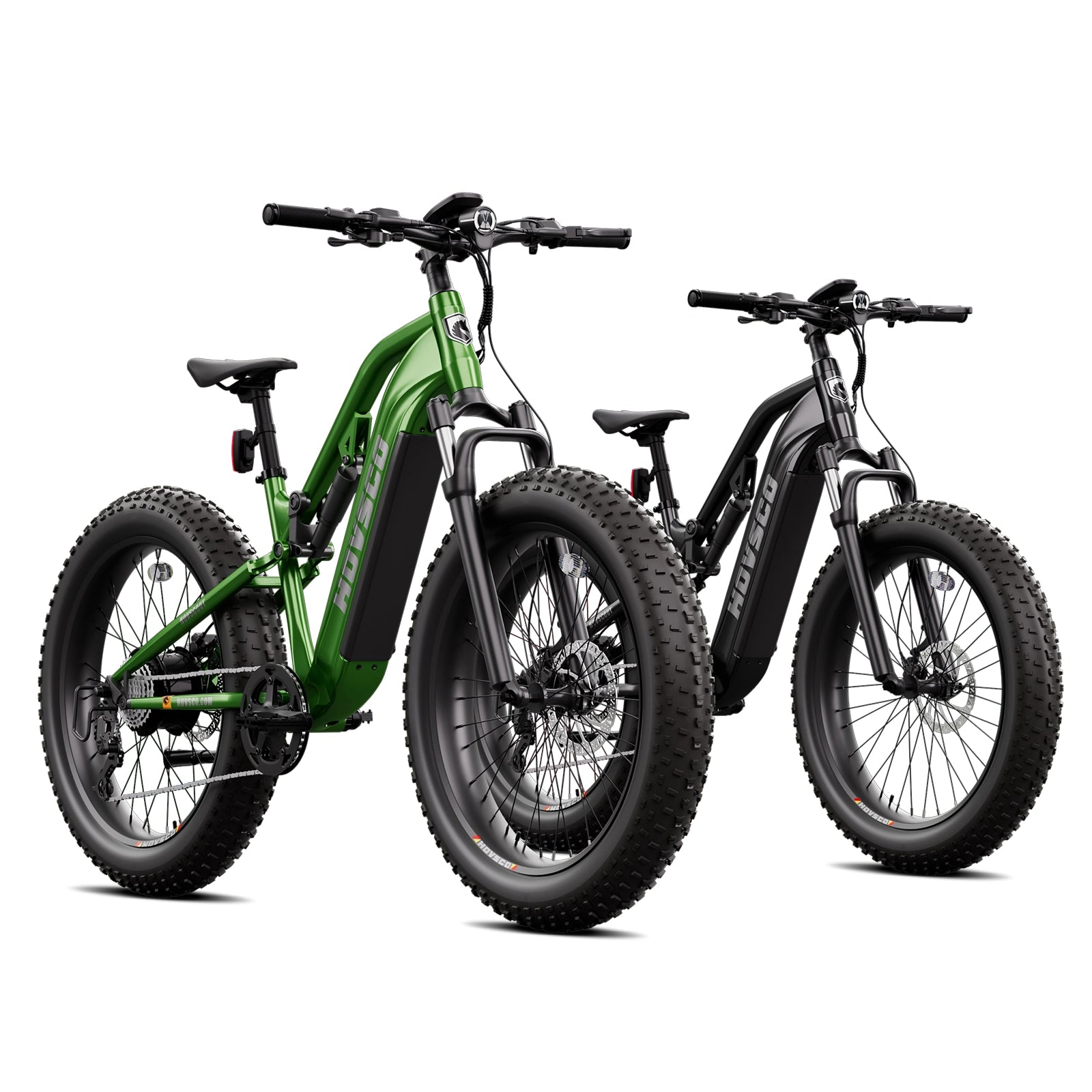
An off road electric bike is designed to conquer rugged terrains with powerful motors, durable frames, and advanced suspension systems, enabling riders to explore trails, mountains, and unpaved paths with ease. These bikes combine electric assist with mountain bike features, offering high torque, long battery range, and robust brakes for safety and performance in challenging environments. What Defines A Rugged Terrain Electric Dirt Bike?
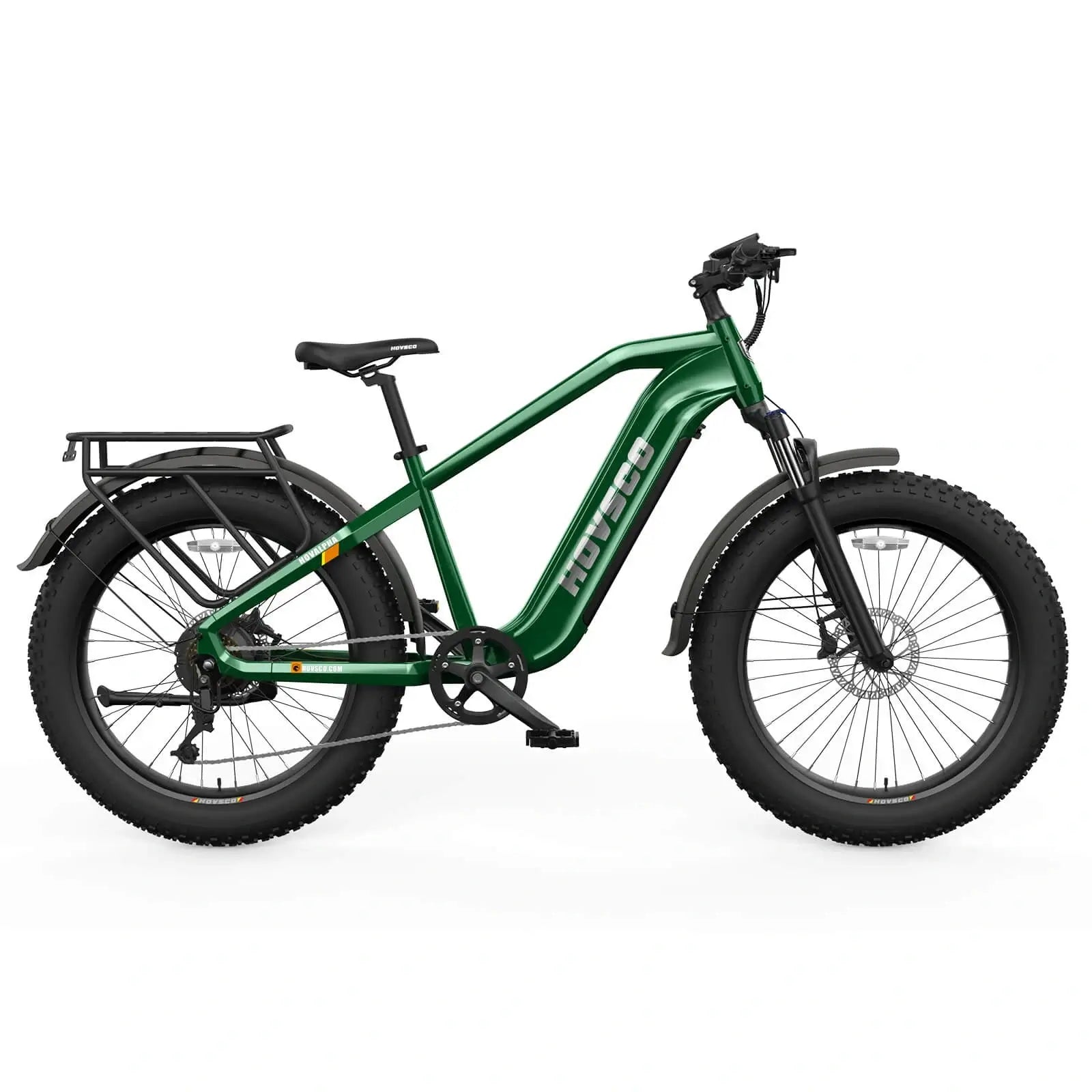
Off road electric bikes typically feature high-torque motors ranging from 500W to over 2000W, capable of delivering powerful acceleration and climbing ability on steep or uneven trails. They incorporate fat or knobby tires (often 3 inches or wider) for superior traction on dirt, mud, and rocks. Advanced full suspension systems with front forks and rear shocks absorb shocks and bumps, improving comfort and control. Batteries usually range from 36V to 72V with capacities between 10Ah and 25Ah, providing 30 to 60+ miles of range depending on terrain and assist level. Hydraulic disc brakes with large rotors ensure reliable stopping power in all conditions.
Performance Features Chart
| Feature | Typical Specification |
|---|---|
| Motor Power | 500W – 2000W+ |
| Battery Voltage | 36V – 72V |
| Battery Capacity | 10Ah – 25Ah |
| Tire Width | 3" – 5" (fat tires common) |
| Suspension Travel | 100mm – 180mm (full suspension) |
| Brakes | Hydraulic disc brakes (180-203mm) |
Unlike standard electric bikes designed mainly for urban commuting or light trails, off road electric bikes are engineered for extreme durability and rugged terrain. They feature reinforced frames made from aluminum or carbon fiber, wider tires for enhanced grip, and more sophisticated suspension setups to handle jumps, drops, and technical trails. Their motors are often mid-drive or gearless hub types optimized for torque rather than just speed, allowing riders to tackle steep climbs and loose surfaces. Additionally, off road e-bikes prioritize battery longevity and cooling systems to sustain power output during intense off-road use.
Several models stand out in 2025 for their off road capabilities:
Model Comparison Chart
| Model | Motor Power | Torque (Nm) | Battery (V/Ah) | Range (miles) | Tire Type | Suspension Travel |
|---|---|---|---|---|---|---|
| Radster Trail | 750W | N/A | 48V / N/A | 65 | 3" Tires | 80mm Front Fork |
| ADO Beast A20F | 250W | 60 | 36V / N/A | 74 | Fat Tires | Front Suspension |
| Biktrix Juggernaut FS | 2300W | 160 | 52V / 17.5Ah | 60 | Fat Tires | Full Suspension |
| KTM Freeride E | 11kW Nominal | 37 | 72V / 5.5kWh | 2-3 hours Enduro | Dirt Bike Tires | 250mm Rear Travel |
| Taria Sting MX5 | 5.5kW | 500 | 72V / 40Ah | 62 | Off-road Tires | Adjustable Air & Springs |
Suspension systems on off road electric bikes absorb impacts from rocks, roots, and uneven ground, reducing rider fatigue and improving control. Front forks with 80-180mm travel combined with rear shocks allow the bike to maintain traction and stability. Tire width and tread pattern directly affect grip and handling; wider fat tires (4-5 inches) excel in soft or loose surfaces like sand and snow, while knobby tires provide bite on rocky or muddy trails. The combination of suspension and tires defines the bike’s capability to safely and efficiently navigate challenging terrain.
Battery voltage and capacity determine the power available and range achievable on demanding trails. Higher voltage batteries (48V-72V) deliver more torque and speed, essential for climbing steep hills and sustaining speed on rough paths. Capacity (Ah) influences how long the bike can run before recharging, with larger batteries supporting longer rides. Motors designed for off road use emphasize torque over raw speed, often mid-drive types that leverage the bike’s gears for efficient power delivery. Efficient motor cooling and battery management systems are critical to prevent overheating during intense use.
Safety on off road electric bikes includes hydraulic disc brakes with large rotors (180-203mm) for consistent stopping power in wet or muddy conditions. Integrated lighting systems with bright LEDs and turn signals enhance visibility on trails or low-light environments. Robust frames and quality components reduce mechanical failures. Some models include throttle locks, horn systems, and rear wheel locks for security. Protective gear remains essential, but the bike’s built-in safety features significantly contribute to rider confidence and accident prevention.
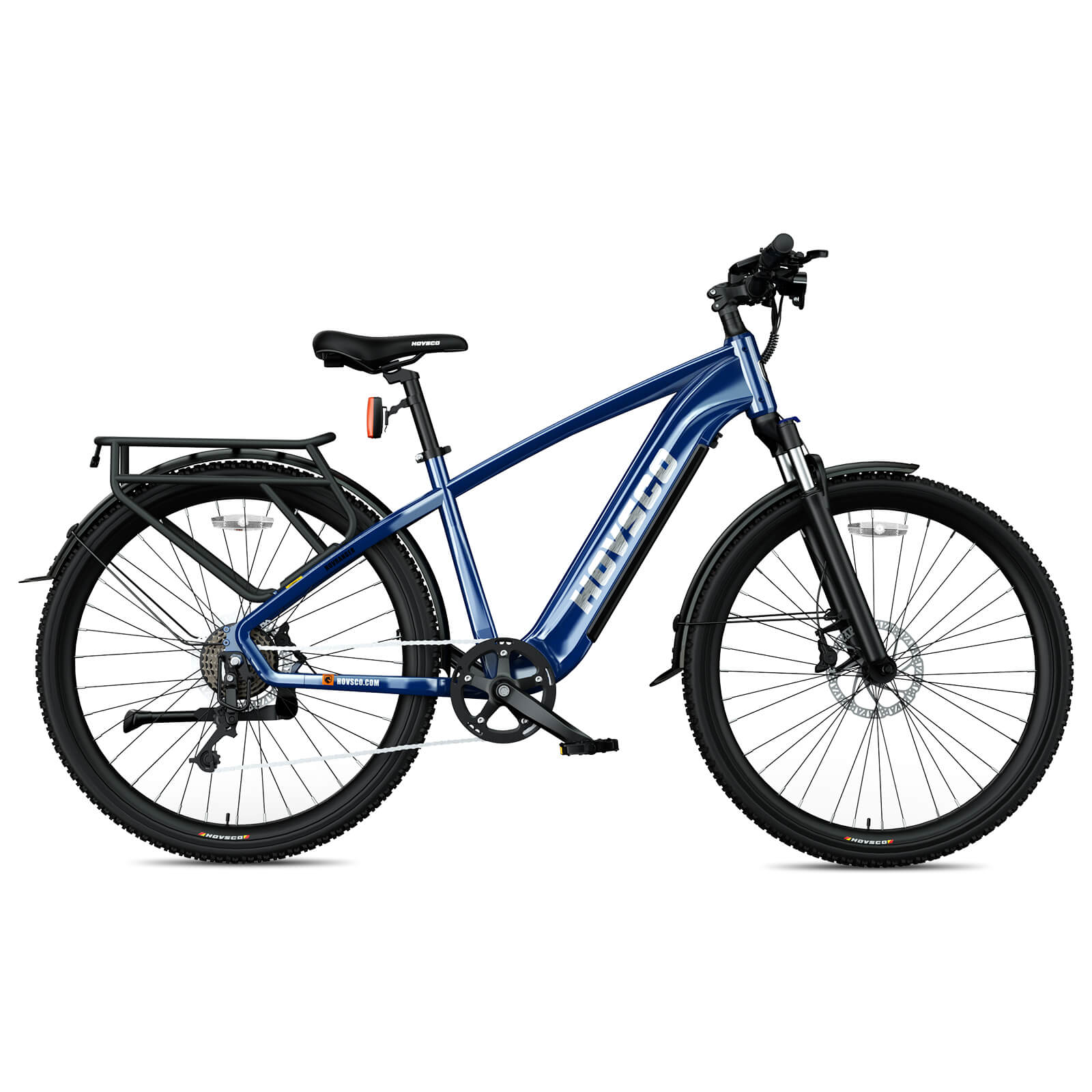
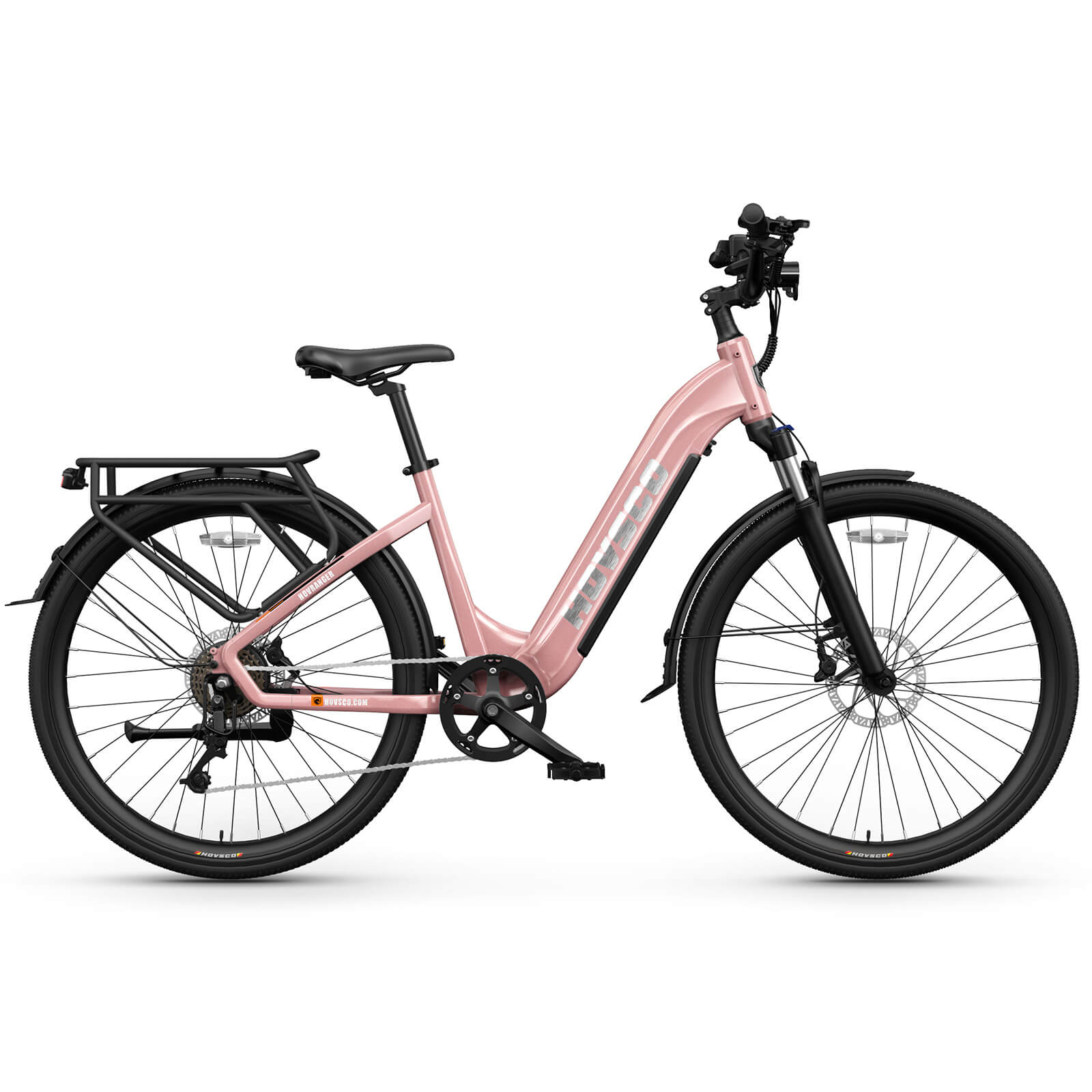
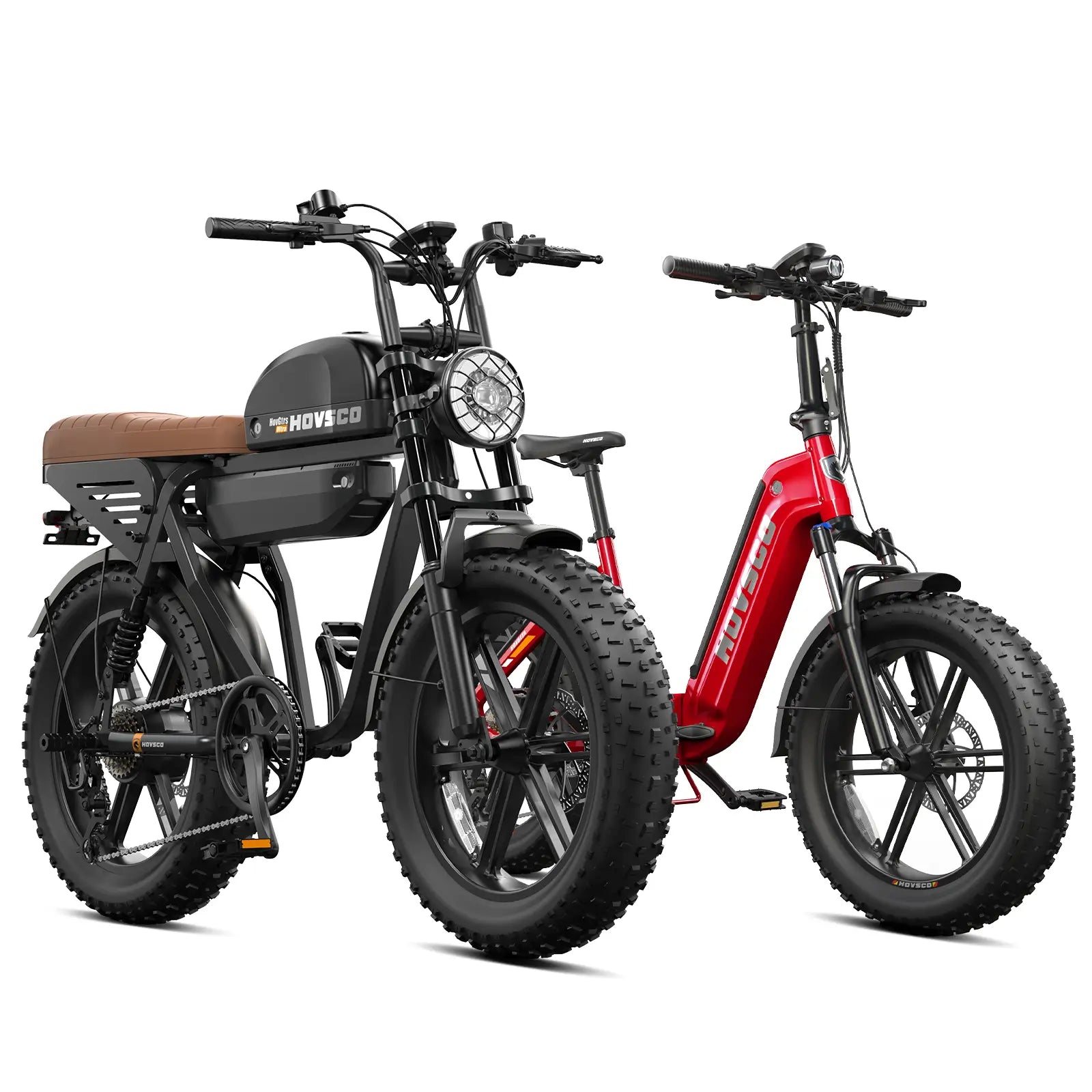
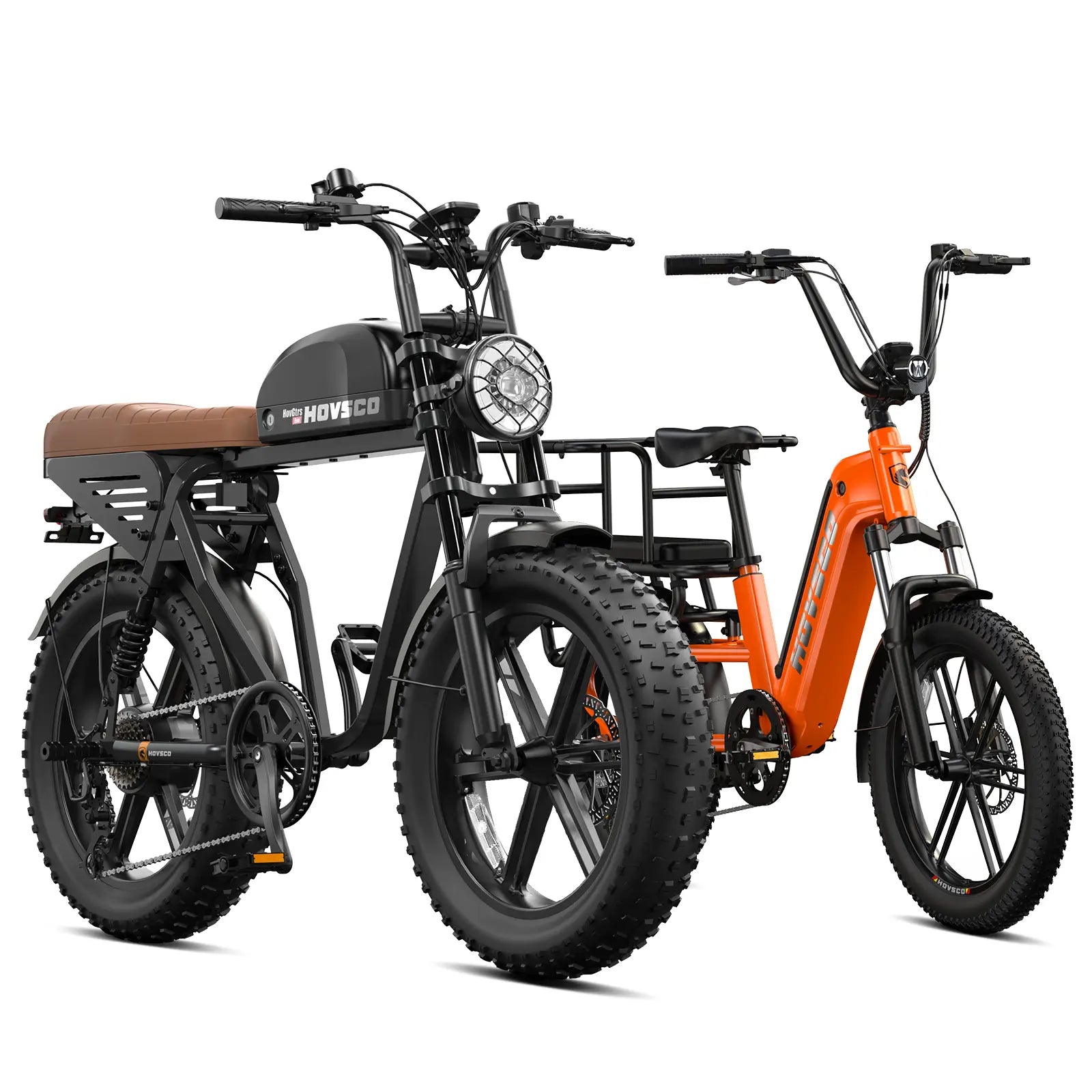
When purchasing an off road electric bike, prioritize models with high-torque motors and full suspension systems to handle diverse terrains comfortably. Battery capacity should match your typical ride length and intensity; larger batteries offer extended range but add weight. Consider tire type based on your primary trail conditions—fat tires for soft surfaces, knobby for rocky paths. Look for hydraulic brakes and durable frames for safety and longevity. Accessories like racks, lighting, and app connectivity enhance convenience. HOVSCO’s innovative designs reflect these priorities, blending performance with safety and style for all rider levels.
"HOVSCO’s approach to off road electric bikes emphasizes a harmonious balance between raw power and rider comfort," notes a HOVSCO engineer. "We integrate cutting-edge motor technology with advanced suspension and battery management to ensure riders can explore the wildest trails without compromise. Safety features and ergonomic design are not afterthoughts but core elements, reflecting our commitment to innovation and rider wellbeing." The expert highlights that off road e-bikes are evolving rapidly, with HOVSCO pushing boundaries in both performance and user experience.
What Features Define the Best Off-Road Electric Bikes?
Top off-road electric bikes feature high-torque motors (80Nm+), fat tires (4-5 inches), long-travel suspension (200mm+), IP67 waterproofing, 72V batteries for 60+ mile range, and lightweight aluminum frames under 70 lbs. These deliver superior traction, stability, and power across mud, rocks, and steep climbs.
Which Off-Road Electric Bikes Top the 2026 Charts?
Leading 2026 off-road electric bikes include Talaria Sting MX4 (90km/h top speed), Sur-Ron Light Bee X (80Nm torque), Stark Varg (80hp peak), Segway X260 (74mph), and HOVSCO TrailX3 (72V system). They excel in power-to-weight ratio and trail durability for extreme adventures.
How Do Off-Road Electric Bikes Perform on Tough Trails?
Off-road electric bikes conquer tough trails with instant 500Nm torque for steep 45° climbs, 50-80 mile ranges on rough terrain, and advanced traction control. Quiet operation and low center of gravity provide precise handling through roots, sand, and jumps unmatched by gas bikes.
What Makes Off-Road Electric Bikes Built to Last?
Off-road electric bikes endure with 6061-T6 aluminum exoskeletons, sealed IP68 motors/batteries, oil-cooled controllers, and bash guards. Vibration-proof electronics and serviceable suspension withstand 1000+ hours of abuse, crashes, and submersion while maintaining 95% power output.
How Do Off-Road Electric Bike Batteries Conquer Long Trails?
72V 40Ah lithium batteries with smart BMS deliver 80+ miles per charge on trails. Fast 4-hour charging, thermal management for -10°C to 50°C operation, and hot-swappable packs ensure continuous riding. Graphene-enhanced cells maintain 90% capacity after 1500 cycles.
Which Tires and Suspension Rule Off-Road Electric Bikes?
4-inch CST knobby fat tires (21x4) provide maximum grip; Fox/RockShox 200mm inverted forks with piggyback reservoirs absorb 25-inch drops. Adjustable air preload and hydraulic lockout handle 300lb riders across rock gardens, sand, and whoops at 40mph+.
What Safety Gear Do Off-Road Electric Bike Riders Need?
Essential gear includes full-face helmets (DOT/Snell), D3O armored jerseys/pants, hydraulic disc brakes (203mm rotors), LED 5000-lumen lights, GPS trackers, and kill switches. Neck braces and boots prevent common injuries during high-speed crashes and jumps.
How to Maintain Off-Road Electric Bikes After Hard Rides?
Post-ride: rinse mud from frame/chain, dry battery connectors, check spoke tension, clean air filters, inspect suspension seals, charge to 60%, and torque bolts to spec. Monthly: grease bearings, update firmware, balance battery cells for optimal performance and 5-year lifespan.
Share:
What Makes 49cc Scooters Ideal for Beginners and Urban Commuters?
How to Choose the Best Cheap Ebike Without Sacrificing Quality?