


![[ New Arrival ] Porto Max Electric Scooter For Commute & Grocery Shopping - HOVSCO](http://www.hovsco.com/cdn/shop/files/PotroMax-3.jpg?v=1706927007&width=1200)
- by EO S
What Is an eMTB and How Does It Compare to Regular Mountain Bikes?
- by EO S
E-Bikes
Accessories
 Free Shipping
 15-Day Returns
 2-Year Warranty
Free Shipping
15-Day Returns
2-Year Warranty
2-Year Warranty
Free Shipping
15-Day Returns
2-Year Warranty
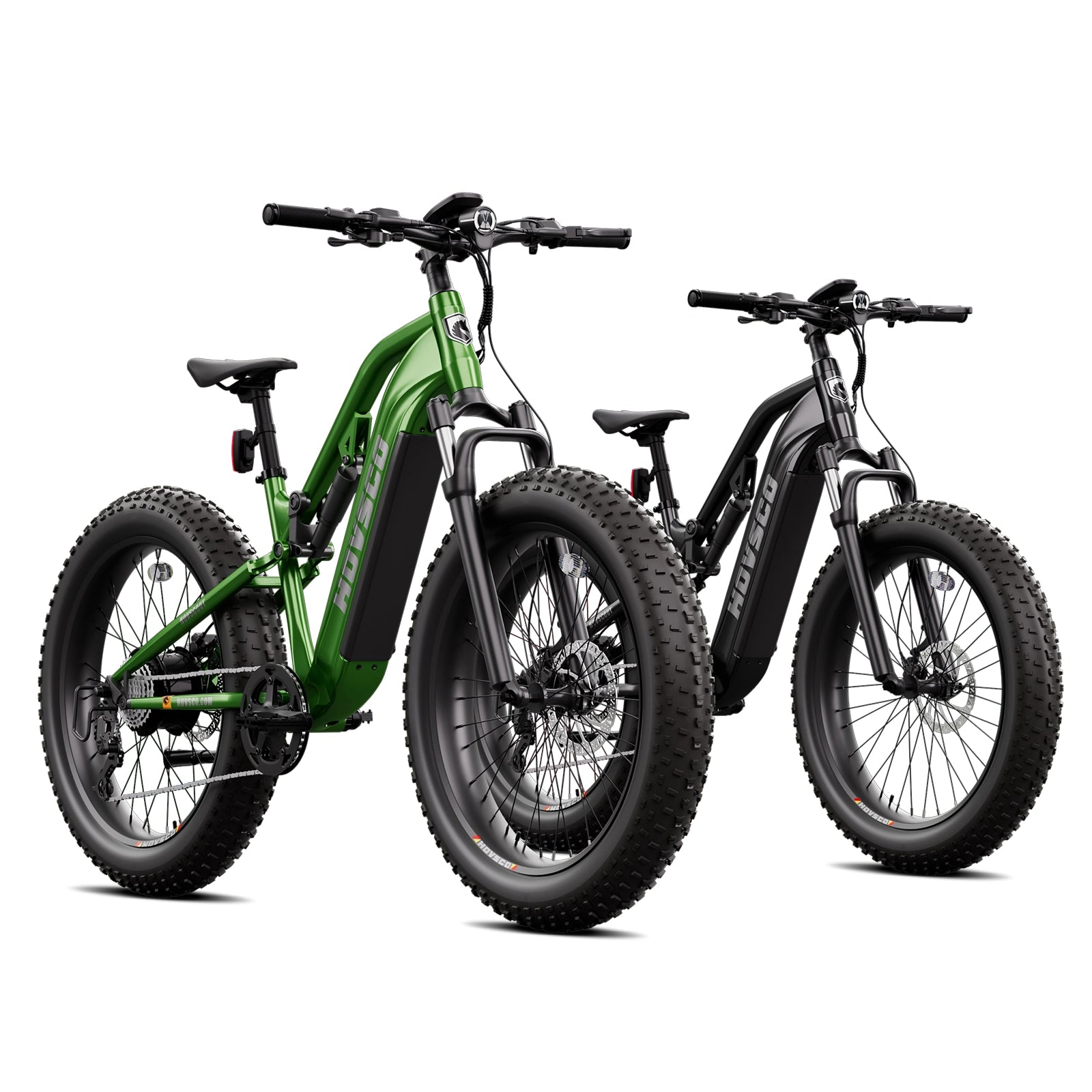
An electric mountain bike (eMTB) integrates a battery-powered motor with traditional mountain bike features to assist pedaling, making climbs easier and rides longer. Compared to regular mountain bikes, eMTBs are heavier but excel in power, range, and trail versatility, empowering riders of varying skill and fitness to explore more challenging terrains comfortably.
An eMTB features a motor, typically mid-drive, that provides pedal-assist by amplifying rider input. The electric motor senses pedaling effort and delivers proportional torque, enabling riders to climb steep hills or cover longer distances with reduced fatigue. Assistance levels are adjustable to match rider preference and trail demands.
eMTBs are heavier, often 40-50 lbs more due to batteries and motors. This extra weight affects maneuverability, making eMTBs feel less nimble on tight, technical climbs. However, the motor’s power compensates for this on ascents. Descents can feel more stable with the added weight centered around the frame but may demand more skill to control.
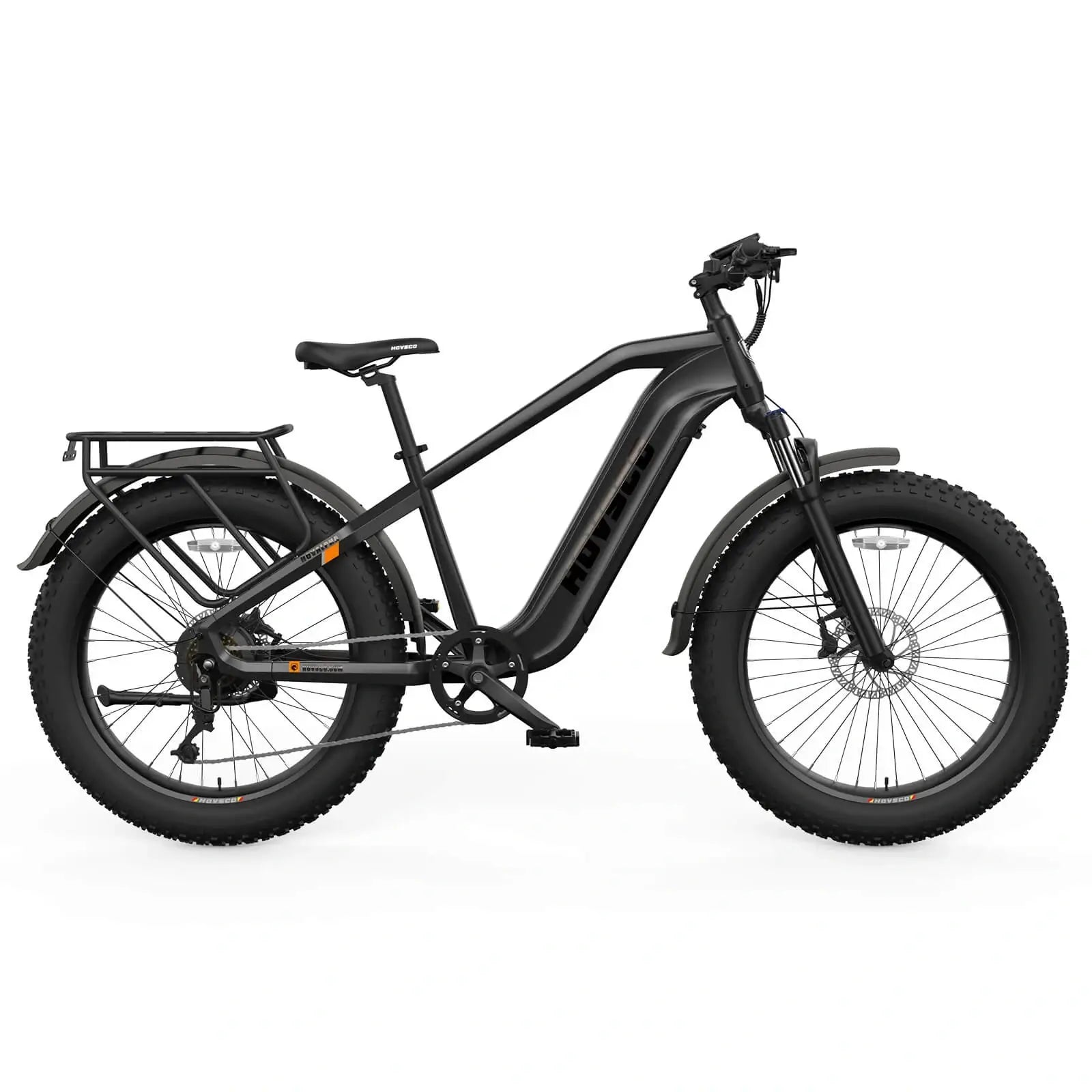
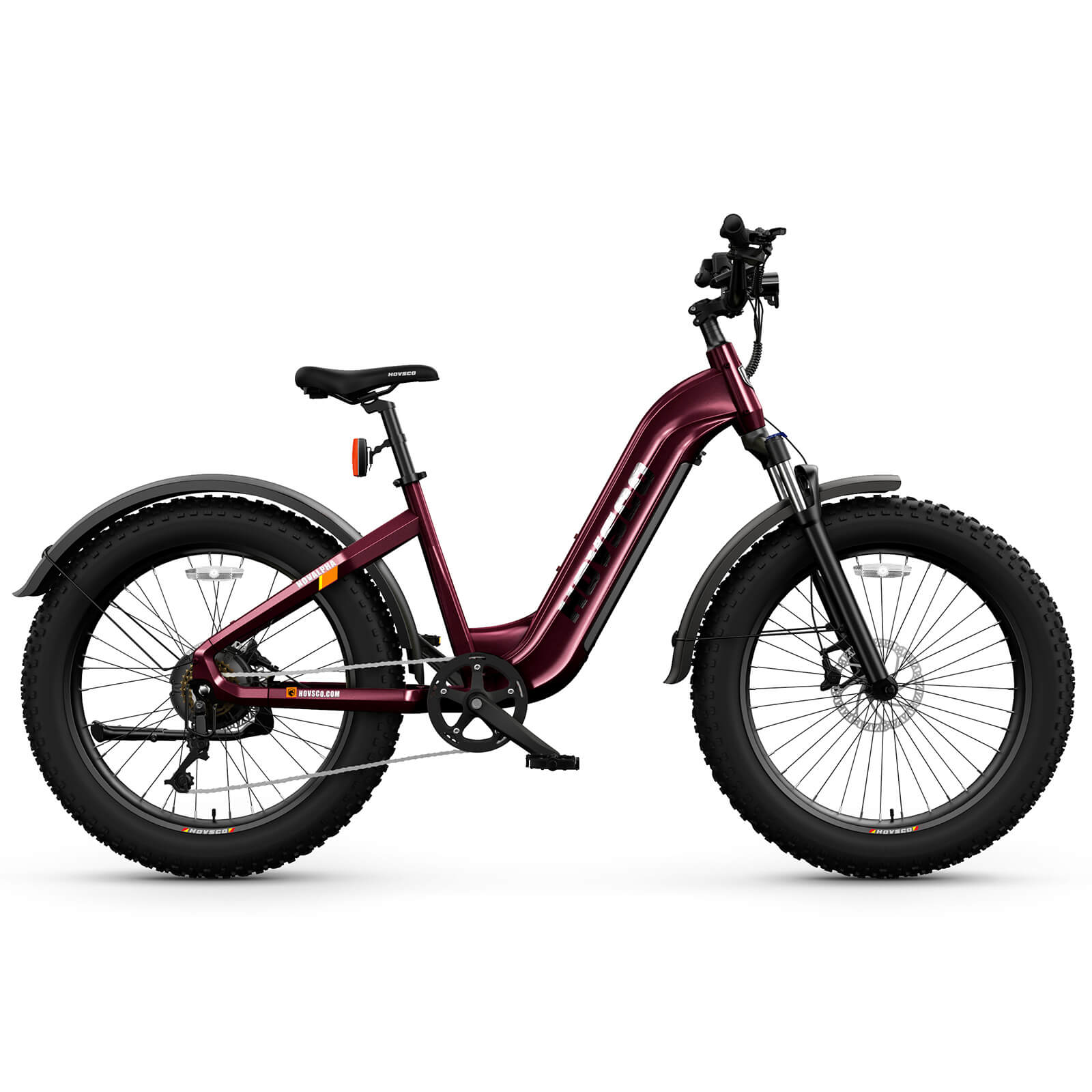
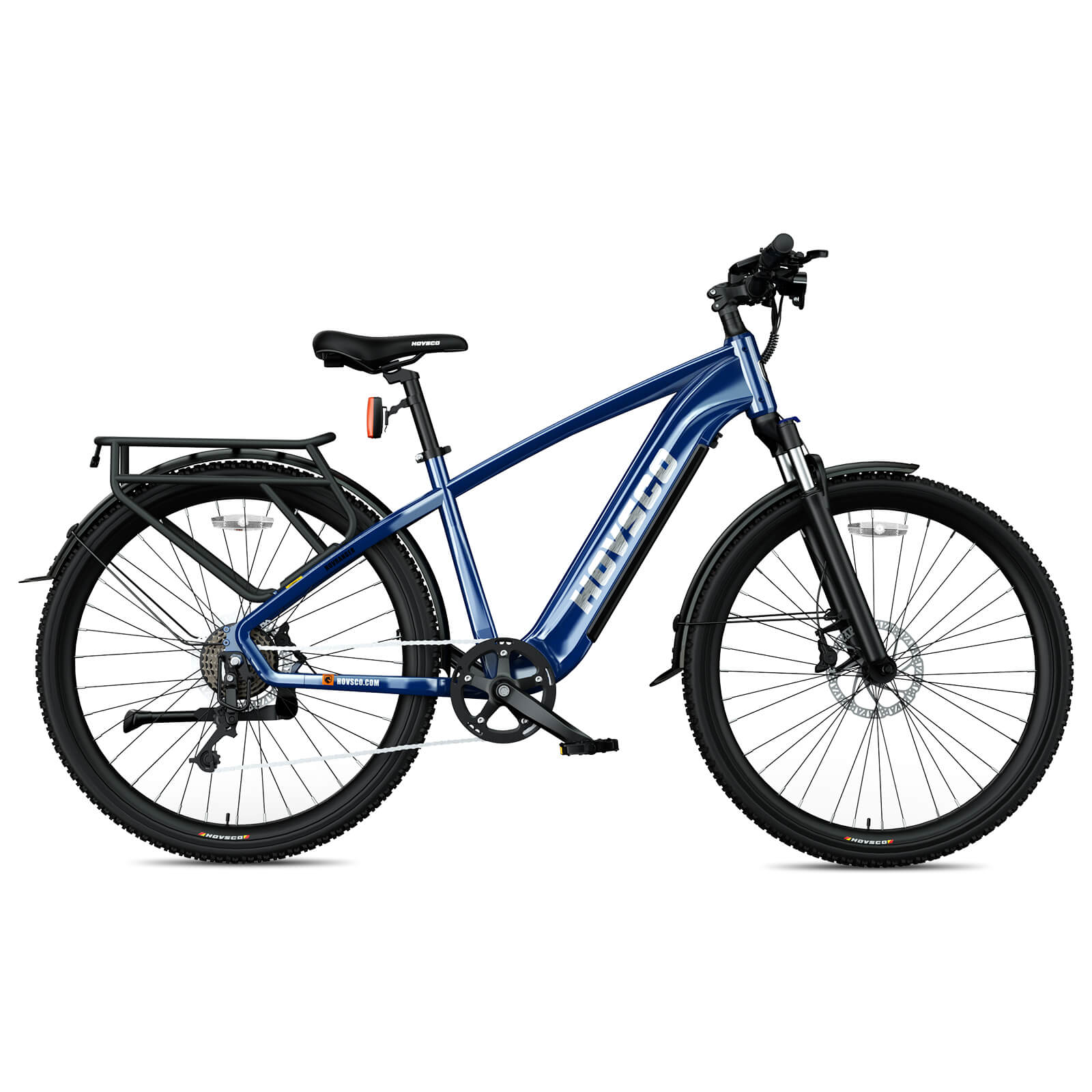
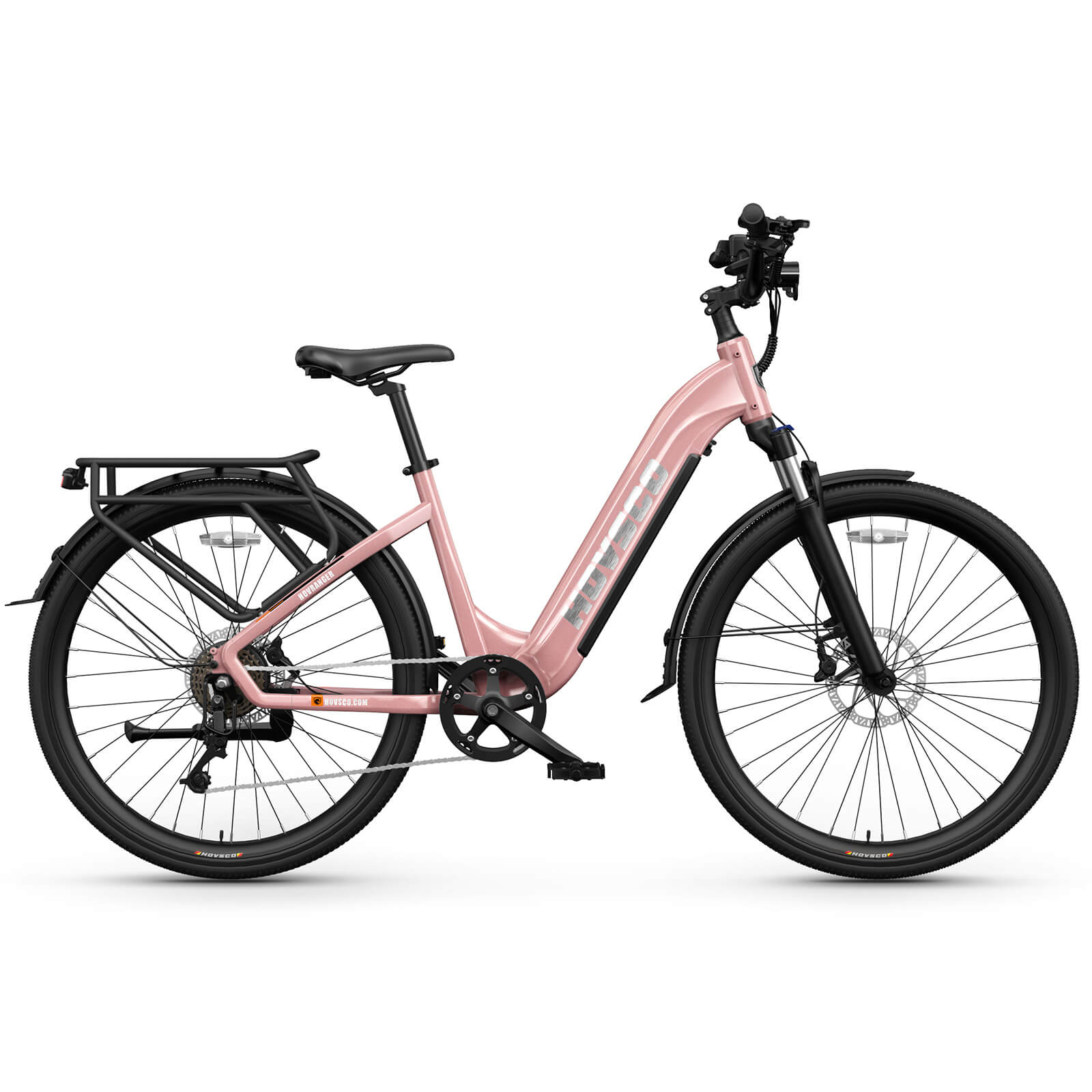
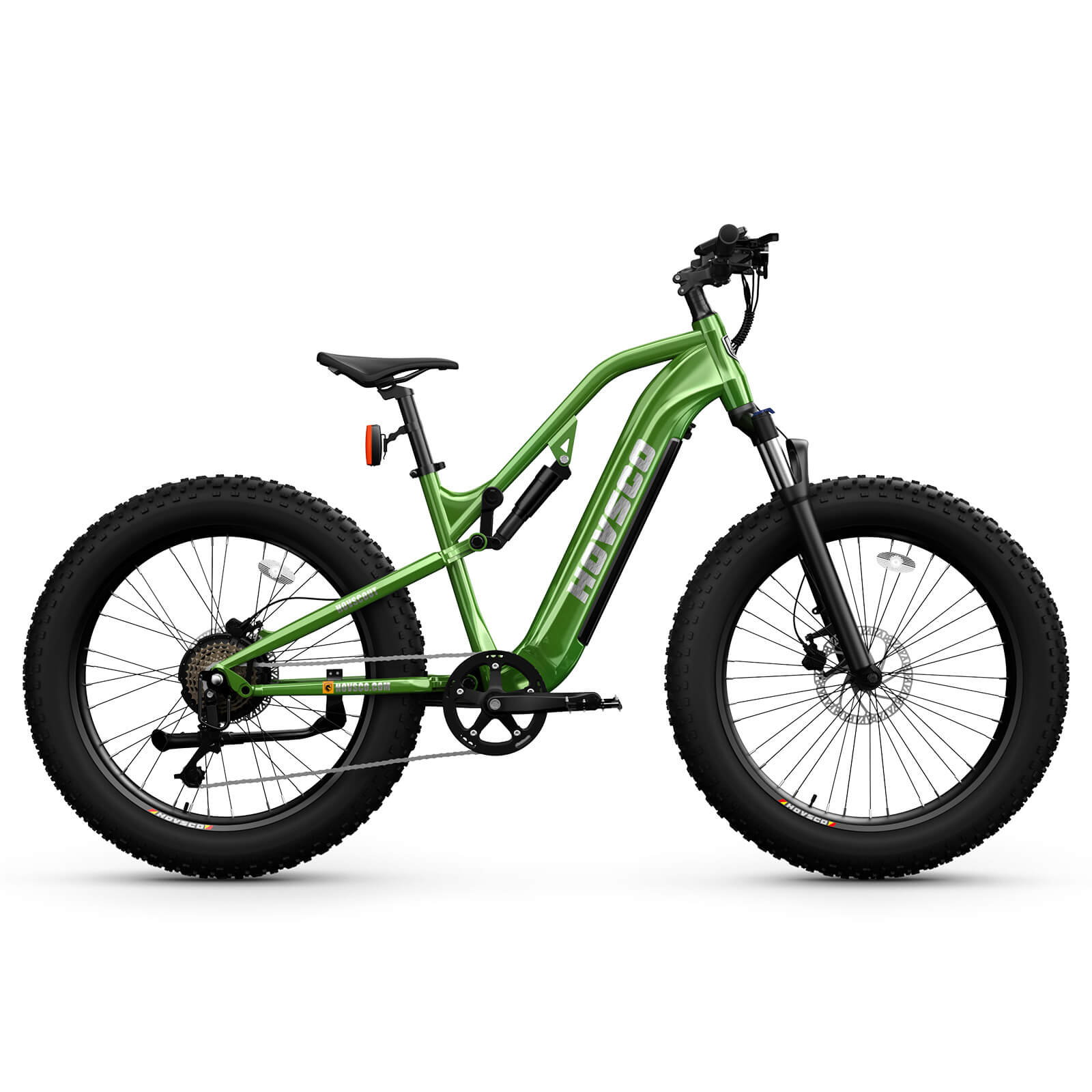
Popular models include bikes from Polygon, Canyon, Specialized, and HOVSCO’s own eMTB lineup. These models vary in motor power (250–750W), battery capacity, suspension travel, and price, catering to riders from casual trail explorers to aggressive enduro enthusiasts.
Chart title: Feature Comparison of Leading eMTBs
| Model | Motor Power | Battery Capacity | Suspension Travel | Weight | Price Range |
|---|---|---|---|---|---|
| Polygon eMTB X | 750W | 720Wh | 160mm | 50 lbs | $5,500 |
| Canyon Neuron:ON | 250W | 540Wh | 120mm | 45 lbs | $4,200 |
| Specialized Turbo | 500W | 700Wh | 150mm | 48 lbs | $6,000 |
| HOVSCO TrailPro | 750W | 720Wh | 160mm | 52 lbs | $5,800 |
Higher motor wattage and torque (up to 120 Nm) enable eMTBs to tackle steep, technical climbs effortlessly, essentially acting like a winch for riders. Mid-drive motors maintain natural pedal feel and balance. Torque delivery allows consistent speed uphill, while power management optimizes battery life and prevents motor overheating.
They reduce rider fatigue, opening mountain biking to broader fitness levels and age groups. eMTBs facilitate longer adventures, bigger elevation gains, and repeat laps without exhaustion. They democratize access to technical terrain, enhancing enjoyment without sacrificing the core mountain biking experience.
Evaluate your riding style, terrain type, and desired range. Prioritize motor power and battery size for challenging climbs or long rides. Check suspension specs for comfort and control. Consider weight, ergonomics, and brand reliability. Look for models like HOVSCO’s eMTB series that balance power, innovation, and rider-focused design.
Maintenance involves both traditional bike care and electrical system upkeep—regular battery charging, motor diagnostics, and firmware updates. Safety includes wearing proper protective gear and mastering the bike’s weight and power dynamics. Frequent inspections of brakes, tires, and electrical connectors ensure dependable, safe riding.
“HOVSCO believes eMTBs represent the future of inclusive and exhilarating mountain biking,” states a company expert. “Advancements in battery tech, motor efficiency, and smart controls continue to enhance rider experience, opening trails to all levels. Our commitment is to fuse power with agility, crafting eMTBs that inspire confidence and adventure.”
What Is an eMTB and How It Works
An eMTB is an electric mountain bike equipped with a pedal-assist motor that enhances your pedaling power. It combines traditional MTB features with electric support, making climbing hills easier and extending ride distances. Riders experience smoother acceleration and reduced fatigue, enabling more adventurous trails. HOVSCO designs eMTBs for performance, fun, and reliability.
eMTB vs Regular Mountain Bike: What Are the Key Differences
eMTBs differ from regular mountain bikes by offering motor-assisted pedaling, higher average speeds, and extended range. They handle climbs and long trails with less effort while maintaining MTB durability. Weight is slightly higher due to battery and motor, but overall riding efficiency and accessibility are greatly improved, appealing to both beginners and seasoned riders.
Which Are the Best eMTBs to Buy in 2026
The best eMTBs in 2026 balance motor power, battery range, and suspension performance. Look for lightweight frames, durable components, and reliable electronics. HOVSCO and other top brands offer models optimized for trails, urban riding, or endurance adventures. Choosing a bike suited to your terrain ensures a safe, enjoyable, and thrilling experience.
Which Lightweight eMTBs Offer Agile Riding
Lightweight eMTBs are designed for maneuverability, faster handling, and easier climbing. They use compact motors and high-density batteries to reduce overall weight without sacrificing performance. Ideal for technical trails or city adventures, these bikes offer enhanced control and responsiveness while keeping long rides manageable and fun for riders of all skill levels.
How Long Does an eMTB Battery Last
An eMTB battery typically lasts 30 to 80 miles per charge, depending on terrain, rider weight, assist level, and bike efficiency. Proper maintenance, including partial charging cycles and avoiding extreme temperatures, extends lifespan. Choosing a high-quality lithium battery ensures reliable range for commuting or trail rides and consistent performance throughout every adventure.
How Does eMTB Motor Power Affect Performance
Motor power impacts acceleration, hill climbing, and top speed. Higher wattage and torque allow riders to conquer steep trails with less effort and maintain speed on flat terrain. Balance motor strength with battery capacity to avoid draining power too quickly. Proper motor choice ensures an enjoyable, controlled ride for diverse trail conditions.
What Are Essential Maintenance Tips for Your eMTB
Maintain your eMTB by regularly cleaning the frame, drivetrain, and motor. Check battery connections, inspect wiring, and ensure proper tire pressure. Lubricate chains and adjust brakes as needed. Routine maintenance prolongs performance, prevents mechanical issues, and keeps every ride smooth, safe, and enjoyable. HOVSCO recommends consistent care for long-term reliability.
Which eMTB Accessories Are Must-Have in 2026
Essential eMTB accessories include protective gear, lights, smart bike computers, upgraded grips, and high-quality pedals. Battery chargers, mudguards, and tool kits enhance convenience and safety. Choosing compatible accessories tailored to riding style improves performance, comfort, and trail readiness, ensuring an optimized riding experience for every eMTB enthusiast.
Share:
How Does a Presta Valve Work and How To Use It Properly?
What Makes Cruiser Motorcycles Stand Out in 2026?