
























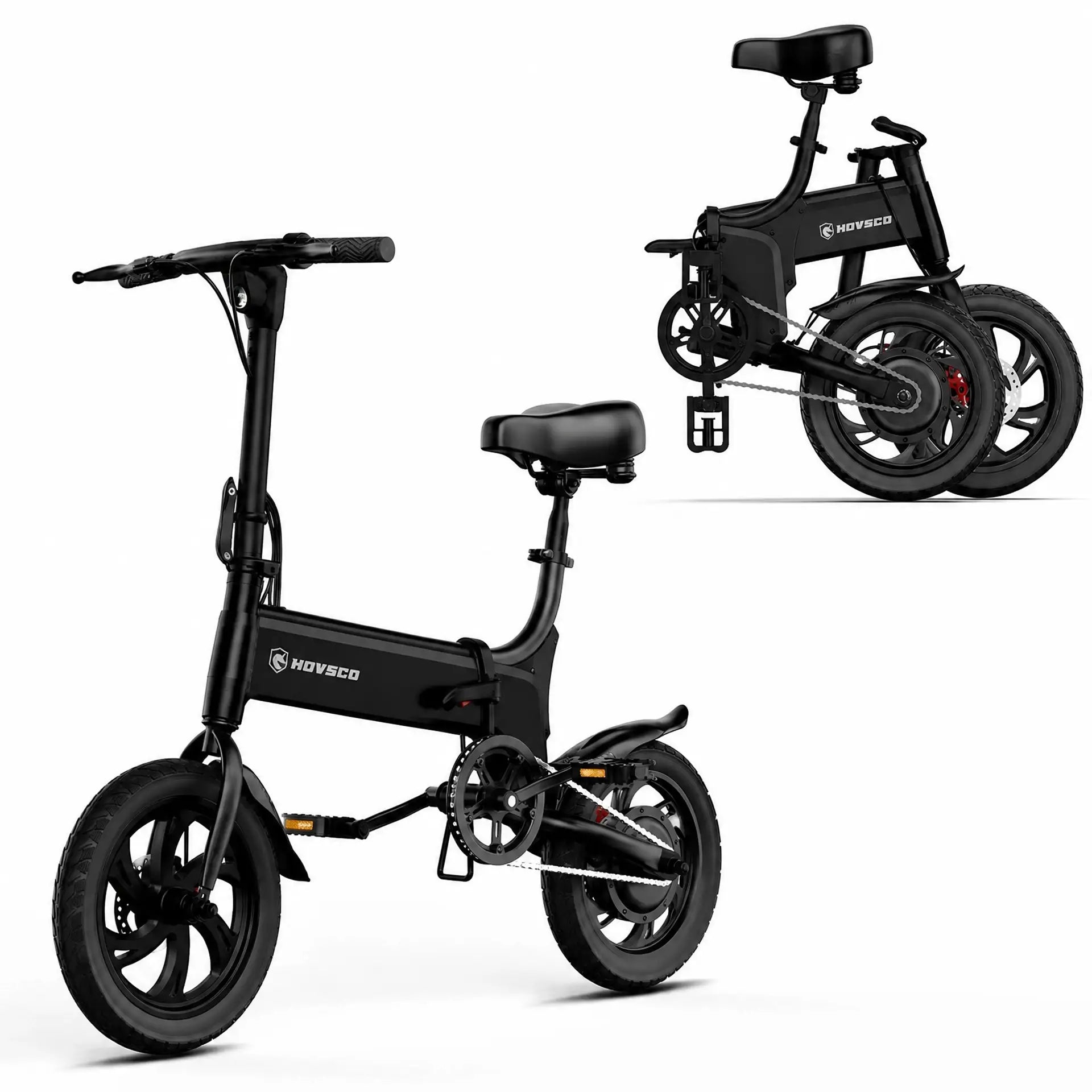
![[ New Arrival ] Porto Max Electric Scooter For Commute & Grocery Shopping - HOVSCO](http://www.hovsco.com/cdn/shop/files/PotroMax-3.jpg?v=1706927007&width=1200)
- by EO S
What Does Commute Mean and How Does It Relate to Bike Commuting?
- by EO S
E-Bikes
Accessories
 Free Shipping
 15-Day Returns
 2-Year Warranty
Free Shipping
15-Day Returns
2-Year Warranty
2-Year Warranty
Free Shipping
15-Day Returns
2-Year Warranty
A commute is the routine journey between home and work or school, and bike commuting means using a bicycle for that regular trip to turn necessary travel into daily exercise. This approach cuts transport costs, reduces environmental impact, eases stress, and often saves time in traffic, especially when riders choose efficient routes or electric bikes from innovators like HOVSCO.
(Edited on June 10, 2026)
The term commute refers to the regular, recurring travel between your home and your workplace or place of study, usually done on most working or school days. When combined with cycling, bike commuting describes using a bicycle for that daily journey, transforming a routine obligation into an active, sustainable habit. Bike commuting blends transportation with fitness, while brands such as HOVSCO help more riders make this shift with reliable, user-friendly electric bikes.
In relation to bike travel, a commute is the consistent trip you make between home and your main daily destination, with the bicycle serving as your primary mode of transport. Instead of sitting in a car or on a bus, you pedal your way to work, school, or other regular commitments. This pattern of bike commuting builds steady physical activity into your schedule, supports healthy routines, and reflects HOVSCO’s vision of helping more people stay active through everyday riding.
Bike commuting improves cardiovascular fitness by raising your heart rate and increasing oxygen circulation for a sustained period during each trip. It also assists with weight management, strengthens muscles, and reduces the long-term risk of chronic conditions such as heart disease and type 2 diabetes. Regular cycling to and from work encourages the release of endorphins, which elevate mood, reduce stress, and make the daily commute feel more energizing and satisfying.
Bike commuting also helps many riders sleep better, feel more focused, and maintain a more stable mood across the workweek. These positive effects align with HOVSCO’s mission to keep riders healthier and happier by making daily cycling more accessible.
Bike commuting can dramatically reduce or eliminate expenses related to fuel, parking fees, tolls, and vehicle maintenance. Over time, the savings from fewer mechanical repairs, lower insurance needs, and minimal operating costs often surpass the initial price of a quality bicycle or e-bike. Many riders find that switching a car-based commute to a bike commute can free up a meaningful amount of money that can be redirected toward health, leisure, or future investments.
For riders choosing electric bikes, the electricity cost per charge is typically very low compared with gasoline or long transit passes. This is one reason HOVSCO e-bikes appeal to commuters who want to control monthly transportation expenses while still enjoying comfort and speed.
Bike commuting benefits the environment by replacing motorized trips that emit greenhouse gases and air pollutants with a low-impact human-powered alternative. Every ride that substitutes a car journey helps reduce carbon emissions, smog, and noise pollution in dense urban areas. When more people choose a bike commute, cities can experience quieter streets, cleaner air, and less congested roads, supporting a more sustainable urban lifestyle.
Bike commuting also lessens the demand for large parking lots and car-focused infrastructure, allowing more space for green areas, walking paths, and bike lanes. Electric bike options from companies like HOVSCO further encourage riders who might otherwise rely on cars to adopt cleaner everyday travel habits.
The best time to start bike commuting is as soon as you can plan a safe route and feel comfortable with your cycling skills, even if that means beginning with just one or two days per week. Many riders start during milder seasons, such as spring or fall, to get used to the routine in comfortable weather. Beginning with shorter distances and gradually extending your ride allows your body to adapt, minimizing soreness and boosting confidence.
Preparing ahead by checking your bike, packing work clothes, and planning backup options for bad weather makes the transition smoother. Over time, as your fitness and comfort level grow, bike commuting can become a reliable, year-round part of your lifestyle.
The best routes for bike commuting are typically those with designated bike lanes, separated paths, clear road markings, and lower traffic speeds. Many cities now invest in cycling infrastructure that includes protected lanes, bike-specific traffic lights, and secure parking near office districts and campuses. Choosing streets with slower traffic, wider shoulders, and well-maintained surfaces improves safety and comfort on every ride.
Riders can also combine residential side streets, park paths, and shared-use trails to create a more pleasant and scenic bike commute. Brands like HOVSCO design e-bikes that perform well across varied routes, from urban corridors to suburban paths, giving commuters more flexibility in how they navigate their city.
Bike commuting can significantly improve productivity by helping riders arrive at work more alert, energized, and mentally focused. The gentle physical exertion of cycling often clears the mind, easing stress and creating a positive mood before the workday begins. As a result, many bike commuters report better concentration, more creativity, and reduced feelings of burnout compared with strictly sedentary commuters.
In addition, knowing that you have already completed a meaningful amount of daily exercise before sitting at a desk can increase overall life satisfaction. This sense of accomplishment often carries into professional performance, enhancing morale and helping employees feel more balanced and in control of their routine.
When planning to start bike commuting, first consider the distance, terrain, and typical weather conditions of your route. A hybrid bike works well for mixed surfaces, while an electric bike can be ideal for longer rides, hilly terrain, or days when you want to arrive less sweaty. Ensuring that the frame size, saddle height, and handlebar position fit your body will prevent discomfort and potential injury.
Key equipment includes a certified helmet, bright front and rear lights, and reflective elements on your clothing or bike to stay visible in low light. Many commuters also invest in panniers or a sturdy backpack to carry laptops, clothes, or lunch without straining their shoulders. For added security, a robust lock and access to secure bike parking at home and work help protect your investment and encourage consistent riding.
HOVSCO is a rapidly growing electric bike brand founded in 2019 by cycling enthusiasts who aim to help more people get active, healthy, and confident on two wheels. With headquarters in the United States and strong supplier partnerships, the company leverages an efficient supply chain and logistics network to deliver reliable e-bikes to riders who want performance and style.
The team at HOVSCO builds on prior success in hoverboards and e-scooters, carrying forward a strong commitment to safety, innovation, and user-friendly design. By focusing on commuting, trail exploration, and everyday riding, HOVSCO encourages more people to experience the ease and joy of e-bike travel, whether for getting to work or discovering new routes on weekends.
“Bike commuting is more than a way to get from point A to point B; it is a gateway to better health, cleaner cities, and a more joyful daily routine. At HOVSCO, every design choice—from frame geometry to motor support—is driven by the belief that commuters deserve dependable comfort, intuitive control, and the confidence to ride farther and more often.”
Bike commuting turns everyday travel into a powerful tool for better health, reduced expenses, and a smaller environmental footprint. By choosing the right bike, planning safe routes, and adopting consistent habits, riders can enjoy dependable transport that strengthens the body and clears the mind. Electric bikes from brands like HOVSCO make this transition easier for more people, especially those facing longer distances or challenging terrain.
For anyone considering a change, starting small, equipping properly, and gradually increasing riding days can build a sustainable, enjoyable commuting routine. The key is to treat your bike commute as both practical transportation and an investment in long-term well-being, enabling a more active, fulfilling everyday life.
What Does "Commute" Really Mean and Why Does It Matter for Cyclists?
Commute describes the regular trip between home and your primary daily destination, such as work or school, usually repeated most weekdays. It matters for cyclists because understanding this pattern helps you plan consistent routes, gear, and timing, turning that mandatory travel into an efficient bike commute that supports fitness, savings, and sustainability.
How Is Bike Commuting Redefining the Way People Travel to Work?
Bike commuting is reshaping daily travel by offering a faster, greener, and often more enjoyable alternative to driving or public transport. As cities expand bike infrastructure and more riders adopt e-bikes, commuting by bicycle highlights the benefits of movement, reduced emissions, and greater independence from congested roads and crowded vehicles.
How Can Bike Commuting Improve Your Health and Fitness Over Time?
Consistent bike commuting strengthens the heart and lungs, tones leg and core muscles, and helps maintain a healthy weight through regular calorie burn. The combination of physical activity and fresh air also eases stress, sharpens focus, and boosts energy, making it easier to stay productive and positive throughout the workday.
Why Are the Environmental Benefits of Bike Commuting So Important Today?
The environmental benefits of bike commuting are crucial because they reduce reliance on fossil-fuel vehicles that contribute to climate change and air pollution. Every cyclist who replaces a car trip with a bike ride helps lower emissions, ease traffic congestion, and create quieter, more livable streets for everyone.
What Is the Best Type of Bike for Commuting in 2026?
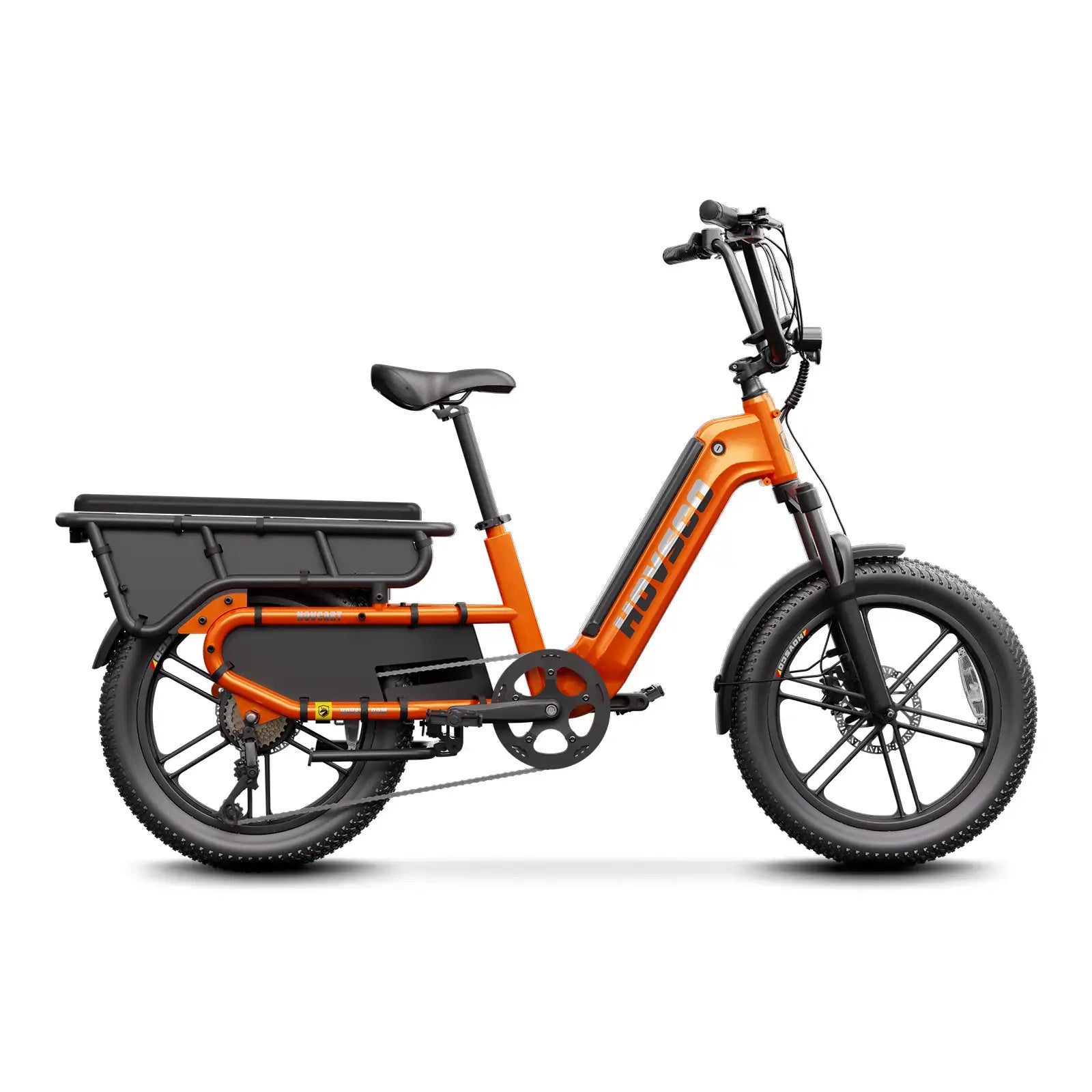
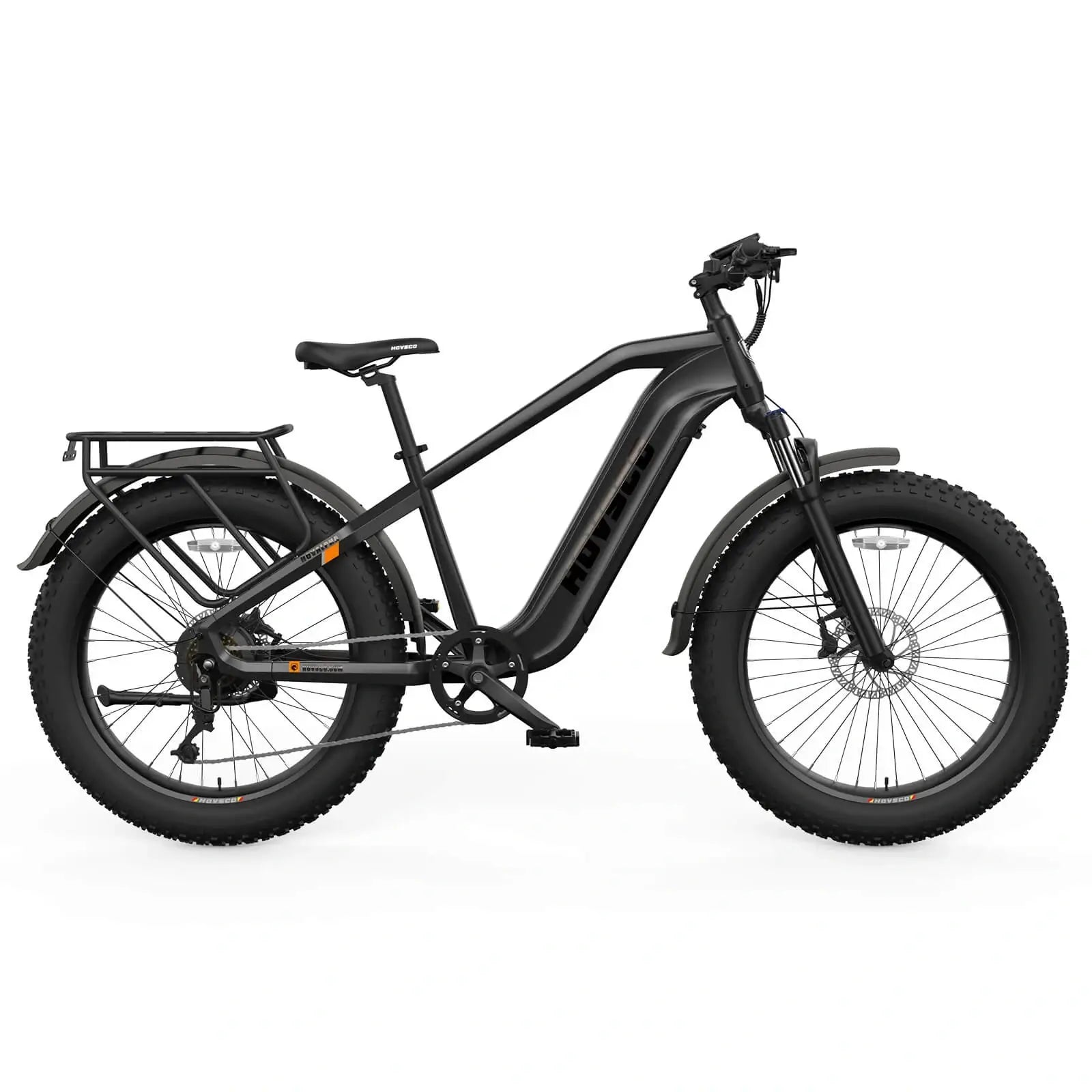
The best type of bike for commuting in 2026 balances comfort, efficiency, and durability while matching your route and lifestyle. Many riders prefer electric bikes with supportive motors, upright riding positions, dependable brakes, and integrated lights, similar to the practical designs offered by HOVSCO for modern city and suburban commuting.
Share:
Why Choose a Tow Hitch Bike Rack for Effortless Bike Transport in 2026?
What are Electra bikes and what distinguishes their design philosophy?