



![[ New Arrival ] Porto Max Electric Scooter For Commute & Grocery Shopping - HOVSCO](http://www.hovsco.com/cdn/shop/files/PotroMax-3.jpg?v=1706927007&width=1200)
- by EO S
What Are the Best Fat Tire Cargo E-Bikes in 2025?
- by EO S
E-Bikes
Accessories
 Free Shipping
 15-Day Returns
 2-Year Warranty
Free Shipping
15-Day Returns
2-Year Warranty
2-Year Warranty
Free Shipping
15-Day Returns
2-Year Warranty
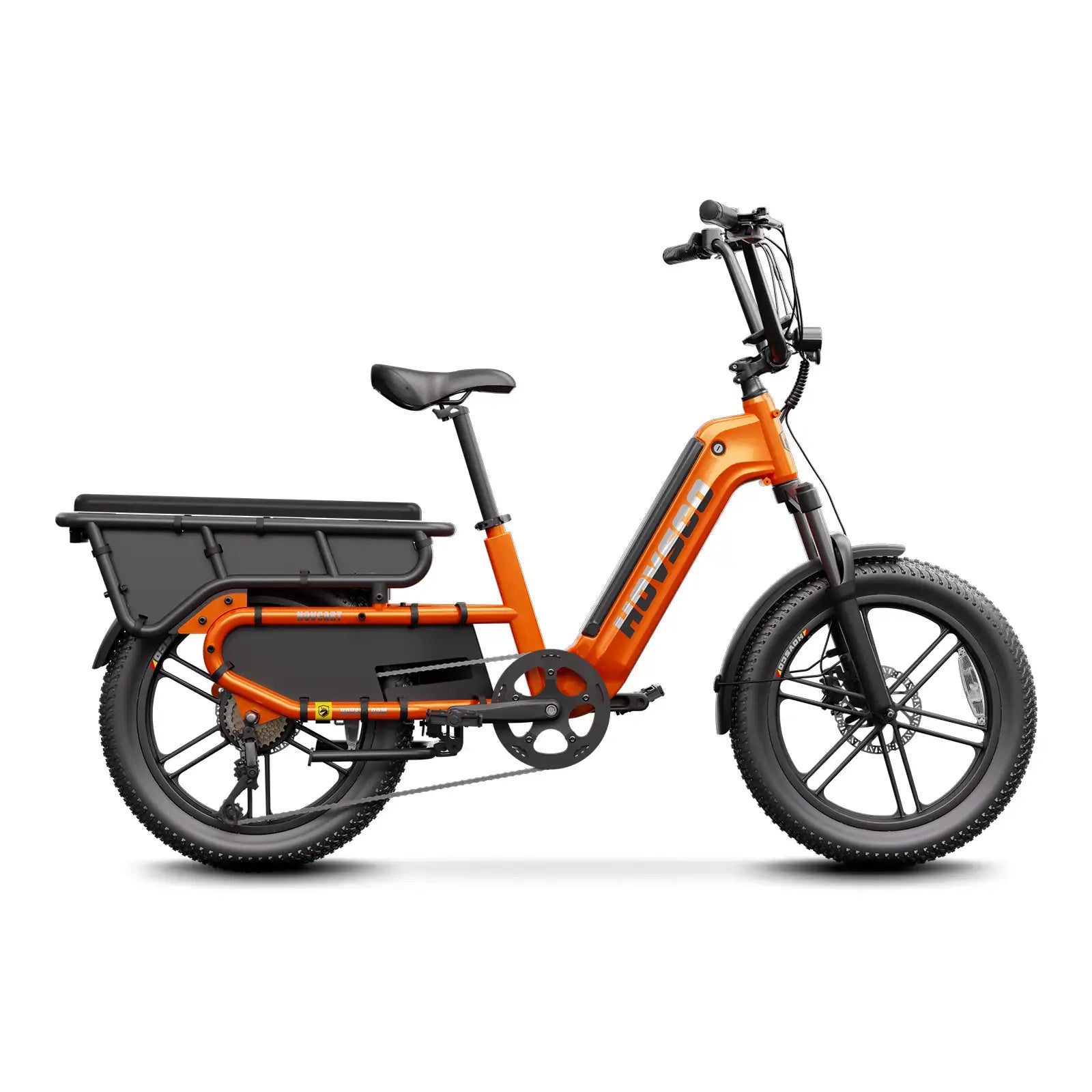
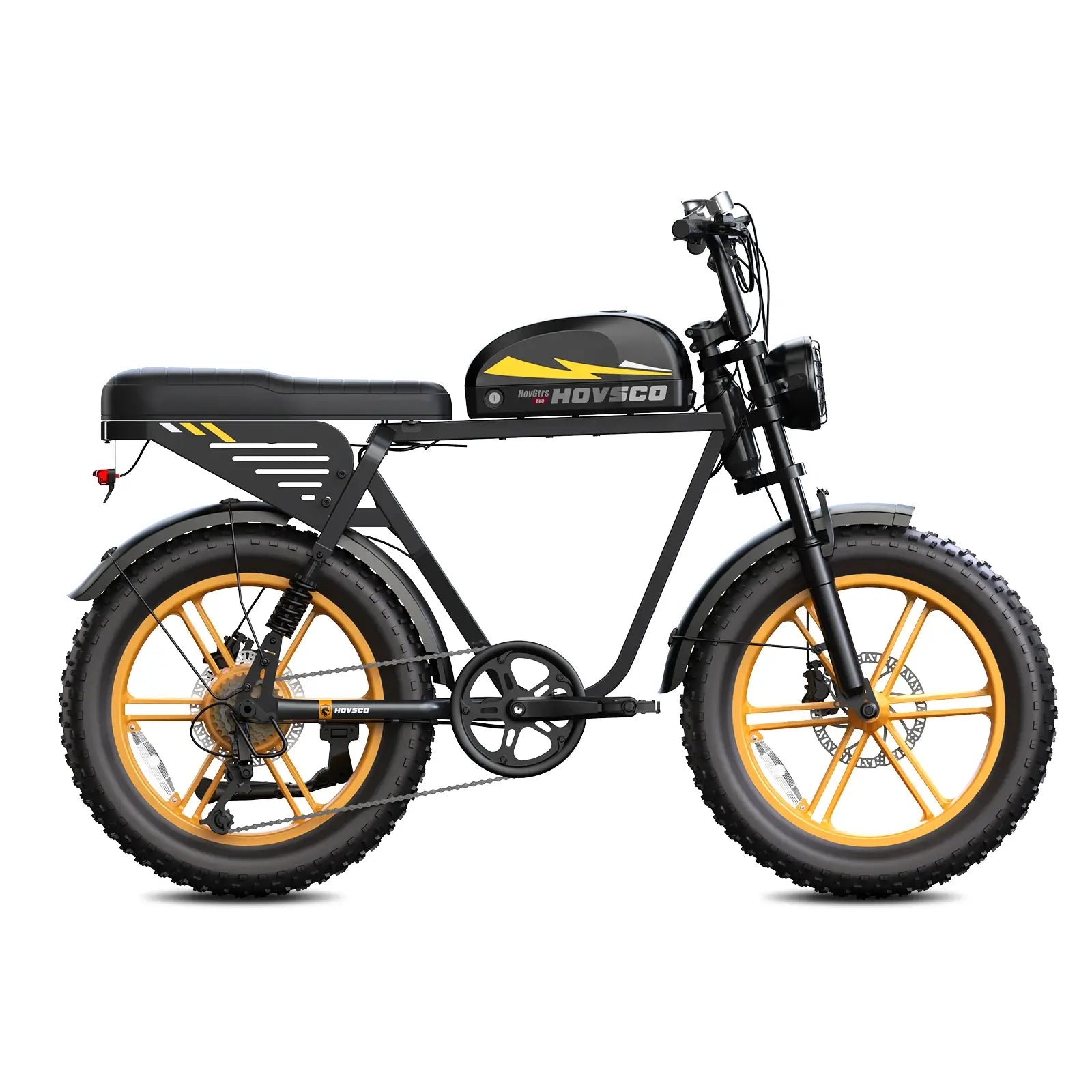
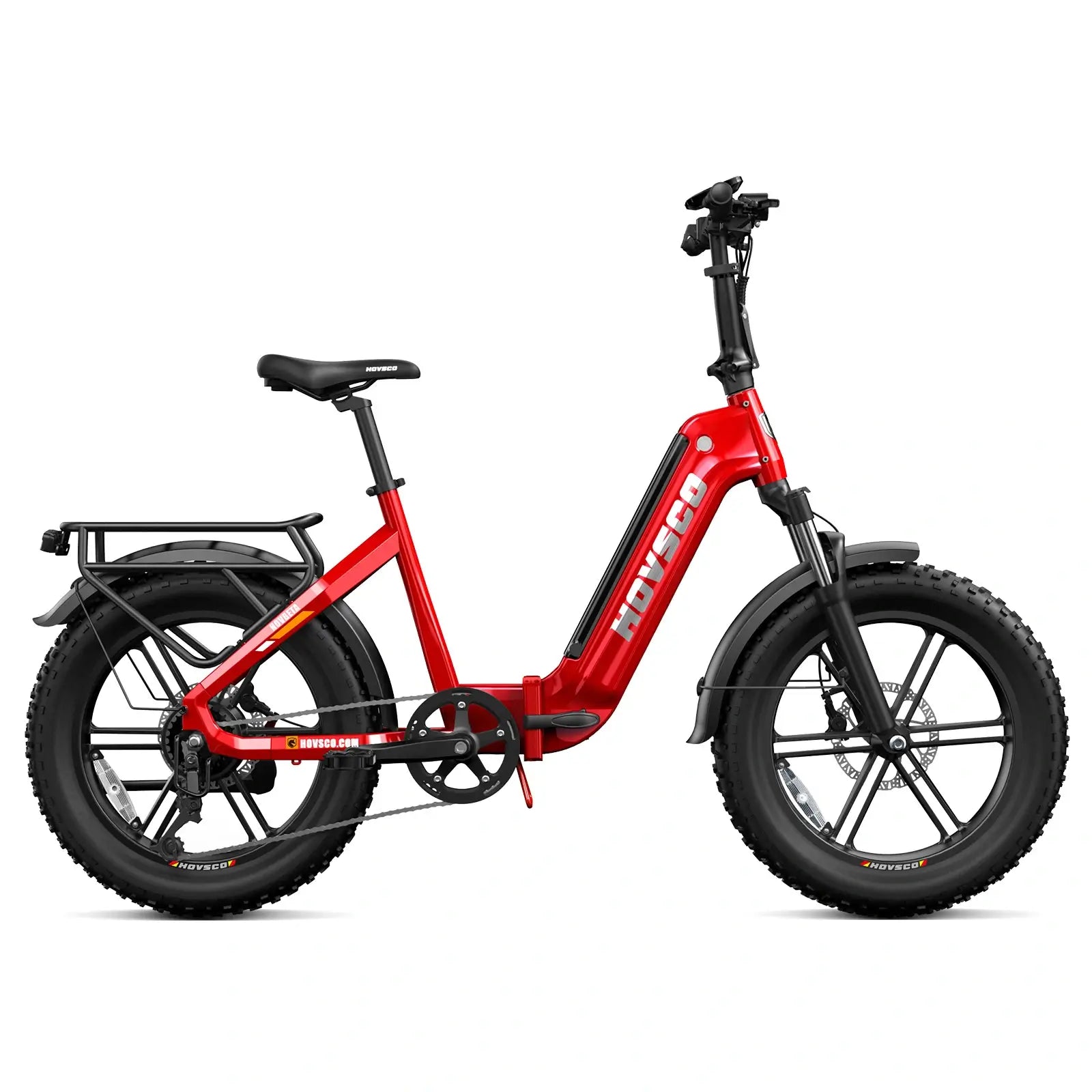
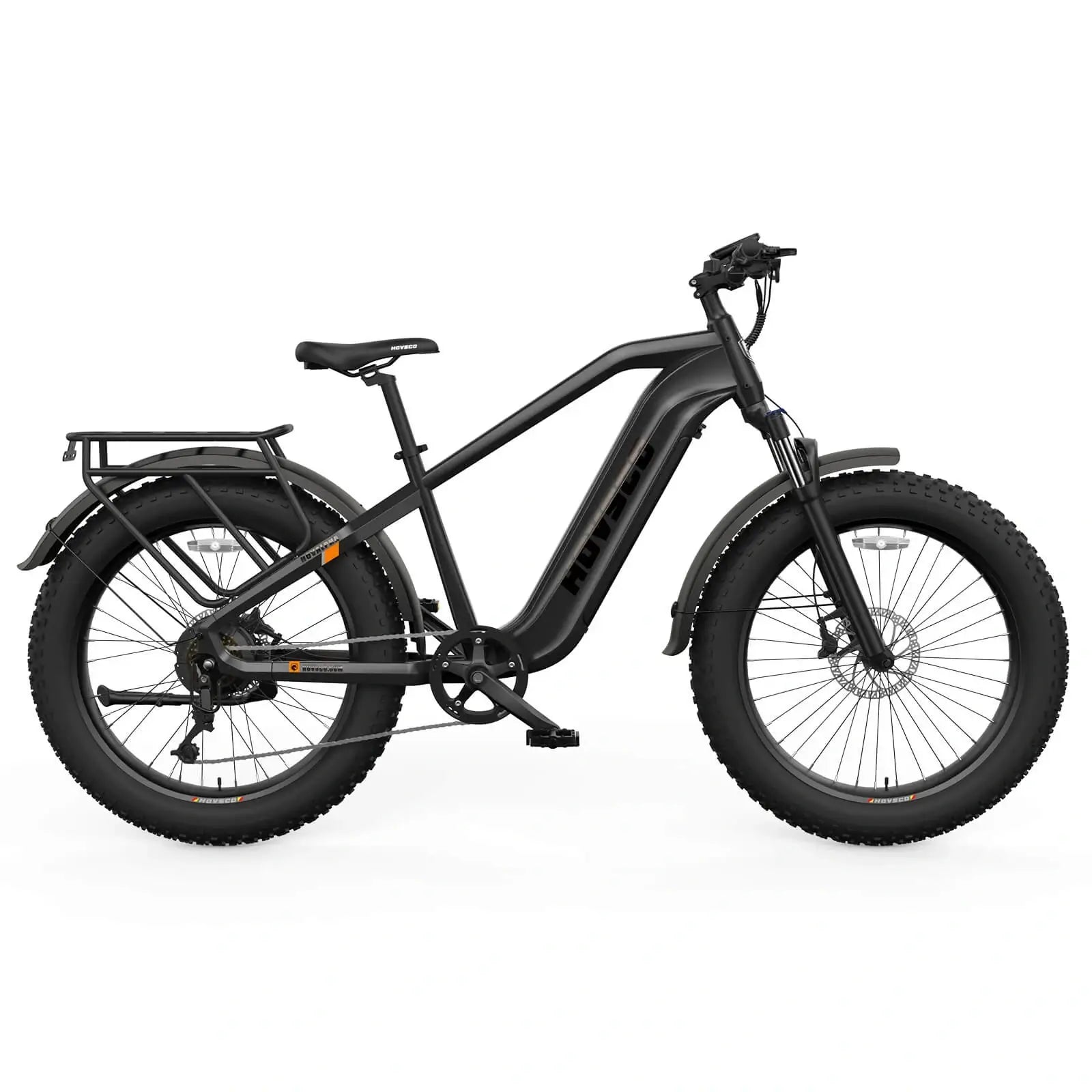
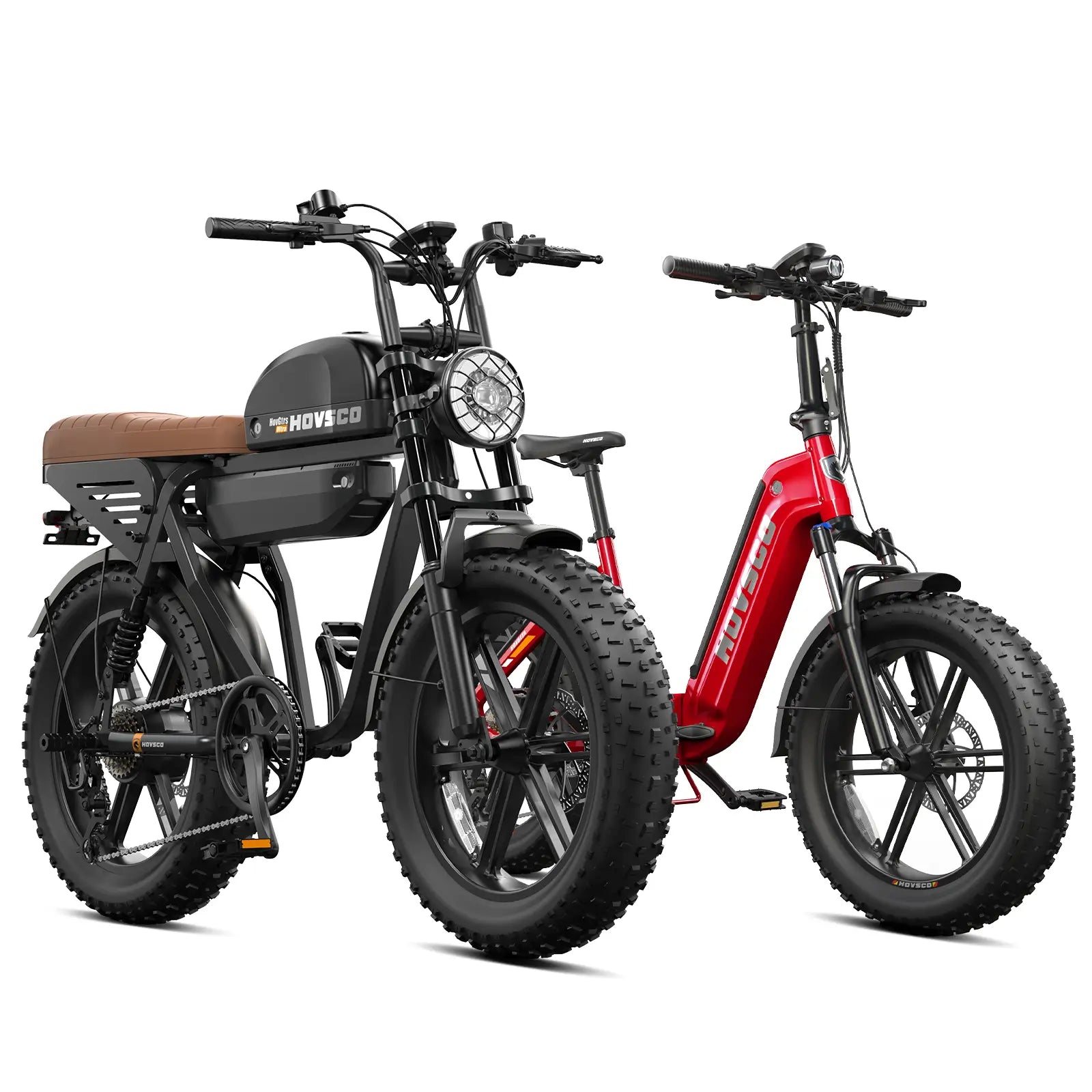
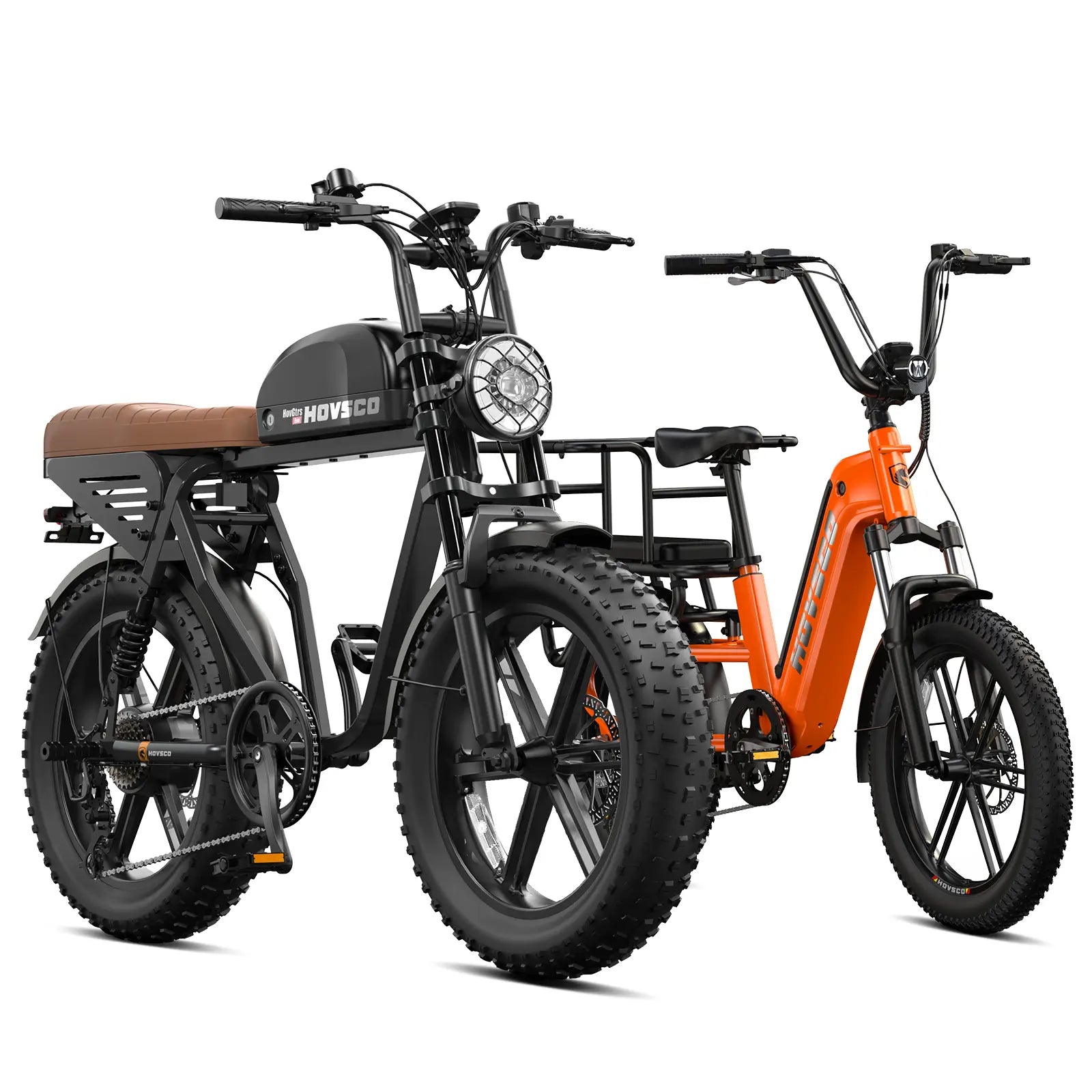
The best fat tire cargo e-bikes in 2025 combine wide tires, strong motors, and high-capacity batteries to provide stability and powerful performance for carrying heavy loads. These e-bikes offer reliable handling across varied terrains, long battery range, and practical cargo solutions, making them suitable for families, small businesses, and adventurous riders seeking efficiency and safety in every ride. HOVSCO designs emphasize these qualities with durability and innovation.
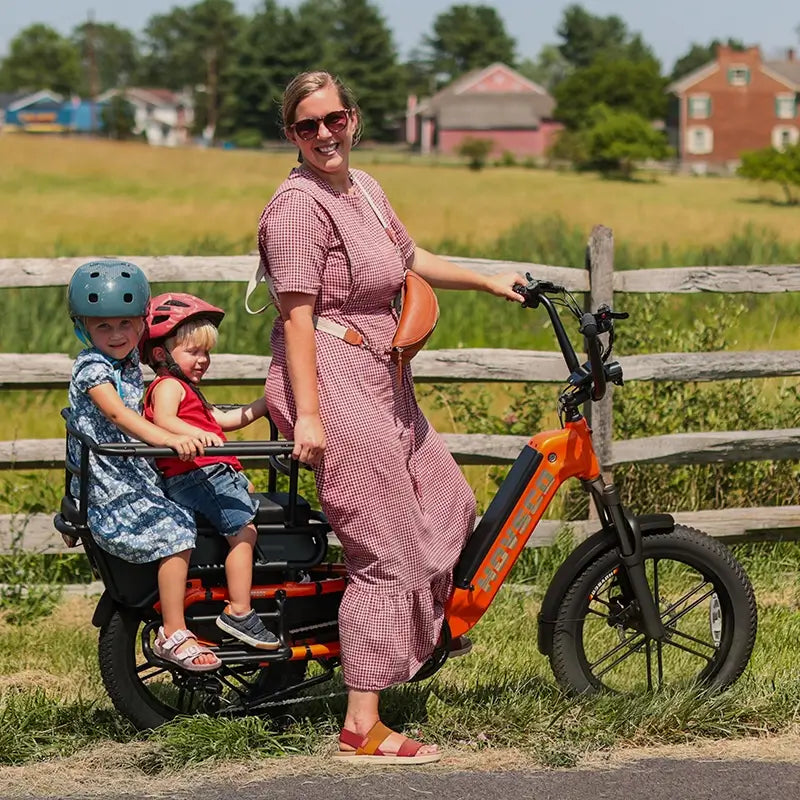
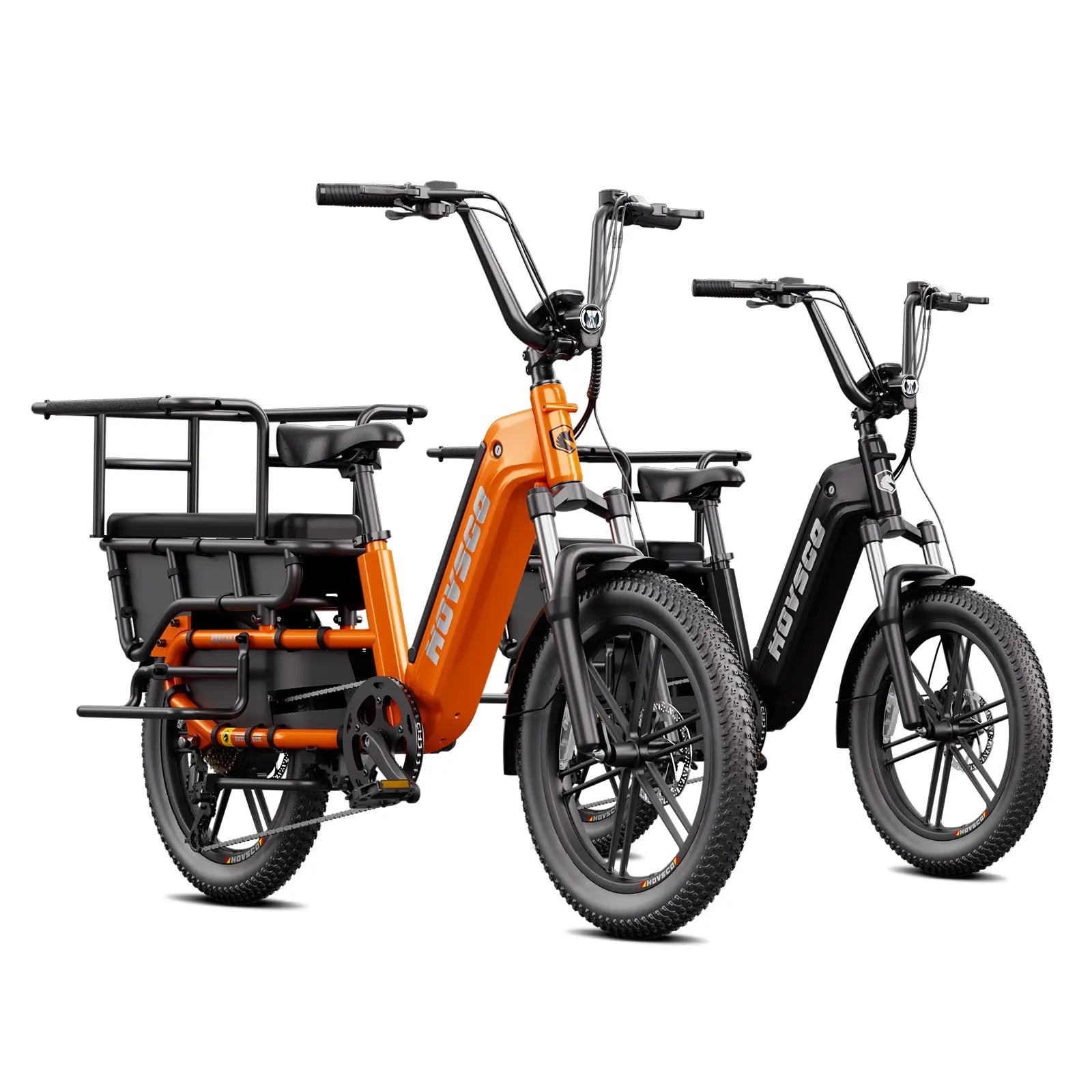
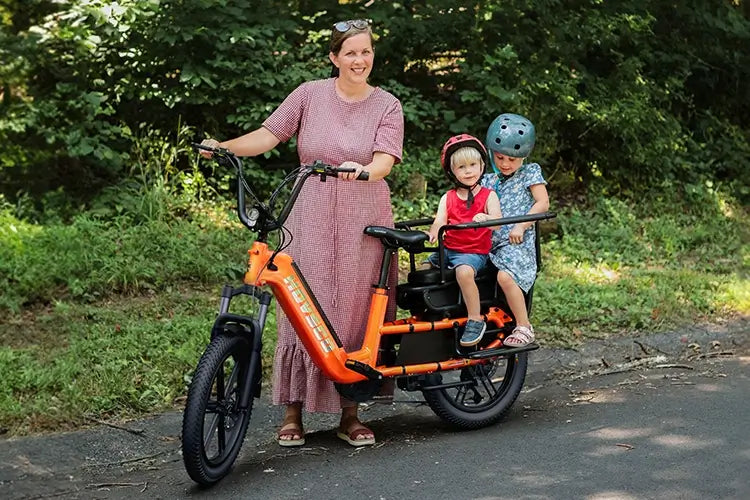
Fat tire cargo e-bikes distribute weight across wider tires, improving stability and traction on uneven or soft surfaces. Reinforced frames and robust cargo racks support heavy loads, often exceeding 300 lbs. This design allows riders to transport children, groceries, or equipment with confidence while maintaining control and comfort on gravel, sand, or urban streets.
The RadWagon 5 includes a 750W rear hub motor with 90Nm torque, hydraulic disc brakes, and a compact frame for maneuverability. It supports a maximum payload of 375 lbs and offers a range between 20 and 60 miles depending on pedal assist. Safety features include turn signals, a 200-lumen front light, and IPX6 water resistance for dependable performance in all weather.
Models like the RadWagon 5, ENGWE, and HOVSCO cargo e-bikes feature batteries from 48V 12Ah to 15Ah, providing extended range for commuting and cargo transport. Motors between 500W and 750W with torque sensors deliver smooth pedal assistance and hill-climbing capabilities, ensuring reliable power and efficiency for daily use and long-distance rides.
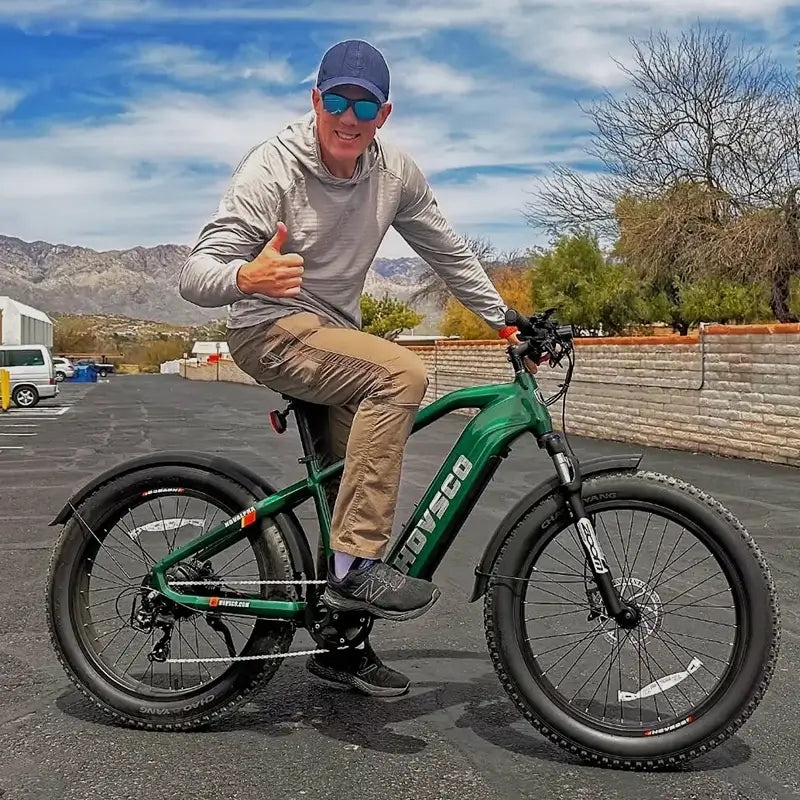
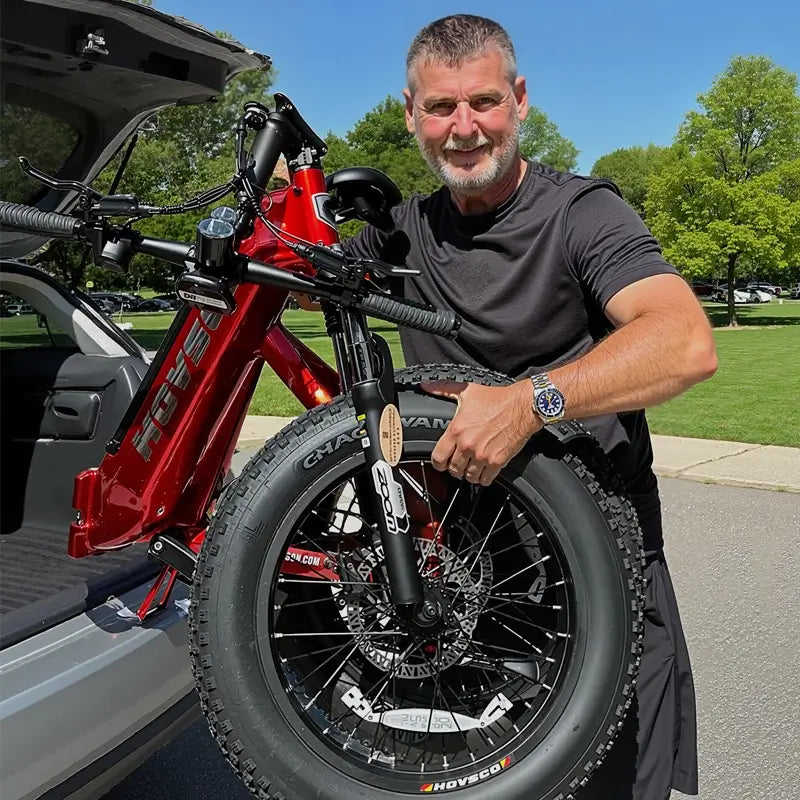
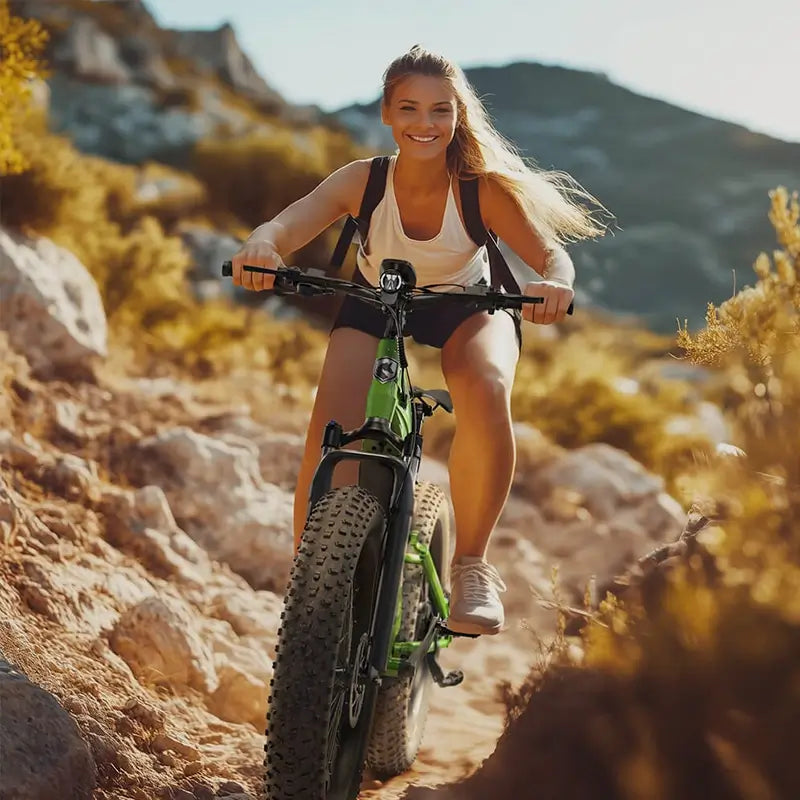
Fat tires increase ground contact, improving shock absorption, ride comfort, and traction on challenging terrain. They enhance stability under heavy loads, making cargo e-bikes safer and more versatile. Wider tires also support efficient braking, smoother handling, and consistent performance across gravel, sand, snow, and urban streets.
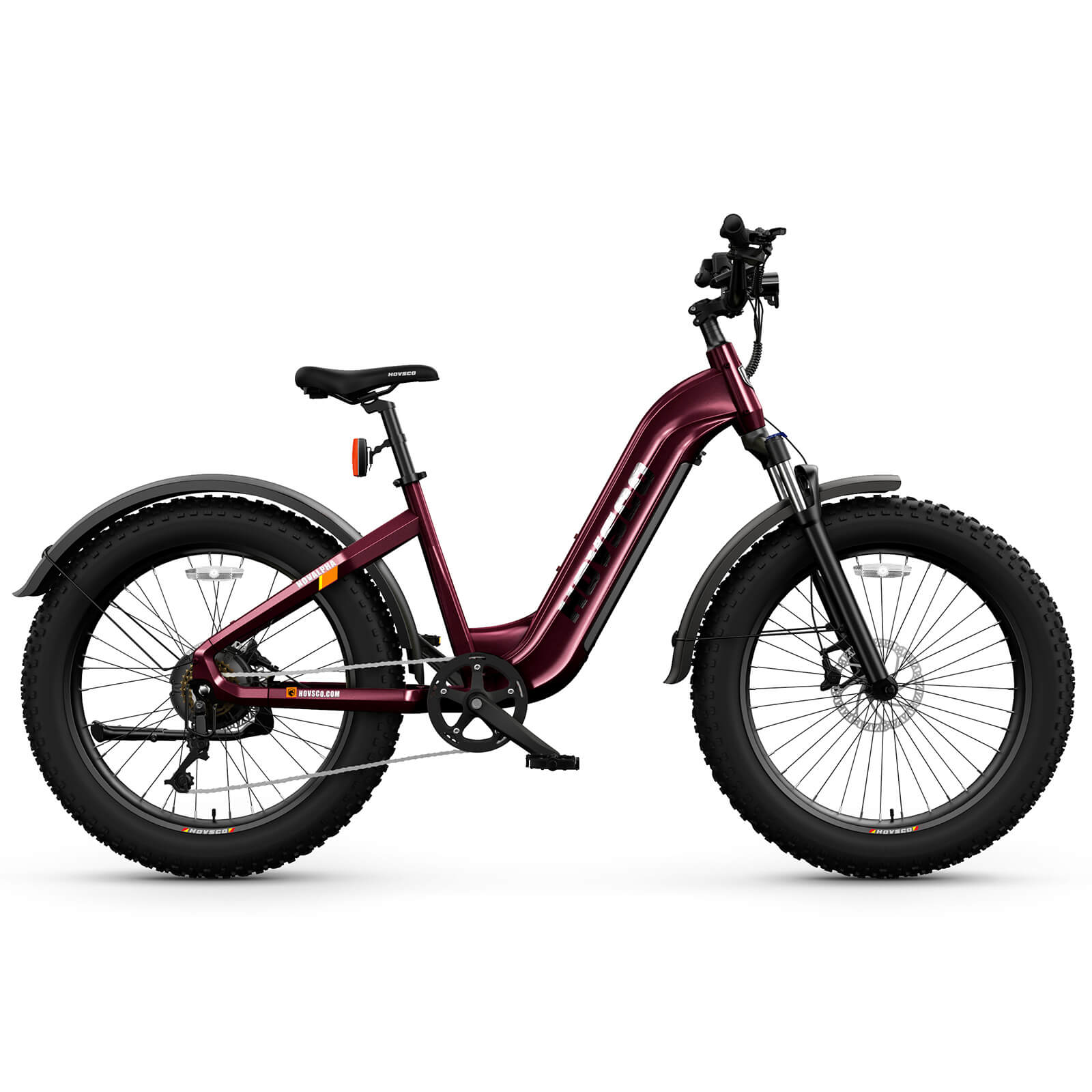
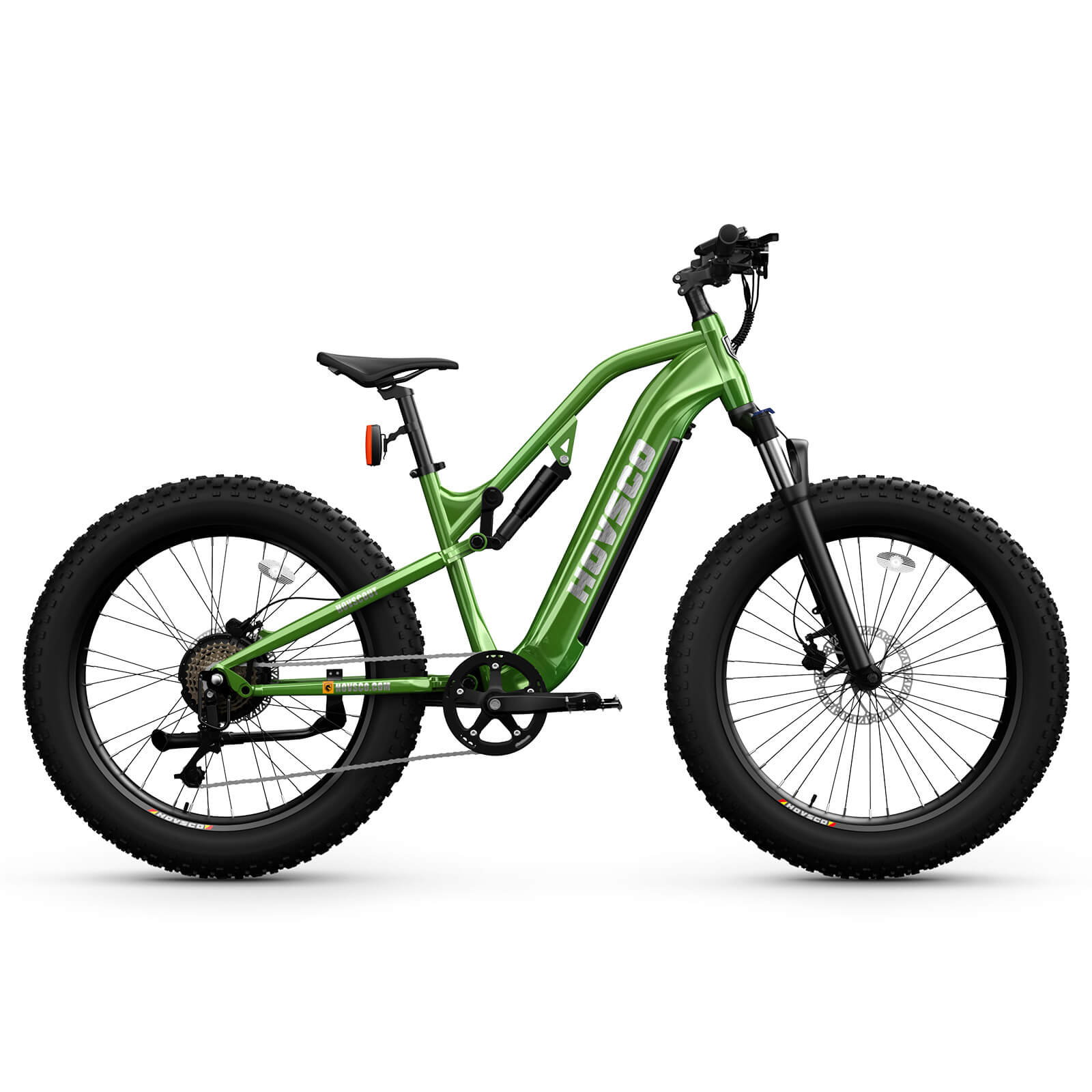
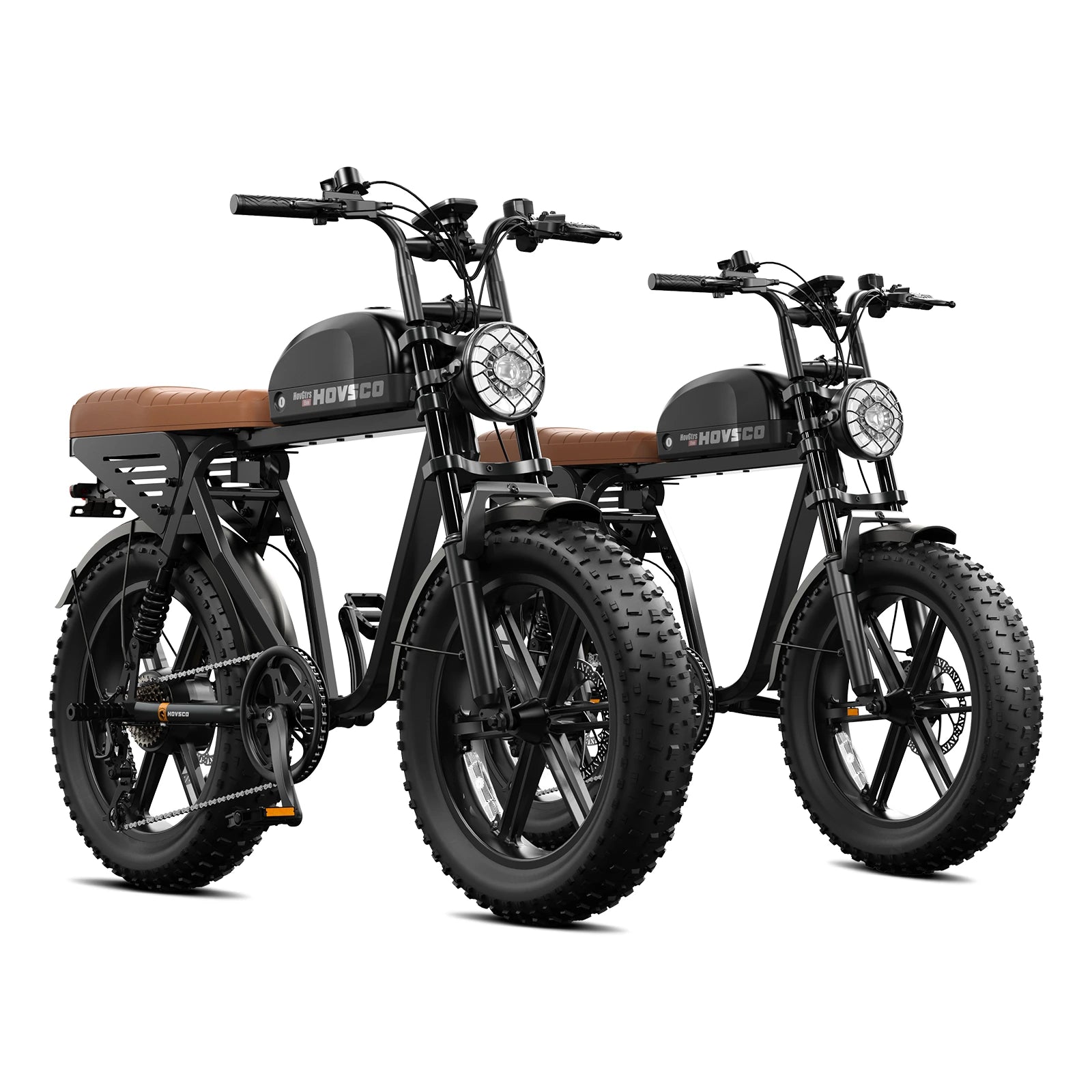
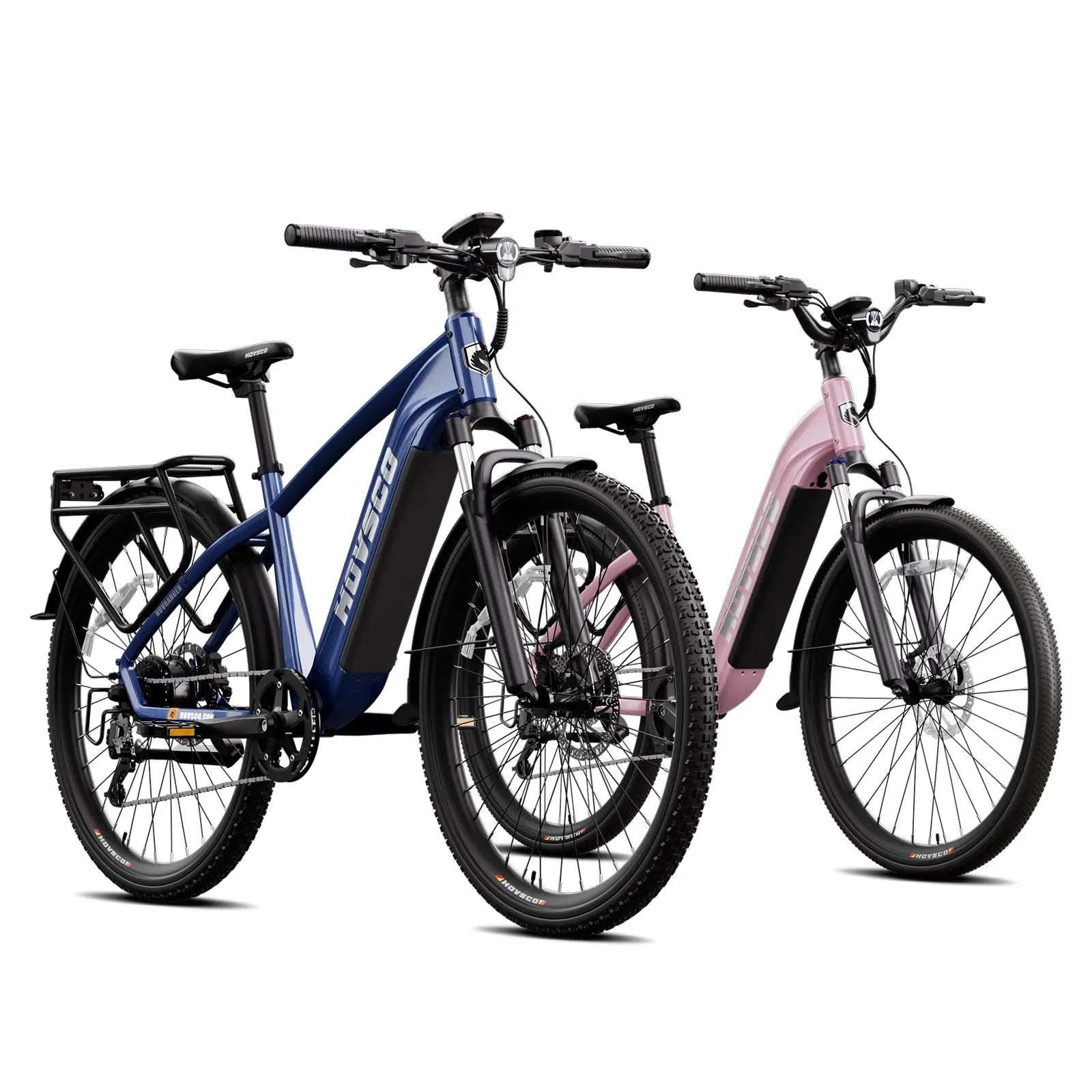
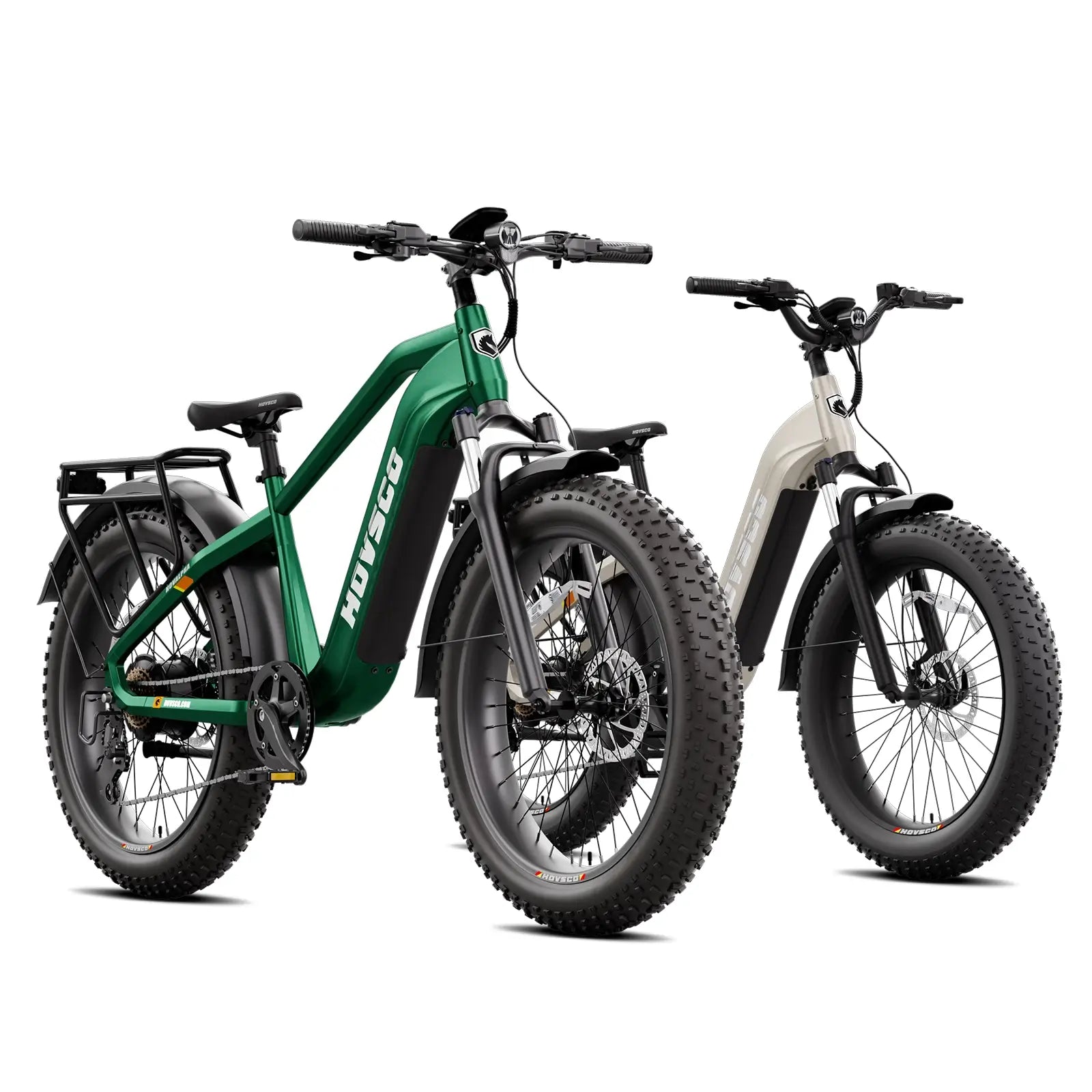
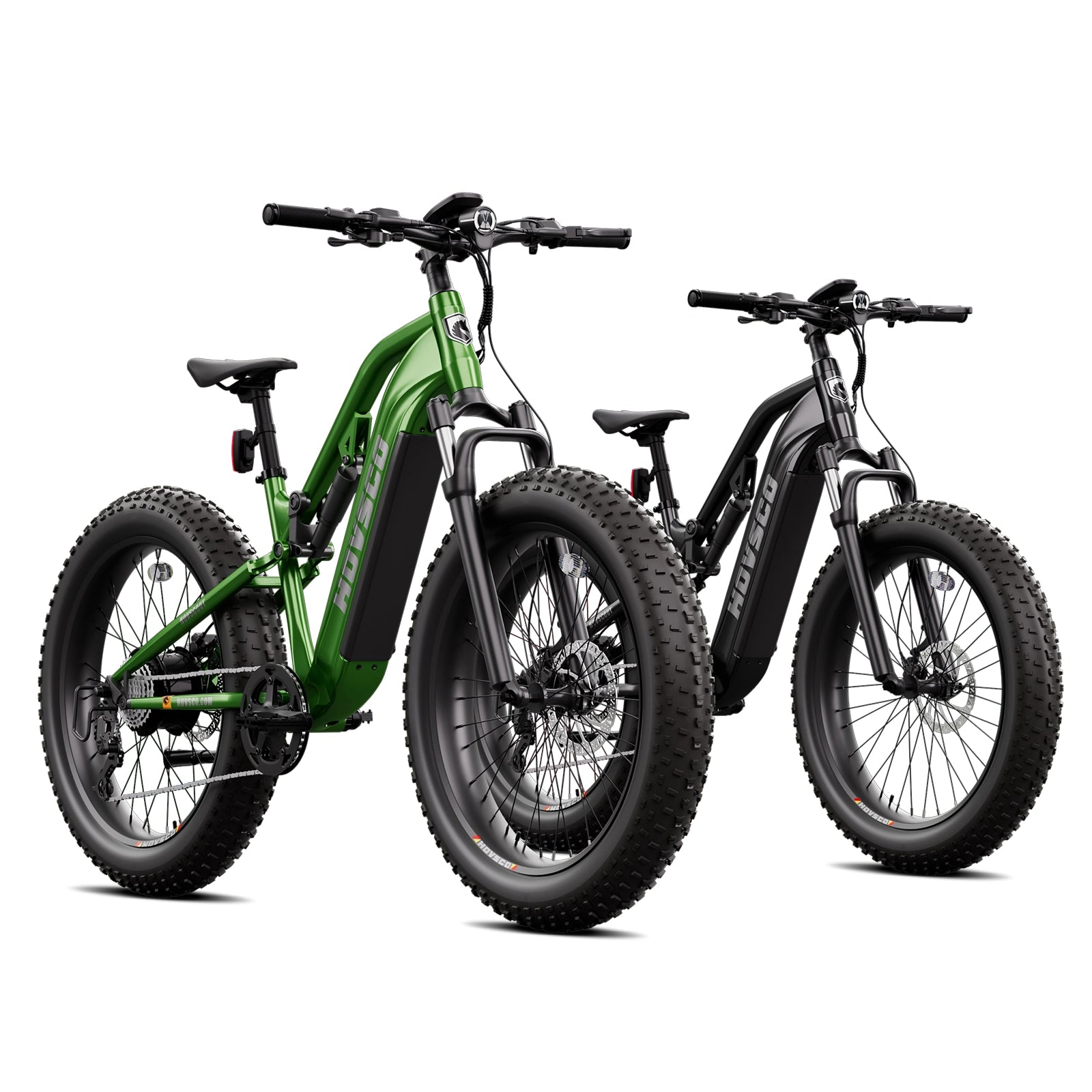
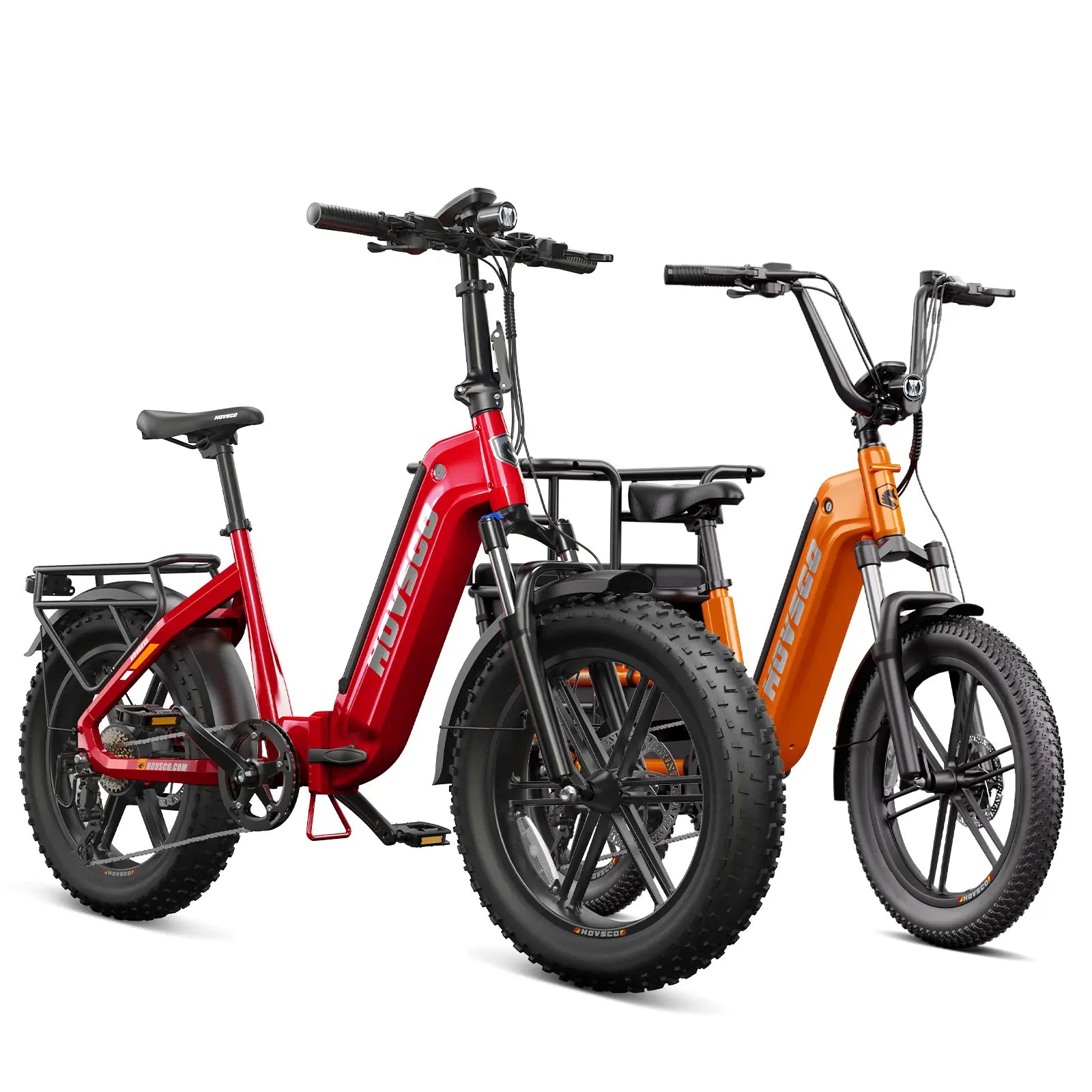
HOVSCO integrates fat tire technology into their cargo e-bikes with a focus on durability, battery longevity, and safety. Their frames, motors, and suspension systems are designed to handle heavy loads while maintaining stability and comfort. HOVSCO prioritizes high-quality components and innovation, ensuring riders experience reliability and versatility for commuting, hauling, and recreational use.
Families transporting children, small business owners moving goods, and outdoor enthusiasts benefit most from fat tire cargo e-bikes. Their ability to carry heavy payloads while maintaining control on varied terrain makes them practical for daily commuting, weekend adventures, and errands, reducing reliance on cars and enhancing efficiency.
2025 is an ideal time due to advancements in battery technology, improved safety features, and ergonomic designs. Buyers can access e-bikes with longer range, stronger brakes, and better handling. Seasonal promotions and growing infrastructure for e-bikes make this a strategic time to invest in versatile and reliable transportation solutions.
These e-bikes excel in suburban and rural areas with uneven terrain or longer distances, as well as urban environments requiring stable cargo transport. Their adaptability allows them to perform reliably across diverse road conditions, climates, and terrains, offering riders practical, safe, and efficient mobility.
Yes, wider fat tires, typically 3.0 to 4.0 inches, enhance stability, comfort, and load distribution. Narrow tires may reduce off-road capability and limit payload performance. Fat tires also improve braking and handling under heavy loads, contributing to safer, smoother rides.
“HOVSCO believes fat tire cargo e-bikes are essential for riders seeking versatility, strength, and comfort. We emphasize solid frame construction, premium batteries, and safety-focused components to ensure reliability across urban and off-road conditions. Our continuous innovation empowers riders to transport cargo confidently while enjoying a stable and enjoyable ride, reflecting our commitment to performance, safety, and sustainable mobility.” — HOVSCO Team
| Model | Motor Power | Battery Capacity | Max Payload | Range (miles) | Tire Width | Key Features |
|---|---|---|---|---|---|---|
| Rad Power RadWagon 5 | 750W | 48V 14Ah | 375 lbs | 20-60 | 3.3" | Turn signals, hydraulic brakes |
| ENGWE Fat Tire Cargo | 500-750W | 48V 12-15Ah | 330 lbs | 25-50 | 4.0" | Suspension fork, torque sensor |
| HOVSCO Cargo E-Bike | 650W | 48V 14Ah | 350 lbs | 25-55 | 3.8" | Robust build, safety focused |
| Tire Width (inches) | Stability | Comfort | Load Handling |
|---|---|---|---|
| Under 2.5 | Low | Low | Limited |
| 3.0 - 3.5 | Moderate | Moderate | Good |
| 3.8 and above | High | High | Excellent |
Fat tire cargo e-bikes in 2025 offer unmatched stability, power, and load-carrying ability. HOVSCO delivers designs that emphasize durability, battery performance, and rider safety. Buyers should prioritize wide tires, strong motors, and quality battery systems. Regular maintenance ensures longevity, and HOVSCO’s commitment to innovation and community support guarantees reliable, versatile, and enjoyable rides for both urban and off-road adventures.
Q1: How much weight can fat tire cargo e-bikes carry?
They generally support 300 to 375 lbs, including rider and cargo, while maintaining stability.
Q2: Are fat tire cargo e-bikes suitable for children?
Yes, many models include child seats or compatible racks designed for safe transport.
Q3: Can HOVSCO fat tire cargo e-bikes handle mixed terrain?
Yes, HOVSCO designs accommodate gravel, trails, and uneven city streets efficiently.
Q4: How long do batteries last on cargo e-bikes?
With proper care, batteries last 3-5 years, providing ranges of 20 to 60 miles per charge.
Q5: What maintenance is needed for fat tires?
Regular checks of tire pressure, wheel alignment, and occasional puncture repair ensure performance and safety.
Share:
What Are the Best Family & Passenger Ebikes from Rad Power Bikes?
What Are the Best Family & Passenger Ebikes from Rad Power Bikes?