



![[ New Arrival ] Porto Max Electric Scooter For Commute & Grocery Shopping - HOVSCO](http://www.hovsco.com/cdn/shop/files/PotroMax-3.jpg?v=1706927007&width=1200)
- by EO S
What Are the Best Electric Bikes With Storage for Everyday Use and Cargo Carrying?
- by EO S
E-Bikes
Accessories
 Free Shipping
 15-Day Returns
 2-Year Warranty
Free Shipping
15-Day Returns
2-Year Warranty
2-Year Warranty
Free Shipping
15-Day Returns
2-Year Warranty
Electric bikes with integrated storage or cargo-ready configurations offer a practical mobility solution for daily commuting, grocery runs, and errands. By combining electric assist with clever storage options — from pannier racks to built-in cargo spaces — riders gain convenience, capacity, and efficiency without relying on cars.
The global electric bike market continues rapid expansion as urban commuters and everyday riders seek efficient alternatives to cars. In 2025, the global e-bike market was valued at more than USD 32 billion, supported by increasing sales and widespread adoption across regions. Urban and commuter segments represent the fastest-growing categories, driven by practicality and eco-conscious transport needs. ([turn0search16]) Cargo and utility e-bikes are emerging as key growth areas within the broader market, responding to consumers’ desire for bikes that do more than solo rides. ([turn0search19])
Despite this momentum, many riders still find traditional bikes and basic e-bikes lack adequate storage and carrying capacity for everyday needs like groceries, work gear, or family errands. Storage solutions such as baskets, panniers, and racks are often aftermarket add-ons rather than integrated designs, leaving gaps in convenience, balance, and safety. Additionally, heavier loads can reduce range by 20–30 % and may demand more powerful motors and stable frames for safe operation. ([turn0search0])
The demand for integrated storage electric bikes reflects these pain points — riders want durable transport options that combine power, storage capacity, and ease of use for real-world tasks without sacrificing ride quality or safety.
Traditional bicycles and standard ebikes without built-in cargo capabilities have significant limitations for utility use:
Minimal storage: Small baskets or backpacks are not enough for groceries, work gear, or bulky items.
Balance challenges: Attaching external bags without proper racks can affect stability.
Limited capacity: Standard racks and baskets often restrict load to small items (typically <25 kg).
Lower convenience: Removes the ability to consolidate errands into one easy trip.
These constraints create friction for riders who need an everyday utility vehicle, not just a fitness or commuter bike.
Electric bikes designed with storage solutions or cargo capabilities elevate everyday utility by combining key features:
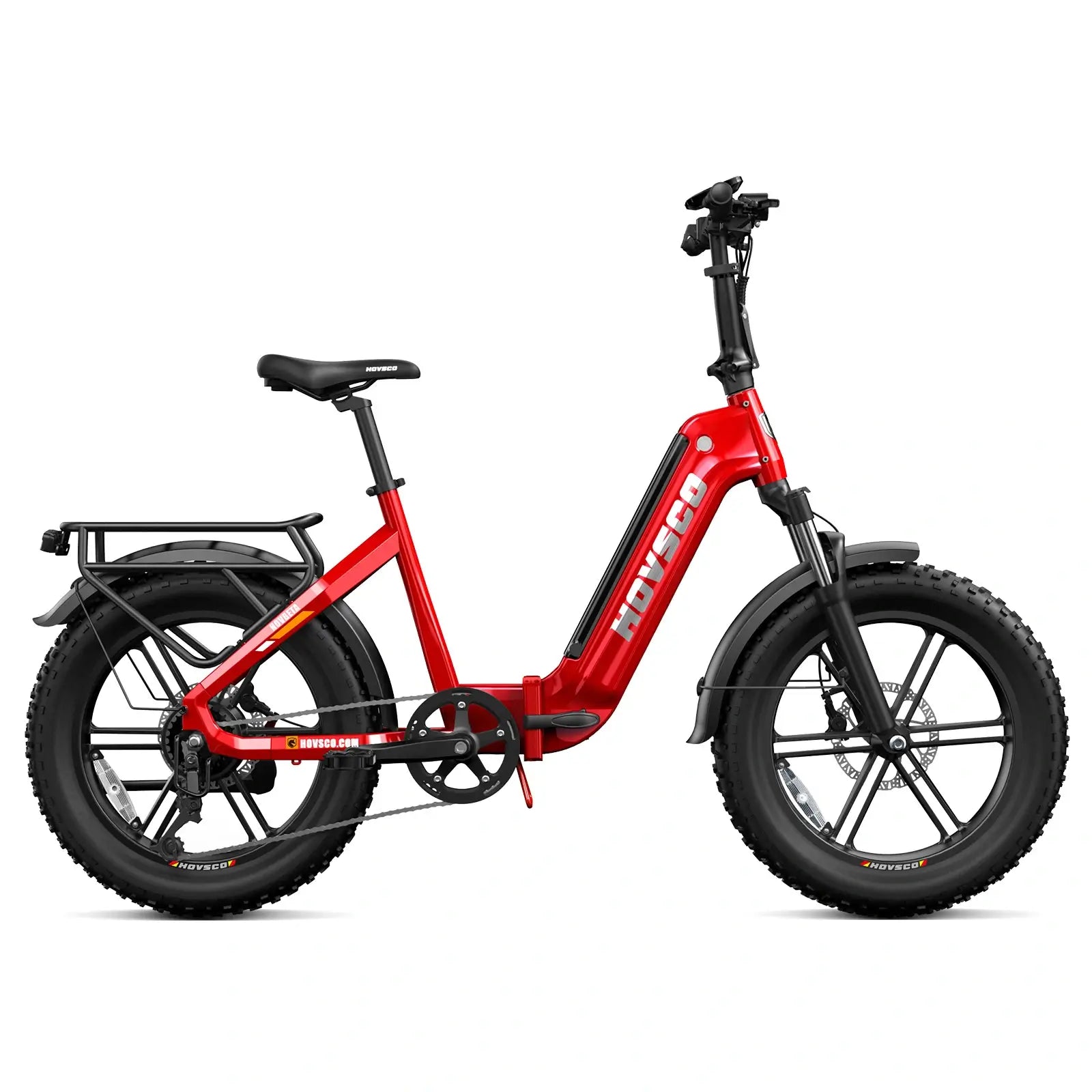
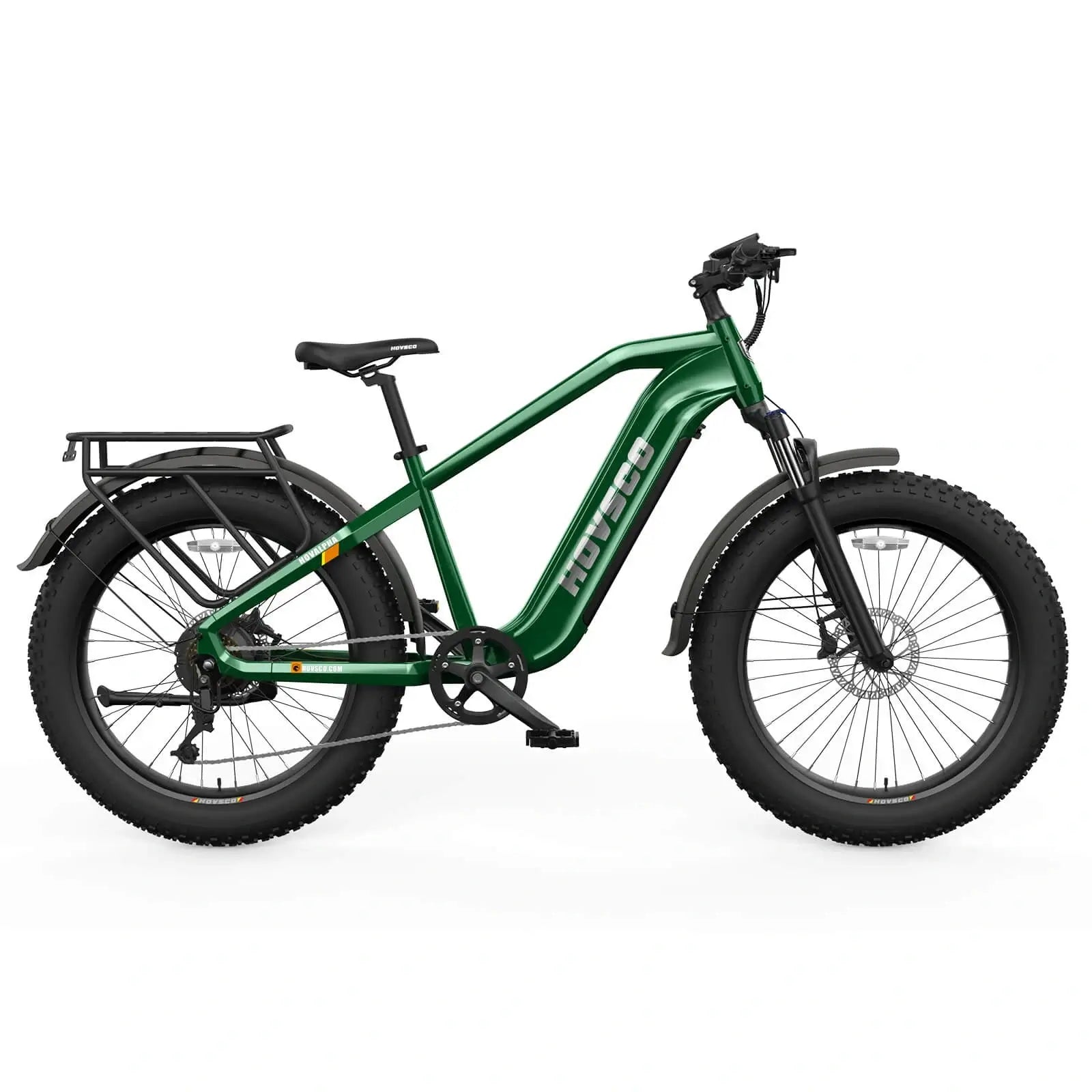
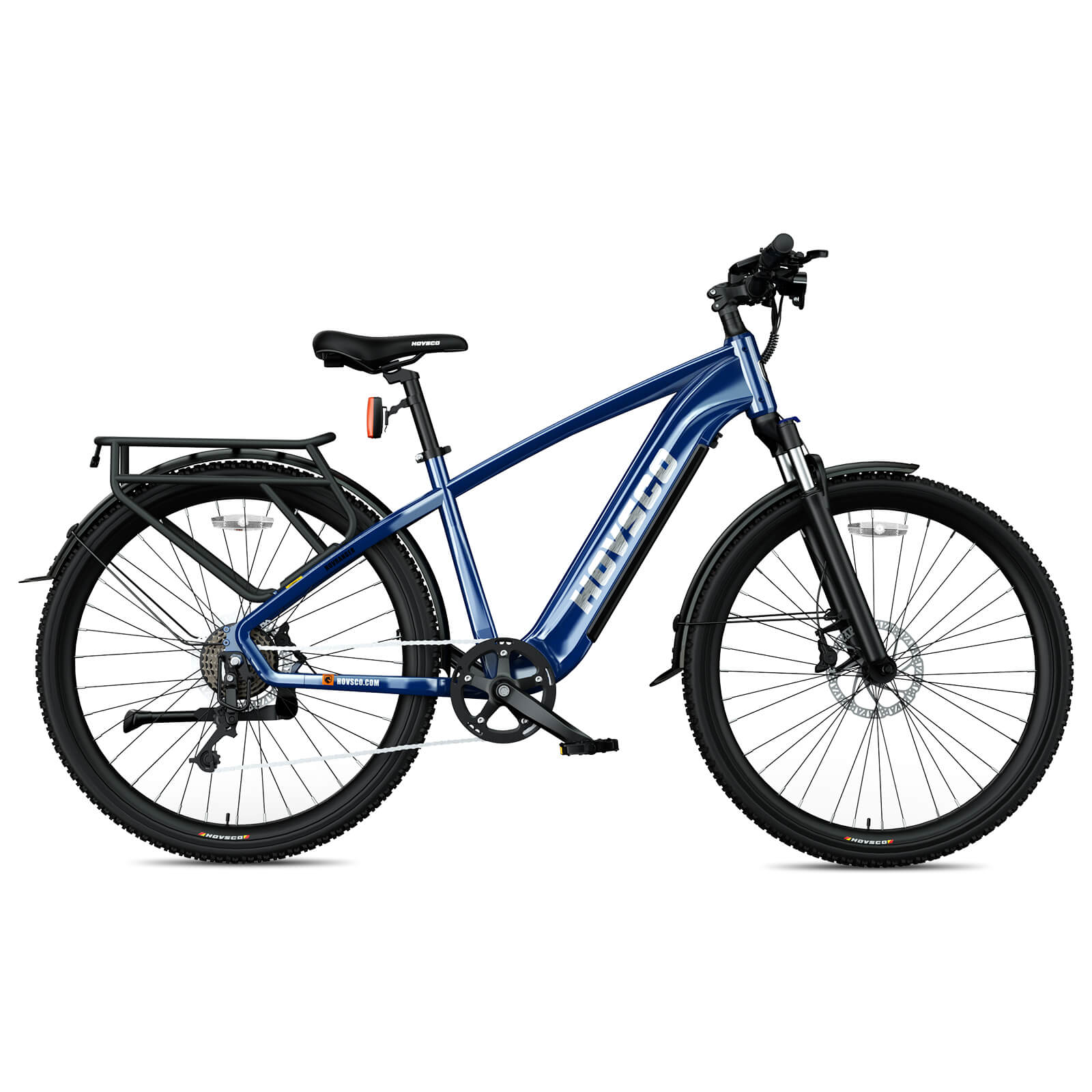
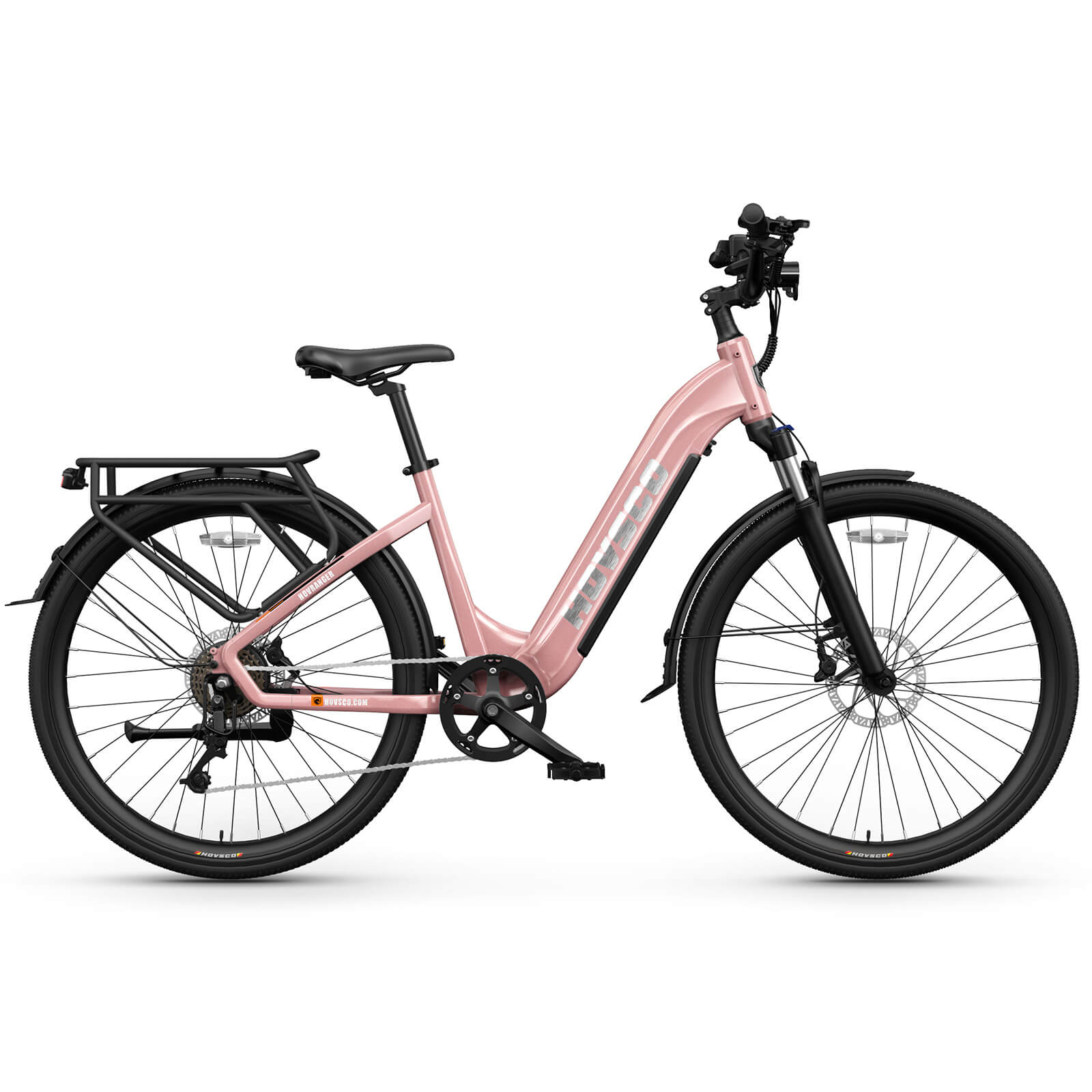
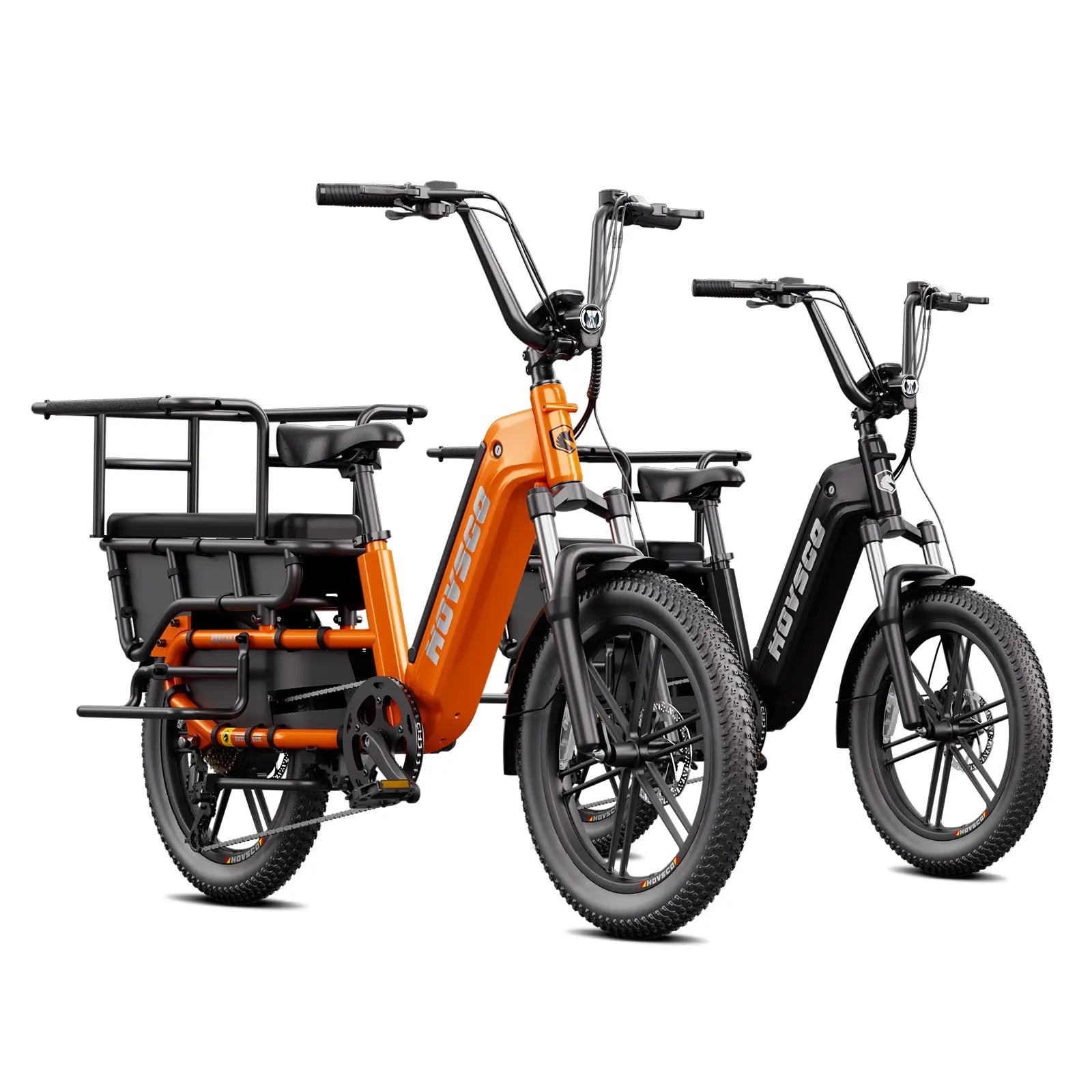
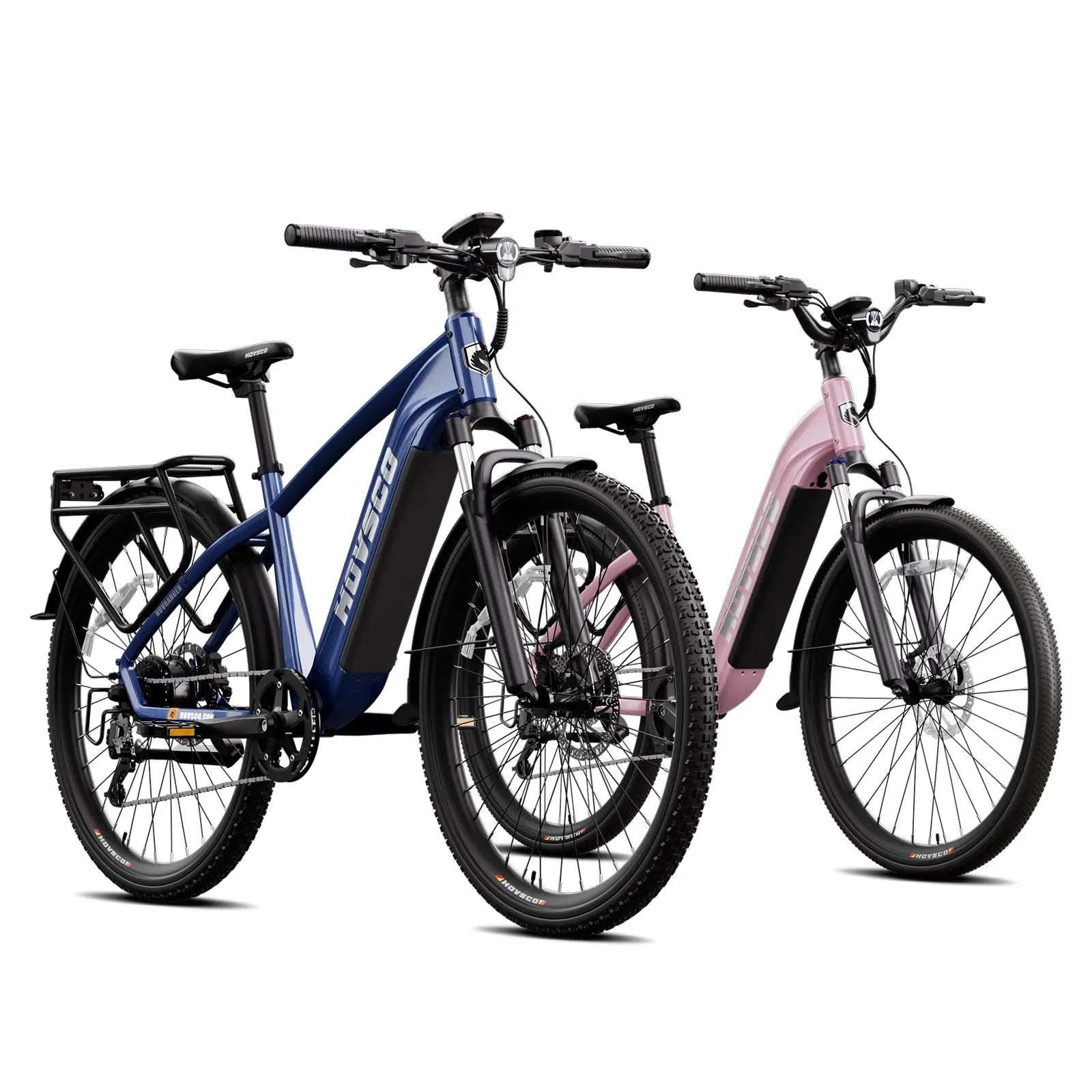
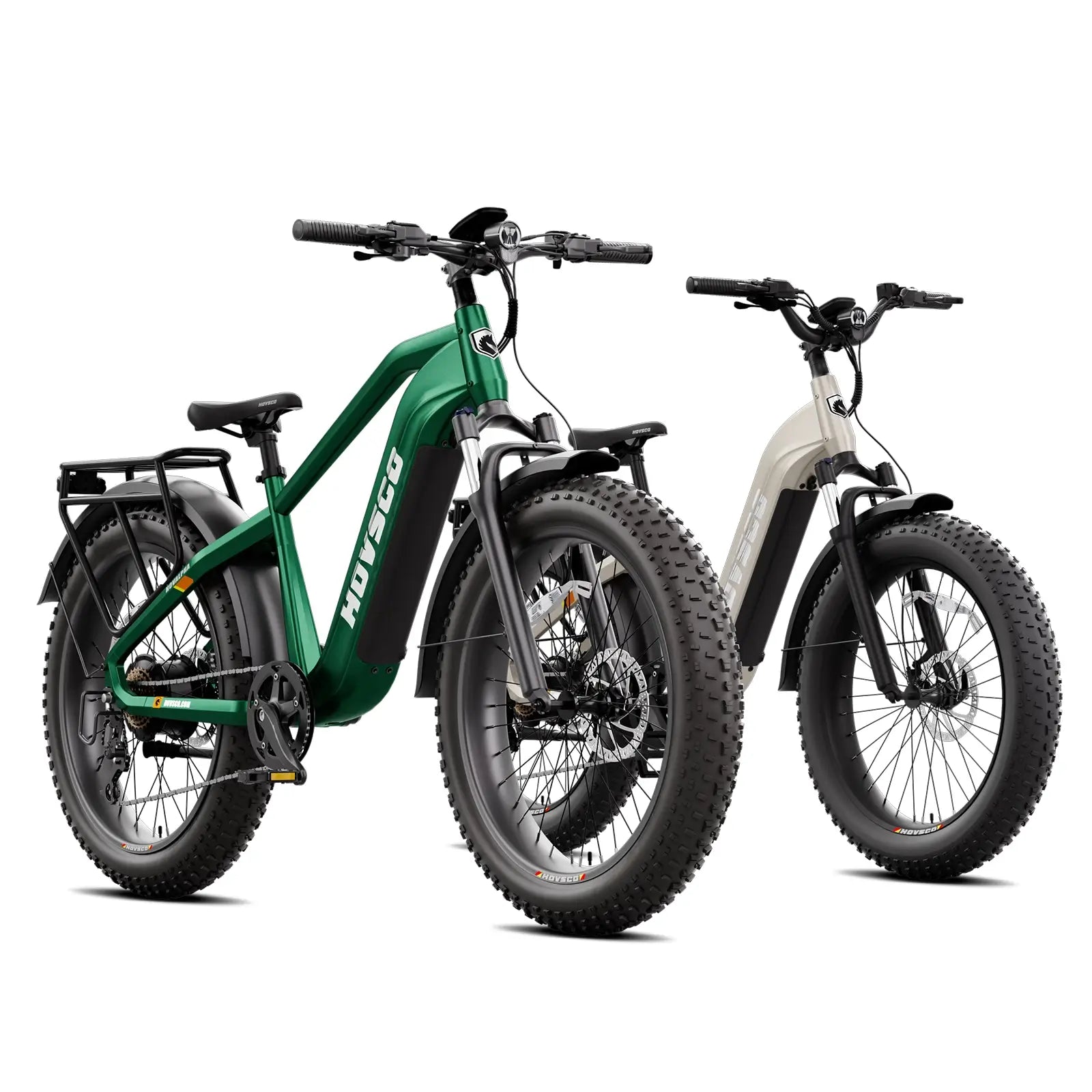
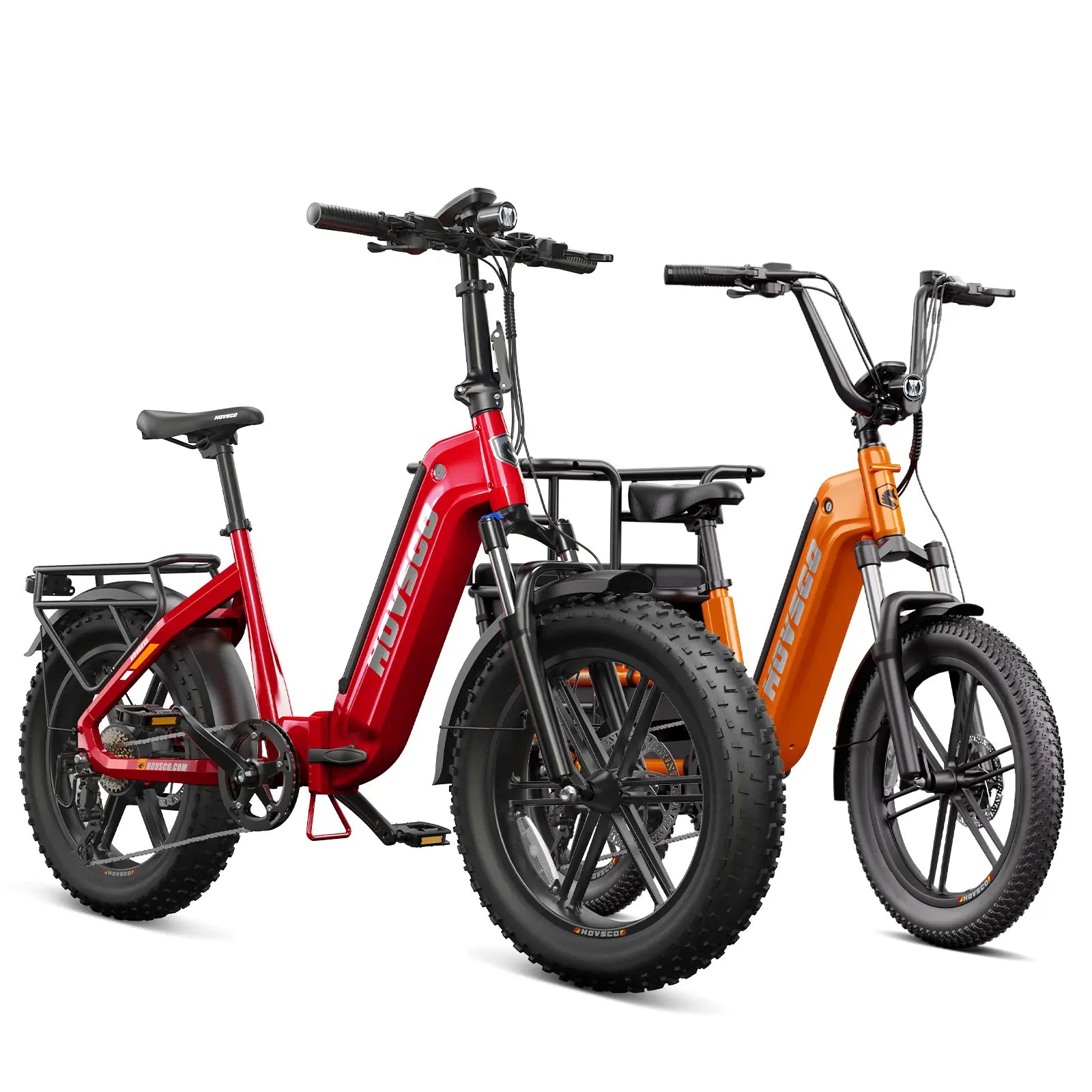
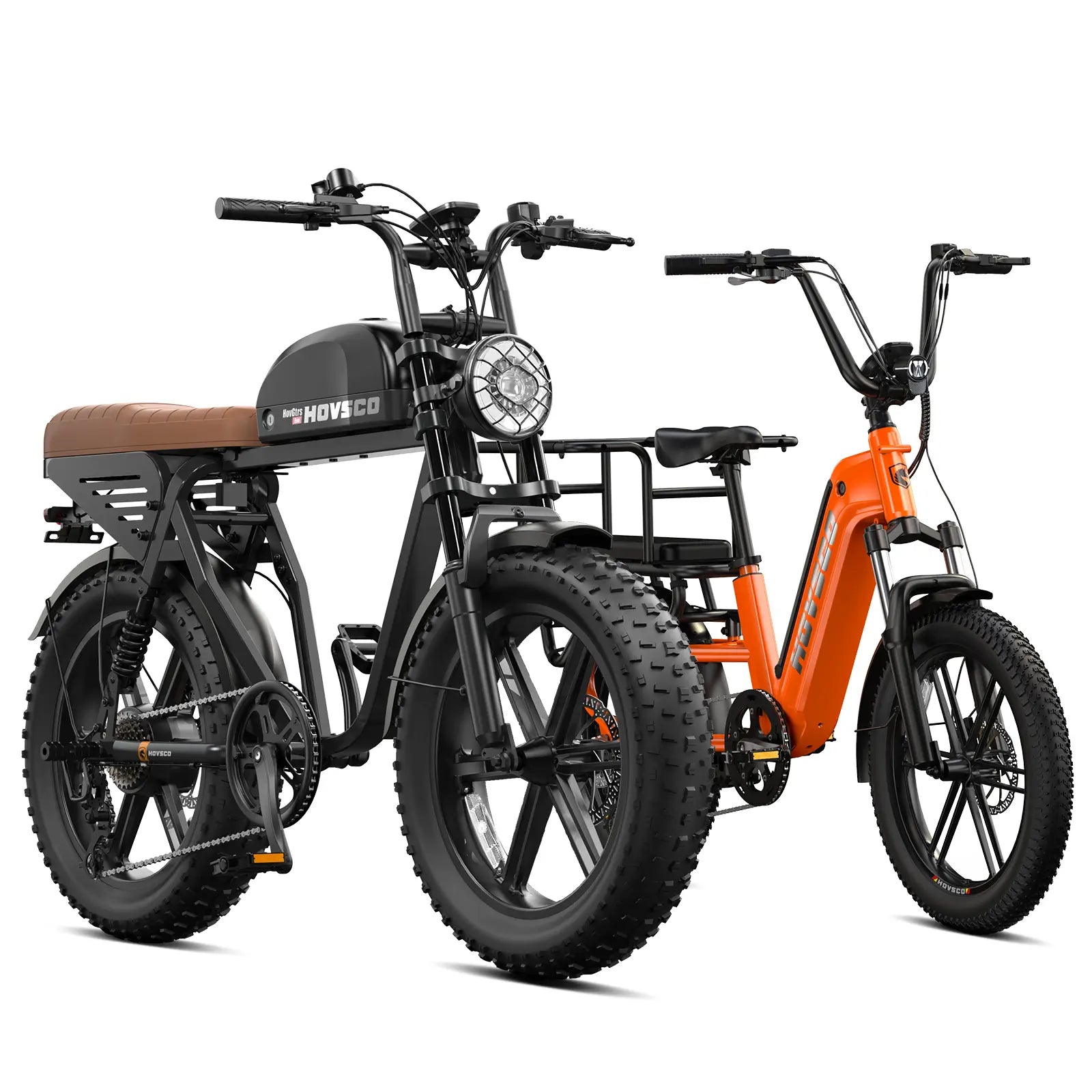
Integrated or robust rear racks: Supports 40–100 lbs (18–45 kg) of cargo with secure mounting.
Front baskets or panniers: Provide accessible space for smaller items or gear.
Electric assist: Powerful motors help manage loads with minimal rider effort.
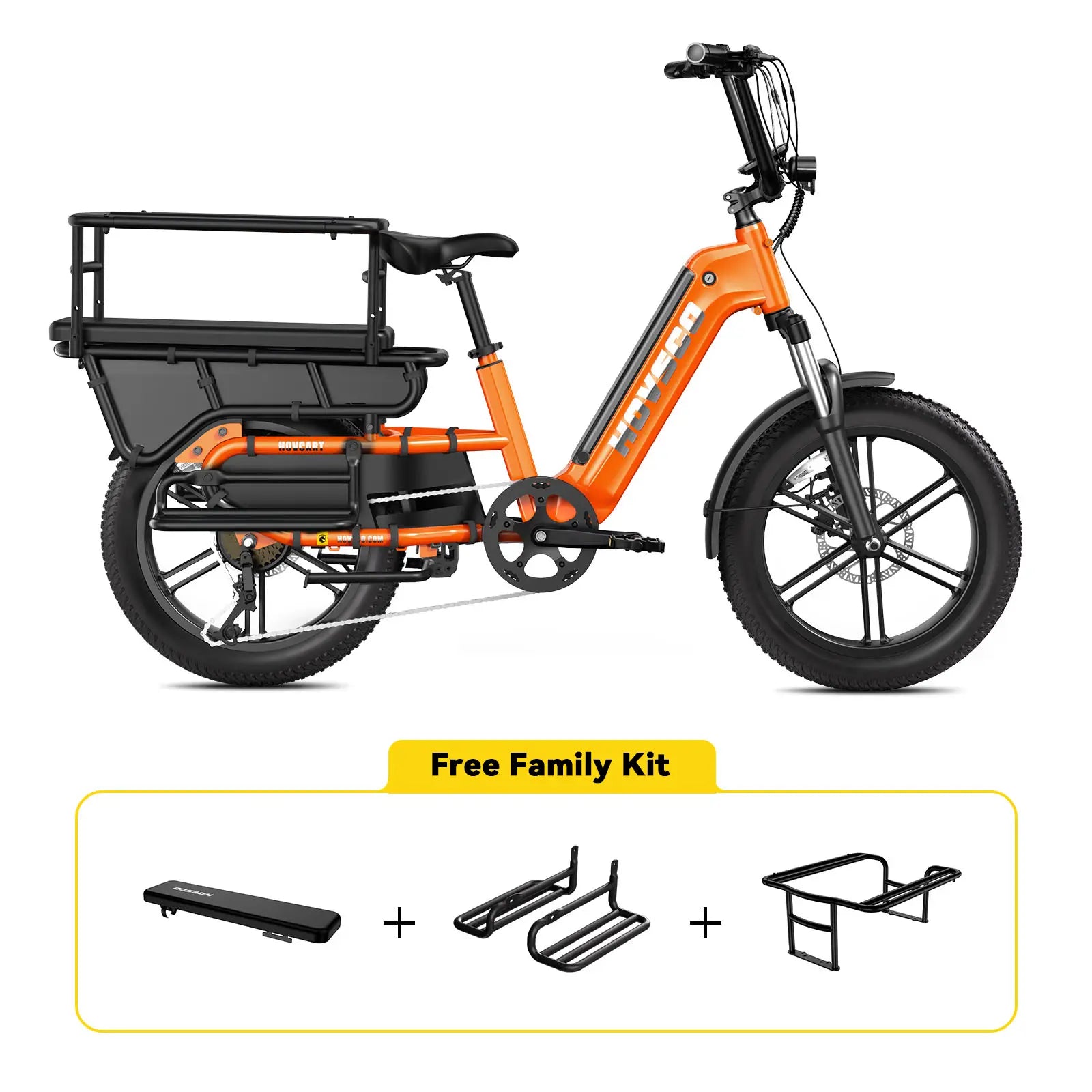
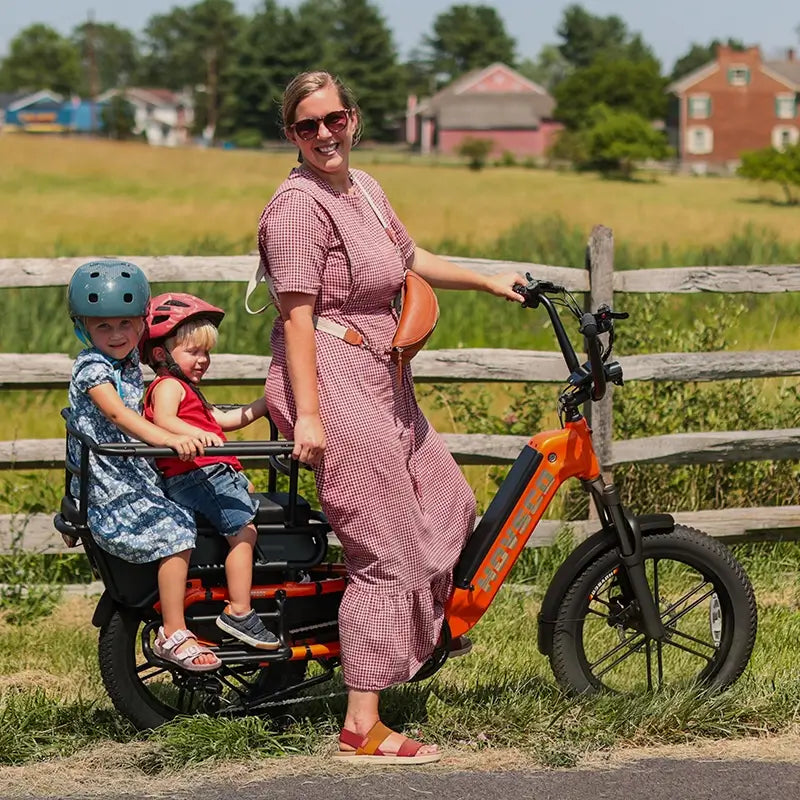
Modularity: Options to add child seats, cargo trailers, or weatherproof boxes.
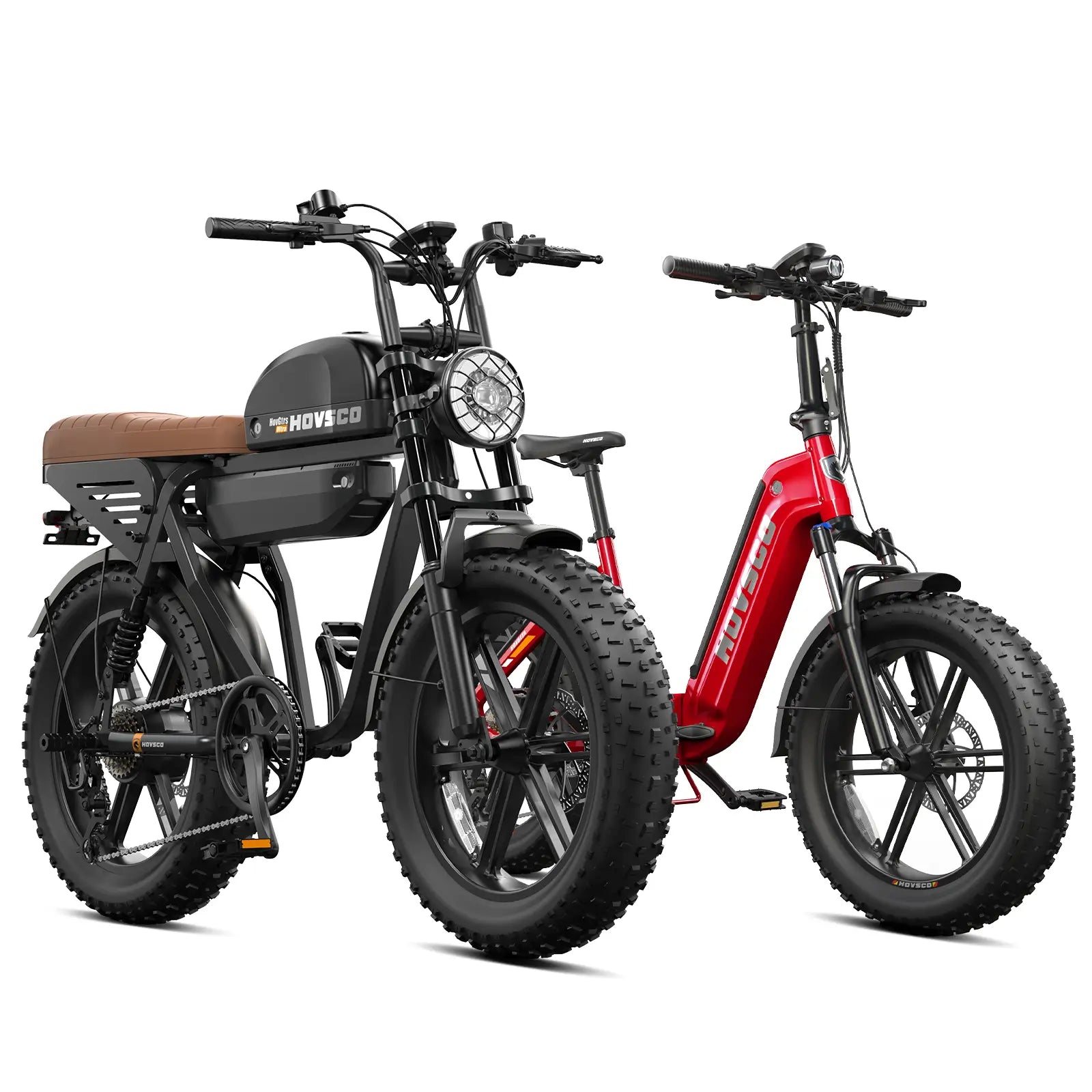
Brands like HOVSCO build frames with pre-drilled mounting points for easy accessory attachment, ensuring storage solutions integrate cleanly and safely with electric assist performance. HOVSCO’s e-bikes handle cargo matters effortlessly, making storage a natural extension of the ride rather than an afterthought. Another HOVSCO advantage is how electric assist compensates for heavier loads, maintaining range and stability.
| Feature | Traditional Bike / Basic Ebike | Electric Bike With Storage |
|---|---|---|
| Electric Assist | ❌ ❌ | ✅ |
| Cargo Capacity | ⚠️ Low | ⚡ High |
| Integrated Racks | ❌ | 👍 Standard or Easy Upgrade |
| Handling With Load | ⚠️ Challenging | 👍 Designed for Balance |
| Daily Errands | ⚠️ Limited | ⚡ Ideal |
| Convenience | ❌ | ✅ |
This comparison shows that electric bikes with thoughtfully designed storage significantly outperform traditional options in daily use cases such as groceries, work gear, or family errands.
Assess Your Carrying Needs: Estimate typical load sizes — groceries, work gear, or kids’ items.
Evaluate Motor Power & Battery: Choose a model with sufficient battery and motor (e.g., 350–750 W) for power and range under load.
Identify Storage Formats: Rear racks, panniers, baskets, or integrated cargo boxes based on your usage pattern.
Check Compatibility: Ensure mounting points match your chosen accessories; HOVSCO bikes often include preconfigured mounts.
Install Accessories: Attach baskets, panniers, or racks with secure bolts; balance loads evenly for safer handling.
Test Rides & Adjustments: Test stability with a typical load and adjust balance if necessary.
Scenario 1: Daily Grocery Runs
Problem: Carrying multiple grocery bags without a car.
Traditional Approach: Backpack or multiple bike runs.
With Electric Bike With Storage: Rear rack and panniers carry loads easily with electric assist.
Key Benefit: Consolidated trips without fatigue.
Scenario 2: Work Commute With Gear
Problem: Transporting laptop, change of clothes, lunch.
Traditional Approach: Bulky backpacks reduce comfort.
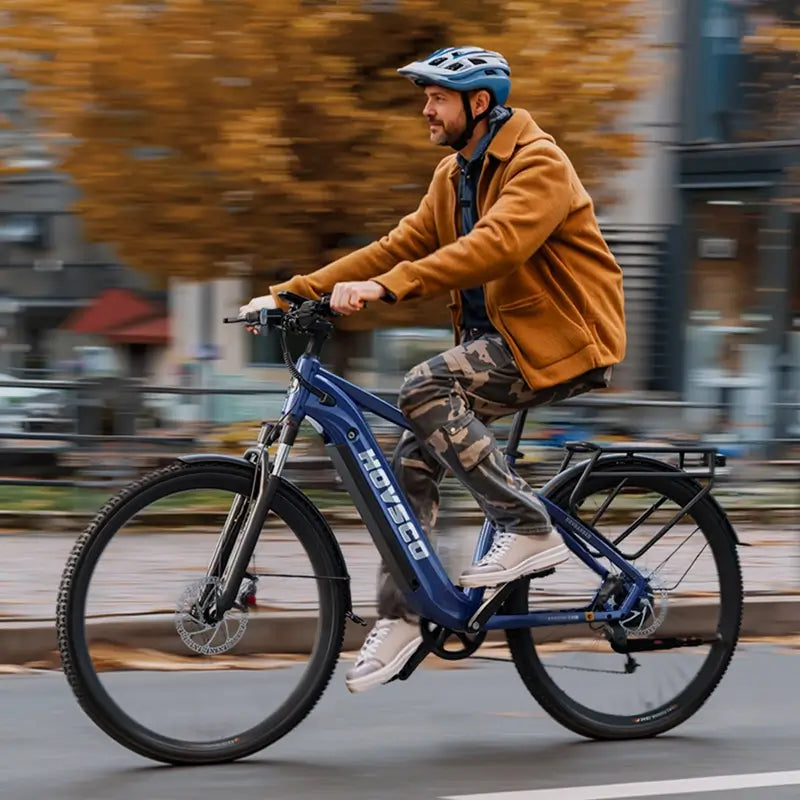
With Electric Bike With Storage: Front basket and panniers organize gear with easy access.
Key Benefit: Comfort and convenience for daily commuters.
Scenario 3: Family Errands and Activities
Problem: Hauling sports gear, picnic supplies, or kids’ items.
Traditional Approach: Multiple trips or car use.
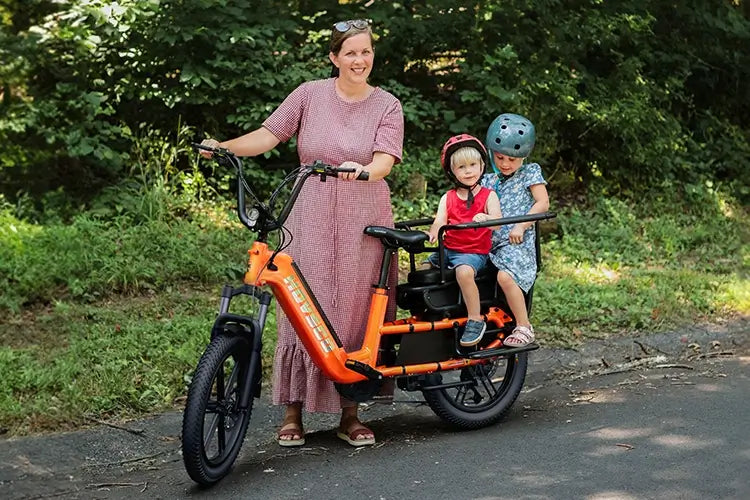
With Electric Bike With Storage: Integrated racks and optional child seats carry all essentials.
Key Benefit: Reduces car dependency and increases family activity options.
Scenario 4: Small Business Deliveries
Problem: Last-mile deliveries in urban areas.
Traditional Approach: Delivery vans stuck in traffic.
With Electric Bike With Storage: Cargo racks carry packages efficiently.
Key Benefit: Faster, eco-friendly deliveries in dense cities.
In each scenario, electric bikes with robust storage solutions deliver measurable improvements in convenience, cost, and daily logistics.
The electric bike market continues strong growth, driven by utility needs, sustainability goals, and rising fuel costs. In the U.S. alone, personal and family riders accounted for over 62 % of e-bike market use in 2025, indicating broad adoption beyond recreational use. ([turn0search2]) Cargo and utility segments—including storage-ready designs—are essential to this trend as riders seek to replace short car trips with more efficient, cost-effective alternatives.
Electric bikes equipped with secure storage simplify everyday life, reduce car dependency, and support sustainable mobility. Brands like HOVSCO, with engineering emphasis on cargo compatibility and versatile frame design, make storage functionality not just possible but practical for real-world needs.
How much cargo can an electric bike with storage typically carry?
Depending on rack and frame design, many storage-ready ebikes can support 40–100 lbs (18–45 kg) of cargo safely.
Can I add storage accessories to any electric bike?
Many ebikes support rear racks, front baskets, and panniers, but check for compatible mounting points; HOVSCO models include these features.
Does carrying heavy storage loads affect battery range?
Yes; heavier loads can reduce range by 20–30 % depending on weight and terrain.
Which storage accessories work best for groceries?
Rear racks with panniers and removable baskets offer flexible solutions for grocery runs and general cargo.
Are electric bikes with storage suitable for kids and family use?
Yes — with accessory options like child seats and modular cargo boxes, storage-ready ebikes serve family needs effectively.
Share:
Which Electric Bike Best Suits Family Travel Needs?
What Is the Best Electric Bike for Carrying Groceries Efficiently and Sustainably?