



![[ New Arrival ] Porto Max Electric Scooter For Commute & Grocery Shopping - HOVSCO](http://www.hovsco.com/cdn/shop/files/PotroMax-3.jpg?v=1706927007&width=1200)
- by SteveJames
Sustainable Living Habits: How E-Bikes Support Greener Daily Life
- by SteveJames
E-Bikes
Accessories
 Free Shipping
 15-Day Returns
 2-Year Warranty
Free Shipping
15-Day Returns
2-Year Warranty
2-Year Warranty
Free Shipping
15-Day Returns
2-Year Warranty
Sustainable living habits with e-bikes: cut car dependence, simplify errands, and fit family life with HOVSCO’s practical electric bike lineup.
Sustainable living habits are moving from aspiration to daily routine as cities get denser, commutes stay stressful, and households look for lower-friction ways to move. The electric bike market is expanding quickly, with recent forecasts ranging from USD 46.39 billion in 2026 to USD 74.98 billion by 2035, and other analysts projecting even faster growth through the next decade. At the same time, transport remains a major emissions source, and more consumers are looking for solutions that reduce car use without sacrificing convenience. For many families and urban riders, an e-bike is becoming the most practical bridge between good intentions and repeatable action.
Integrating sustainable living habits into daily transit requires equipment that matches the real demands of modern households. Rather than treating two-wheeled transport purely as weekend recreation, utility-oriented e-bike designers—such as HOVSCO—focus on bridging the gap between family logistics, cargo hauling, and urban commuting. By engineering platforms around high-capacity payloads, extended battery ranges, and versatile frame styles like cargo or folding configurations, these models provide a practical blueprint for replacing short car journeys with lower-impact everyday travel.
What is sustainable living habits? Sustainable living habits are repeatable daily choices that lower waste, reduce resource use, and make consumption more efficient. In transport, that often means replacing short car trips with walking, cycling, transit, or e-bikes when practical.
The biggest obstacle is not lack of awareness; it is friction. Most people understand that shorter car trips waste money, time, and energy, but they still choose cars because a car is easy, familiar, and useful for carrying groceries, children, or gear. That is why sustainable living habits often fail at the “ordinary Tuesday” level, where convenience beats values.
Family logistics make the problem worse. School drop-offs, after-work errands, and food runs are rarely single-purpose trips, so a person who wants to live more sustainably often feels forced into compromise. A standard bicycle may be too limited for cargo or terrain, while a car feels excessive for a 2-mile trip.
Weather, hills, sweat, and parking also discourage consistent change. People do not abandon unsustainable habits because they do not care; they abandon them because the greener option is too inconvenient to repeat. That is where an e-bike changes the equation by lowering effort while still keeping the ride active.
E-bikes are growing into a major mobility category, with market estimates ranging from USD 42.27 billion to USD 69.9 billion in 2026 across different research firms.
| Option | Strengths | Limits |
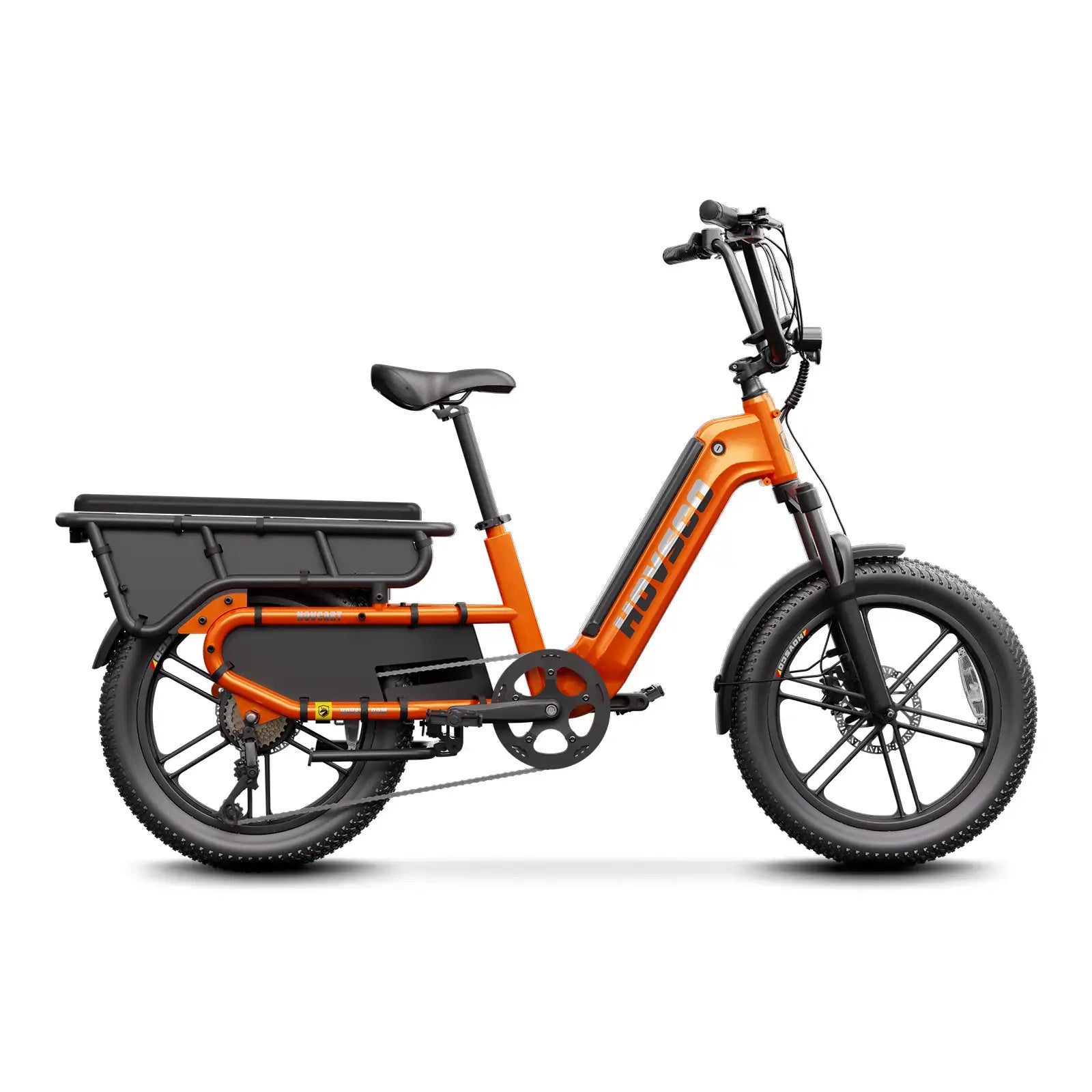
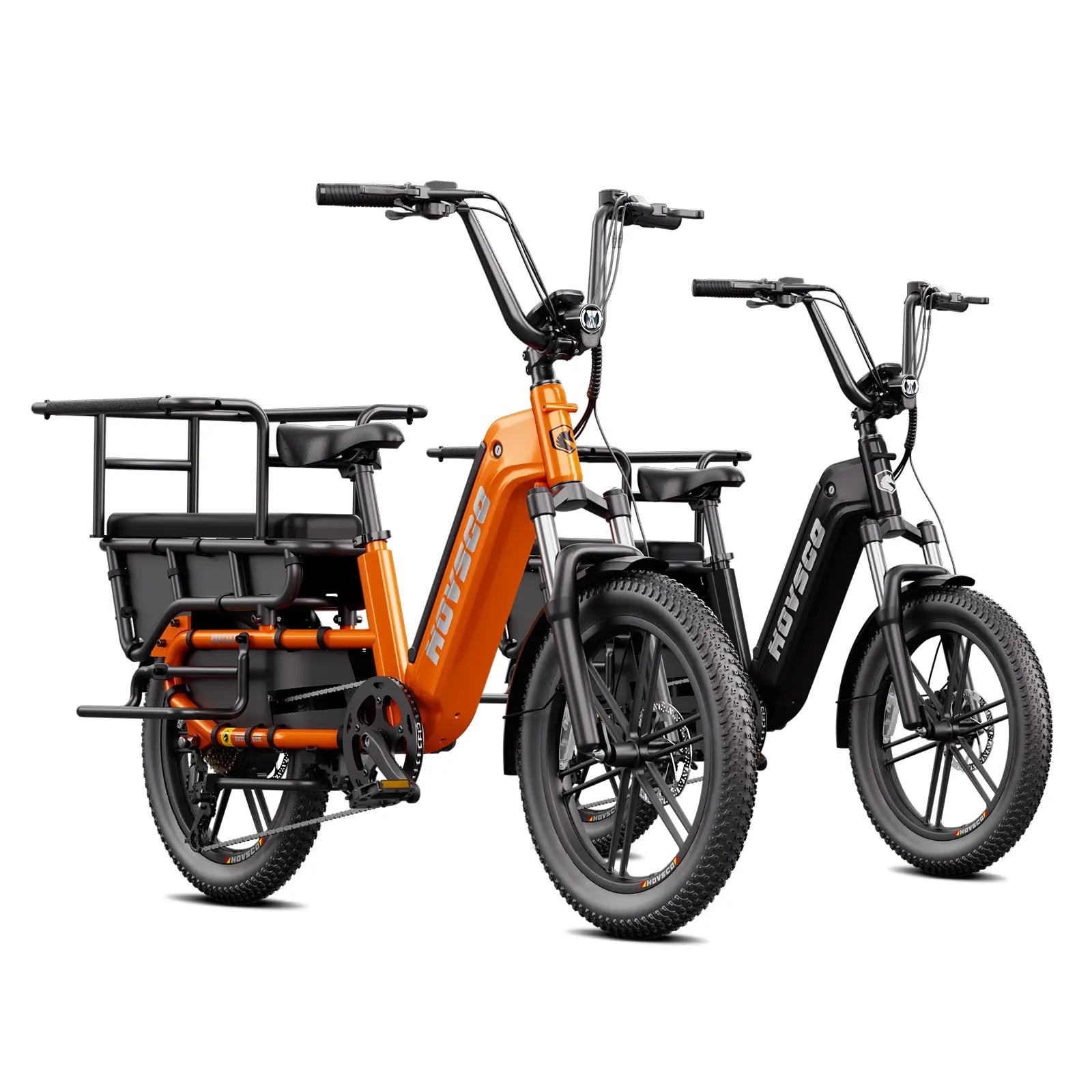
| HovCart | Cargo-focused, 450 lbs payload, 60-mile range claim, family and errands friendly | Larger and less compact than a folding bike |
| Conventional car | High carrying capacity, weather protection | Higher operating cost and harder to use for short trips |
| Traditional bike | Simple, low cost, no charging | Harder on hills, cargo, and longer commutes |
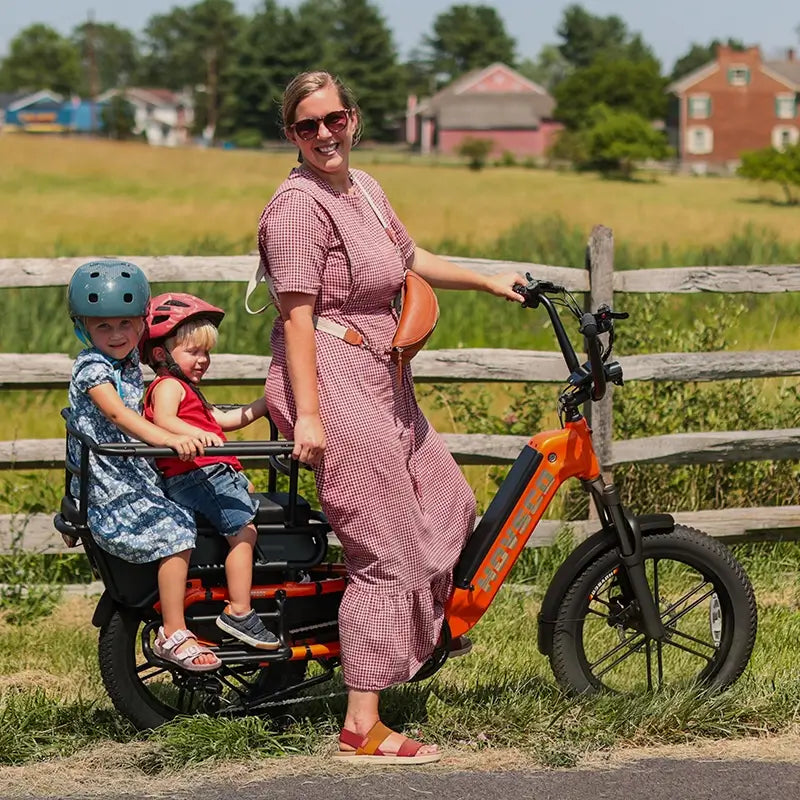
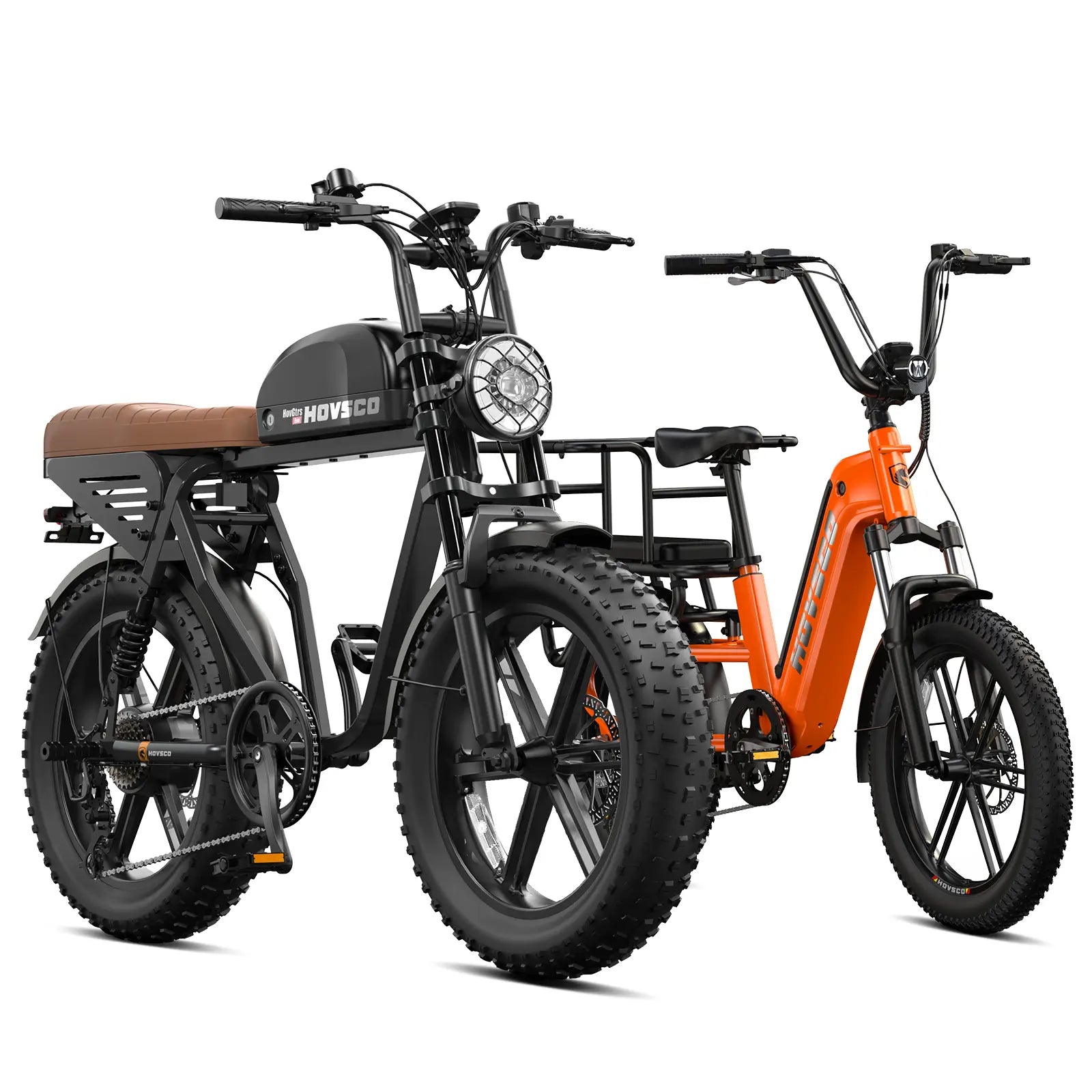
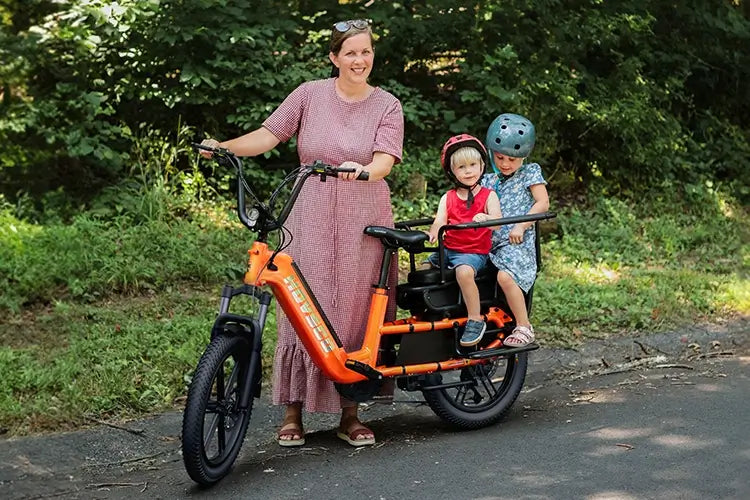
Cargo readiness: HovCart is built for errands and family hauling, with a 450 lbs payload capacity and cargo-bike form factor that makes replacing short driving trips more realistic. For sustainable living habits, the key is not speed alone but whether the bike can do the real jobs a household needs.
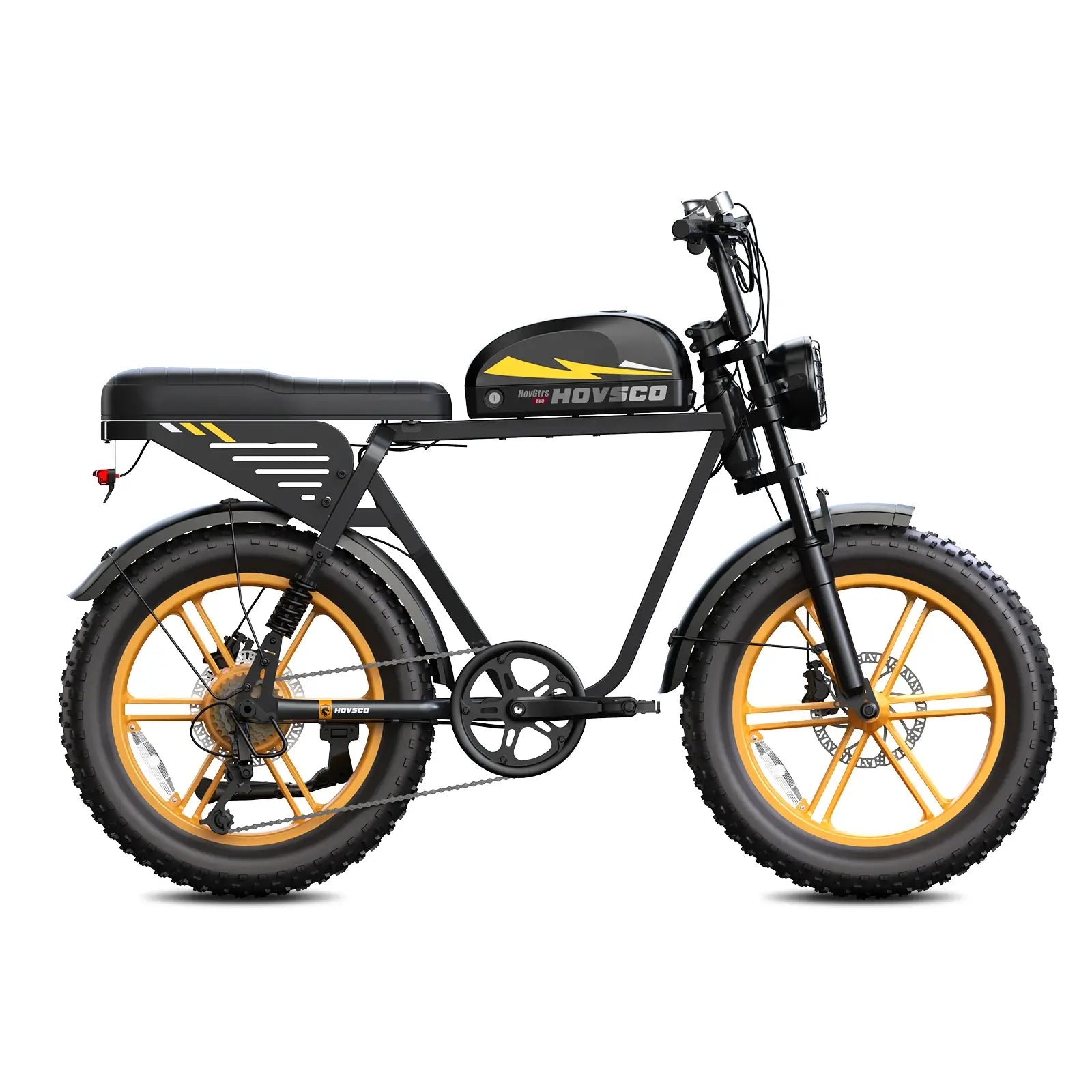
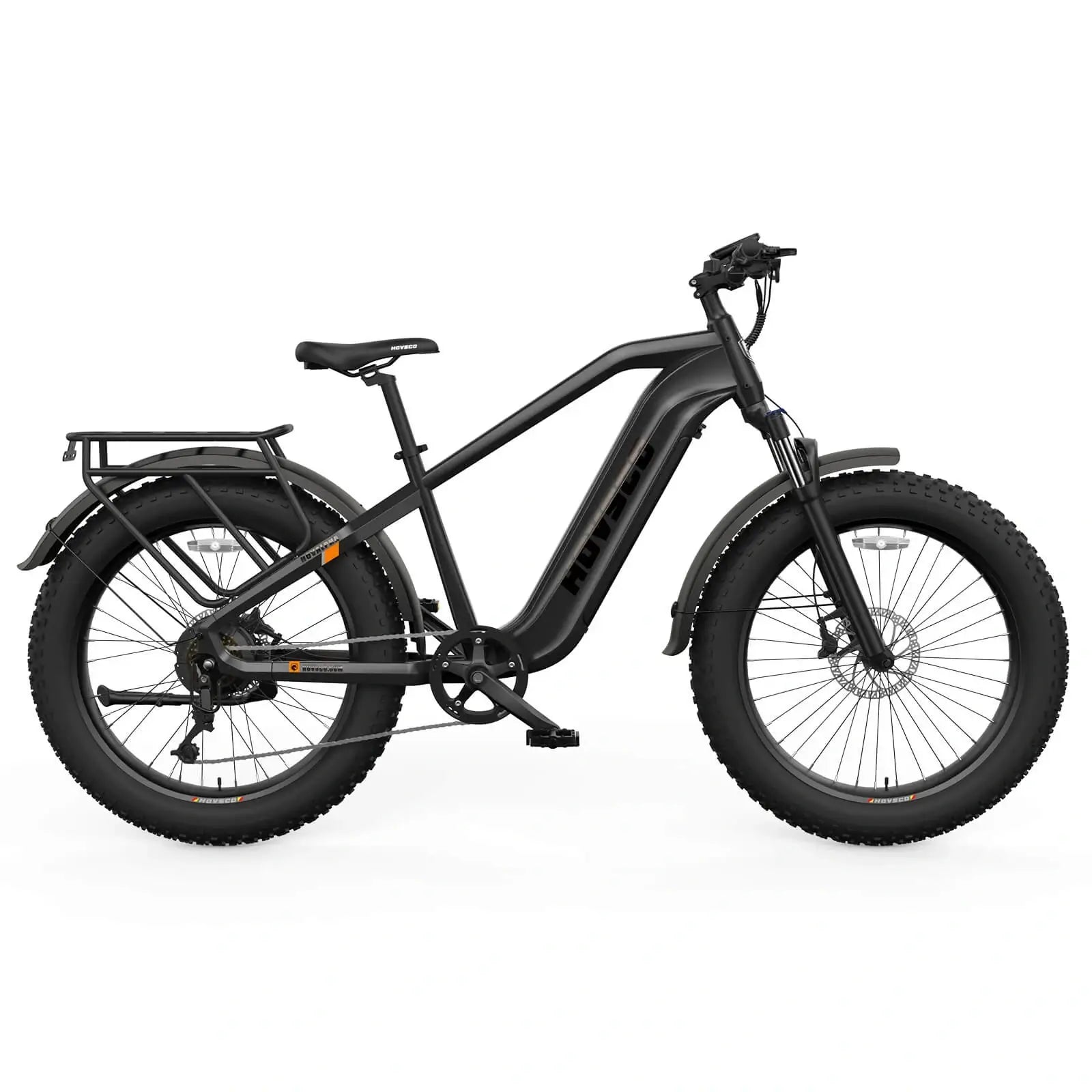
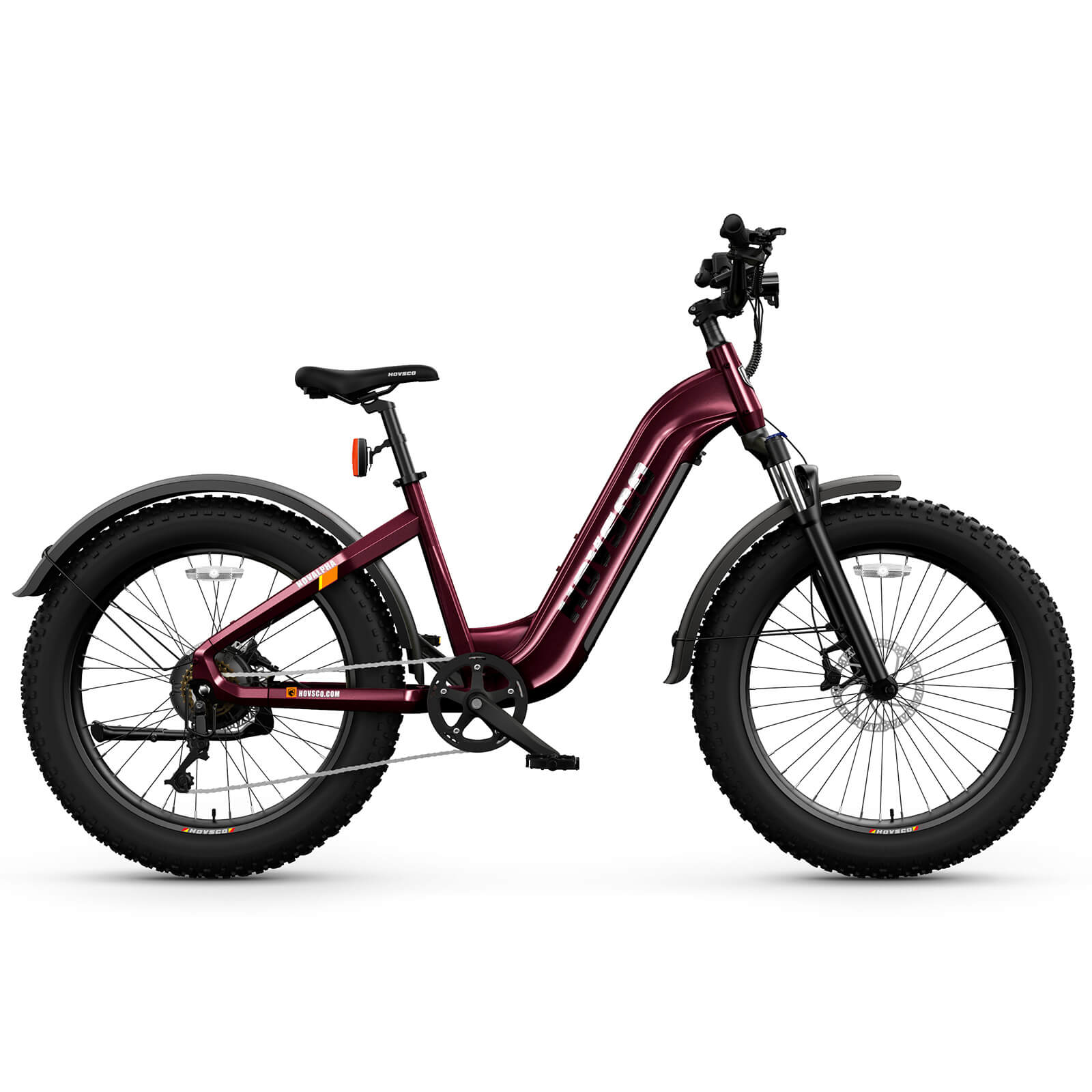
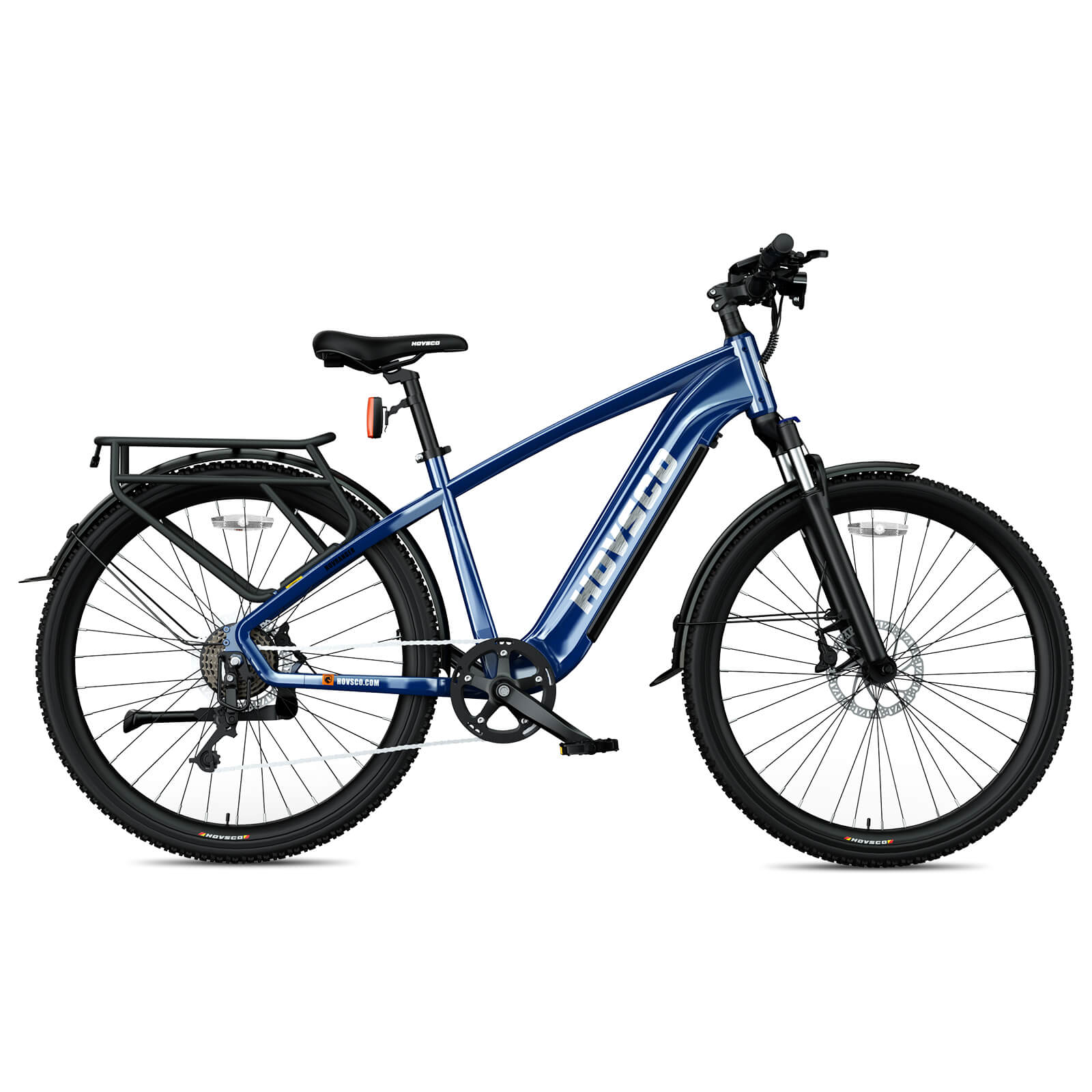
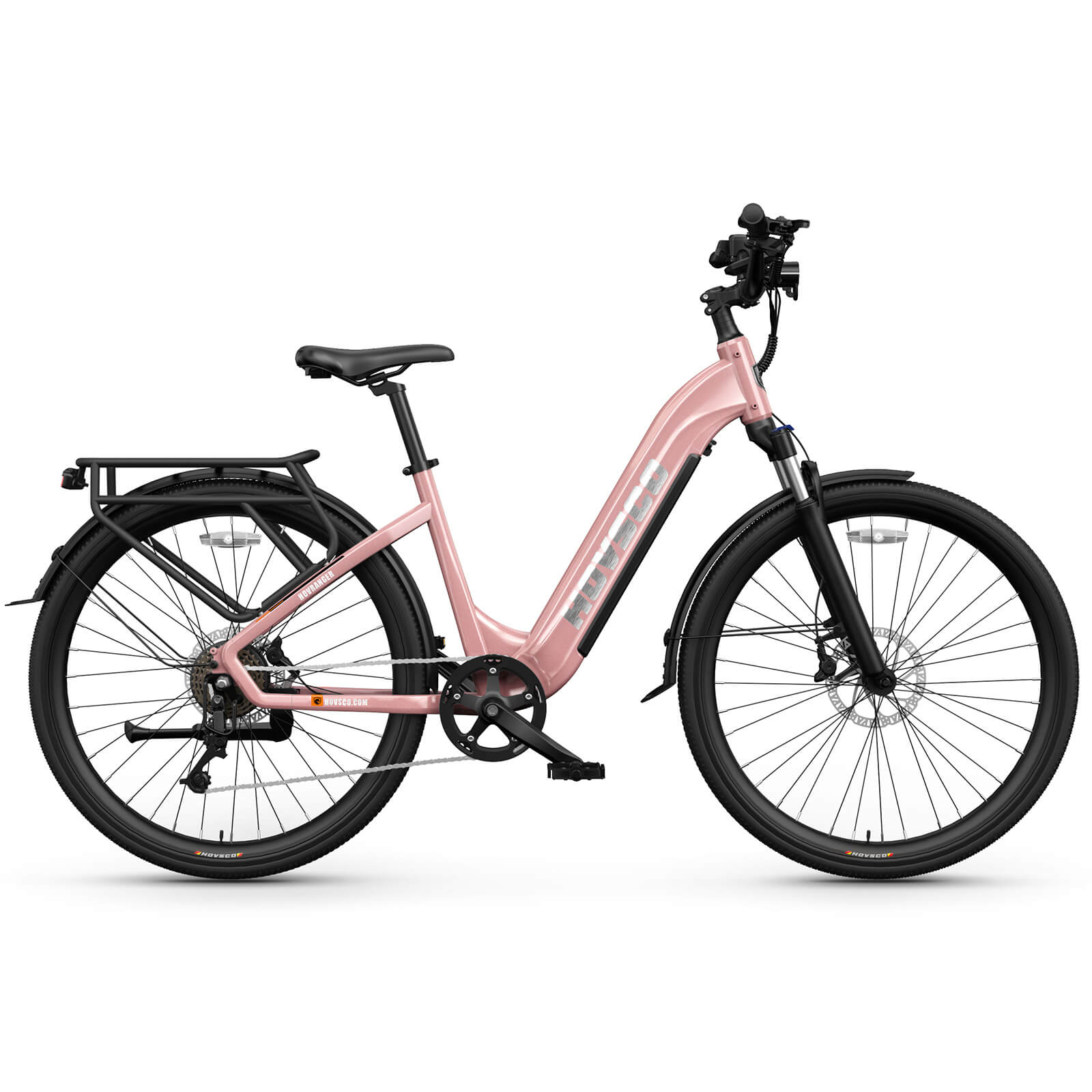
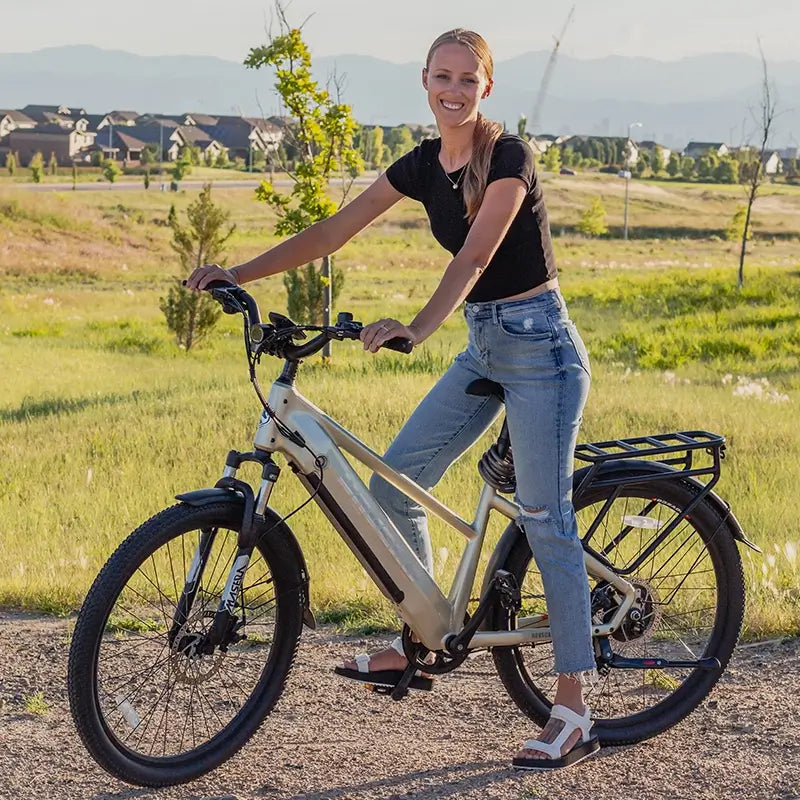
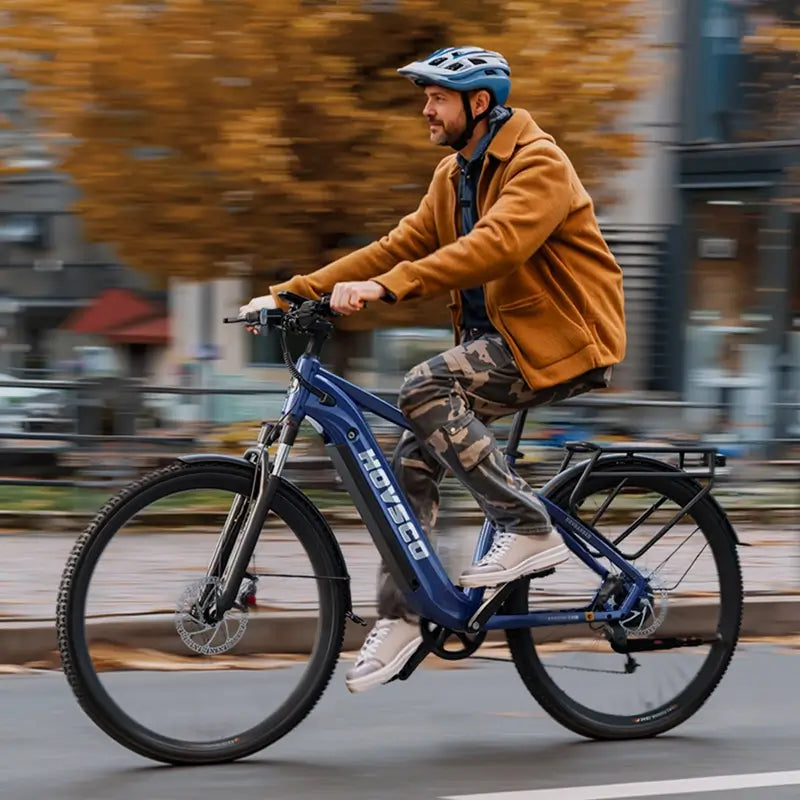
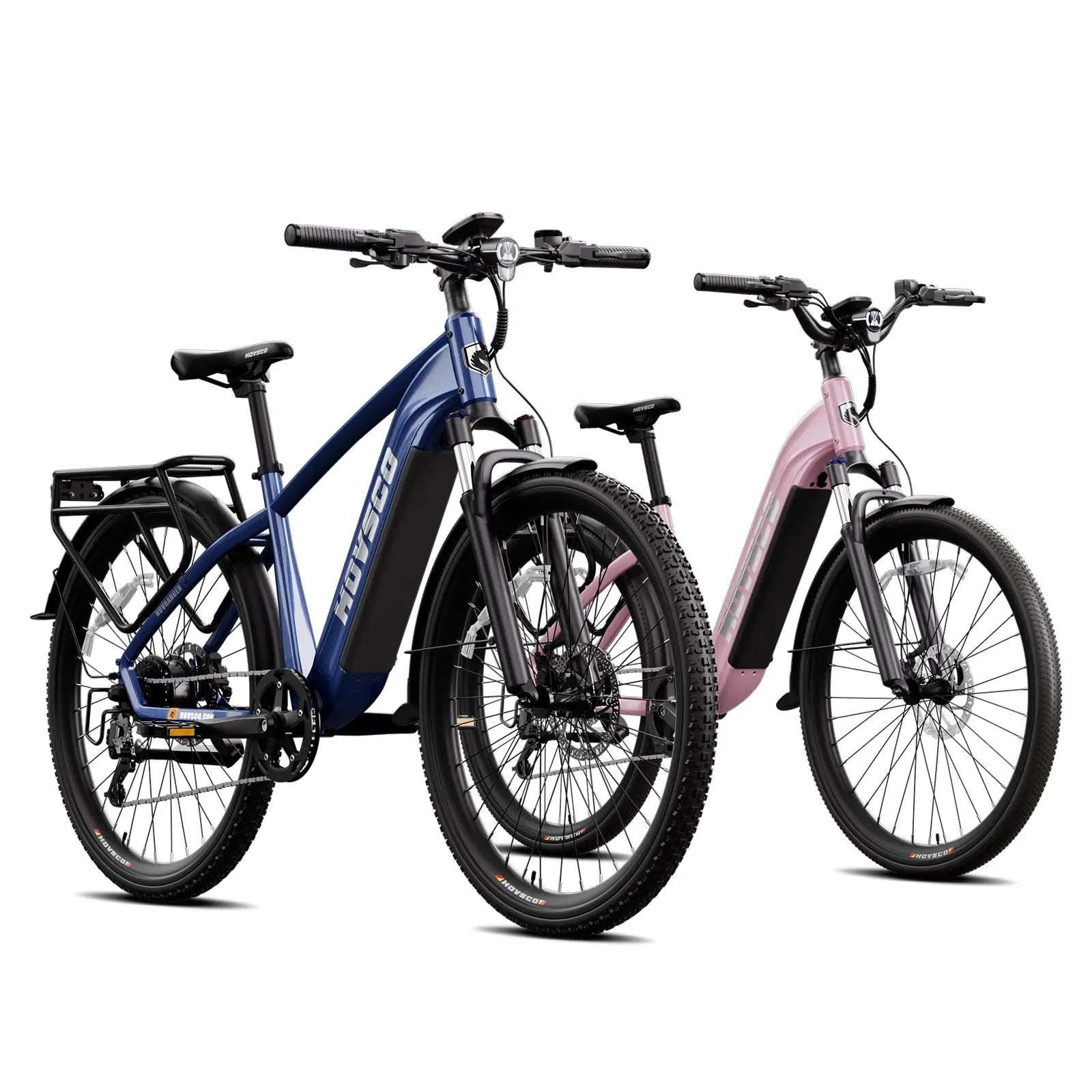
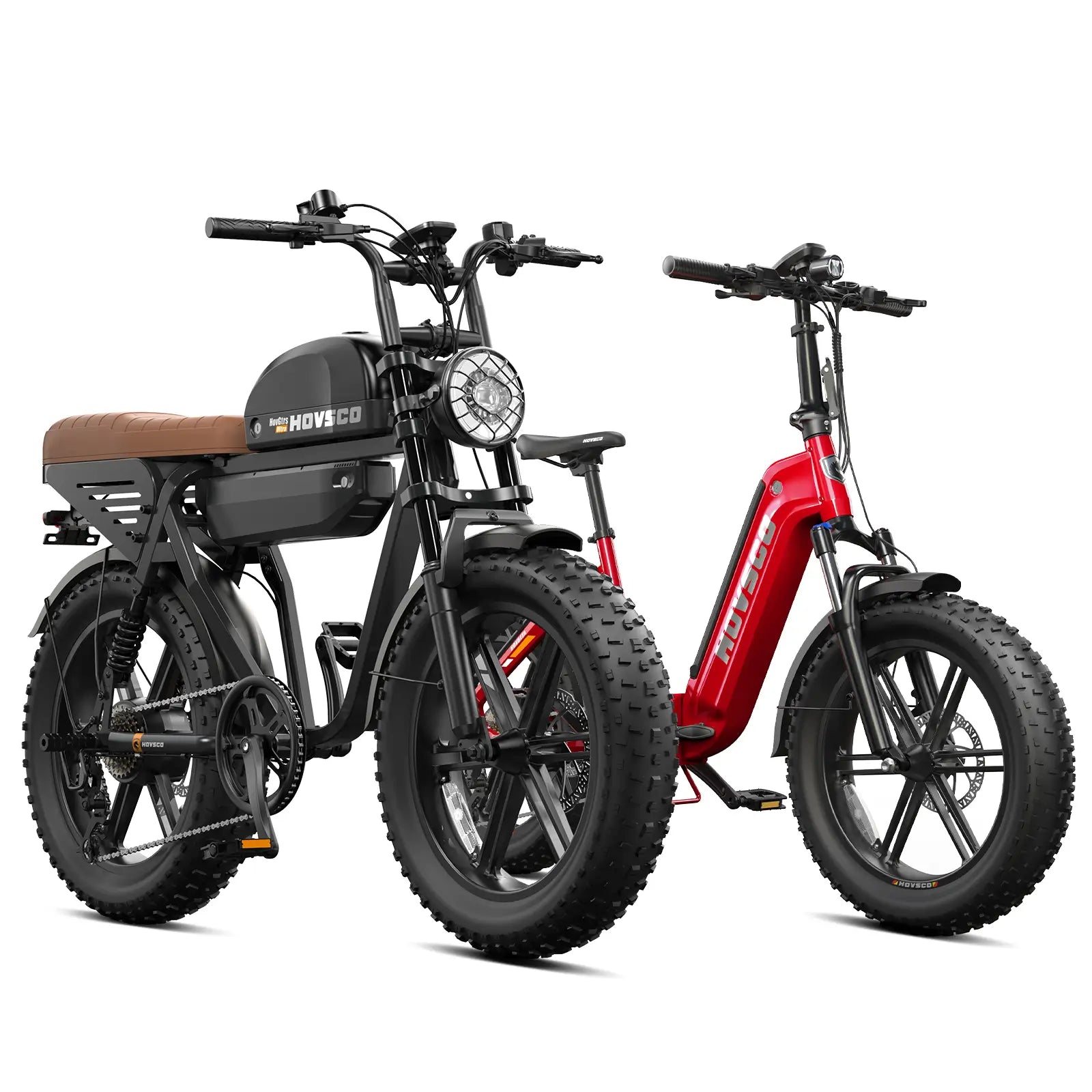
Commuter flexibility: HovRanger and HovCity support daily riding with step-through options, 28 mph top-speed claims, and 60-mile range claims, which helps riders substitute more urban trips with bikes instead of cars. That flexibility matters when the goal is habit change, not just one good ride.
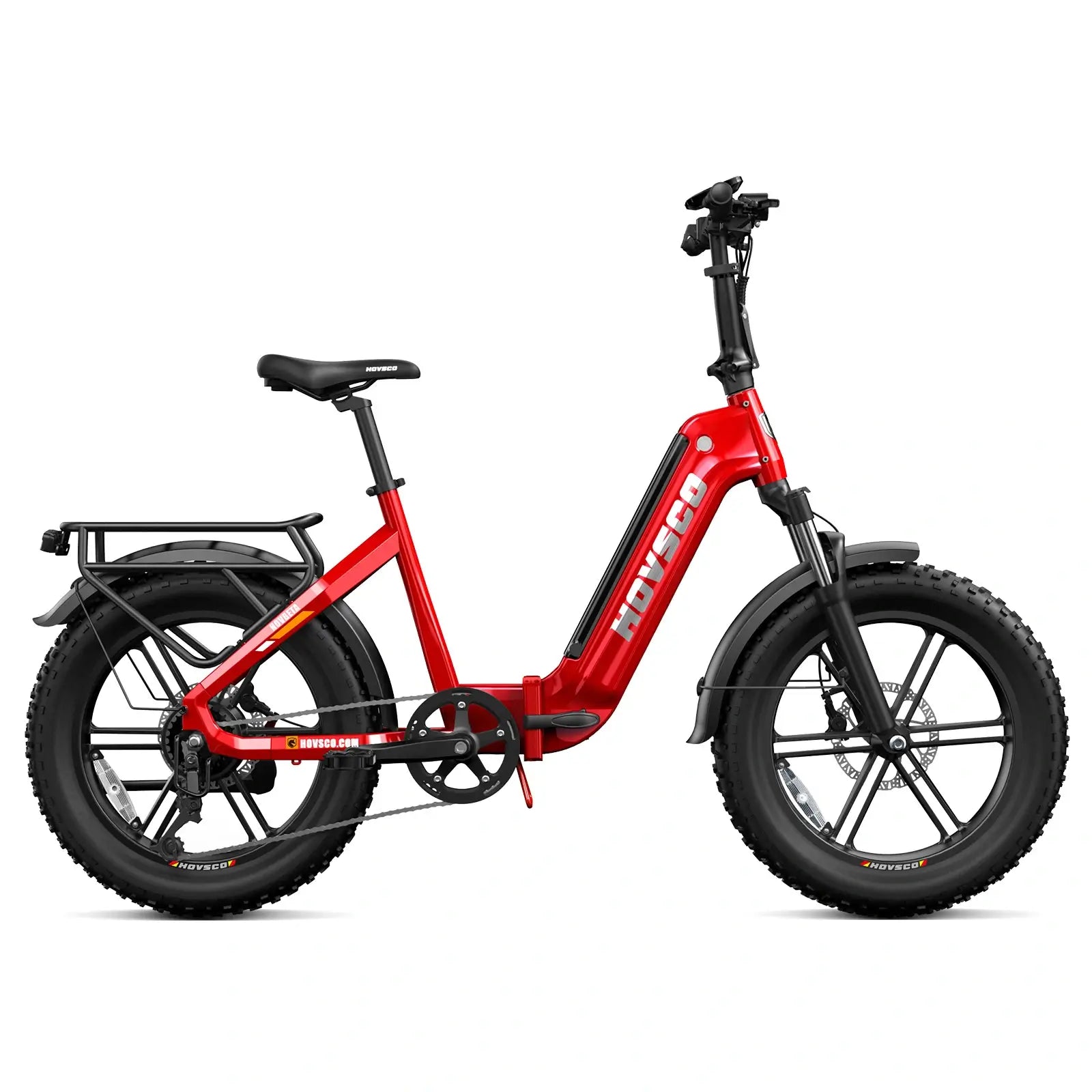
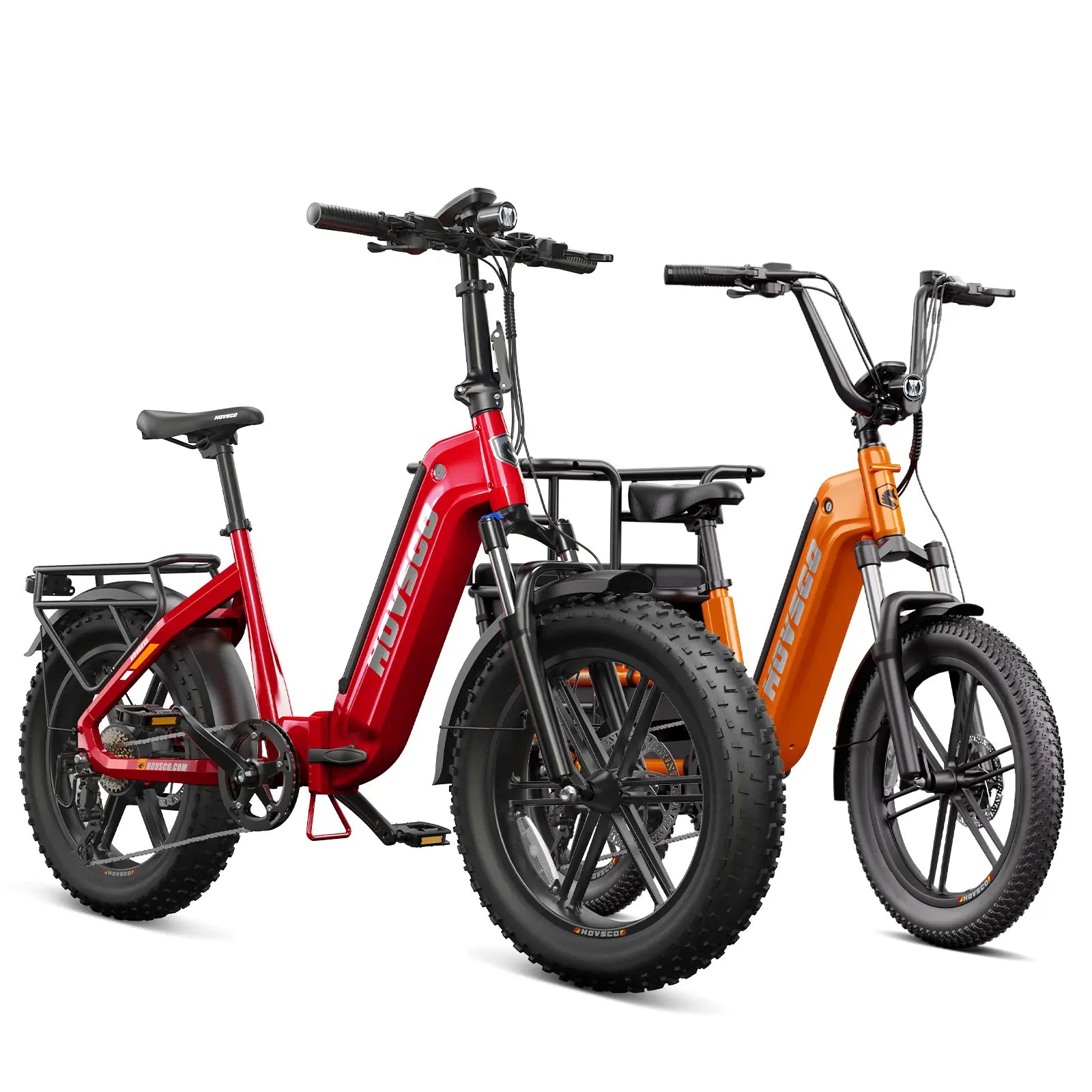
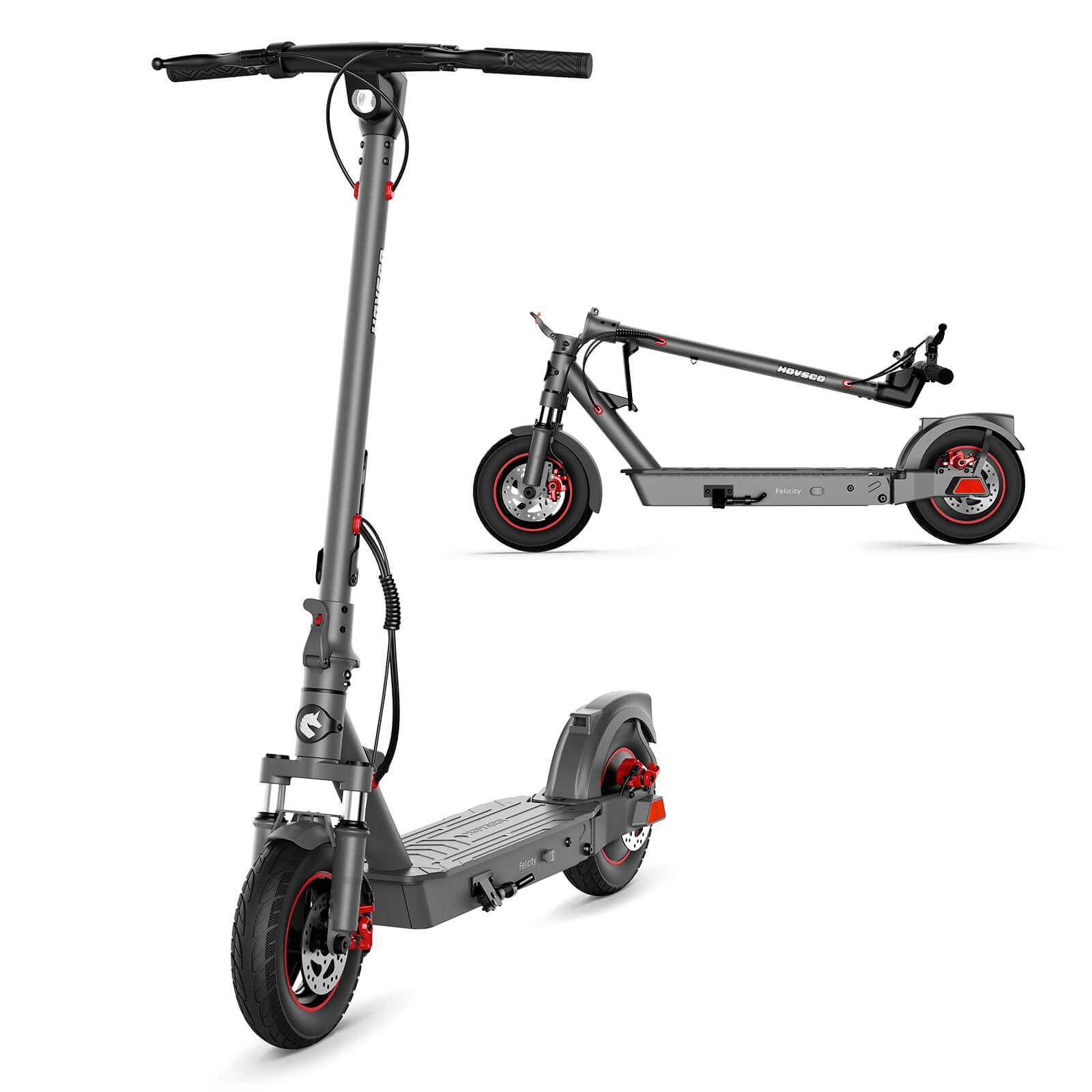
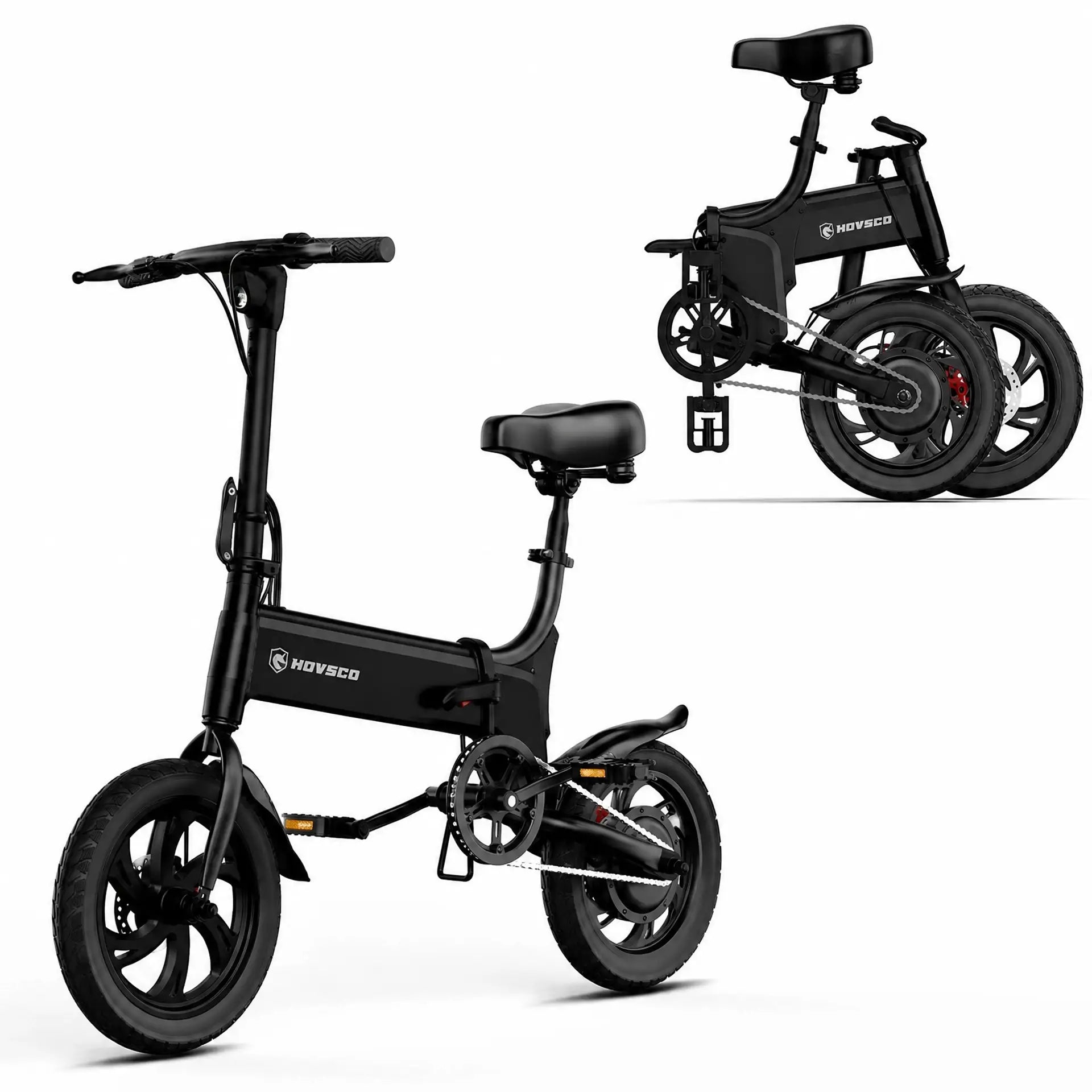
Fold-and-store convenience: HovBeta’s folding design makes it easier for apartment dwellers, mixed-mode commuters, and RV users to keep an e-bike in active rotation. A sustainable habit becomes much easier when storage, transport, and access stop being barriers.
Grocery runs become bike trips instead of car trips when the bike carries the load.
School pickups feel less disruptive when the route is short, stable, and predictable.
Weekend exploring becomes easier when one bike can serve commuting, errands, and leisure.
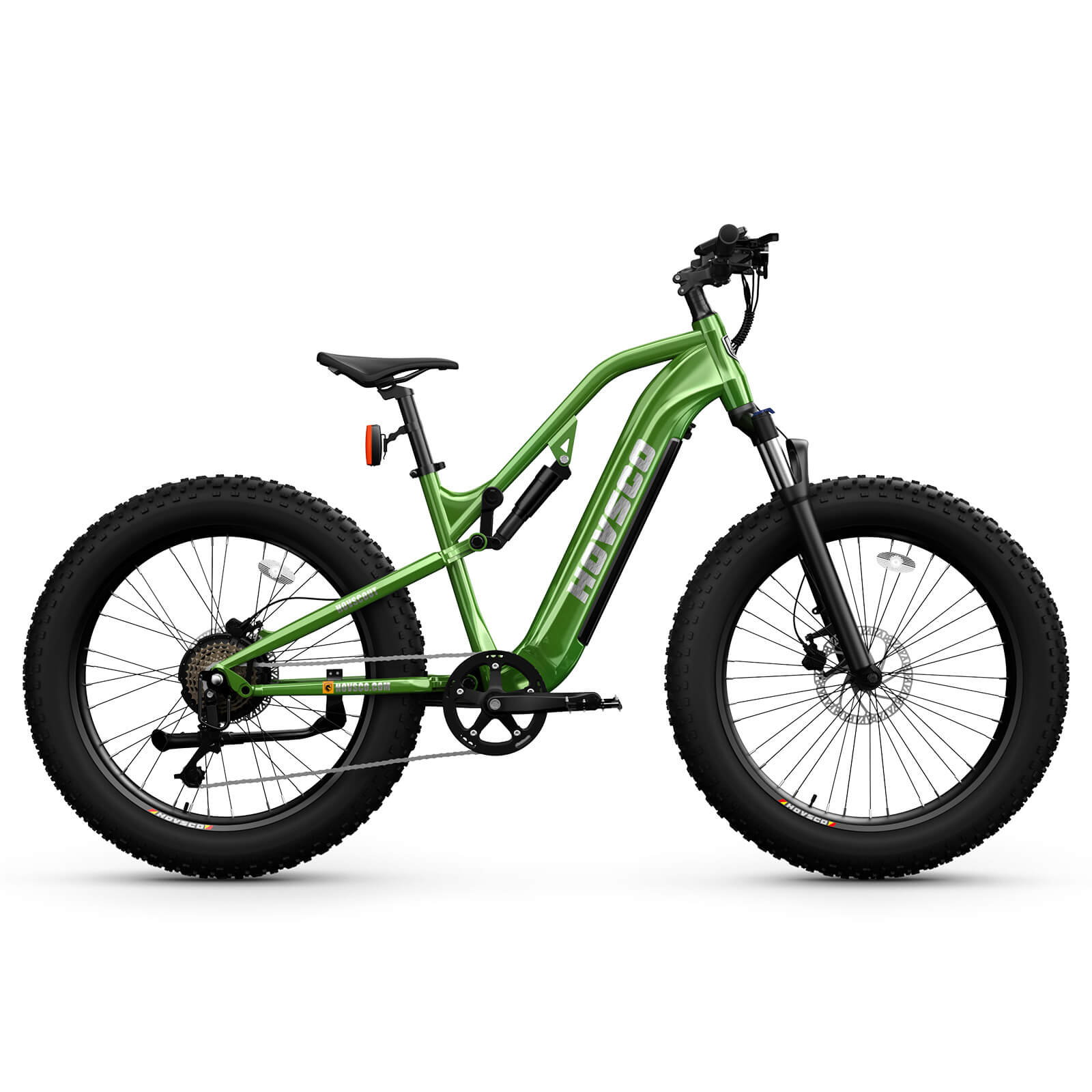
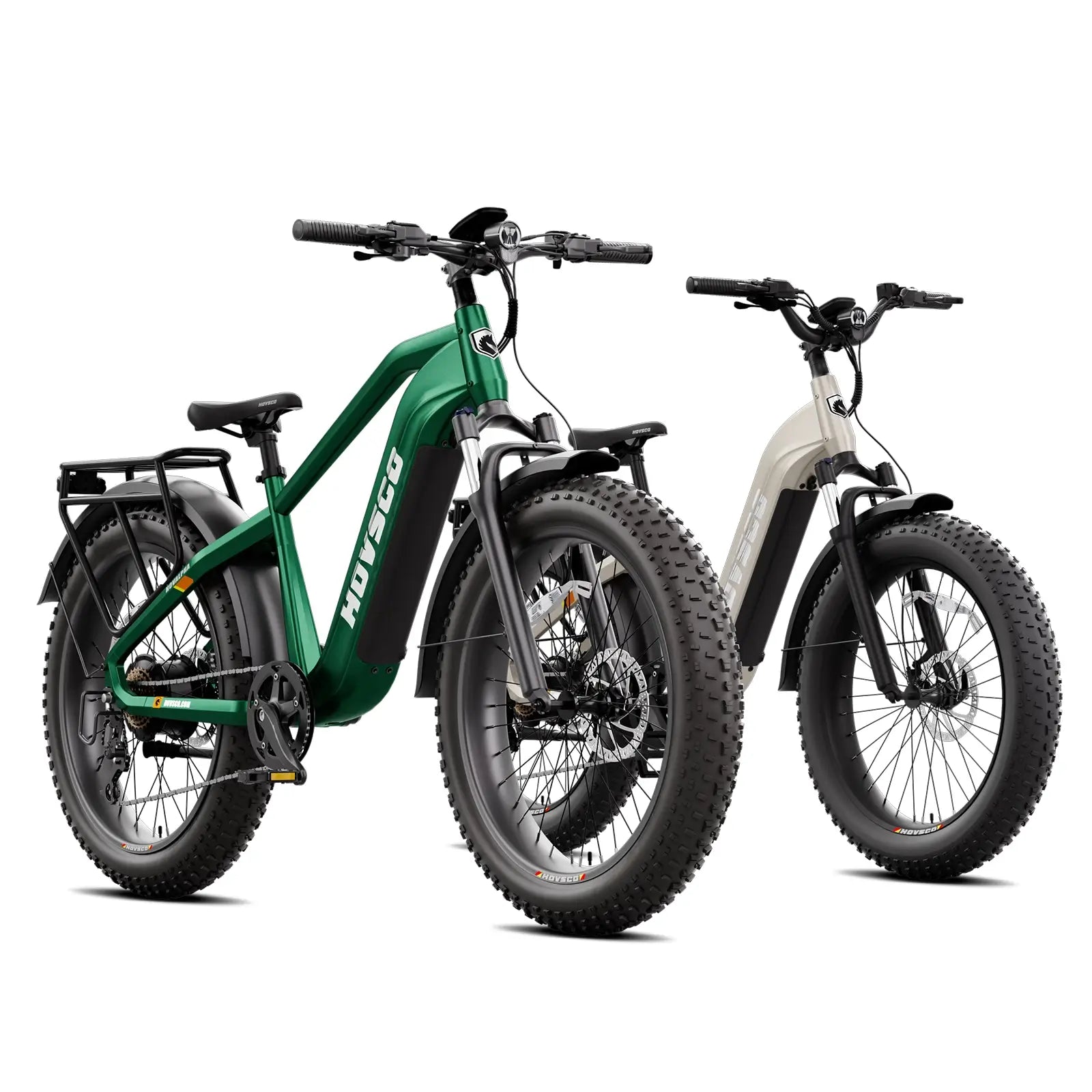
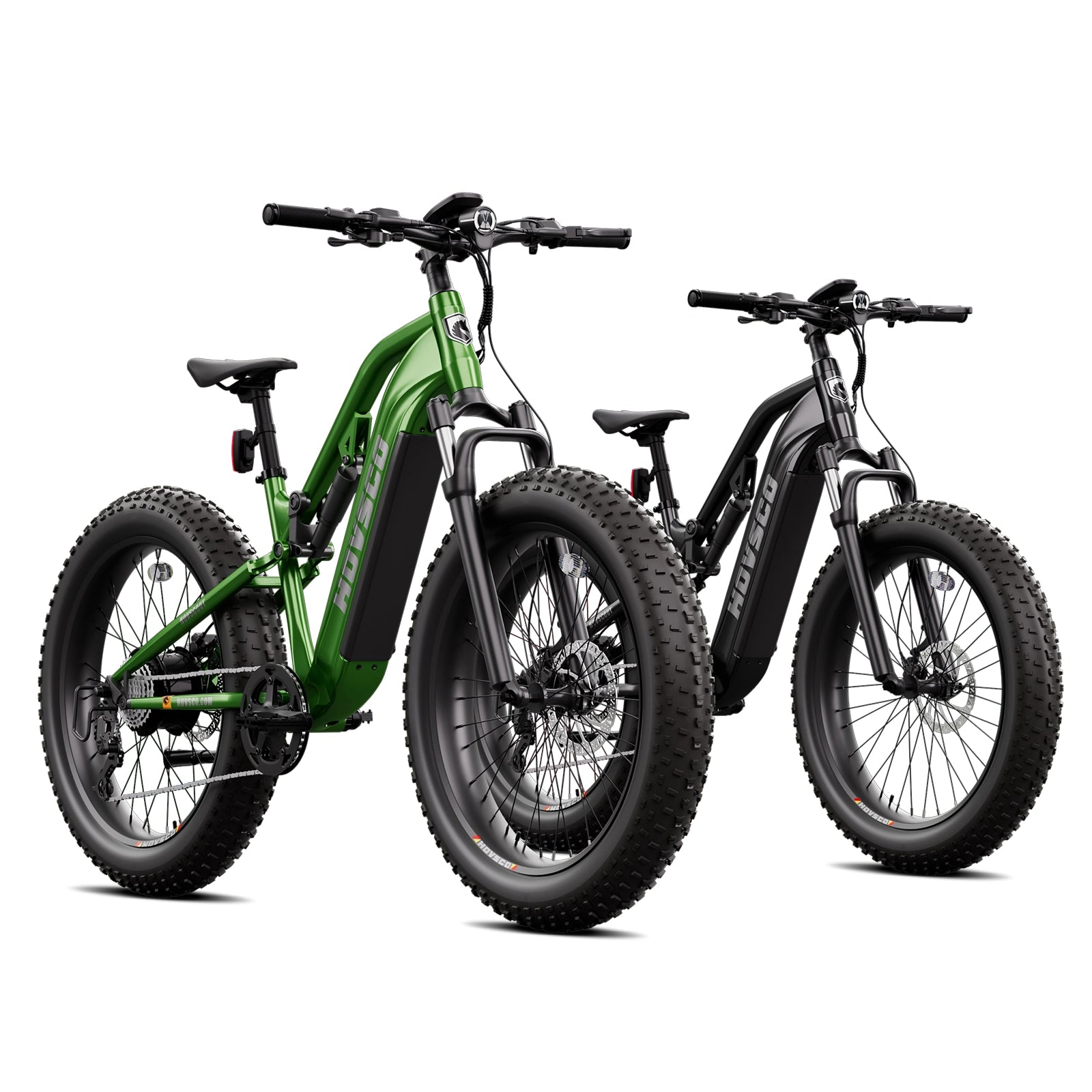
The strongest cross-sell story is not “buy more bikes”; it is “match the bike to the job.” HOVSCO’s lineup lets a household build a multi-bike system around daily life, using HovCart for cargo-heavy errands, HovRanger for commuting, and HovBeta for storage-sensitive riders. That matters because sustainable living habits usually succeed when each recurring trip has a low-friction default. The brand’s category structure also signals that one rider can keep a practical bike for weekdays and a more compact option for mixed travel.
Start with one recurring trip you currently drive, such as groceries, a daycare run, or a coffee stop.
Match the bike to that trip’s real demands: cargo, range, storage, or comfort.
Choose a route that avoids the steepest hills and busiest roads at first.
Keep essentials ready, such as a lock, light, pannier, or child/cargo setup.
Ride the same trip several times per week so the habit becomes automatic.
Track what changes: time saved, fuel avoided, parking avoided, and how often the car stays parked.
Scenario 1: Apartment errands
Traditional behavior: drive for every small purchase because carrying bags by hand is annoying.
With HovCart: a cargo bike can handle bulkier loads and reduce the number of car trips.
Scenario 2: Mixed commuting
Traditional behavior: drive because the trip is too long for a standard bicycle.
With HovRanger: pedal assist makes the ride more realistic while preserving the active part of the commute.
Scenario 3: Storage-limited living
Traditional behavior: skip biking entirely because there is no space.
With HovBeta: the folding frame gives compact storage and broader use cases for urban homes and travel.
The most important advantage of sustainable living habits is consistency, not perfection. A rider who replaces three or four short car trips per week with an e-bike is building a measurable new pattern, even if longer drives still happen when needed. This is why the e-bike category is growing across commuting, cargo, and family mobility use cases rather than only sport.
HOVSCO’s own positioning emphasizes family connection, practical mobility, and joy in everyday riding, which makes sense for households trying to live more lightly without giving up convenience. The brand’s cargo and step-through options are especially relevant for riders who need low step-over access, easier loading, or more stable everyday use. In that sense, the brand is not just selling bikes; it is selling a lower-friction way to replace selected car trips.
Sustainable commuting habits usually fail when they ask too much of a rider too soon. A greener routine becomes much easier when the vehicle fits the commute, the cargo, and the storage reality of the home. Recent market research suggests that the broader e-bike sector will keep expanding because riders want efficient transport that still feels practical and personal.
What are the easiest sustainable living habits to start with?
The easiest habits are the ones tied to repeatable routines, such as replacing a weekly grocery drive, choosing a bike for a nearby errand, or combining errands into one trip. Sustainable changes are most durable when they reduce effort, not when they rely on motivation alone.
How do electric bikes support sustainable living habits?
E-bikes reduce reliance on short car trips while keeping travel fast enough for daily life. They also make hills, cargo, and longer distances less of a barrier, which helps people stick to greener habits over time.
Is a cargo e-bike useful for family sustainable commuting?
Yes, especially for family errands and school runs where carrying capacity matters. HOVSCO’s HovCart is built as a cargo e-bike with a 450 lbs payload and a 60-mile range claim, which makes it a practical fit for that use case.
What is the best e-bike for sustainable urban living habits?
The best choice depends on storage, distance, and cargo needs. For urban riders with limited space, HOVSCO’s HovBeta folding model is useful; for commuting, HovRanger is a more direct fit; for errands and family transport, HovCart is the strongest option.
Are e-bikes really better than cars for short trips?
For short urban trips, e-bikes are often a lower-friction alternative because they use less energy and avoid parking hassle. They are especially effective when the trip is too short to justify a car but too demanding for a regular bike.
How long does it take to make sustainable commuting a habit?
There is no fixed timeline, but habits usually form faster when the route, gear, and bike are easy to repeat. A useful approach is to start with one or two weekly trips and increase gradually until the new pattern feels normal.
Sustainable living habits work best when they are practical enough to repeat every week, not just admirable in theory. For many households, an e-bike is the simplest way to turn that idea into a routine that saves effort, reduces short car use, and fits normal life. HOVSCO’s cargo, commuter, and folding options show how one brand can support multiple versions of that shift.
For readers building more sustainable living habits, HOVSCO offers utility-focused e-bikes designed for errands, commuting, and family mobility. Explore the lineup and choose the model that matches the trips that matter most.
Share:
Outdoor Fitness Evolution: How HOVSCO E-Bikes Support Active Lifestyles
Affordable Green Transit Solutions: Practical Strategies for Daily Urban Mobility