



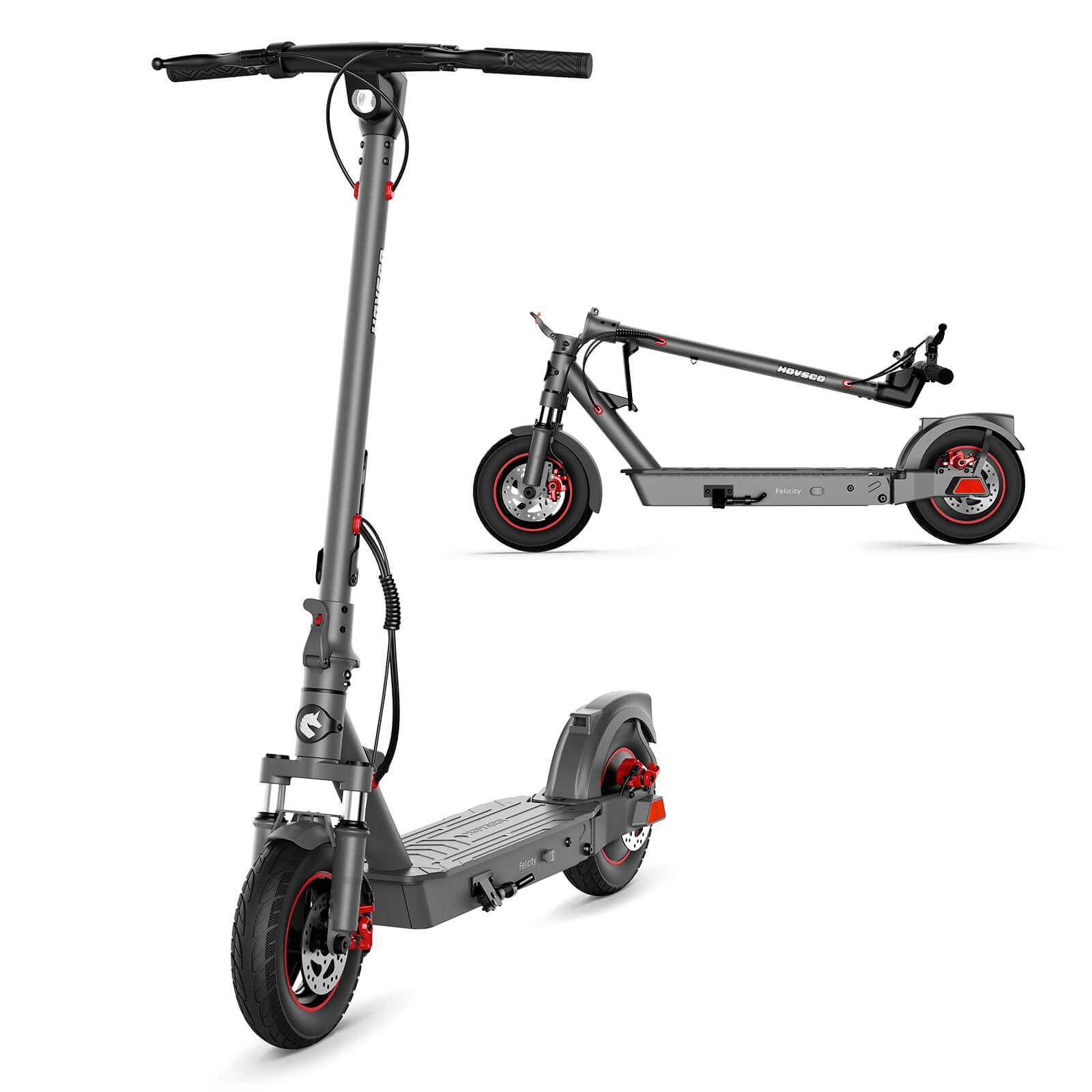
![[ New Arrival ] Porto Max Electric Scooter For Commute & Grocery Shopping - HOVSCO](http://www.hovsco.com/cdn/shop/files/PotroMax-3.jpg?v=1706927007&width=1200)
- by SteveJames
Renewable Energy Integration with E-Bikes: How HOVSCO Powers Greener Cities
- by SteveJames
E-Bikes
Accessories
 Free Shipping
 15-Day Returns
 2-Year Warranty
Free Shipping
15-Day Returns
2-Year Warranty
2-Year Warranty
Free Shipping
15-Day Returns
2-Year Warranty
Renewable energy integration with e-bikes is reshaping urban mobility. Discover how HOVSCO’s electric bikes help riders tap cleaner power, cut emissions, and build more sustainable cities.
Renewable electricity is rapidly changing how cities move, work, and live, and electric bikes are among the most accessible gateways into this cleaner energy system. Over the past few years, global e-bike adoption has surged in parallel with expanding solar and wind capacity, as households and businesses seek low-carbon transport options that can be powered by cleaner grids or even rooftop solar. In many regions, cycling infrastructure, smart-charging networks, and policy incentives are converging to make e-bikes a practical extension of the renewable energy transition.
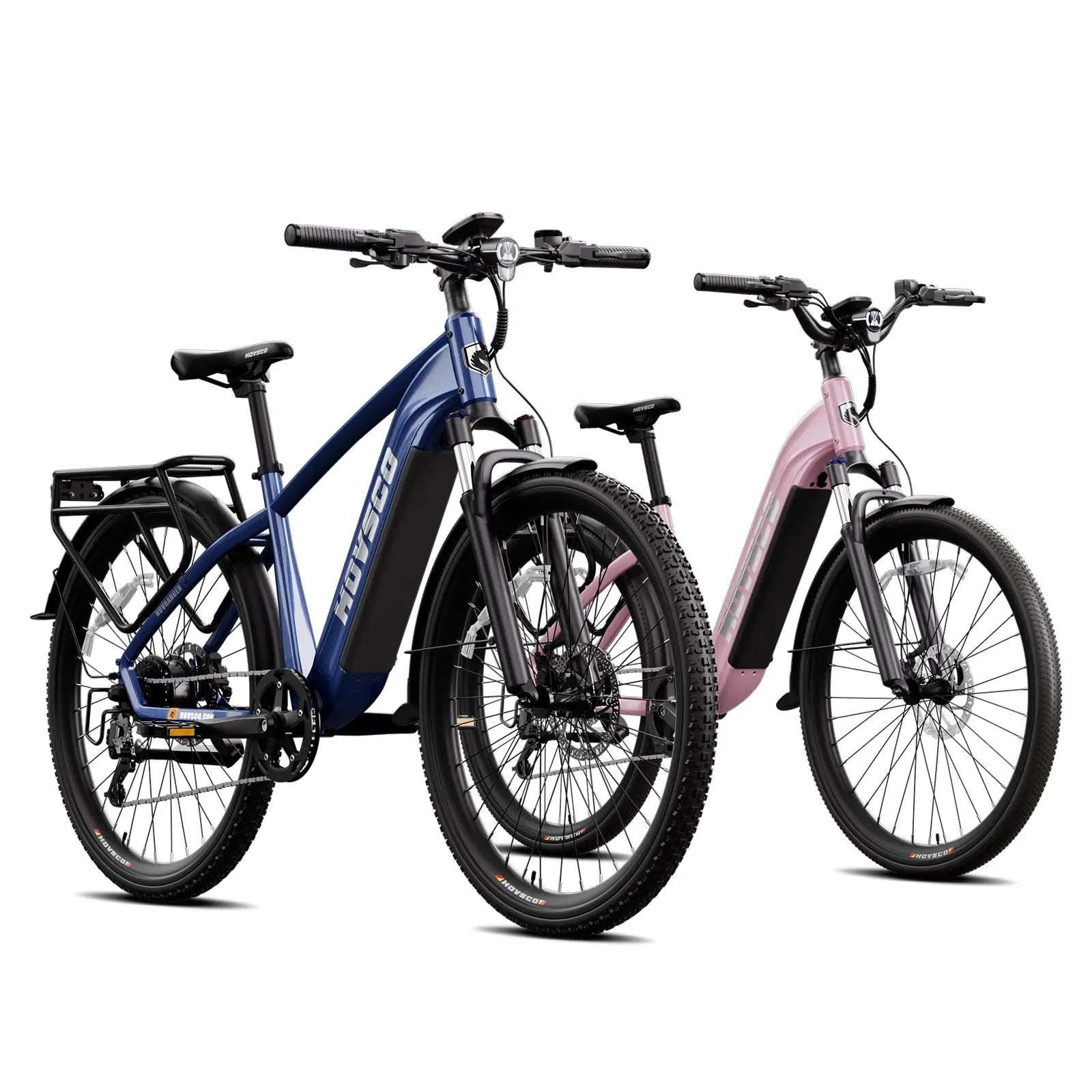
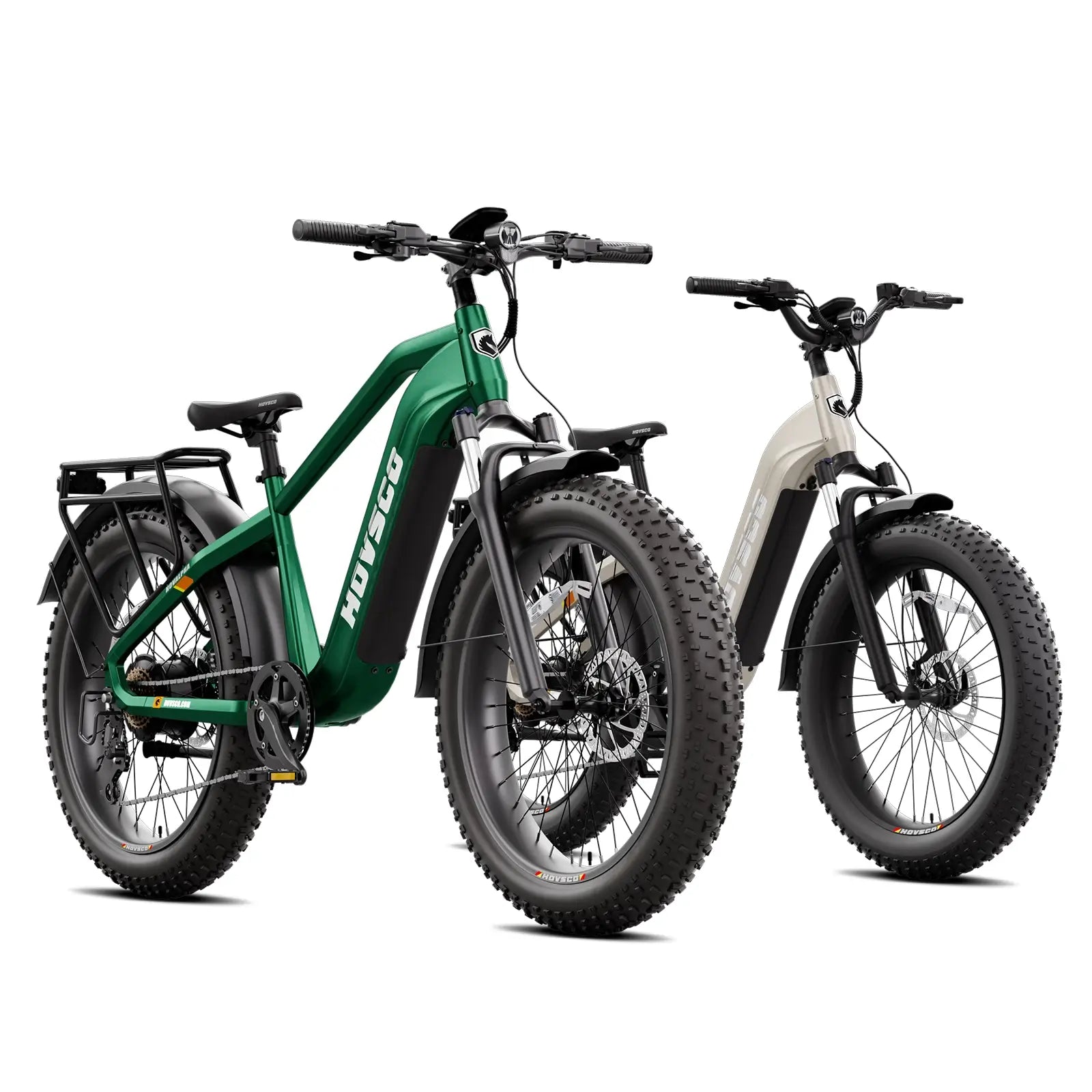
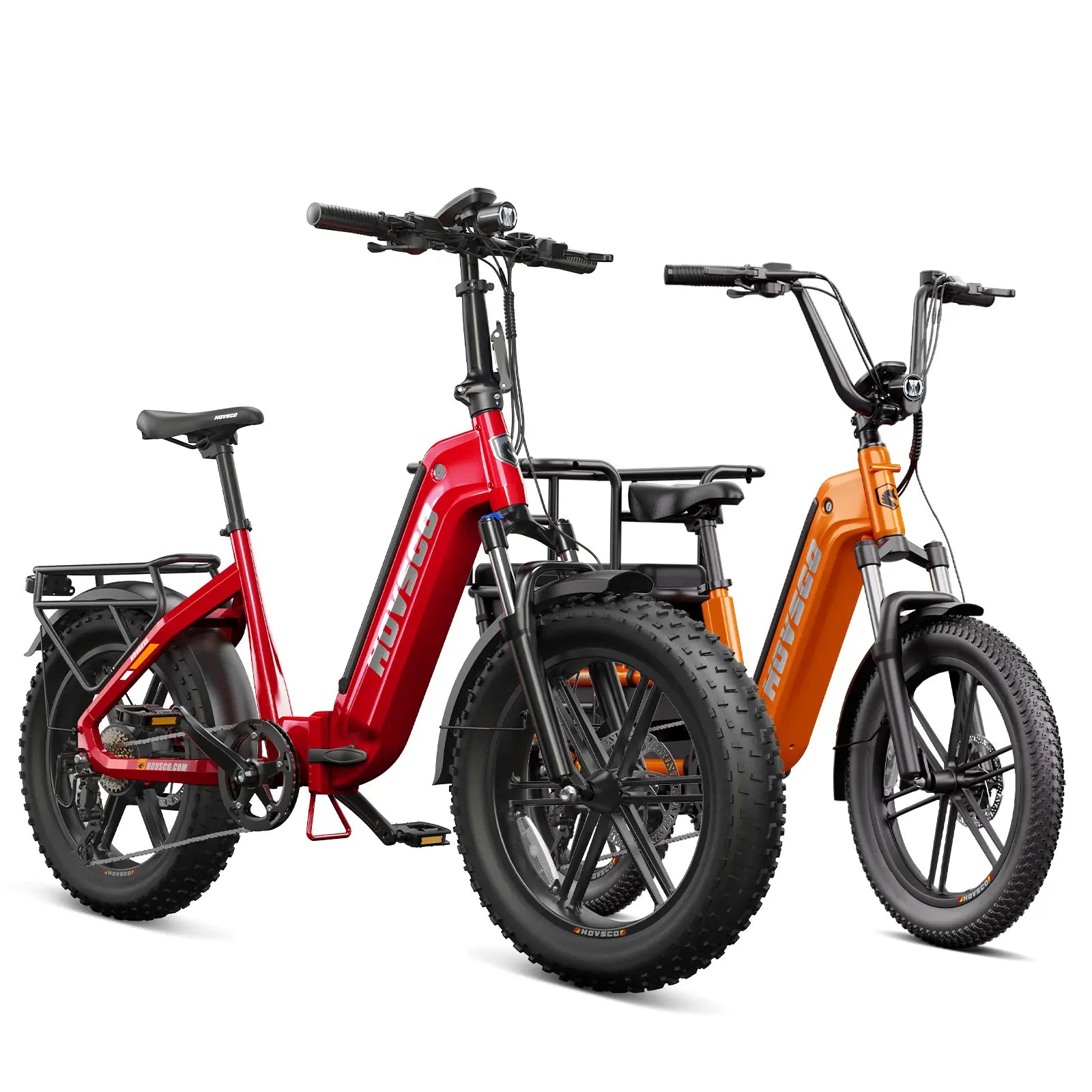
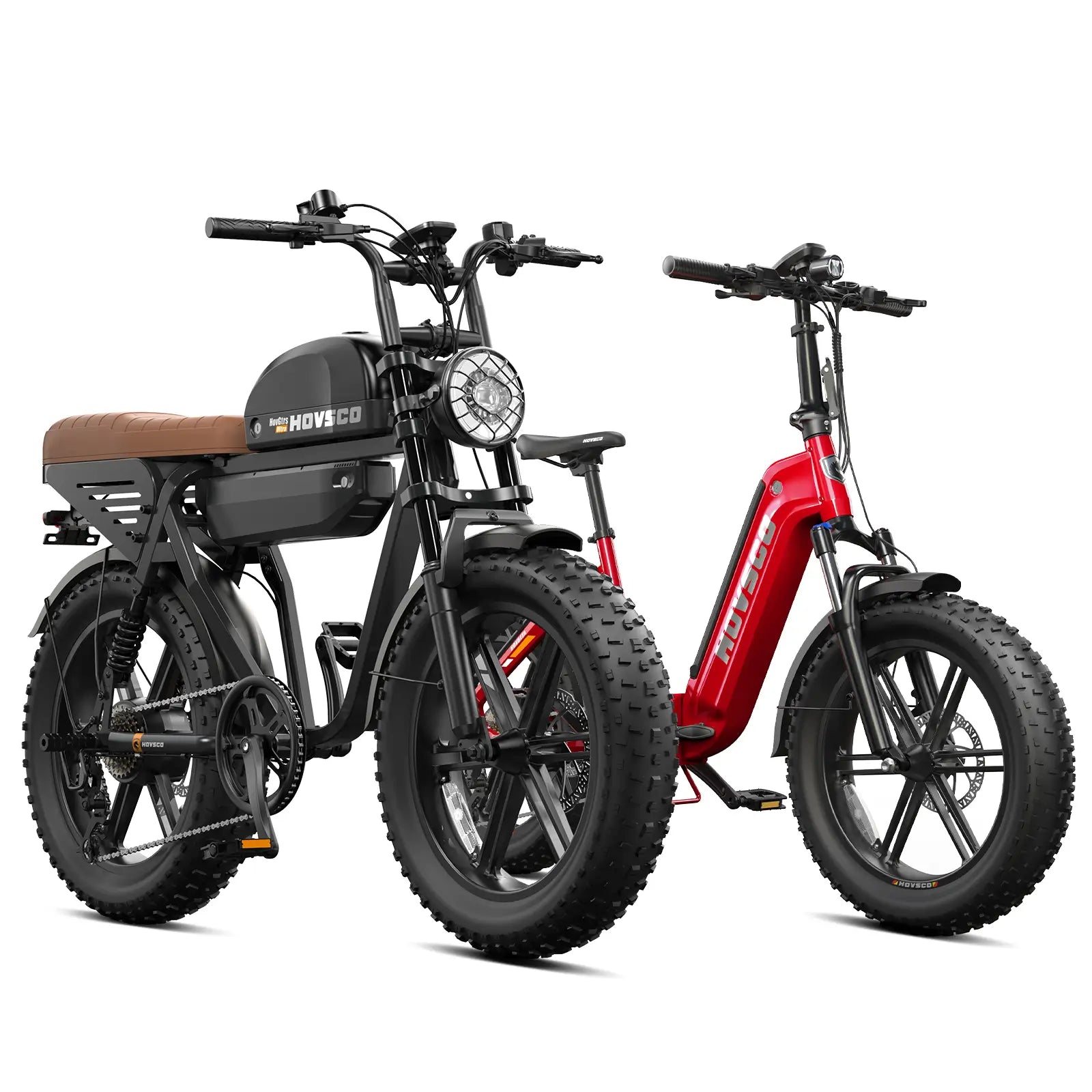
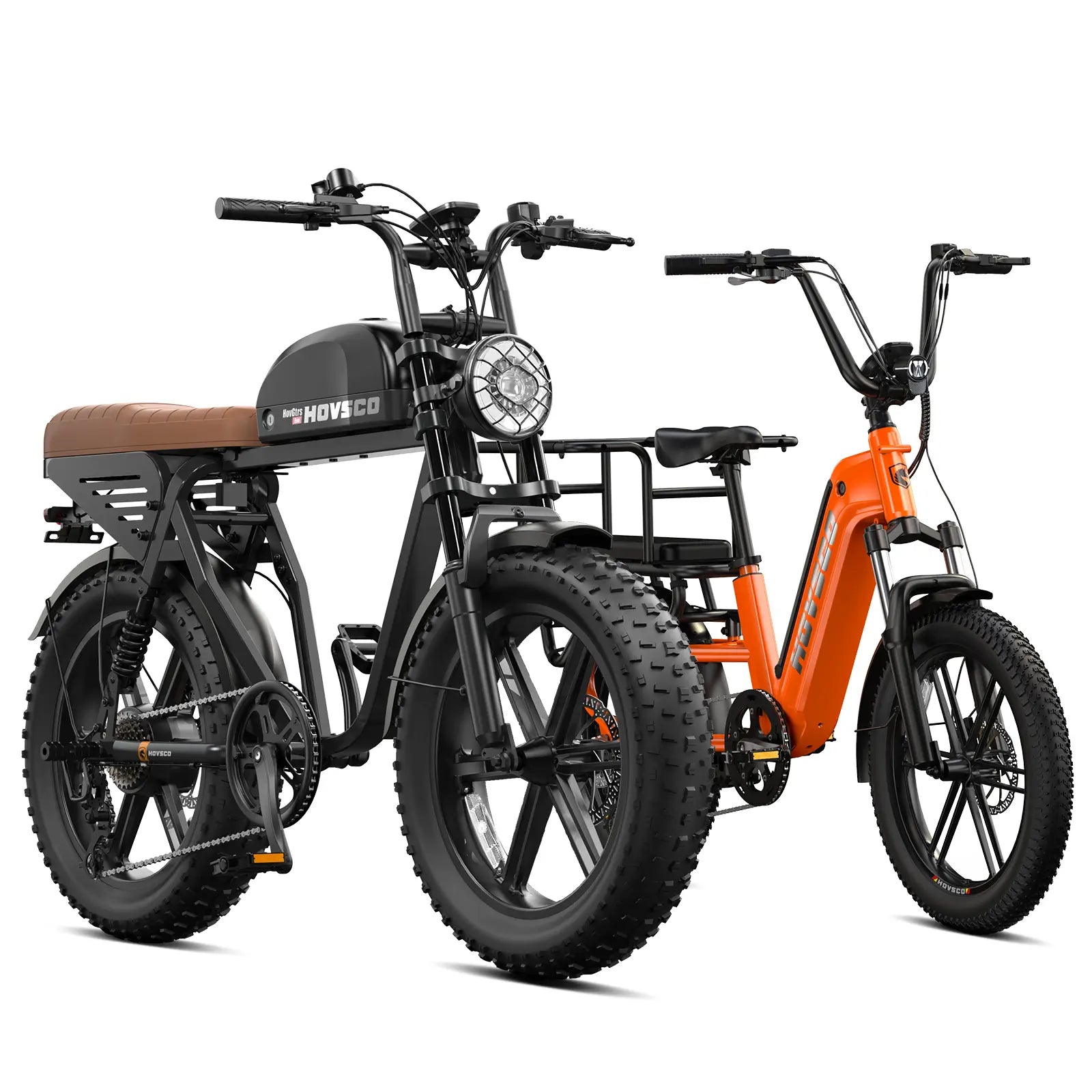
As a high-performance e-bike specialist founded in 2019 and headquartered in California, HOVSCO designs electric bicycles that align with this shift toward sustainable, electrified mobility. Their portfolio spans fat-tire models, cargo e-bikes, and compact urban designs, giving riders multiple ways to turn renewable power into everyday transport.
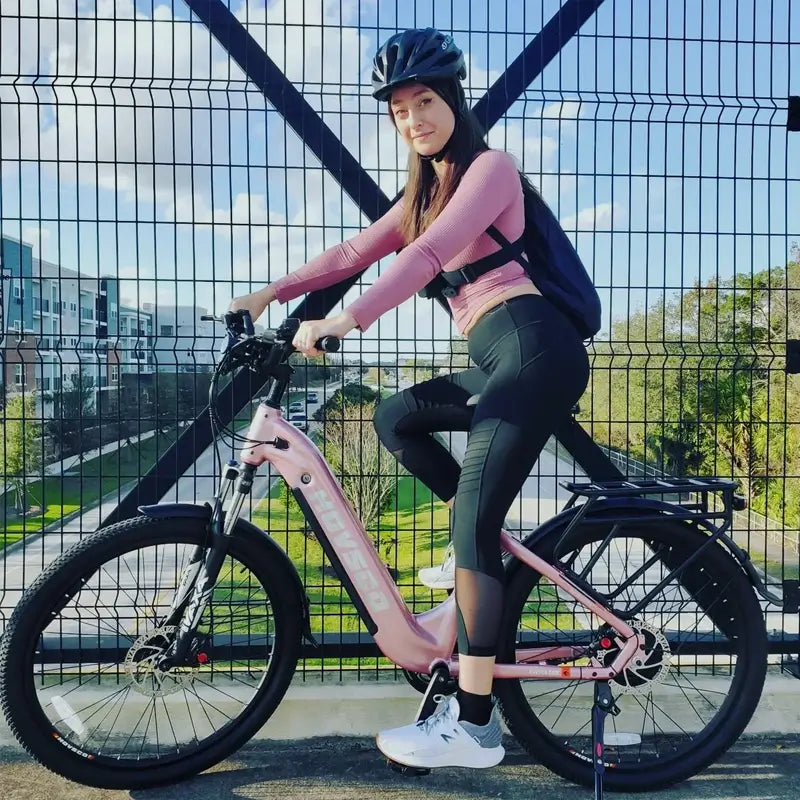
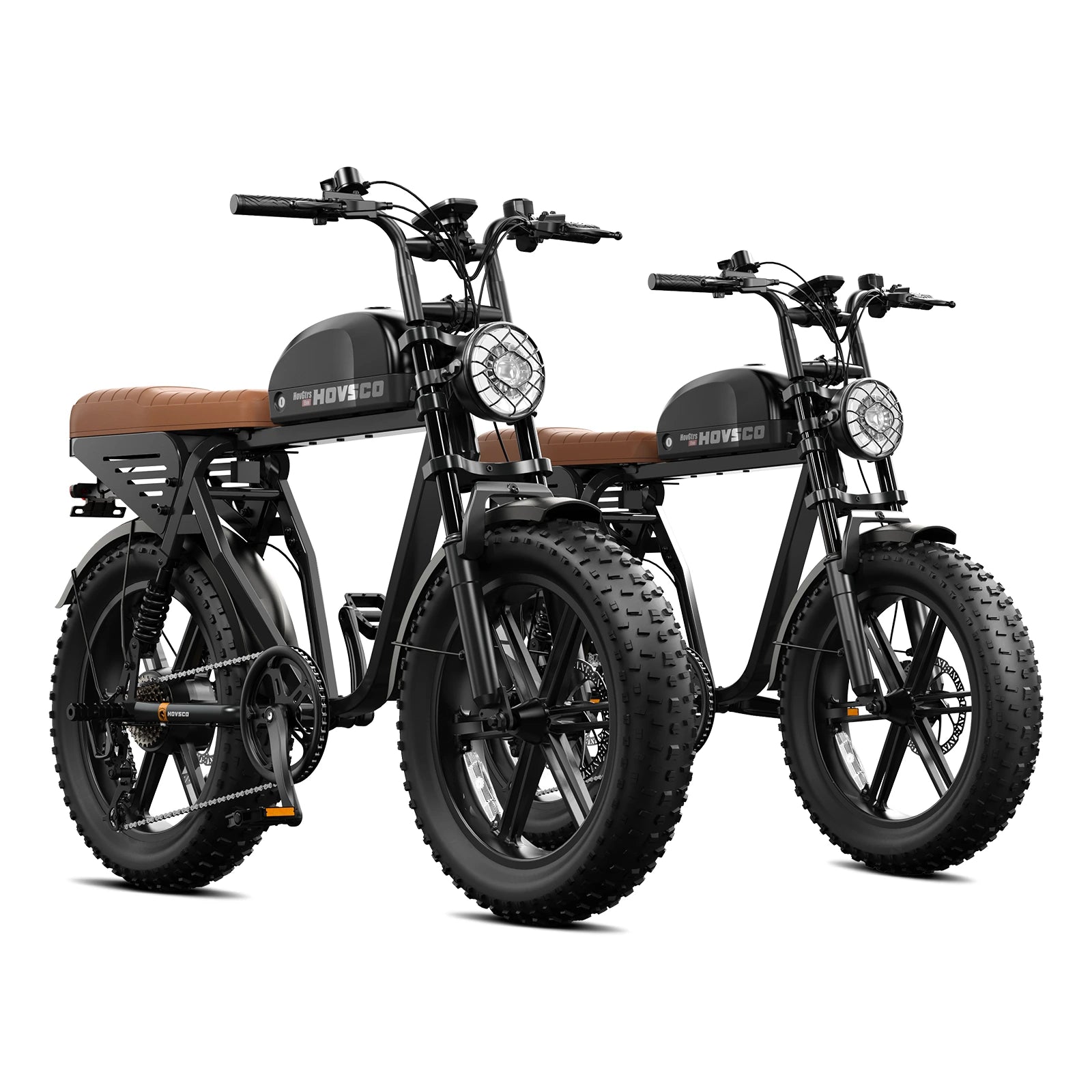
HOVSCO’s lineup focuses on robust motors, long-range batteries, and versatile frames that fit commuting, family logistics, and off-road adventures, making it easier for riders to maximize clean electricity in daily life. From heavy-duty cargo bikes for errands to full-suspension models for mixed terrain, their products are engineered to replace more car trips with efficient, electrically assisted rides. This combination of performance and practicality positions HOVSCO as a natural bridge between renewable energy adoption and real-world mobility needs.
Renewable energy integration in e-bike mobility means connecting electric bicycles to cleaner power sources—such as solar, wind, or increasingly decarbonized grids—to cut lifecycle emissions and dependence on fossil fuels. It includes smarter charging behaviors, efficient motors and batteries, and transport choices that encourage riders to replace car trips with electrified cycling. In practice, it turns every charged e-bike into a small, flexible extension of the broader renewable energy ecosystem.
Urban transportation still leans heavily on private cars and combustion engines, and this dependence creates structural problems even as renewable power grows. Many short trips—often under 10 kilometers—are still done by car, which is both energy-intensive and space-inefficient in dense neighborhoods. Public transit can be clean but may not solve “first and last mile” gaps, leaving many people defaulting to fossil-fuel options for convenience.
Without integrating mobility into the renewable energy transition, cities face mounting congestion, local air pollution, and climate impacts. Households also shoulder steep costs in fuel, parking, maintenance, and time lost in traffic, which erodes the benefits gained from cleaner electricity elsewhere in the economy. On a personal level, inconsistent or car-centric infrastructure can deter people who might otherwise be willing to adopt more sustainable modes of travel.
For businesses, logistics and last-mile delivery often rely on vans and trucks that struggle with rising fuel prices and tighter emissions regulations. Fleet managers who want to decarbonize face the challenge of adopting new vehicle types and charging setups without disrupting operations. In this context, lightweight, energy-efficient transport such as e-bikes becomes a critical tool for aligning mobility with renewable energy growth.
“Electric bikes can turn each kilowatt-hour of clean electricity into some of the most energy-efficient kilometers traveled in modern urban life.”
HOVSCO’s e-bikes sit alongside other transport modes as part of a broader renewable integration toolkit. The table below compares a typical HOVSCO cargo/utility e-bike solution, a conventional car, and a generic non-branded e-bike option from the perspective of renewable integration and daily usability.
Efficient electric powertrains
HOVSCO builds high-performance e-bikes with robust motors and carefully matched drivetrains that maximize the useful distance per charge, helping riders extract more kilometers from every unit of clean electricity consumed. This efficiency improves the real-world carbon benefits of renewable-powered charging by reducing wasted energy in translation from battery to motion.
Long-range, high-capacity batteries
By offering long-lasting battery systems, HOVSCO allows riders to stack multiple trips or longer commutes into a single charge, which fits well with home solar or off-peak grid charging strategies. Riders can align charging times with periods of cleaner electricity, such as daytime solar peaks or nighttime wind generation, without worrying about running out of power during the day.
Versatile frames for mixed-use mobility
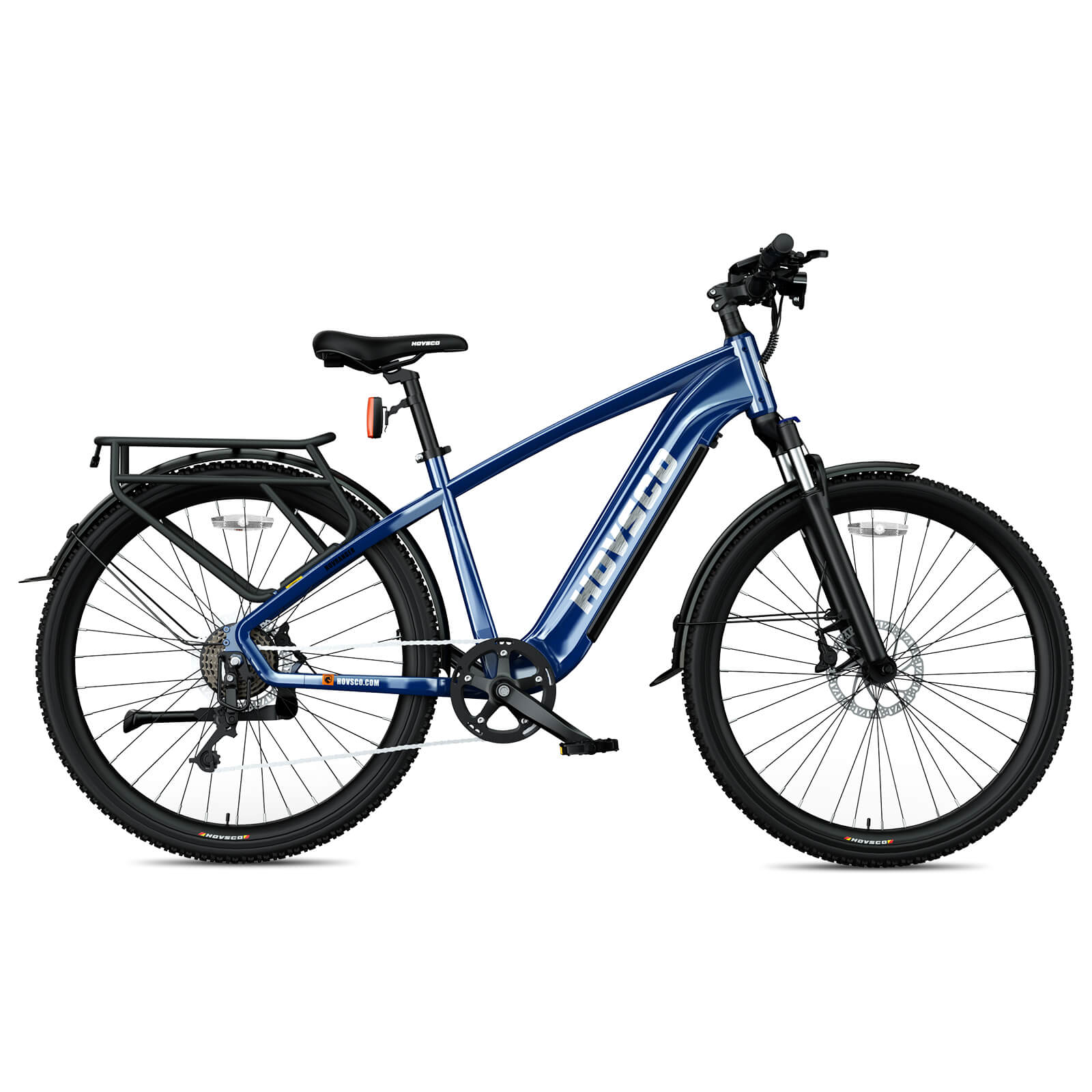
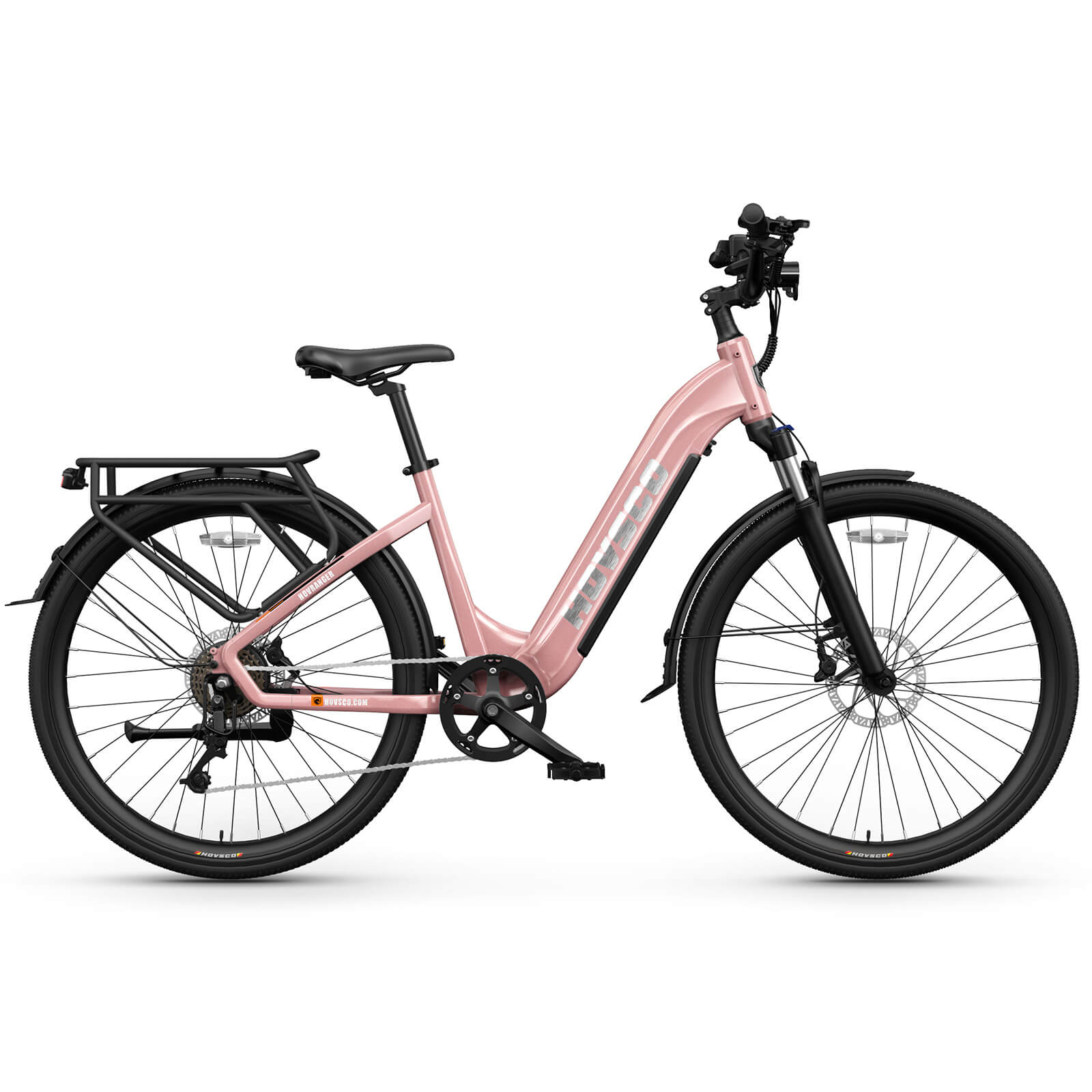
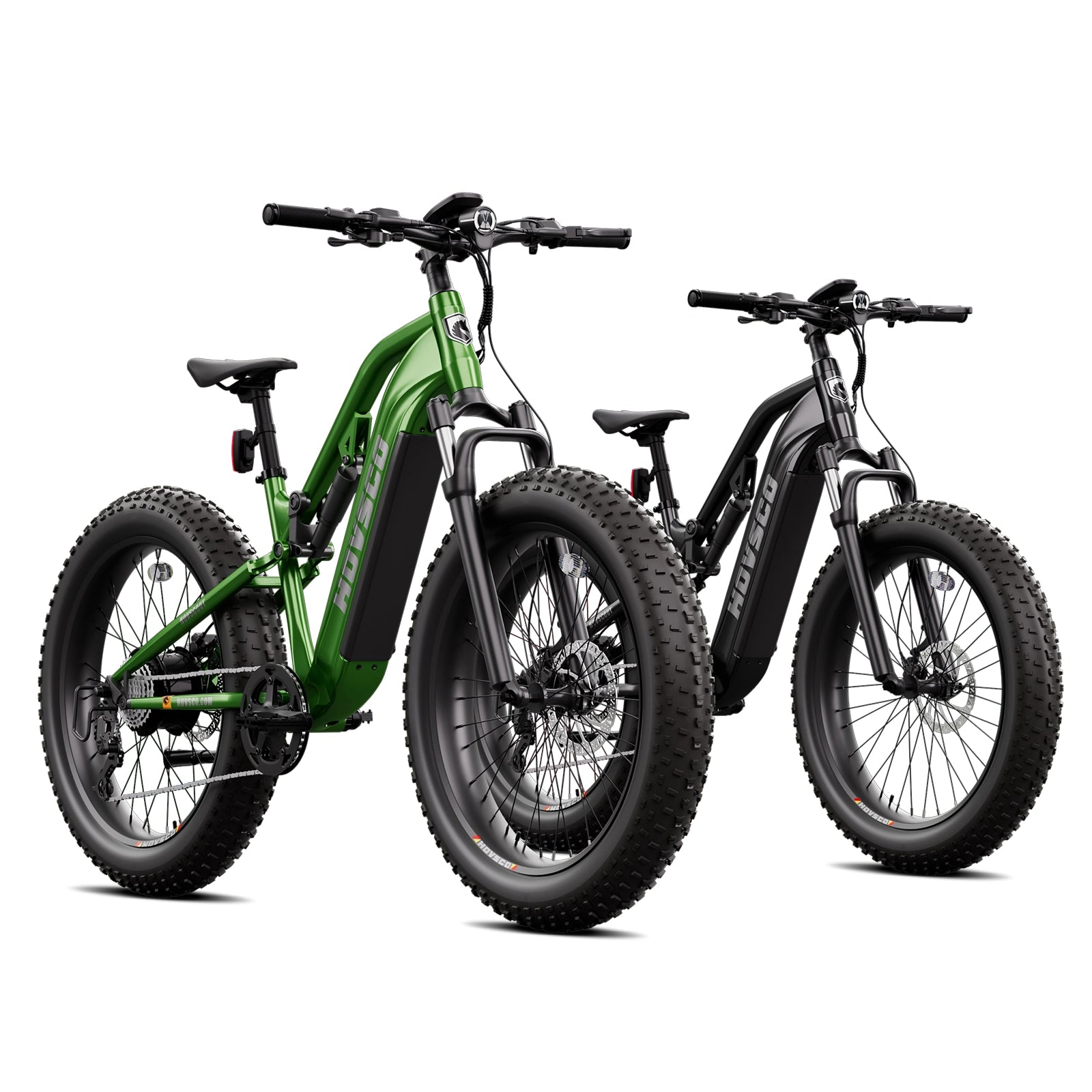
The brand’s portfolio spans full-suspension models, cargo bikes, and commuter-focused designs, enabling different user types—from families to off-road enthusiasts—to embrace electric mobility. This versatility makes it easier for individuals and households to replace a larger share of car trips, amplifying the impact of each kilowatt-hour of renewable electricity consumed.
“Charge during solar hours, ride during peak demand: e-bikes let households shift when they consume power without sacrificing mobility.”
“Replacing even a fraction of short car trips with electric bikes can significantly cut local emissions in dense neighborhoods.”
“Flexible, lightweight vehicles like e-bikes often deliver more real-world renewable integration than larger electrified vehicles in daily city life.”
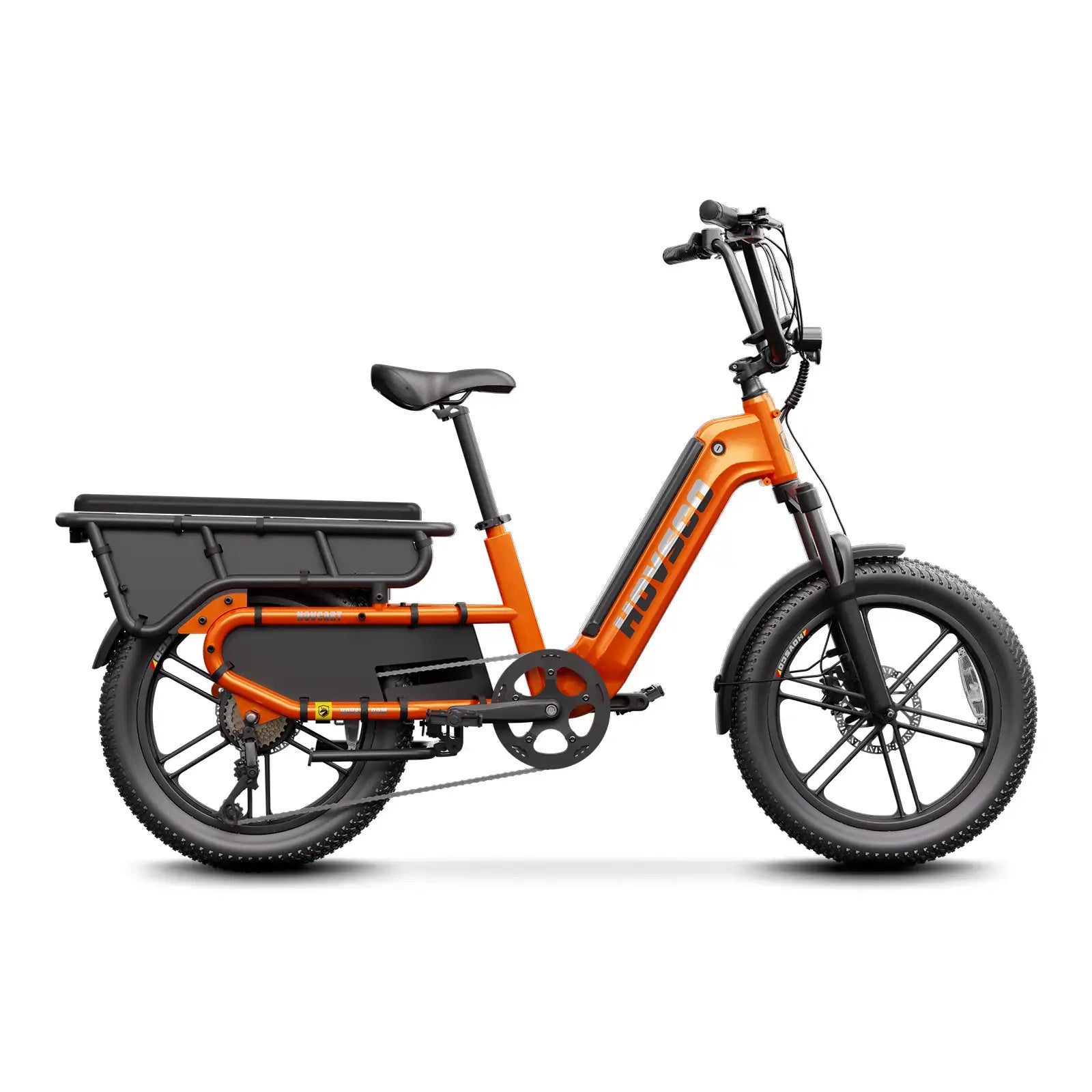
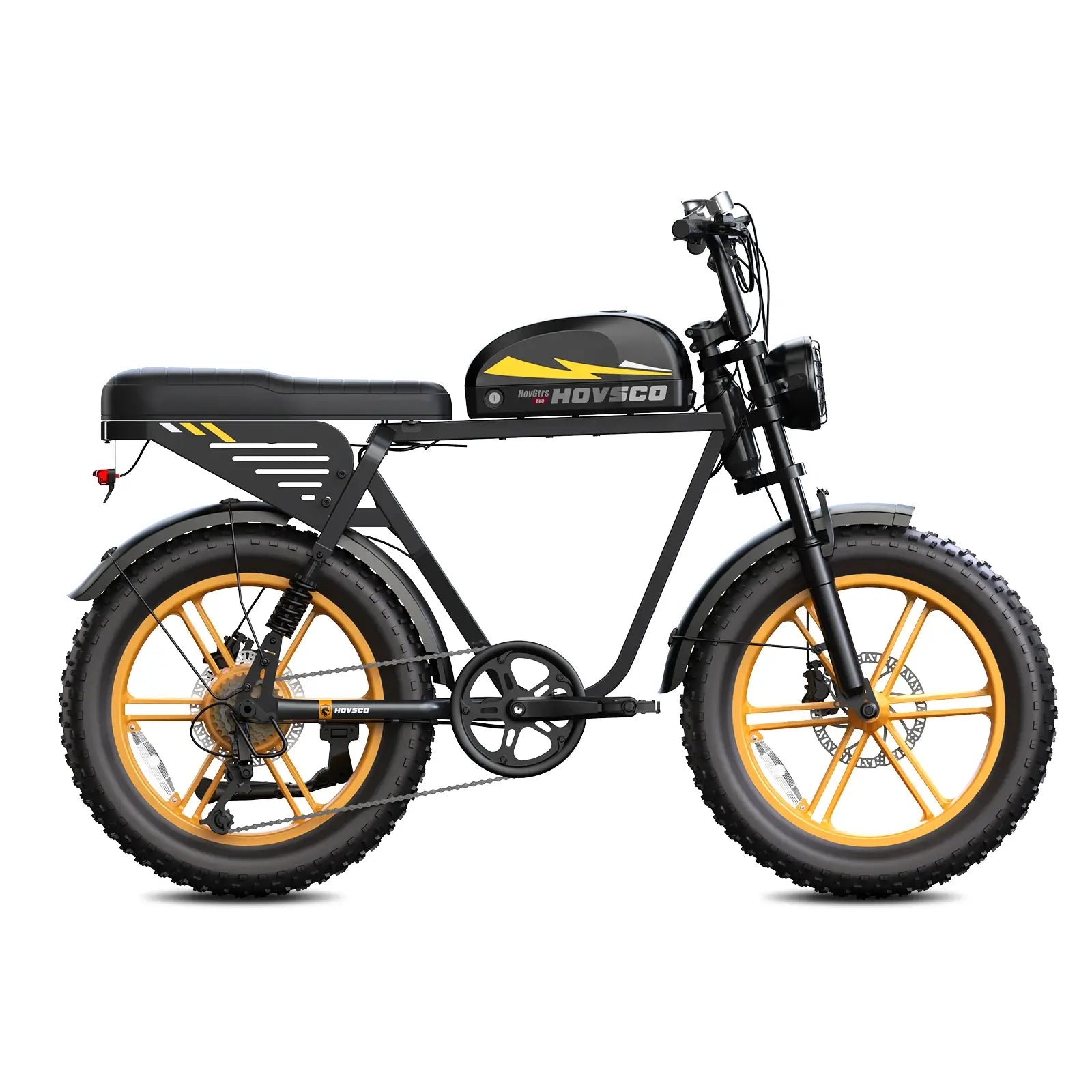
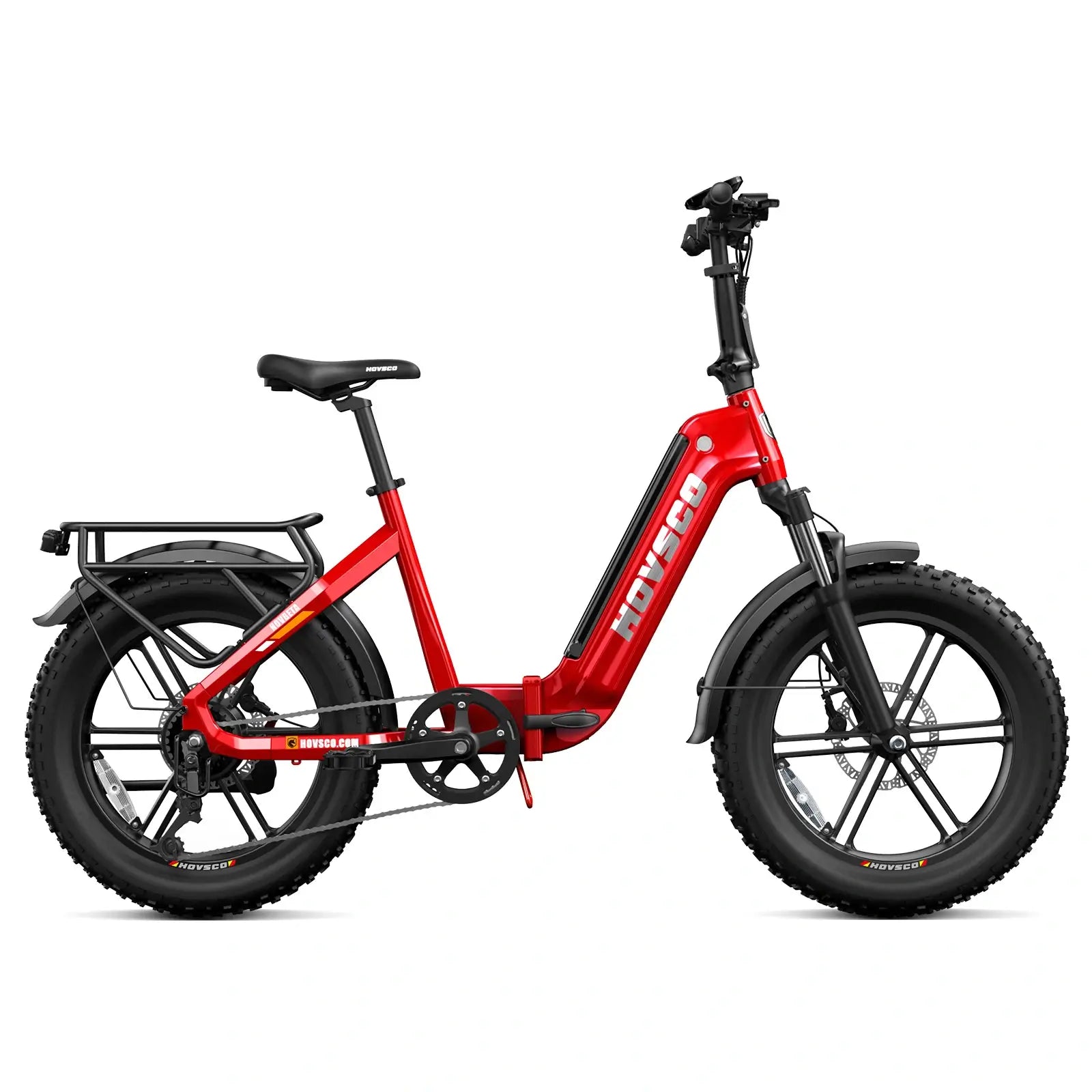
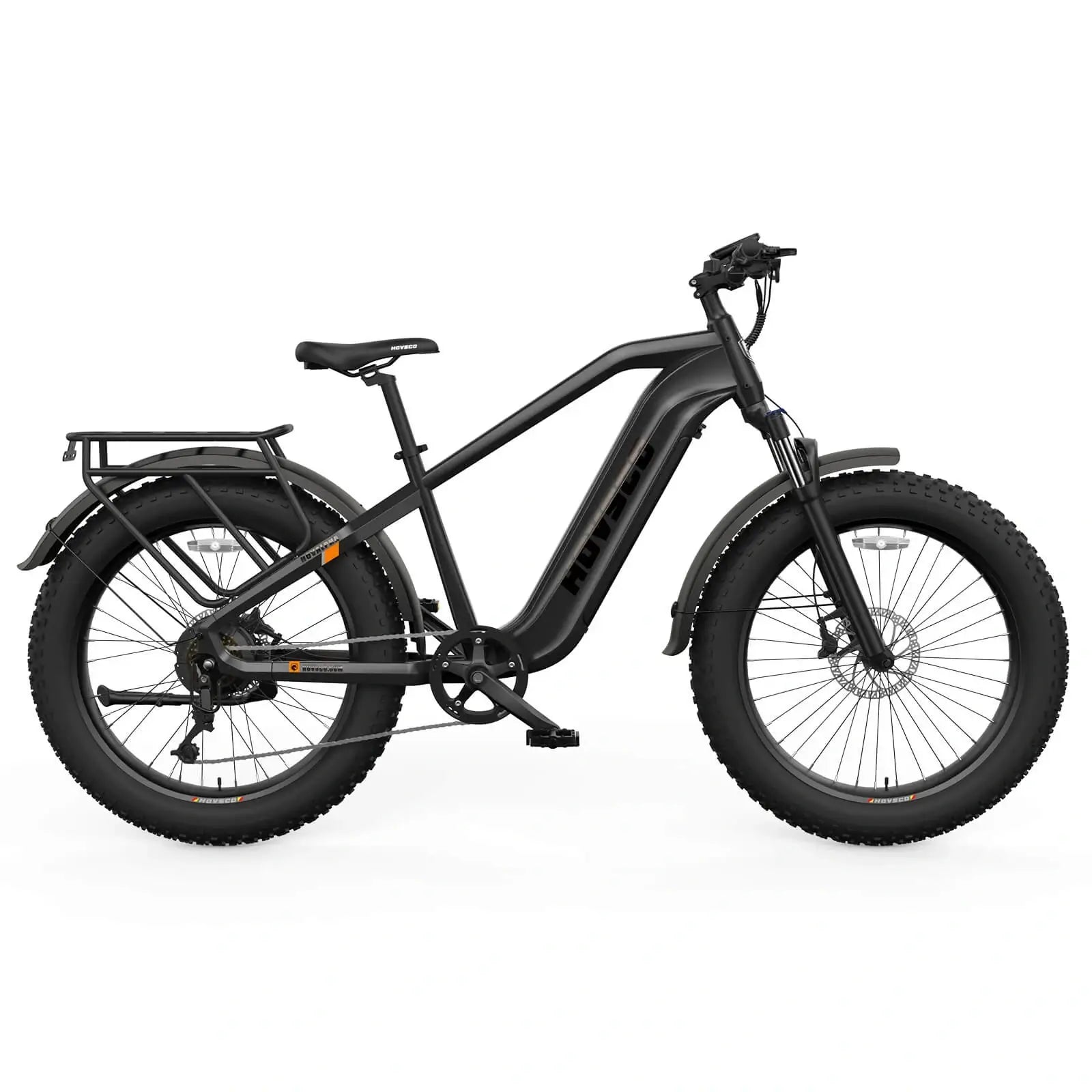
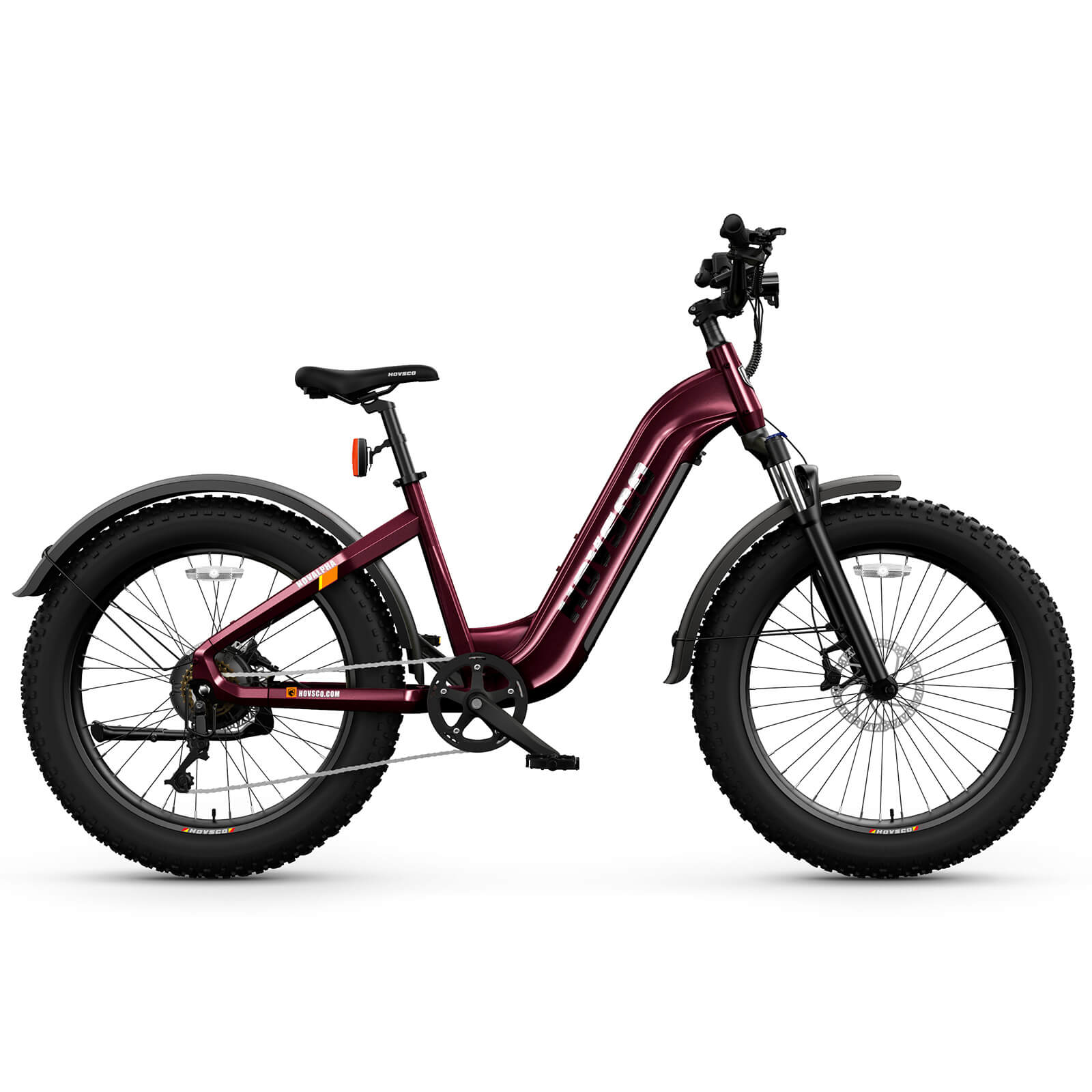
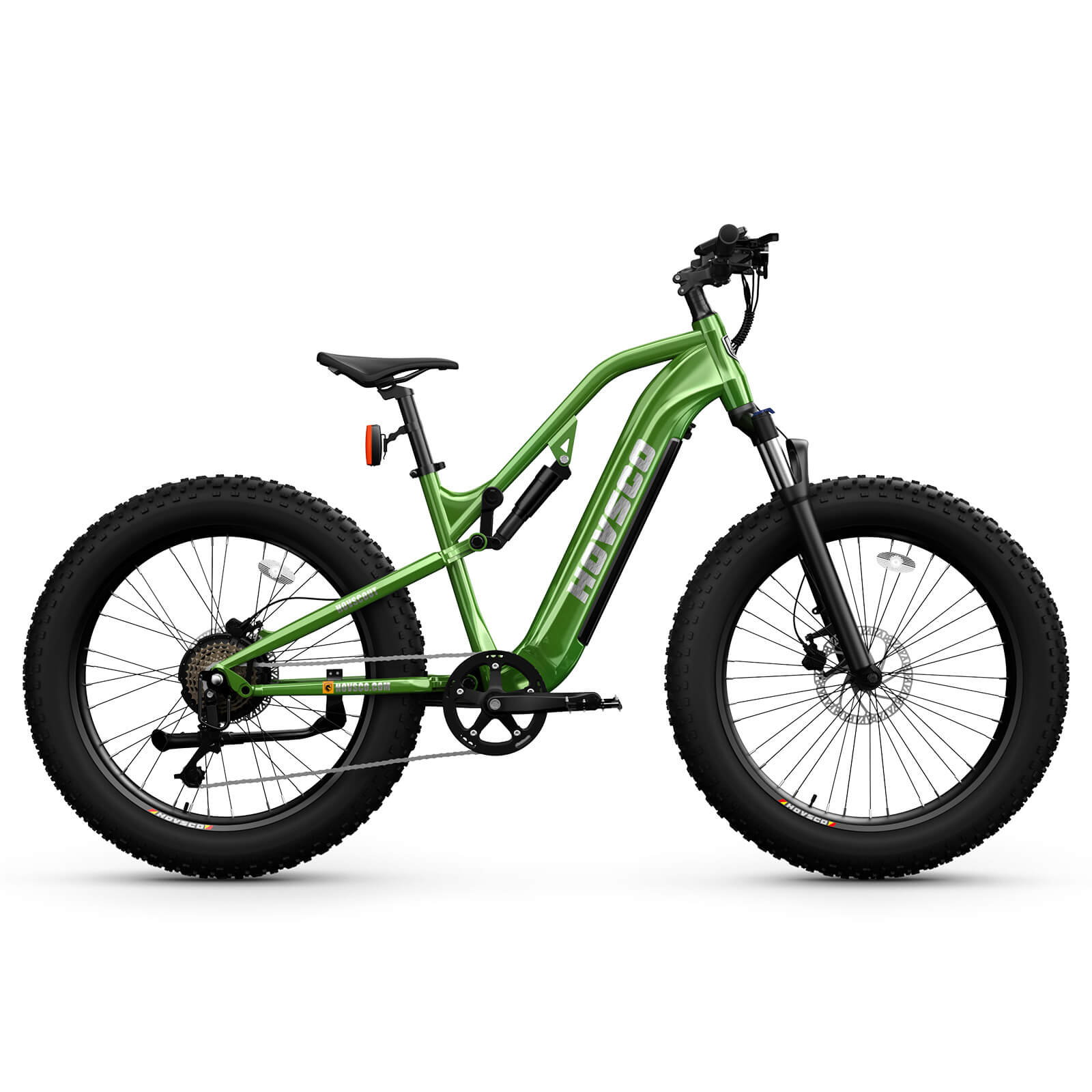
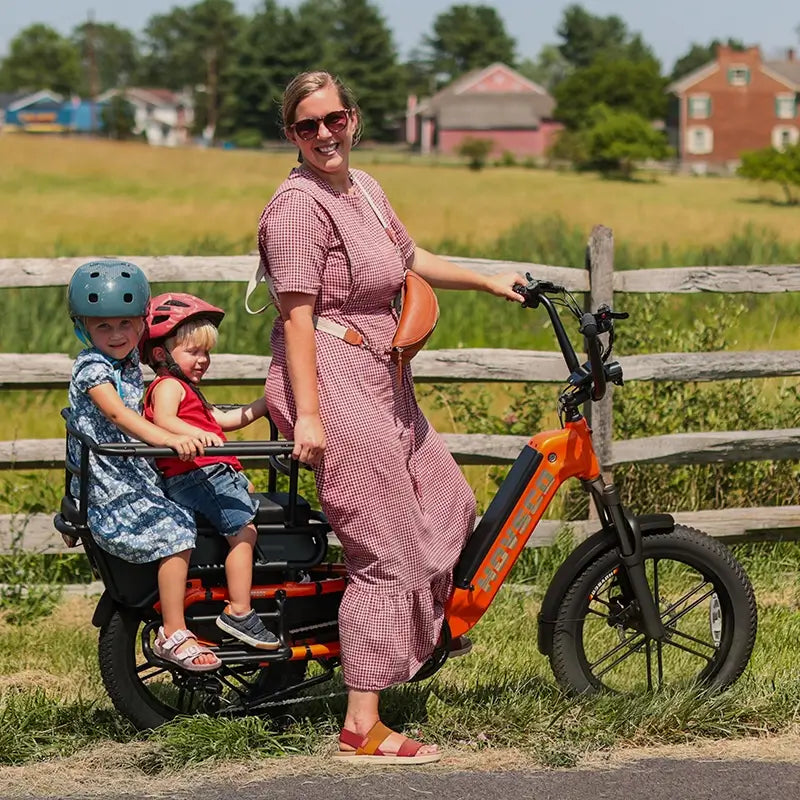
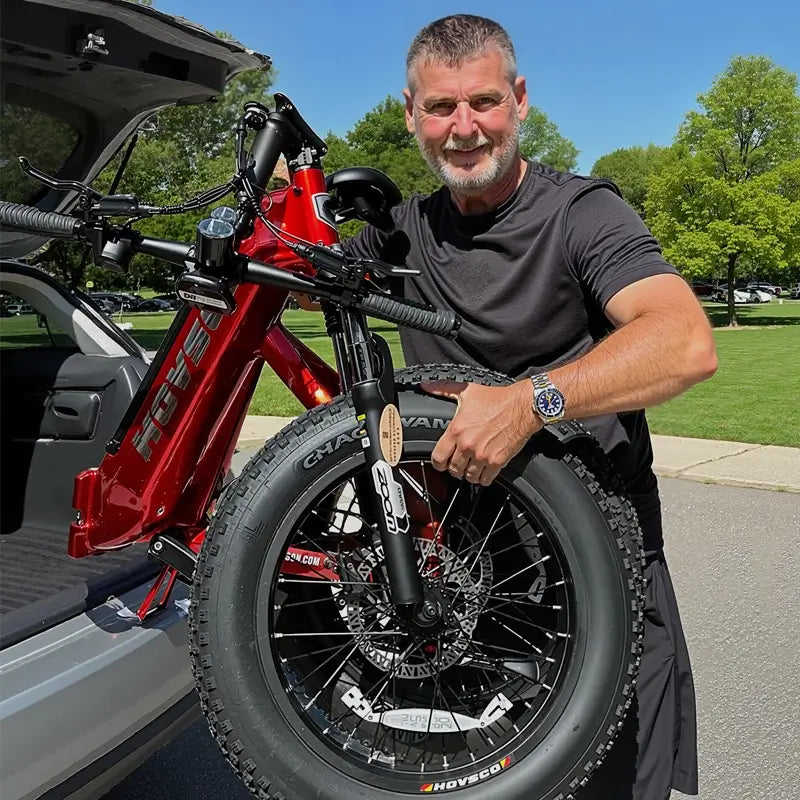
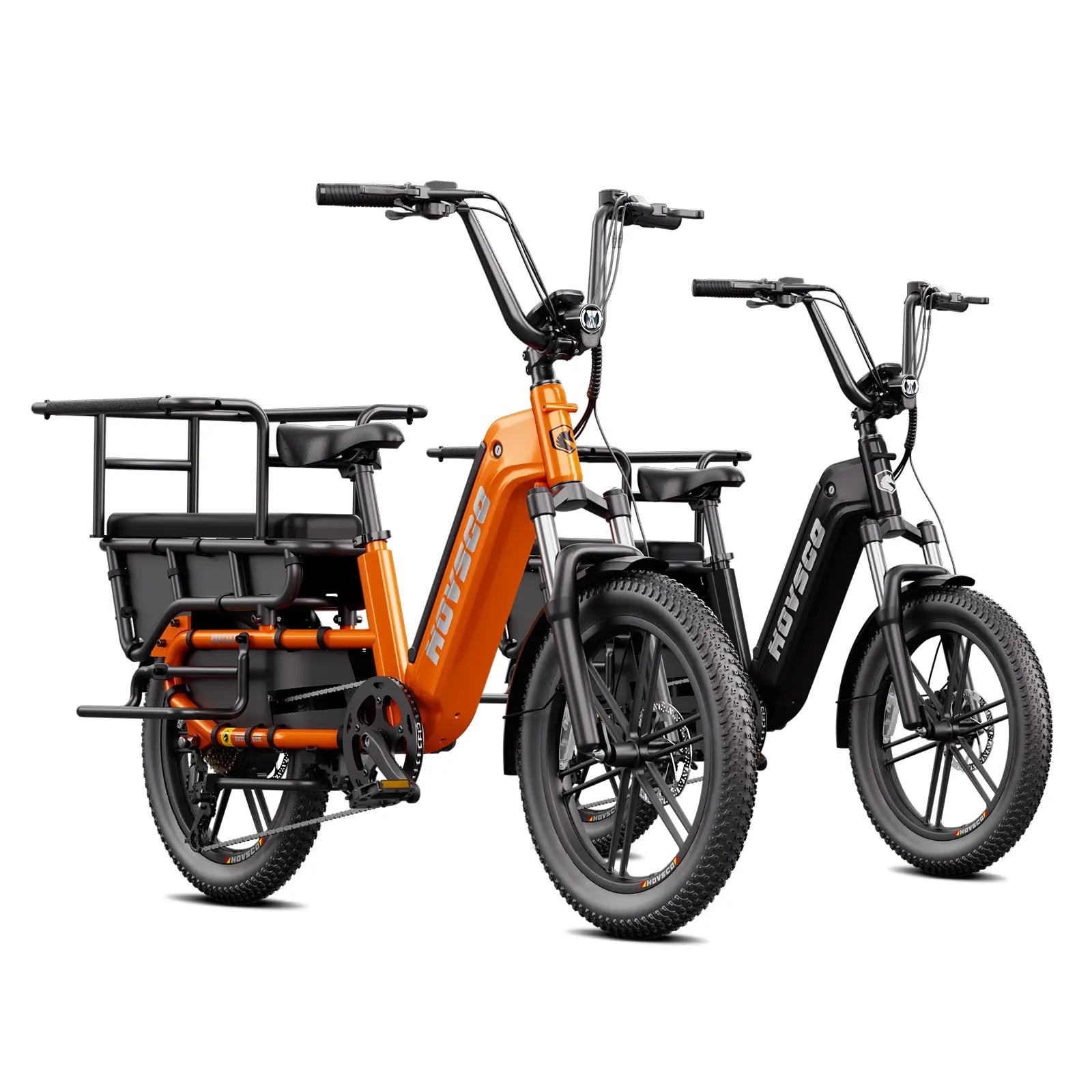
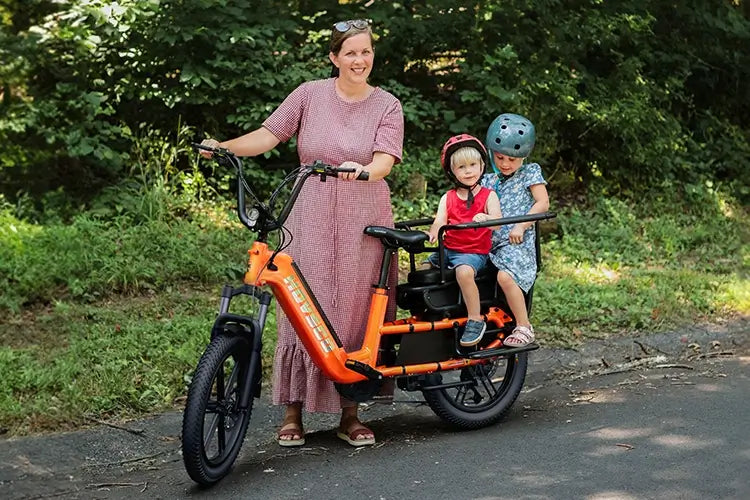
HOVSCO’s portfolio includes products designed to handle everything from steep trails to heavy loads, making it easier for riders to rely on clean electricity for more of their journeys. For example, a full-suspension fat-tire model can help outdoor enthusiasts reach trailheads and back without relying on combustion vehicles, while a family cargo bike can cover school runs and grocery trips with electric assistance. Together, these models help households build a holistic, renewable-friendly mobility stack instead of relying on a single large vehicle.
Accessories and complementary products such as racks, lighting, and comfort upgrades can further extend the utility of an e-bike-based lifestyle, allowing riders to handle varied tasks under different weather and road conditions. When paired with renewable charging strategies—such as home solar or green-tariff electricity—these bikes become key enablers of low-carbon living, rather than just recreational tools.
Assess your current trips. Map out your typical weekly journeys—commuting, errands, leisure—and identify which car or scooter trips are under 15 kilometers and could realistically be replaced by an e-bike. This helps target the highest-impact use cases first.
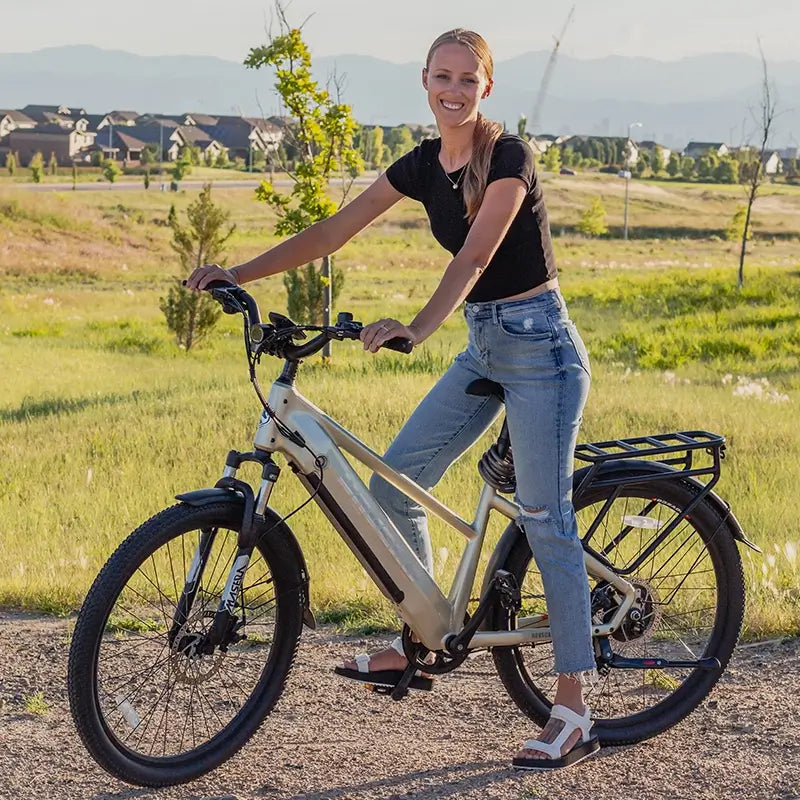
Match a HOVSCO model to your primary use case. Choose a cargo-style e-bike if you often carry children or groceries, or a full-suspension or all-terrain model if your routes include hills, trails, or rough pavement. Aligning the bike with your real terrain increases the likelihood that you will stick with it.
Plan your charging strategy. If you have access to rooftop solar or a workplace with daytime solar, schedule most charging sessions during high-production hours to maximize the share of renewable electricity in each charge. If not, look into grid options that prioritize cleaner generation or off-peak charging.
Integrate the e-bike into multi-modal routines. Combine HOVSCO rides with public transit, such as cycling to stations and parking securely, to extend the reach of rail or bus lines without needing a car. This reduces the number of situations where you feel forced back into fossil-fuel transport.
Set up safe, convenient storage and maintenance. Designate a stable indoor or sheltered area for your e-bike and charger and set a simple routine for checking tire pressure, brakes, and battery health. A consistent setup lowers friction and keeps the bike ready as your default transport choice.
Track progress and iterate. Monitor how many trips and kilometers you shift from car to bike over a month, and adjust your routes, accessories, or schedules based on real experience. This feedback loop helps you steadily integrate more renewable-powered mobility into your lifestyle.
Traditional approach
A city worker drives a gasoline car 8–10 kilometers each way, sitting in traffic, paying for parking, and facing variable fuel costs, even though much of the trip passes through congested but bikeable streets. Time lost in gridlock and stress from parking searches erode daily productivity.
With a HOVSCO e-bike
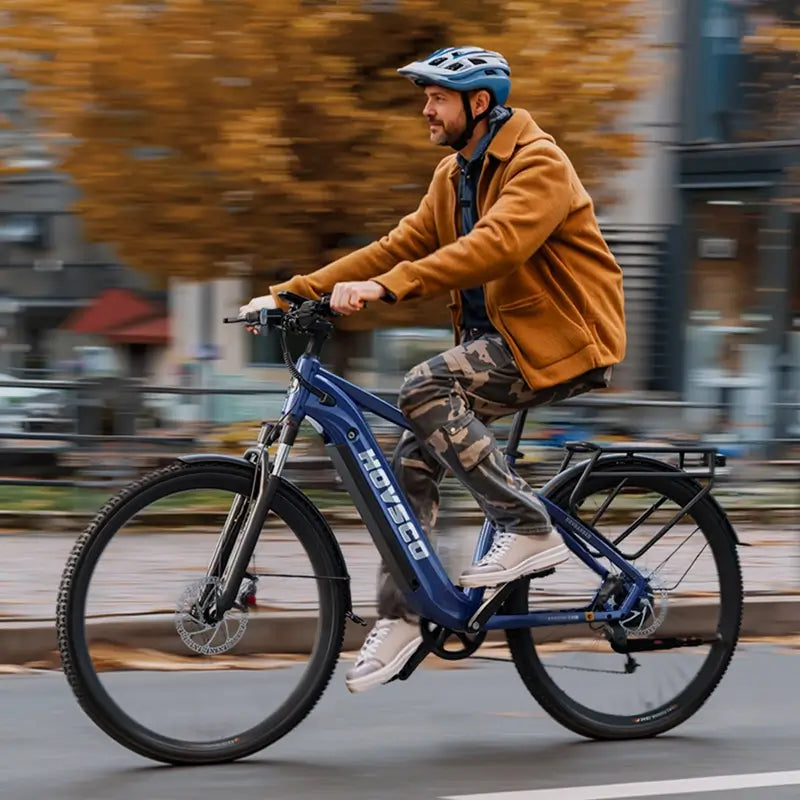
The commuter switches to a HOVSCO e-bike for the majority of workdays, using protected bike lanes and charging the bike with either home solar or cleaner grid electricity. They cut commuting time, avoid parking hassles, and turn a previously carbon-intensive routine into one aligned with renewable energy use.
Traditional approach
A family uses an SUV for school drop-offs, grocery runs, and weekend activities, even for short trips where most of the vehicle’s capacity sits unused. Fuel costs, parking, and emissions accumulate, and traffic adds stress to everyday routines.
With a HOVSCO cargo e-bike
A HOVSCO cargo-style e-bike allows the family to carry children, groceries, and bags on many local trips, replacing a significant share of short car journeys. Charged with a mix of renewable and low-carbon electricity, the bike transforms routine errands into low-emission, flexible rides while freeing the car for only longer or exceptional trips.
Traditional approach
Outdoor enthusiasts drive long distances to trailheads or parks, often using off-road capable vehicles, burning fuel simply to reach the starting point of their activities. This undermines the environmental benefits they seek from nature-oriented lifestyles.
With a HOVSCO full-suspension e-bike
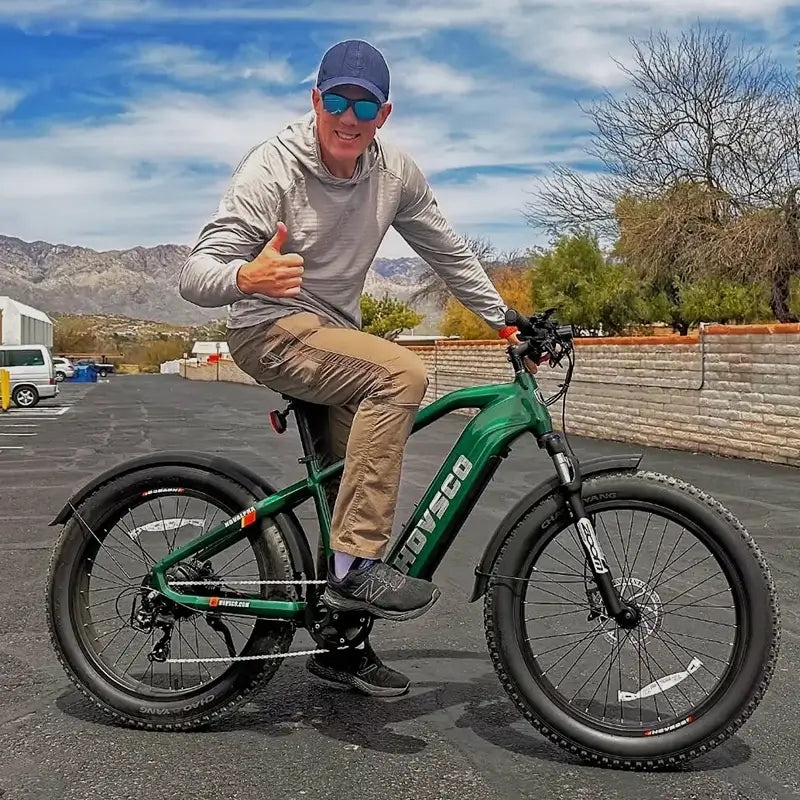
Using a HOVSCO full-suspension or fat-tire model, riders can reach many trails directly from home or from nearby public transit nodes, powered entirely by electricity. They spend more time riding and less time driving, aligning their recreation with renewable-powered mobility while still enjoying performance and range.
How do HOVSCO e-bikes support renewable energy integration in daily life?
HOVSCO e-bikes let riders convert renewable or low-carbon electricity into practical trips, replacing many short car journeys that would otherwise rely on gasoline. By aligning charging times with solar or off-peak periods, users can significantly increase the share of clean power behind their mobility.
Can I charge a HOVSCO e-bike using home solar panels?
Yes, as long as your household has an appropriate inverter and electrical setup, you can charge a HOVSCO e-bike battery using energy produced by rooftop solar, either directly during the day or via stored energy. This turns your bike into a highly efficient way to convert self-generated electricity into mobility.
What is the best renewable energy integration strategy for commuters using HOVSCO e-bikes?
Many commuters benefit from charging their e-bikes at home during midday solar peaks or at night when grid demand is lower, then using the stored energy for morning and evening rides. Combining HOVSCO e-bikes with public transit can further reduce the need for car use, maximizing the impact of renewable-powered mobility.
Are HOVSCO e-bikes suitable for replacing car trips in hilly or mixed-terrain areas?
HOVSCO’s high-performance models, including full-suspension and fat-tire options, are designed to handle hills and varied surfaces with strong motor support and stable handling. This enables riders in mixed-terrain regions to still rely on electric bikes, even where traditional bicycles might feel limiting.
How does renewable energy integration with e-bikes compare to owning an electric car?
Electric cars can significantly reduce tailpipe emissions but are larger, heavier, and require more energy per kilometer than e-bikes. In contrast, HOVSCO e-bikes use far less electricity per trip and can be easier to power entirely from home solar or small-scale renewable sources, making them a highly efficient complement or alternative.
What maintenance considerations affect the sustainability of HOVSCO e-bikes?
Regularly checking tire pressure, brakes, and drivetrain health keeps HOVSCO e-bikes efficient, ensuring they turn as much of each charge as possible into forward motion rather than friction or losses. Proper battery care—avoiding extreme temperatures and deep discharges—also extends component lifespan, reducing the environmental footprint associated with replacements.
In 2026, the alignment between renewable energy and everyday mobility has become a crucial lever for cities and households aiming to cut emissions without sacrificing convenience. E-bikes like those from HOVSCO bridge the gap between ambitious climate goals and real-world routines, translating cleaner electricity into tangible changes in how people move, work, and play. By integrating these bikes thoughtfully into daily life, riders can unlock meaningful environmental and lifestyle benefits with relatively simple changes to their habits.
To turn renewable energy integration from a policy goal into a daily habit, start with the trips you take most often and imagine them electric, compact, and quiet. Explore Hovsco’s range of cargo and multi‑scenario e‑bikes to find the model that can replace the largest share of your car kilometers, then align your charging with the cleaner grid that is rapidly emerging around you. As a fast‑growing e‑mobility brand focused on performance and real‑world versatility, Hovsco helps households and businesses transform clean electricity into practical, low‑carbon movement—one ride at a time.
HOVSCO — About Us (2024)
HOVSCO — Collections (2023)
HOVSCO — HovAlpha 26" Electric Fat Bike (2023)
HOVSCO — What Makes Us HOVSCO? (2025)
Trustpilot — HOVSCO Reviews (2025)
Share:
Urban Traffic Decongestion: How HOVSCO E‑Bikes Unlock City Mobility
E-Bike Battery Safety: How HOVSCO Riders Stay Protected