


![[ New Arrival ] Porto Max Electric Scooter For Commute & Grocery Shopping - HOVSCO](http://www.hovsco.com/cdn/shop/files/PotroMax-3.jpg?v=1706927007&width=1200)
- by EO S
LTO to Impose E-Bike Ban on National Highways Starting December 1
- by EO S
E-Bikes
Accessories
 Free Shipping
 15-Day Returns
 2-Year Warranty
Free Shipping
15-Day Returns
2-Year Warranty
2-Year Warranty
Free Shipping
15-Day Returns
2-Year Warranty
Starting December 1, 2025, the Land Transportation Office (LTO) will begin enforcing a nationwide e-bike ban on National Highways. E-bikes operating without proper registration will be impounded, posing significant challenges for riders. This move aims to ensure road safety by regulating Light Electric Vehicles (LEVs) and promoting responsible usage among operators.
The LTO’s crackdown on e-bikes stems from growing concerns about road safety. As e-bike use has surged, many operators lack proper registration, licenses, and basic traffic knowledge. This has led to increased accidents, as unregistered riders have not adhered to traffic rules. To address these concerns, the LTO has made it clear that from December 1, 2025, all e-bikes found on National Highways will be impounded, and stricter enforcement will follow.
The National Highways affected by the ban include major roads such as MacArthur Highway, Maharlika Highway, EDSA, and A. Bonifacio Avenue. These highways are crucial for intercity and regional connectivity, and the LTO has identified them as areas that require tighter regulations. Vehicles operating on these roads must adhere to proper registration and safety protocols.
Although the current ban applies specifically to National Highways, the LTO plans to extend it to secondary roads in the near future. Riders operating e-bikes on secondary roads will be informed through an awareness campaign before the full implementation of the policy. The LTO is gradually introducing stricter rules across all public roads to enhance safety for all road users.
Yes, the ban is in line with RA 11697, also known as the Electric Vehicle Industry Development Act (EVIDA). This law explicitly restricts the operation of LEVs weighing less than 50 kilograms on public roads. The LTO’s enforcement of this law is part of a broader effort to regulate e-bikes and other electric vehicles. The regulation aims to create a safer environment for cyclists and motorists alike.
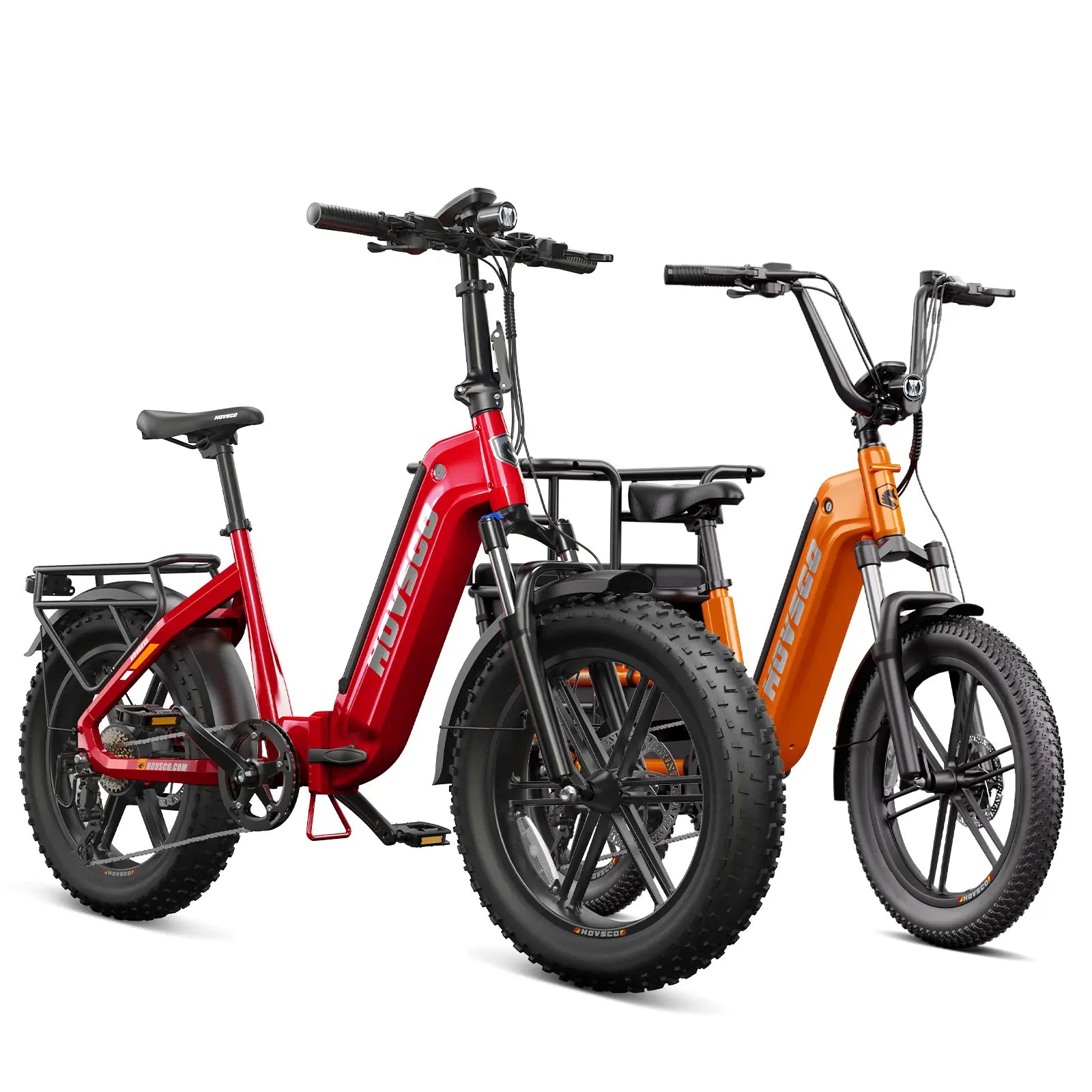
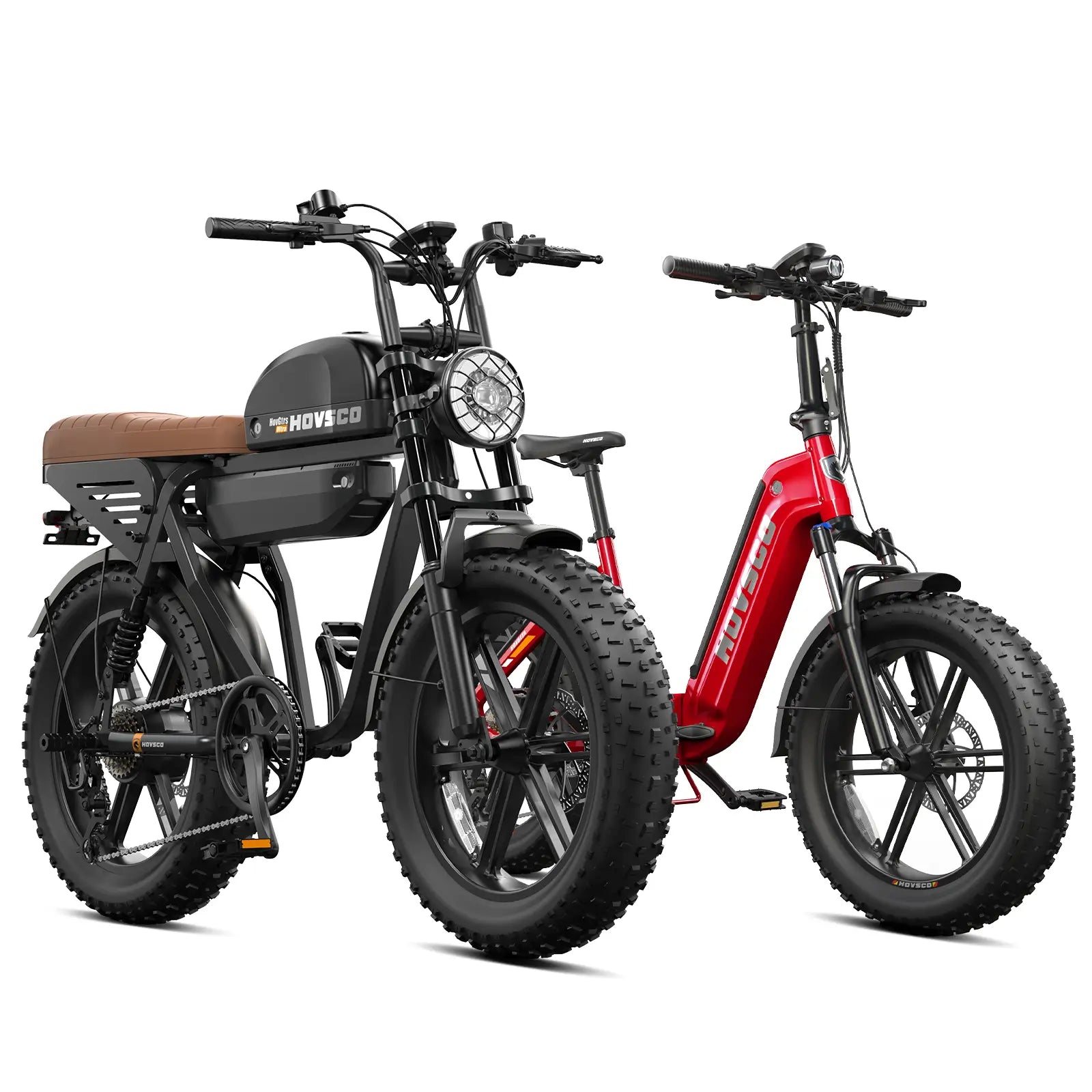
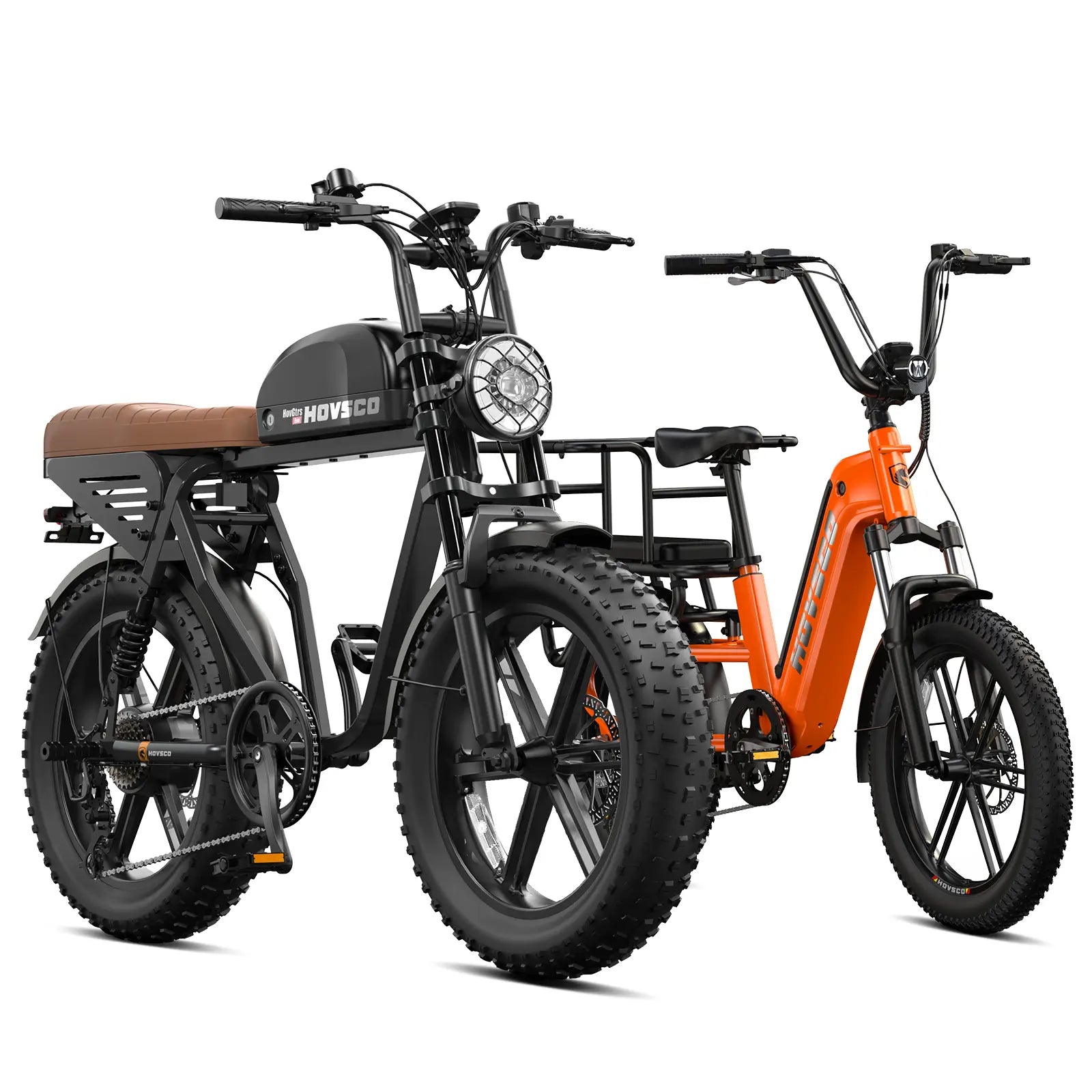
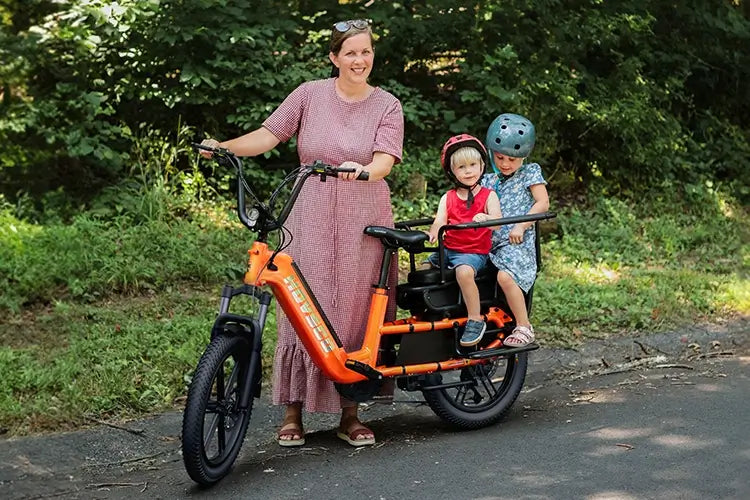
Yes, the ban will significantly affect both e-bike manufacturers and users. Manufacturers like HOVSCO, which provide high-quality e-bikes for various needs, may need to revise their designs and ensure that their models comply with the new regulations. Users may face challenges in terms of registration and licensing, which could impact how they use their e-bikes on public roads.
"HOVSCO has always supported safe and responsible e-bike usage, and we believe that regulatory efforts like these can help improve the overall cycling environment. It's essential for riders to stay informed about legal requirements, including registration and licensing, to continue enjoying the benefits of e-biking while ensuring safety on the roads."
– HOVSCO Expert
The upcoming crackdown on e-bikes highlights the importance of adhering to traffic regulations for the safety of all road users. Riders are encouraged to ensure that their e-bikes are properly registered and that they are fully aware of the legal requirements. By doing so, they can continue to enjoy the benefits of electric biking while contributing to safer roads for everyone.
1. When does the LTO e-bike ban start?
The e-bike ban on National Highways will begin on December 1, 2025.
2. What happens if I get caught riding an unregistered e-bike?
Your e-bike will be impounded if it is found operating on a National Highway without proper registration.
3. Does the e-bike ban apply to all public roads?
Currently, the ban applies to National Highways, but the LTO plans to extend it to secondary roads soon.
4. Can e-bike riders still use their bikes after the ban?
Riders must ensure their e-bikes are registered and comply with traffic laws to use them legally.
5. Will the new e-bike regulations impact manufacturers like HOVSCO?
Yes, manufacturers must ensure their e-bikes meet regulatory standards, ensuring a smooth transition for riders and businesses.
Share:
2026 Electric Bike Law Changes You Need to Know
2026 Electric Bike Law Changes You Need to Know