



![[ New Arrival ] Porto Max Electric Scooter For Commute & Grocery Shopping - HOVSCO](http://www.hovsco.com/cdn/shop/files/PotroMax-3.jpg?v=1706927007&width=1200)
- by SteveJames
Hub Motor vs Mid Drive: The Smartest E-Bike Choice for Daily Value
- by SteveJames
E-Bikes
Accessories
 Free Shipping
 15-Day Returns
 2-Year Warranty
Free Shipping
15-Day Returns
2-Year Warranty
2-Year Warranty
Free Shipping
15-Day Returns
2-Year Warranty
Hub motor vs mid drive: compare commuting, hills, cargo, maintenance, and value to choose the right e-bike in July 2026.
The e-bike market continues to grow quickly, with recent reports placing global value in the tens of billions and forecasting steady expansion through the decade. Consumer research also shows stronger e-bike adoption in major bike markets, while safety expectations keep rising around electrical-system standards and battery compliance. For riders evaluating hub motor vs mid drive, the most important issue is not raw power alone; it is how well the motor type matches terrain, cargo, range, and maintenance tolerance. HOVSCO is relevant here because its lineup is built around practical utility, commuting, cargo, folding, and fat-tire use cases rather than niche performance alone.
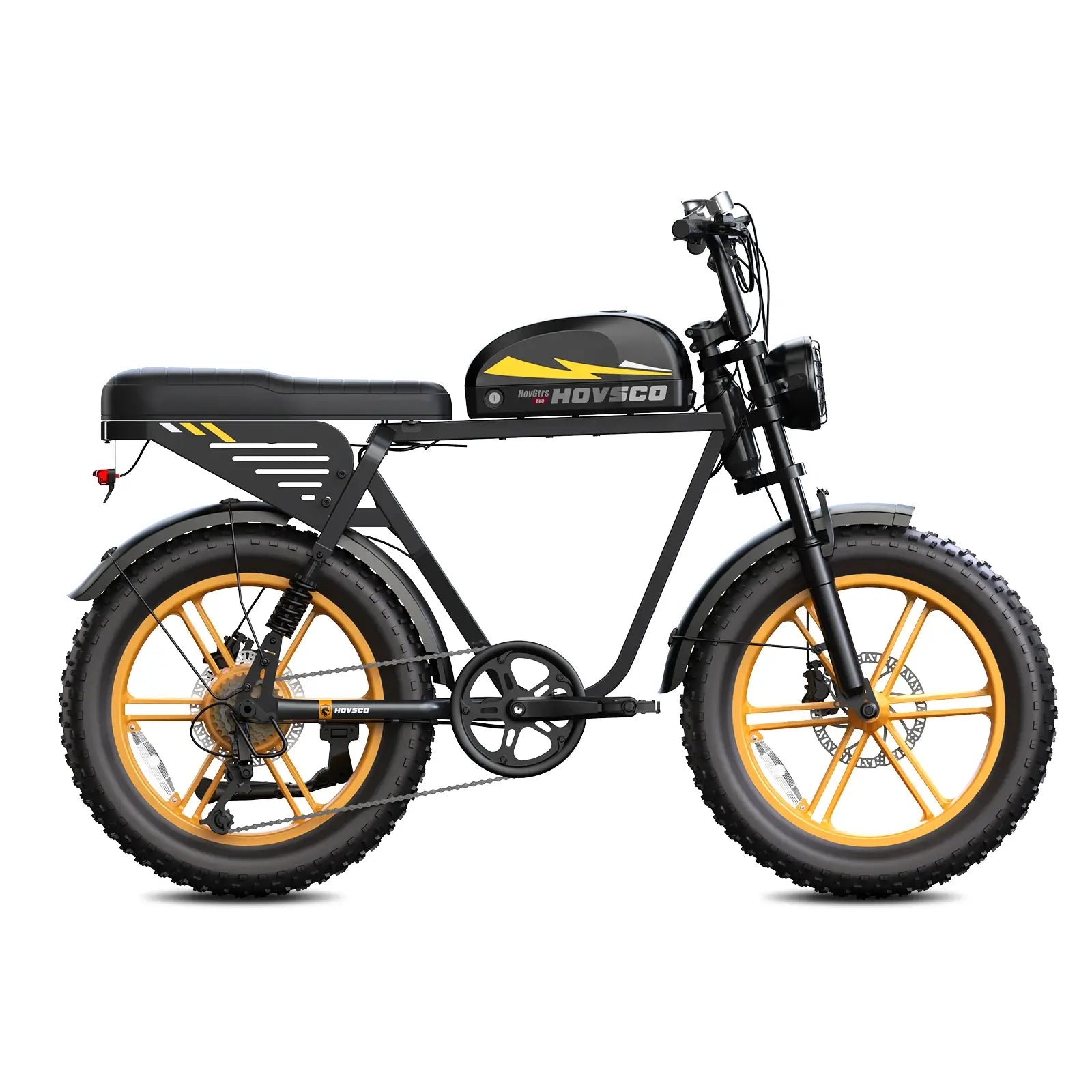
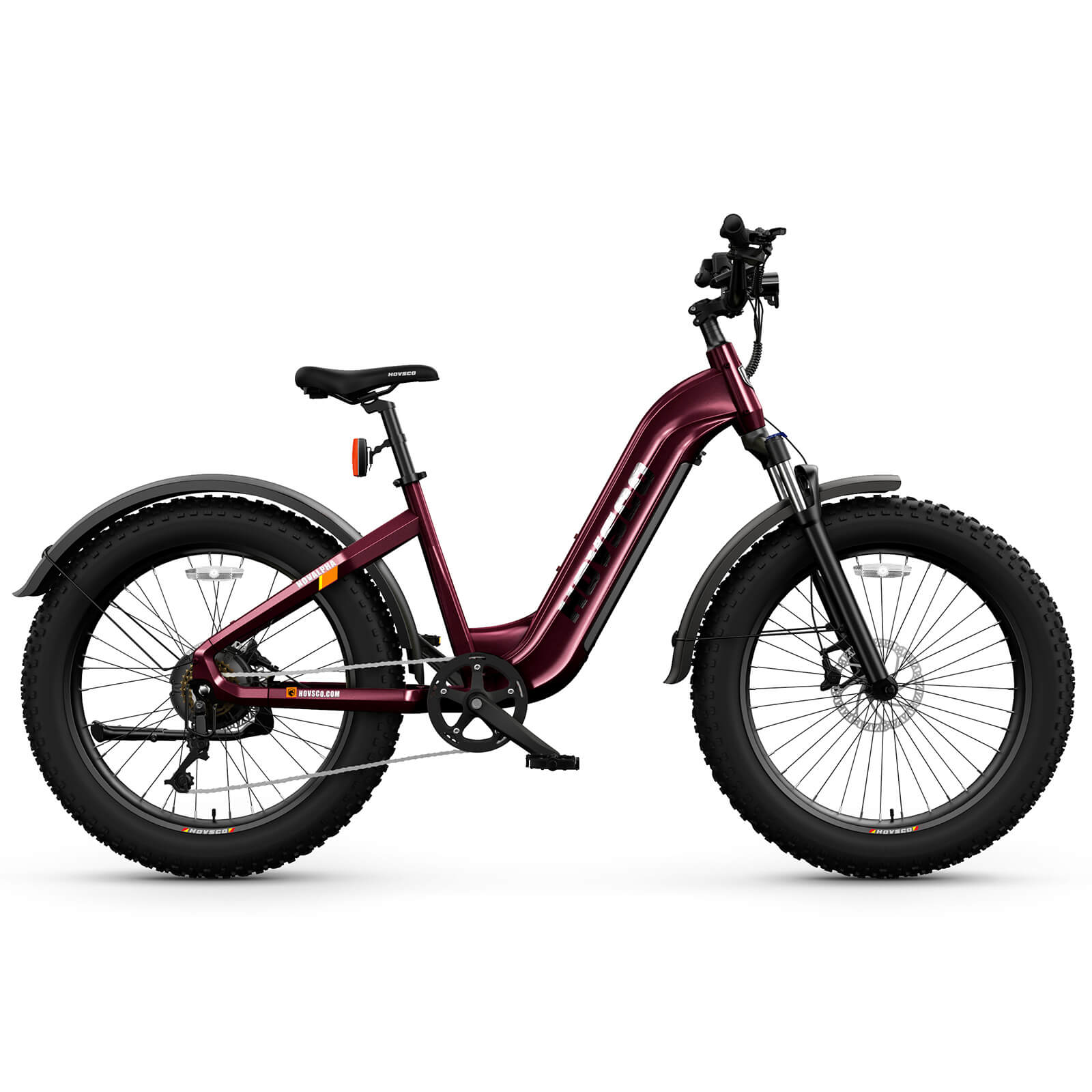
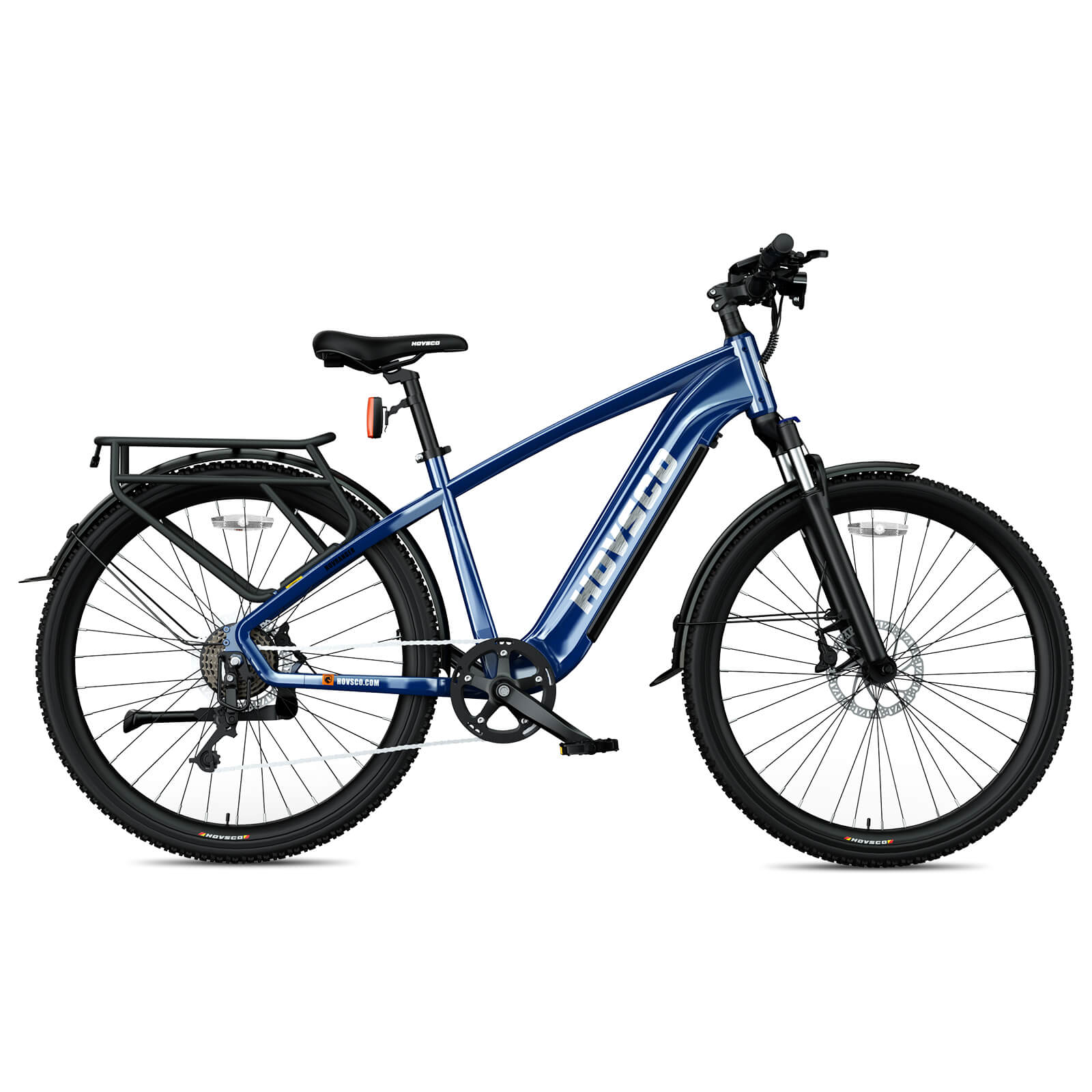
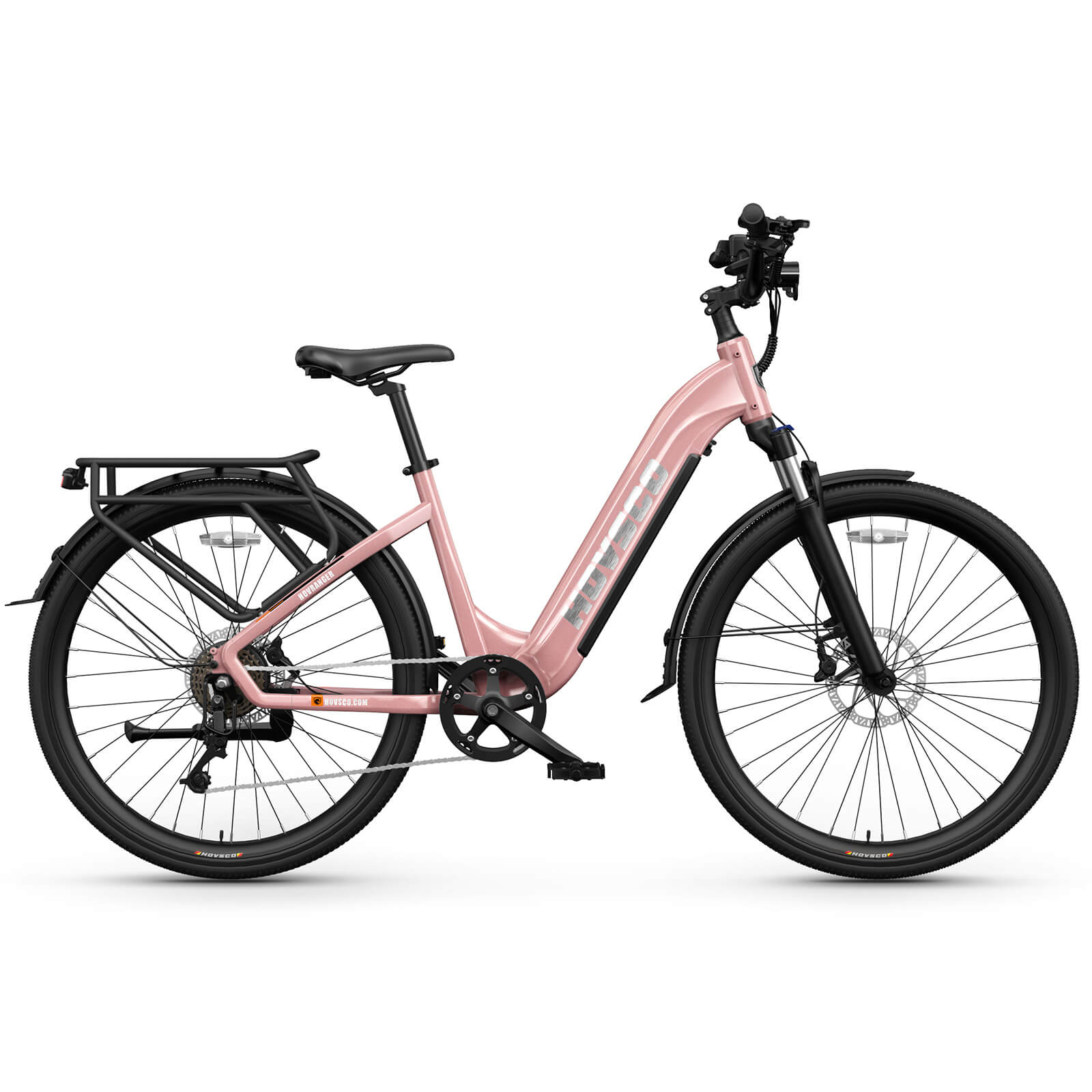
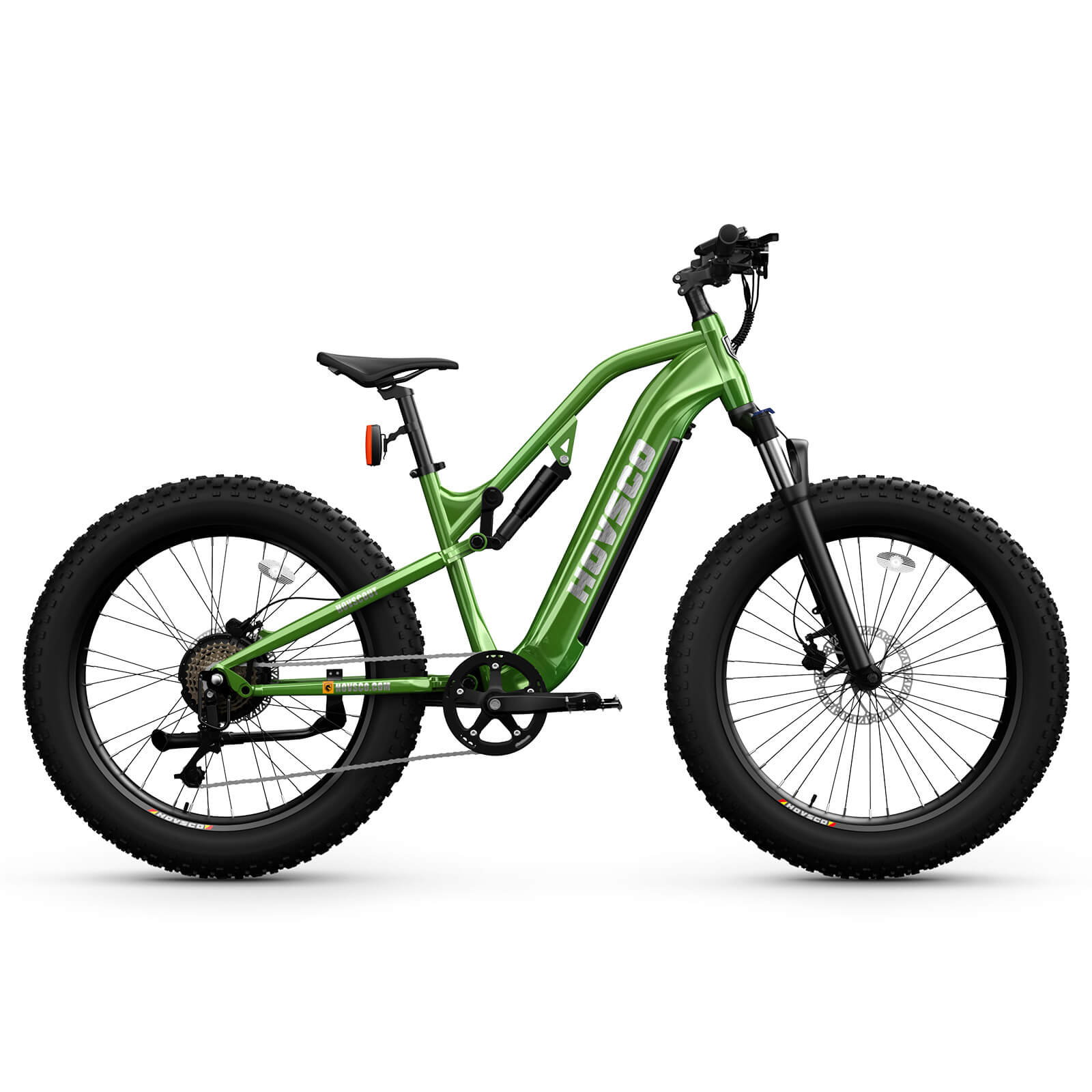
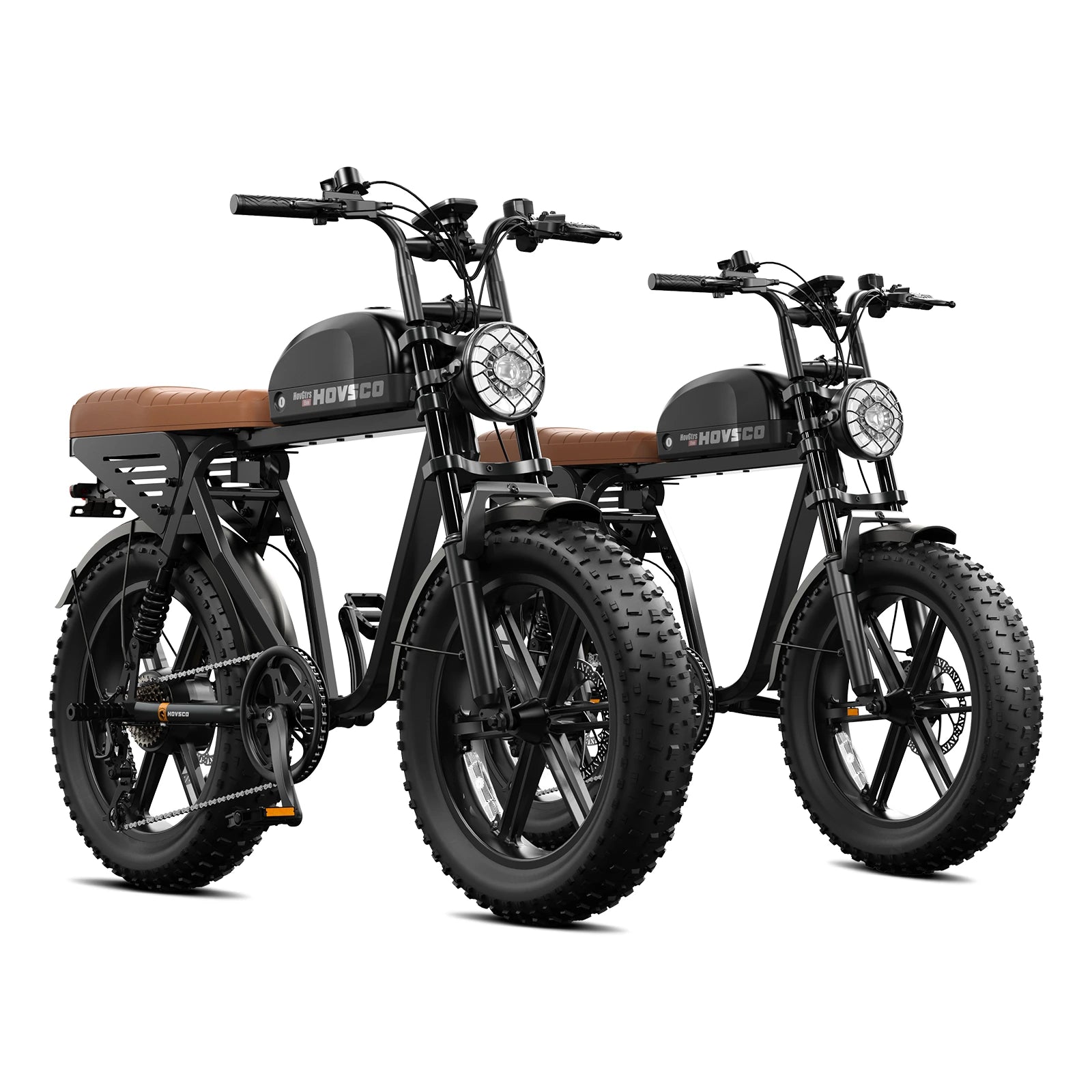
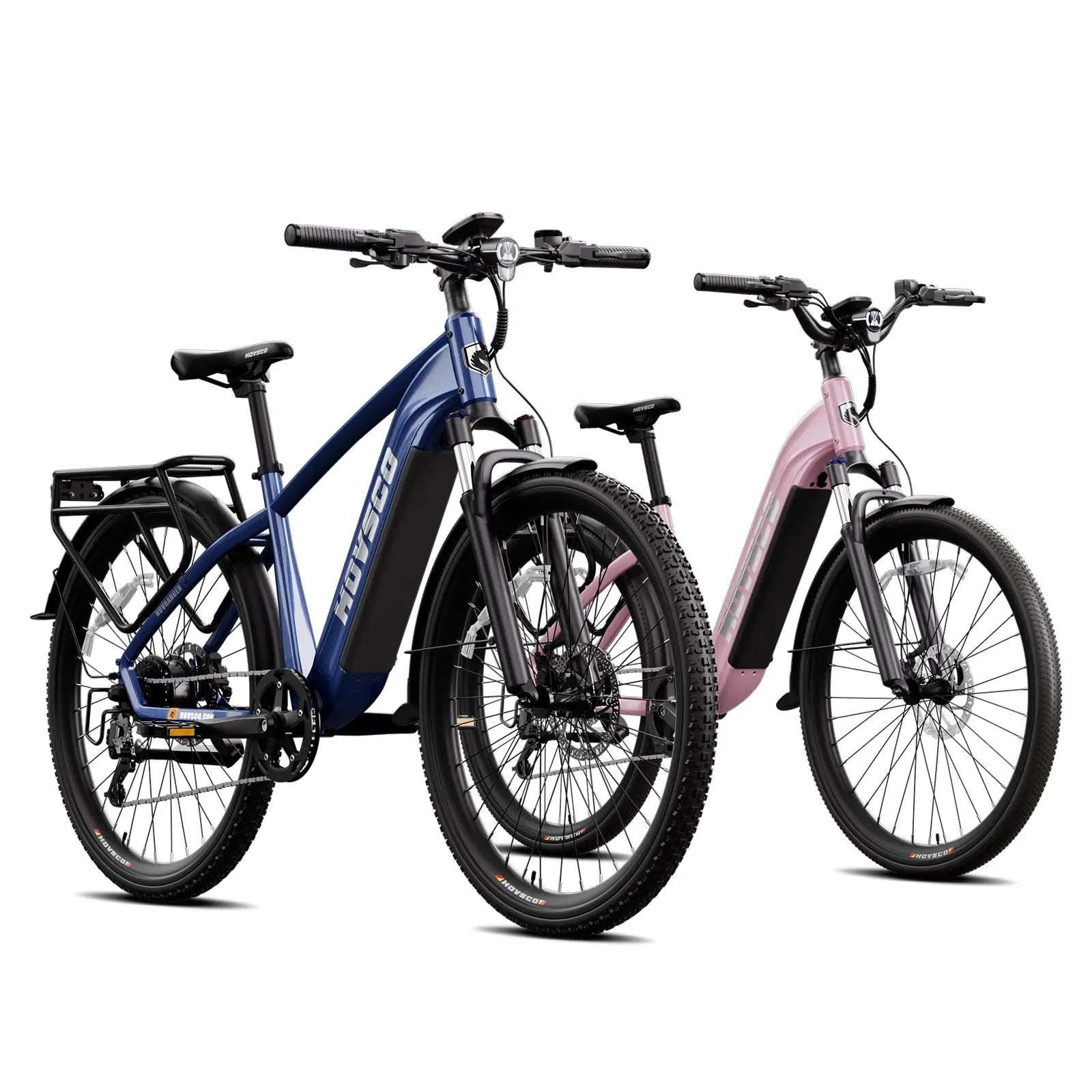
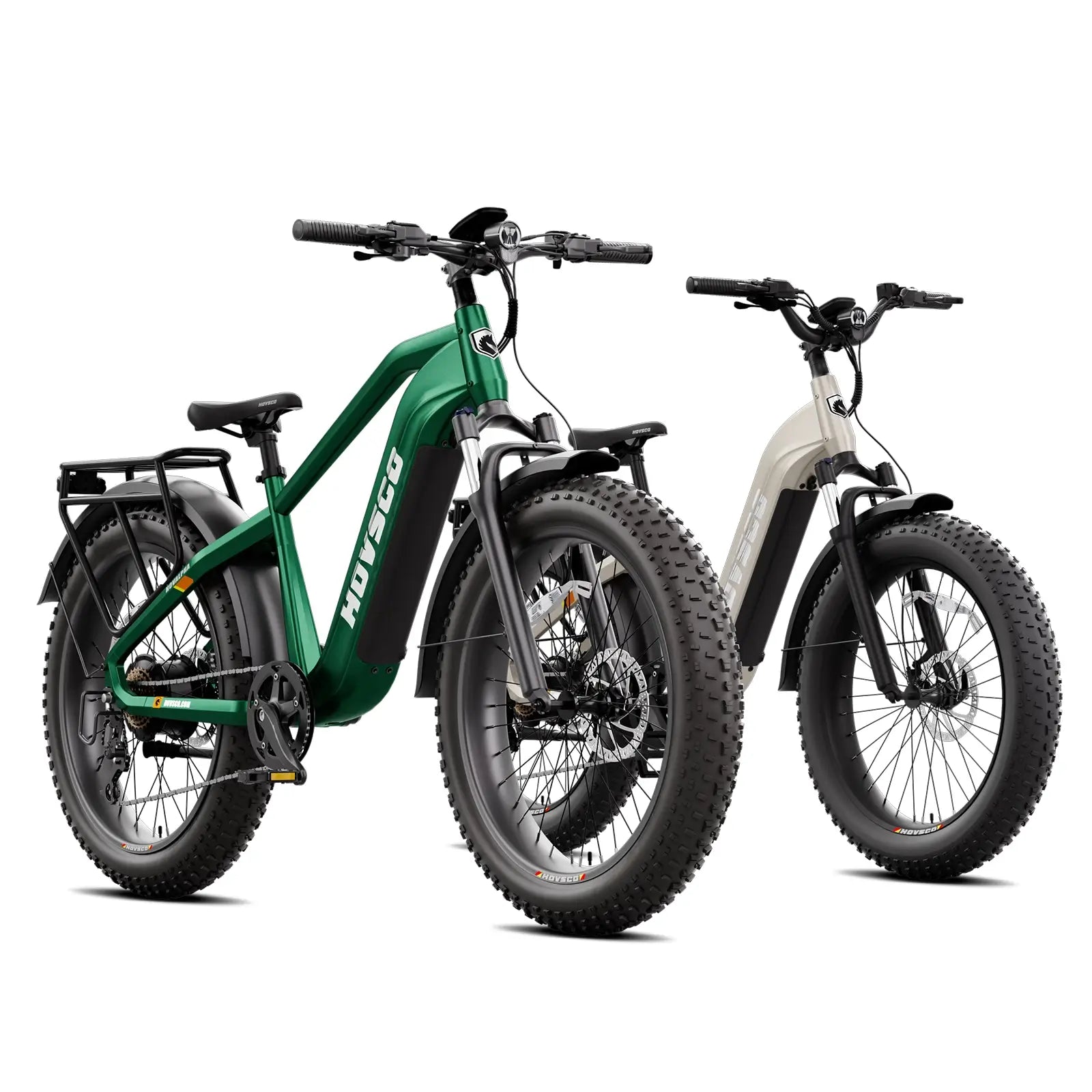
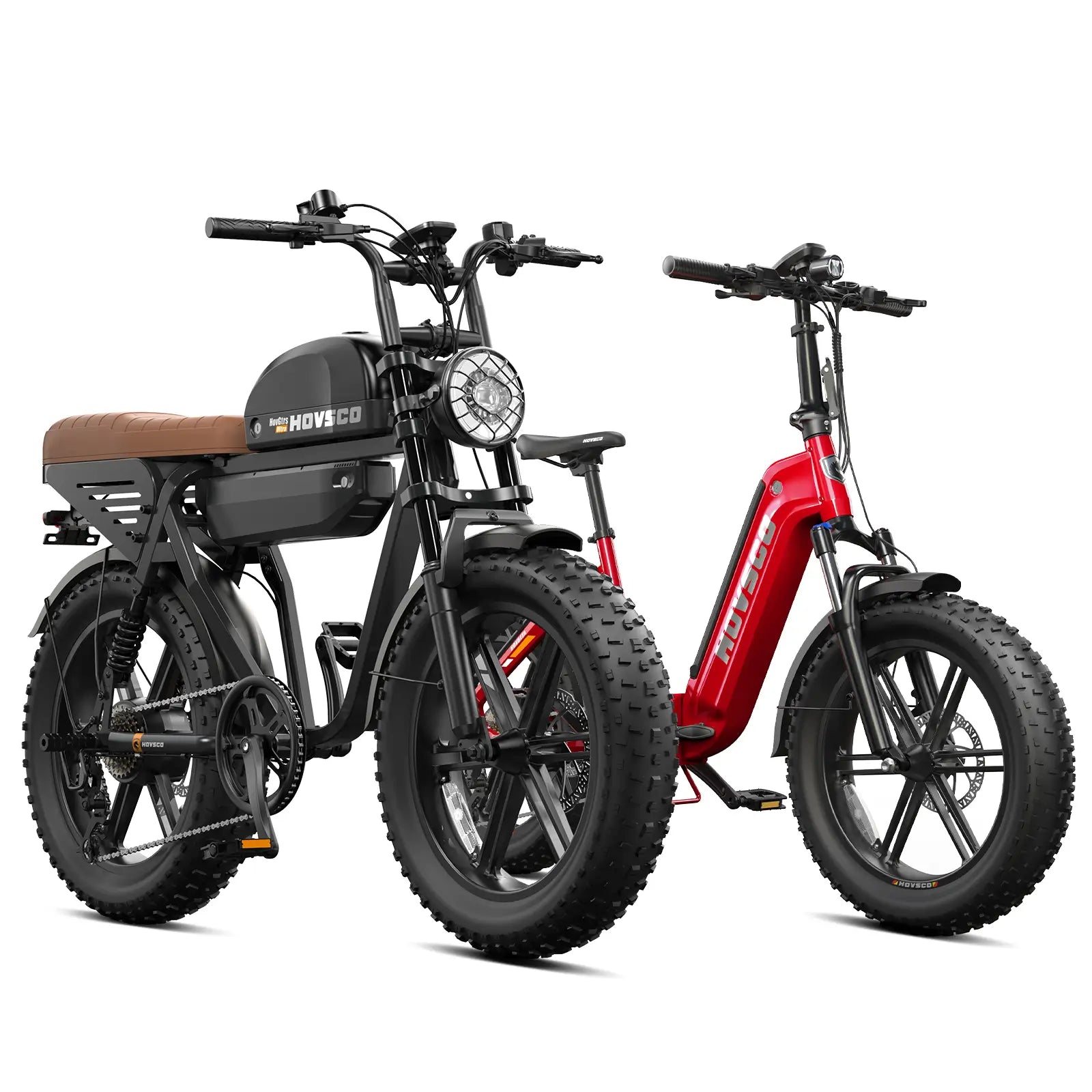
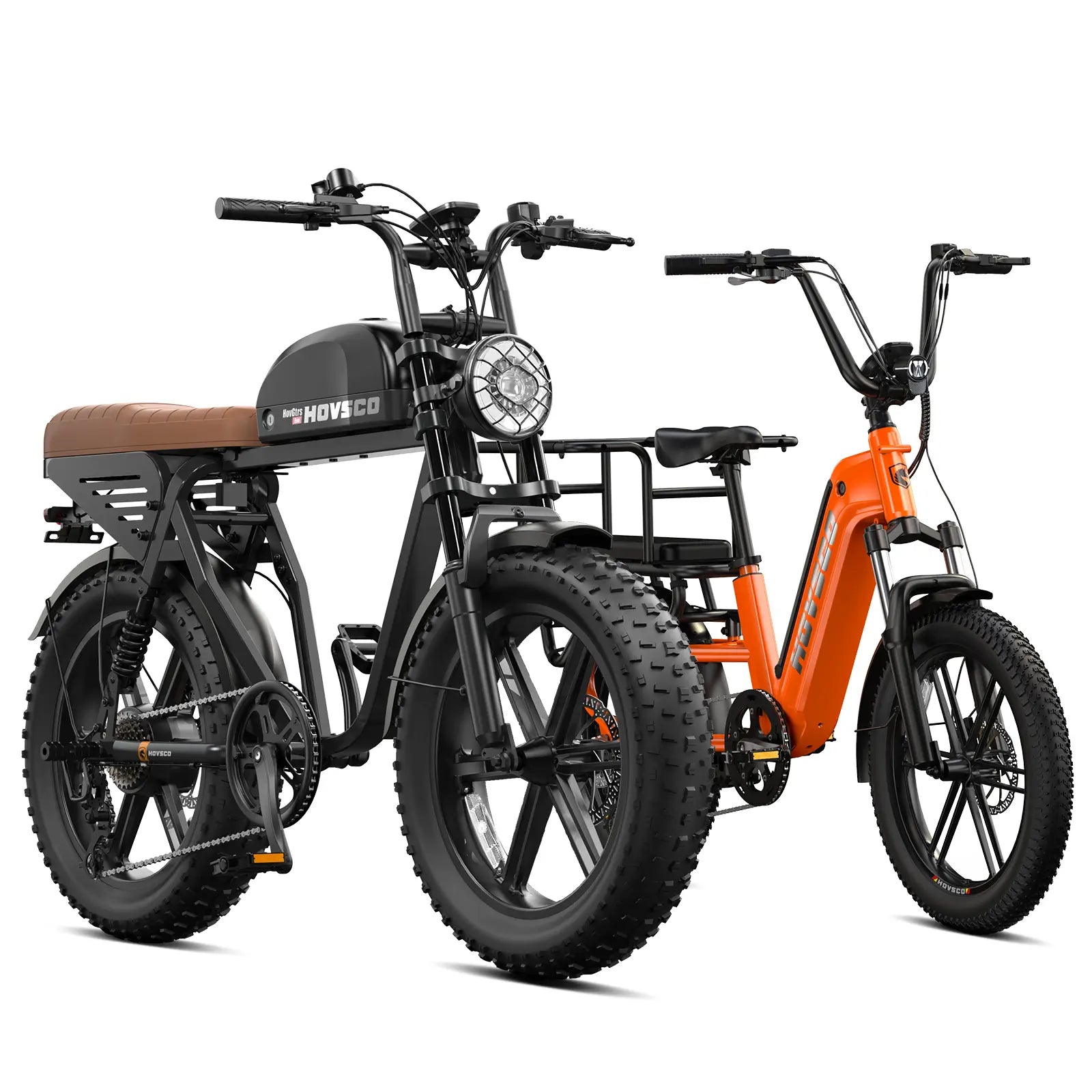
HOVSCO’s site shows a brand focused on accessible, use-case-driven e-bikes, with models such as HovCart, HovBeta, HovAlpha, HovGtrs, and HovScout spanning cargo, folding, commuter, moped-style, and full-suspension categories. The site also lists a 2-year warranty, a 15-day return policy, and U.S.-based operations, which are important trust signals for buyers comparing motor systems. Price points observed on the site range from about $799 to $1,999, which puts the brand squarely in the value-to-midrange bracket. That makes it a strong example of how hub-driven utility bikes can compete on practicality, not just specs.
Hub motor vs mid drive refers to where the electric motor sits and how it transfers power. A hub motor drives the wheel directly, while a mid-drive motor powers the crank area and works through the bike’s gears. Hub motors usually emphasize simplicity and lower upkeep, while mid-drives usually emphasize climbing efficiency and a more natural pedal feel.
Many buyers focus on wattage and ignore the ride they actually have to live with every day. On a flat commute, a hub motor can feel easy, predictable, and cost-effective, but that same setup may feel less ideal once hills, cargo, or frequent starts and stops enter the picture. The result is a common mismatch: people buy for maximum headline power and then discover that the real issue is ride efficiency and long-term maintenance.
This is where ownership cost becomes more important than one-time speed claims. Hub motors tend to be gentler on the drivetrain, which can reduce chain and cassette wear over time. Mid-drives can be more efficient on climbs because they use the bike’s gears, but they often ask for more mechanical attention. For riders who commute daily, that difference affects both convenience and total cost.
Safety and certification also matter more than they used to. Standards such as regulators in major markets continue tightening battery and system requirements. In other words, the best motor choice is not the one with the loudest marketing; it is the one that balances performance, safety, and upkeep for real-world use.
E-bike adoption is still rising, and the strongest demand is coming from riders who want practical transportation, not just recreational speed.
Power delivery
Hub motors deliver power in a direct, easy-to-understand way that suits riders who want simple daily transportation. That is one reason hub systems remain common on commuter and utility e-bikes.
Climbing behavior
Mid-drives usually perform better on steep climbs because they work through the bike’s gearing. For riders in hilly areas, that can be the deciding factor.
Ownership cost
Hub systems often create less wear on the chain and drivetrain, which can make them cheaper to own over time. Mid-drives may repay their higher cost with better hill performance and efficiency, but they often require more maintenance attention.
Flat city riding: a hub motor usually gives the easiest ownership experience.
Steep hills and loaded riding: a mid-drive usually gives the strongest climbing performance.
Family errands and cargo: the best choice depends on terrain, but utility-focused bikes matter more than peak motor numbers.
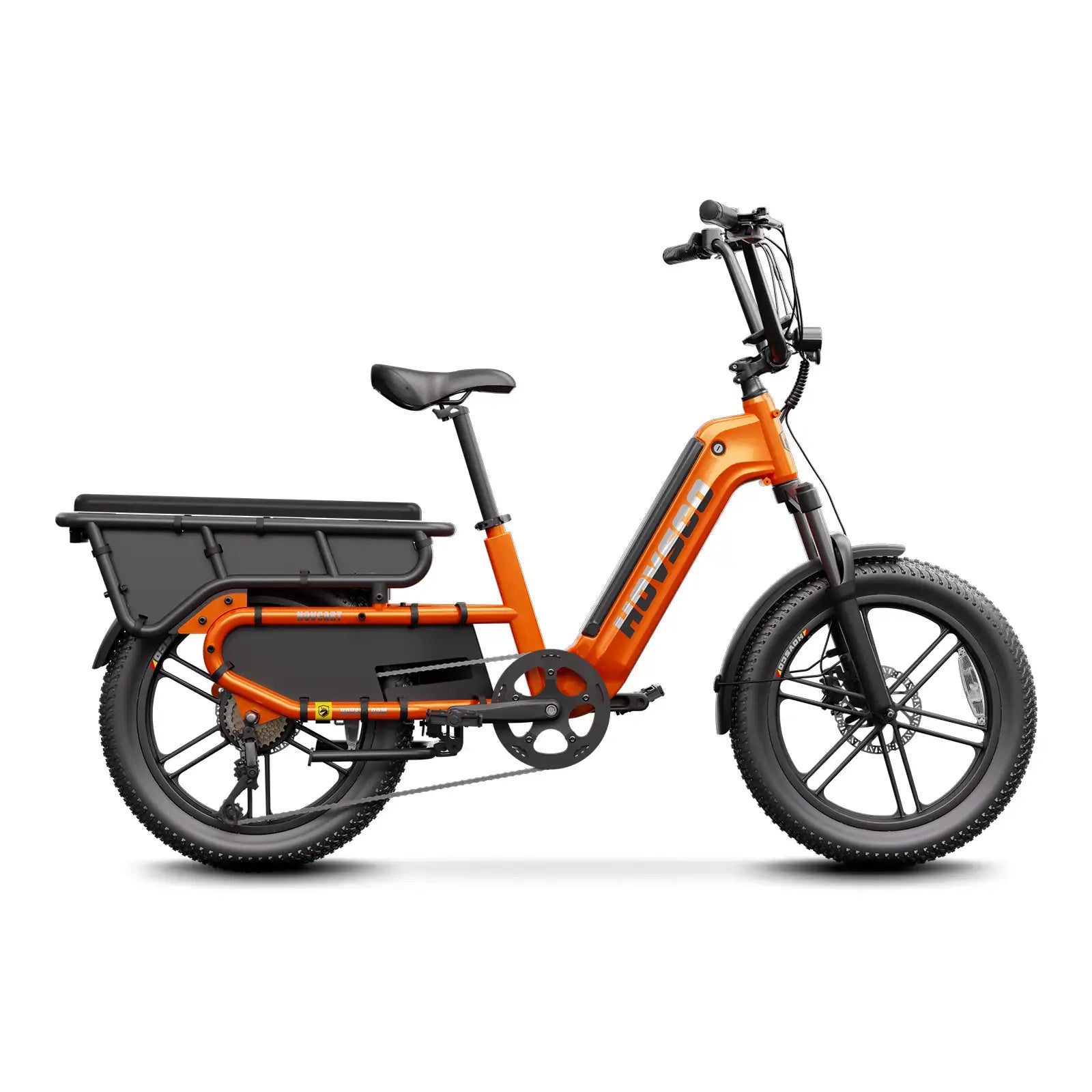
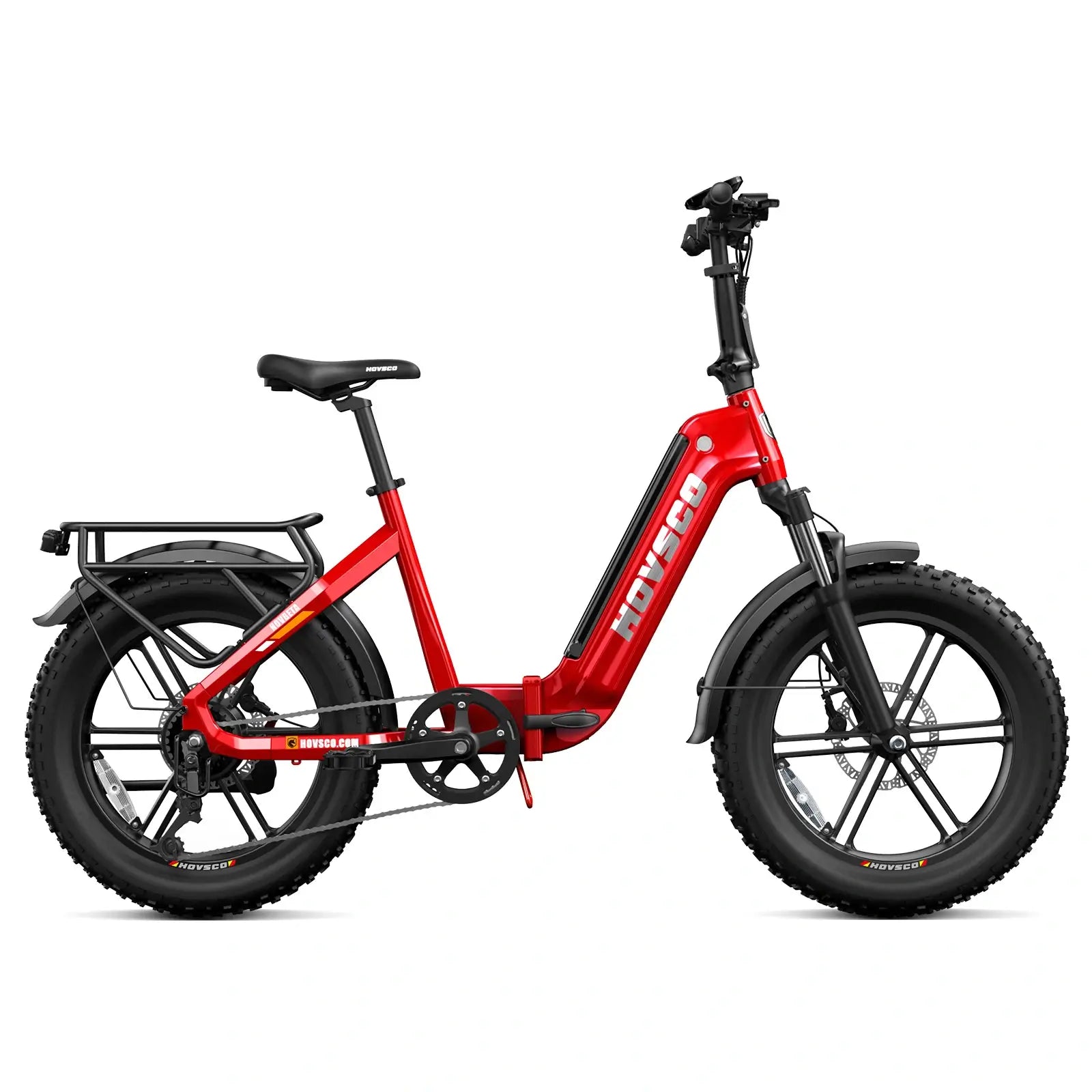
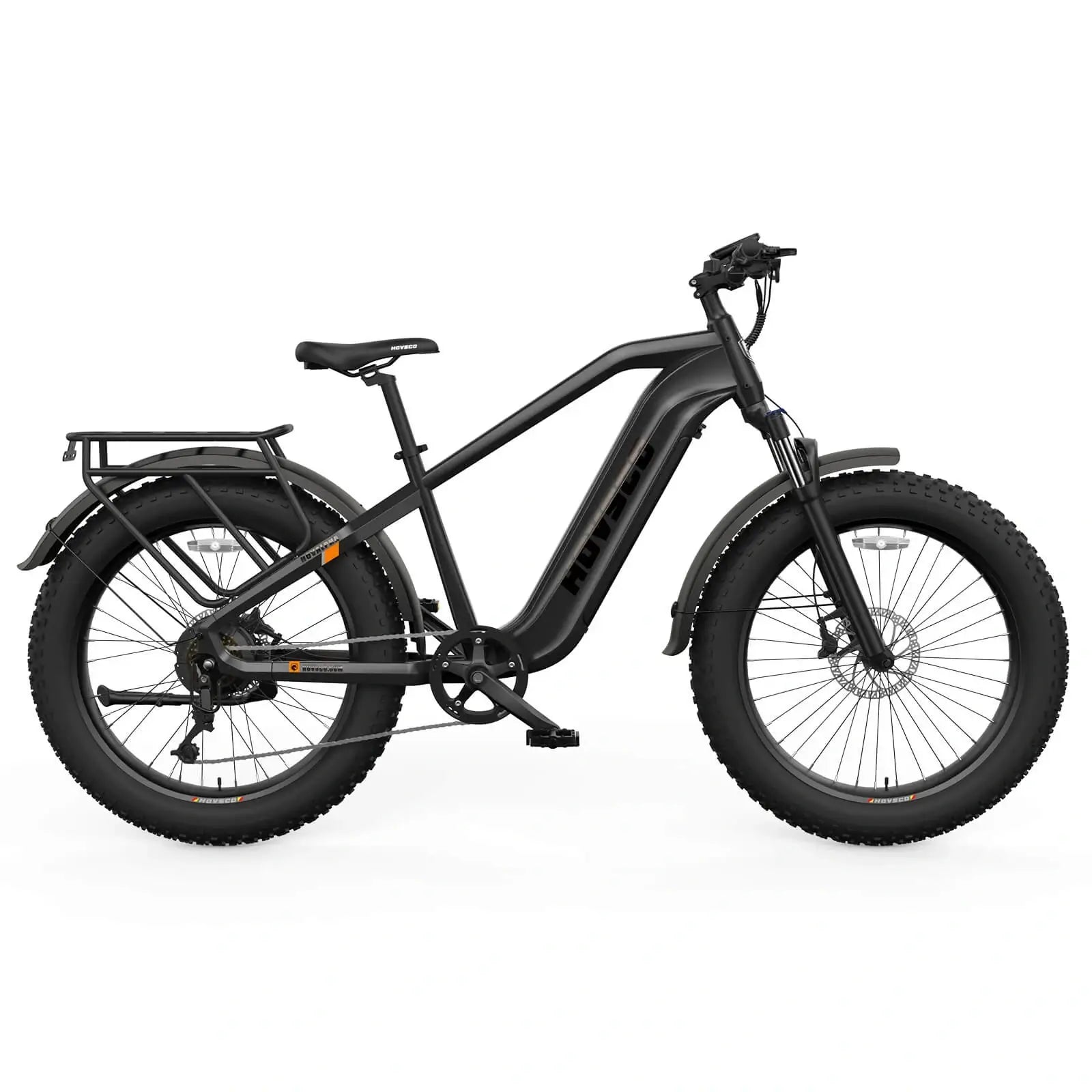
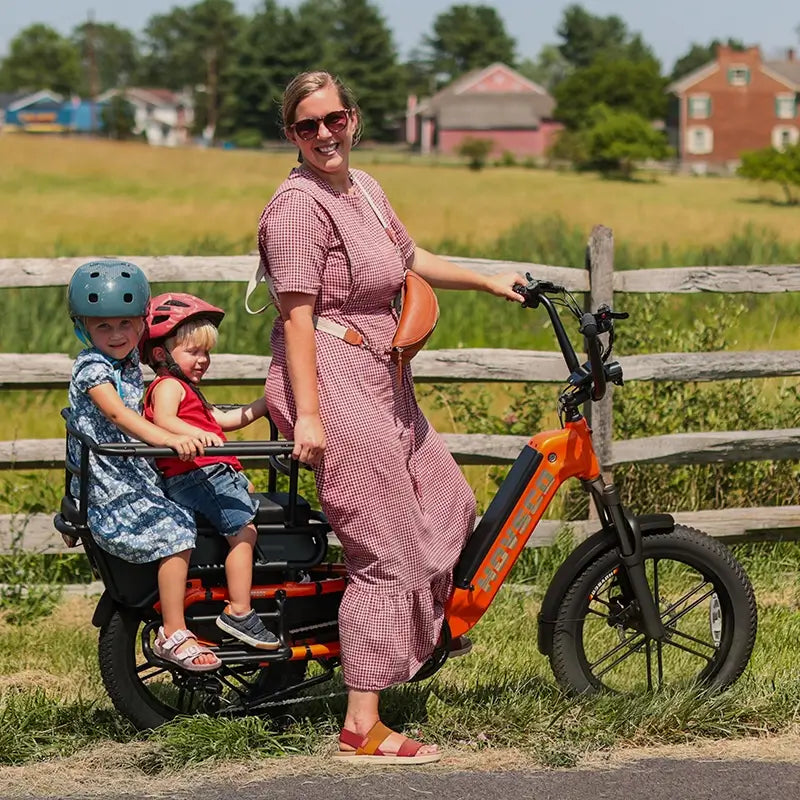
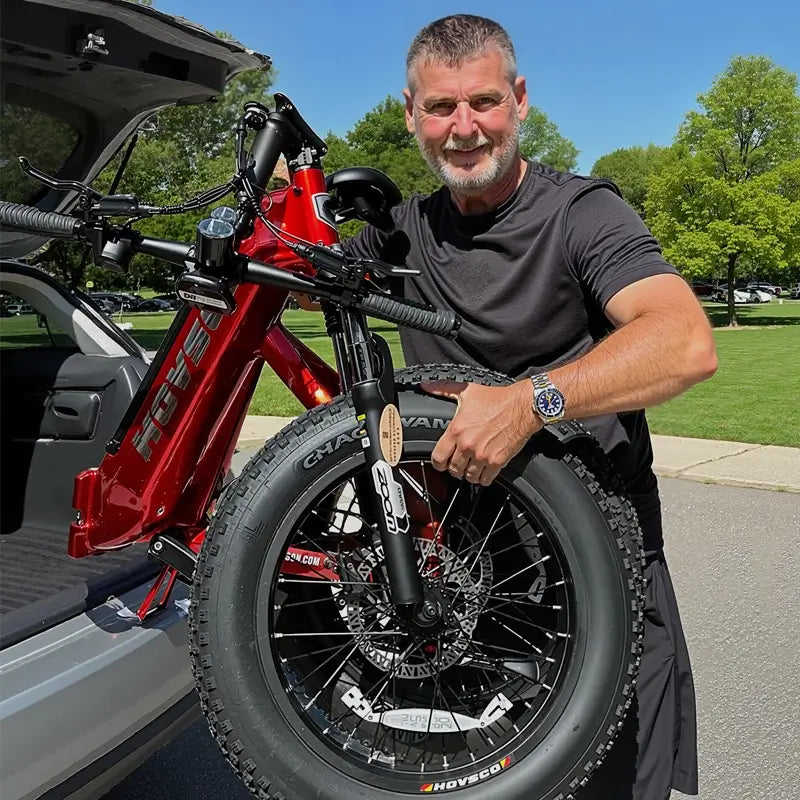
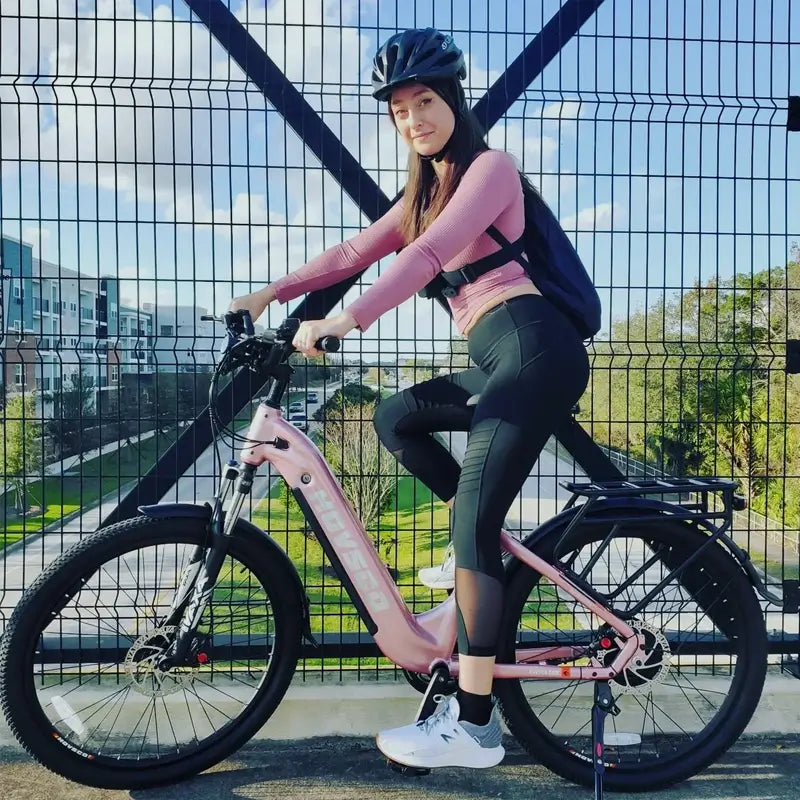
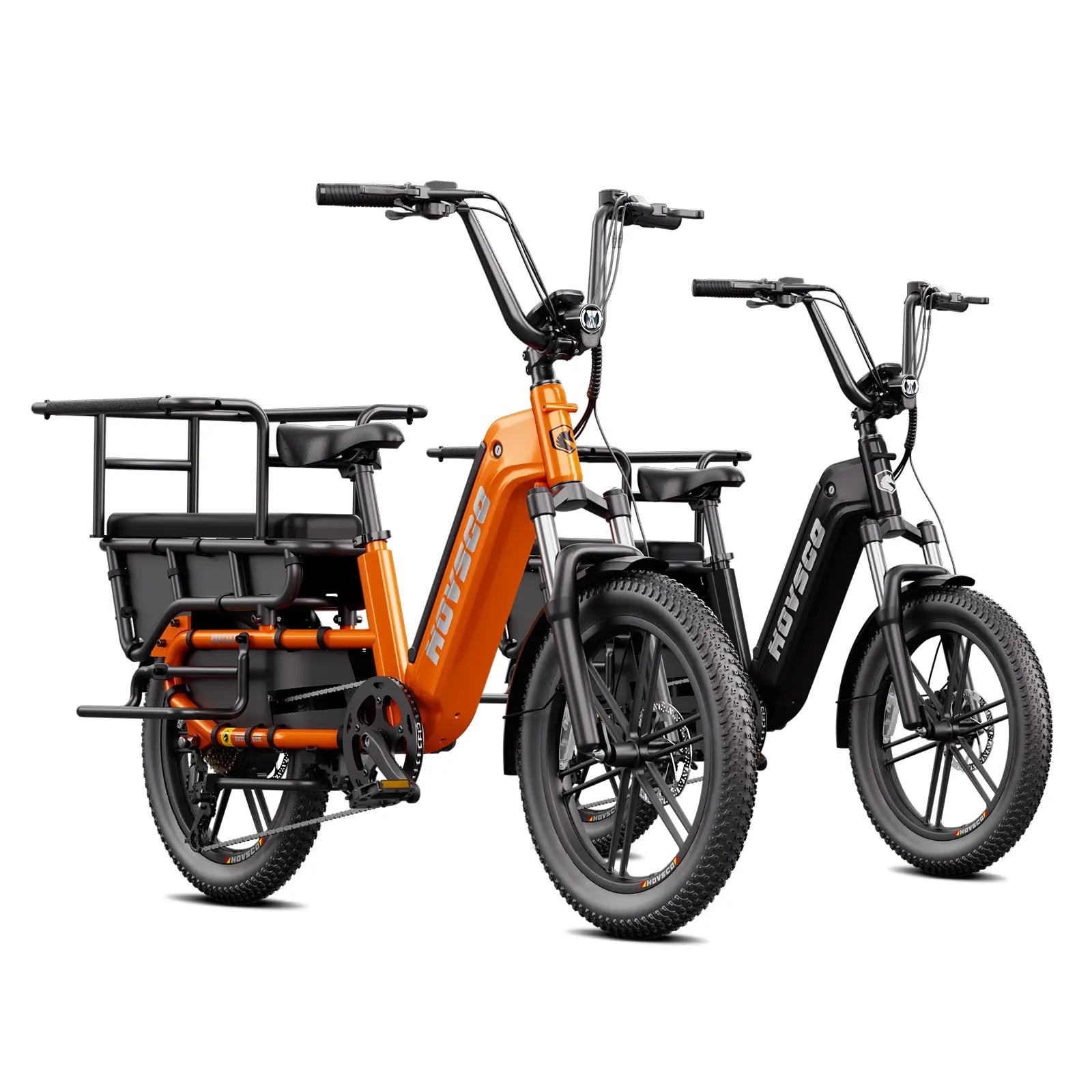
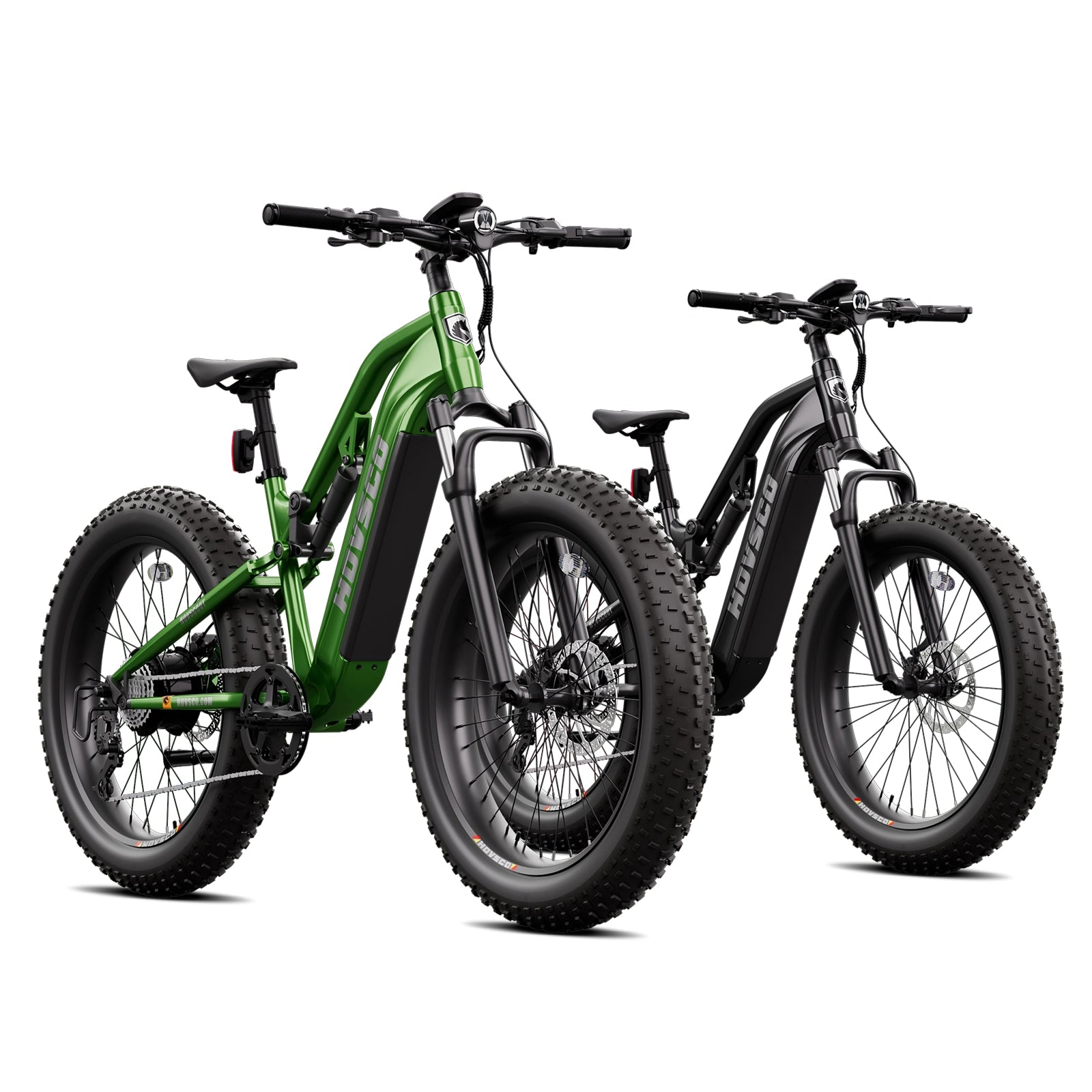
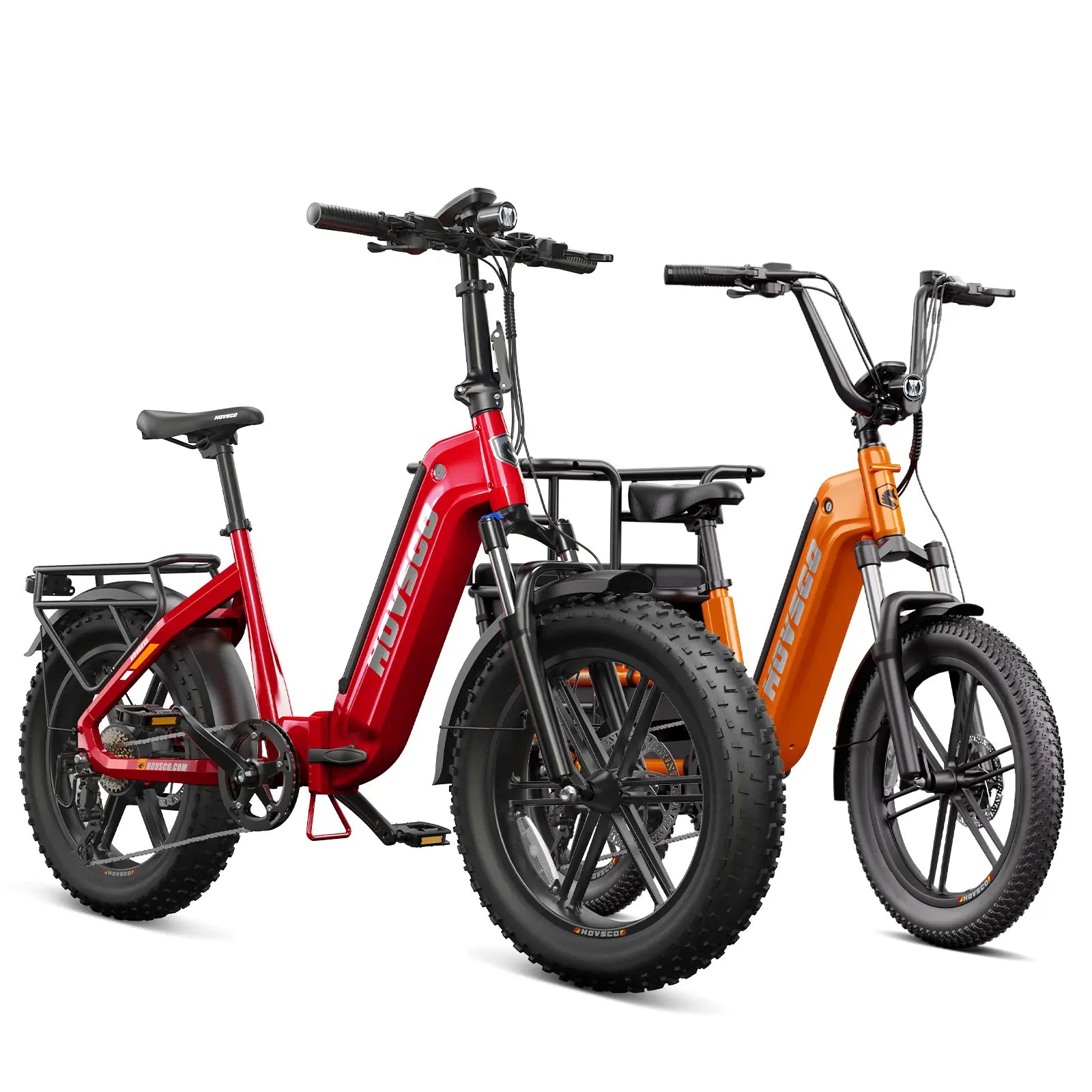
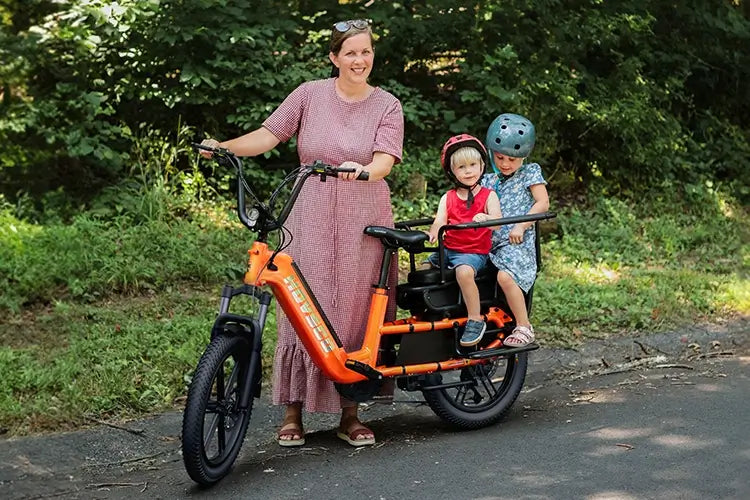
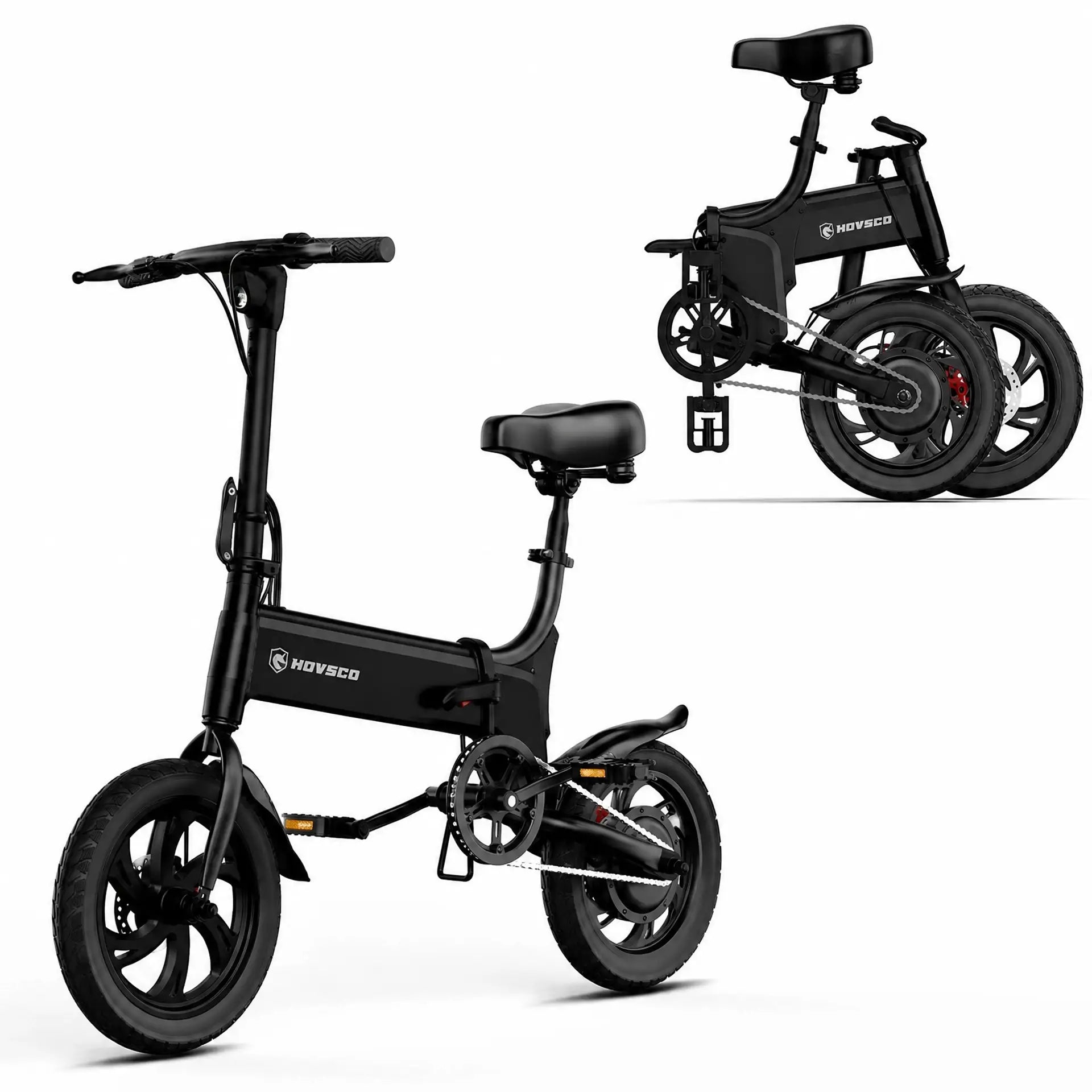
Readers comparing motor types can also look at HOVSCO’s HovCart family cargo e-bike, HovBeta foldable e-bike, and HovScout full-suspension e-bike. HovCart is the clearest choice for groceries, school runs, and family transport because it is built for carrying capacity. HovBeta is better suited to riders who need folding convenience and easier storage. HovScout is the more comfort-oriented option for riders who want extra suspension and a more versatile daily ride.
Start with terrain. Flat routes usually favor hub motors because the system is simpler and more cost-effective.
Add payload. If the bike regularly carries groceries, gear, or passengers, the motor choice should support that load without making the ride stressful.
Decide how much maintenance is acceptable. Hub systems generally reduce drivetrain wear, while mid-drives usually require more attention.
Treat range claims carefully. Real range changes with assist level, payload, and route profile, so published numbers are best understood as estimates.
Match the bike to your actual use. A folding commuter, cargo bike, and full-suspension utility model solve different problems even when they sit in a similar price band.
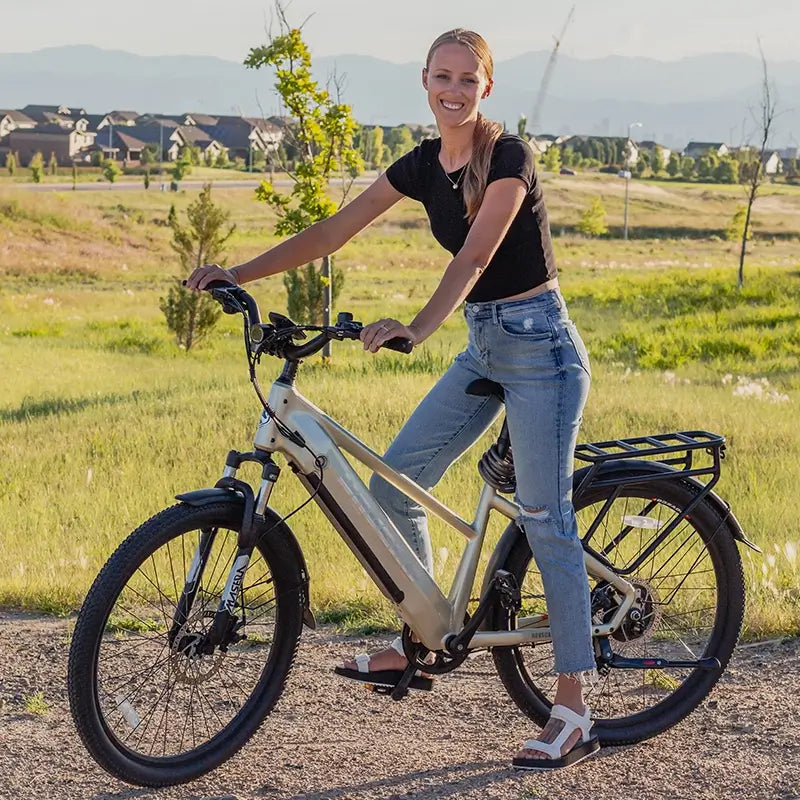
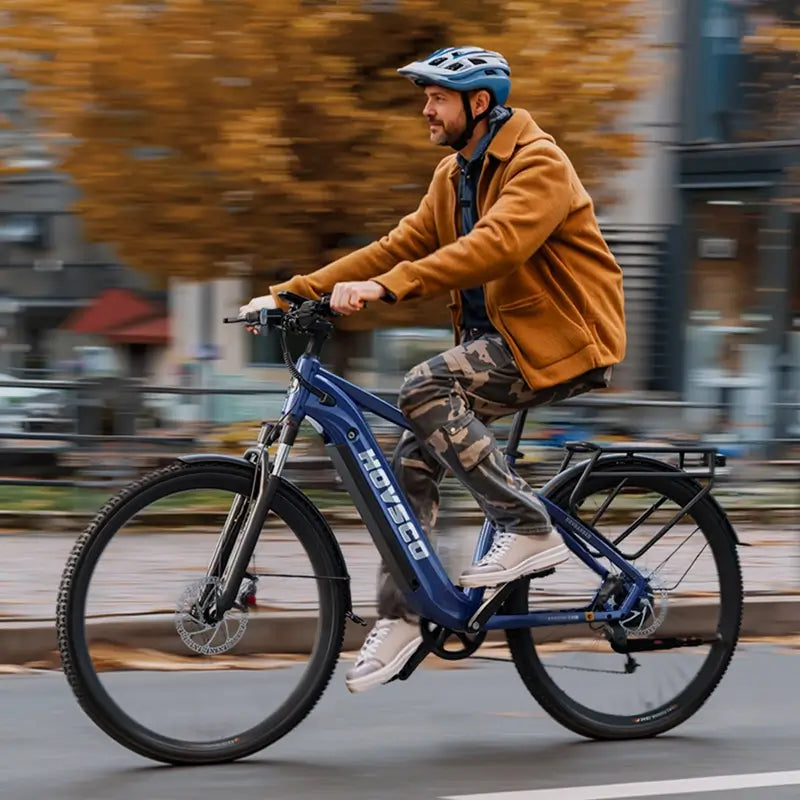
A rider on mostly flat city streets usually gets the best value from a hub motor. The traditional mistake is to buy based on peak performance claims and then discover the bike feels more expensive to maintain than expected. With HOVSCO’s commuter-leaning and utility models, the daily experience is more about smooth assist, practical pricing, and easy ownership.
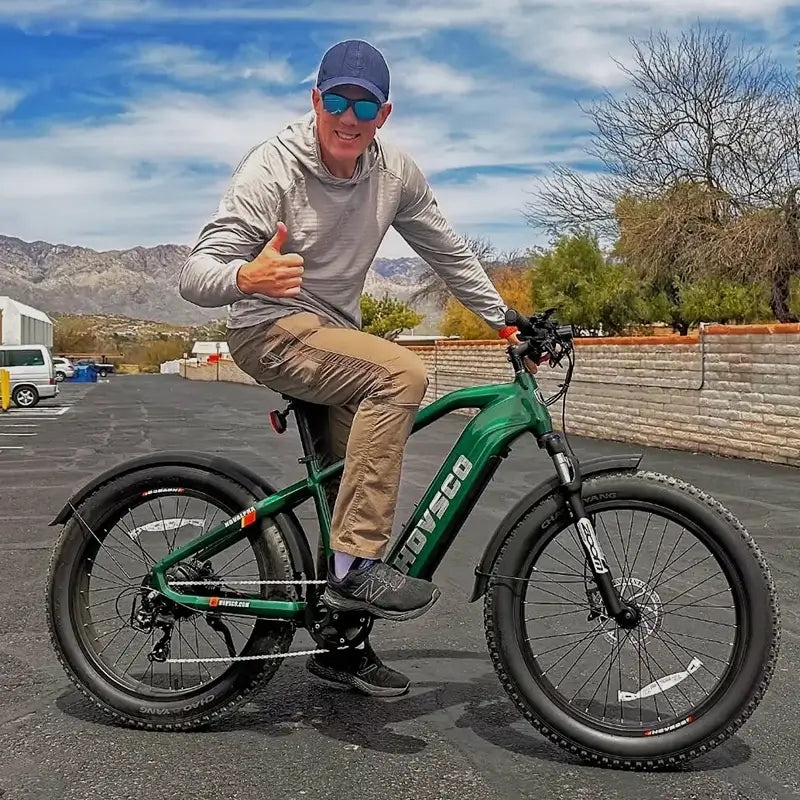
A rider with lots of hills often finds that hub motors are acceptable but not ideal. The traditional workaround is to buy more battery or more wattage, but that does not fully replace the gearing advantage of a mid-drive. Still, for moderate hills and mixed errands, HOVSCO’s cargo and fat-tire bikes remain attractive because they combine useful payload capacity with approachable pricing.
A family rider usually cares more about stability, carrying ability, and reliability than about technical motor debates. The traditional approach is to keep separate bikes for errands, school drop-offs, and weekend rides, which adds cost and complexity. HOVSCO’s cargo-oriented offering makes it easier to use one bike for multiple jobs without jumping into premium-price territory.
Hub motor vs mid drive: which is better for commuting?
For most commuters, hub motors are the better value because they are simpler and usually cheaper to own. If the commute includes steep hills or heavy loads, a mid-drive becomes more appealing.
Hub motor vs mid drive: which is better for hills?
Mid-drive systems are generally better for hills because they use the bike’s gears and can maintain efficiency under load. That is the main technical reason riders in hilly areas often prefer them.
Hub motor vs mid drive: which is better for cargo?
Both can work for cargo, but the best choice depends on the route. HOVSCO’s HovCart shows how a cargo bike can support heavy utility use at an accessible price, while a mid-drive would be more attractive if the cargo route is steep.
Hub motor vs mid drive: which has lower maintenance?
Hub motors usually place less stress on the drivetrain, so they tend to be easier on chains and cassettes. Mid-drives are more efficient in some conditions, but they often create more wear over time.
Hub motor vs mid drive: what long-tail keywords matter most?
The most useful variants are “hub motor vs mid drive for commuting,” “hub motor vs mid drive for hills,” “hub motor vs mid drive for cargo bike,” and “hub motor vs mid drive maintenance.” These match how real shoppers phrase their questions.
Hub motor vs mid drive: is HOVSCO a good choice?
HOVSCO is a solid option for buyers who want practical e-bikes with accessible pricing,a 2-year warranty, and a 15-day return policy. Its lineup covers cargo, folding, commuter, and full-suspension needs, which makes it useful for a wide range of riders.
For everyday use, hub motor e-bikes usually win on simplicity, pricing, and lower maintenance. Mid-drive systems are the better technical choice when hills, cargo, and pedal feel matter most. HOVSCO’s lineup is especially strong for riders who want practical transportation first and drivetrain complexity second.
Technavio — E-Bike Market Analysis, Size, and Forecast 2025-2029
Databridge Market Research — Electric Bike Market Size, Share, and Analysis Report 2032
Grand View Research — E-Bike Market Size, Share And Trends Report 2026-2033
MarketsandMarkets — ebike Industry worth $74.98 billion by 2035
SGS — US New York State Enacts New Laws for E-bikes and Lithium-Ion Batteries (2024)
Share:
E-Bike Suspension Systems for Better Comfort and Control
High-Capacity EV Batteries Deliver Longer Range and Lower Operating Friction