






![[ New Arrival ] Porto Max Electric Scooter For Commute & Grocery Shopping - HOVSCO](http://www.hovsco.com/cdn/shop/files/PotroMax-3.jpg?v=1706927007&width=1200)
- by EO S
How E-Cargo Bikes Are Revolutionizing Urban Deliveries in Seattle
- by EO S
E-Bikes
Accessories
 Free Shipping
 15-Day Returns
 2-Year Warranty
Free Shipping
15-Day Returns
2-Year Warranty
2-Year Warranty
Free Shipping
15-Day Returns
2-Year Warranty
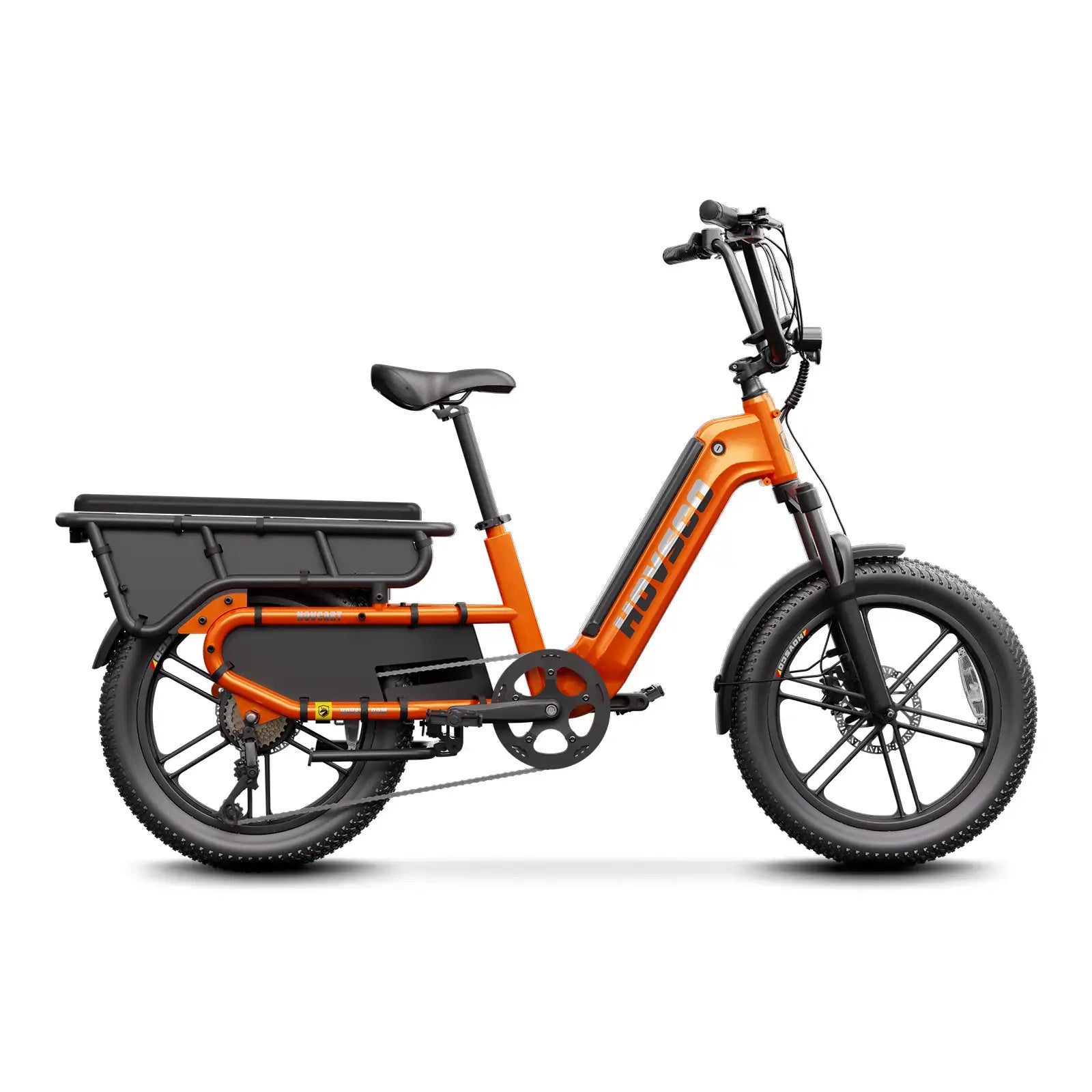
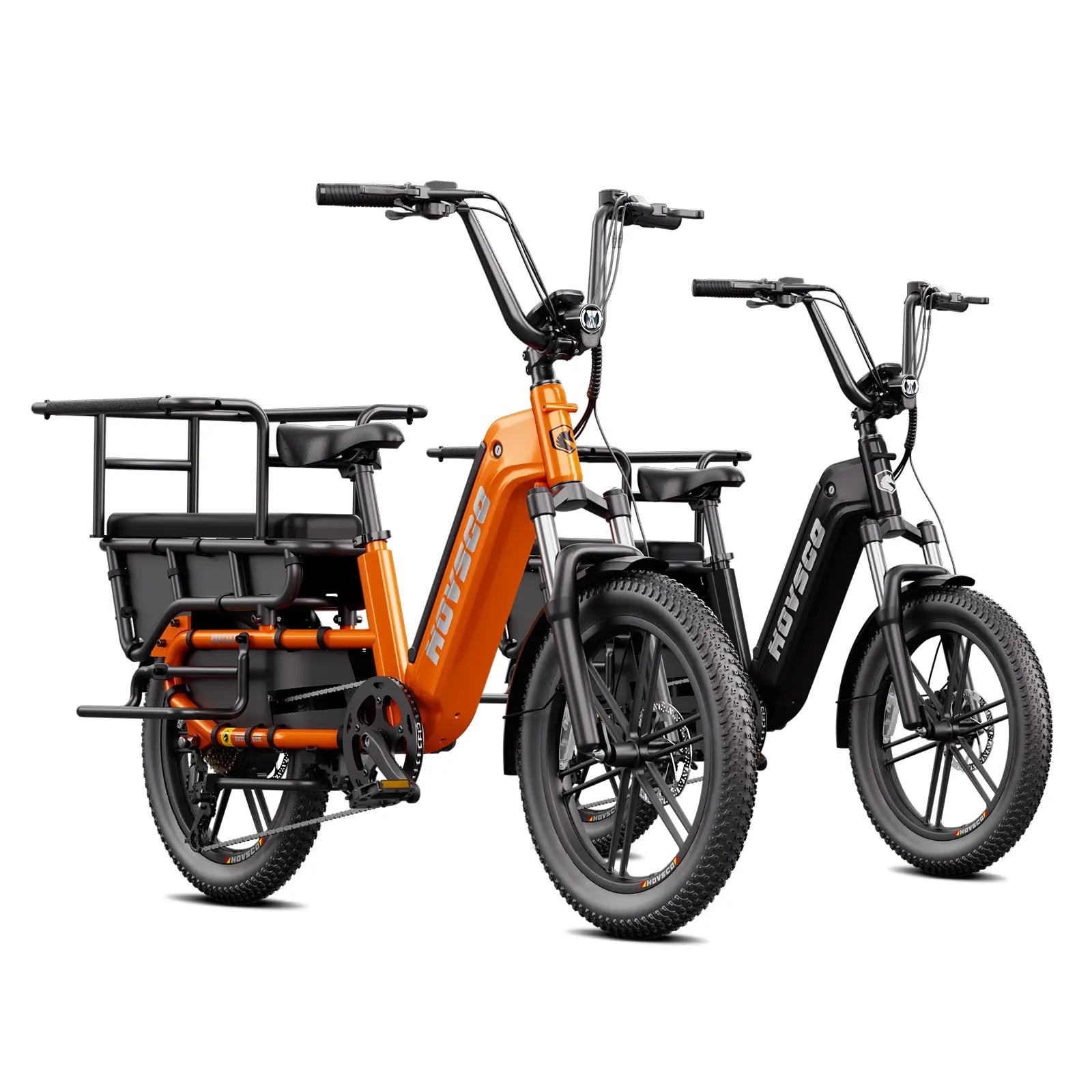
Electric cargo bikes offer an innovative solution to urban delivery challenges, helping reduce traffic congestion and greenhouse gas emissions. With the ability to carry heavy loads and maneuver in tight spaces, these bikes are becoming an integral part of Seattle's effort to make its delivery system more efficient and sustainable. The city is taking steps to encourage their use through new regulations and incentives.
E-cargo bikes are playing a key role in Seattle’s efforts to meet its climate goals. As one of the primary sources of urban pollution, delivery trucks contribute significantly to greenhouse gas emissions. By encouraging the use of electric bikes, the city hopes to reduce its carbon footprint. According to Katherine Rice from the Seattle Department of Transportation (SDOT), the 2030 goal is to have 30% of all deliveries completed by clean vehicles, with e-cargo bikes being a central part of that strategy.
Not only do these bikes help reduce emissions, but they can also ease the pressure on Seattle’s congested streets. In fact, they can carry up to 800 pounds of cargo, making them suitable for last-mile deliveries that would typically require large trucks.
The Seattle City Council is currently reviewing new regulations to help integrate e-cargo bikes into the city’s delivery system. These regulations would allow businesses to use electric bikes for deliveries in designated areas. The bikes would be restricted to a maximum width of 4 feet and a speed limit of 15 mph, ensuring they can navigate safely through Seattle’s bike lanes, which are typically 5 feet wide.
Additionally, businesses can obtain a $100 permit for their e-cargo bikes, allowing them to load and unload goods in areas like paid parking spots or time-limited neighborhoods. This initiative is expected to reduce the number of larger, gas-powered delivery vehicles on the road.
E-cargo bikes offer several advantages over traditional delivery vehicles, especially in dense urban environments like Seattle. Since they are smaller, they can navigate tight spaces and avoid traffic jams. In fact, e-cargo bike riders often complete deliveries faster than those using trucks. A study from the University of Washington’s Urban Freight Lab found that cargo bike riders spend 40% of their time actually moving, compared to just 20% for traditional delivery drivers.
Moreover, e-cargo bikes can significantly reduce the environmental impact of deliveries. While trucks are responsible for a substantial portion of carbon emissions, electric bikes produce zero emissions. By using e-cargo bikes for deliveries, Seattle can take a major step toward reducing its overall environmental footprint.
Although e-cargo bikes are ideal for last-mile deliveries, they are unlikely to replace traditional trucks for all delivery needs in Seattle. For smaller businesses and deliveries within the city, e-cargo bikes are an excellent alternative. However, large shipments requiring high-capacity vehicles are still best suited for trucks.
That said, there is potential for e-cargo bikes to become more integrated into the broader delivery ecosystem. As Seattle develops its bike infrastructure and more businesses adopt this technology, we may see a larger shift towards cargo bikes, especially for goods that don't require massive trucks.
E-cargo bikes present a valuable opportunity for both small and large businesses. Smaller businesses, such as Pagliacci Pizza, have already embraced e-cargo bikes for efficient local deliveries. With more businesses taking advantage of the $100 permit, the number of e-cargo bikes on the streets will likely grow.
The bikes also benefit the community as a whole, reducing traffic congestion and improving air quality. In addition, they create safer streets by reducing the number of large delivery trucks, which can pose risks to cyclists and pedestrians.
“HOVSCO is committed to advancing sustainable transportation solutions, and we see e-cargo bikes as an exciting step forward. By reducing emissions and promoting efficient deliveries, these bikes help urban areas like Seattle take significant strides toward their sustainability goals. At HOVSCO, we believe that electric bikes can transform how goods are moved within cities, improving both the environment and the quality of life for residents." — HOVSCO Expert
Electric cargo bikes represent a forward-thinking solution for addressing Seattle's transportation and environmental challenges. With benefits ranging from reduced emissions to faster deliveries, these bikes are poised to play a key role in the city's sustainable future. As regulations and infrastructure improve, more businesses are likely to adopt this efficient and eco-friendly mode of transportation.
1. What is the maximum weight an e-cargo bike can carry?
E-cargo bikes can carry up to 800 pounds of cargo, making them ideal for last-mile deliveries of small to medium-sized packages.
2. How do e-cargo bikes help with traffic congestion?
By reducing the number of large delivery trucks on the road, e-cargo bikes can help alleviate traffic congestion, especially in dense urban areas like Seattle.
3. Are e-cargo bikes cost-effective for businesses?
Yes, e-cargo bikes are a cost-effective solution for businesses, especially for smaller deliveries. The $100 permit makes it affordable for businesses to adopt this sustainable delivery method.
4. How does the use of e-cargo bikes benefit the environment?
E-cargo bikes are emissions-free, helping to reduce the carbon footprint of deliveries and contributing to a cleaner, greener city.
5. Will more e-cargo bikes be available in Seattle?
Yes, the city expects the number of e-cargo bikes to grow significantly, with up to 500 bikes anticipated by 2030.
Share:
Seattle’s New Commercial E-Cargo Bike Program: Revolutionizing Deliveries for Local Businesses
The Best Electric Cargo Bikes of 2026