
























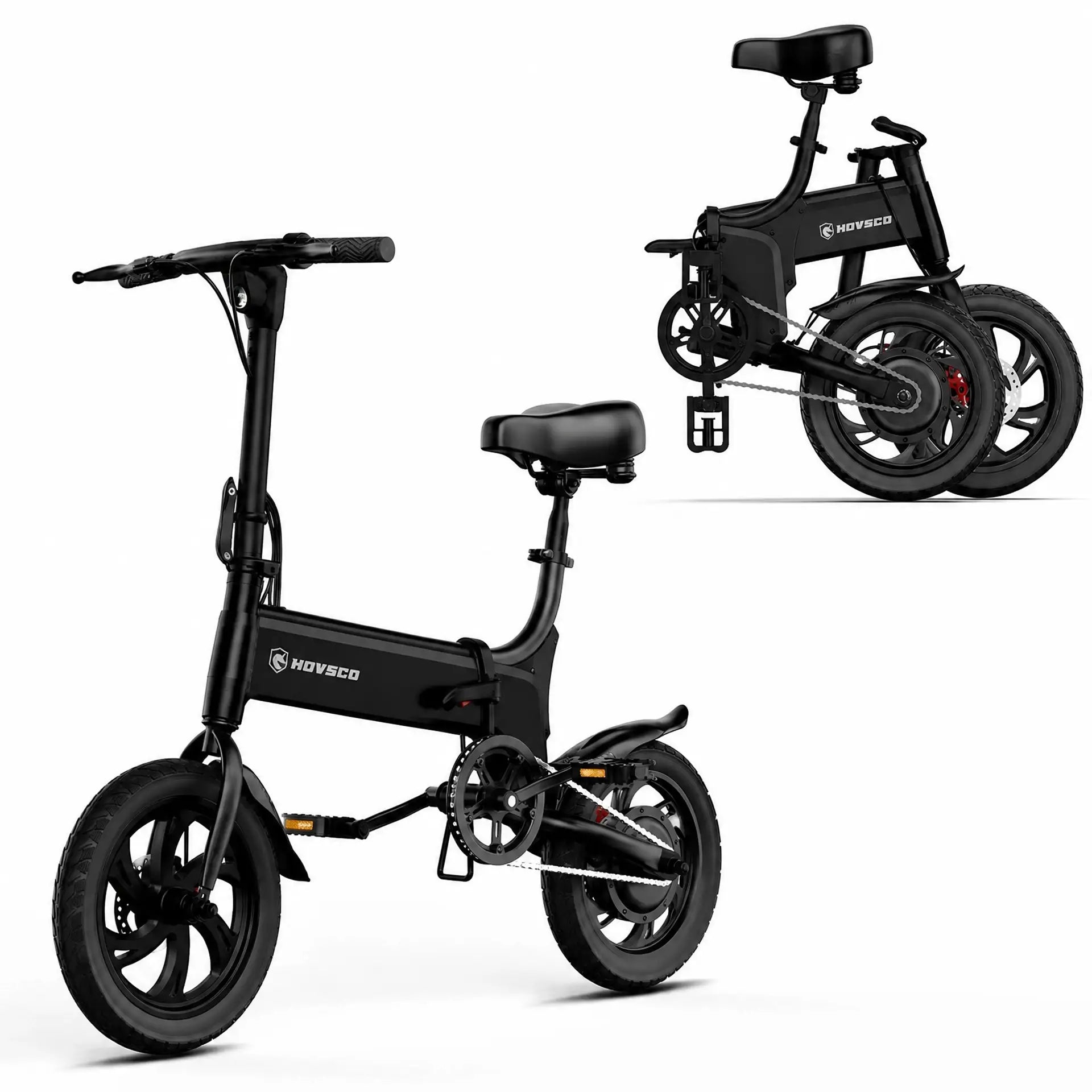
![[ New Arrival ] Porto Max Electric Scooter For Commute & Grocery Shopping - HOVSCO](http://www.hovsco.com/cdn/shop/files/PotroMax-3.jpg?v=1706927007&width=1200)
- by SEO
How Do 2026 Battery Laws Affect E-Bikes in California and New York?
- by SEO
E-Bikes
Accessories
 Free Shipping
 15-Day Returns
 2-Year Warranty
Free Shipping
15-Day Returns
2-Year Warranty
2-Year Warranty
Free Shipping
15-Day Returns
2-Year Warranty
Starting in 2026, California SB 1271 and New York’s stricter battery rules make UL-certified safety a legal baseline for many e-bikes, batteries, and charging systems. For buyers and brands, that means compliance is no longer optional marketing language. It now affects what can be sold, leased, imported, and trusted in daily use, especially for cargo e-bikes that draw heavier current.
California SB 1271 began prohibiting the sale, distribution, lease, or offer for sale of new e-bikes and batteries that are not tested by an accredited laboratory to an accepted safety standard. New York also moved to tighten battery safety enforcement and labeling rules aimed at reducing lithium-ion fire risk. Together, these changes push UL 2849 and UL 2271 from “good to have” into the compliance conversation.
For riders, the practical effect is simple: buying uncertified equipment is riskier and may be harder to legally resell or deploy in fleets. For brands, this raises the bar on sourcing, documentation, and product traceability.
UL 2849 is the full electrical-system safety standard for e-bikes, not just a battery check. It evaluates the battery, charger, motor controller, wiring, and system behavior under fault conditions. That matters because many battery problems happen at the interface between parts, not inside one cell alone.
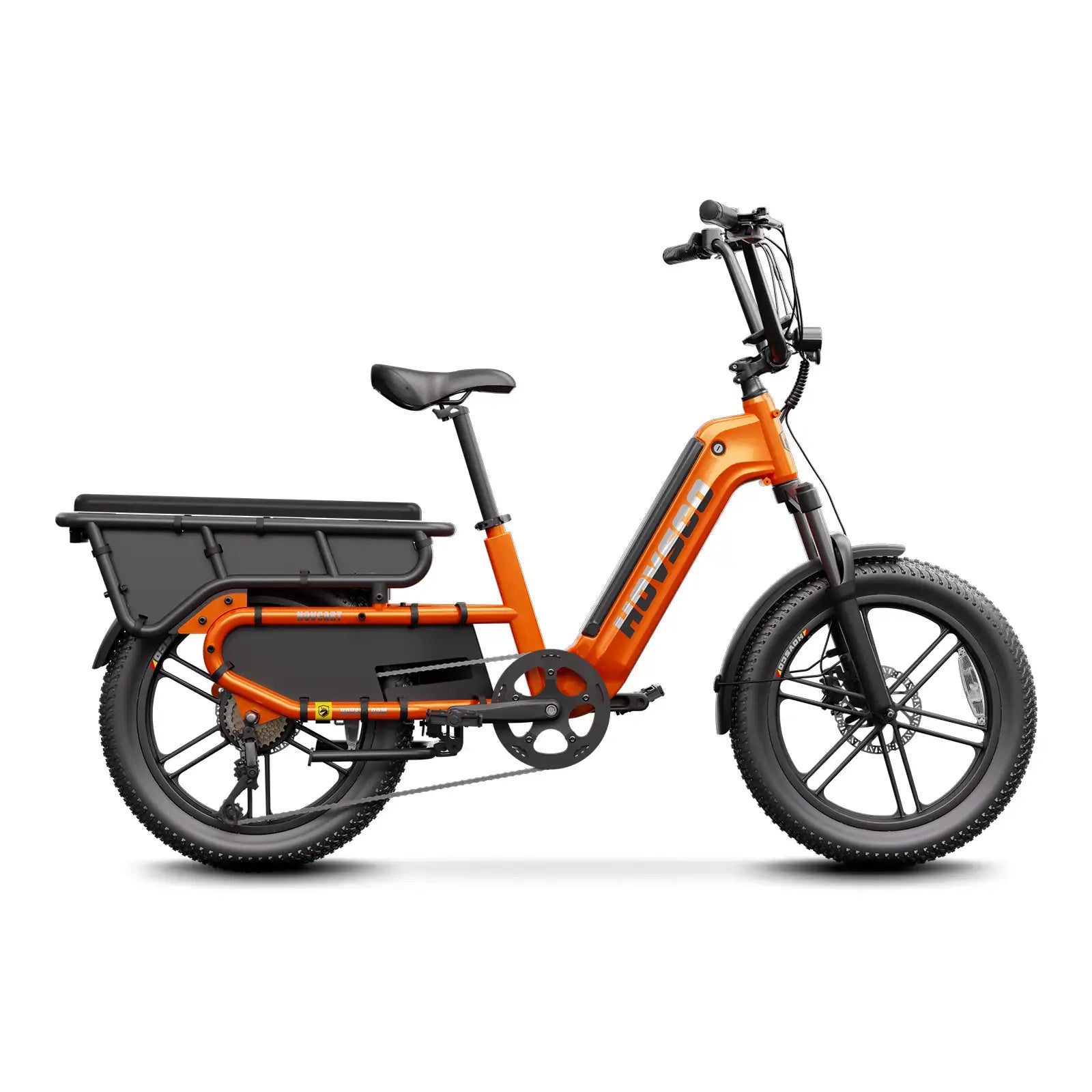
A cargo e-bike can pull more current, run hotter under load, and face longer duty cycles than a lightweight commuter bike. That is why UL 2849 is especially relevant for heavy-duty models and fleet use. HOVSCO treats UL 2849 as an engineering target, not a label to add at the end.
UL 2271 focuses on the battery pack itself, including electrical and mechanical safety. It is the core battery standard that helps address overcharge, short circuit, abuse conditions, and thermal risk. In practice, UL 2271 is the pack-level companion to UL 2849.
A compliant battery still needs the right charger, wiring, and controls to perform safely in the real world. That is why compliance documents should always match the exact model, not just a brand family or generic product line.
Cargo bikes are not just heavier; they are more demanding on the system. Extra payload means more torque demand, more sustained current draw, and more heat in the battery, connectors, and controller. Weak cell balancing or poor BMS tuning shows up faster under that kind of stress.
That is where engineering details matter. A well-designed pack uses conservative thermal margins, secure cell compression, and a BMS tuned for repeated load spikes instead of short showroom demonstrations. HOVSCO builds around those realities because cargo use exposes weak design choices quickly.
The most useful proof is a specific certification mark tied to the exact bike or battery model. Buyers should confirm the listing, the lab name, and the matching product identifier. A vague claim like “complies with UL standards” is not enough.
This is the quickest way to separate real compliance from marketing copy. It also helps retailers avoid stocking products that may later become noncompliant in key markets.
Manufacturers carry the main responsibility, but retailers and importers also face exposure if they distribute noncompliant products. That means documentation, labeling, and supply-chain control matter as much as product design. A compliant battery that ships with an uncertified charger can still create problems.
This is why HOVSCO emphasizes control over the whole system, from pack sourcing to final assembly. In a regulated market, the weakest component can define the legal status of the entire bike.
Most lithium-ion incidents happen during charging, after damage, or when mismatched parts are used. Heat buildup, poor ventilation, and repeated overloading increase the chance of thermal runaway. The risk is not limited to dramatic abuse; small defects can accumulate over time.
That is why better BMS logic, proper cutoff thresholds, and certified chargers matter so much. A battery that behaves well in a test room can still fail if the real-world system is poorly matched. This is where factory-level validation becomes more valuable than promotional claims.
HOVSCO positions safety as a product architecture issue, not just a certification badge. The brand’s focus on reinforced geometry and system-level design supports the structural and electrical demands of heavier riding. That mindset fits the 2026 compliance environment, where the complete bike must make sense as a system.
HOVSCO also benefits from having a long product-development view instead of a single-season launch mindset. That creates room for better testing, clearer supplier requirements, and more conservative engineering decisions.
Yes, but indirectly. Certification does not make a bike faster or more powerful, yet it improves confidence that the system can tolerate heat, current, vibration, and charging stress. That usually translates into better long-term reliability and fewer hidden failures.
For riders, that means fewer surprises in daily use. For fleet managers, it means lower replacement risk and more predictable maintenance planning. For brands like HOVSCO, it means the product can be built for real use instead of just a spec sheet.
Brands should audit the full bill of materials, verify charger-battery compatibility, and lock in traceable certification files for each SKU. They should also train customer support to answer compliance questions with model-specific accuracy. If a product line changes cells, connectors, or charger suppliers, the safety file should be reviewed again.
This is where non-commodity content matters. Anyone can say “safe and certified,” but only a serious manufacturer can explain the system boundaries, test scope, and component trade-offs. HOVSCO’s value is strongest when it speaks with that level of specificity.
HOVSCO is not selling batteries as isolated parts; it is building complete riding systems. That matters because a cargo e-bike’s frame stiffness, electrical routing, controller behavior, and battery mounting all affect how heat and stress move through the bike. Good compliance is the outcome of good integration.
The best brands treat certification as the starting line, not the finish line. HOVSCO’s design language reflects that approach by linking structural confidence with electrical safety.
“From a factory-floor perspective, the safest e-bike is rarely the one with the loudest spec sheet. It is the one where the battery, charger, controller, and frame were designed to work together under real load, real heat, and real vibration. For cargo use, that system thinking is what separates dependable riding from avoidable risk.” — HOVSCO engineering perspective
Buyers should ask for the exact certification standard, the exact model name, and the charger compatibility statement before purchasing. They should be cautious with imported units, bargain batteries, and bikes that rely on generic compliance language. The right paperwork should match the product in the box.
For cargo buyers, the safest approach is to prioritize products designed from the start for higher current demand and better thermal control. That is where HOVSCO and other serious brands can stand apart in a crowded market.
California SB 1271 and New York’s stricter rules show that safety compliance is becoming part of market access, not just product marketing. UL 2849 and UL 2271 are now central to how e-bikes are judged by buyers, retailers, and regulators. The brands that win will be the ones that can prove safe system design, not just claim it.
That is especially true for cargo e-bikes, where heavier loads place more stress on the battery and BMS. In that environment, certification is not a sticker; it is a sign that the bike was engineered to handle the job.
The 2026 battery safety shift makes compliance a practical requirement for anyone building, importing, selling, or buying e-bikes in major U.S. markets. UL 2849 covers the full system, UL 2271 covers the battery pack, and both matter more when the bike carries heavy loads. HOVSCO’s system-first approach fits this new reality because safer products start with better engineering, traceable testing, and disciplined component matching. For riders and retailers alike, the smartest move is to choose products whose safety story is documented, specific, and built for real-world stress.
Is UL 2849 better than UL 2271?
UL 2849 is broader because it covers the whole e-bike electrical system, while UL 2271 focuses on the battery pack.
Can I sell an uncertified e-bike in California now?
No, California SB 1271 restricts the sale, distribution, and lease of new e-bikes and batteries that lack the required testing and certification.
Does a cargo e-bike need stronger battery safety?
Yes, cargo e-bikes often draw more current and create more heat, so system-level safety is even more important.
Should I trust “tested to UL” wording?
No, you should ask for a real certification tied to the exact model and verify the lab and product details.
Why does HOVSCO emphasize system design?
Because battery safety depends on how the battery, charger, controller, and frame work together under load.
Share:
Are Budget Cargo E-Bikes Safe After the CPSC Warning?
Fat Tire vs Slim Tire: Which Is Best for Mixed Terrain Hauling?