


![[ New Arrival ] Porto Max Electric Scooter For Commute & Grocery Shopping - HOVSCO](http://www.hovsco.com/cdn/shop/files/PotroMax-3.jpg?v=1706927007&width=1200)
- by EO S
France E-Bike Market Analysis and Forecast (2026-2031)
- by EO S
E-Bikes
Accessories
 Free Shipping
 15-Day Returns
 2-Year Warranty
Free Shipping
15-Day Returns
2-Year Warranty
2-Year Warranty
Free Shipping
15-Day Returns
2-Year Warranty
The France e-bike market is set to grow significantly, reaching USD 2.85 billion by 2031 with a 3.62% CAGR. This growth is driven by urban demand, supportive government policies, and the rise of cargo e-bikes. The market is heavily influenced by infrastructure improvements, declining battery costs, and the adoption of new technologies, solidifying e-bikes as a mainstream transport option in France.
The France e-bike market is expanding due to several factors, including government initiatives, urban mobility demands, and technological advancements. The National Cycling Plan (2023-2027), which allocates EUR 2 billion to improve cycling infrastructure, plays a central role. This effort increases safety and encourages more people, including women and young commuters, to consider e-bikes for daily travel. As more cities invest in safer and more connected cycling lanes, e-bike adoption grows.
Declining battery prices, particularly for lithium-ion and the rising use of mid-drive motors, enhance accessibility and performance. This drives demand for both personal and cargo e-bikes, with city commuters seeking affordable, efficient transportation solutions. The popularity of premium e-bikes, which provide added comfort and extended range, is also growing among affluent riders.
The e-bike market in France is segmented into various categories: propulsion type, application, battery type, and motor placement. By propulsion type, pedal-assisted systems will continue to lead the market, with a share of 76.45% in 2025. Speed-pedelecs are expected to grow the fastest at a 3.74% CAGR, catering to commuters looking for faster travel options.
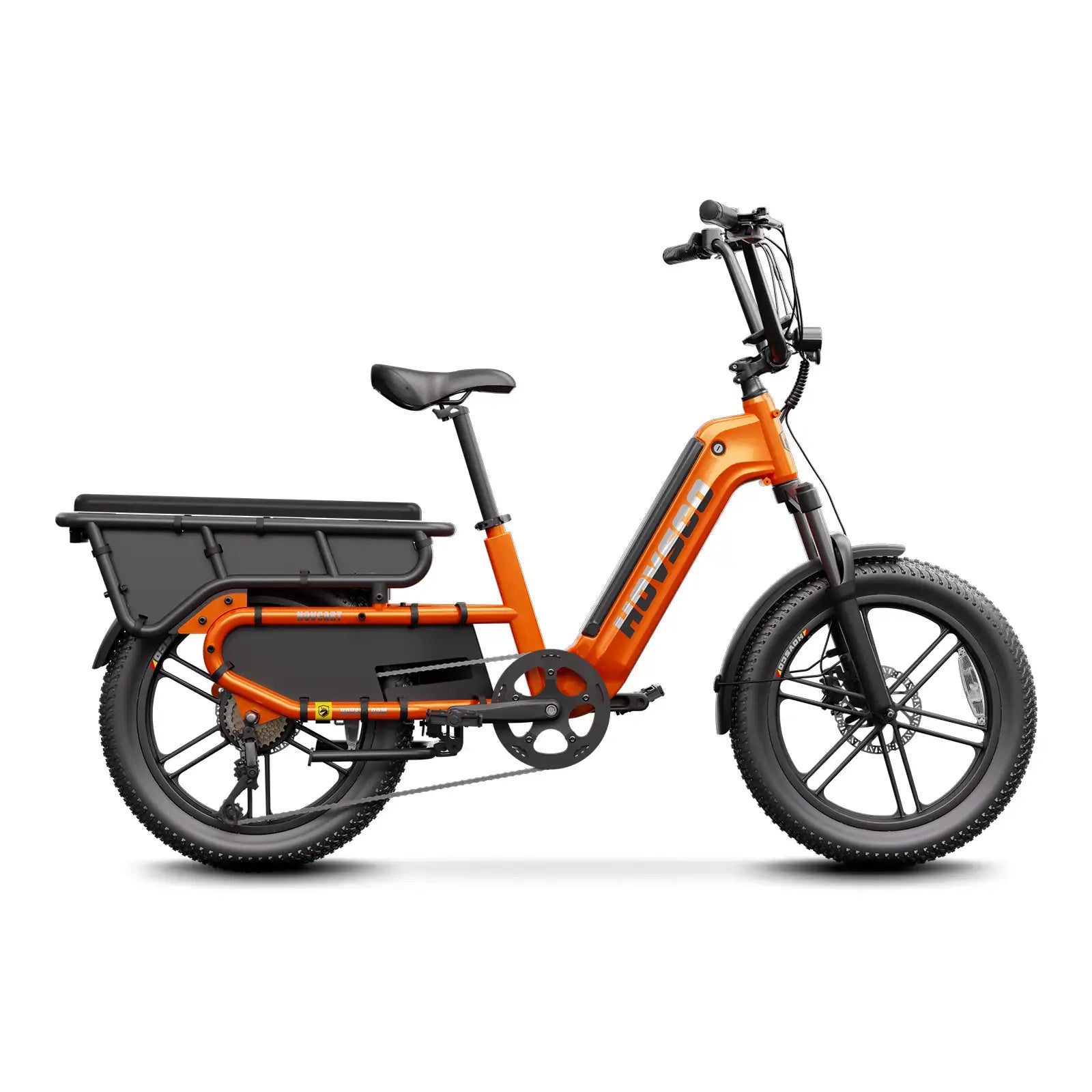
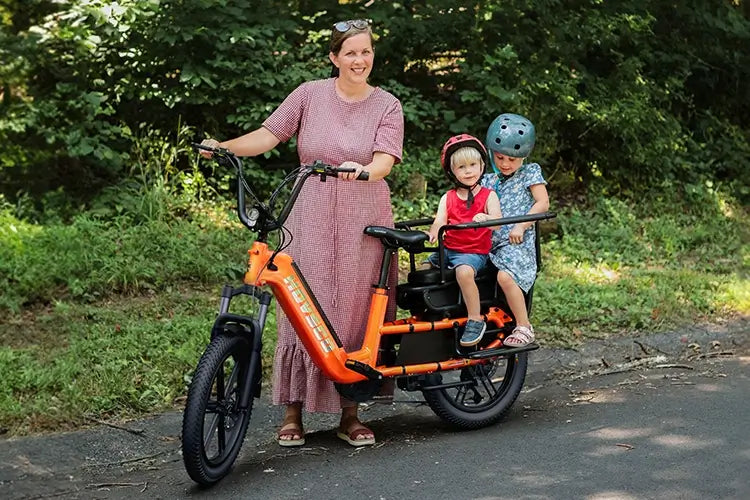
In terms of applications, city/urban bikes dominate with a 76.02% share, reflecting the growing trend of urban mobility. Meanwhile, cargo/utility e-bikes are gaining traction, expected to grow at a 3.76% CAGR by 2031. These e-bikes are increasingly used for last-mile delivery services, driven by tighter emission regulations and the need for eco-friendly transportation options.
Lithium-ion batteries, which make up 100% of the market, will continue to drive growth, although safety concerns surrounding fire hazards are making alternative options like LFP (Lithium Iron Phosphate) batteries more appealing for urban dwellers. Mid-drive motors, responsible for 55.38% of the market share, are projected to see steady growth, while rear hub motors remain popular in entry-level models.
Several key trends are influencing the future of France’s e-bike market:
Government Support: The French government’s Plan Vélo (2023-2027) aims to expand cycling infrastructure significantly. This initiative, along with subsidies and tax incentives, boosts e-bike adoption among both individual consumers and businesses.
Sustainability Push: The rise of corporate fleet decarbonization mandates is driving the demand for cargo e-bikes. Logistics companies are replacing diesel-powered vehicles with electric bikes to comply with environmental regulations, further pushing the market forward.
Battery Innovation: With lithium-ion battery costs expected to decline, e-bike prices will remain competitive, making electric bikes more affordable for a wider range of consumers. Additionally, battery recycling and sustainability initiatives are gaining importance.
Leasing and Subscription Models: As e-bikes become an integral part of urban commuting, leasing options and subscription services are becoming more prevalent, allowing riders to enjoy e-bikes without the heavy upfront costs.
The France e-bike market is moderately fragmented, with both domestic and international players competing for market share. Local brands such as Moustache Bikes, O2feel, and Reine Bike have made significant strides in catering to the demand for quality, locally assembled e-bikes. However, international brands like Riese & Müller and Giant are also seeing success due to their scale and competitive pricing.
The competition is shifting from price wars to quality, with brands emphasizing innovative features like Bosch’s smart systems and Yamaha’s automatic-assist modes. As European anti-dumping duties protect local manufacturers from cheaper Chinese imports, the French market sees a focus on premium products and service differentiation.
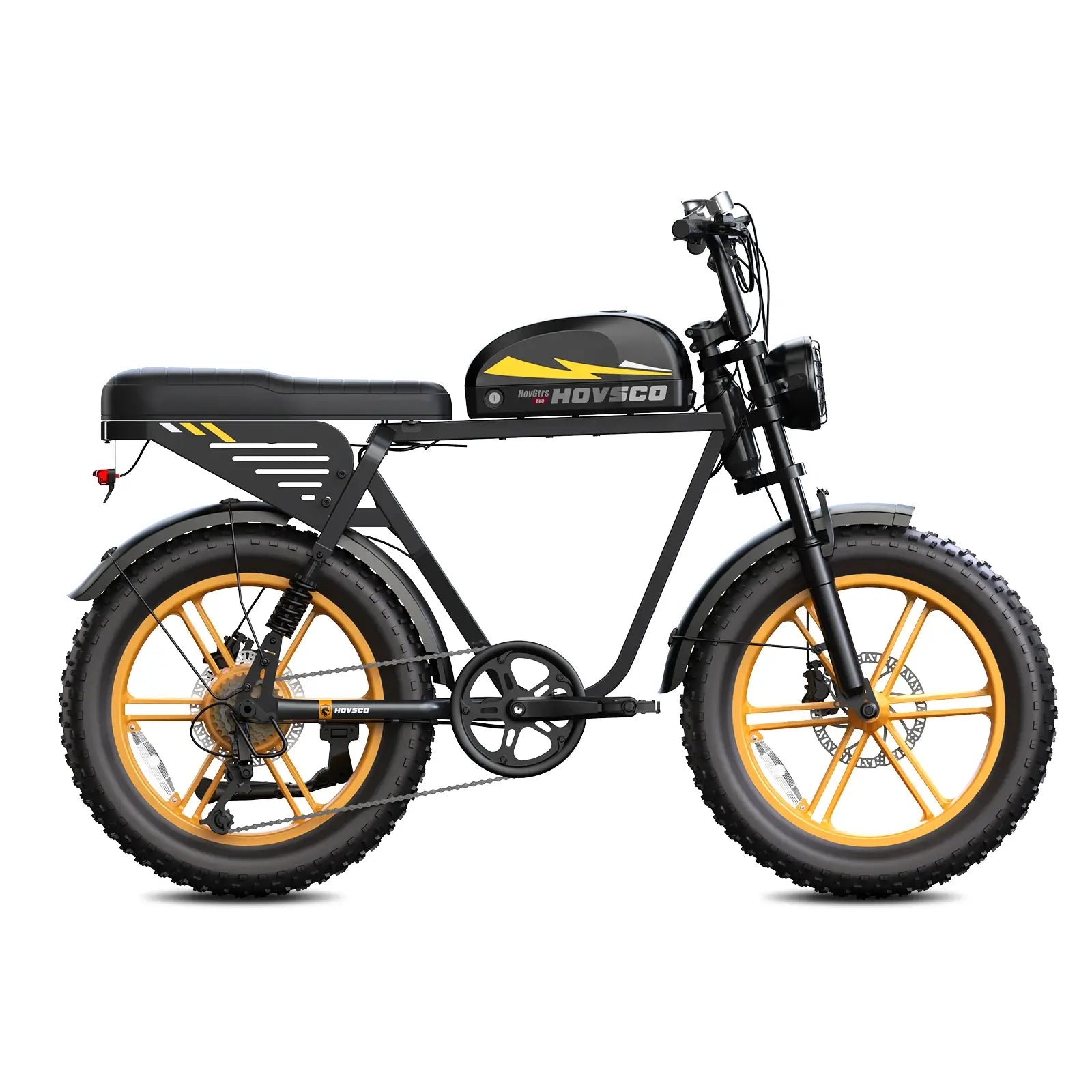
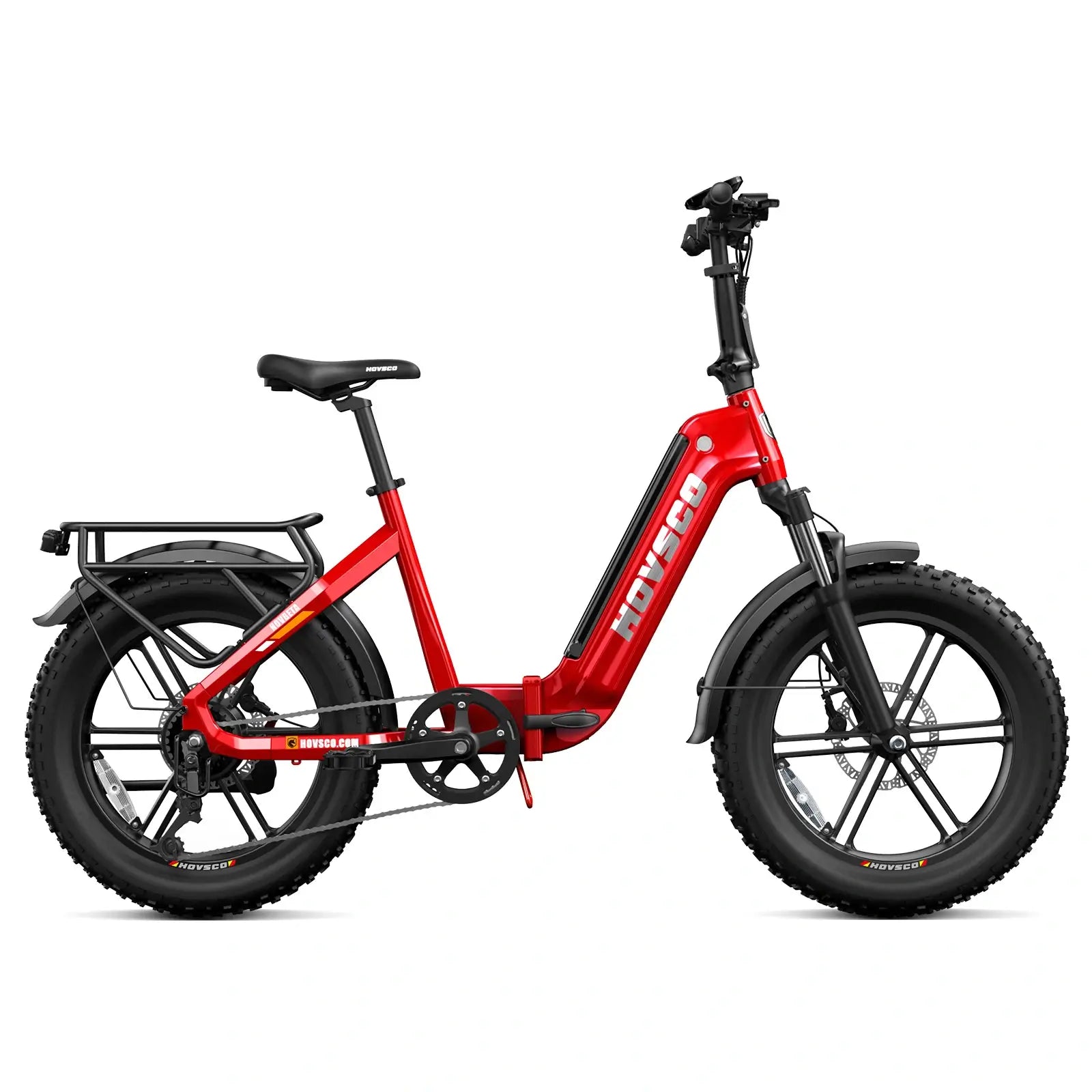
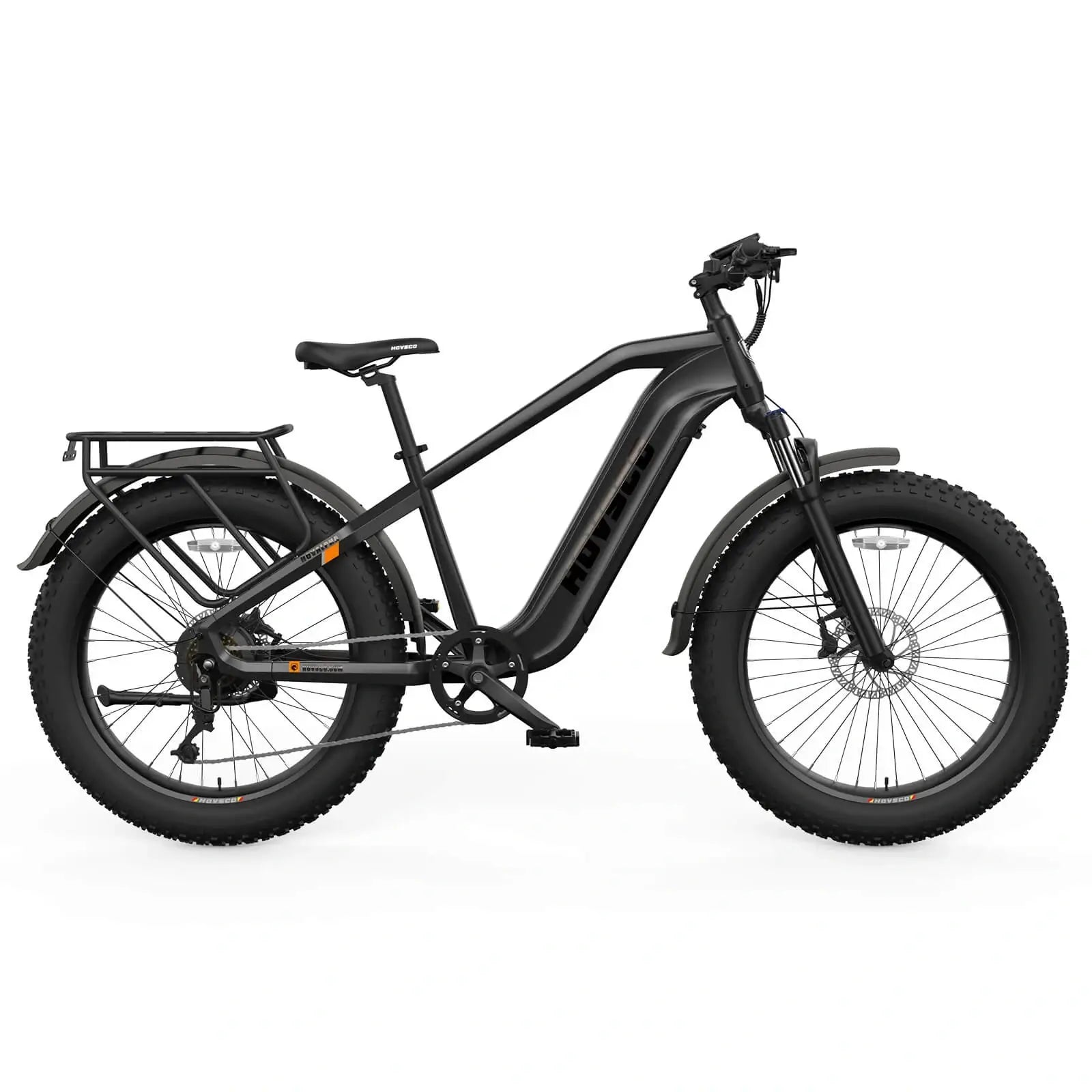
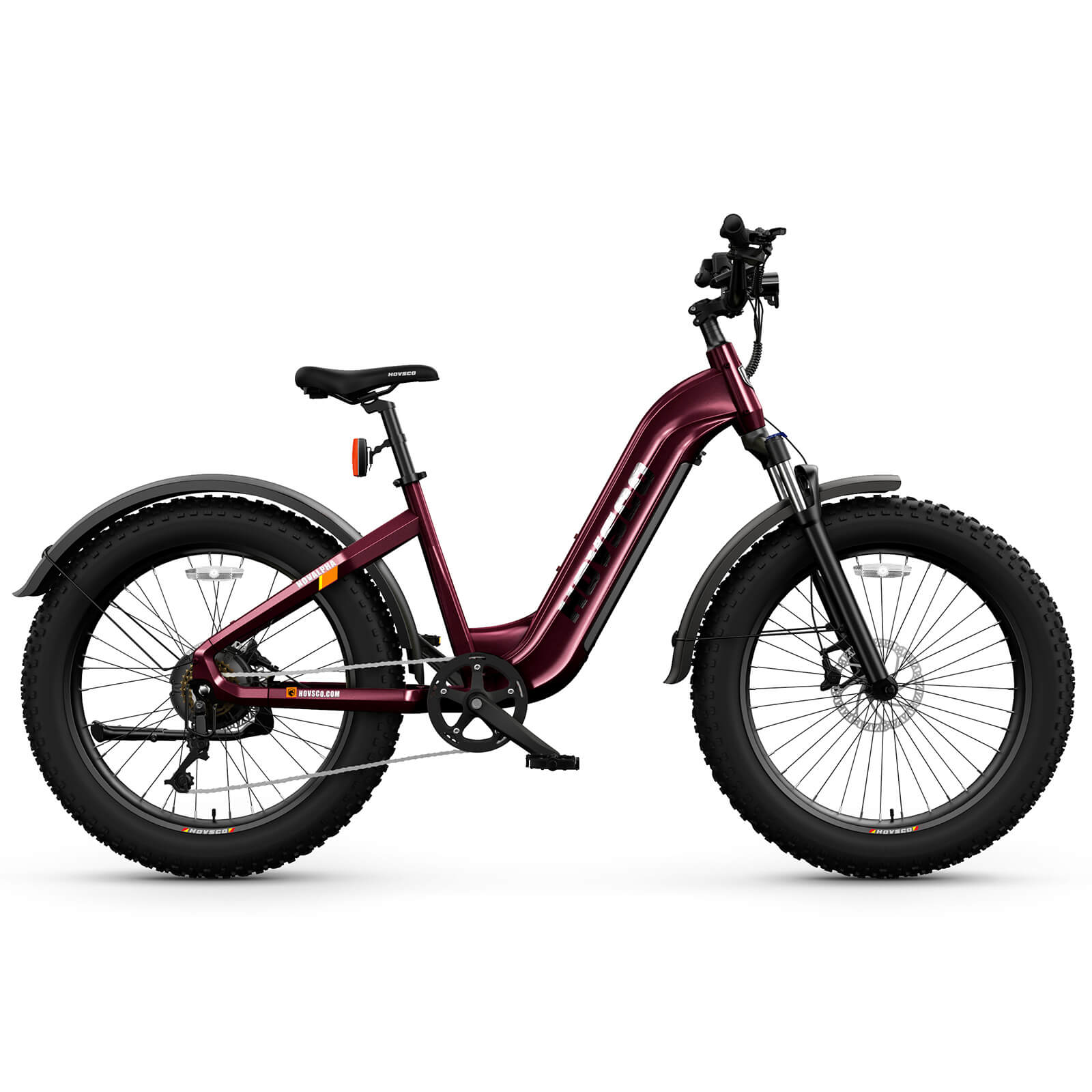
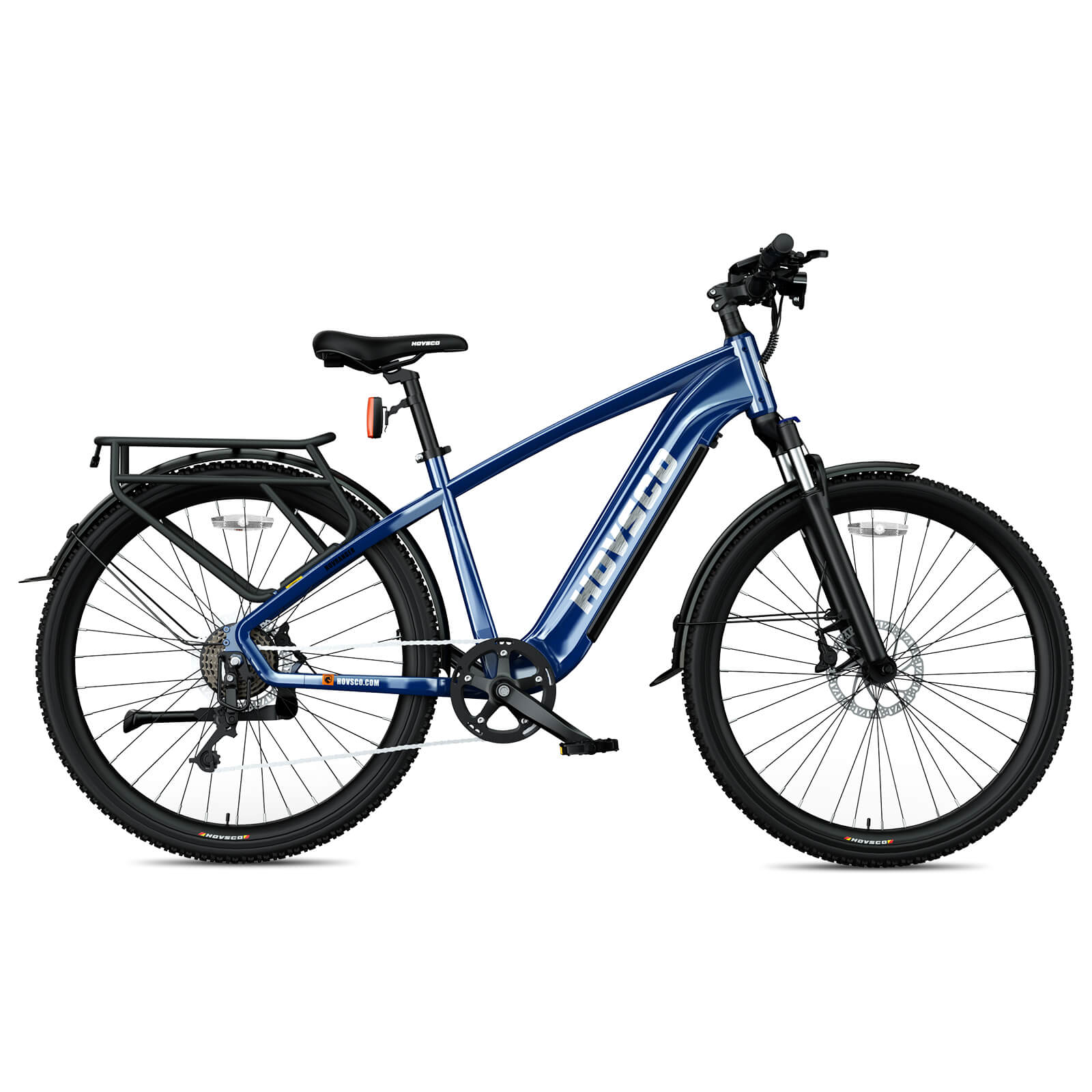
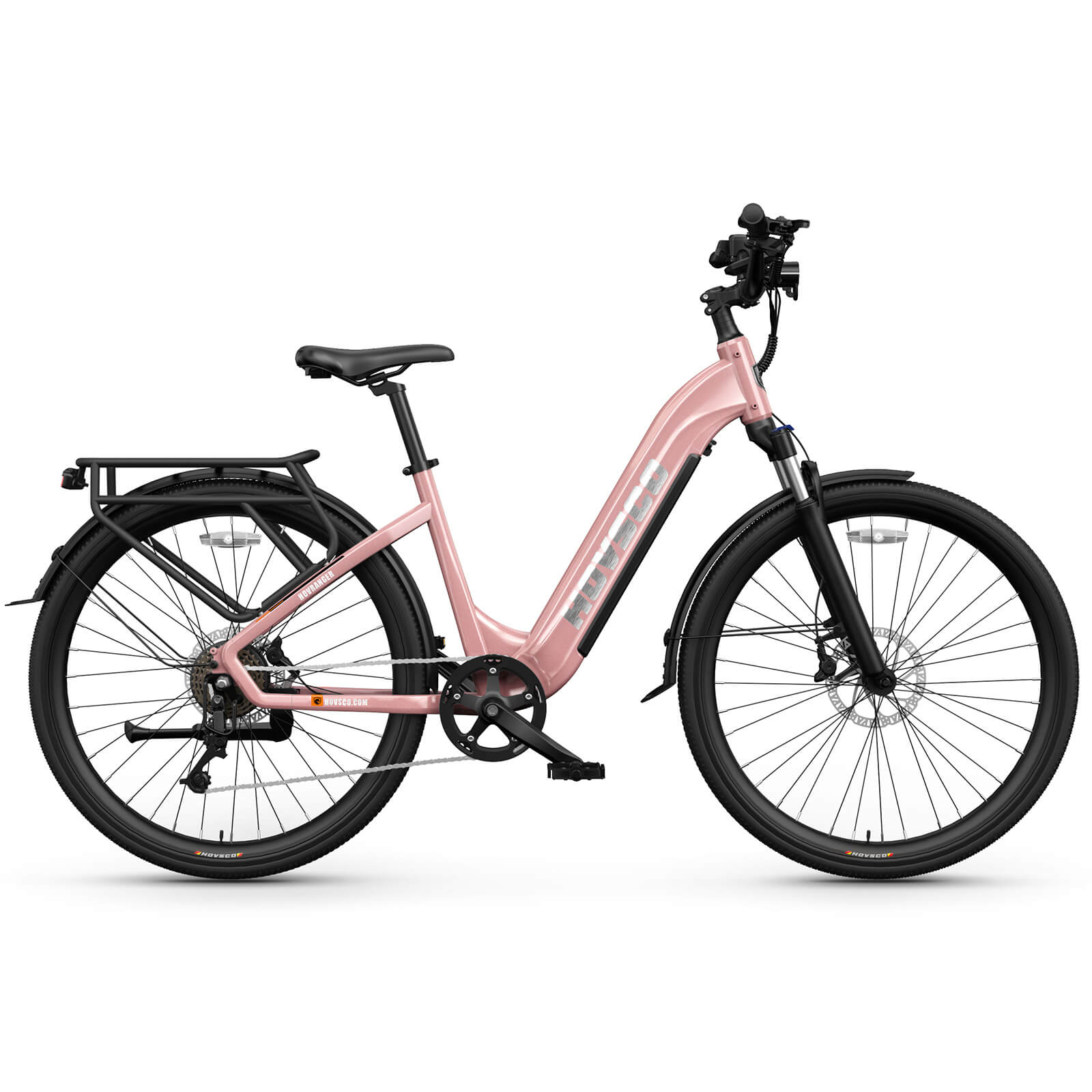
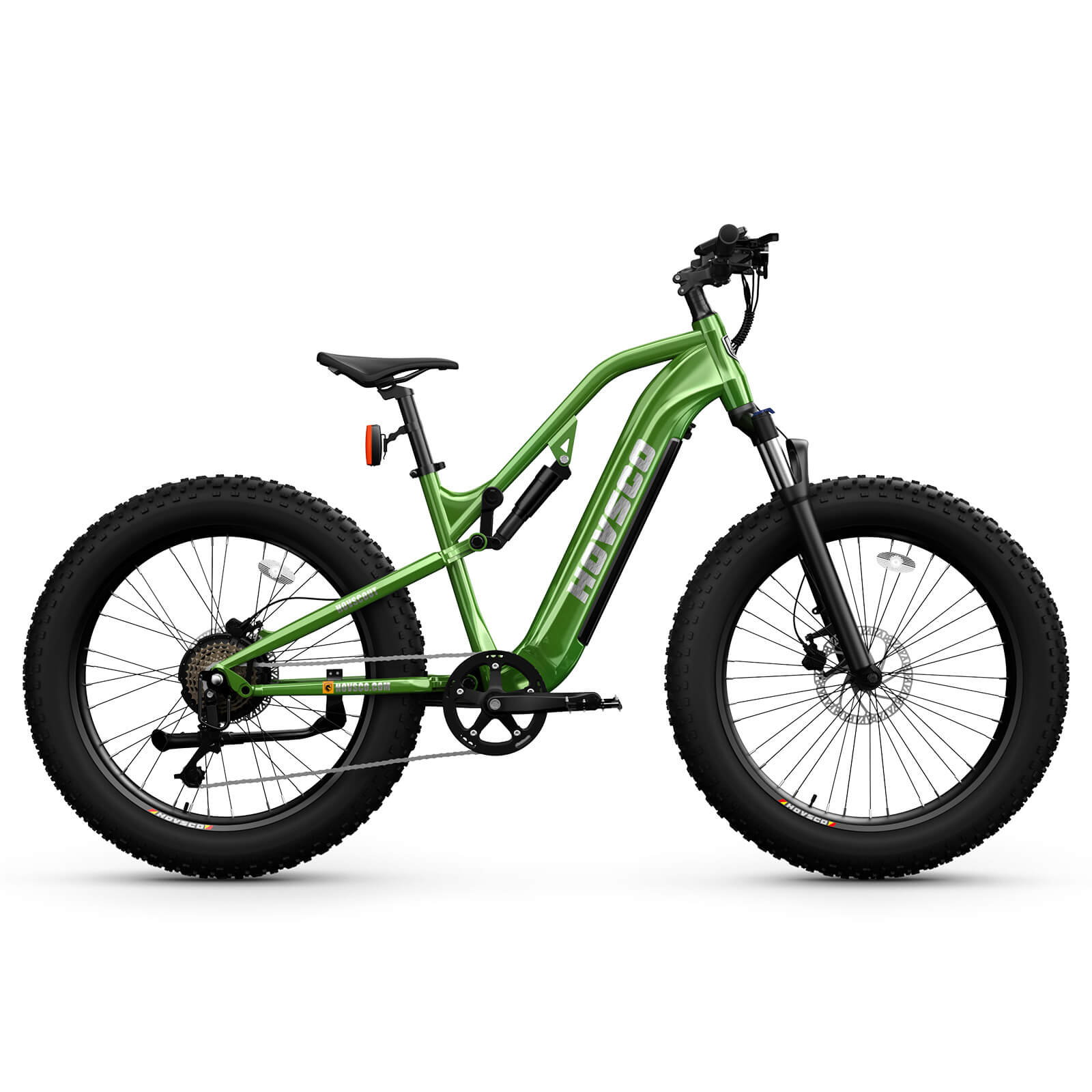
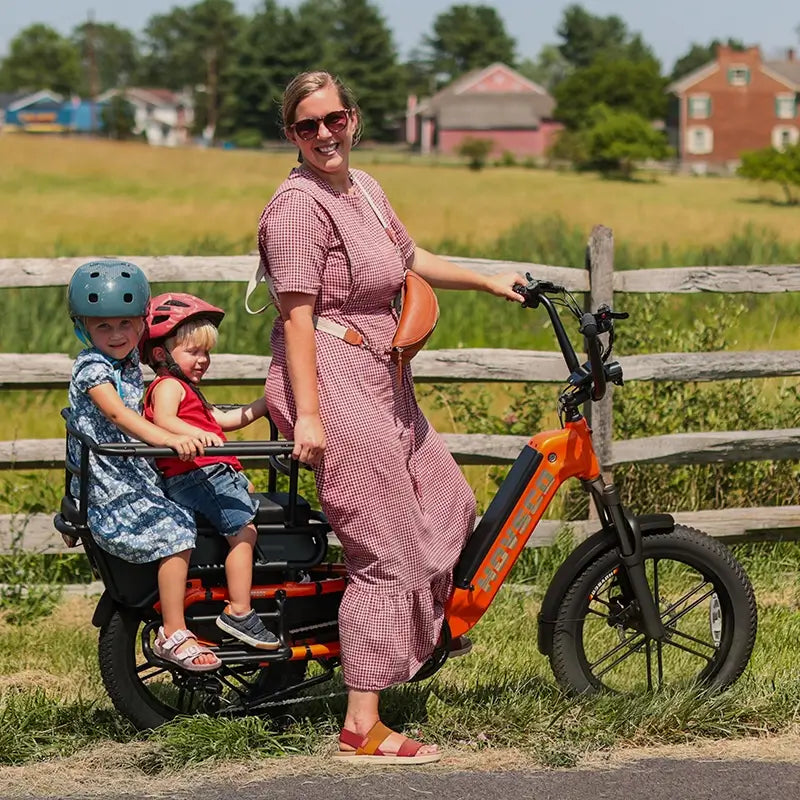
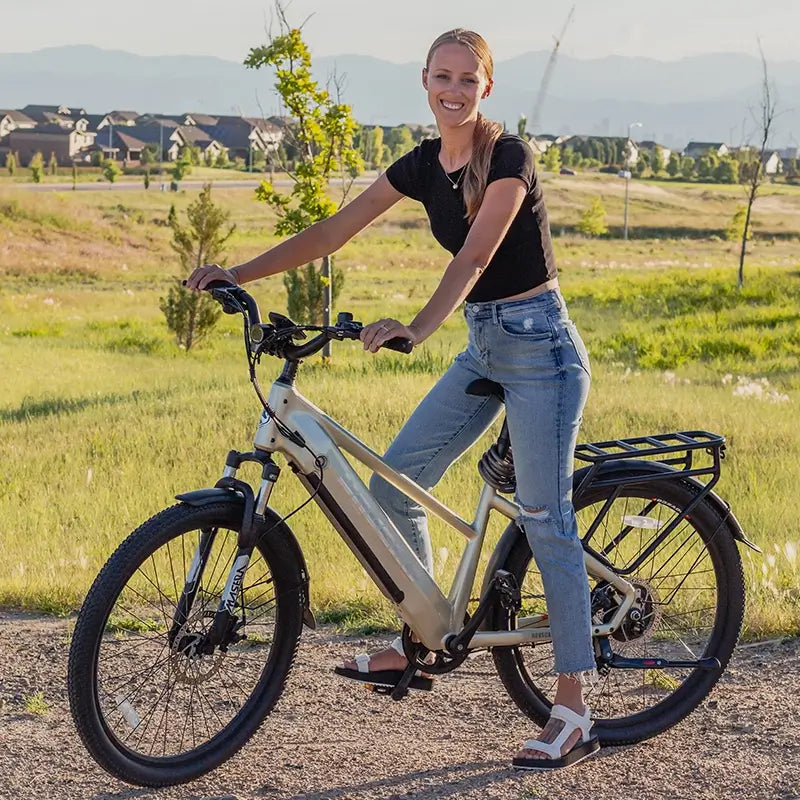
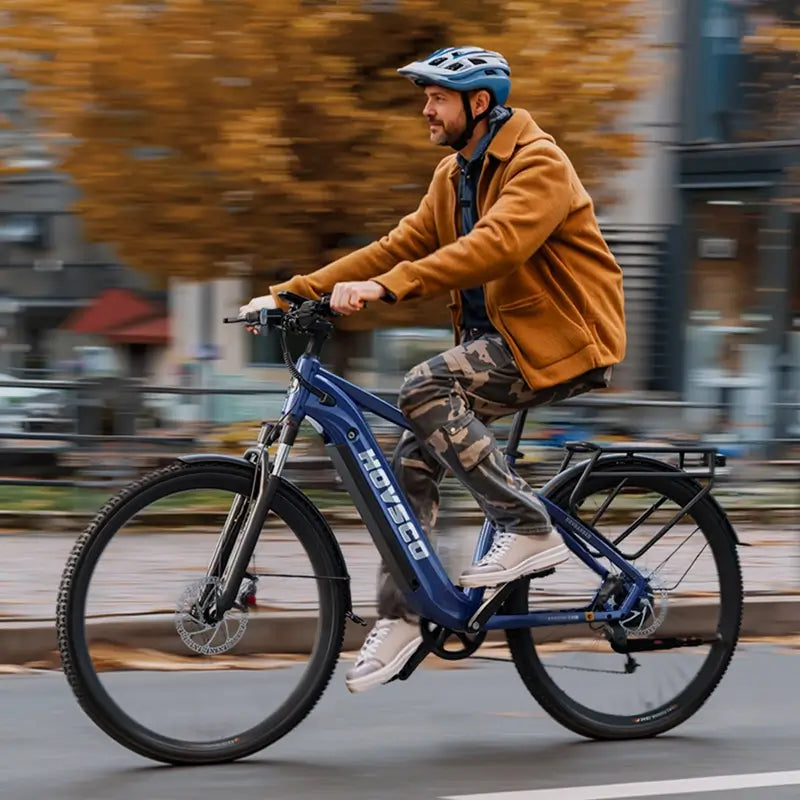
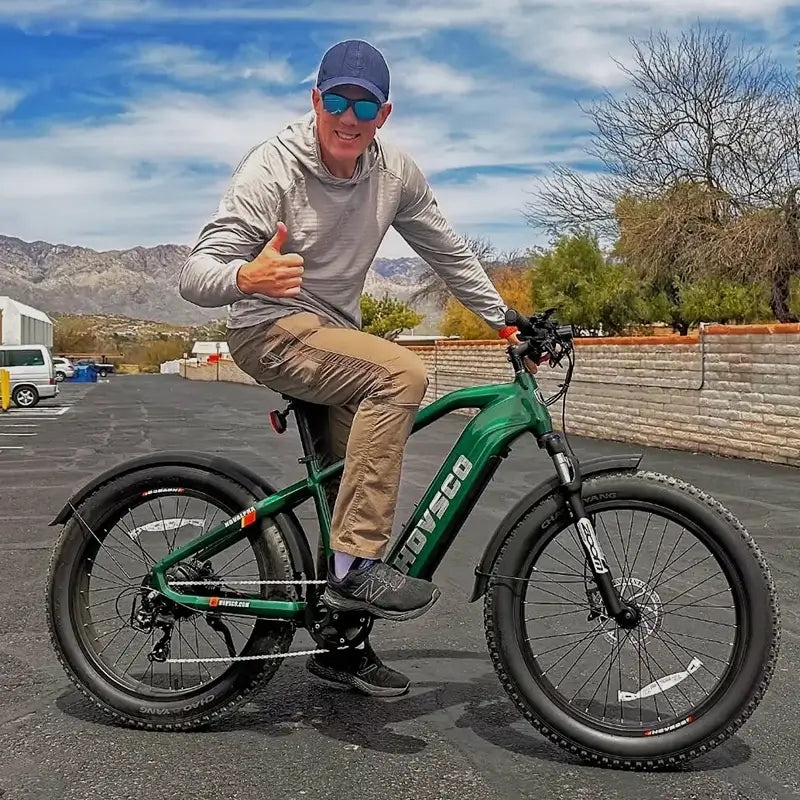
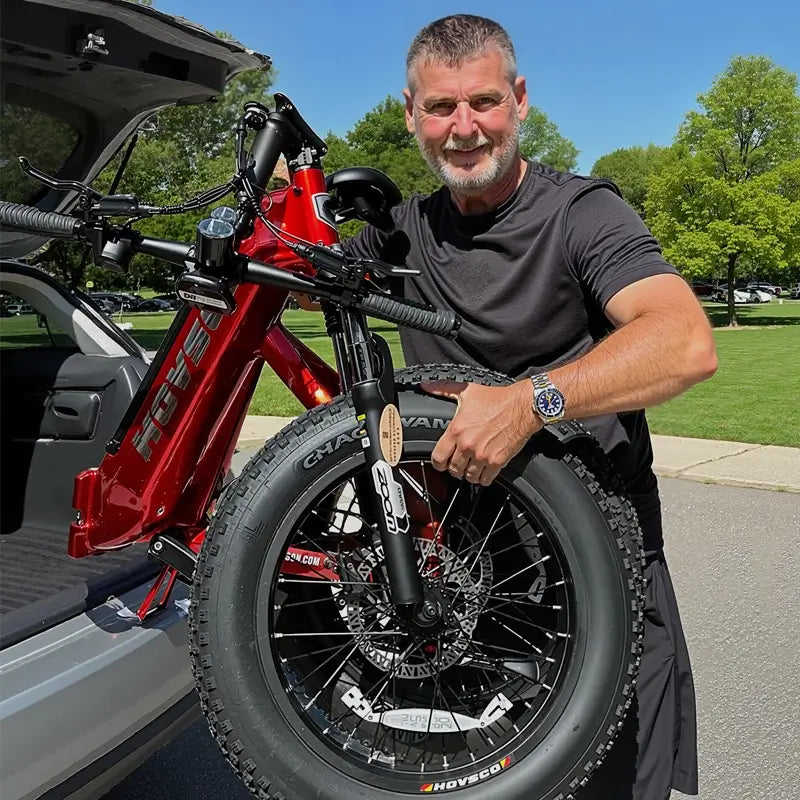
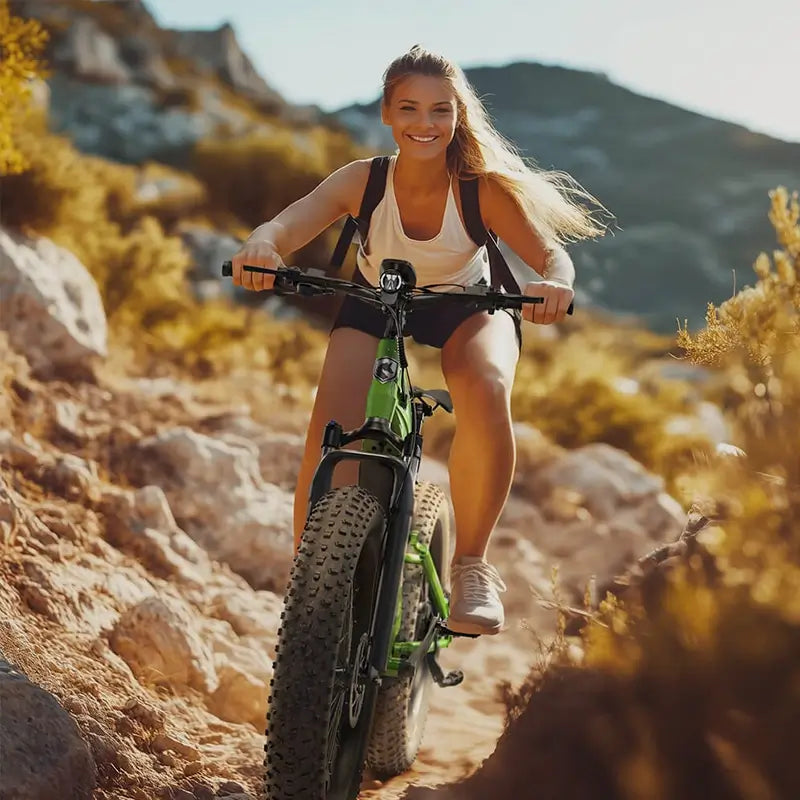
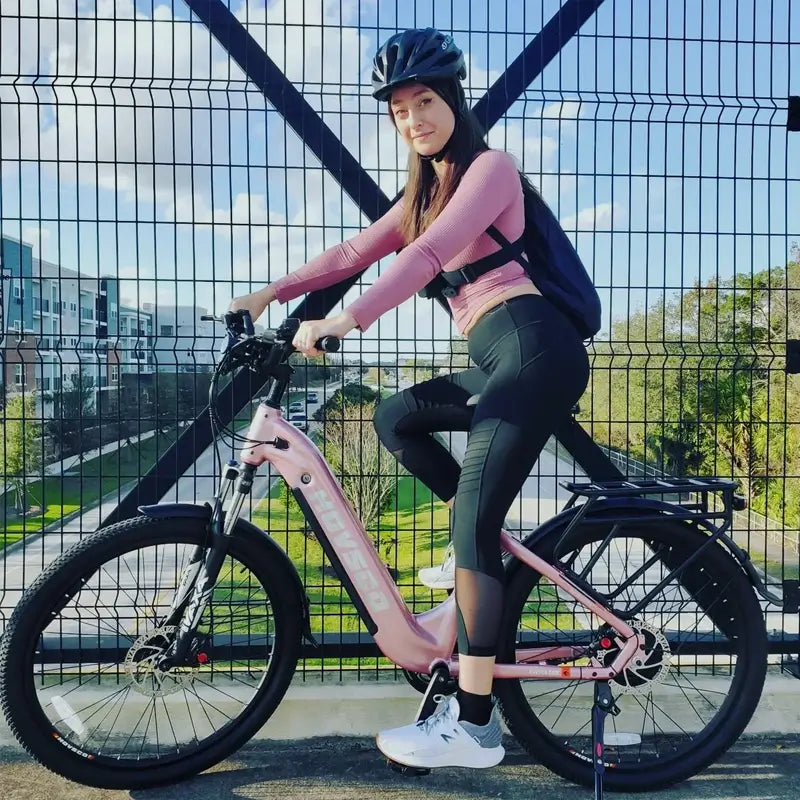
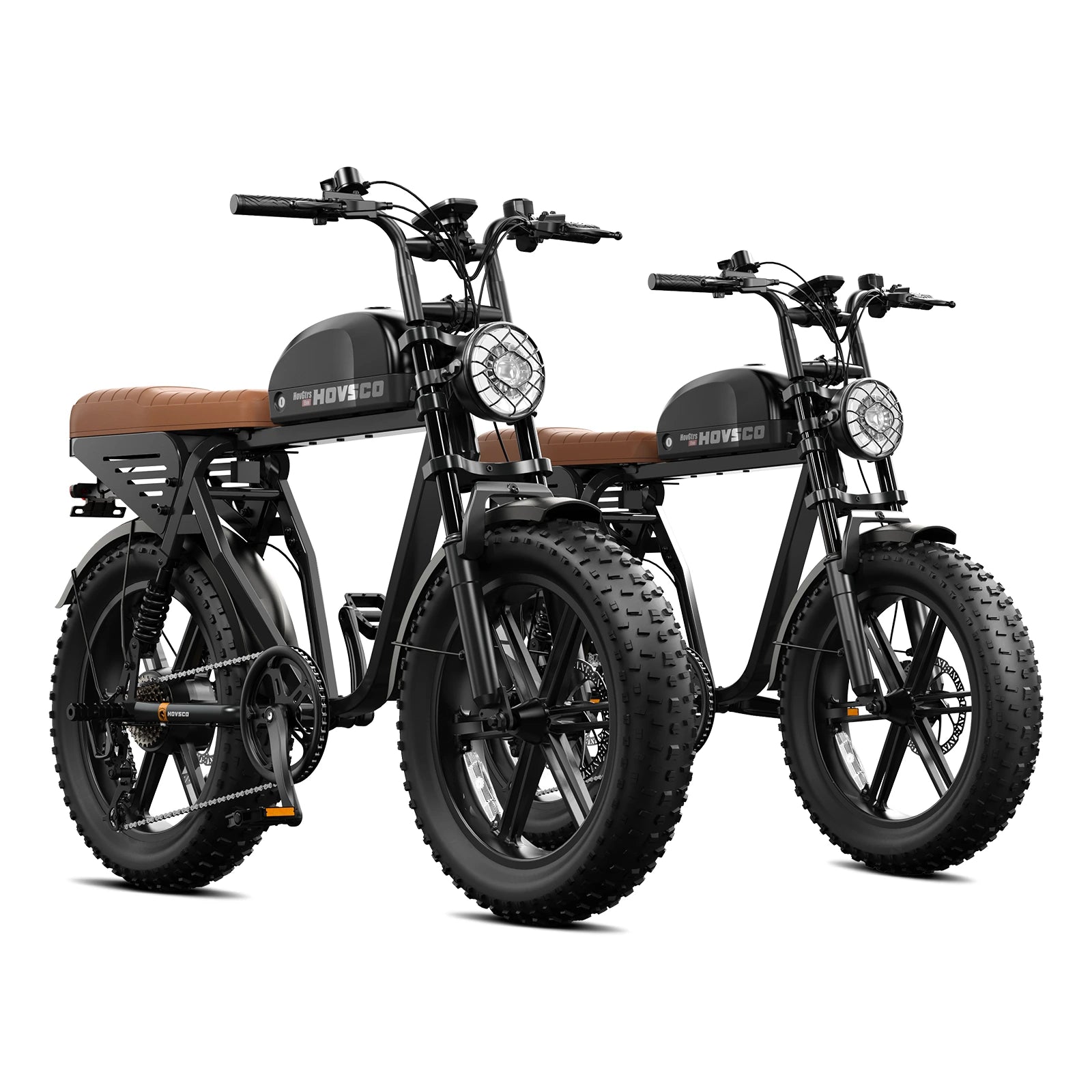
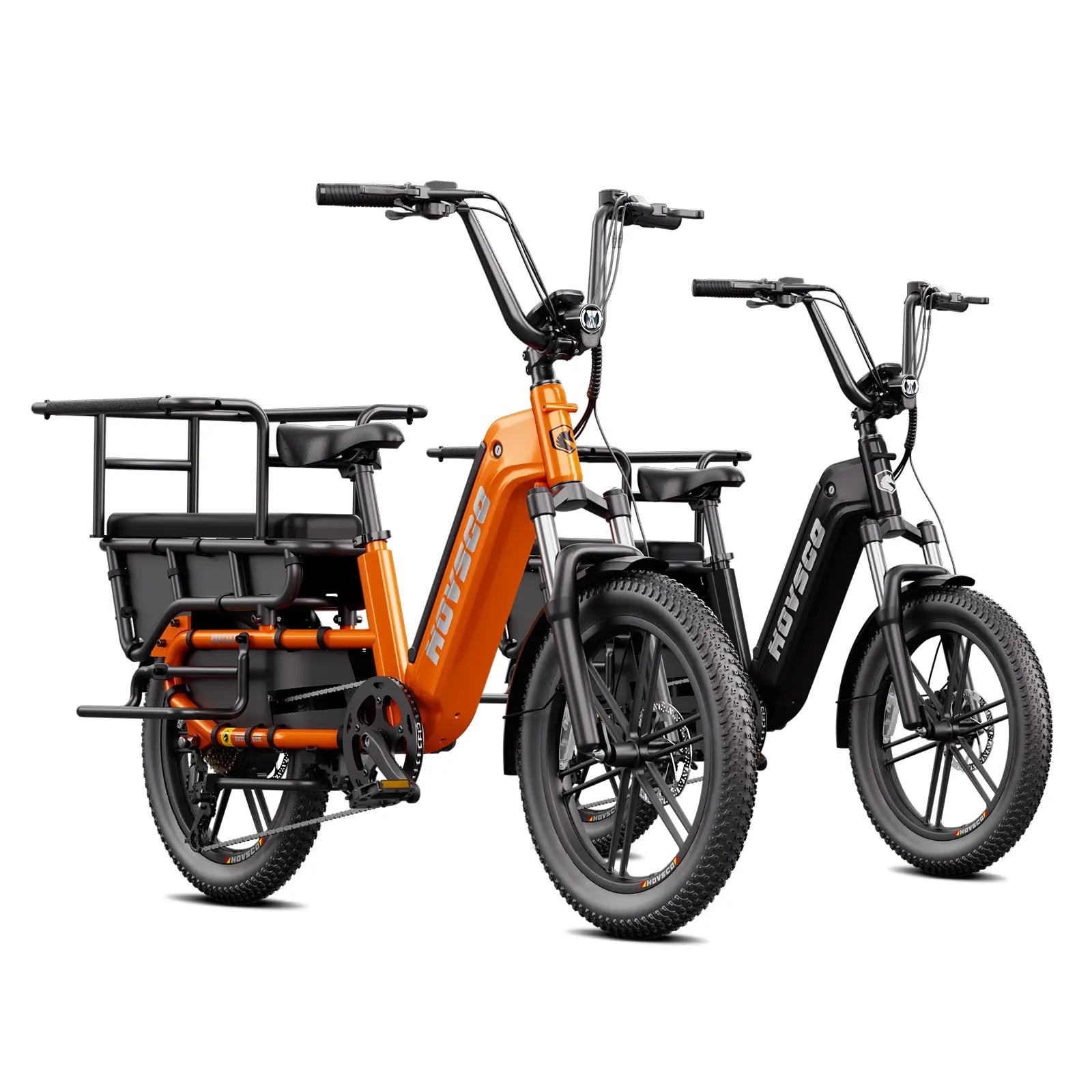
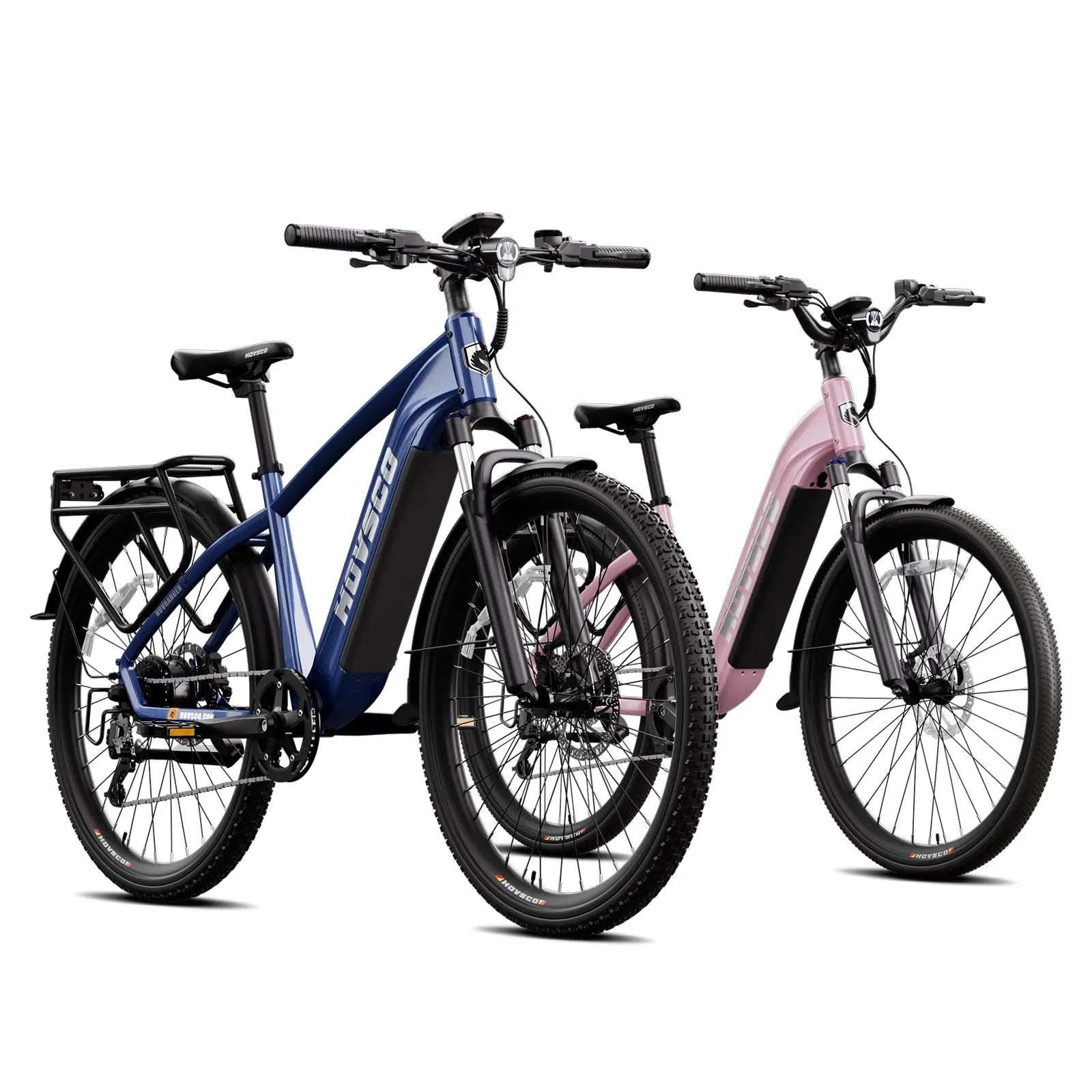
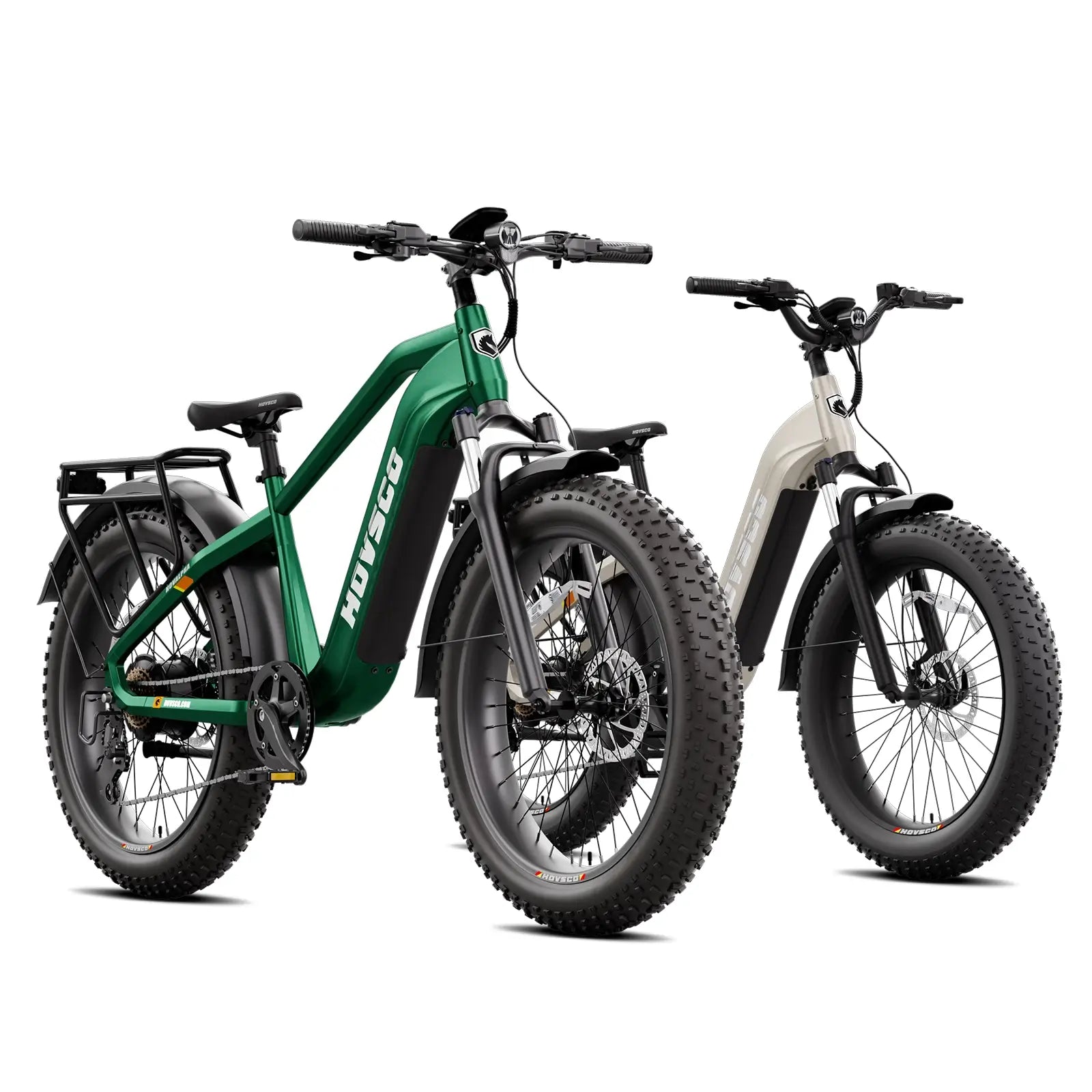
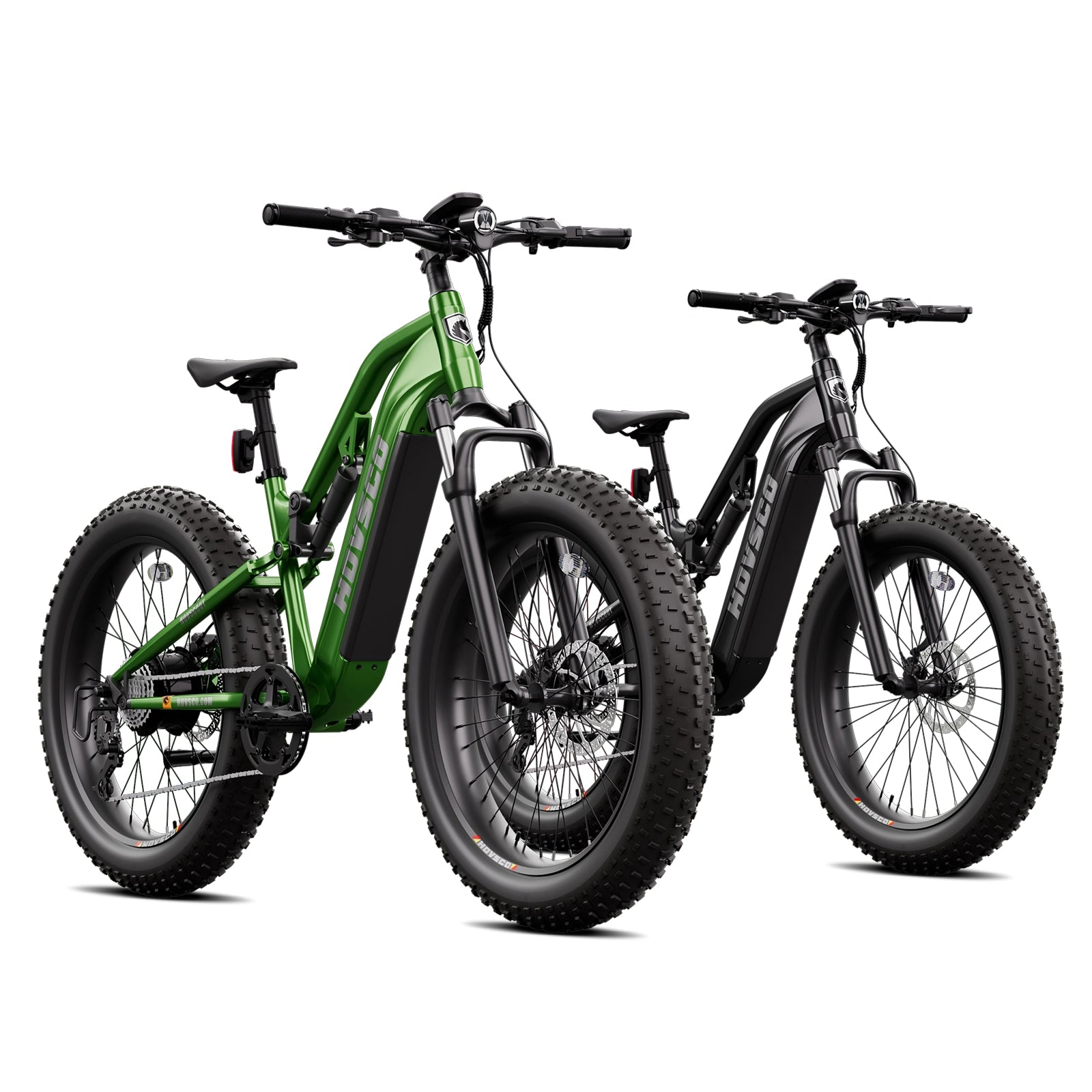
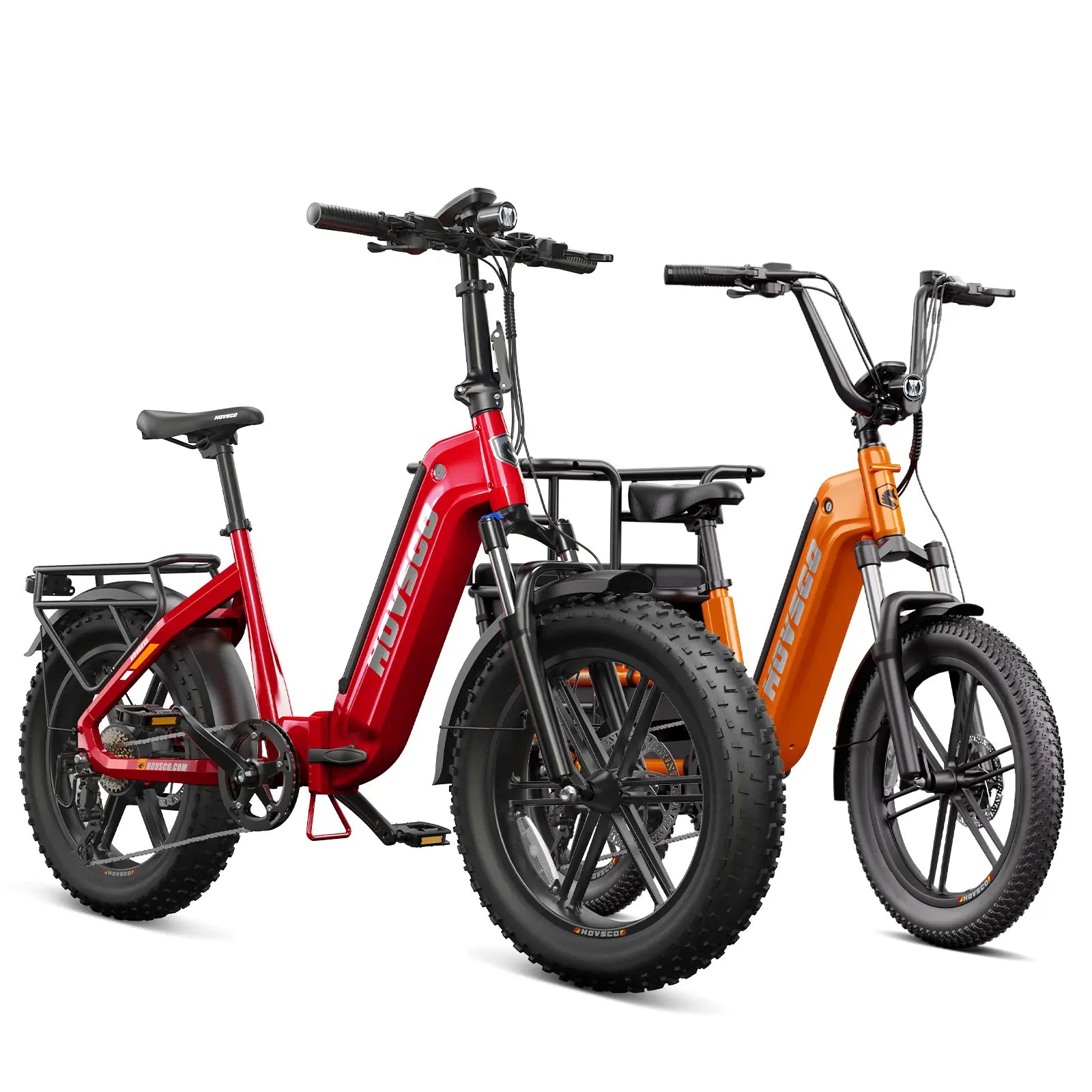
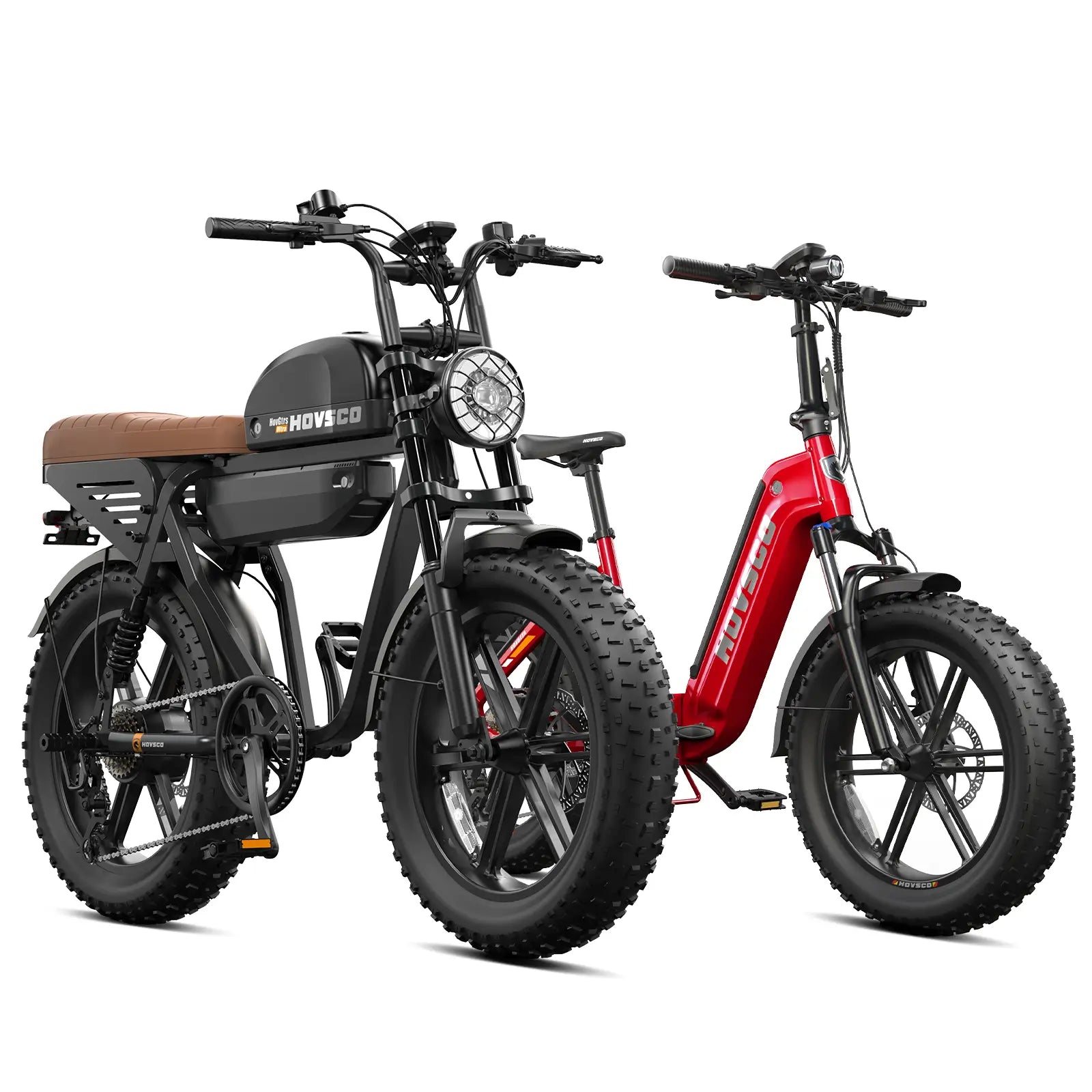
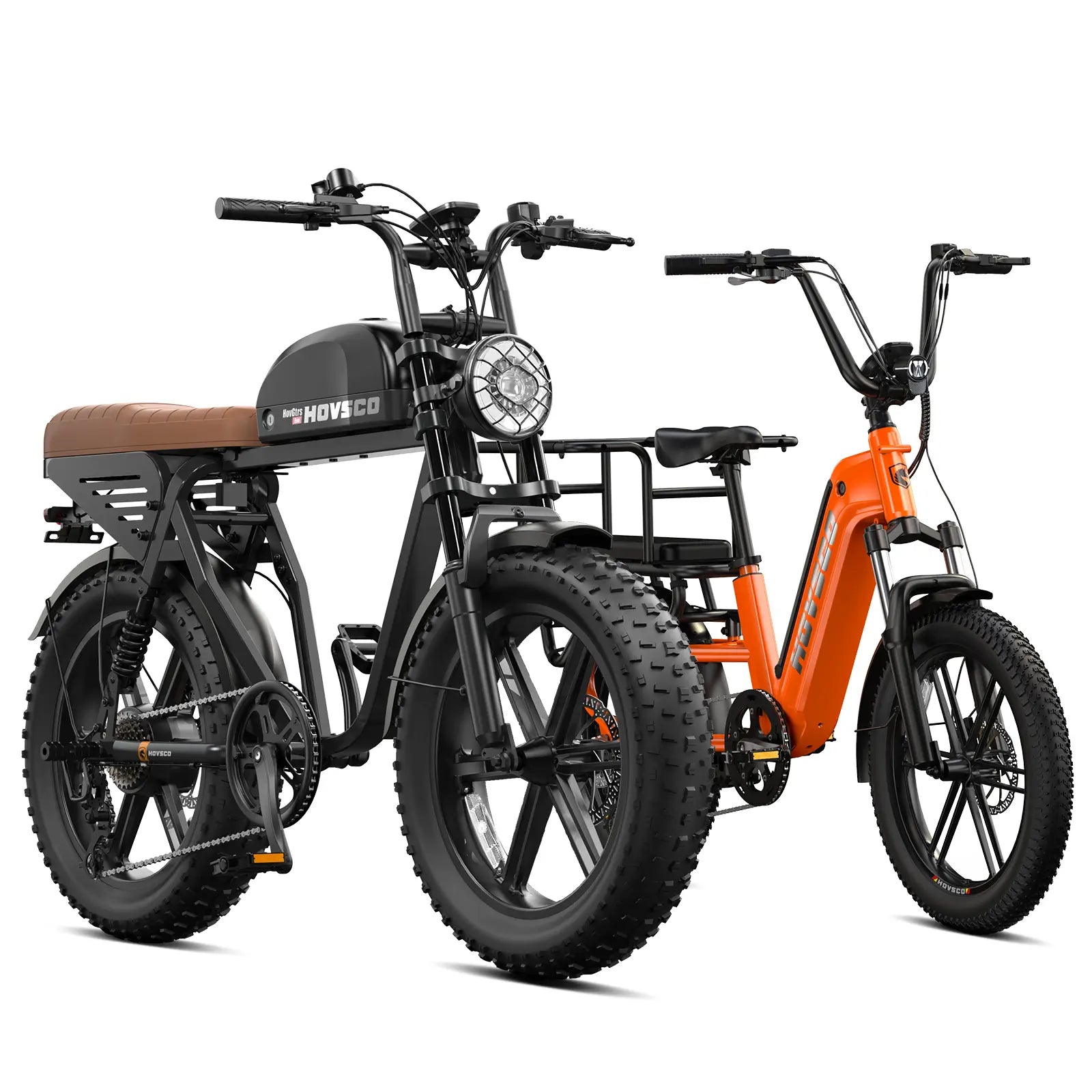
HOVSCO, a prominent e-bike manufacturer, is positioning itself as a key player in the competitive landscape by offering high-quality e-bikes with cutting-edge technology at competitive prices. The brand’s commitment to sustainability, safety, and consumer satisfaction has helped it secure a solid reputation in the growing e-bike sector.
“HOVSCO has been a pioneer in pushing the boundaries of electric biking technology while focusing on affordability and sustainability. Our mission is simple—provide cyclists with e-bikes that not only offer an exceptional riding experience but also promote a healthier, more sustainable lifestyle. As the French e-bike market continues to grow, we are excited to play a key role in shaping the future of urban mobility.” – HOVSCO Expert
The France e-bike market is poised for substantial growth, driven by government support, technological advancements, and changing consumer preferences. As urban mobility needs increase, cities are investing in cycling infrastructure, making e-bikes a more viable and attractive transportation option. Brands like HOVSCO are leading the charge by offering high-performance e-bikes that cater to a variety of users, from city commuters to delivery businesses.
For consumers, the increasing availability of leasing options, coupled with declining battery prices, means that e-bikes will become more accessible than ever. Businesses should also consider investing in cargo e-bikes to comply with stricter emission regulations. As the market matures, staying informed about the latest trends and innovations will be crucial to making the most of this expanding sector.
1. What is driving the growth of the e-bike market in France?
Government policies like the Plan Vélo, subsidies, and the growing demand for urban mobility solutions are key drivers of the e-bike market's growth in France.
2. Are mid-drive motors becoming more popular in France?
Yes, mid-drive motors, known for better performance and handling, accounted for over 55% of the market share in 2025 and are expected to see continued growth.
3. How are battery costs affecting the e-bike market in France?
Declining lithium-ion battery costs are making e-bikes more affordable, allowing more consumers to transition to electric biking and boosting the overall market.
4. What role do cargo e-bikes play in the French market?
Cargo e-bikes are growing in popularity due to the rise of eco-friendly logistics and stricter emission regulations. They are especially in demand for last-mile delivery services.
5. Can HOVSCO be a reliable choice for purchasing e-bikes in France?
Absolutely. HOVSCO is a trusted brand offering high-quality, reliable e-bikes that cater to a wide range of users, including urban commuters and commercial fleets.
Share:
France Smart Electric Bikes Market Overview
France Smart Electric Bikes Market Overview