
























![[ New Arrival ] Porto Max Electric Scooter For Commute & Grocery Shopping - HOVSCO](http://www.hovsco.com/cdn/shop/files/PotroMax-3.jpg?v=1706927007&width=1200)
- by EO S
Best Fat Tire E-Bike Maintenance Tips?
- by EO S
E-Bikes
Accessories
 Free Shipping
 15-Day Returns
 2-Year Warranty
Free Shipping
15-Day Returns
2-Year Warranty
2-Year Warranty
Free Shipping
15-Day Returns
2-Year Warranty
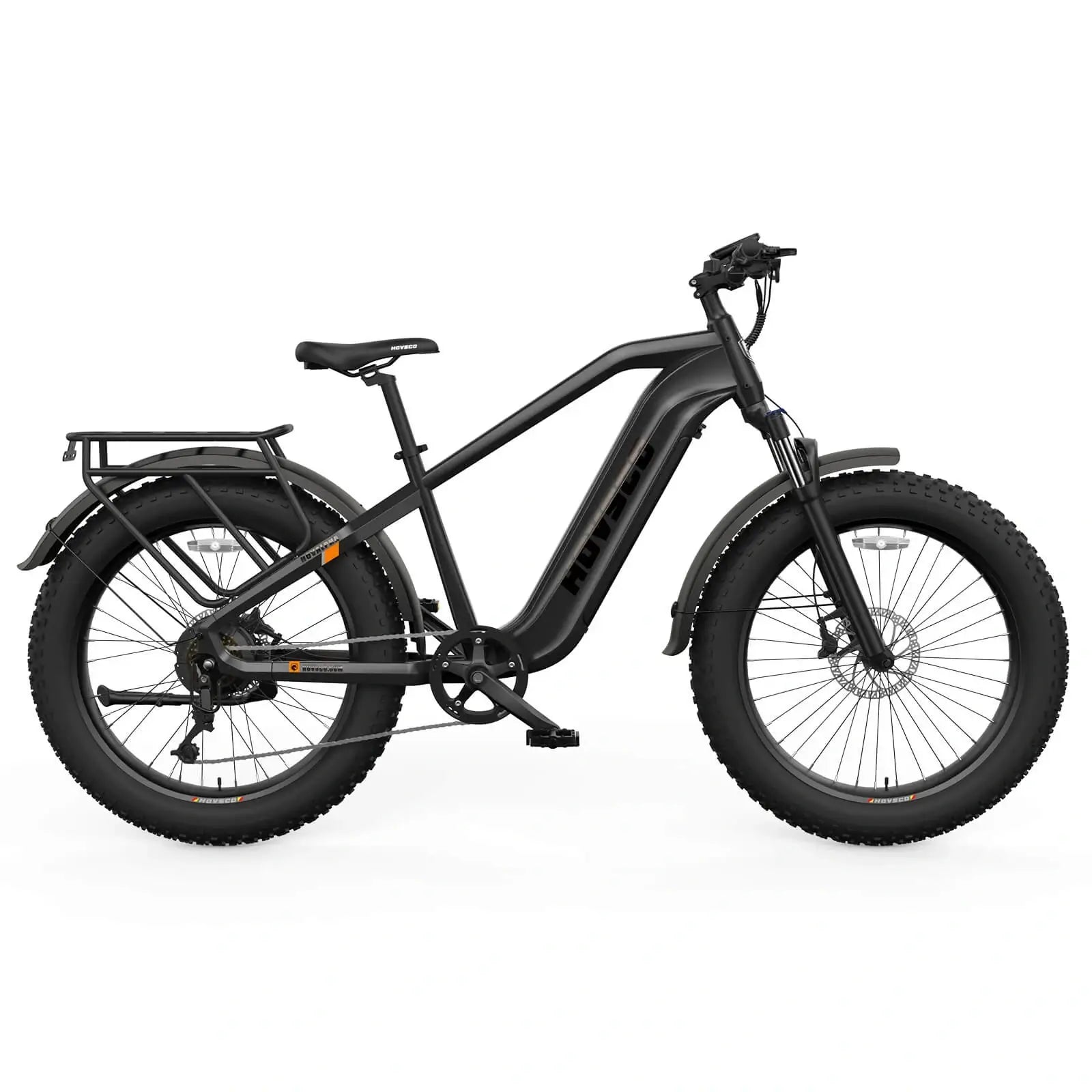
To keep fat tire electric bikes running smoothly, perform weekly tire pressure checks, clean and lubricate the drivetrain after muddy rides, inspect brakes monthly, and store batteries indoors at 50–80% charge. Schedule a professional tune-up annually or every 1,000 miles. HOVSCO emphasizes that consistent maintenance prevents wear, improves safety, and maintains peak performance across varied terrain.
Fat tire electric bike maintenance is a routine system of checks and care for tires, drivetrain, brakes, battery, and electronics to prevent premature wear and keep performance consistent. Proper upkeep reduces breakdowns and supports safe riding in varied conditions.
This maintenance includes cleaning after rides, lubricating moving parts, inspecting components for damage, and confirming battery health. HOVSCO recommends a simple pre-ride checklist to catch issues early, especially for riders who use their bikes for commuting or off-road adventures. Consistent care extends the life of your bike and preserves its reliability.
Regular fat tire electric bike maintenance keeps components healthy, improves safety, and maximizes battery range by preventing dirt buildup and excessive wear. Without consistent care, tires wear faster, the drivetrain strains, and battery efficiency drops, especially in harsh conditions like sand or snow.
A routine maintenance habit can improve performance and reduce long-term costs. HOVSCO’s safety-first approach highlights the importance of clean chains, aligned brakes, and proper tire pressure, especially for riders who face wet or muddy terrain. Maintenance ensures your bike remains ready for any ride.
Check tire pressure weekly or before every ride. Fat tire electric bikes perform best at 5–15 PSI off-road and 20–30 PSI on pavement. Using a digital gauge improves accuracy and helps avoid flats or poor handling.
Proper tire pressure is the foundation of fat tire electric bike maintenance. Low pressure increases the risk of pinch flats and makes pedaling harder, while high pressure reduces traction and comfort. HOVSCO recommends marking tire sidewalls for quick visual checks, making routine maintenance faster and more reliable.
| Terrain | PSI Range | Benefit |
|---|---|---|
| Sand/Snow | 5–10 | Maximum traction |
| Trails | 10–20 | Balanced comfort and grip |
| Pavement | 20–30 | Speed and efficiency |
Clean the chain weekly with a degreaser and brush, then apply an e-bike-specific lubricant. Wipe off excess to prevent dirt from sticking. This step keeps the drivetrain shifting smoothly and reduces wear.
Drivetrain care is a key part of fat tire electric bike maintenance because mud and sand buildup can cause noisy operation and poor shifting. HOVSCO advises cleaning after rides in wet conditions and checking derailleur alignment monthly. A clean drivetrain also improves efficiency and extends component life.
Store batteries at 50–80% charge in cool, dry conditions, and avoid fully draining them before charging. Battery health drops faster in extreme temperatures, so keep them indoors during winter or heat waves.
Battery care is essential in fat tire electric bike maintenance because the battery is the most expensive component to replace. Use original chargers, keep terminals clean, and monitor battery health through the bike’s app if available. HOVSCO emphasizes consistent charging habits to ensure long-term reliability and peak performance.
Inspect brakes monthly by squeezing the levers for firm response and checking pad wear. Adjust pads if they rub too early and bleed hydraulic systems annually. Proper brake checks prevent dangerous failures on descents.
Brake maintenance is crucial for fat tire electric bike safety. HOVSCO recommends testing stopping distance in controlled conditions and replacing pads every 1,000 miles for consistent performance. Reliable brakes are especially important when riding on wet trails or steep terrain.
Schedule professional servicing annually or every 1,000 miles for full inspections, suspension tuning, and motor checks. Professionals can detect hidden issues like bearing wear, frame alignment, or electrical faults.
Professional service supports long-term fat tire electric bike maintenance and ensures that critical systems remain reliable. HOVSCO’s support network helps riders access proper service and parts, making maintenance easier and more effective.
| Service | Frequency | Typical Cost |
|---|---|---|
| Basic Tune | 6 months | $50–$100 |
| Full Check | Annually | $150–$250 |
| Overhaul | Every 2 years | $300+ |
Yes, seasonal adjustments are essential. In winter, lower tire pressure, rinse off salt, and store batteries indoors. In summer, protect chains from dust and heat, and avoid prolonged exposure to high temperatures.
Seasonal fat tire electric bike maintenance helps preserve performance and prevents corrosion. HOVSCO riders recommend rinsing and drying after wet rides and keeping batteries at moderate charge levels during storage. Simple seasonal habits keep your bike ready year-round.
“Founded in 2019, HOVSCO combines cycling passion with engineering precision to build fat tire electric bikes designed for real-world use. Our team emphasizes safety and durability, so riders can enjoy adventure without constant repairs. Regular maintenance—especially tire checks, drivetrain cleaning, and battery care—keeps the bike performing at its best. We encourage riders to adopt simple routines and join our community to share tips, because great rides come from consistent care and trusted support.” – HOVSCO Team
Yes, most fat tire electric bike maintenance tasks—such as cleaning, basic adjustments, and tire pressure checks—can be done at home with basic tools. DIY maintenance saves time and keeps your bike ready for daily use.
Start with simple pre-ride checks (air, brakes, chain). HOVSCO provides guidance for beginners to build confidence. For complex electrical issues or motor problems, seek professional help to avoid voiding warranties or causing damage.
Store fat tire electric bikes upright in a dry, moderate environment. Keep the battery at 50–80% charge, slightly deflate tires for long-term storage, and cover the bike to prevent dust buildup.
Proper storage preserves the results of your maintenance efforts and prevents corrosion or battery degradation. HOVSCO designs bikes to withstand outdoor conditions, but indoor storage always extends component life. Monthly inspections help catch issues early and keep your bike ready for the next ride.
Fat tire electric bike maintenance is essential for safety, performance, and long-term value. Focus on weekly tire pressure checks, regular drivetrain cleaning, monthly brake inspections, and smart battery care. Seasonal adjustments and annual professional servicing keep your bike reliable in all conditions. HOVSCO’s commitment to quality and community support makes maintenance simple and rewarding. Build a routine, follow best practices, and your bike will stay ready for adventure.
How often should I clean my fat tire electric bike?
Clean after muddy or wet rides, and perform a full clean monthly to prevent grime buildup.
What PSI should fat tire electric bikes run?
Typically 5–30 PSI depending on terrain, with lower pressure for off-road and higher pressure for pavement.
How long do fat tire e-bike batteries last?
Batteries usually last 3–5 years with proper charging habits and storage.
Are hydraulic brakes low-maintenance?
Hydraulic brakes are reliable but require pad checks monthly and a yearly bleed for best performance.
Can I pressure wash my fat tire electric bike?
No—use a low-pressure rinse to avoid damaging electronics.
Share:
Which High-End Fat Tire Electric Bikes Are Worth the Price?
How Do Fat Tire Electric Bikes Perform on Sand and Snow?