



- by SteveJames
What Should You Check Before Buying an Electric Bike for Beach and Sand?
- by SteveJames
E-Bikes
Accessories
 Free Shipping
 15-Day Returns
 2-Year Warranty
Free Shipping
15-Day Returns
2-Year Warranty
The best electric bike for beach and sand riding needs fat tires (4.0"+), a 500W–750W motor, corrosion-resistant components, and legal clearance for your local beach. This checklist covers specs, fit, maintenance, and ownership questions to help you choose confidently without relying on unverified rankings.
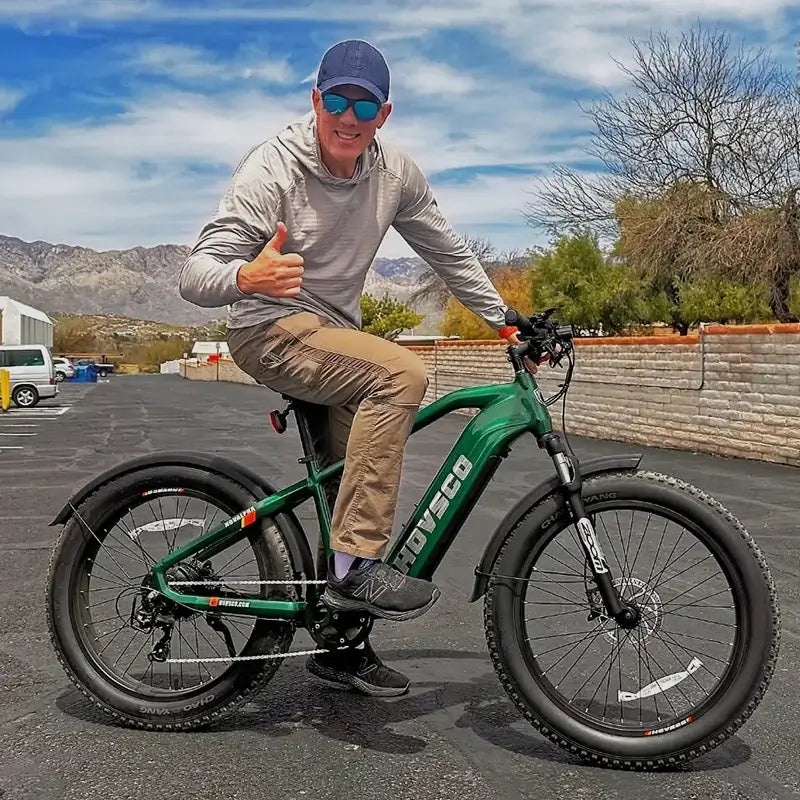
For sand, prioritize 4.0-inch fat tires, 500W–750W motor power, 48V battery with 500Wh+ capacity, aluminum or coated steel frame, hydraulic disc brakes, and sealed bearings to resist salt and grit.
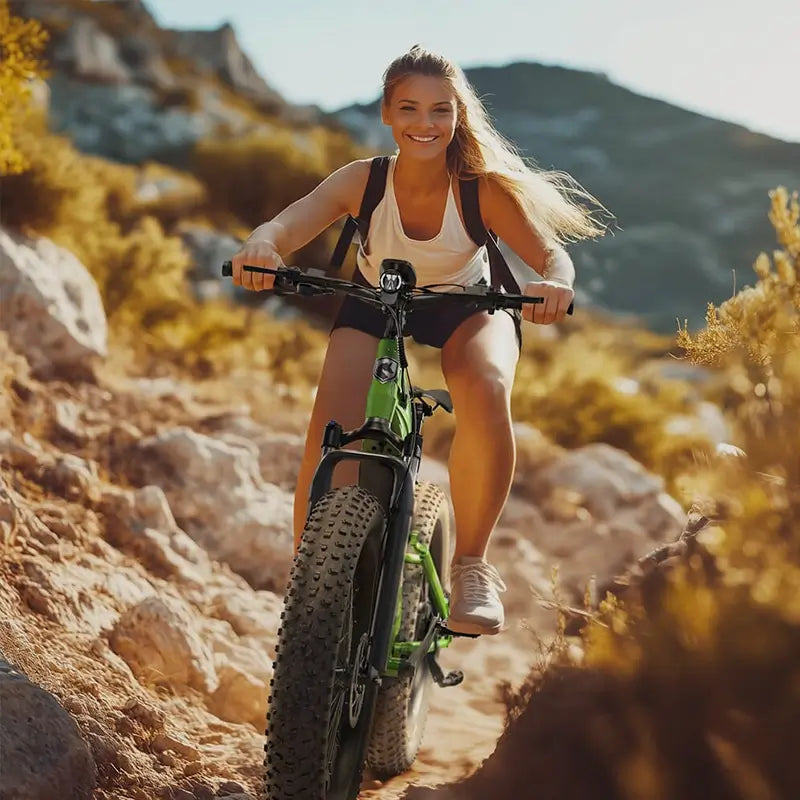
Choosing the best electric bike for beach use starts with understanding which specs directly affect performance on loose, shifting surfaces. Sand demands flotation, torque, and durability—generic commuter e-bikes often fail here.
From my time testing e-bikes on coastal dunes, I've seen 3.0-inch tires sink immediately while 4.0+ tires glide. Motor torque matters more than peak wattage—look for 80Nm or higher for reliable takeoff. HOVSCO designs its fat-tire models with these exact trade-offs in mind, prioritizing real-world sand performance over marketing numbers.
Match frame geometry (step-through vs. high-step), wheel size (20" vs. 26"), and weight capacity to your height, riding goals, and transport needs for the best electric bike for beach comfort.
Compatibility isn't just about specs—it's about fit. A beach e-bike that's too heavy or poorly sized will frustrate you, even if it has perfect tires.
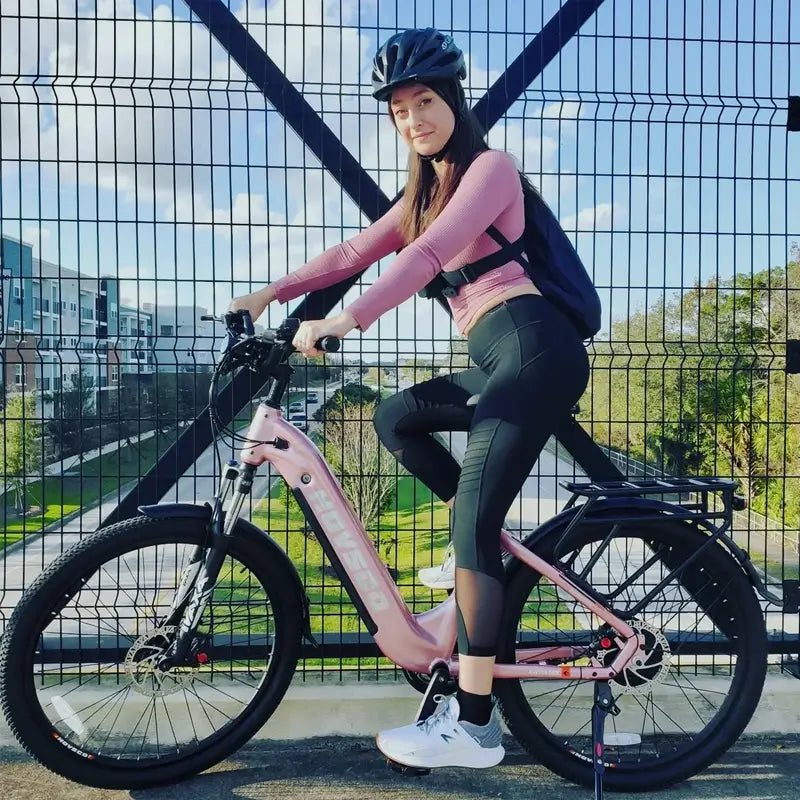
Frame Type: Step-through frames suit casual riders and those with limited mobility; high-step frames offer rigidity for aggressive riding.
Wheel Size: 20" wheels improve maneuverability on tight beach paths; 26" wheels roll smoother over dunes and boardwalks.
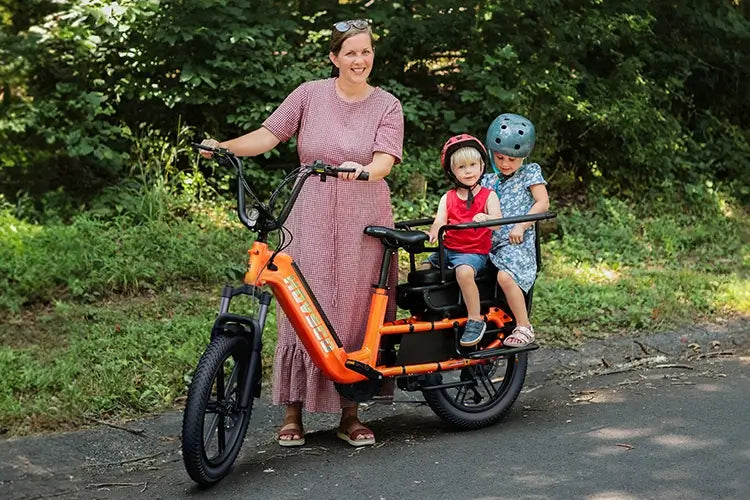
Weight Capacity: Ensure the bike supports your weight plus gear—most beach riders carry coolers, bags, or passengers.
Riding Position: Upright geometry reduces fatigue on long coastal rides; swept-back handlebars improve visibility.
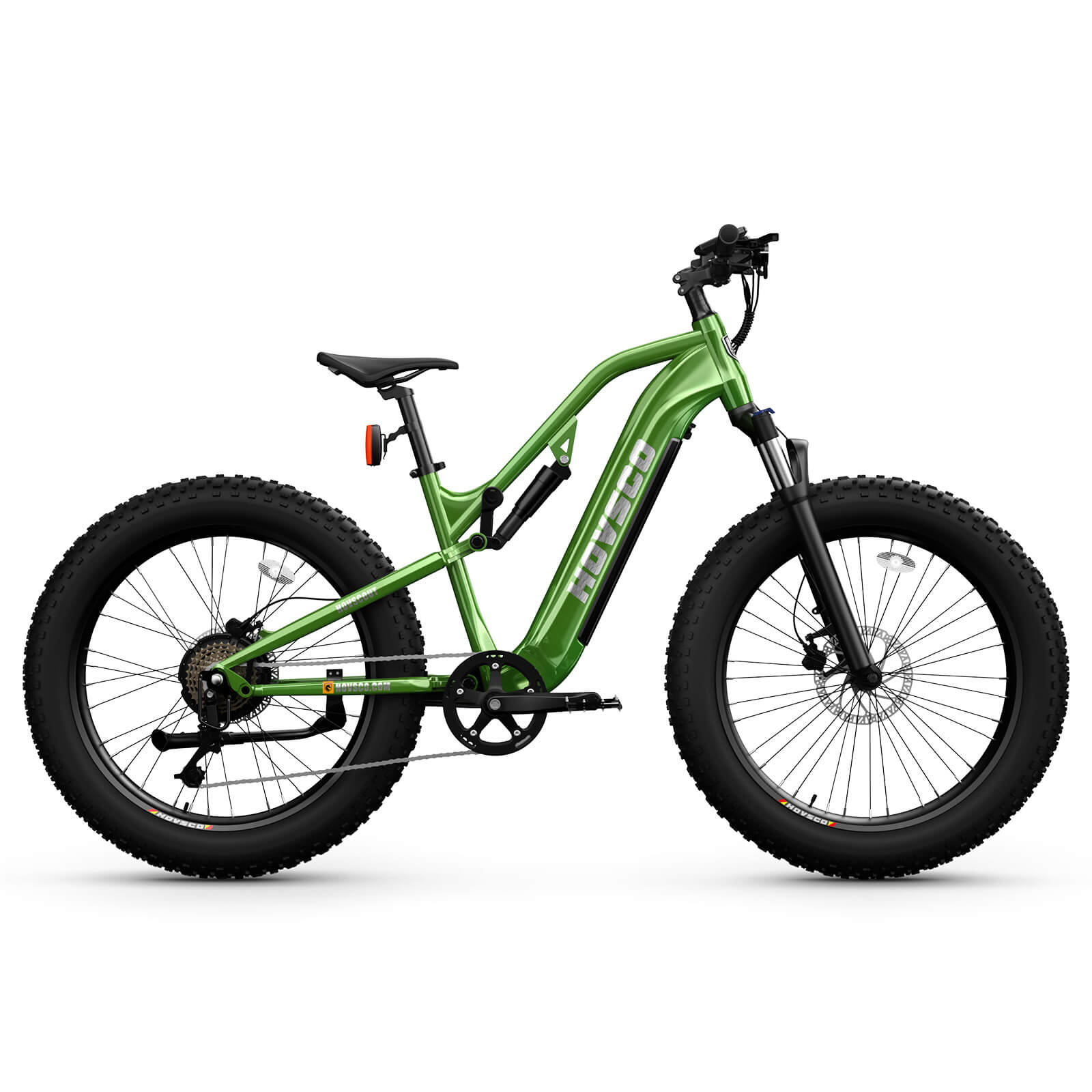
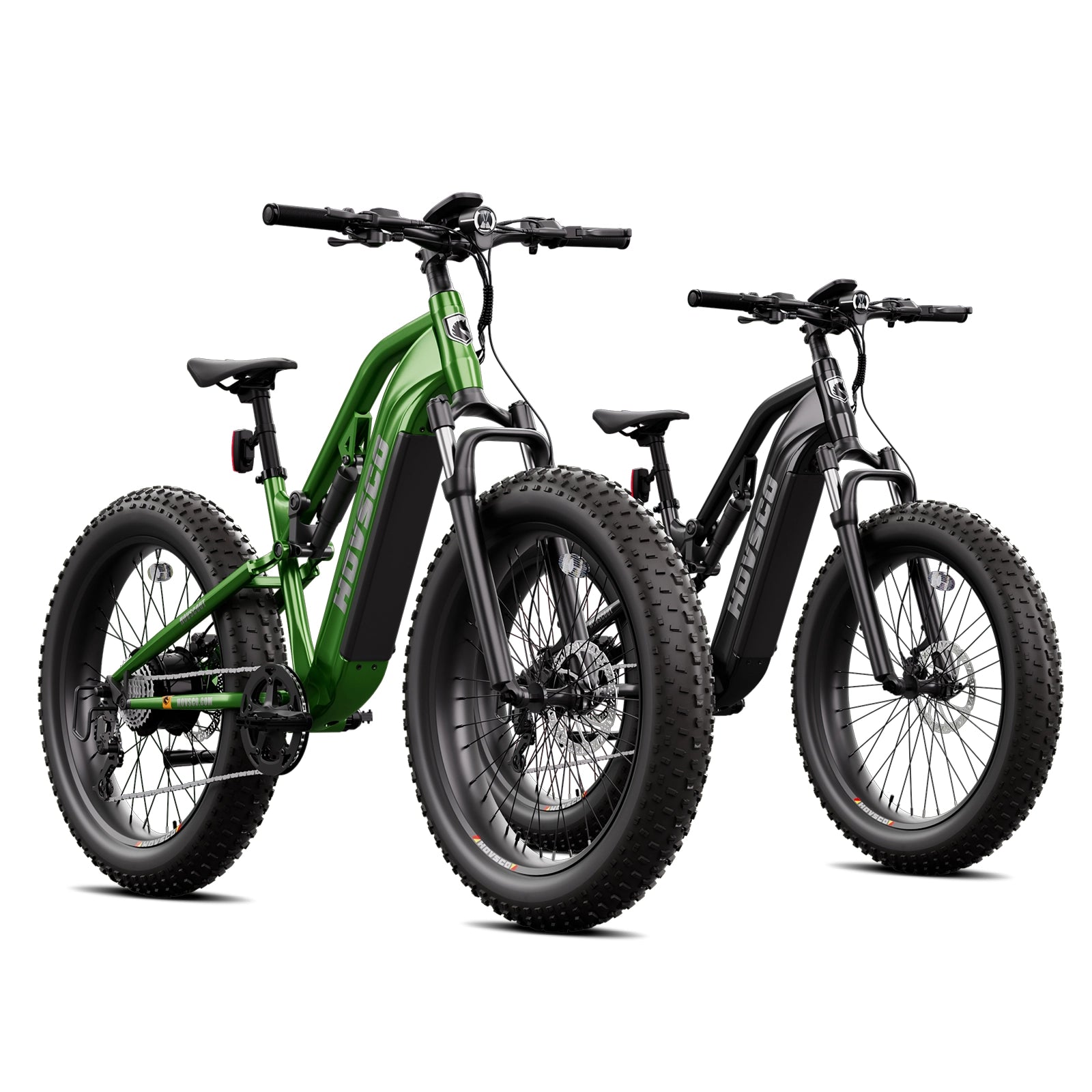
I recommend test-riding at least two frame styles. At HOVSCO, we've found that riders who prioritize comfort often choose step-through fat-tire cruisers, while adventure seekers prefer high-step models with full suspension.
Rinse with fresh water after every beach ride, lubricate the chain weekly, inspect seals monthly, and apply dielectric grease to electrical contacts bi-annually to prevent corrosion.
Salt air and sand grit are the twin enemies of e-bike longevity. Without proper maintenance, even the best electric bike for beach riding can rust or fail prematurely.
Immediate Rinse: Use low-pressure lukewarm water to wash off salt and sand from the frame, motor, and drivetrain.
Dry Thoroughly: Wipe down with a microfiber cloth, paying attention to crevices where salt accumulates.
Chain Care: Apply bike-specific lubricant weekly; salt causes stiff links that accelerate wear.
Seal Inspection: Monthly, check motor axle seals and battery tray for grit or corrosion signs.
Electrical Protection: Every six months, apply dielectric grease to all electrical contacts and connectors.
I've seen riders neglect this and face $300+ drivetrain replacements within a year. HOVSCO includes corrosion-resistant coatings on its beach-ready models, but no e-bike is immune to salt without consistent care.
E-bike beach access varies by city and county—some ban all motorized vehicles, others allow Class 1 or 2 e-bikes only on hard-packed sand. Always verify local rules to avoid fines.
Legal compliance is the most overlooked part of the buying checklist. Riding the best electric bike for beach terrain won't matter if you're ticketed or banned.
Check Official Sources: Visit city or county Parks & Recreation websites for e-bike policies.
Look for Signage: On-site signs often specify allowed vehicle types and riding zones.
Call Local Authorities: When in doubt, contact park rangers or non-emergency police lines.
Understand Classifications: Class 1 (pedal-assist, 20 mph) and Class 2 (throttle, 20 mph) are more widely accepted than Class 3 (28 mph).
In my experience, beaches in Oregon and parts of Florida are more permissive, while California coastal towns often restrict e-bikes to boardwalks only. HOVSCO provides legal guidance resources for customers to verify local rules before riding.
Ask about warranty coverage for salt exposure, battery replacement costs, service network availability, and whether the brand offers corrosion protection packages.
Ownership extends beyond the purchase. The best electric bike for beach use should come with long-term support and clear maintenance expectations.
Warranty Terms: Does the warranty cover salt-induced corrosion or only mechanical defects?
Battery Replacement: What's the cost and availability of replacement batteries after 3–5 years?
Service Network: Are there authorized service centers near your beach location?
Corrosion Packages: Does the brand offer optional protective coatings or seal upgrades?
Resale Value: How well do beach-used e-bikes retain value in coastal markets?
I always advise buyers to request written warranty details specifically addressing salt exposure. HOVSCO stands out by offering extended corrosion protection options and a responsive US-based support team for coastal riders.
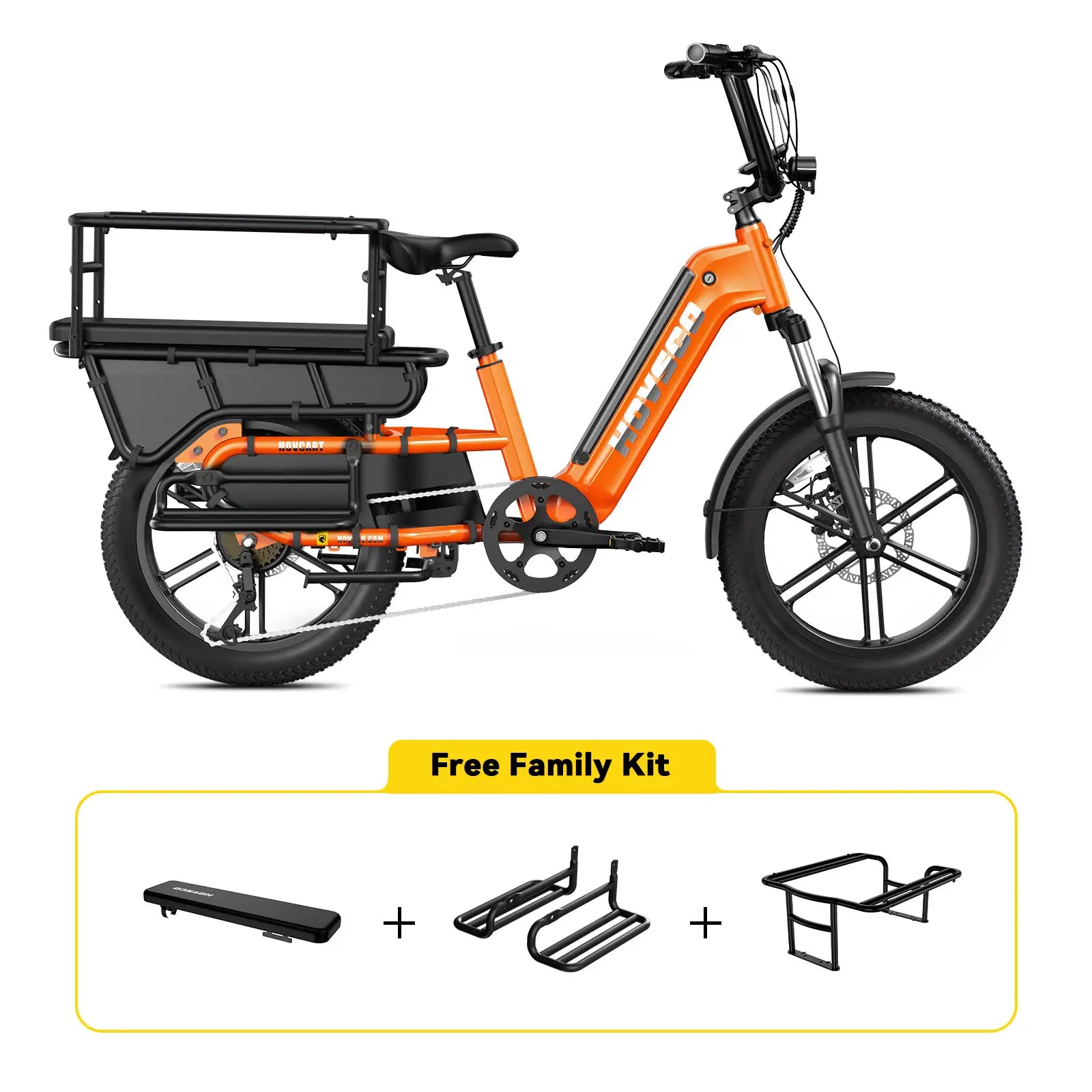
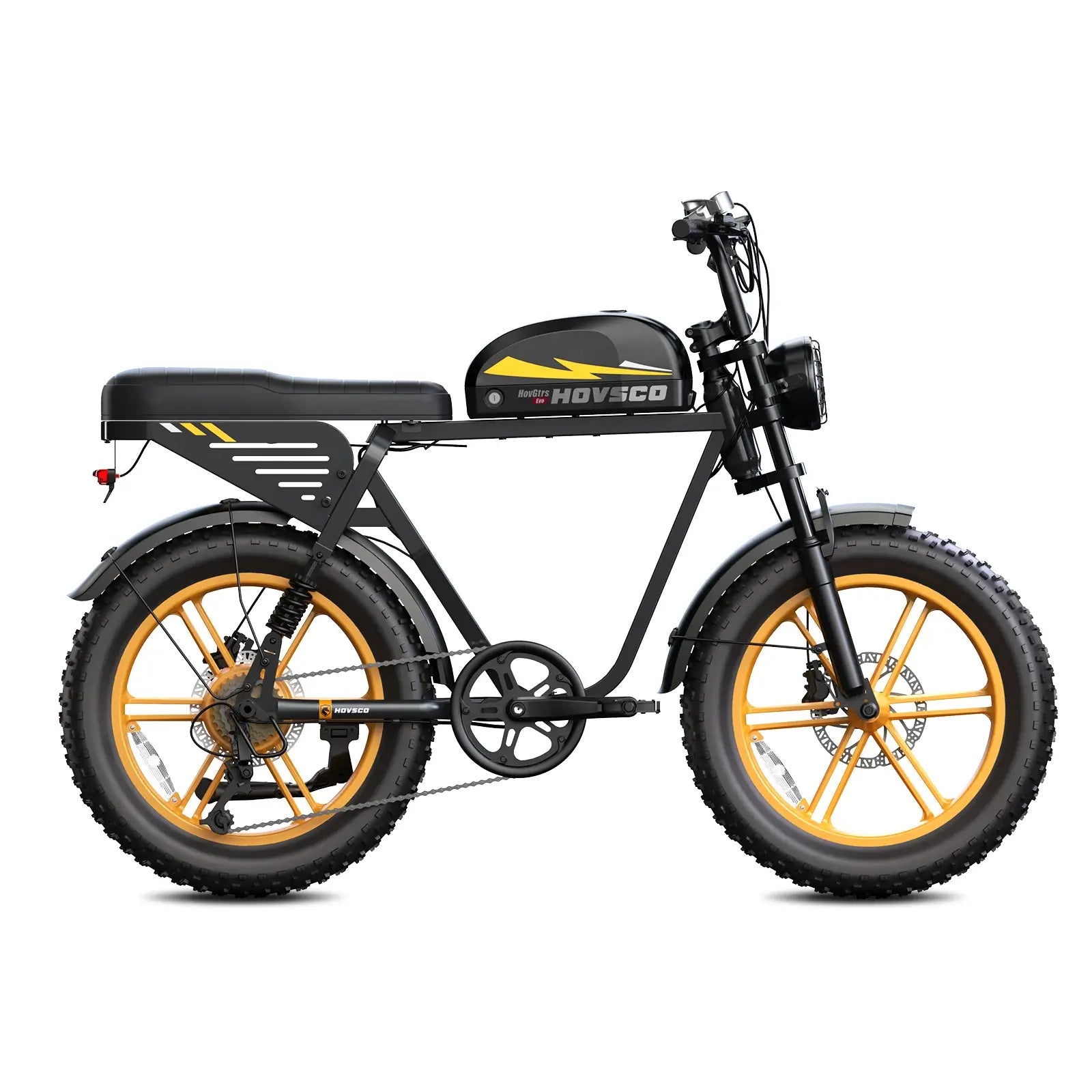
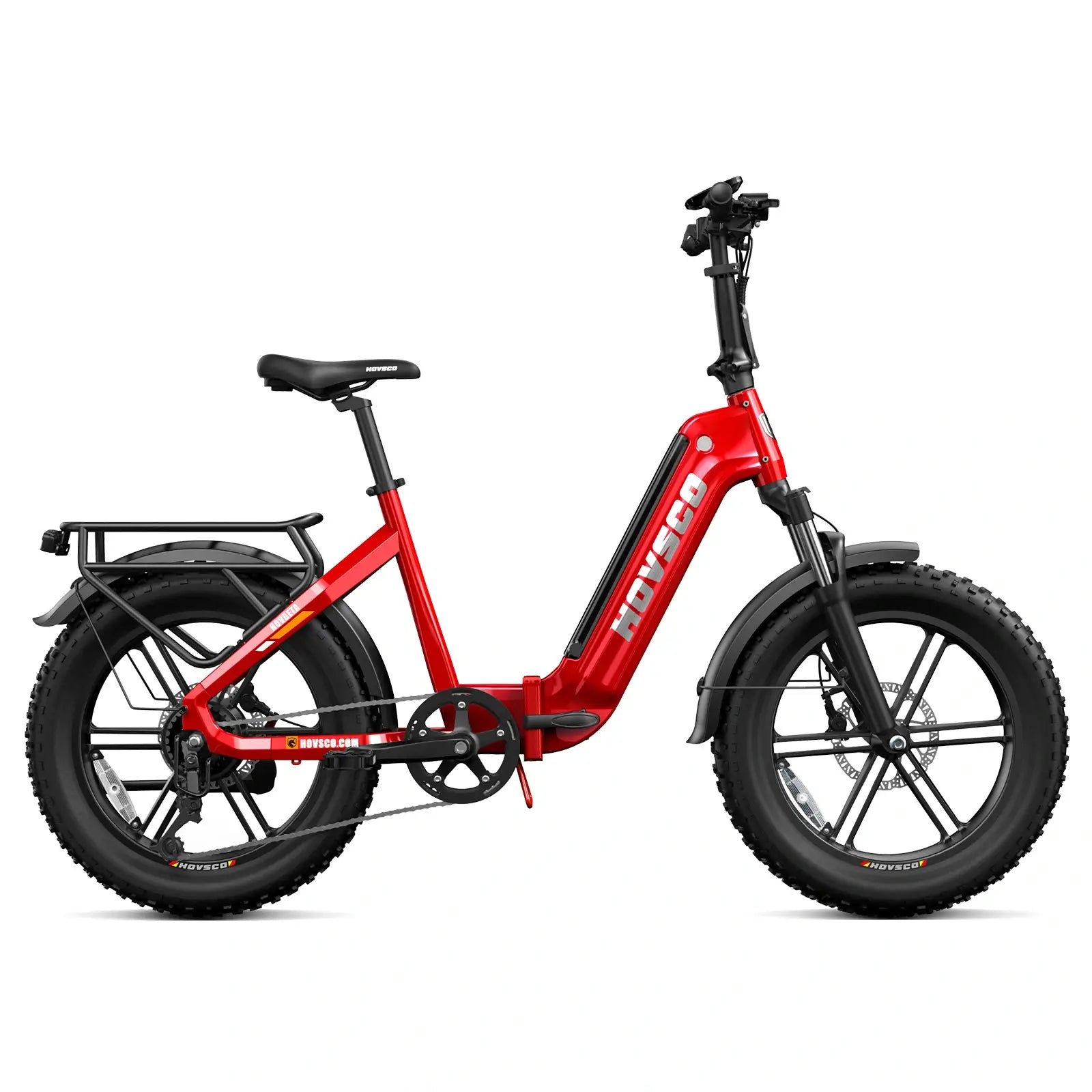
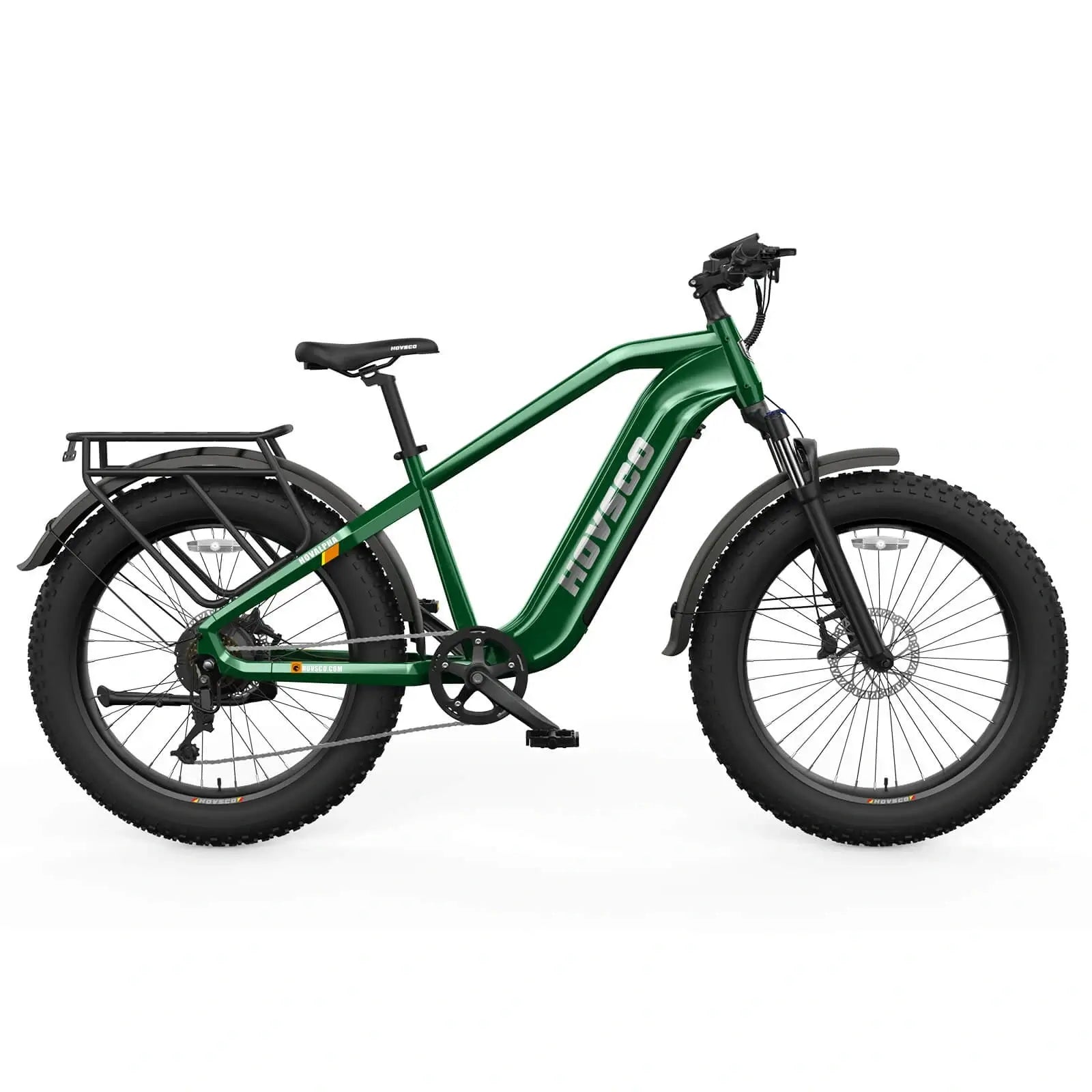
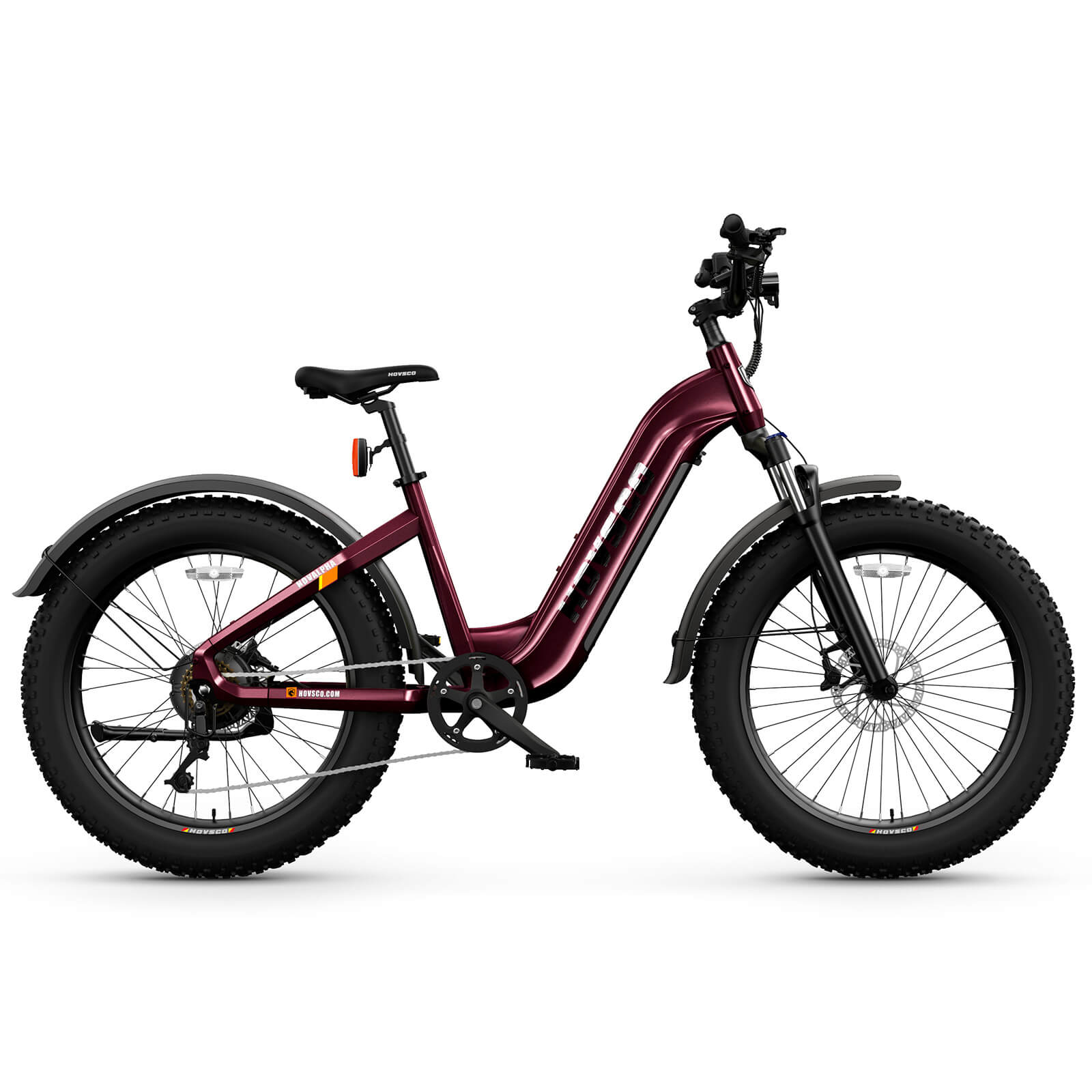
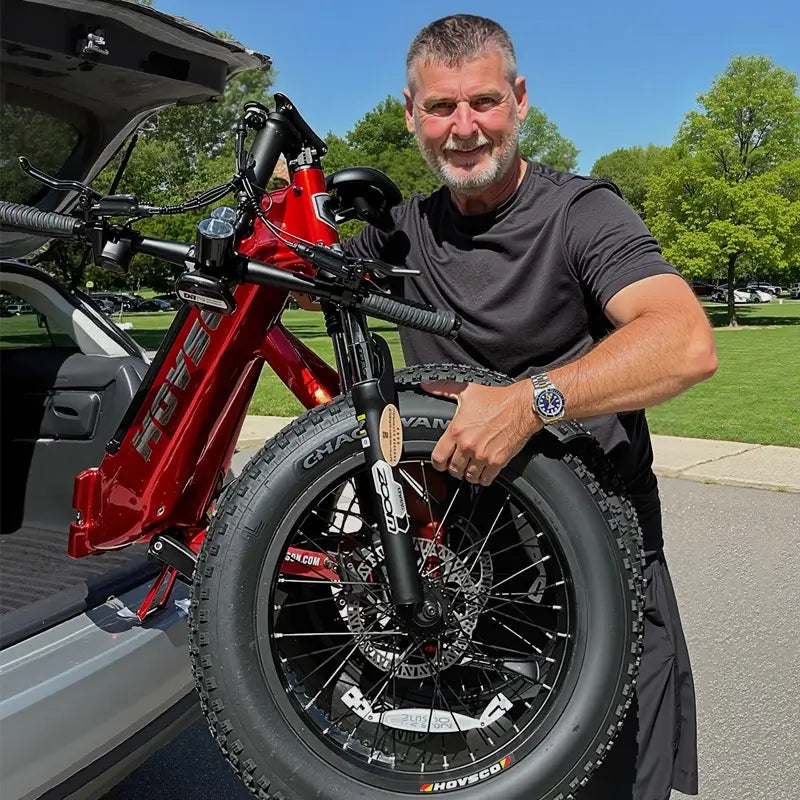
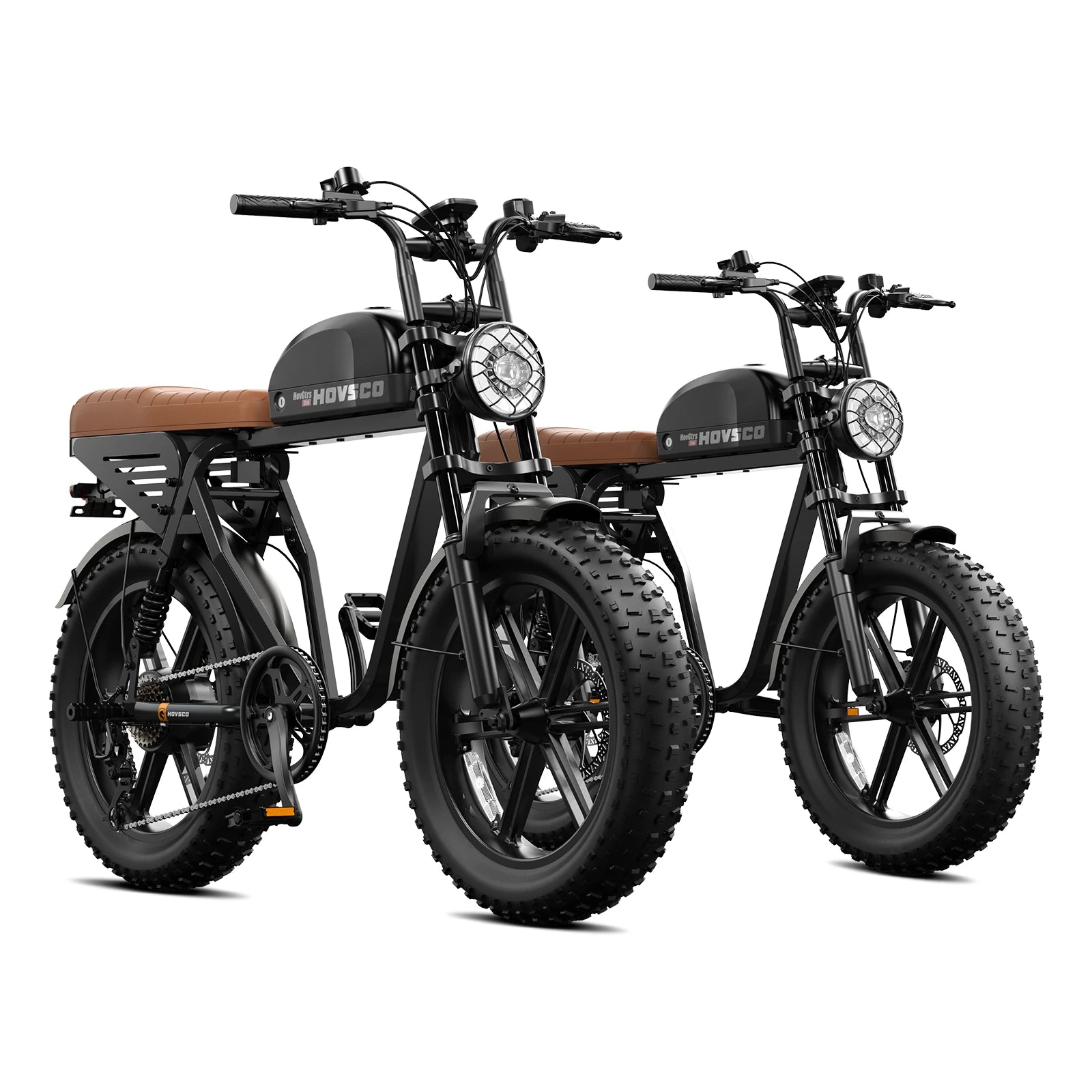
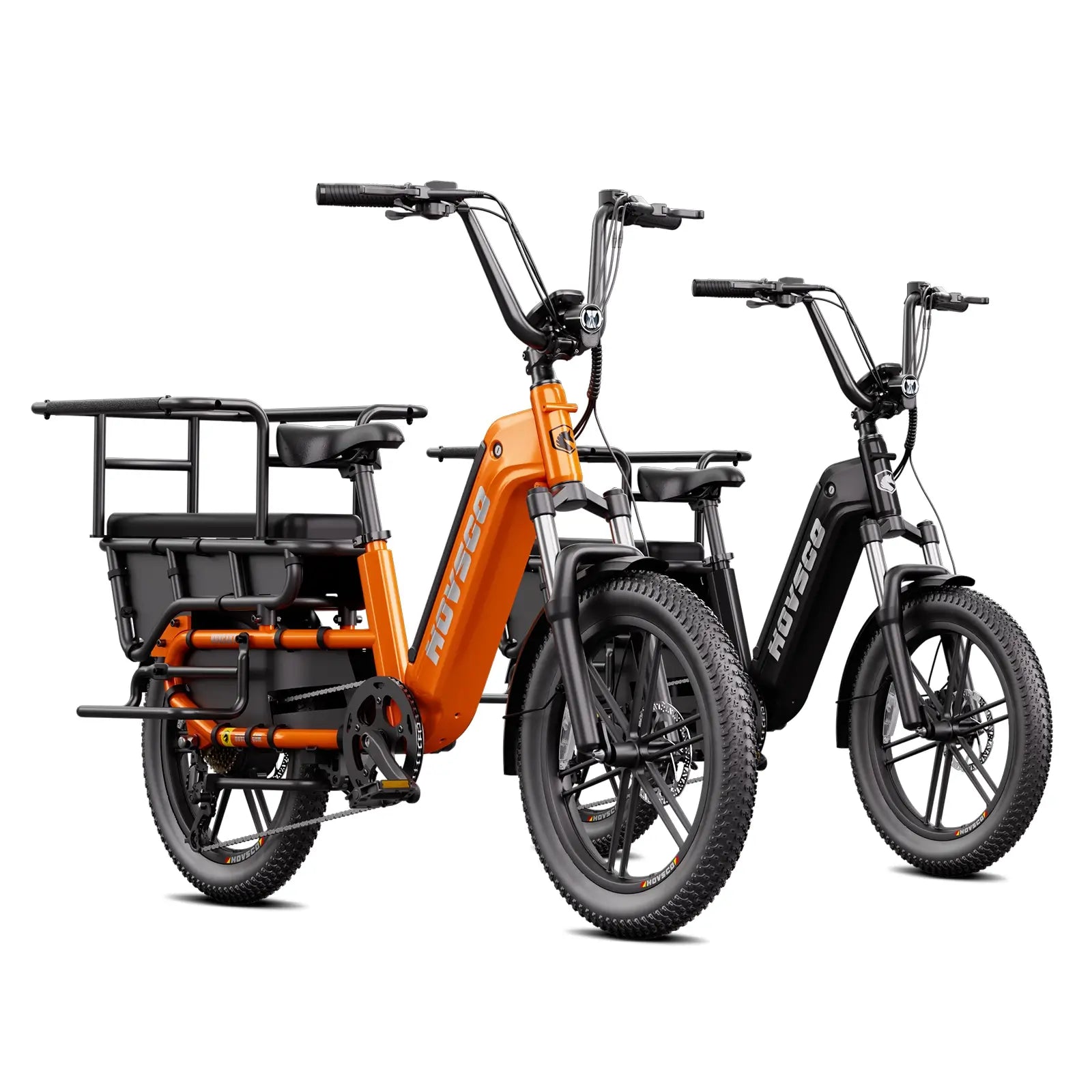
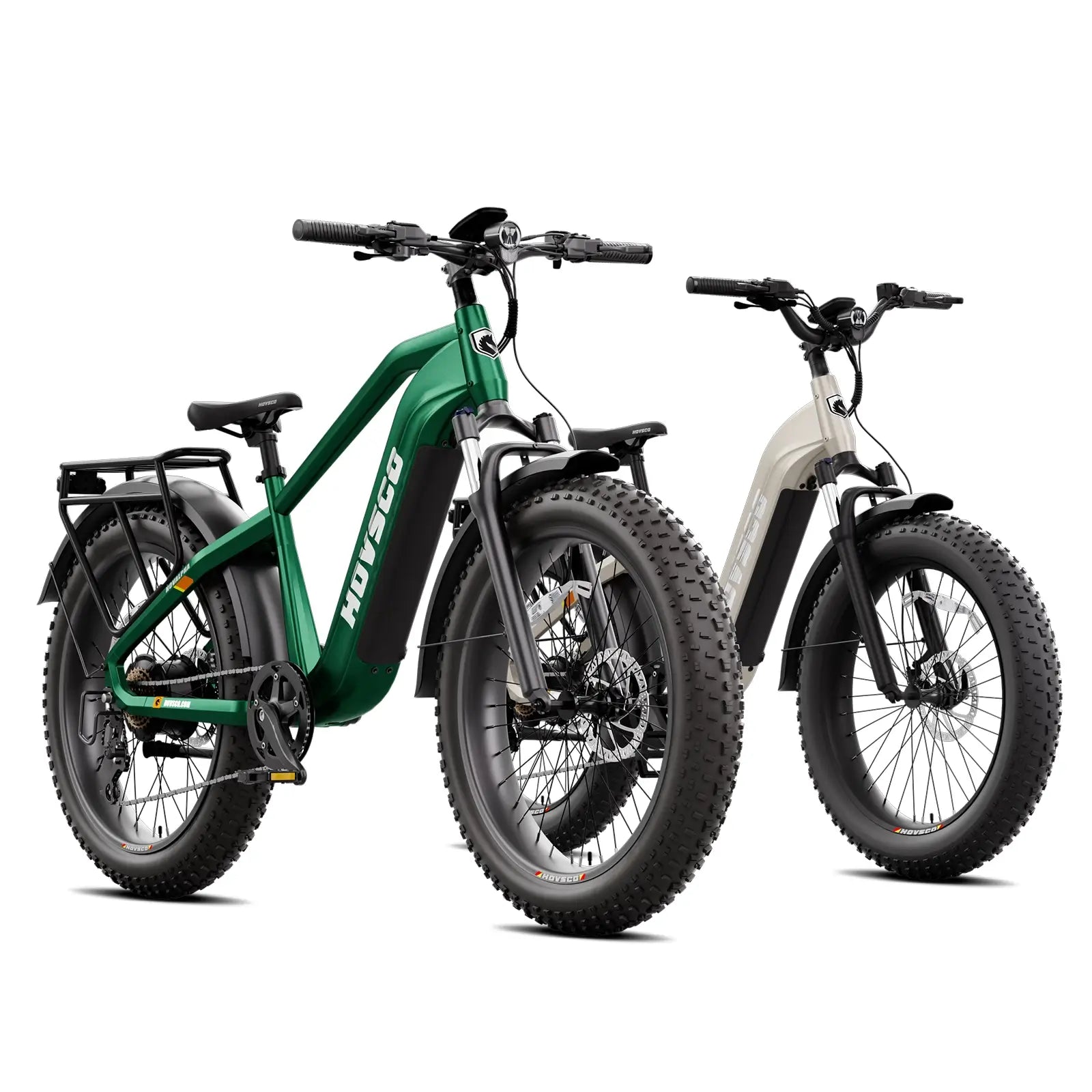
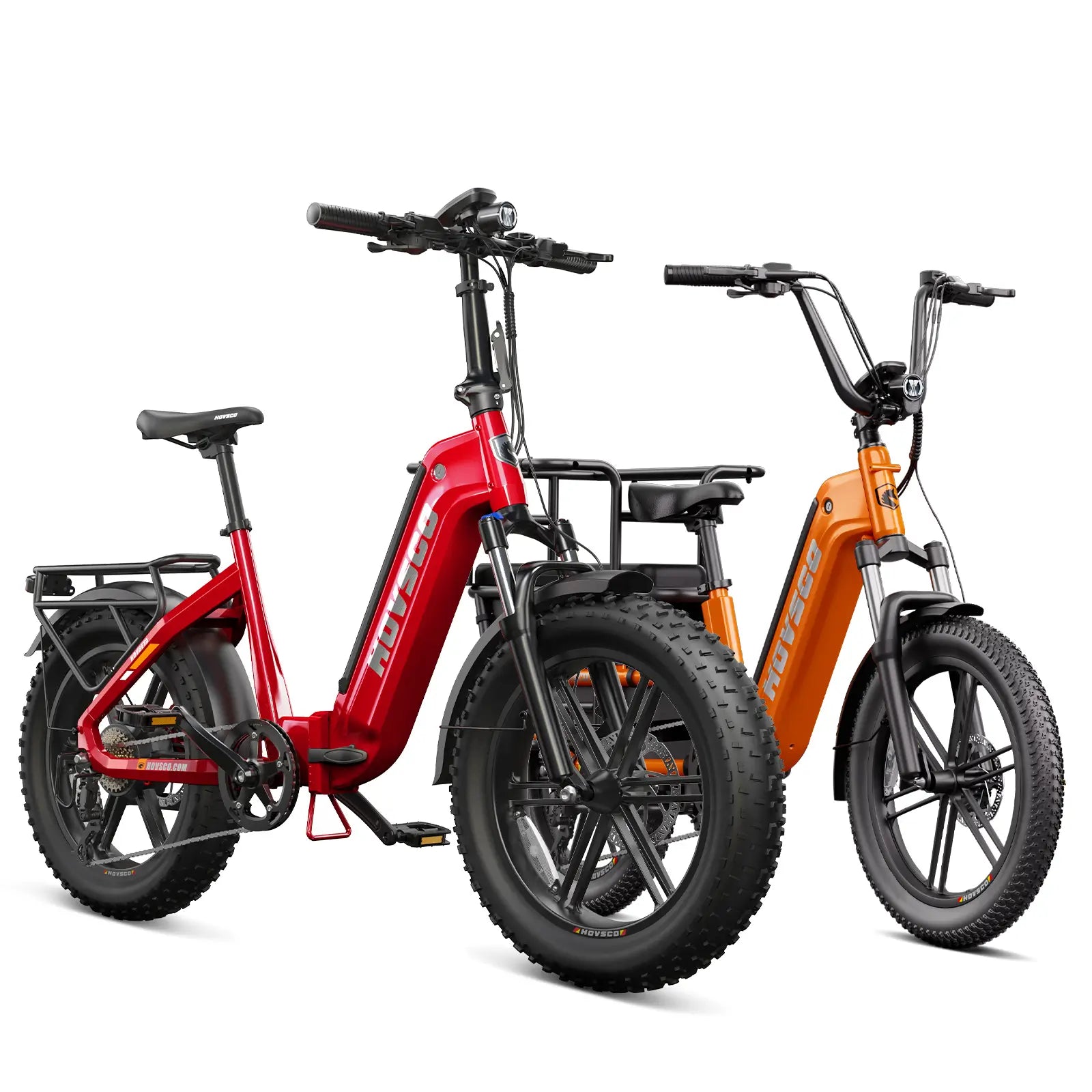
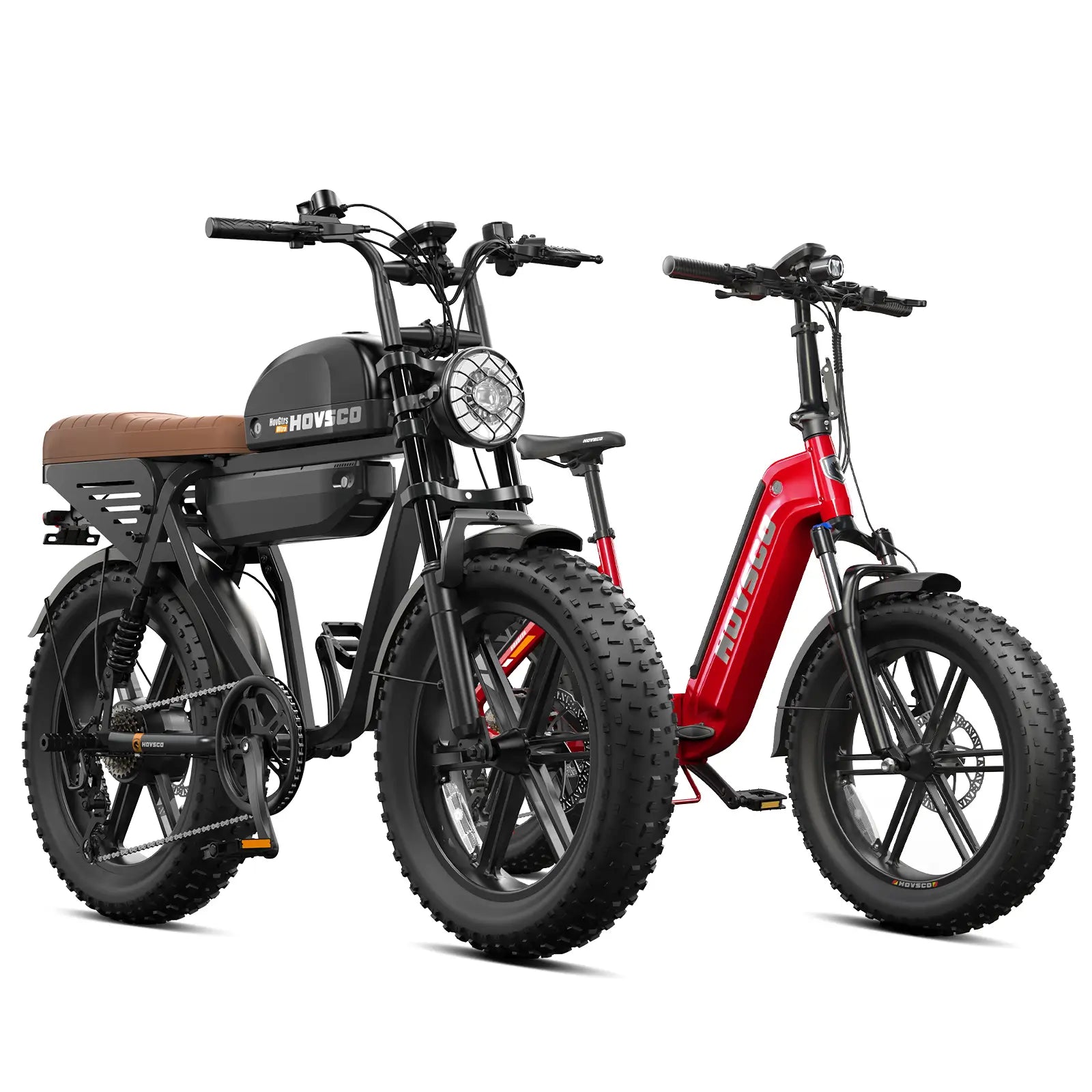
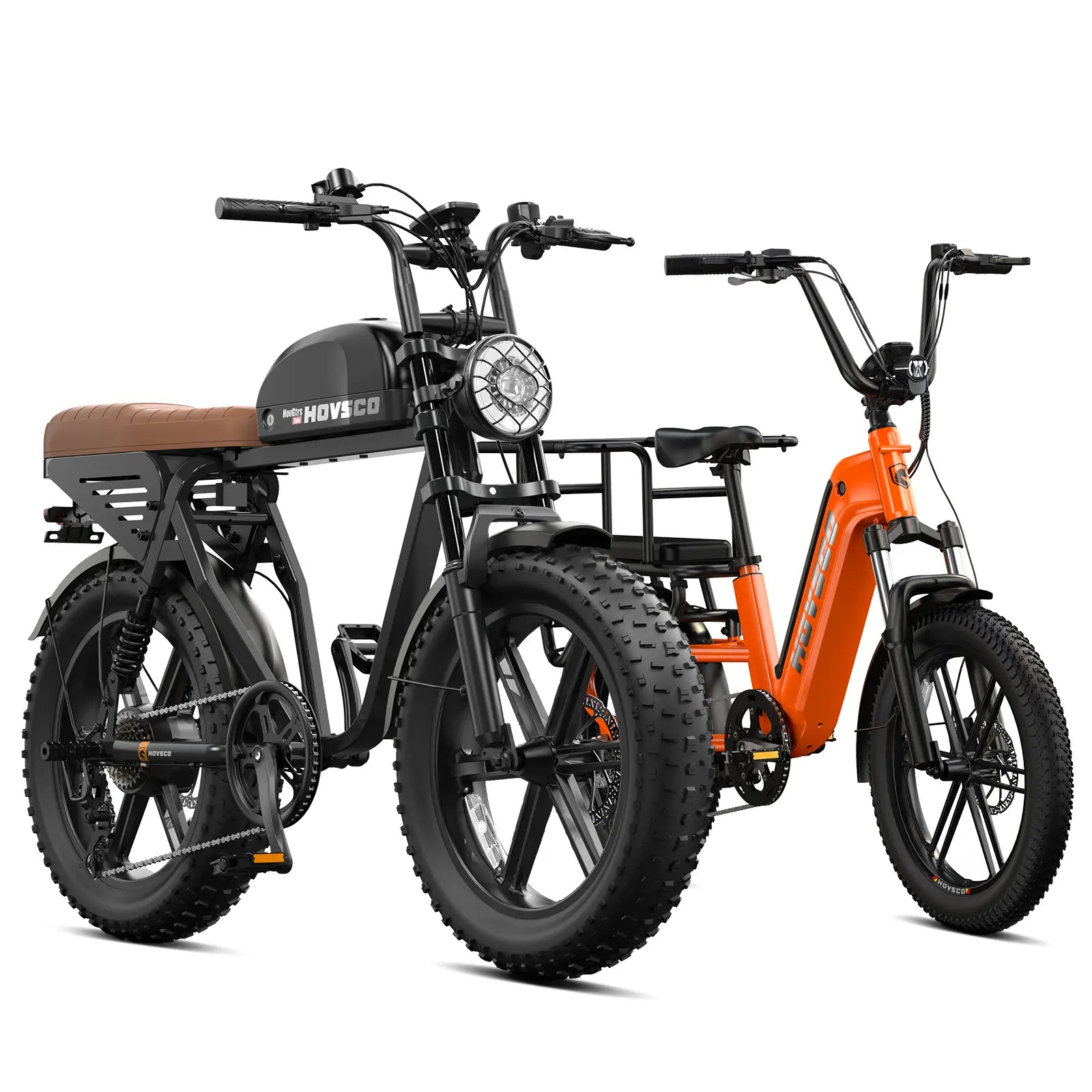
HOVSCO engineers its e-bikes with 4.0" fat tires, sealed drivetrains, and aluminum frames to balance sand flotation, corrosion resistance, and long-term durability for coastal riders.
HOVSCO Expert Views:
"Our design philosophy starts with the rider's real-world environment. For beach and sand use, we prioritize tire flotation over raw speed, which is why our fat-tire models use 4.0-inch widths as standard. We also seal critical drivetrain components and use 6061 aluminum frames to resist salt-air corrosion. From my experience testing prototypes on dunes, the difference between a 3.5-inch and 4.0-inch tire is night and day—one sinks, the other floats. We don't chase marketing wattage numbers; we focus on torque delivery and durability. That's why HOVSCO e-bikes are built to handle not just sand, but the full coastal lifecycle of salt, wind, and humidity."
Visit local e-bike shops near coastal areas, attend HOVSCO demo events, or rent fat-tire e-bikes for a day to validate sand performance before purchasing.
Testing is irreplaceable. Specs on paper don't capture how a bike feels in loose sand or salty wind.
Local Shops: Find retailers near beaches that allow test rides on sand.
Demo Events: HOVSCO hosts coastal demo days where riders can test fat-tire models in real conditions.
Rental Trials: Rent a comparable fat-tire e-bike for a day to assess comfort and performance.
Community Feedback: Join HOVSCO's rider community to hear real-world experiences from coastal owners.
I've seen buyers regret skipping this step—what feels stable on pavement can be unwieldy on sand. Always validate before committing.
Replace tires when tread depth drops below 2mm, upgrade seals annually if riding frequently in salt, and consider battery replacement after 500+ charge cycles for optimal beach performance.
Component wear accelerates in beach environments. Proactive upgrades extend the life of the best electric bike for beach riding.
Tires: Replace when tread depth falls below 2mm or sidewalls show cracking from UV exposure.
Seals: Upgrade to higher IP-rated seals if you ride in salt spray more than twice weekly.
Battery: Consider replacement after 500+ cycles or if range drops below 70% of original capacity.
Brakes: Upgrade to hydraulic discs if mechanical brakes show reduced performance in wet sand.
From my workshop experience, riders who proactively upgrade seals and tires avoid 80% of salt-related failures. HOVSCO offers upgrade kits for customers who push their e-bikes in extreme coastal conditions.
Prioritize 4.0"+ fat tires, 500W–750W motors, and corrosion-resistant frames for the best electric bike for beach and sand.
Verify local beach laws before riding—regulations vary widely by location.
Maintain your e-bike with post-ride rinses, weekly lubrication, and bi-annual seal inspections.
Ask ownership questions about warranties, battery replacement, and service networks.
Test ride before buying to validate sand performance and comfort.
Can I ride any e-bike on the beach?
No—only fat-tire e-bikes (4.0"+) with sufficient motor torque (500W+) perform reliably on sand. Standard commuter e-bikes will sink and struggle.
How often should I clean my beach e-bike?
Rinse with fresh water after every beach ride, lubricate the chain weekly, and inspect seals monthly to prevent salt corrosion.
Are e-bikes legal on all beaches?
No—beach e-bike laws vary by city and county. Always check local regulations before riding to avoid fines.
What battery range do I need for beach riding?
Aim for 500Wh–750Wh capacity to ensure 40+ miles of real-world range, as sand and wind increase battery drain.
Does HOVSCO offer beach-specific e-bikes?
Yes—HOVSCO designs fat-tire e-bikes with 4.0" tires, sealed components, and aluminum frames optimized for sand and coastal conditions.
Share:
E-Bike Theft Prevention: Locks, Habits and Recovery
How to Fix a Flat Tire on an E-Bike