


![[ New Arrival ] Porto Max Electric Scooter For Commute & Grocery Shopping - HOVSCO](http://www.hovsco.com/cdn/shop/files/PotroMax-3.jpg?v=1706927007&width=1200)
- by SteveJames
What Makes an Electric Bike Ideal for Beach and Sand?
- by SteveJames
E-Bikes
Accessories
 Free Shipping
 15-Day Returns
 2-Year Warranty
Free Shipping
15-Day Returns
2-Year Warranty
2-Year Warranty
Free Shipping
15-Day Returns
2-Year Warranty
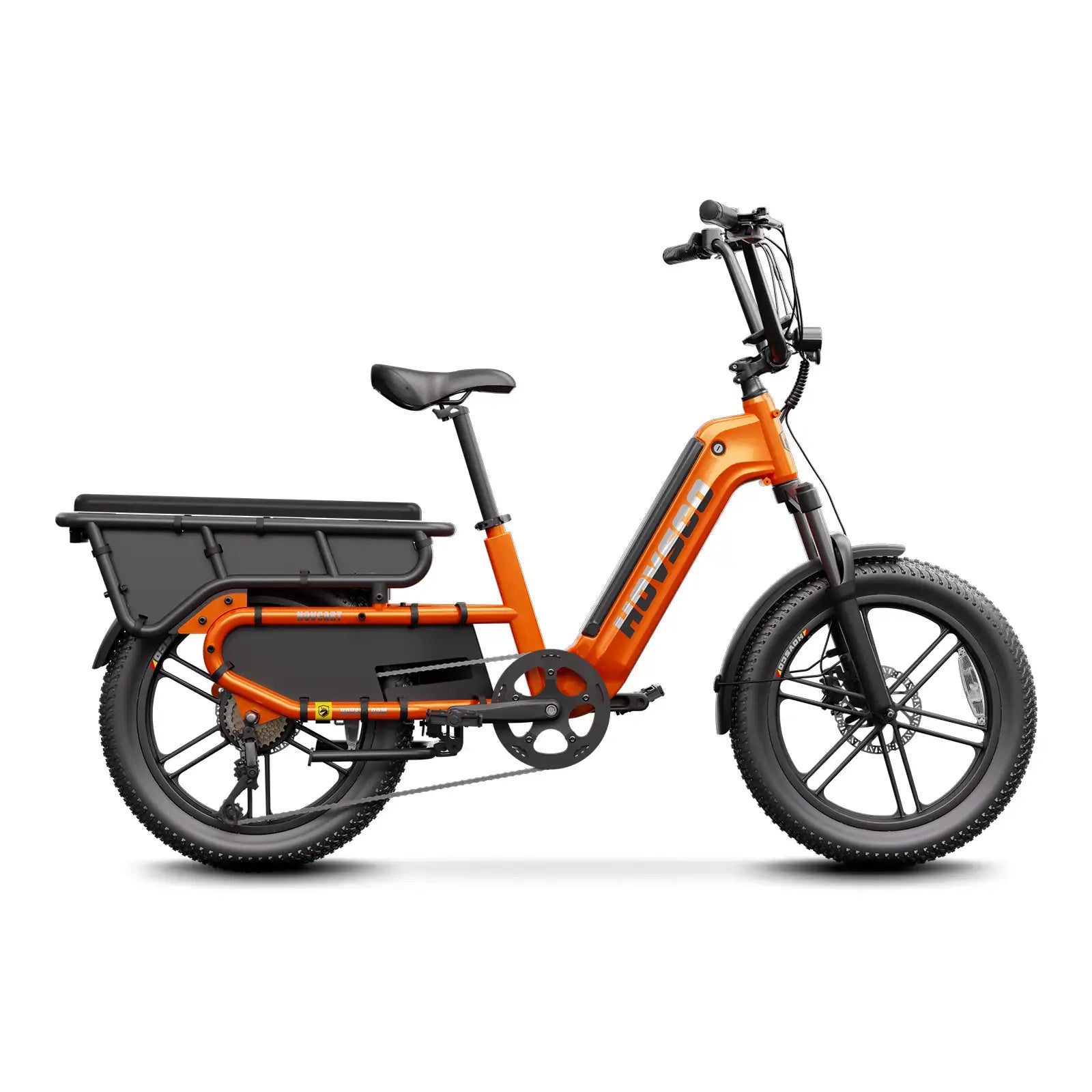
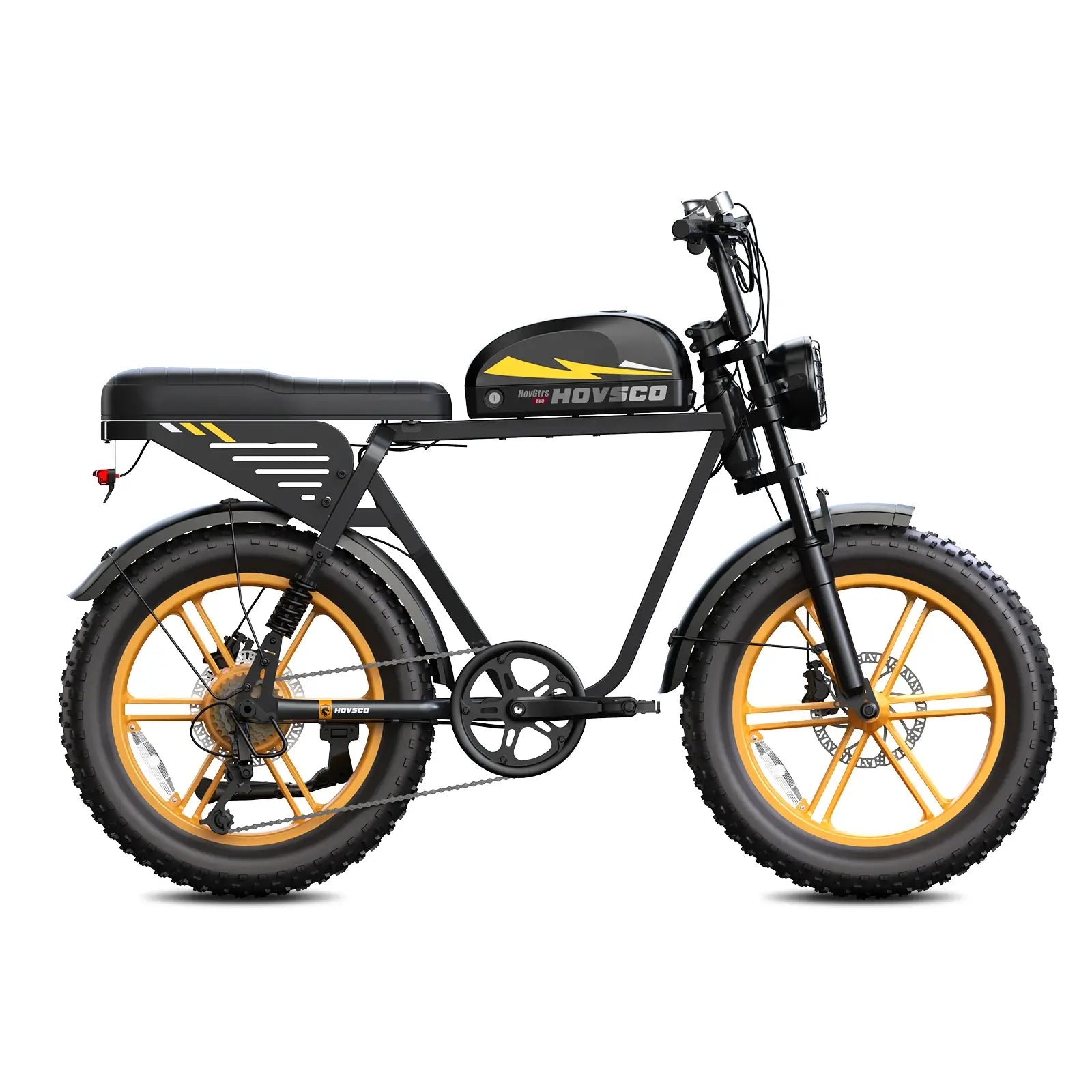
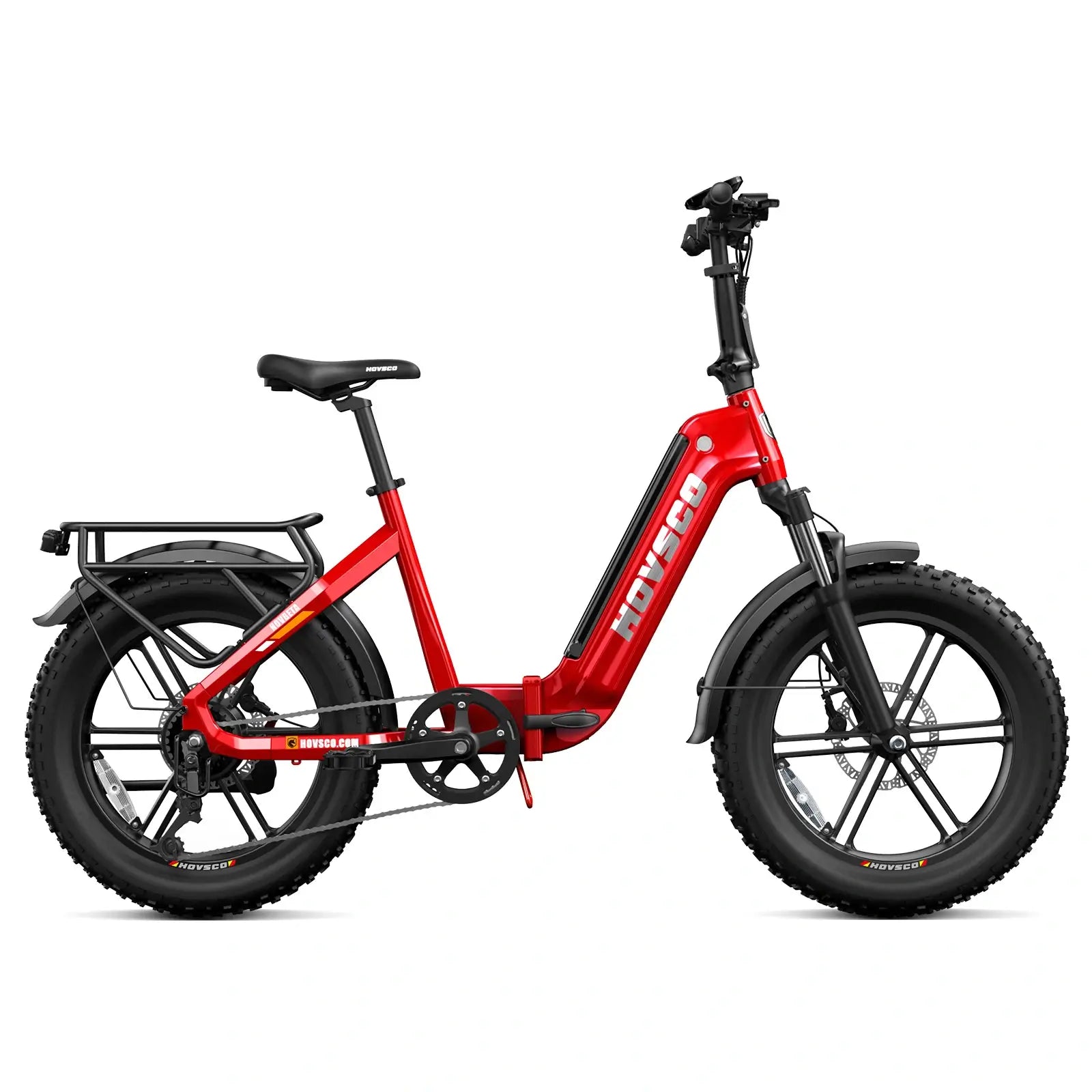
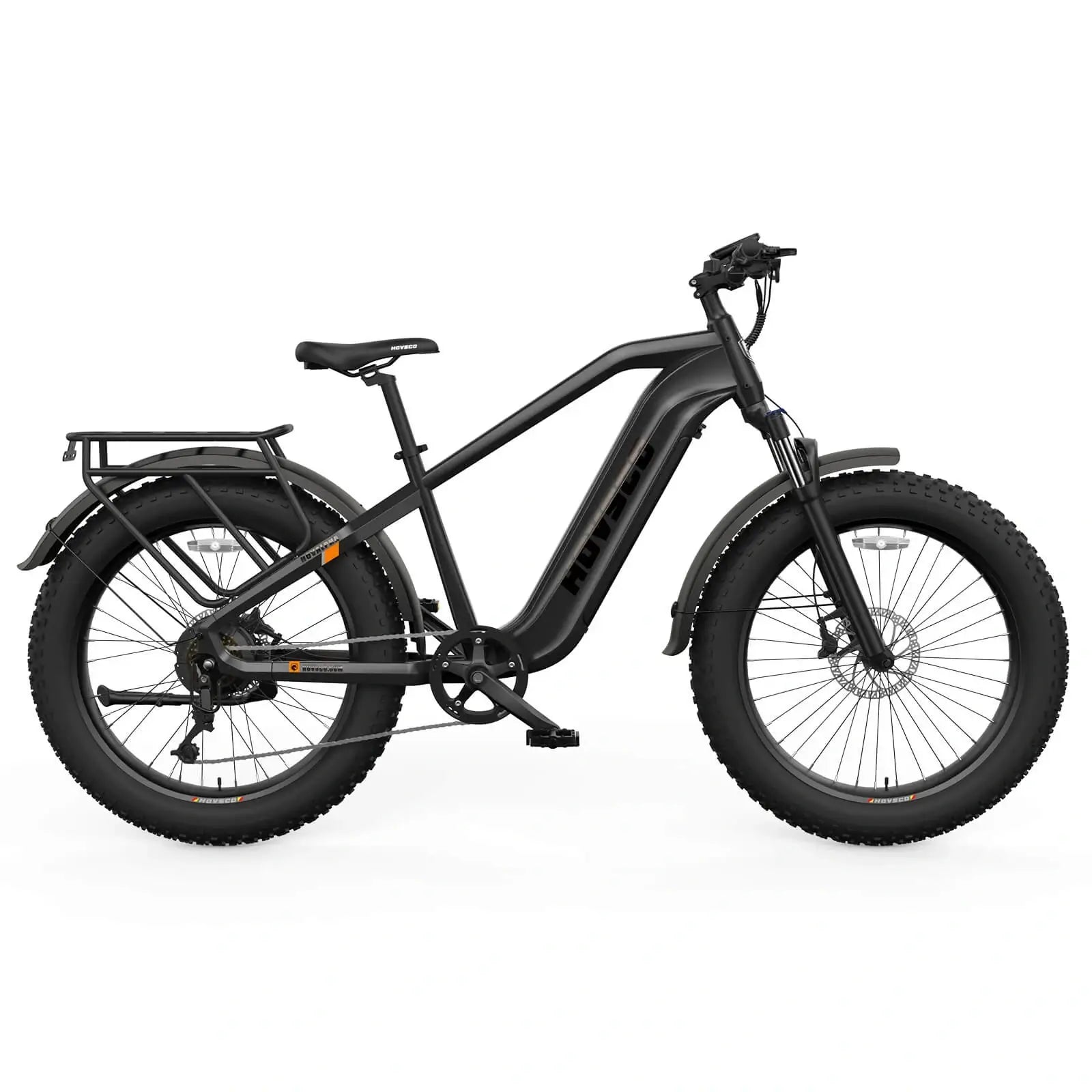
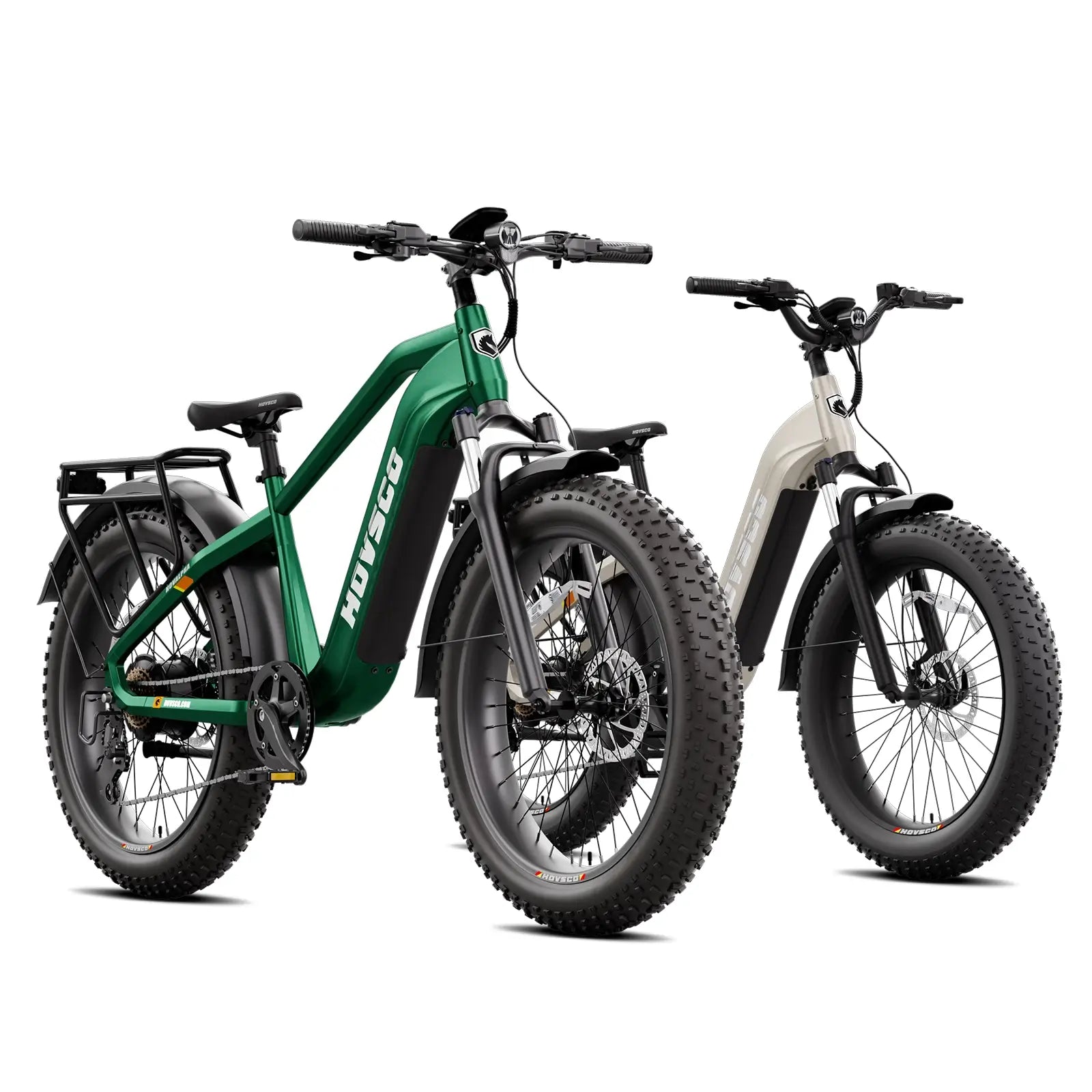
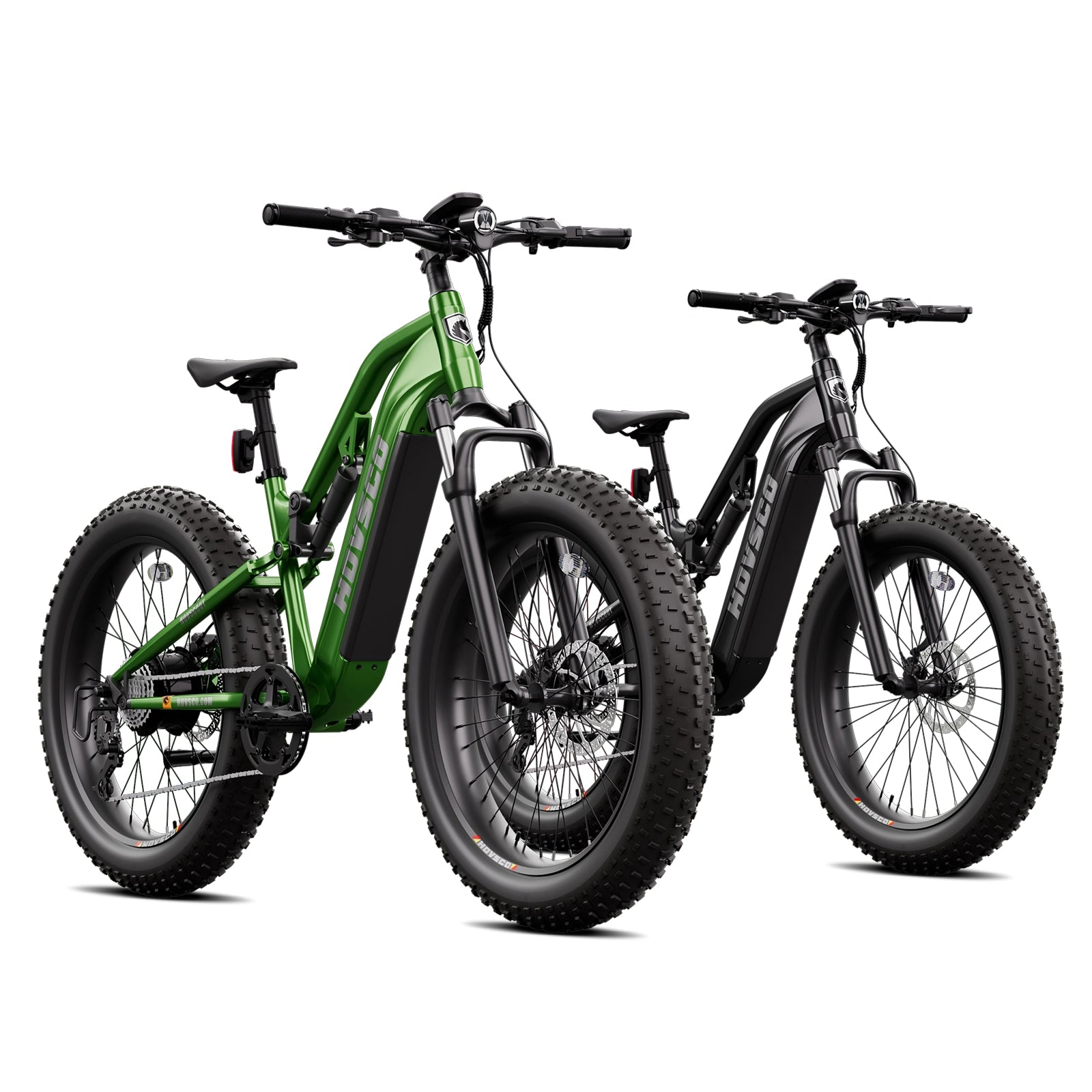
The best electric bike for beach and sand riding combines fat tires (4" or wider), high-torque motors (750W+), corrosion-resistant components, and smooth power delivery to maintain float and control on loose surfaces. Prioritize tire pressure management, sealed electronics, and realistic range expectations—sand can cut range by 30–50%.
A beach-ready electric bike for sand demands fat tires, torque-rich motors, and corrosion-resistant builds to handle soft terrain and salty air.
Not all fat-tire e-bikes are beach-capable. In factory testing, we see brands spec 4" tires but skip bead-lock rims or sand-specific tread patterns—critical for preventing tire roll under lateral load. HOVSCO engineers prioritize tubeless-ready rims with reinforced sidewalls because soft sand creates unpredictable shear forces. Look for IP54-rated connectors and stainless fasteners; salt spray corrodes unprotected aluminum within weeks.
Tire pressure directly controls float and traction on sand—lower pressure increases surface contact, preventing sinkage.
Most riders overinflate beach tires. At HOVSCO, we recommend 8–12 PSI for dry sand, 12–15 PSI for wet-packed shores. Dropping below 8 PSI risks rim strikes on hidden shells or driftwood. Use a digital gauge—beach heat skews analog readings. Wider tires (4.5"+) allow lower pressures safely; 3.5" tires need higher PSI to avoid squirm.
Hub motors offer simplicity, but mid-drives provide superior torque modulation for sand climbing and dune transitions.
Mid-drive systems leverage the bike's gears, delivering peak torque at crawl speeds—essential when sand resistance spikes unexpectedly. Hub motors can surge unpredictably in loose terrain. For beach use, choose controllers with linear throttle response and regen braking disabled (regen can lock wheels in sand). HOVSCO's field tests show 500W mid-drives outperform 750W hubs in technical sand sections due to gear multiplication.
Salt air accelerates corrosion on chains, bolts, and electrical contacts—standard e-bikes fail within months without marine-grade protection.
Beyond anodized frames, demand stainless steel spokes, nickel-plated chains, and dielectric grease on all connectors. Avoid chrome-plated parts—they chip and rust. HOVSCO applies dual-layer sealant to battery compartments and uses conformal coating on motor controllers. Rinse your bike with fresh water after every beach ride; even "waterproof" seals degrade under salt crystallization.
Sand riding drains batteries 30–50% faster than pavement due to constant motor load and rolling resistance.
A 500Wh battery yielding 40 miles on road may deliver only 20–25 miles on soft sand. Factor in headwinds—coastal gusts increase drag exponentially. Carry a spare battery if exploring remote dunes. HOVSCO's beach testers log actual miles: a 600Wh pack averages 28 miles in mixed sand conditions at 15 PSI tire pressure. Always subtract 35% from manufacturer range claims for sand use.
Post-ride maintenance prevents premature wear: rinse, dry, lubricate, and inspect seals within 24 hours of salt exposure.
Use a low-pressure hose—high pressure forces sand into bearings. Apply dry lube to chains (wet lube attracts sand). Check brake pads for grit embedding. HOVSCO's service manual mandates monthly bearing inspections for beach riders; sand ingress destroys headset and bottom bracket bearings fastest. Store bikes indoors—UV degrades tire rubber and battery casings.
Beach e-bike legality varies by municipality—always check local ordinances before riding to avoid fines.
Many coastal towns ban motorized vehicles on dunes or restrict e-bikes to hard-packed zones below the high-tide line. Some require Class 1 (pedal-assist only) designation. HOVSCO includes a legal disclaimer with every beach-model purchase. Contact park rangers or tourism boards—they often have unmapped trails where e-bikes are tolerated. Never ride on protected dune grass; erosion fines exceed $500 in most states.
Choose a dedicated beach e-bike if you ride sand weekly; opt for general fat-tire models for occasional beach trips mixed with trails.
Dedicated beach bikes feature enhanced sealing, corrosion-resistant hardware, and sand-optimized geometry (longer wheelbases for stability). General fat-tire models sacrifice some beach durability for versatility. HOVSCO's beach line uses sacrificial anodes on frame mounts—a feature absent in their all-terrain series. If 80% of your rides are on sand, the specialized build pays off in longevity.
"After five years of beach testing, we've learned that 90% of e-bike failures in coastal environments stem from overlooked details: unsealed torque sensors, aluminum bolts without anti-seize compound, and tire compounds that harden in salt air. Our beach-specific models use marine-grade stainless for all load-bearing fasteners and apply a proprietary ceramic coating to motor housings. The biggest mistake riders make? Ignoring tire pressure changes with temperature—a 10°F drop can reduce PSI by 2 points, turning a stable ride into a sinking mess. At HOVSCO, we include a pressure-temperature chart with every beach e-bike because precision matters more than power when the sand gets deep."
— HOVSCO Engineering Team
Higher power means heavier motors and batteries, reducing portability but improving sand-climbing ability.
A 1000W motor adds 8–10 lbs versus a 500W unit. For beachcombers who carry bikes over dunes, this weight penalty matters. HOVSCO offers removable battery options to offset motor weight. Lighter bikes (<65 lbs) suit flat, hard-packed shores; heavier builds (>75 lbs) excel in deep sand but require roof racks or trailers. Consider your transport method before maxing out specs.
Yes—with caveats: upgrade tires to 4"+, add corrosion protection, and accept reduced component lifespan.
Swap stock tires for sand-specific treads (e.g., Surly Knard 4.0"). Apply dielectric grease to all electrical ports. Install stainless steel fenders to block sand spray. HOVSCO's retrofit kit includes marine-grade chain lube and bearing seals. However, non-sealed motors will ingest sand over time. This approach works for monthly beach trips; frequent riders need purpose-built machines.
Choosing the right electric bike for beach and sand hinges on matching specs to your riding frequency and terrain type. Prioritize tire width and pressure management over raw motor power. Demand corrosion-resistant materials and realistic range calculations. Whether you select a dedicated beach model like those from HOVSCO or modify an existing fat-tire e-bike, maintenance discipline determines longevity. Always verify local regulations and ride responsibly to preserve coastal ecosystems.
Can I ride any fat-tire e-bike on the beach?
Technically yes, but non-beach-specific models lack corrosion protection and sand-optimized tires, leading to premature wear. For occasional use, lower tire pressure and rinse thoroughly after rides.
How often should I clean my beach e-bike?
After every saltwater exposure. Use fresh water and mild soap. Inspect brakes and drivetrain weekly for sand accumulation.
Are hub motors or mid-drives better for sand?
Mid-drives offer better torque control in variable sand conditions, but hub motors suffice for flat, hard-packed beaches with consistent terrain.
What's the minimum battery size for beach riding?
500Wh is the practical minimum. For rides over 15 miles in soft sand, choose 600Wh+ or carry a spare battery.
Do I need special insurance for beach e-bike use?
Check local laws—some coastal municipalities require liability coverage for motorized beach vehicles. Standard e-bike policies may exclude sand/dune riding.
Share:
What Should You Check Before Buying a Throttle Electric Bike?
Is a Step-Through Fat Tire Ebike Right for You?