


![[ New Arrival ] Porto Max Electric Scooter For Commute & Grocery Shopping - HOVSCO](http://www.hovsco.com/cdn/shop/files/PotroMax-3.jpg?v=1706927007&width=1200)
- by SteveJames
What Makes an Electric Bike Good for Camping?
- by SteveJames
E-Bikes
Accessories
 Free Shipping
 15-Day Returns
 2-Year Warranty
Free Shipping
15-Day Returns
2-Year Warranty
2-Year Warranty
Free Shipping
15-Day Returns
2-Year Warranty
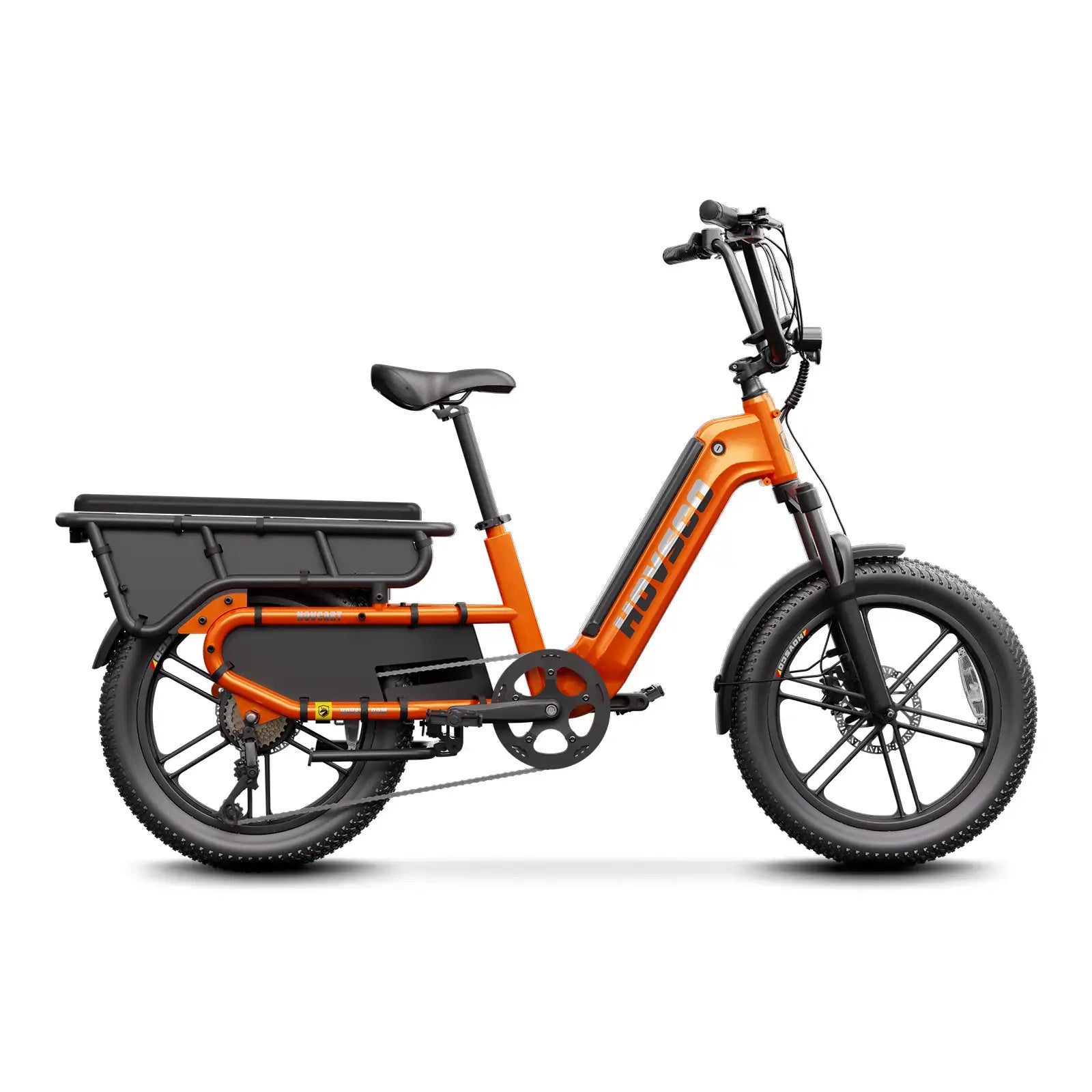
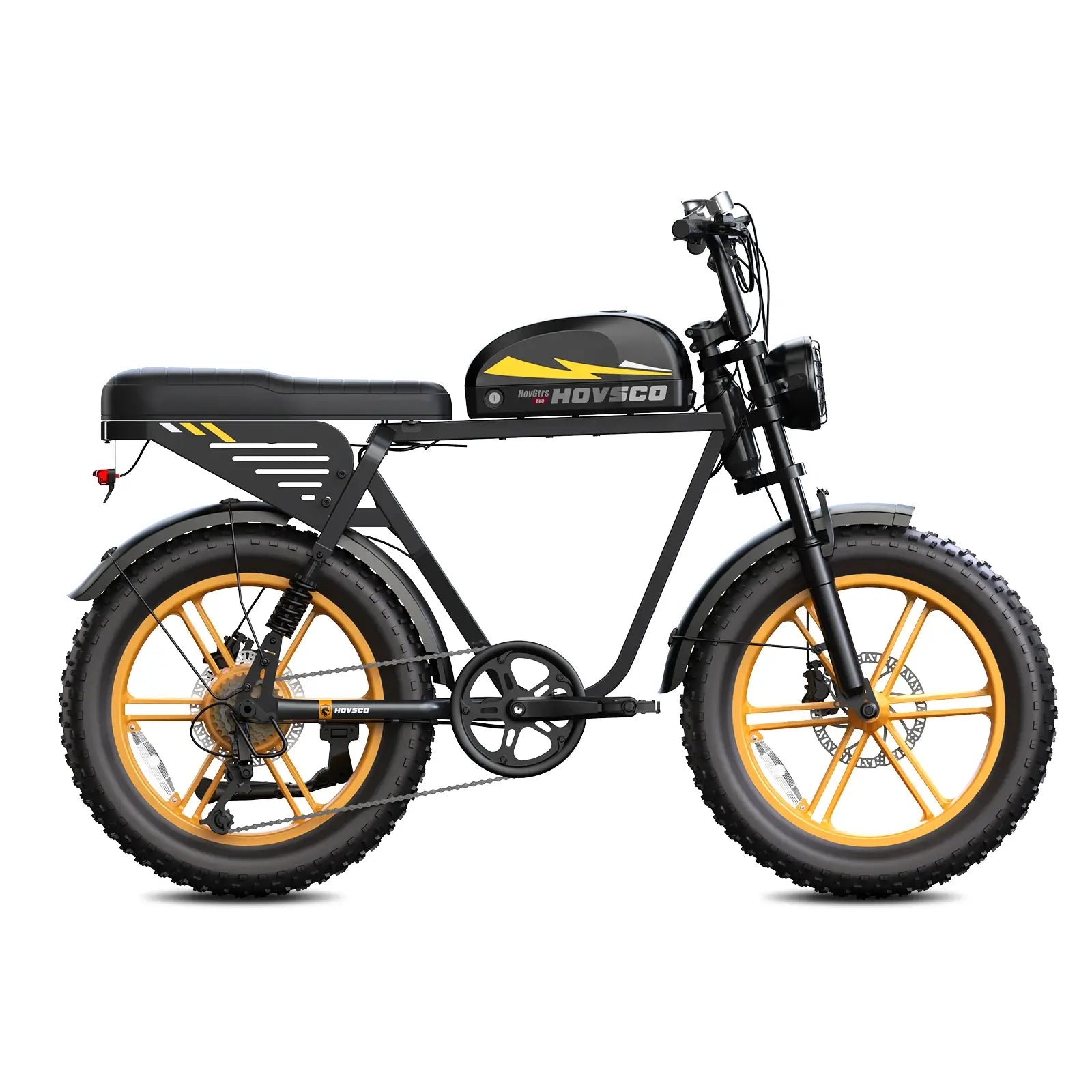
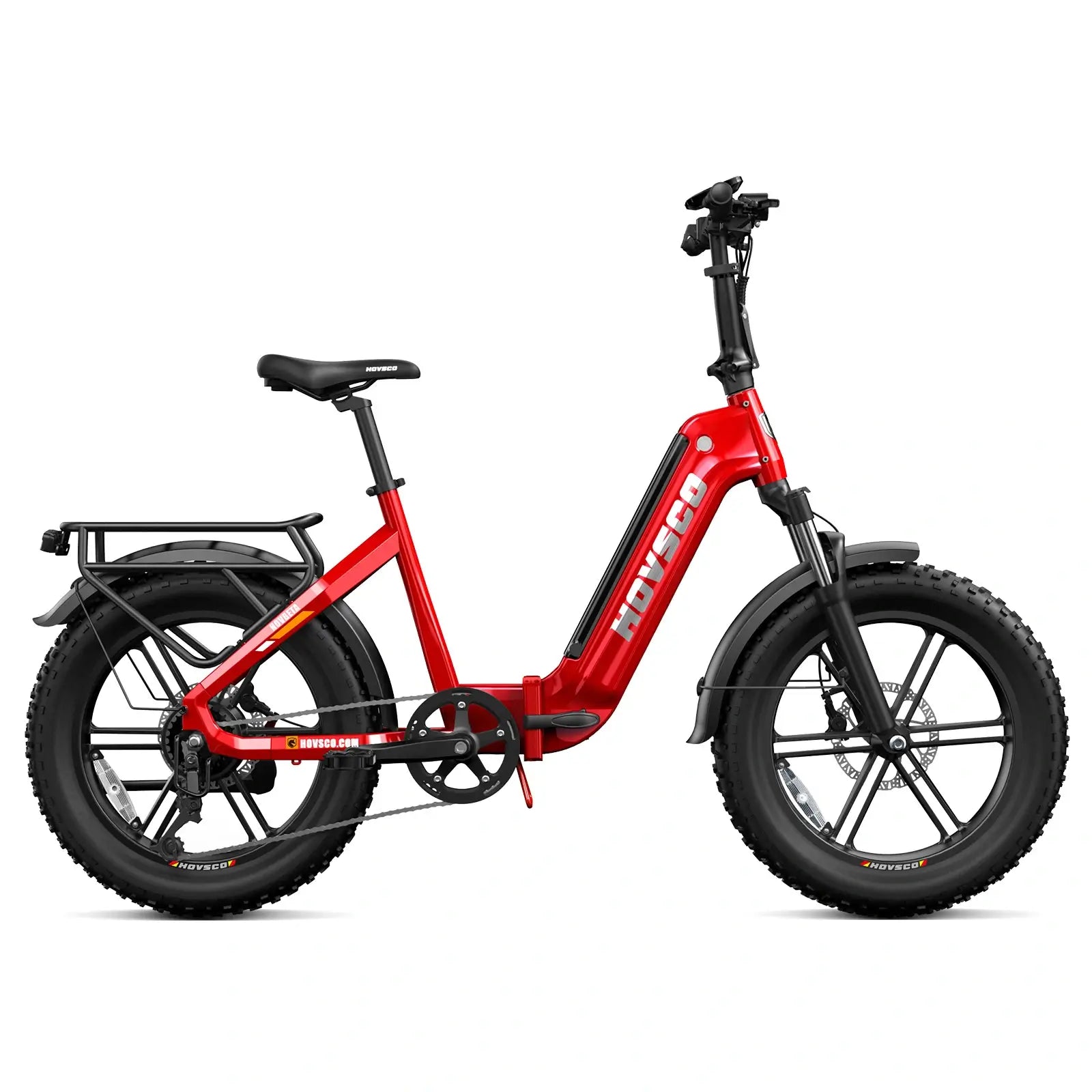
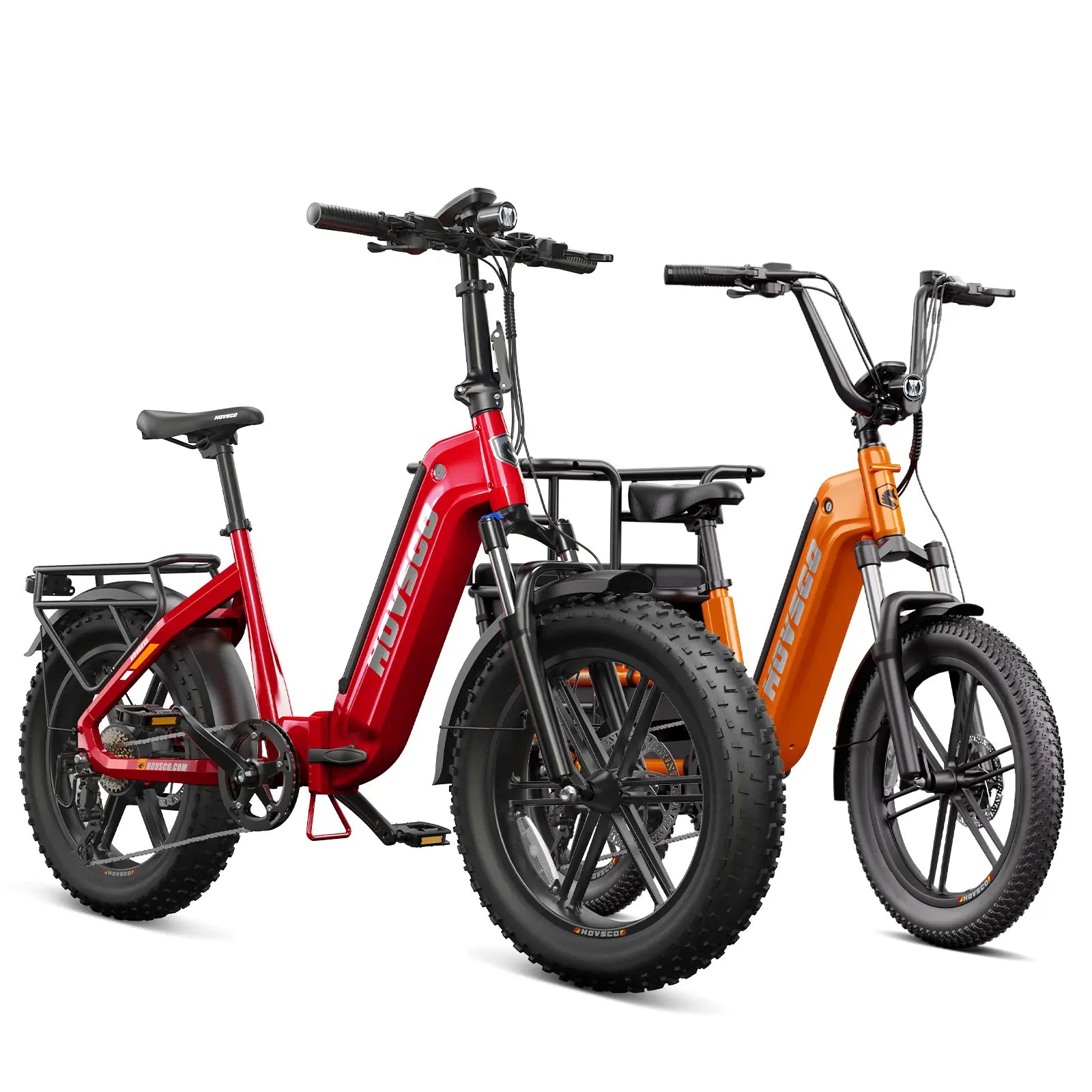
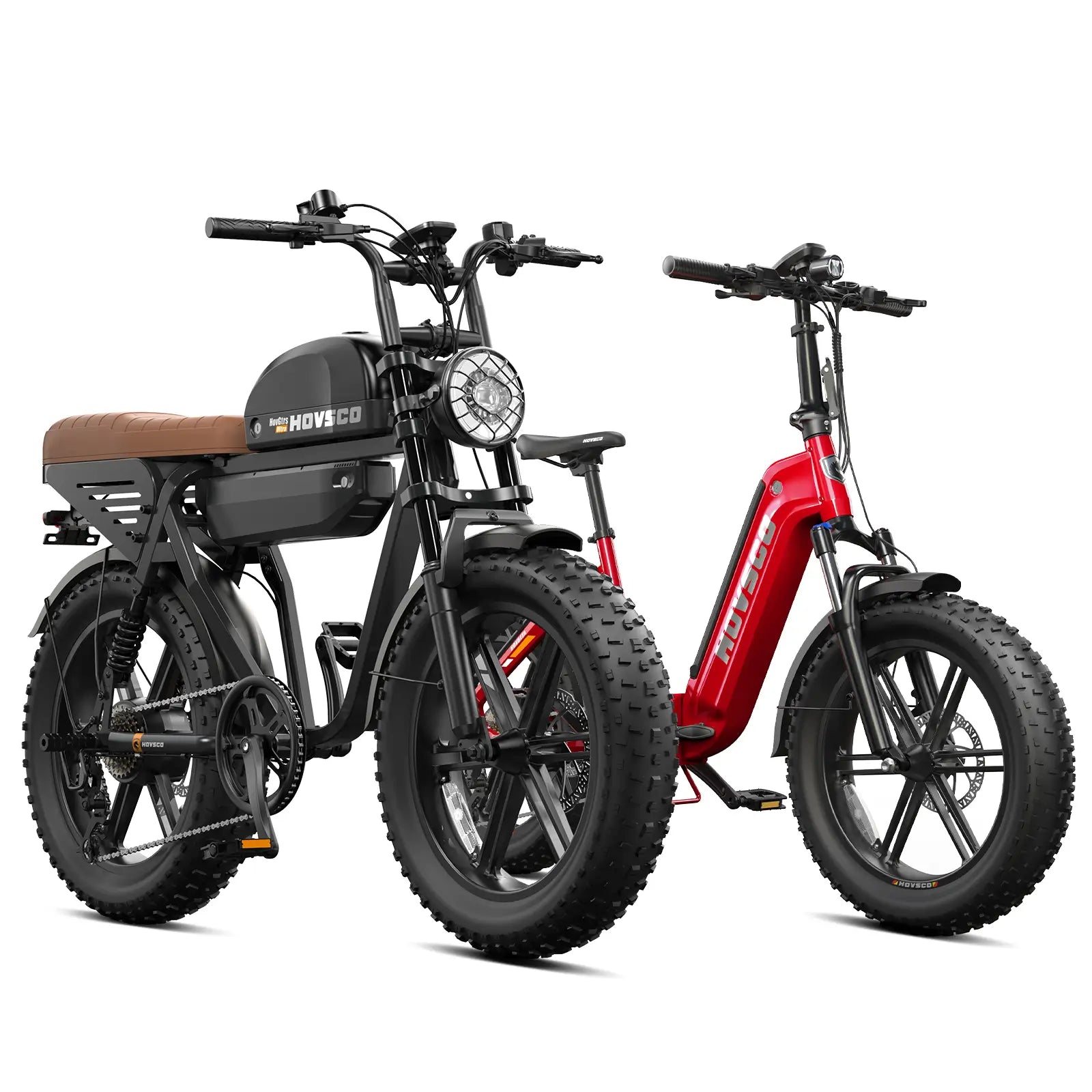
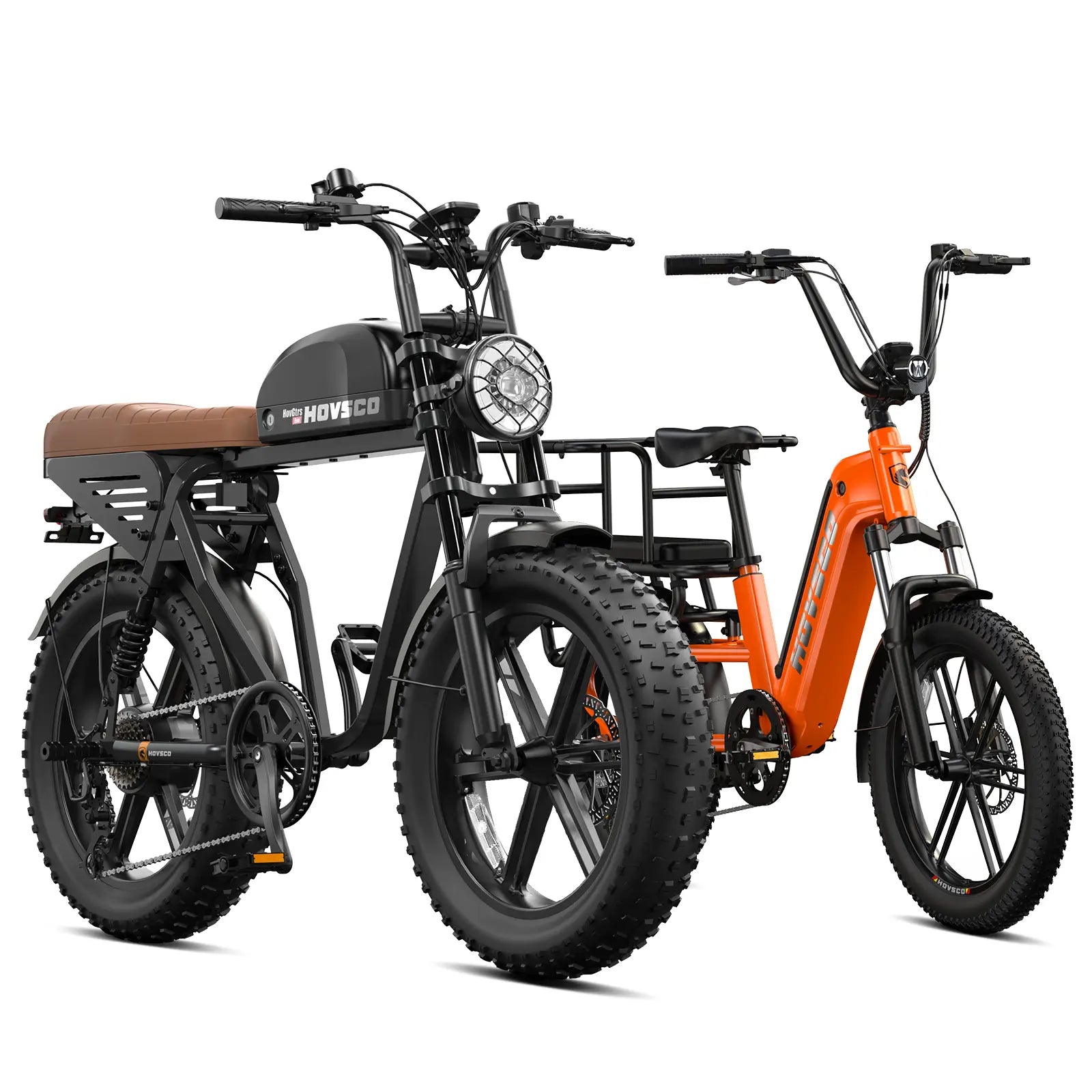
An electric bike for camping should make the campground easier to explore without becoming another bulky item to manage. The right choice depends on whether you need to carry a cooler and family gear, cover long mixed-surface routes, or fit the bike inside an RV. HOVSCO’s HovCart, HovGtrs, and HovBeta suit these different camping roles rather than solving the same problem.
An e-bike can extend a camping trip beyond the immediate campsite: ride to a trailhead, camp store, restroom loop, scenic overlook, or nearby town without moving the tow vehicle. Its real value is flexibility, not replacing hiking or driving everywhere.
Camping is a complete-use scenario. That means the buying decision begins with the whole trip: loading at home, transporting the bike, storing it at camp, riding pavement and gravel, carrying supplies, and following local rules. It is different from choosing a bike only for RV storage, hunting access, or fishing-specific travel.
Here is the practical distinction:
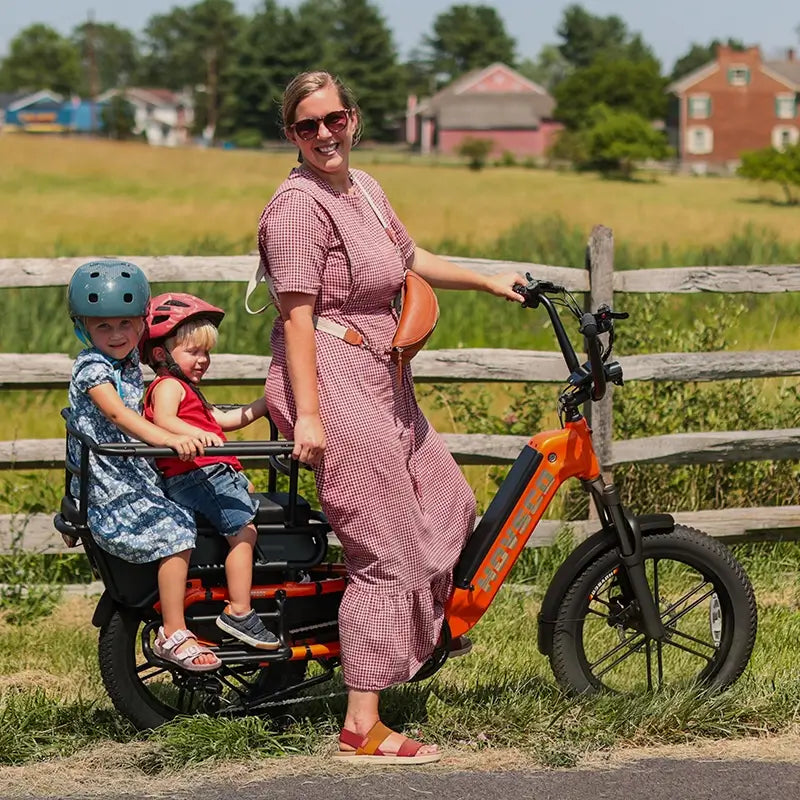
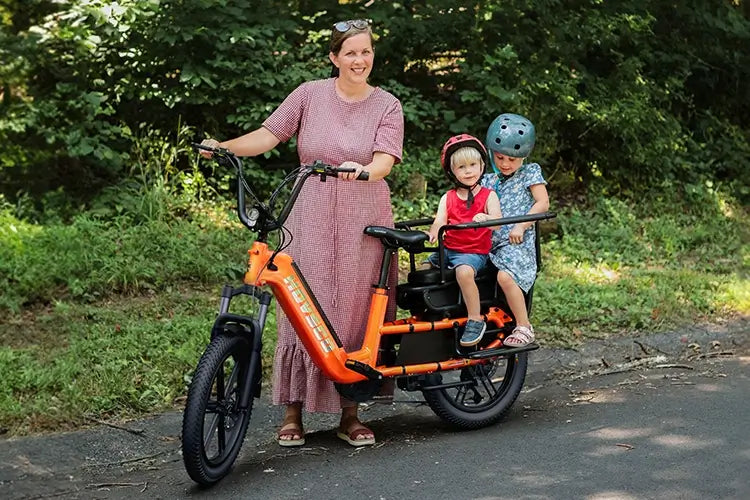
A cargo e-bike works best when camp gear, groceries, children, or a pet setup are part of the ride.
A moped-style e-bike works best when comfort, rougher surfaces, and longer campground-to-town distances matter most.
A folding e-bike works best when the storage footprint is the limiting factor, especially inside an RV or vehicle.
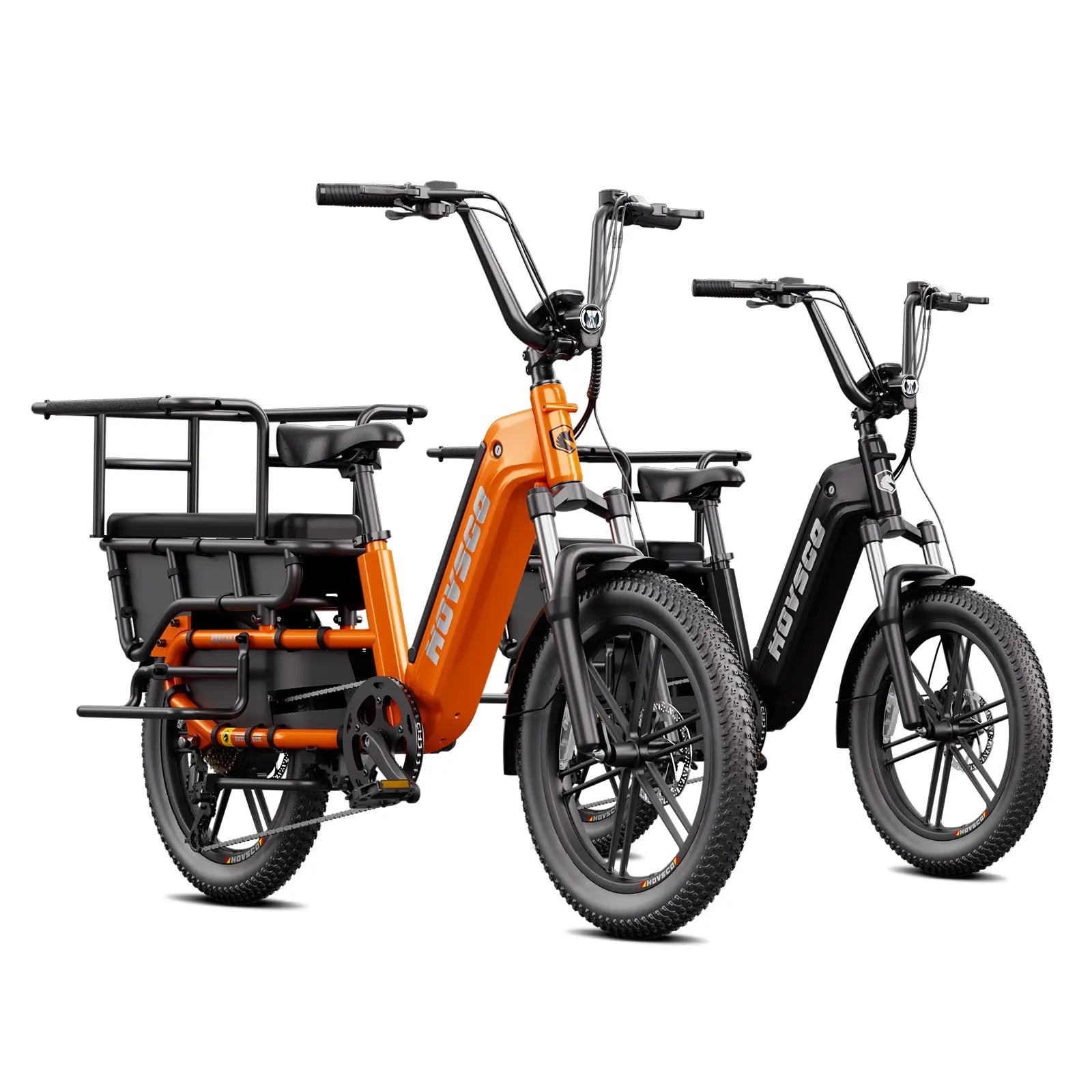
HOVSCO’s HovCart is rated for a 450 lb maximum payload and a 40–60 mile average range, so it is the most direct match for camp errands involving people or gear rather than solo sightseeing.
Check the campground’s e-bike policy, trail rules, local speed rules, and the e-bike class allowed before planning a ride. A capable e-bike is not automatically permitted on every trail, beach, path, or park road.
In the United States, Class 1 e-bikes provide pedal assistance up to 20 mph, Class 2 e-bikes may provide throttle assistance up to 20 mph, and Class 3 e-bikes provide pedal assistance up to 28 mph. Local agencies can apply different access rules, particularly on natural-surface trails and in state or national parks.
Use this pre-trip check:
Read the campground’s vehicle and trail rules before arrival.
Confirm whether e-bikes are allowed on paved loops, multi-use paths, and natural-surface trails.
Check the permitted class and speed limit for the exact area.
Plan to slow down near tents, children, pedestrians, pets, and blind corners.
Bring a helmet, lights, and a lock; use the bike only where access is allowed.
The HovCart product page lists a maximum speed of 28 mph after unlocking, but the applicable campground or local rule—not the bike’s capability—should determine how and where it is ridden.
Cargo capacity matters when the bike is expected to move more than one rider and a small bag. For full camping use, the best setup keeps heavy items low, secured, and as close to the bike’s center as practical.
The engineering tradeoff is straightforward: a larger payload rating does not make every load easy to handle. A loaded bike takes more room to turn, needs longer stopping distance, and becomes less forgiving when a bag or cooler is mounted high or far behind the rear axle. Keep dense gear low and avoid letting loose items shift over bumpy campground roads.
For common camping tasks, think in categories:
Light camp loop ride: water, rain layer, lock, small first-aid kit, and headlamp.
Camp-store run: groceries, ice, a compact cooler, and cooking supplies.
Family campsite transfer: child-related gear, towels, picnic items, or a rear-seat setup where permitted and correctly equipped.
Longer outing: extra water, layers, repair basics, and a charging plan.
The HOVSCO HovCart uses a 20 x 3-inch tire format, 180 mm hydraulic disc brakes, and a 450 lb maximum payload rating; it is designed around utility, but that payload is a rated ceiling rather than a target for aggressive riding.
For mixed campground surfaces, wider tires and suspension can improve comfort and control, but they also increase rolling resistance and add weight. The better choice depends on whether the ride is mostly paved loops, packed gravel, washboard roads, or uneven access paths.
A wider tire can cushion small bumps and offer more confidence on loose surfaces. However, it is not a license to ride technical trails beyond your skill level or the rules of the land manager. Tire pressure also changes the ride: lower pressure can improve compliance on softer ground, while a higher setting rolls more efficiently on pavement and firm gravel.
Here is a nuance most buying guides skip: suspension helps most when it allows the tires to stay in contact with uneven ground. It does not eliminate the need to reduce speed on roots, potholes, loose gravel, or wet leaves.
HovCart: A suspension fork with 45 mm travel and lockout suits cargo-focused rides that include pavement, packed gravel, and uneven campground roads.
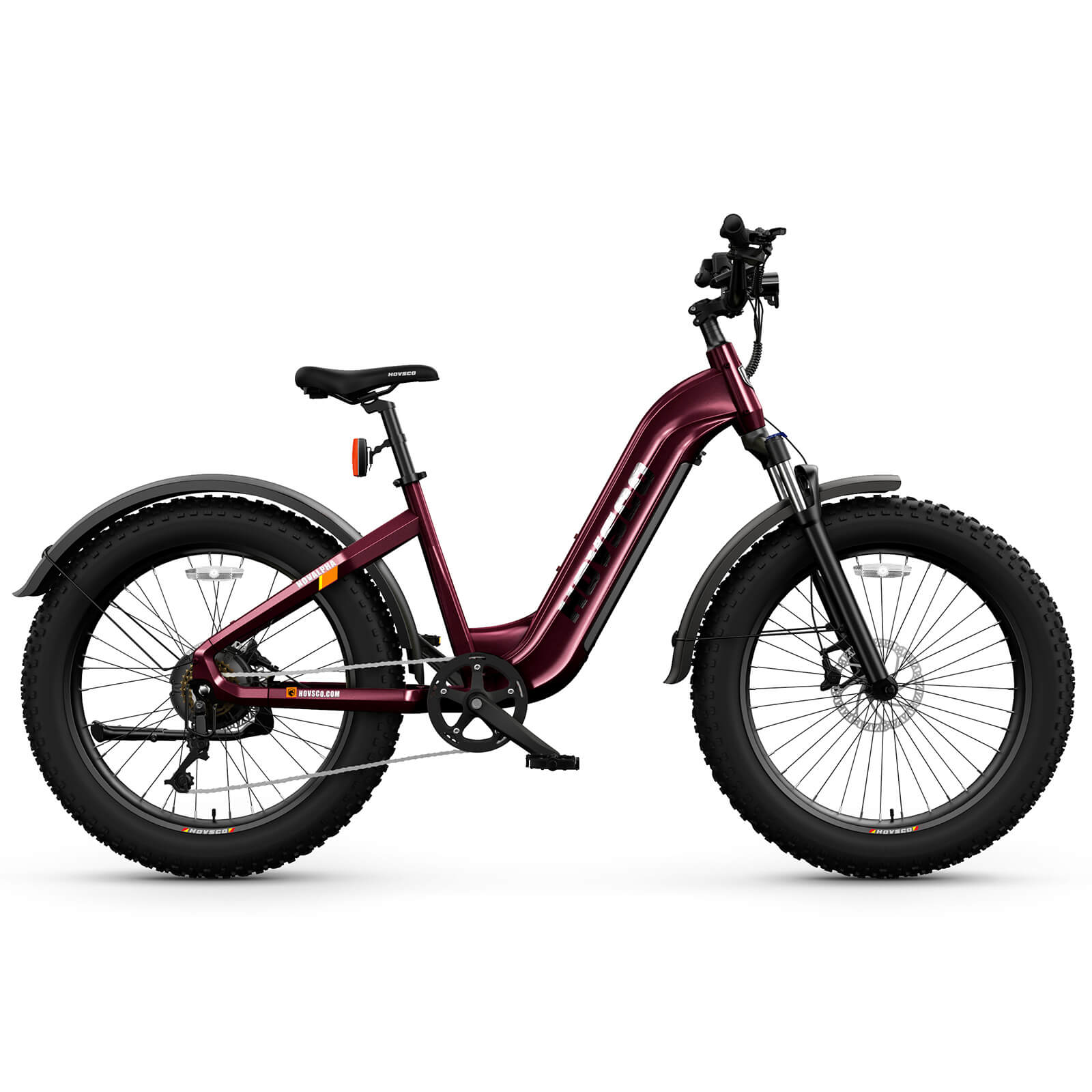
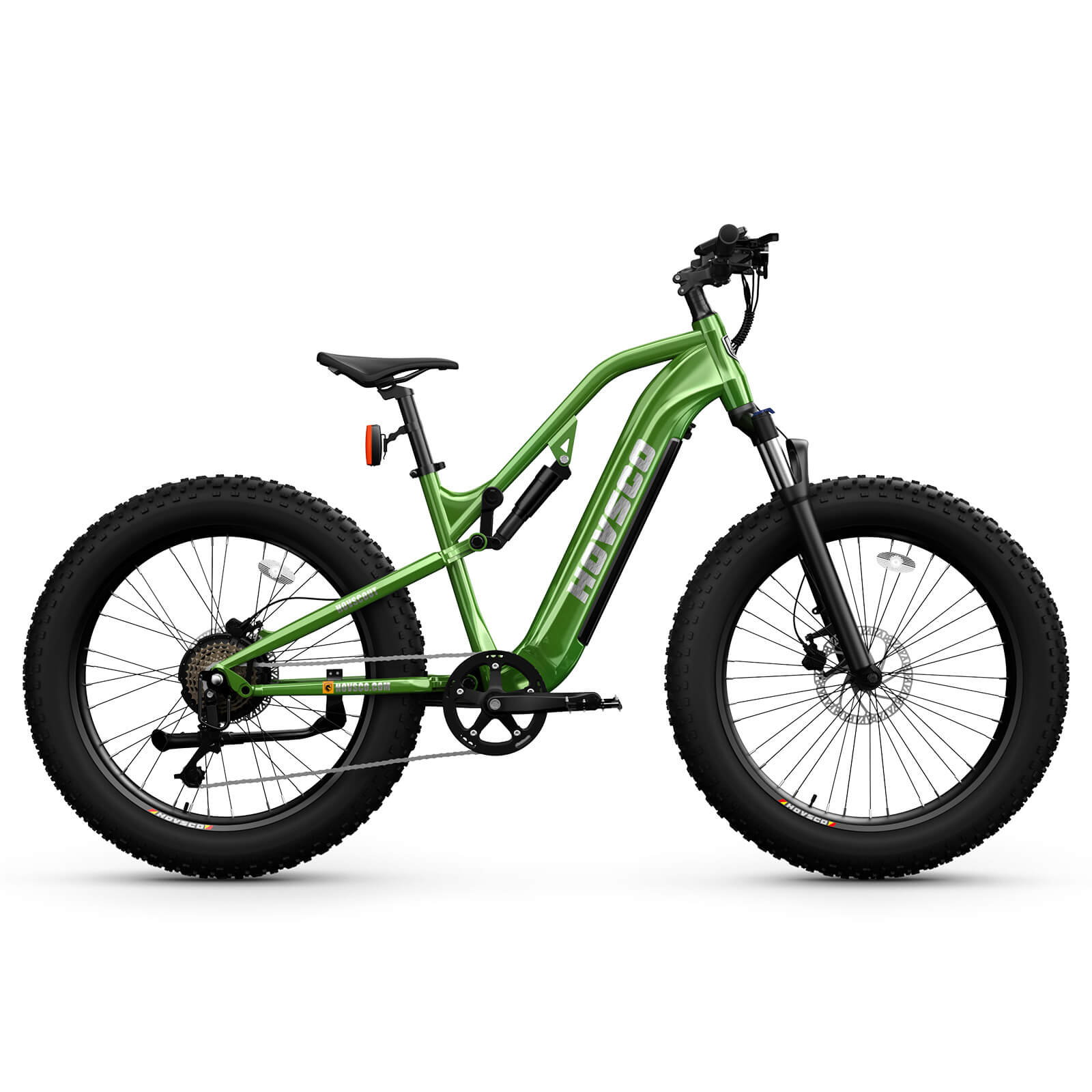
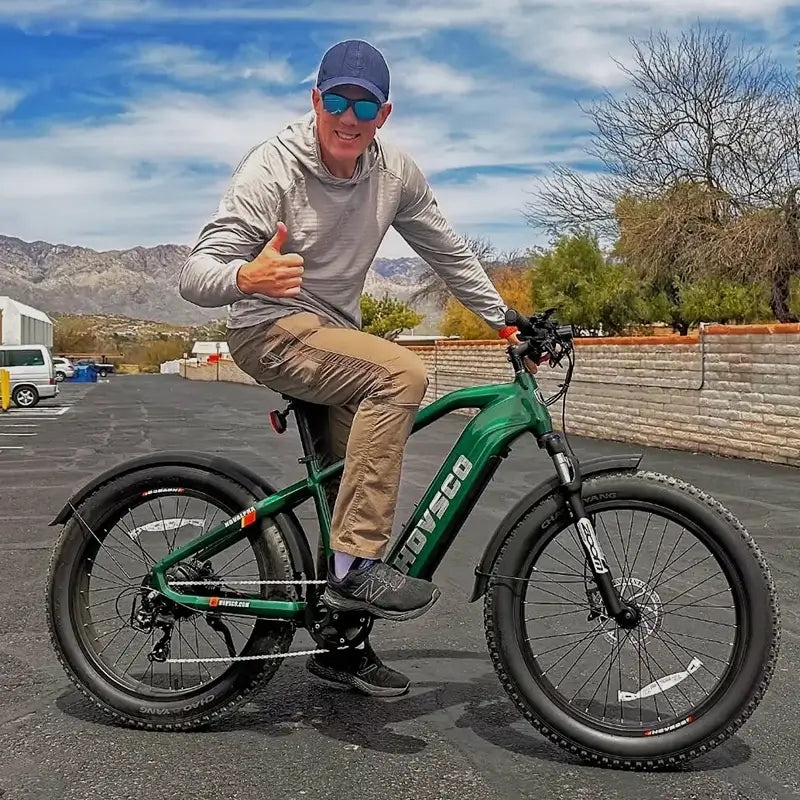
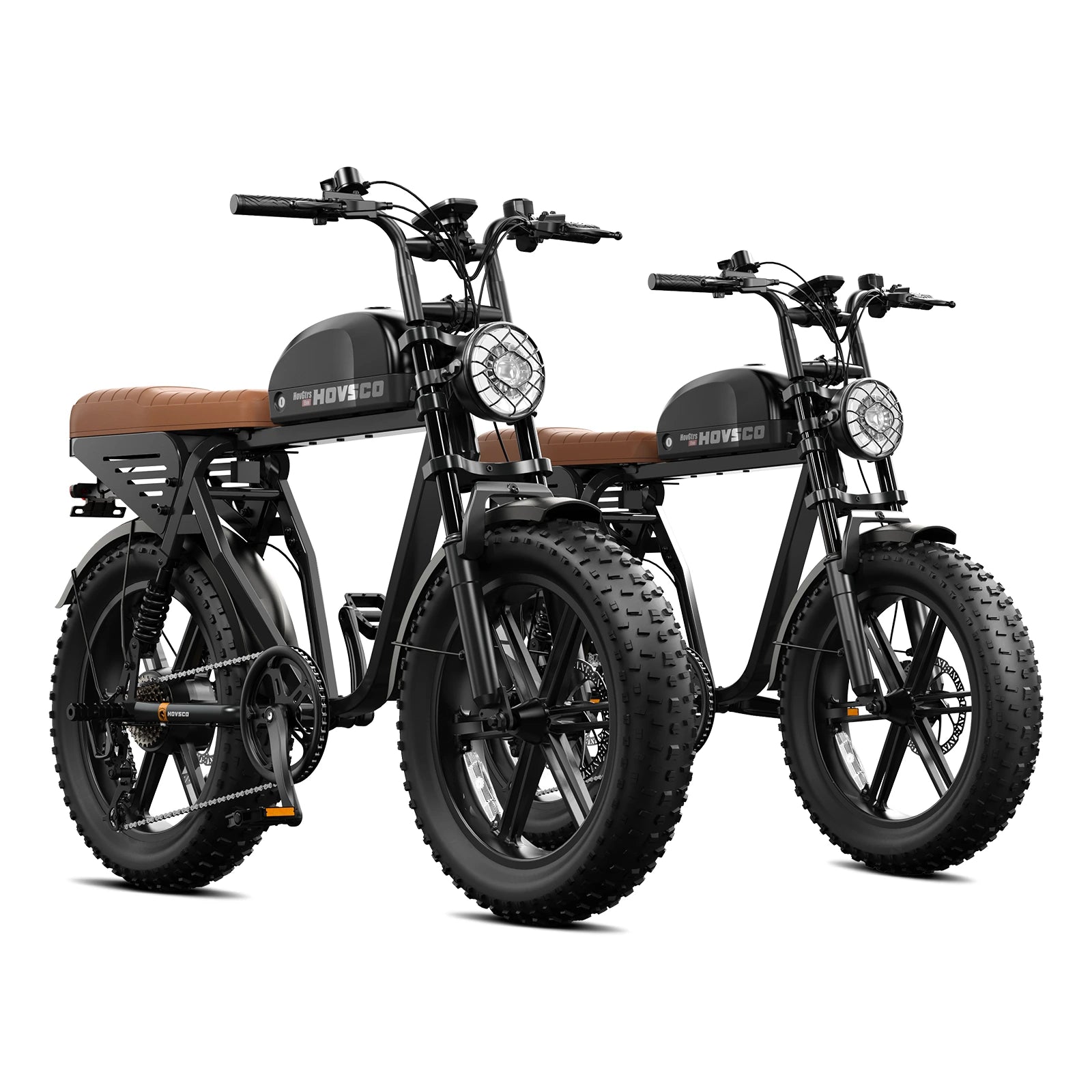
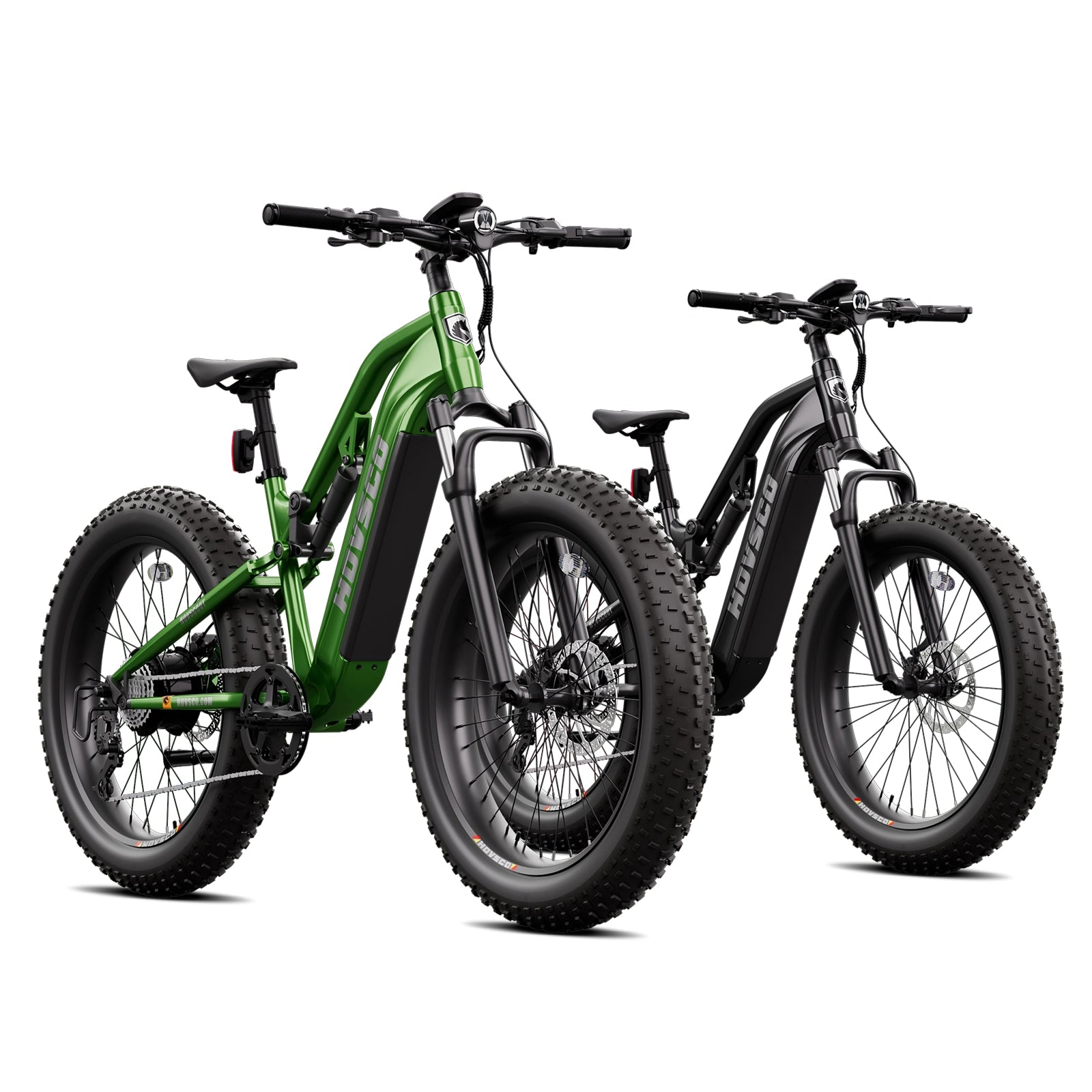
HovGtrs: Full suspension and 20 x 4-inch tires prioritize comfort and traction feel on rougher routes, but the 77.1 lb listed bike weight makes lifting and vehicle loading a more serious task.
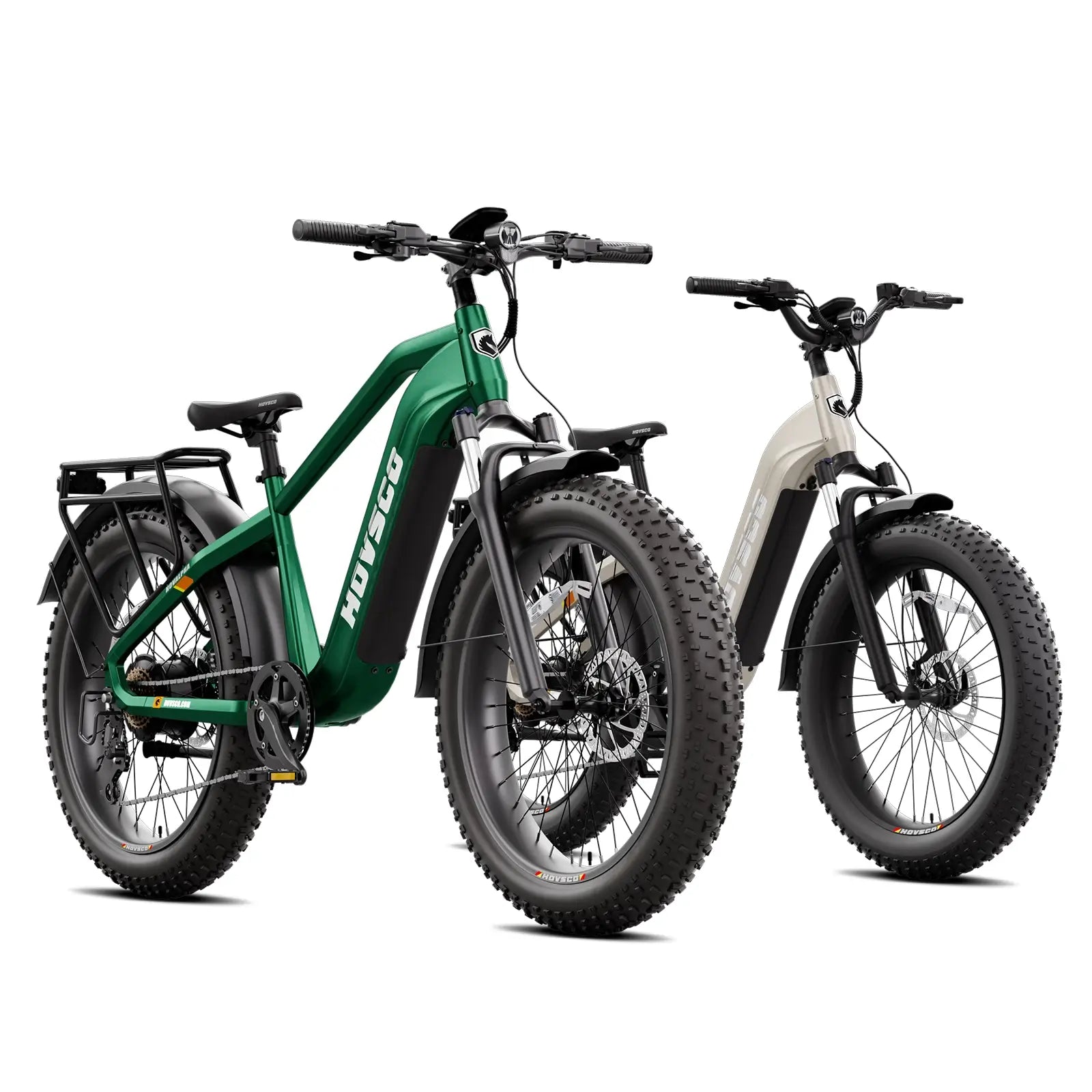
HovBeta: A folding 20-inch fat-tire design prioritizes compact storage; it is the storage-focused choice, not automatically the best answer for carrying a full camp load.
HOVSCO lists the HovGtrs with full suspension, 20 x 4-inch tires, and a 450 lb maximum payload, making it a stronger camping option when surface comfort is more important than easy lifting.
Plan range around the full day’s route, elevation, cargo, temperature, assist level, and your willingness to pedal—not around a single maximum number. Campground riding can look short on a map but become demanding when it includes hills, gravel, wind, or a loaded rack.
Battery capacity is commonly expressed in watt-hours, or Wh. More watt-hours generally give more stored energy, but terrain and riding style determine how quickly that energy is used. High assist and throttle use can be helpful with cargo or steep grades, but they draw energy faster than lower-assist pedaling on firm, flat ground.
A practical camping approach is to ask:
How far is the furthest planned destination from camp?
Will the route include hills, loose gravel, or headwinds?
Will the bike carry food, water, chairs, or passenger gear?
Can the battery be charged safely at the campsite or RV?
Is there enough remaining charge for the return ride?
The HovCart has a removable 48V 15Ah battery rated at 720Wh and an advertised average range of 40–60 miles; actual range depends on conditions and should be planned conservatively for a loaded campground day.
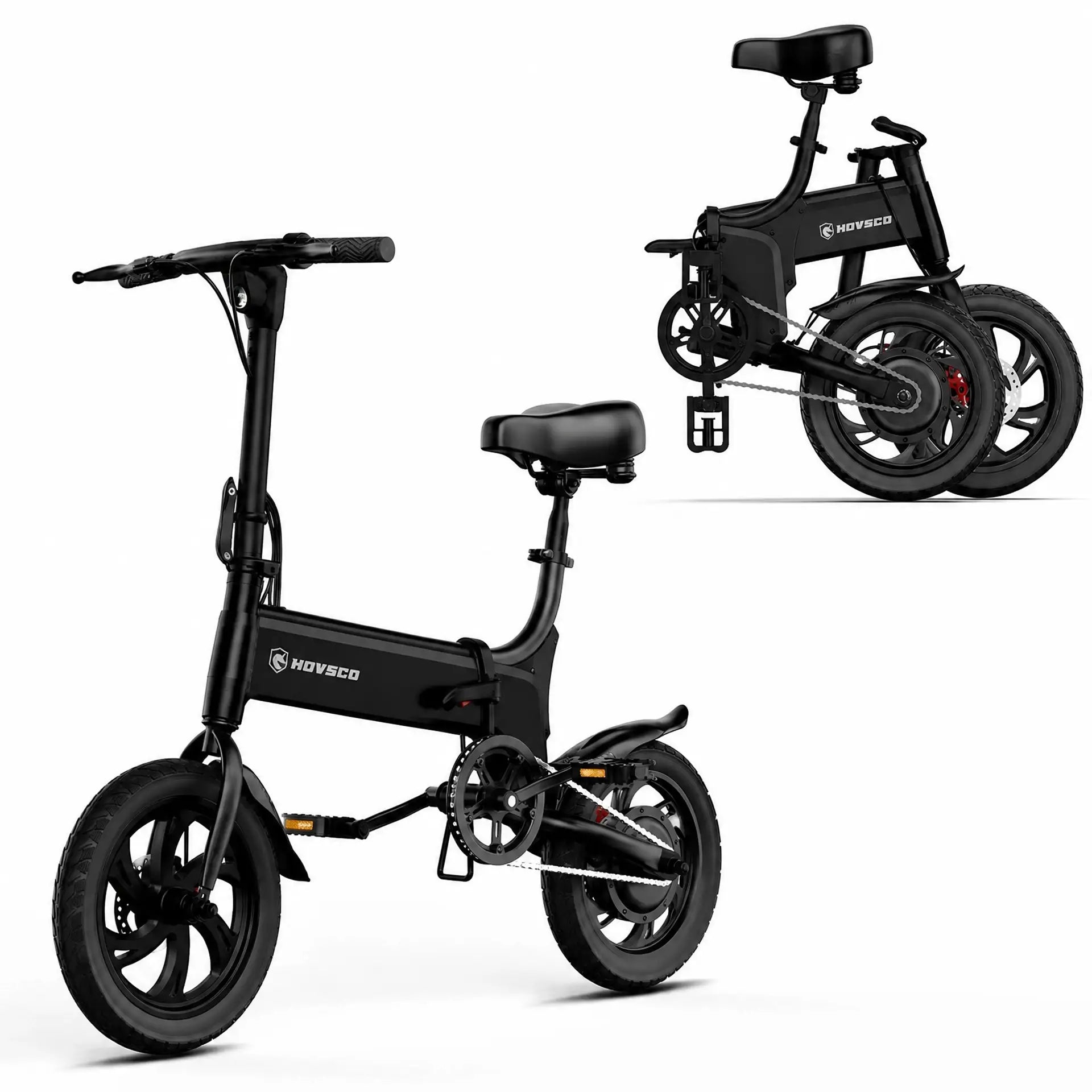
A folding e-bike is best for RV camping when storage and loading space are the main constraints. It is not automatically the strongest camping choice when your priority is heavy cargo, passenger capacity, or the smoothest ride on rough access roads.
The storage tradeoff is simple: folding frames can fit more easily inside an RV, SUV, or protected cargo area, but the rider still needs to lift, unfold, secure, and store the bike. Before buying, measure the actual door opening, storage bay, tie-down points, and the path needed to move the folded bike inside.
The HOVSCO HovBeta is the relevant model for this use case because it is a 20-inch foldable fat-tire step-thru e-bike. The product listing identifies a 1300W peak motor, a 48V 15Ah 720Wh battery, a 40–60 mile range, a 450 lb maximum payload, a torque sensor, and hydraulic disc brakes.
Choose a folding model when:
The bike must live inside an RV or vehicle rather than on an exterior rack.
Theft exposure or weather protection is a central concern.
Camp rides are primarily solo or lightly loaded.
The storage process is more important than maximum ride comfort.
For a camp setup centered on several bags, passenger gear, or repeated supply runs, a dedicated cargo layout can be the more natural fit. HOVSCO’s HovBeta is built around folding convenience, while the HovCart is built around cargo-oriented camping utility.
The best HOVSCO camping e-bike is the one that matches the job you will repeat most often. HovCart favors camp utility, HovGtrs favors comfort and distance, and HovBeta favors folded storage for RV-oriented travel.
Use this decision checklist before choosing:
Primary use: Choose HovCart for camp supplies and family-oriented utility; choose HovGtrs for longer, comfort-focused rides; choose HovBeta for compact storage.
Storage constraint: If the bike must fit inside an RV or vehicle, start with HovBeta and measure the available space before ordering.
Typical load: If loaded gear or passengers are central to the trip, compare how cargo is secured rather than relying only on the maximum payload number.
Range need: For extended campground-to-town rides, compare the HovGtrs battery configurations and their 65–150 mile pedal-assist range.
Assist feel: HovCart and HovBeta use torque sensors for pedal-responsive assistance; HovGtrs uses a cadence sensor, which responds to pedal rotation.
Terrain: For rougher roads where ride comfort is the priority, HovGtrs’ full suspension and 20 x 4-inch tires make the clearest case.
The HOVSCO HovGtrs Ultra combines a 48V 15Ah battery with a 48V 25Ah battery for a listed 150-mile pedal-assist range, while the HovCart’s 720Wh battery is positioned for shorter cargo-oriented trips.
A camping e-bike should be judged by its least convenient part of the trip: lifting it onto a rack, maneuvering it around a campsite, riding it loaded, or finding a legal route. That is why “more power” is not a complete buying rule.
Here is what to evaluate in person or on paper:
Measure storage space and any rack capacity before selecting a heavy e-bike.
Treat stated range as a condition-dependent guide, especially when hauling camping gear.
Prioritize hydraulic disc brakes when the bike, rider, and cargo create more mass to control.
Match tire width and suspension to the surfaces you actually expect to ride.
Use a folding model because you need folding storage—not because folding automatically makes it the best bike for every campground task.
HOVSCO’s HovCart weighs 66.4 lb including its battery as listed on the product page, so buyers should plan the loading method before choosing it for RV or vehicle transport.
An electric bike for camping works best when it reduces friction during the trip rather than creating a new storage or lifting problem.
Choose HOVSCO HovCart for cargo-forward campground use, with a 450 lb payload rating, 720Wh battery, and 40–60 mile average range.
Choose HOVSCO HovGtrs for longer rides and rougher routes where full suspension and 20 x 4-inch tires are useful.
Choose HOVSCO HovBeta when folded RV or vehicle storage is the deciding constraint.
Confirm access rules before riding on trails or park paths.
Measure storage, plan charging, secure cargo, and leave enough battery for the return trip.
For a camping setup that includes regular supply runs or family gear, explore the HOVSCO HovCart cargo e-bike. For long, comfort-focused campground explorations, compare the HOVSCO HovGtrs moped-style e-bike. RV travelers can review the HOVSCO HovBeta foldable e-bike after checking their storage dimensions.
What is the best type of electric bike for camping?
The best electric bike for camping depends on the task: cargo bikes suit gear-hauling and family use, full-suspension models suit comfort on rougher roads, and folding bikes suit constrained RV storage. HOVSCO’s HovCart is rated for a 450 lb payload and a 40–60 mile average range, making it the utility-focused option.
Can the HOVSCO HovCart carry camping gear?
Yes, the HOVSCO HovCart is designed for cargo-oriented use and has a 450 lb maximum payload rating. It uses a 1300W peak and 750W sustained rear hub motor, a 720Wh removable battery, and 180 mm hydraulic disc brakes. Keep camping gear secured, low, and within the rated payload.
Is the HOVSCO HovBeta suitable for RV camping?
The HOVSCO HovBeta is suitable for RV camping when folding storage is the priority. It is a foldable step-thru fat-tire e-bike with a listed 1300W peak motor, 720Wh battery, 40–60 mile range, torque sensor, and 450 lb maximum payload. Measure the RV storage area before choosing a folding bike.
How far can the HOVSCO HovGtrs go on a camping trip?
HOVSCO lists the HovGtrs at 65–150 miles of pedal-assist range depending on battery configuration: Evo uses a 48V 15Ah battery, Pro uses a 48V 25Ah battery, and Ultra uses both configurations. Actual distance changes with terrain, rider and cargo weight, assist level, wind, and temperature.
Can I ride an electric bike on campground trails?
Only where the campground or land manager permits it. E-bike access can vary by trail type, e-bike class, local rules, and speed restrictions. Check the rules before arrival, ride slowly around pedestrians and campsites, and do not assume that access on campground roads means access on natural-surface trails.
Share:
How to Choose E-Bike Brake Parts: A Practical Buying Guide
What is a bike repair shop and what services does it provide?