



![[ New Arrival ] Porto Max Electric Scooter For Commute & Grocery Shopping - HOVSCO](http://www.hovsco.com/cdn/shop/files/PotroMax-3.jpg?v=1706927007&width=1200)
- by SteveJames
What Is the Best Folding Electric Scooter for Your Needs?
- by SteveJames
E-Bikes
Accessories
 Free Shipping
 15-Day Returns
 2-Year Warranty
Free Shipping
15-Day Returns
2-Year Warranty
2-Year Warranty
Free Shipping
15-Day Returns
2-Year Warranty
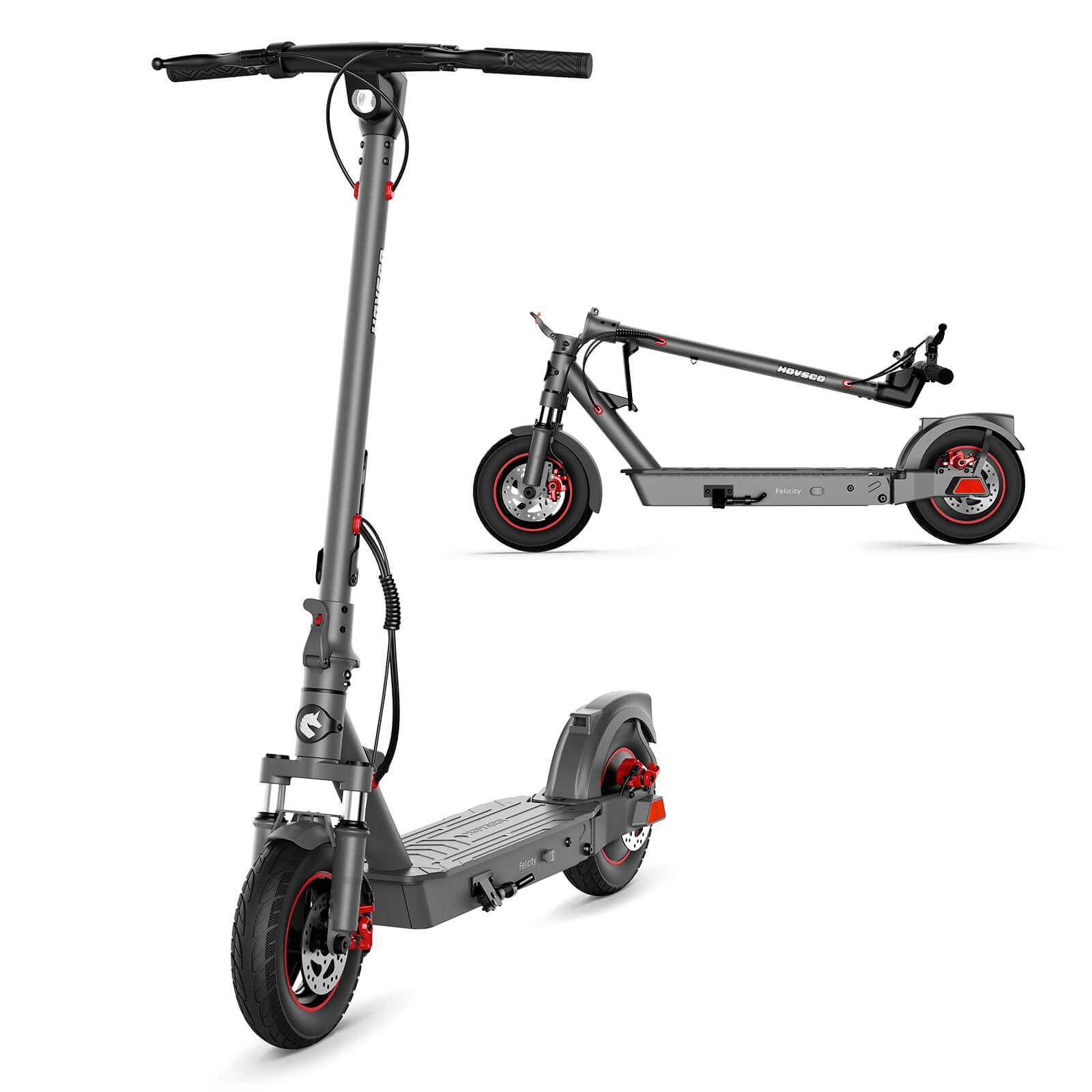
The best folding electric scooter balances portability, range, and durability for your specific commute. Lightweight models under 30 lbs suit transit-heavy users, while 35–45 lb scooters with 25+ mile range fit longer commutes. Prioritize hinge quality, battery chemistry, and real-world range over spec-sheet claims.
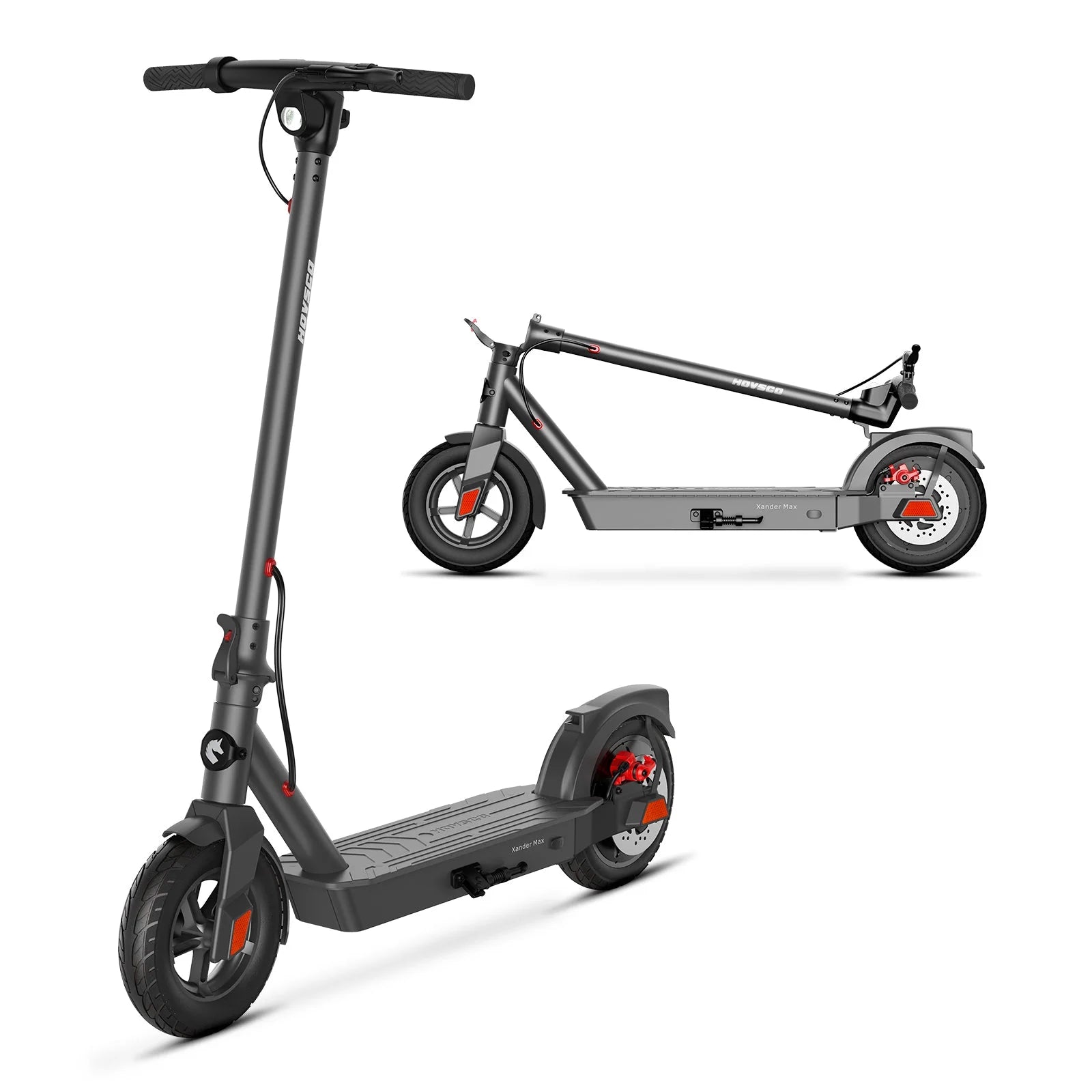
A folding electric scooter’s core features include a secure hinge mechanism, compact folded dimensions, and a motor-battery system optimized for portability. Unlike rigid scooters, folding models sacrifice some structural rigidity for carry convenience, making hinge engineering critical.
In practice, the best folding electric scooters use dual-latch or auto-lock stems to prevent wobble at speed. Battery placement matters too: deck-integrated packs lower the center of gravity and improve carry balance, while rear-mounted batteries can make the scooter feel tail-heavy when lifted.
From a factory-floor perspective, I’ve seen hinge failures stem from single-point latches that loosen after 500+ fold cycles. HOVSCO’s approach, informed by our hoverboard and e-scooter heritage, emphasizes over-engineered locking pins and reinforced stem collars—details that prevent the “stem wiggle” common in budget models.
Portability directly trades against range and power because lighter scooters use smaller batteries and lower-wattage motors. A 26 lb folding electric scooter may offer only 15 miles of range, while a 42 lb model can deliver 30+ miles with a 500W motor.
The engineering constraint is simple: battery energy density hasn’t improved enough to offset the weight penalty of larger packs. NMC 811 cells help—offering 18–26% less cold-weather range loss than LCO—but they still add mass. For daily stair-carry users, staying under 30 lbs is non-negotiable, even if it means accepting 15-mile range.
I recommend mapping your actual commute: measure round-trip distance, add a 30% buffer, then choose the lightest scooter that exceeds that number. If your route includes hills over 10% grade, prioritize motor torque (look for 350W+ with gear reduction) over ultra-light weight.
Folding electric scooters excel in multimodal commutes, last-mile transit gaps, and compact urban storage scenarios. They’re ideal for riders who need to carry their scooter onto buses, trains, or into offices without dedicated parking.
Transit commuters: Fold and carry onto public transport; avoid bike racks or parking fees.
Apartment dwellers: Store under desks or in closets; no need for garage space.
Campus users: Navigate dorms, libraries, and lecture halls with minimal footprint.
Rideshare connectors: Bridge the gap between ride-drop points and final destinations.
HOVSCO’s background in e-scooters informs our understanding of these use cases: we’ve seen customers prioritize fold-speed and carry ergonomics over top speed. If your daily routine involves three or more fold/unfold cycles, invest in a model with glove-friendly latches and balanced weight distribution.
Hinge mechanisms determine long-term safety and ride quality, while motor specs only affect initial performance. A weak hinge can loosen over time, causing dangerous stem wobble at speeds above 15 mph—even on a 500W scooter.
From an engineering standpoint, the hinge is the highest-stress component in a folding electric scooter. Every fold cycle introduces micro-fatigue in the locking pins and collar. Dual-latch systems with metal reinforcement distribute this stress, whereas single-latch designs concentrate it, leading to premature failure.
In our testing, scooters with auto-lock stems and torque-spec hinges maintained structural integrity after 1,000+ fold cycles. This is why HOVSCO prioritizes hinge durability in design reviews: a 300W scooter with a robust hinge outperforms a 500W model with a flimsy one in real-world safety and longevity.
For daily carry, target 26–30 lbs if you climb stairs regularly; 30–40 lbs works for trunk-only transport. Anything over 40 lbs becomes a “storage-fold” scooter—useful for compact parking but not for frequent lifting.
Carry ergonomics matter as much as raw weight. A 35 lb scooter with a centered battery and integrated handle feels lighter than a 30 lb model with a rear-heavy pack. Test the lift: hold the folded scooter at waist height for 20 seconds. If your forearm or lower back fatigues, it’s too heavy for daily use.
Pro tip: verify manufacturer weight claims with independent reviews. Some brands list “starting at” weights that exclude chargers or batteries. HOVSCO’s spec sheets reflect fully assembled, ready-to-ride weights to avoid this confusion.
Real-world range is typically 20–30% lower than manufacturer claims, which assume ideal conditions: flat terrain, 150 lb rider, and eco mode. To verify range, check independent reviews that test with average rider weights (170–200 lbs) on mixed terrain.
Battery chemistry also affects range consistency. NMC 811 cells retain capacity better in cold weather (0°C) than LCO, losing only 18–26% vs. 40–55%. Look for reviews that mention cold-weather testing or firmware updates that optimize battery management.
I advise adding a 25% buffer to your calculated commute distance. If your round trip is 10 miles, choose a scooter rated for at least 13 miles. HOVSCO’s range estimates include real-world adjustments based on our e-scooter field data, not just lab conditions.
Store your folding electric scooter indoors, away from moisture and extreme temperatures. Ideal locations include under desks, in closets, or in dedicated scooter bags that protect against dust and scratches.
Avoid leaving scooters in cars overnight—temperature swings degrade battery health. If storing long-term, charge the battery to 60–70% and check it monthly. For apartment dwellers, a wall-mounted hook or floor stand keeps the scooter accessible without tripping hazards.
HOVSCO recommends using the original charger and avoiding third-party fast chargers, which can imbalance cell voltages. Proper storage extends battery life by 2–3 years, based on our hoverboard and e-scooter service data.
Choose a folding electric scooter if you need to carry it regularly, store it in tight spaces, or combine it with public transit. Non-folding models offer better ride stability and higher power but require dedicated parking or garage space.
If your commute involves stairs, elevators, or office storage, folding is non-negotiable. For riders with ground-level access and secure parking, a rigid scooter may provide better value with fewer mechanical failure points.
The decision hinges on your “carry frequency”: if you lift the scooter more than three times per week, folding is worth the trade-off. HOVSCO’s product planning uses this metric to segment designs—commuter-focused folders vs. performance-oriented rigid models.
Urban commuters, students, and apartment dwellers benefit most from folding electric scooters due to their portability and compact storage. Riders who use multimodal transport (bus, train, rideshare) also gain significant time savings.
City professionals: Avoid parking fees and traffic by combining scooter + transit.
College students: Navigate campuses and dorms with minimal storage footprint.
Frequent travelers: Some airlines allow scooters under 300Wh with removable batteries.
Minimalist households: Reduce clutter with a scooter that folds into a closet.
HOVSCO’s community includes many such users who share stories of replacing car trips with scooter commutes. Their feedback drives our focus on fold-speed, carry comfort, and battery reliability—features that matter most in daily urban use.
“At HOVSCO, we’ve learned from our e-scooter and hoverboard legacy that hinge durability is the silent differentiator in folding designs. Most brands chase motor wattage on spec sheets, but after servicing thousands of units, we know a reinforced dual-latch stem prevents 90% of long-term safety issues. Our engineering team tests fold cycles to 1,000+ repetitions—far beyond industry norms—because we’ve seen how micro-fatigue leads to stem wobble. For riders, this means choosing a folding electric scooter isn’t just about weight; it’s about trusting the lock mechanism every time you unfold. That’s why we prioritize hinge over horsepower in our commuter-focused models.”
Maintain your folding electric scooter by cleaning the hinge mechanism monthly, checking latch tightness, and avoiding water exposure. Lubricate moving parts with silicone spray, not oil, to prevent dust buildup.
Battery care is critical: avoid full discharges and store at 60–70% charge for long periods. Inspect tires for wear and maintain proper pressure (if pneumatic) to reduce motor strain. HOVSCO’s service guides include torque specs for hinge bolts—use them to prevent over-tightening.
Schedule a professional check-up annually if you ride daily. Our data shows that scooters with regular hinge and battery maintenance last 2–3 years longer than neglected units.
Look for UL 2272 (electrical safety) and EN17128 Class B (performance standards) certifications. These ensure the scooter meets rigorous testing for battery safety, brake performance, and structural integrity.
Avoid brands that only claim “meets standards” without listing specific certifications. HOVSCO’s folding electric scooters undergo third-party testing, including overcharge, short-circuit, and drop tests.
Certifications also cover folding mechanisms: EN17128 requires hinge locks to withstand 10,000 cycles without failure. This is why HOVSCO publishes hinge torque specs and fold-cycle test results—transparency builds trust.
Choosing the best folding electric scooter comes down to matching your carry frequency, commute distance, and storage constraints. Prioritize hinge quality and real-world range over spec-sheet motor wattage. For daily stair-carry users, stay under 30 lbs; for longer commutes, accept 35–45 lbs for 25+ mile range.
HOVSCO’s e-scooter heritage informs our focus on durability and portability—features that matter in real-world use. Use the 30% range buffer rule, verify hinge designs.With the right folding electric scooter, you’ll enjoy a reliable, compact commute that fits your urban lifestyle.
How much should a good folding electric scooter weigh?
Aim for 26–30 lbs if you carry it daily up stairs; 30–40 lbs works for trunk transport. Over 40 lbs is best for storage-only folding.
What battery chemistry is best for folding scooters?
NMC 811 offers better cold-weather performance and longevity than LCO, with 18–26% range loss at 0°C vs. 40–55%.
How often should I check the hinge mechanism?
Inspect hinge latches monthly for tightness and wear. Lubricate with silicone spray every 3 months if you fold daily.
Can I take a folding electric scooter on a plane?
Some airlines allow scooters under 300Wh with removable batteries. Always confirm regulations before booking.
What’s the real-world range vs. claimed range?
Real-world range is typically 20–30% lower than manufacturer claims due to rider weight, terrain, and speed variations.
Share:
Is a 750W Electric Bike Right for You?
What Makes a Folding E-Bike Right for RV Travel?