


![[ New Arrival ] Porto Max Electric Scooter For Commute & Grocery Shopping - HOVSCO](http://www.hovsco.com/cdn/shop/files/PotroMax-3.jpg?v=1706927007&width=1200)
- by SteveJames
Riding an E-Bike With Your Dog: Safe and Fun
- by SteveJames
E-Bikes
Accessories
 Free Shipping
 15-Day Returns
 2-Year Warranty
Free Shipping
15-Day Returns
2-Year Warranty
2-Year Warranty
Free Shipping
15-Day Returns
2-Year Warranty
This guide covers riding an e-bike with your dog: size and setup, carriers, training, safety gear, routes, and common mistakes. For cargo capacity, see our cargo guide.
Riding an e-bike with your dog is possible — and fun — when the dog's comfort comes first: match the carrier to the dog's size, train before the first ride, and keep the route short and cool. The e-bike with dog setup needs a rated ebike dog carrier or trailer, a harness not a collar, and a rider who knows the signs of stress. This guide covers the dog basket for ebike options, training steps, and the mistakes that end rides.
Dogs vary in health and temperament — ask your veterinarian before starting, and stop any ride at the first sign of stress, heat, or fatigue.
Dog Riding at a Glance
Size first: small dogs ride, big dogs run or trail · carrier rated and secured · harness, not collar · short, cool, low-stress first rides.
The setup follows the dog: small and medium dogs ride in a rated basket or trailer; large dogs may run beside the bike or pull a dedicated scooter attachment rather than ride. The ebike dog carrier decision is about weight capacity and the dog's comfort, not just cuteness.
Dog setup by size
| Dog size | Typical setup | Notes |
|---|---|---|
| Small | Front basket | Rated mount, harness |
| Medium | Rear carrier or trailer | Check payload |
| Large | Runs beside or trailer | Train leash discipline |
A dog that is too big for the basket is unsafe for both of you — the carrier rocks and the dog fights the ride. Match the ebike dog carrier rating to the dog's weight with margin, and mount it per the instructions on a bike rated for the load.
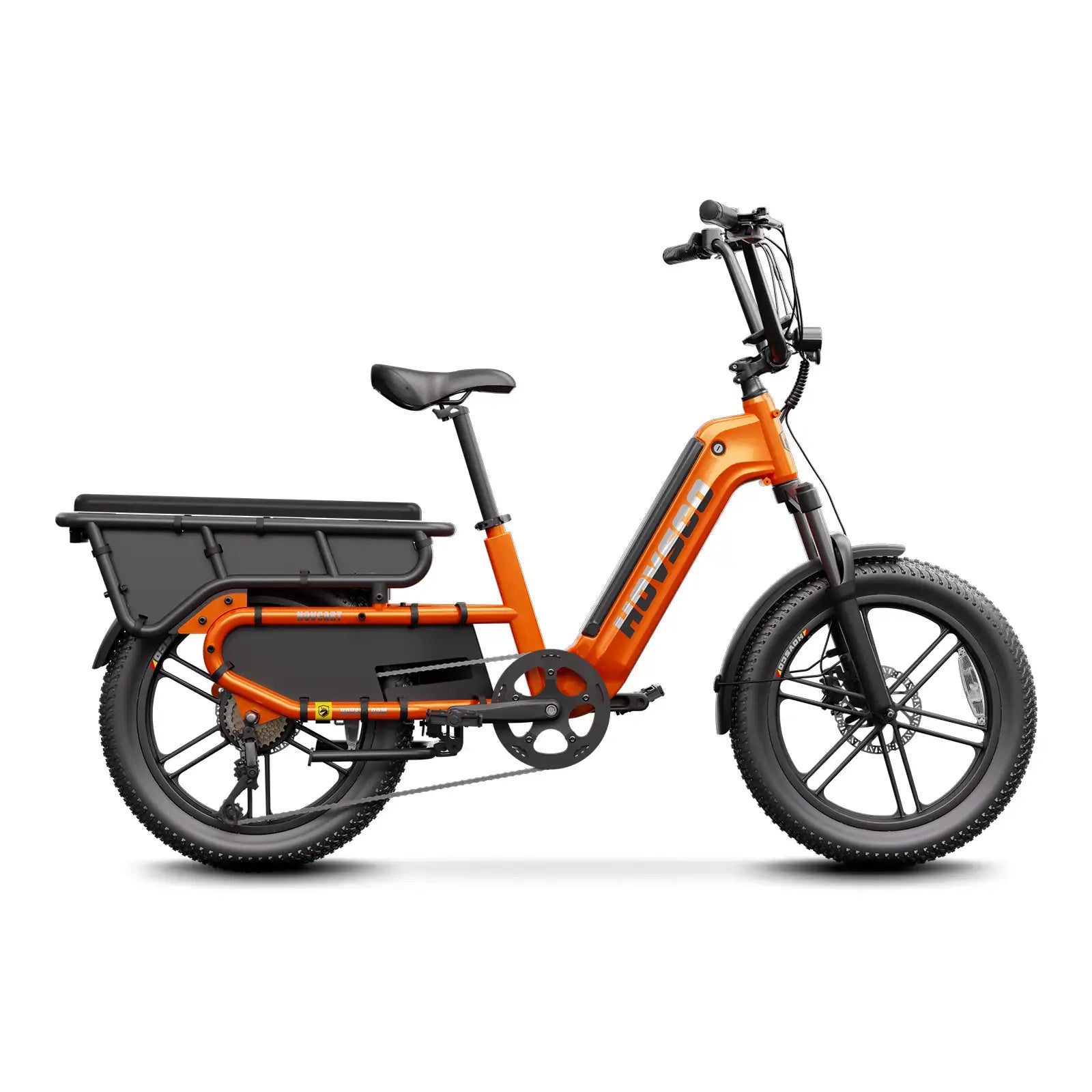
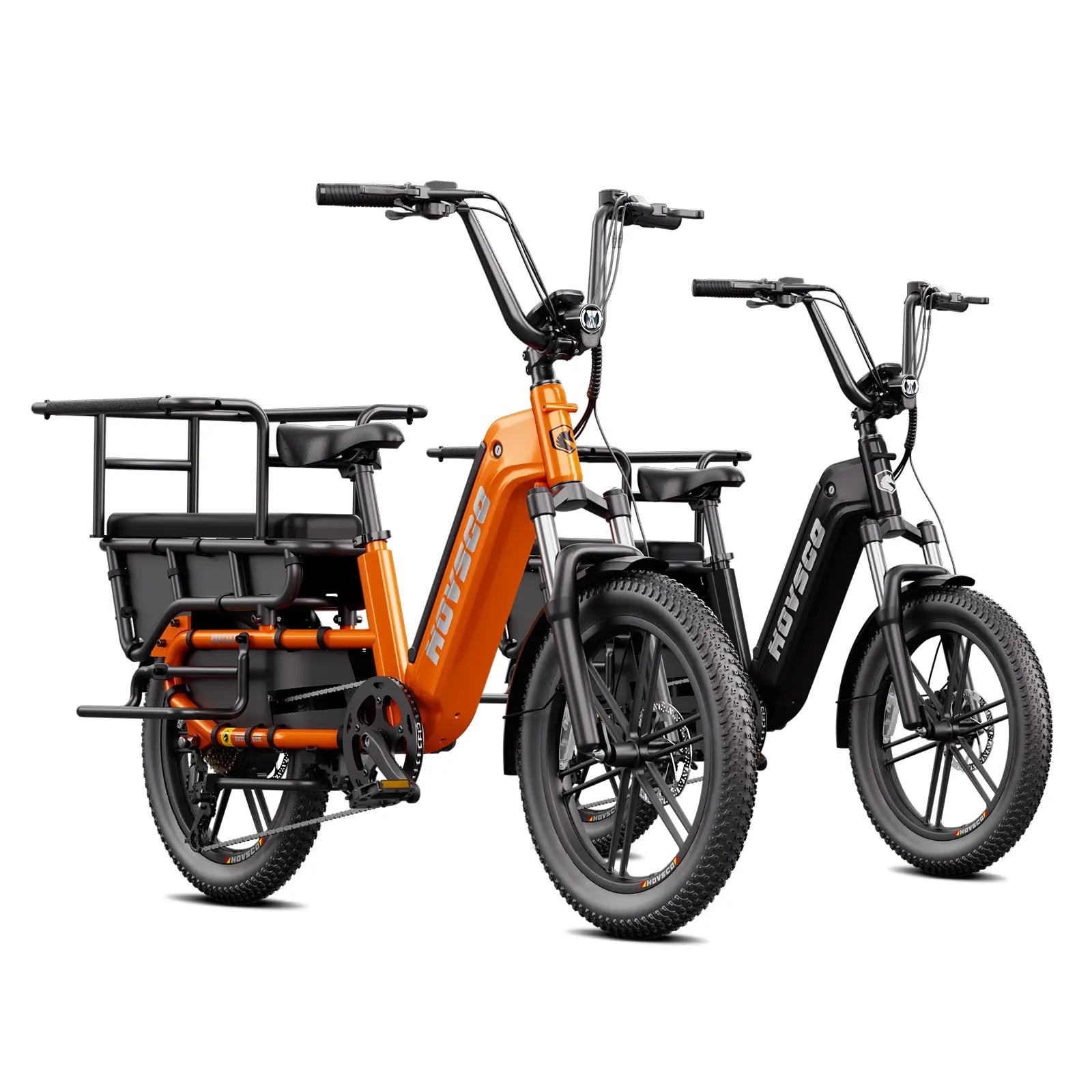
The carrying options: a front basket for small dogs who like seeing the road, a rear carrier for mid-size dogs, or a trailer for larger dogs and longer rides. The dog basket for ebike choice also depends on the bike — a dog basket for ebike mounts needs a rated mount and a stable frame.
For dogs who run alongside, use a rigid leash attachment that keeps the leash out of the spokes — never a loose leash in your hand. The ride bike with dog setup that fails is always the one with slack line near the wheel.
Training a dog basket for ebike riding is gradual: let the dog inspect the bike and carrier, reward calm behavior, do short stationary sits in the carrier, then short slow rides on a quiet route. The first ride is minutes, not miles.
Teach a settle command for the carrier and practice getting in and out without drama. Dogs who are relaxed at home are relaxed on the bike; dogs who are anxious need more desensitization before any ride.
A harness, not a collar, is the minimum for any dog-bike setup — a collar can choke under load. Add eye protection for high-speed rides, booties for hot or rough surfaces, and reflective gear for low light.
The ride bike with dog safety rule is visibility and restraint: the dog is secured, visible, and protected from the environment. A dog that can jump out mid-ride is a training problem, not a gear problem.
Routes for dogs are short, cool, and smooth: avoid midday heat, hot pavement, and rough trails in the first weeks. Start with a mile or two and build distance slowly, watching the dog's panting and enthusiasm.
Weather rules are strict: dogs overheat faster than riders, so hot days mean shorter rides or no ride, and paws on hot pavement burn quickly. The e-bike with dog routine is weather-first — the dog's comfort decides the route.
The common mistakes are predictable: a loose leash that can tangle in the wheel, a carrier overloaded, a first ride too long, and rides in heat. Each one is preventable with the setup and training above.
The other mistake is ignoring the dog's signals — panting that does not settle, ears back, or attempts to jump out mean stop. The ride bike with dog habit is to end rides early and happy, so the dog stays excited about the next one.
Build the dog-friendly setup on a stable platform — see the front basket, the running boards, and the full e-bike collection.
In product design, the dog question is always a sizing and training question before a gear question. The carrier must be rated for the dog, the harness replaces the collar, and the first rides are minutes long on cool, quiet routes. Dogs tell you when they are ready — the rider's job is to listen.
— HOVSCO Product Design Team
Riding an e-bike with your dog works when the dog leads the plan: a carrier rated for the dog's size, a harness not a collar, gradual training, and short cool routes. Watch the dog's signals, keep the leash out of the spokes, and end rides early and happy.
Match the carrier to the dog's weight and comfort, with margin.
A harness, not a collar, is the minimum for any setup.
Train gradually: inspect, settle, short rides, then miles.
Routes stay short, cool, and smooth — heat is the main risk.
A loose leash near the wheel is the classic mistake to prevent.
Does my dog's size and temperament suit riding — or running beside?
Is the carrier rated for the dog and mounted per instructions?
Has my vet cleared the dog for this activity?
Have we practiced settle-and-ride in short, cool sessions?
What is my route, and what are the signs that the ride should end?
Can I ride an e-bike with my dog?
Yes for many dogs with the right setup: a carrier or trailer rated for the dog, a harness, gradual training, and short cool rides. Large dogs often do better running beside the bike or in a trailer.
What is the best dog carrier for an e-bike?
A front basket suits small dogs who like to see the road; a rear carrier or trailer suits mid-size and larger dogs. Match the carrier rating to the dog's weight and mount it per the instructions.
How do I train my dog to ride in an e-bike basket?
Gradually: let the dog inspect the bike, practice sitting in the carrier, take short slow rides, and reward calm behavior. The first rides are minutes long on quiet routes.
Is it safe for dogs to ride in a bike basket?
Yes when the carrier is rated for the dog's weight, the dog is secured with a harness, and rides are short and smooth. Never let a dog ride loose in a basket or jump out mid-ride.
How far can I ride with my dog on an e-bike?
Start with a mile or two and build slowly, watching for heat, fatigue, and stress. Dogs overheat faster than riders, so the route and weather decide the distance — not the battery.
Share:
HOVSCO vs Lectric: Which Cargo E-Bike Wins?
HOVSCO HovCart Review: Specs, Range, Payload and Fit