



![[ New Arrival ] Porto Max Electric Scooter For Commute & Grocery Shopping - HOVSCO](http://www.hovsco.com/cdn/shop/files/PotroMax-3.jpg?v=1706927007&width=1200)
- by SteveJames
How Do Beginners Choose the Right Electric Bike?
- by SteveJames
E-Bikes
Accessories
 Free Shipping
 15-Day Returns
 2-Year Warranty
Free Shipping
15-Day Returns
2-Year Warranty
2-Year Warranty
Free Shipping
15-Day Returns
2-Year Warranty
Beginners should choose an electric bike for beginners by testing low-speed control first, then checking step-through access, a simple display, manageable weight, dependable brakes, and real after-sales support. These six filters, applied in order, matter more than motor wattage or top speed when learning how to choose electric bike for beginners with confidence.
Low-speed controllability determines whether a beginner feels safe at walking pace, during stop-and-go traffic, or when balancing at a red light — moments that cause more first-week falls than high-speed riding ever does. A bike with jumpy throttle response or aggressive cadence-based assist is the single biggest reason new riders quit within the first month.
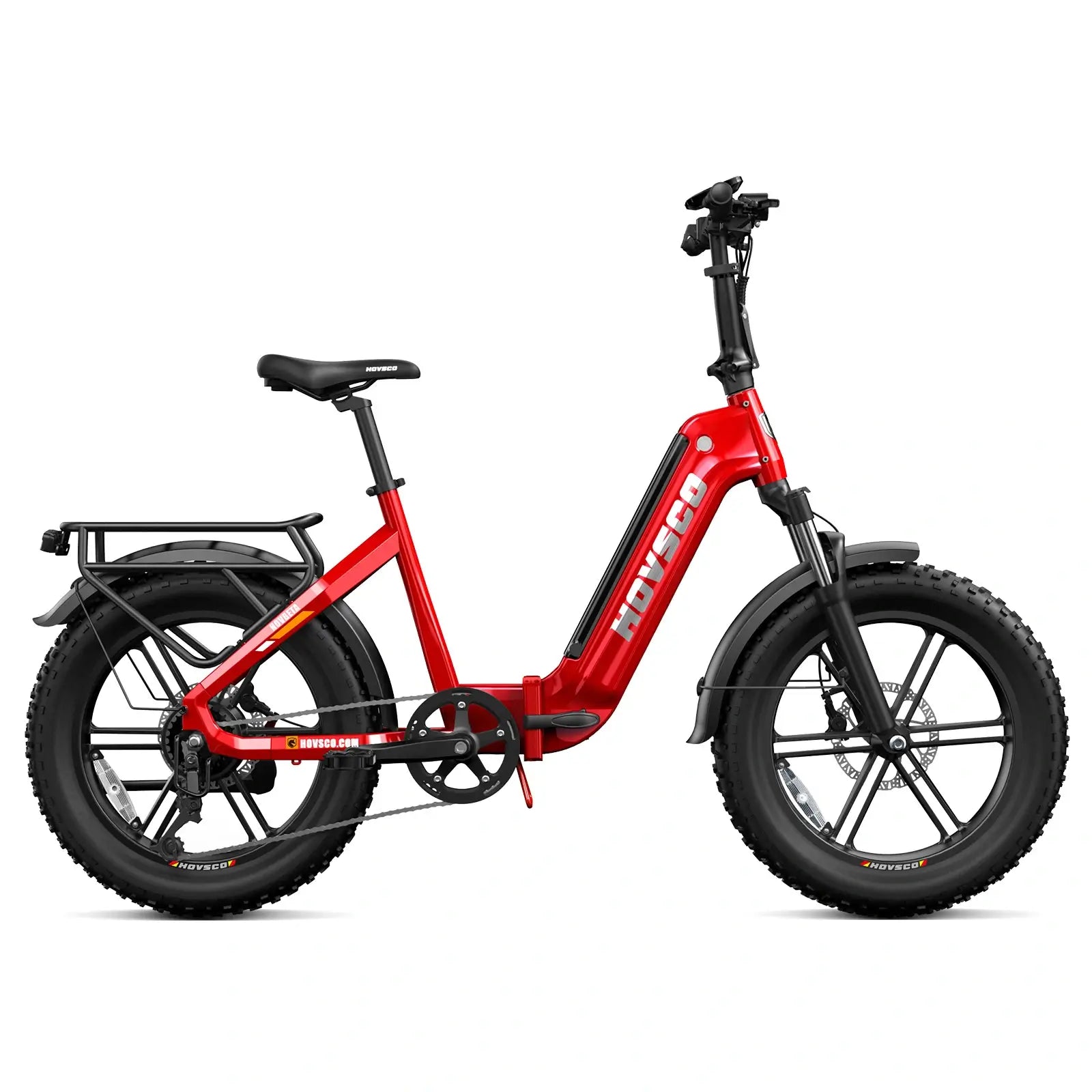
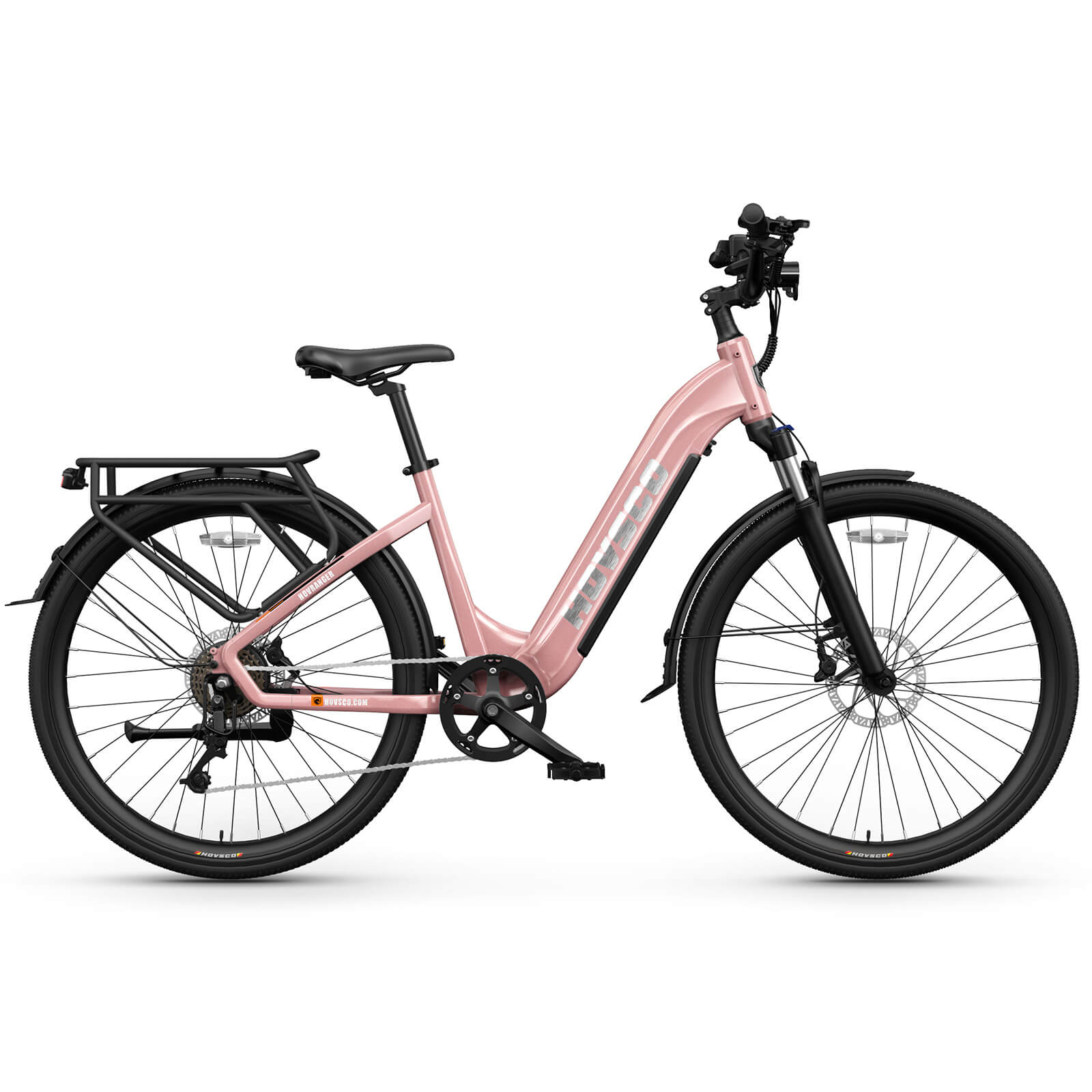
Most buying guides talk about torque sensors versus cadence sensors as an abstract spec. Here's the nuance that matters on the shop floor: a cadence sensor fires full assist the instant the pedal turns, which feels like a shove at 2-3 mph. A torque sensor measures how hard you're actually pushing and scales power to match, so creeping forward at a crosswalk feels like pedaling a slightly lighter bike rather than being launched. HOVSCO's HovRanger Step-Thru and HovBeta both use torque-sensing pedal assist across five levels, which is why they behave predictably at the exact speeds where beginners lose confidence — under 8 mph, in parking lots, and on shared paths.
Practical test: before buying, ask to try pedal assist Level 1 for 20 seconds at walking pace. If the bike lurches, it's a cadence system poorly tuned for beginners.
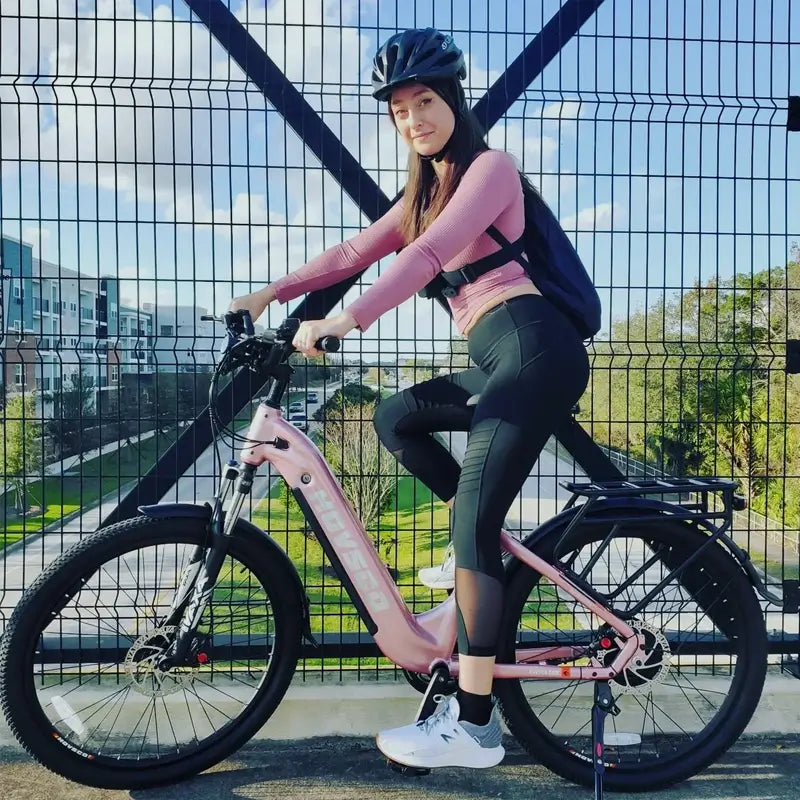
A step-through (or low-step) frame lets riders mount and dismount without swinging a leg over a high top tube, which matters most at stoplights, on hills, or for anyone with limited hip mobility. It also lowers the center of gravity, making the bike feel more stable when stopped or moving slowly.
The mounting moment is underrated in most guides. A beginner's first scare usually isn't a crash mid-ride — it's wobbling while trying to get a leg over a standard diamond frame with a loaded pannier or while wearing a skirt or work trousers. Step-through geometry removes that failure point entirely. It also means you can put a foot down flat and level far more easily when the bike is stationary and heavier than a regular bicycle, which is a genuine physical difference beginners underestimate.
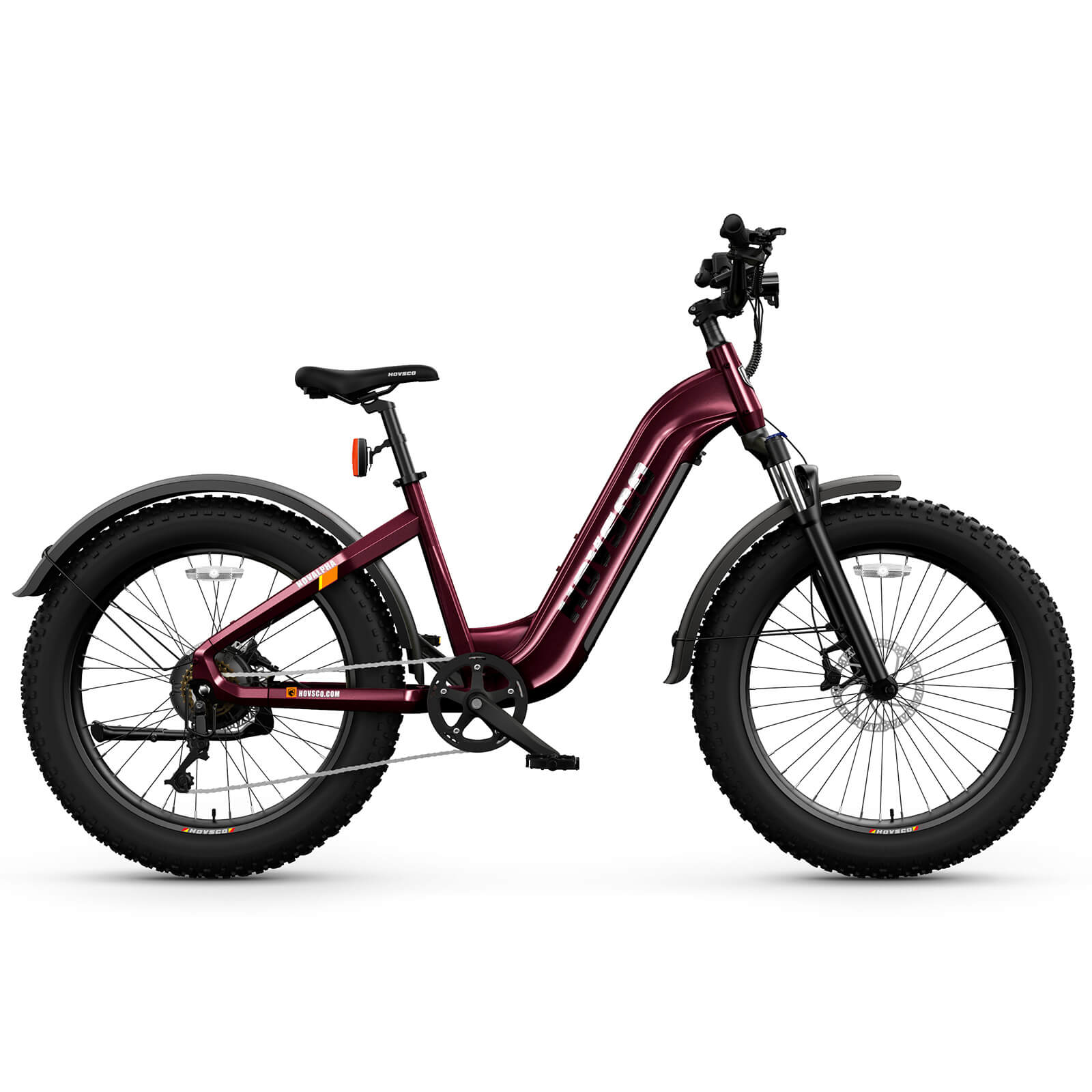
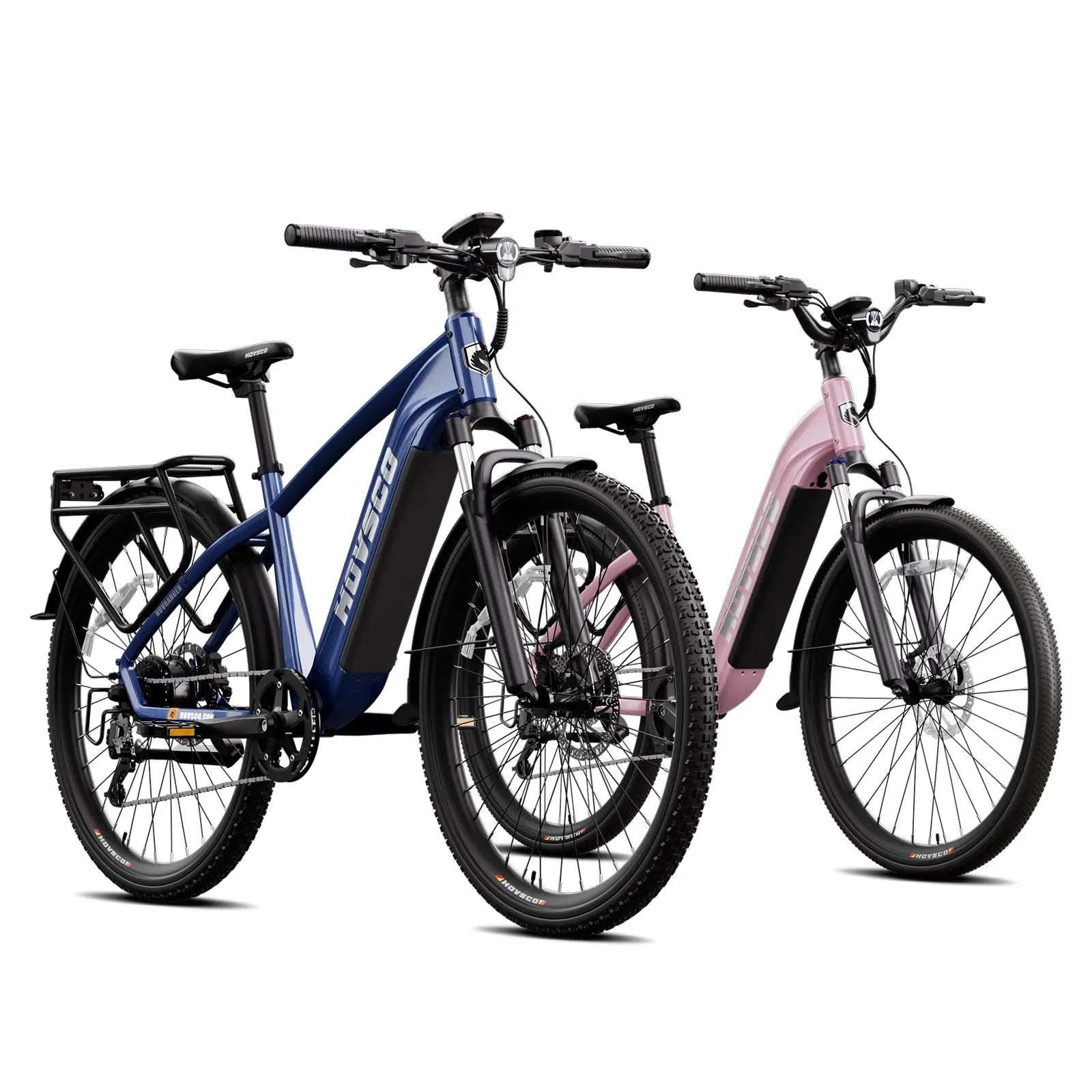
HOVSCO builds this into two dedicated models: the HovCity Step-Thru, a 27.5-inch aluminum-frame commuter, and the HovRanger Step-Thru, which adds a front suspension fork and a torque sensor on top of the same low-step access. Both keep the battery integrated into the down tube rather than mounted externally, which keeps the step-through opening genuinely clear rather than partially blocked.
A beginner-friendly display shows speed, battery percentage, and current assist level at a glance, with large icons and no more than two buttons to operate it. Overly technical dashboards with trip data, wattage graphs, or Bluetooth pairing menus front-and-center create hesitation exactly when a rider needs a split-second glance at the road.
I've watched first-time buyers stall out in a parking lot for five full minutes just trying to figure out how to change assist levels — not because they lack intelligence, but because some displays bury the function under a settings menu. The models that work well for beginners put the plus/minus assist buttons directly on the left grip, with backlit LCD readouts you can read in direct sun. HOVSCO's BC280 LCD display, used across the HovCity, HovRanger Step-Thru, and HovBeta, follows this pattern: speed and battery are the two largest numbers on screen, assist level sits beside them, and the companion HOVSCO app is optional rather than required for basic operation.
Bike weight affects how a beginner handles curb cuts, stairs, apartment storage, and low-speed balance, even though the motor does most of the work once moving. A heavier e-bike is more stable at speed but noticeably harder to walk up a step, lift onto a car rack, or catch if it starts to tip while stationary.
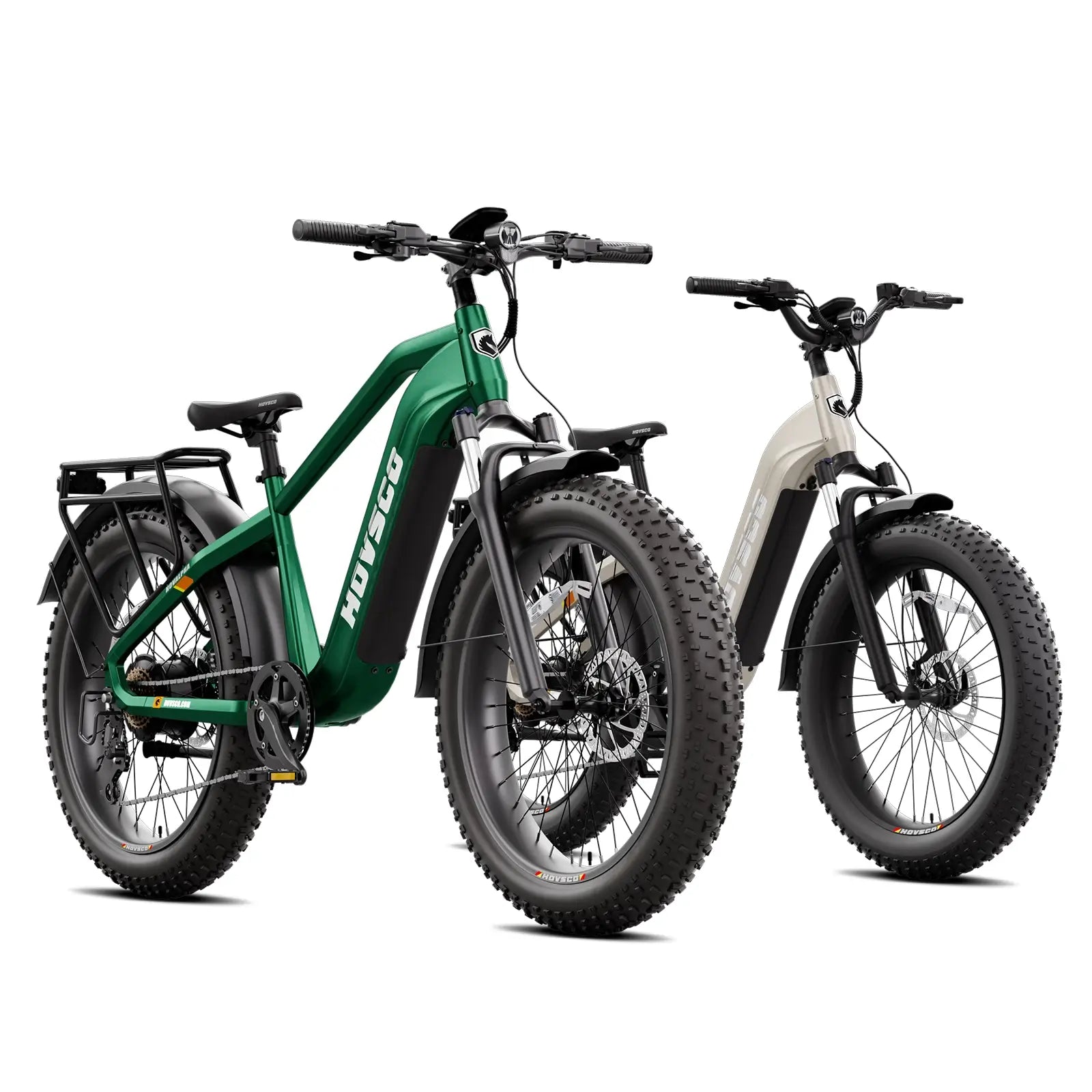
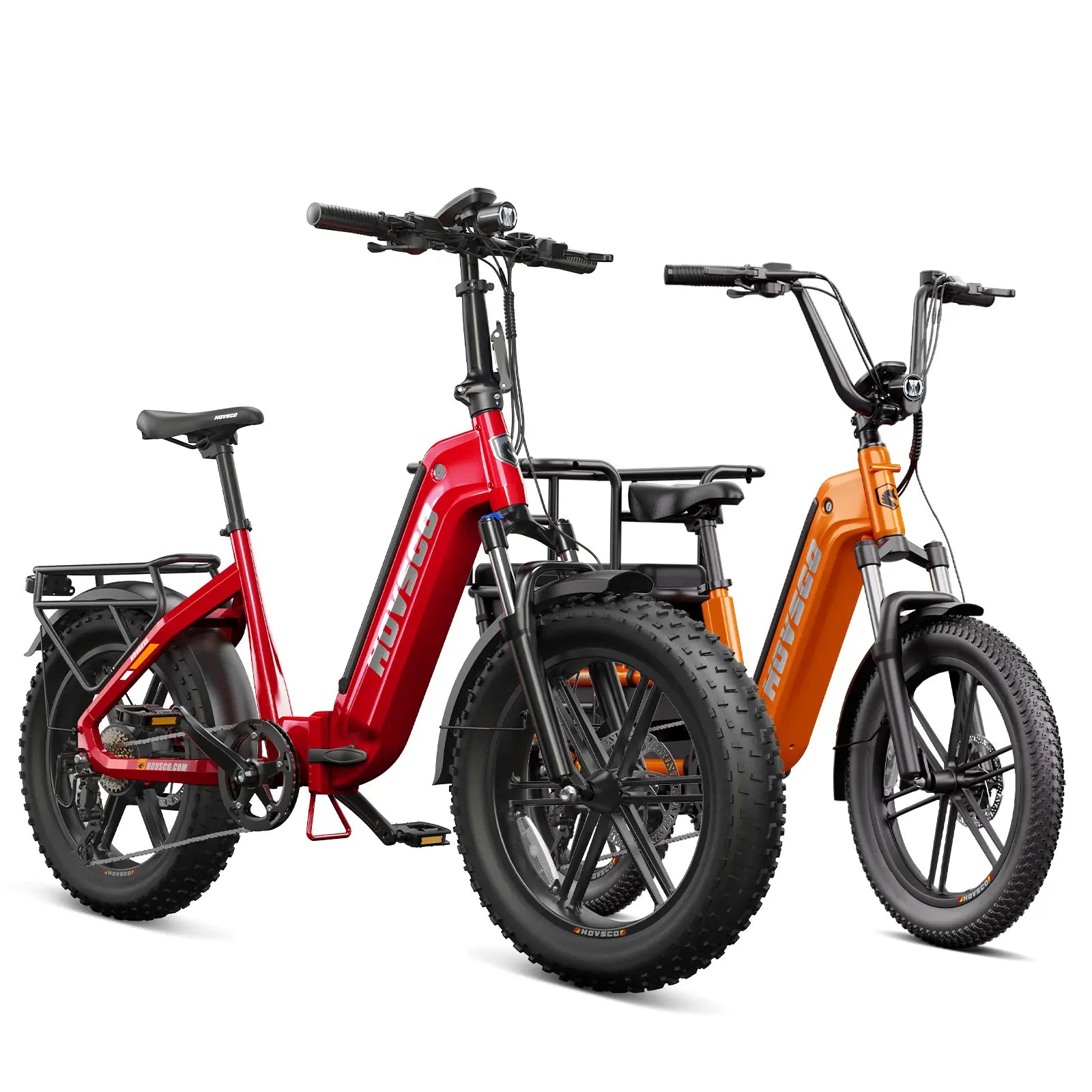
This is where generic advice ("heavier is fine, the motor helps") misses a real trade-off. Motor assist only helps while you're pedaling or using throttle — it does nothing when you're lifting the bike over a curb, carrying it up an apartment stairwell, or holding it upright at a dead stop. That's pure physical weight the rider manages alone. For that reason, beginners in walk-up apartments or those who'll fold-and-carry on transit should weigh this factor heavily, literally. HOVSCO's lineup spans a useful range here: the Sync Max folding model is 42.3 lbs, the HovRanger Step-Thru comes in around 55.4 lbs with battery, and the HovBeta folding fat-tire model is 66.4 lbs with battery installed but drops to roughly 57.6 lbs once the battery is removed for carrying. Removable batteries, standard on most HOVSCO models, are the practical fix — you don't have to lift the full weight if you can detach the heaviest single component first.
Beginners should prioritize hydraulic disc brakes over mechanical disc brakes whenever budget allows, because hydraulic systems need less hand force for the same stopping power and stay consistent as pads wear. Mechanical disc brakes are acceptable and still far better than rim brakes, but they require more frequent cable adjustment to maintain firm lever feel.
The trade-off rarely gets explained clearly: mechanical brakes use a steel cable that stretches slightly over weeks of use, which means the lever travel changes and needs periodic tightening at the caliper. Hydraulic brakes use sealed fluid, so the lever feel stays nearly identical from day one through year three, with far less maintenance. For a beginner still learning braking distance and modulation, that consistency is a real safety factor, not a marketing point. In HOVSCO's range, the HovRanger Step-Thru and HovBeta use hydraulic disc brakes with 180mm rotors, while the HovCity uses mechanical disc brakes with the same 180mm rotor size, and the Sync Max pairs a disc brake with an electronic anti-lock-style (EABS) circuit for its lighter, lower-speed folding format.
Yes — after-sales support is arguably as important as any spec sheet, because e-bikes require battery service, brake adjustments, and occasional part replacement that most beginners cannot diagnose alone. A brand with a documented return window, published warranty terms, and a reachable support line reduces the real risk of being stuck with an unfixable bike.
Most competing buying guides mention "check the warranty" in one line and move on. Here's what actually matters in practice: does the brand require you to email photos before authorizing a return, is there a real phone line staffed during business hours, and does the warranty separate consumable parts (tires, brake pads) from structural or electrical components (frame, motor, battery)? HOVSCO publishes a 15-day return window from receipt, requires photo documentation for warranty claims, and staffs a support phone line during business hours — details worth confirming directly on the brand's site before purchase, since return policies and coverage terms can be updated. When comparing any beginner-focused electric bike for beginners, treat the after-sales terms as a filter, not an afterthought — a great spec sheet is worthless if a defective controller can't be resolved within a reasonable timeframe.
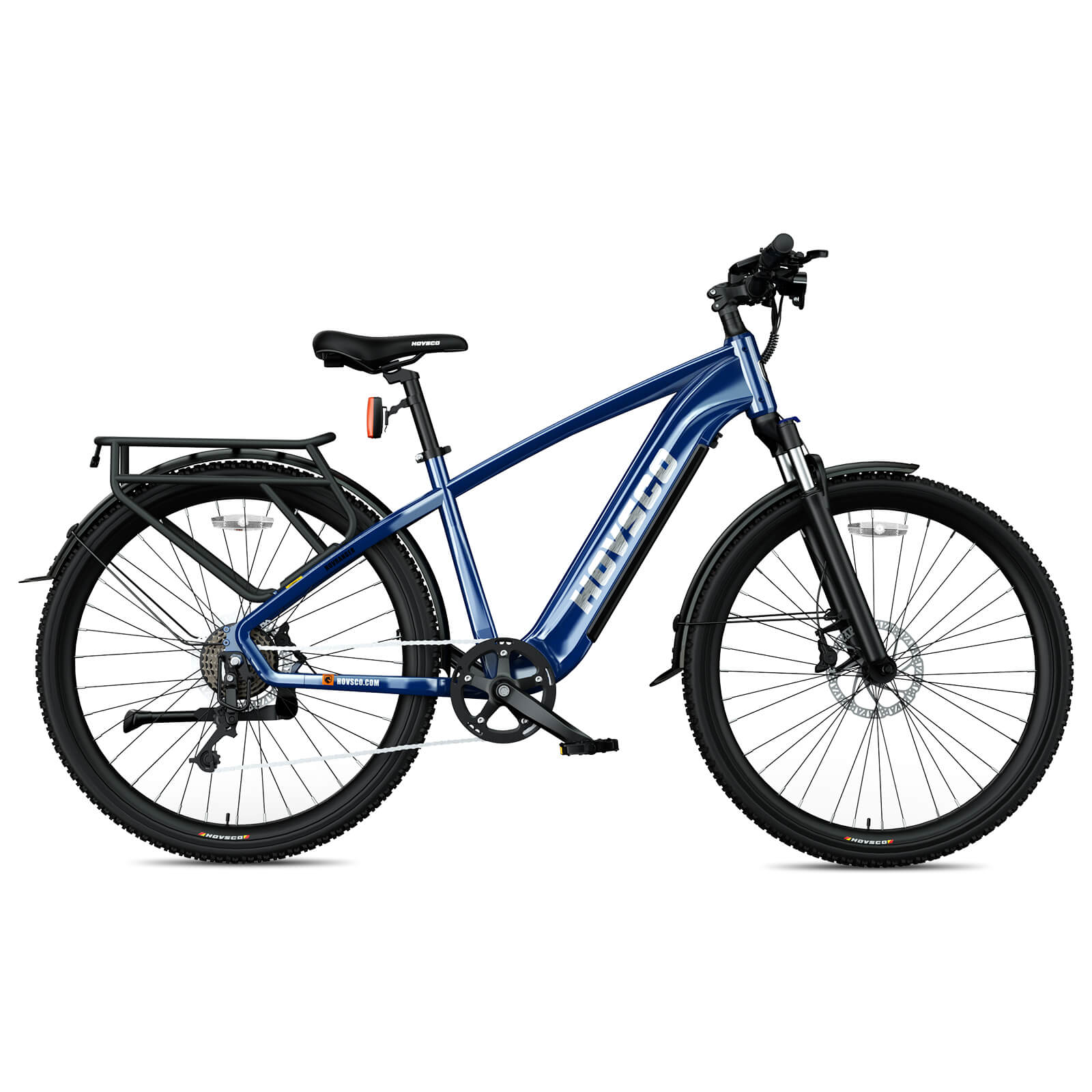
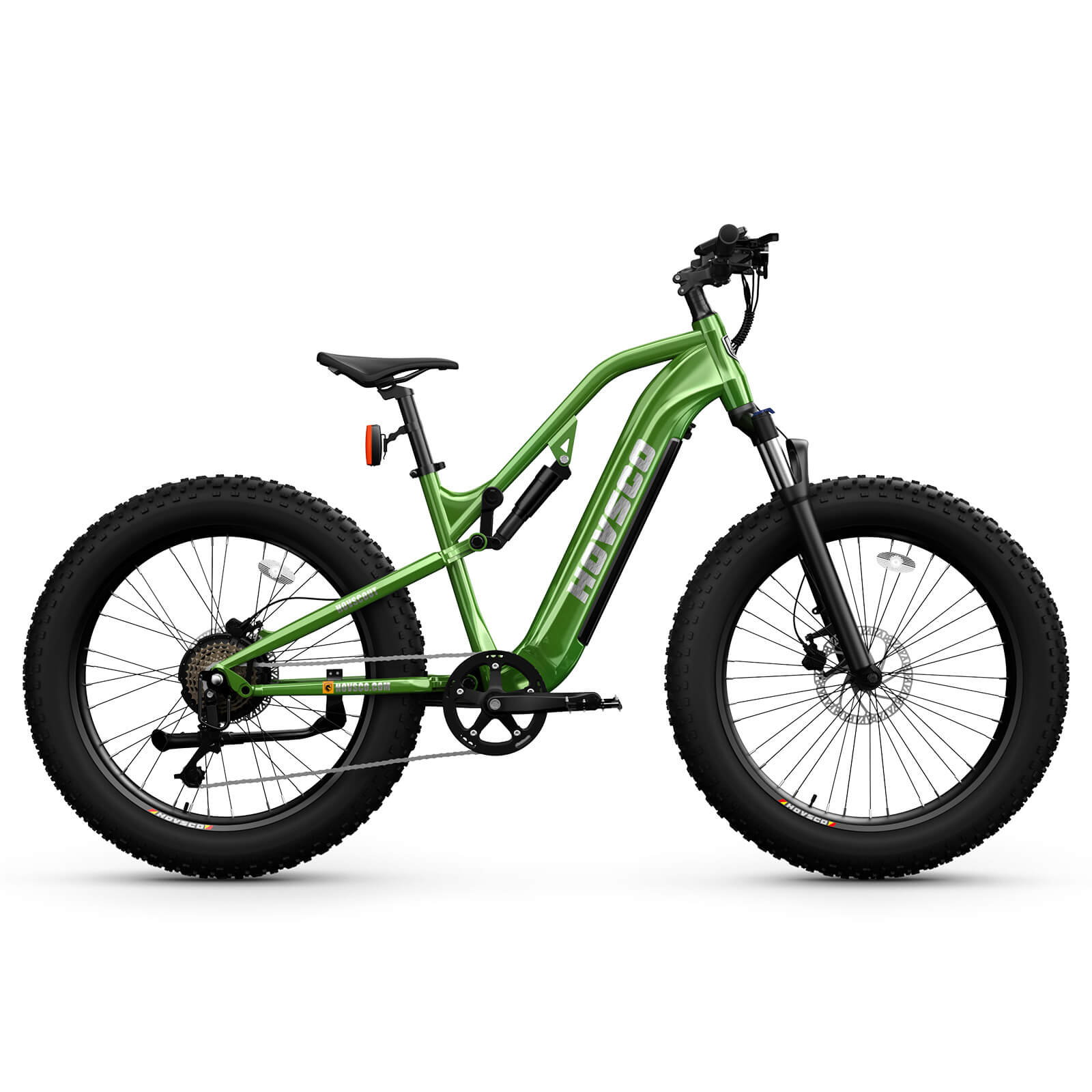
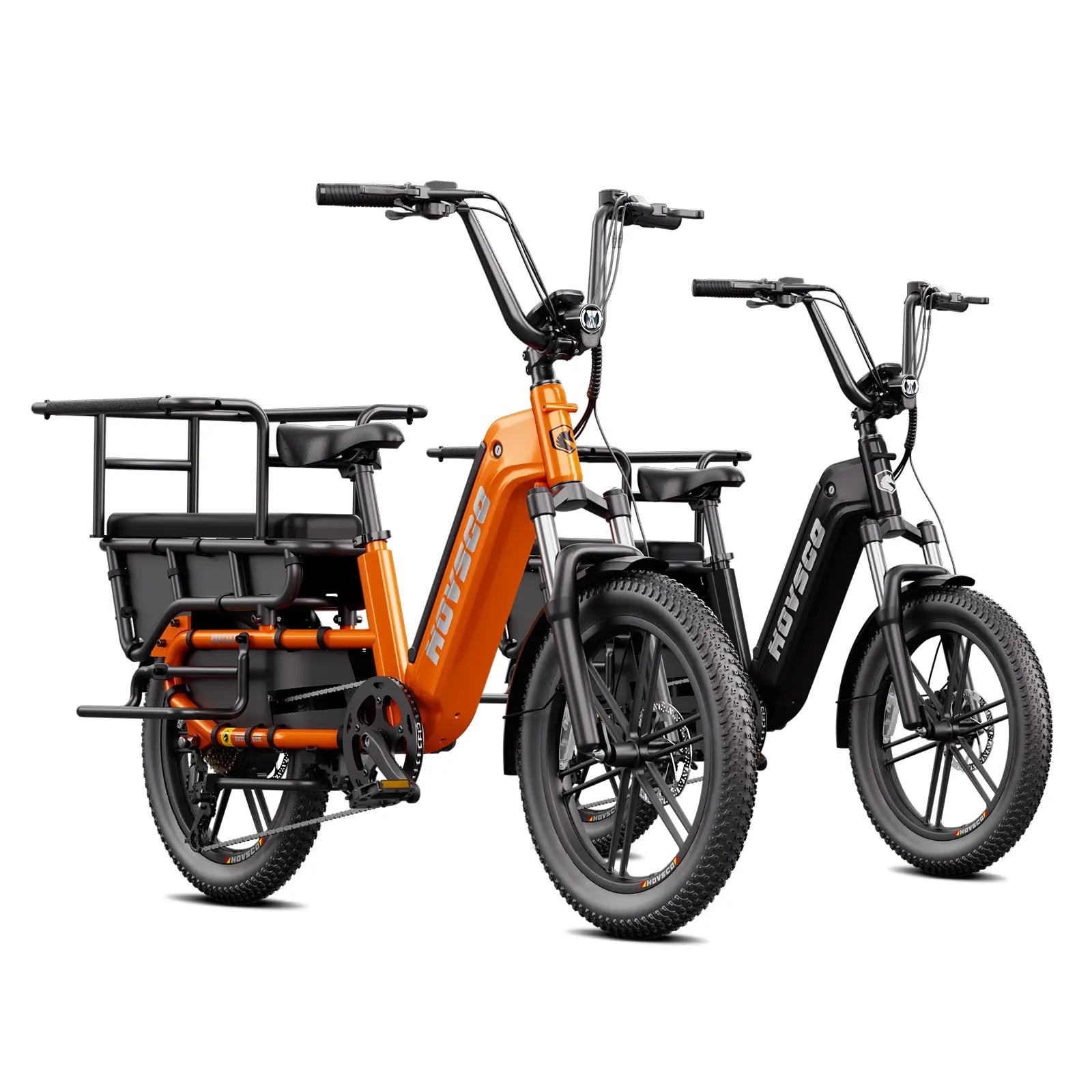
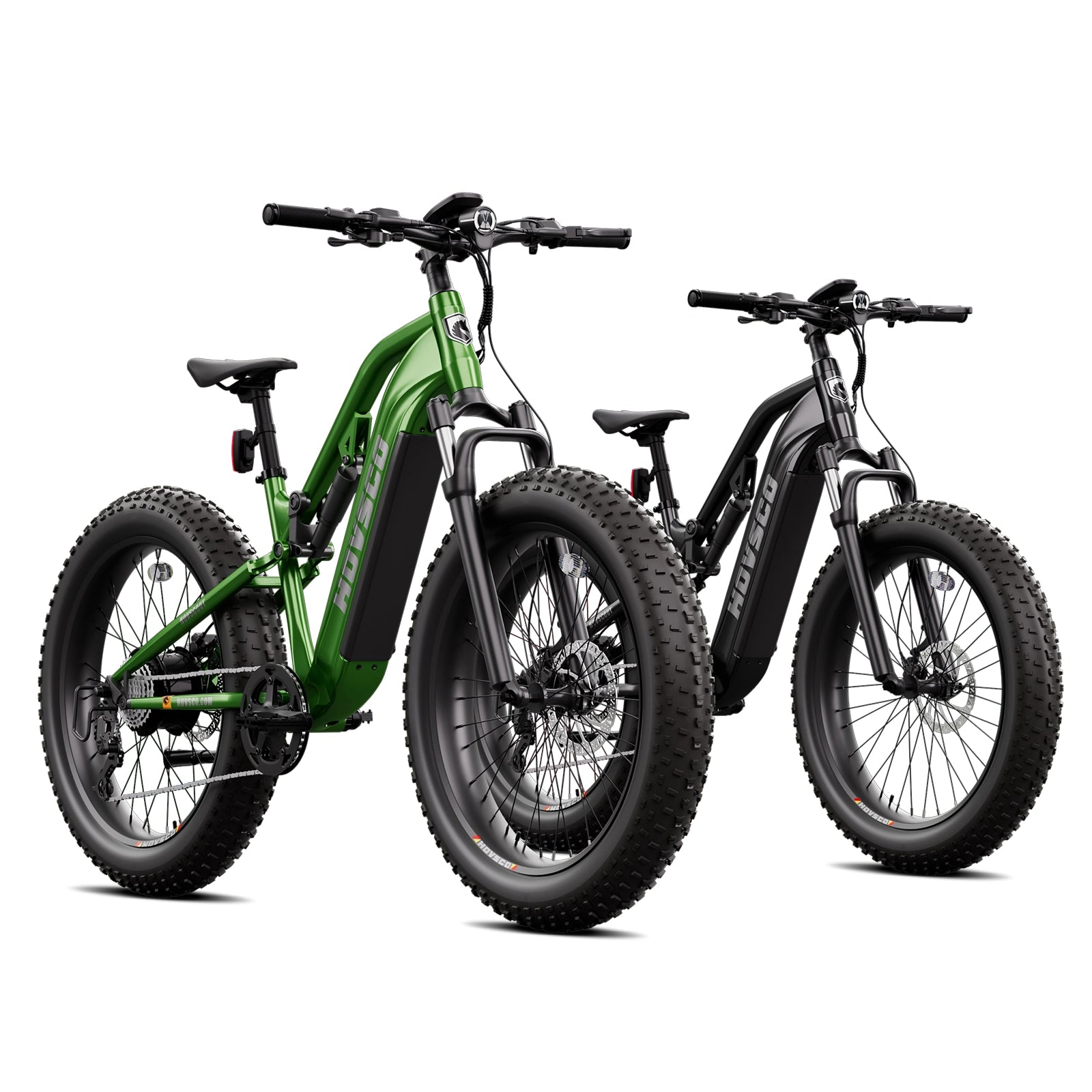
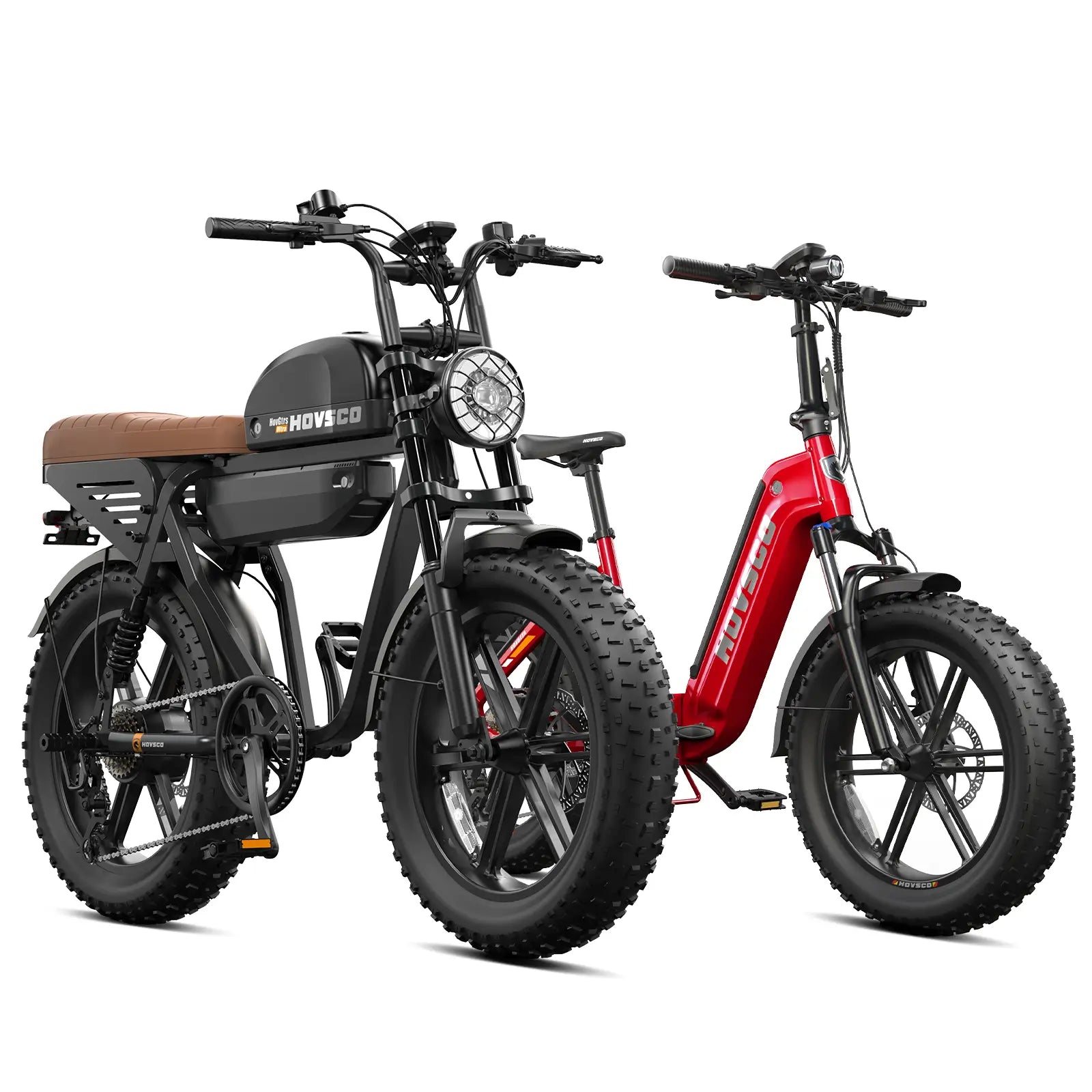
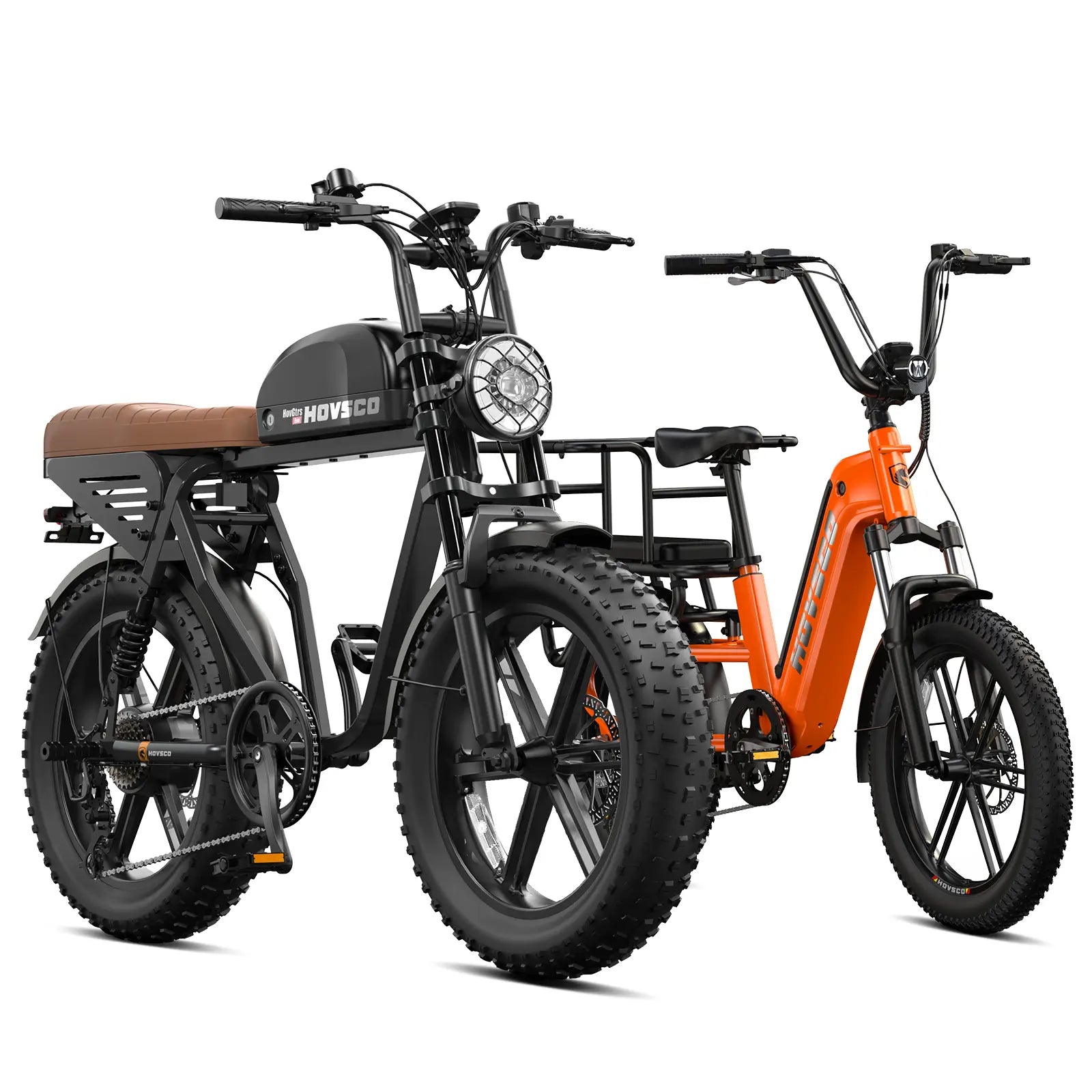
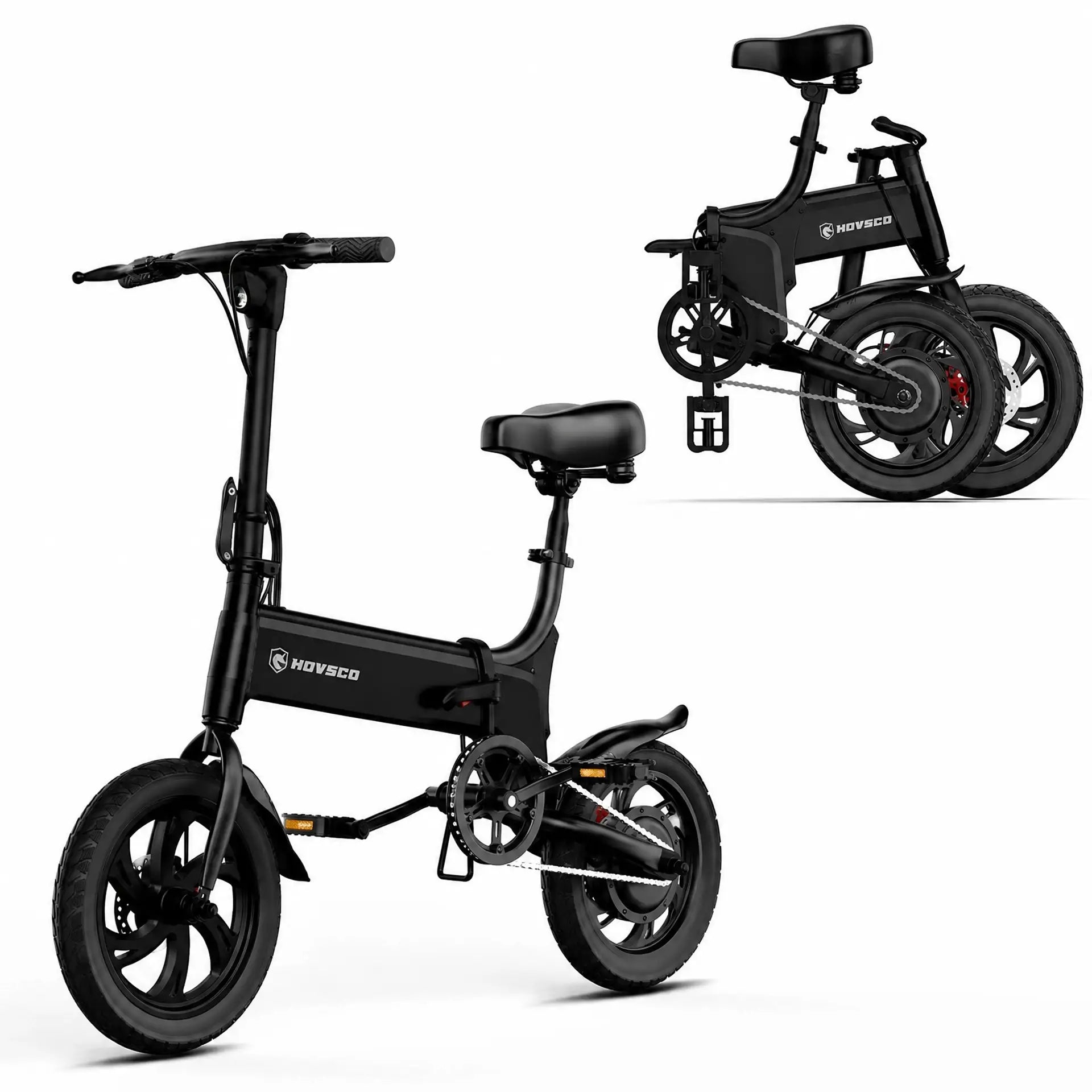
These four models cover distinct beginner use cases: HovCity and HovRanger Step-Thru suit riders wanting a stable step-through commuter, HovBeta suits beginners needing higher payload and fat-tire stability in a foldable frame, and Sync Max suits apartment dwellers prioritizing light weight over range or speed.
A beginner's test ride should confirm five things in under ten minutes: smooth low-speed assist, comfortable stand-over height with both feet flat, a display readable without squinting, brakes that stop confidently from 10 mph, and a battery that detaches without tools. Skipping any one of these often surfaces as a regret within the first month of ownership.
Bring this list rather than relying on memory: start pedal assist at Level 1 and roll for 20 feet at walking pace; stand over the frame with both feet flat on the ground; glance at the display without stopping to check speed and battery; brake hard from a light jog and note stopping distance; ask the seller to remove the battery pack so you see how it's done. Every point above maps directly to one of the six filters — controllability, mounting ease, display clarity, weight, brakes, and support — that should guide how to choose electric bike for beginners in any shop or online purchase.
"In my years working directly with e-bike drivetrains and controllers, the beginners who stay happy with their purchase are never the ones who chased the highest top speed — they're the ones who tested low-speed assist first. A torque sensor tuned correctly at 2-4 mph tells you more about a bike's real-world usability than any spec sheet number. We engineer HOVSCO's step-through models around that exact moment: the wobbly first push-off. Get that right, and the rest of the ride takes care of itself. Beginners should also never underestimate battery weight distribution — a bike that feels fine on a showroom floor can feel entirely different once you're holding it upright at a red light with your foot half off the pedal."
Choosing well means applying filters in order rather than chasing a single headline spec. Test low-speed control before anything else, confirm a step-through frame if mounting ease matters to you, insist on a display you can read at a glance, weigh the bike (and its removable battery) against your storage and lifting reality, prioritize hydraulic brakes when your budget allows it, and verify the seller's return and warranty terms before you pay. Models like HOVSCO's HovCity, HovRanger Step-Thru, HovBeta, and Sync Max illustrate how these six factors trade off differently across step-through commuters and folding formats — and applying this same checklist to any brand is the most reliable way to approach how to choose electric bike for beginners without regret.
What is the best type of electric bike for a complete beginner?
A step-through commuter with a torque sensor, hydraulic or well-maintained mechanical disc brakes, and a removable battery is generally the safest starting point. It combines easy mounting, predictable low-speed power, and manageable weight for daily use.
Do beginners need a high-wattage motor?
No. A 250-500W sustained motor is enough for most flat-to-moderate-hill commuting. Higher wattage mainly helps with cargo loads, steep grades, or heavier riders, not general beginner confidence.
Is a folding e-bike a good choice for a first-time buyer?
Yes, if storage space or multi-modal transit (bus, train, elevator) is a priority. Just expect trade-offs in range and top speed compared to full-size step-through models.
How much should a beginner budget for a reliable electric bike?
Most reliable beginner-focused e-bikes with disc brakes, a removable battery, and a real warranty fall in the $1,200-$2,000 range. Prices well below that often mean thinner warranty coverage or unverified battery cells.
Can a heavier rider still choose a lightweight folding e-bike?
Only if the payload rating supports it — check the manufacturer's stated maximum payload, not just curb weight. Lightweight folding models typically carry lower payload limits than step-through or fat-tire models.
Share:
What Should a Long-Range Commuter Ebike Checklist Cover?
How Do You Choose an Electric Bike for Snow?