

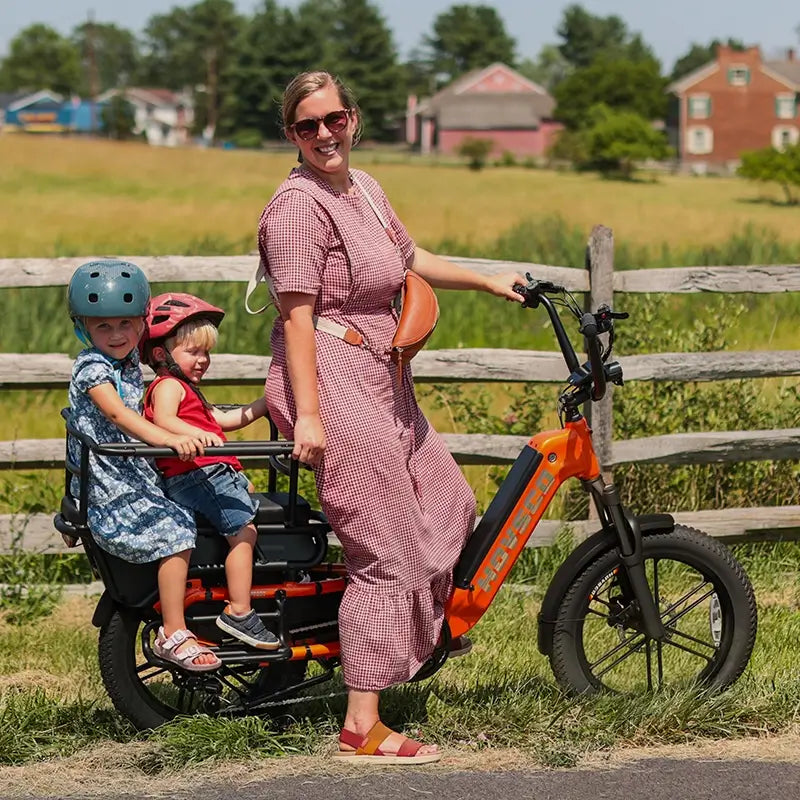
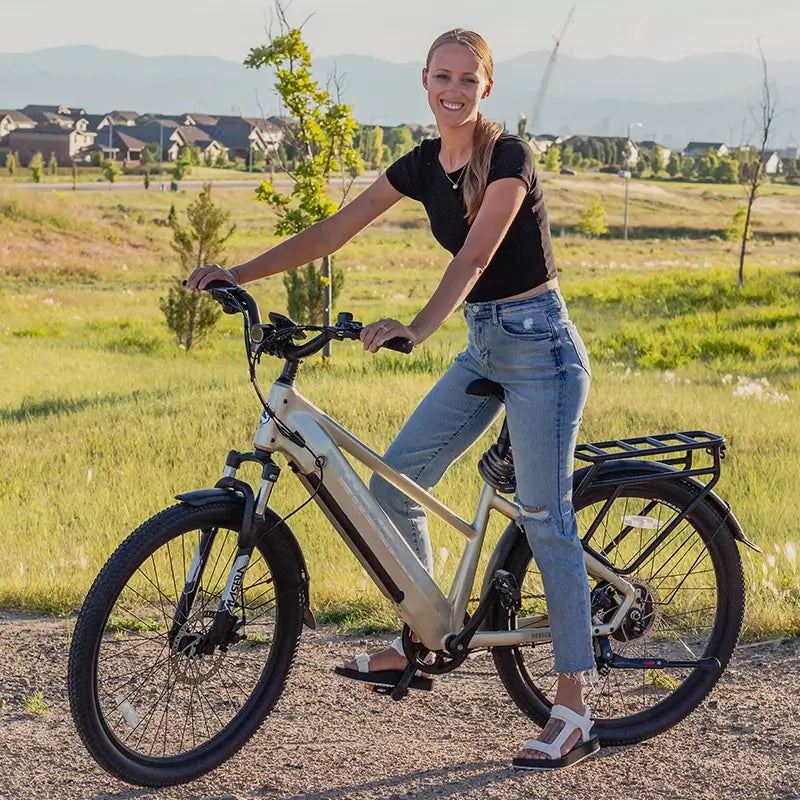
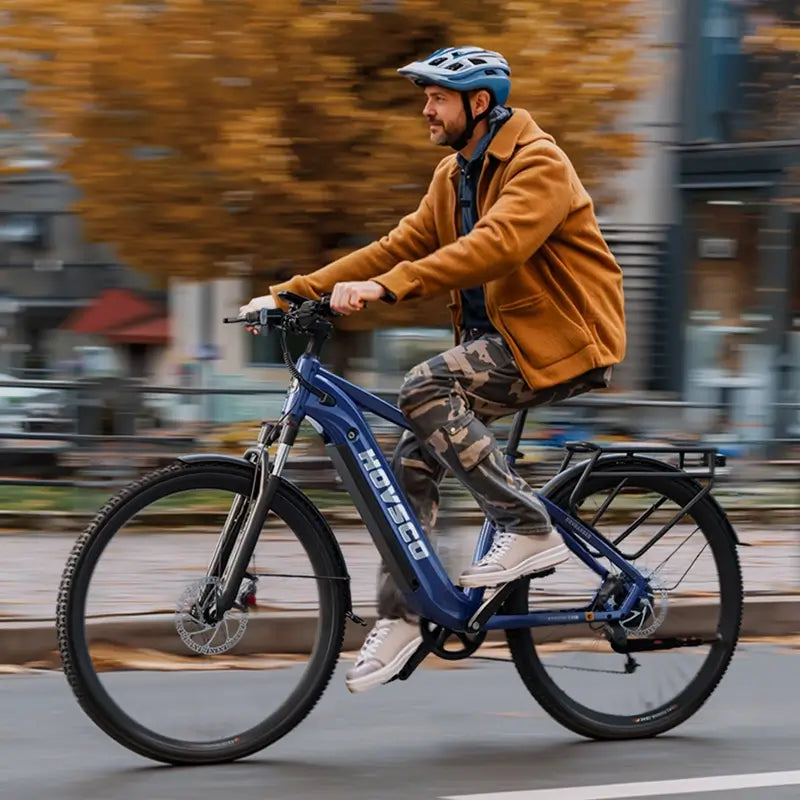
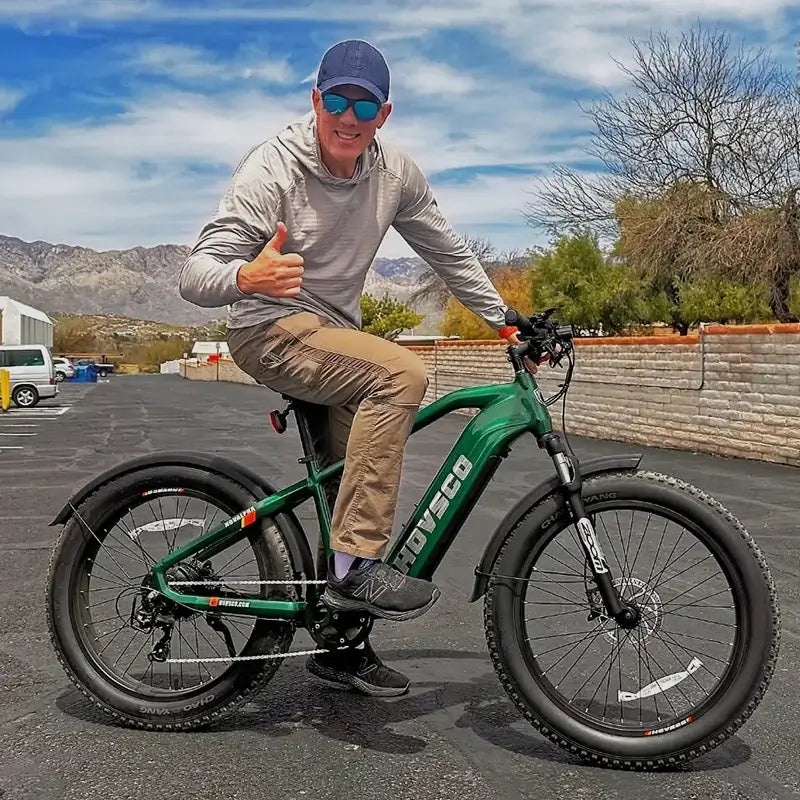



- by SteveJames
E-Bike vs Scooter vs Motorcycle: Choosing Your Ride
- by SteveJames
E-Bikes
Accessories
 Free Shipping
 15-Day Returns
 2-Year Warranty
Free Shipping
15-Day Returns
2-Year Warranty
This guide compares e-bikes, e-scooters, and motorcycles as personal EVs. For moped-style e-bikes, see our moped-style guide; for license rules, see the license guide.
Choosing a personal EV — e-bike vs scooter vs motorcycle — is a tradeoff table, not a brand vote: cost, legality, speed, storage, and safety each point to a different machine for a different use. The ebike vs electric scooter comparison favors the e-bike for utility and range, the ebike vs motorcycle comparison favors the bike for cost and license simplicity, and the choosing a personal ev verdict depends on the trip. This guide runs the comparison.
Laws, licensing, and insurance vary by state and model class — verify the requirements for the machine you choose before buying.
Personal EV at a Glance
E-bike: low cost, bike laws, moderate speed · Scooter: portable, urban, compact · Motorcycle: fast, highway-capable, licensed · Match the machine to the trip.
The cost ladder is clear: e-bikes cost the least to buy and run, e-scooters sit in the middle for purchase and charge, and motorcycles carry the highest purchase, insurance, fuel, and maintenance costs. The e-bike vs scooter cost gap is small; the gap to a motorcycle is large.
The long-term math repeats the pattern: an e-bike's running costs are cents, a scooter's are low but higher, and a motorcycle's include insurance and fuel like a small car. The choosing a personal ev cost answer follows the size of the machine.
Legality splits the three: standard e-bikes ride under bicycle rules with no license in most states, e-scooters sit in a gray area that varies by city, and motorcycles require a license, registration, and insurance everywhere. The ebike vs motorcycle legal gap is the biggest difference between them.
The ebike vs electric scooter legality is the local question — scooter rules vary street by street in some cities, while e-bike classes are more standardized. Verify the rules for the machine and the city before buying.
Speed and range scale with the machine: e-bikes cruise in bicycle range at 20–28 mph, e-scooters are urban-speed and shorter-range, and motorcycles add highway speed and long range. The trip decides the need — a local commute is e-bike territory, a highway run is motorcycle territory.
The ebike vs scooter range comparison favors the e-bike for distance and cargo; the scooter wins on portability and stop-and-go ease. The choosing a personal ev speed answer is the speed you actually need, not the maximum.
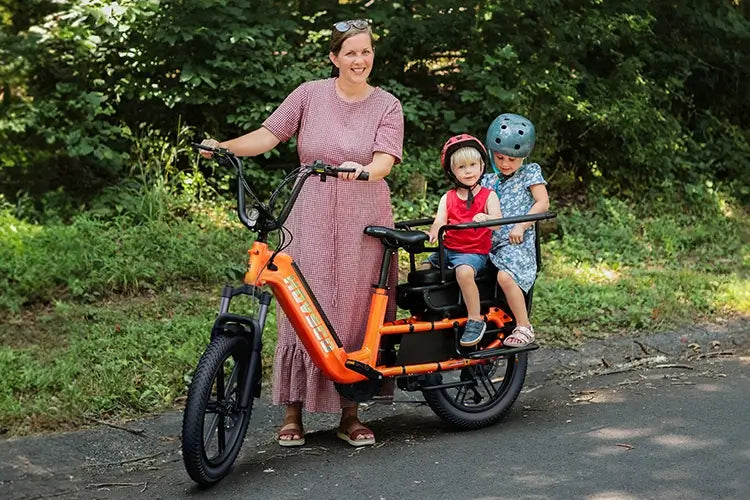
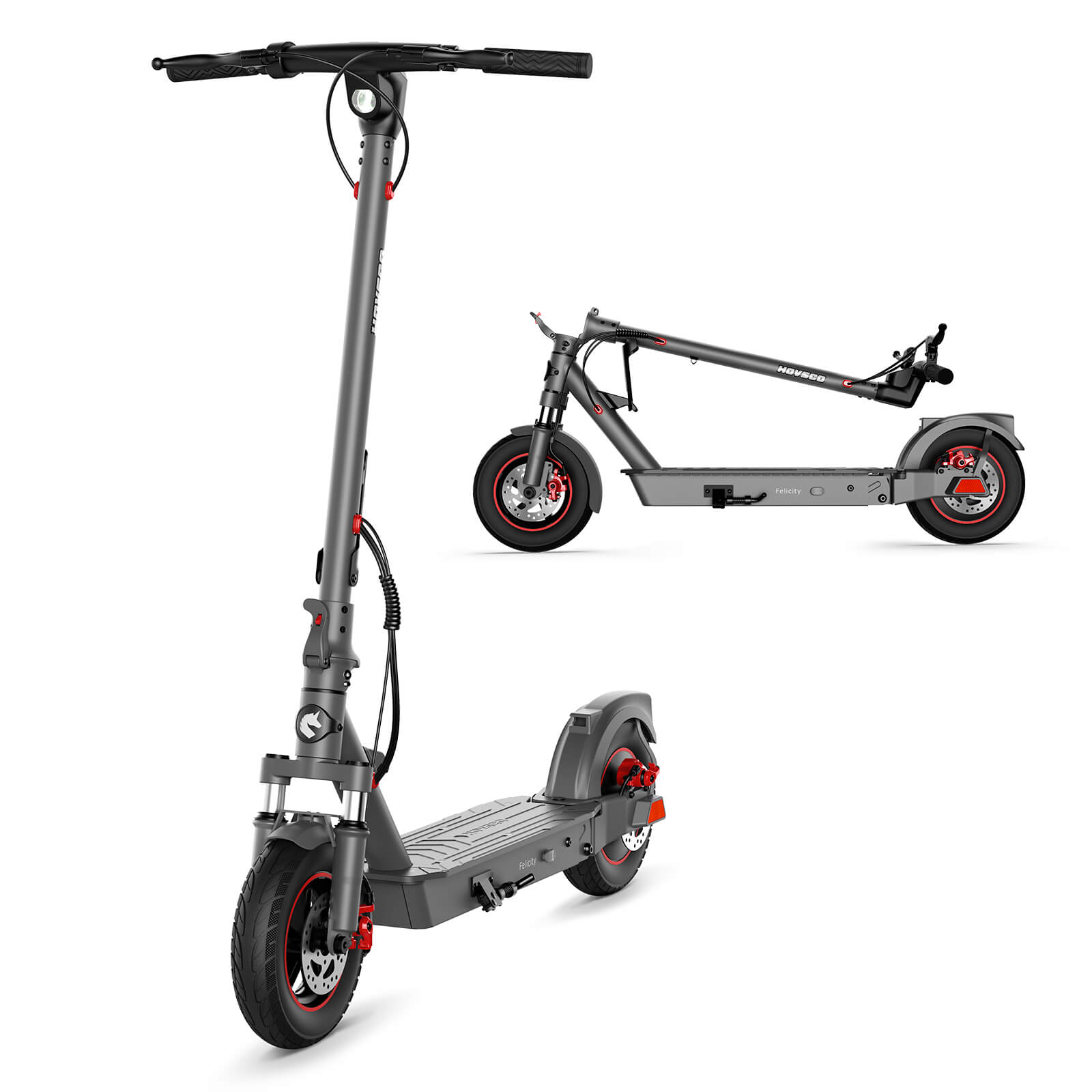
Storage decides a lot: a folding e-bike or scooter fits an apartment and rides the elevator; a full-size e-bike needs rack or wall space; a motorcycle needs parking and security like a car. The ebike vs electric scooter storage gap is the city-dweller's question.
The choosing a personal ev storage answer is honest: the machine that fits where you live is the one that gets ridden. Portability is a feature, not a compromise.
Safety tracks the machine and the rider: e-bikes and scooters ride at lower speeds with bicycle-level exposure, while motorcycles ride faster with higher crash risk per mile — national safety data consistently shows motorcycles overrepresented in fatal crashes.
The ebike vs motorcycle safety comparison is a risk-profile difference, and visibility gear matters on all three. The choosing a personal ev safety answer is speed, exposure, and training — the slower machine is the safer one in most cases.
The verdict by use case: urban commuters and errand riders get the most from an e-bike — utility, range, and bike-law simplicity; city dwellers who need maximum portability may prefer an e-scooter; and riders who need highway speed or long distances are in motorcycle territory.
Personal EV decision guide
| Use case | Best pick | Why |
|---|---|---|
| Urban commute under 15 miles | E-bike | Cost, legality, utility |
| Maximum portability | E-scooter | Fits apartments and elevators |
| Highway and long distance | Motorcycle | Speed and range |
| Mixed local plus transit | E-bike | Last mile plus train |
The choosing a personal ev conclusion is personal but structured: cost, legality, speed, storage, and safety each point to a machine, and the trip decides the winner. The e-bike fits the most everyday trips on the table.
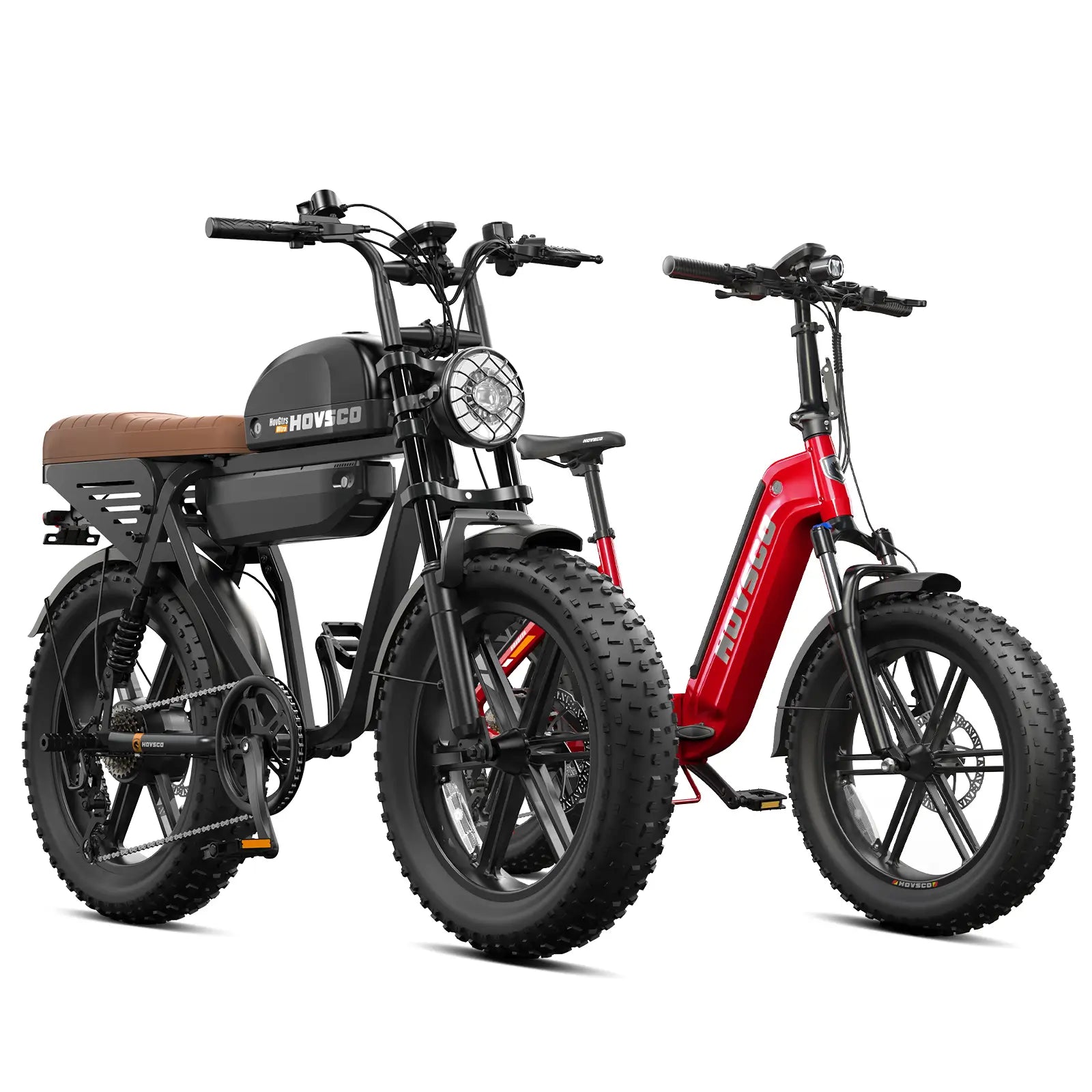
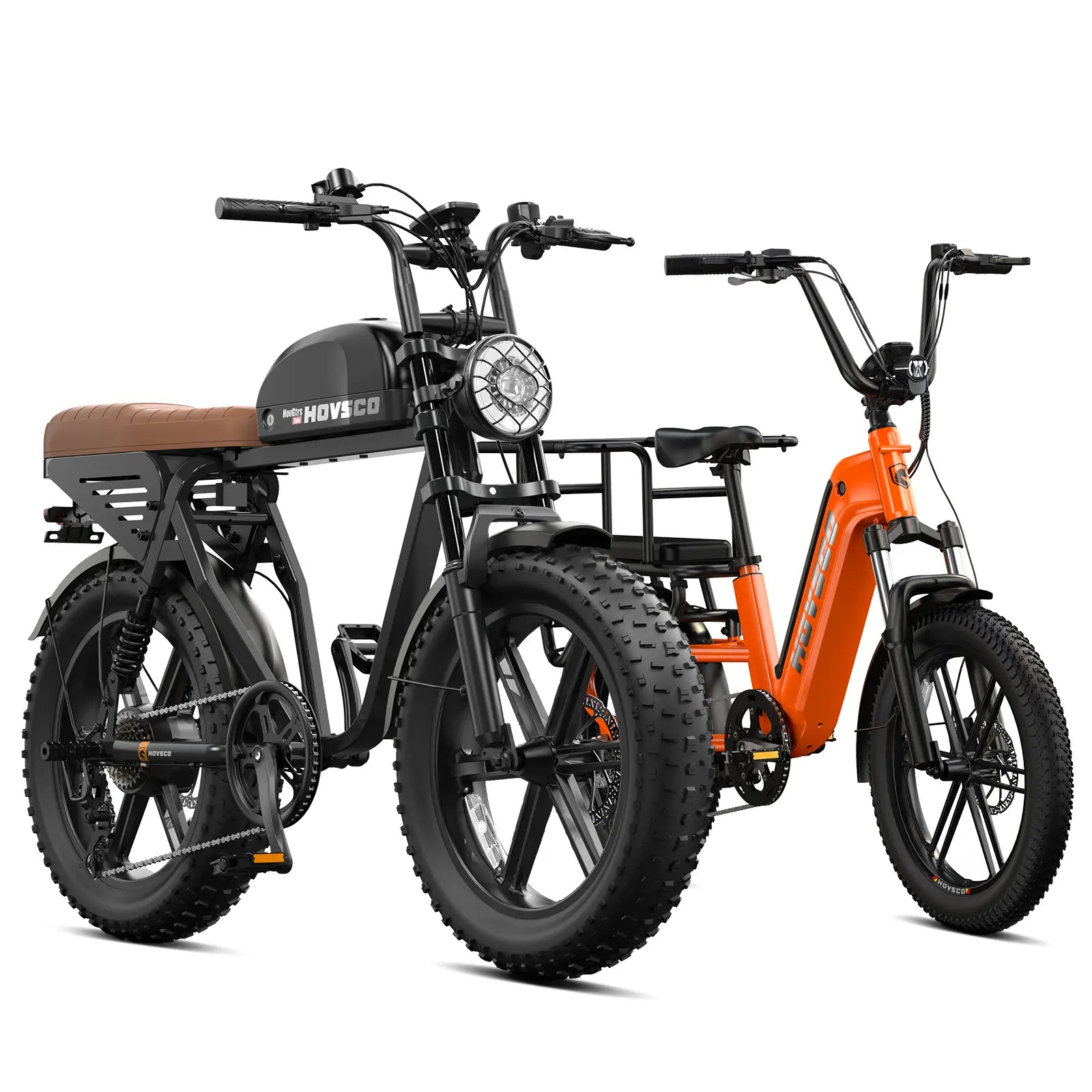
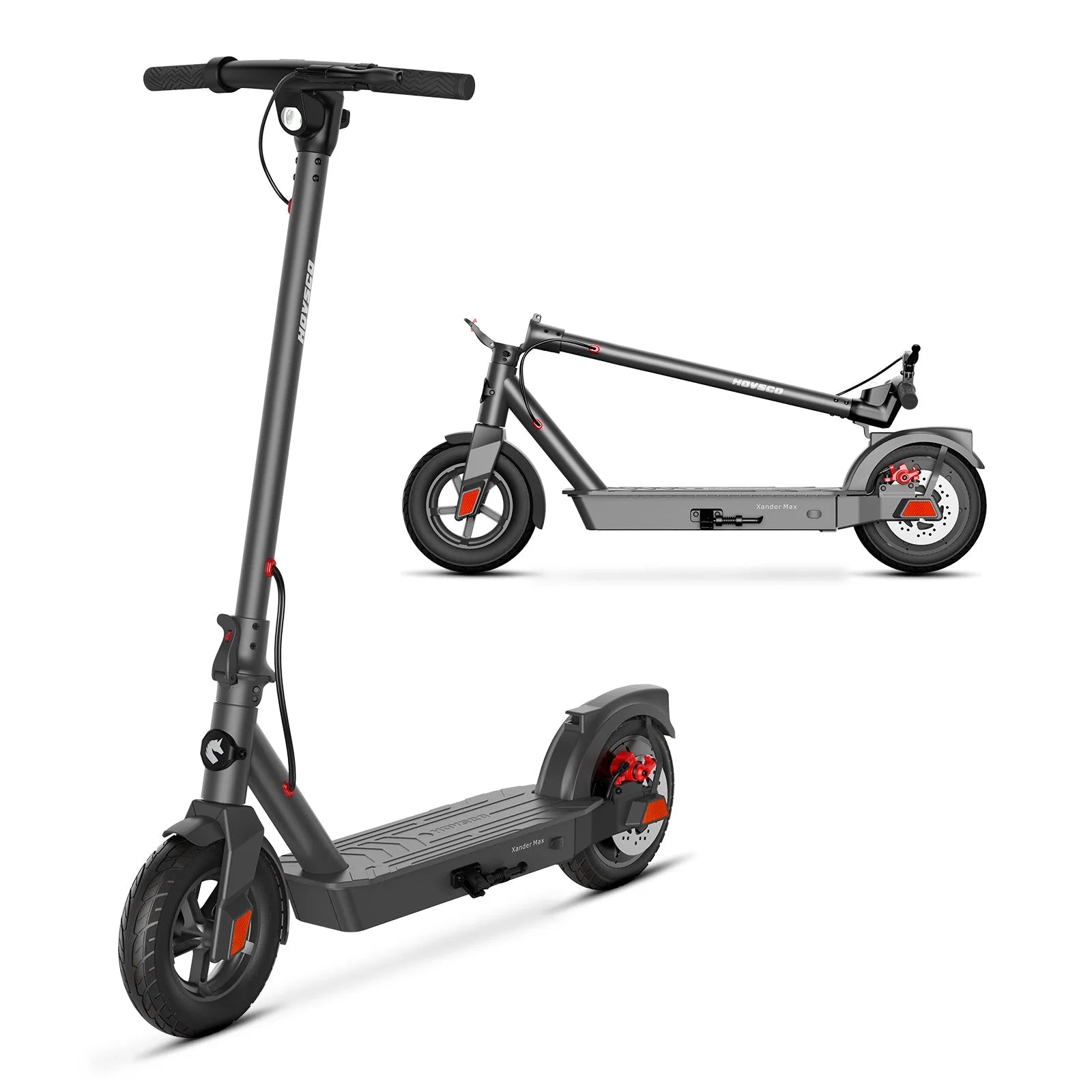
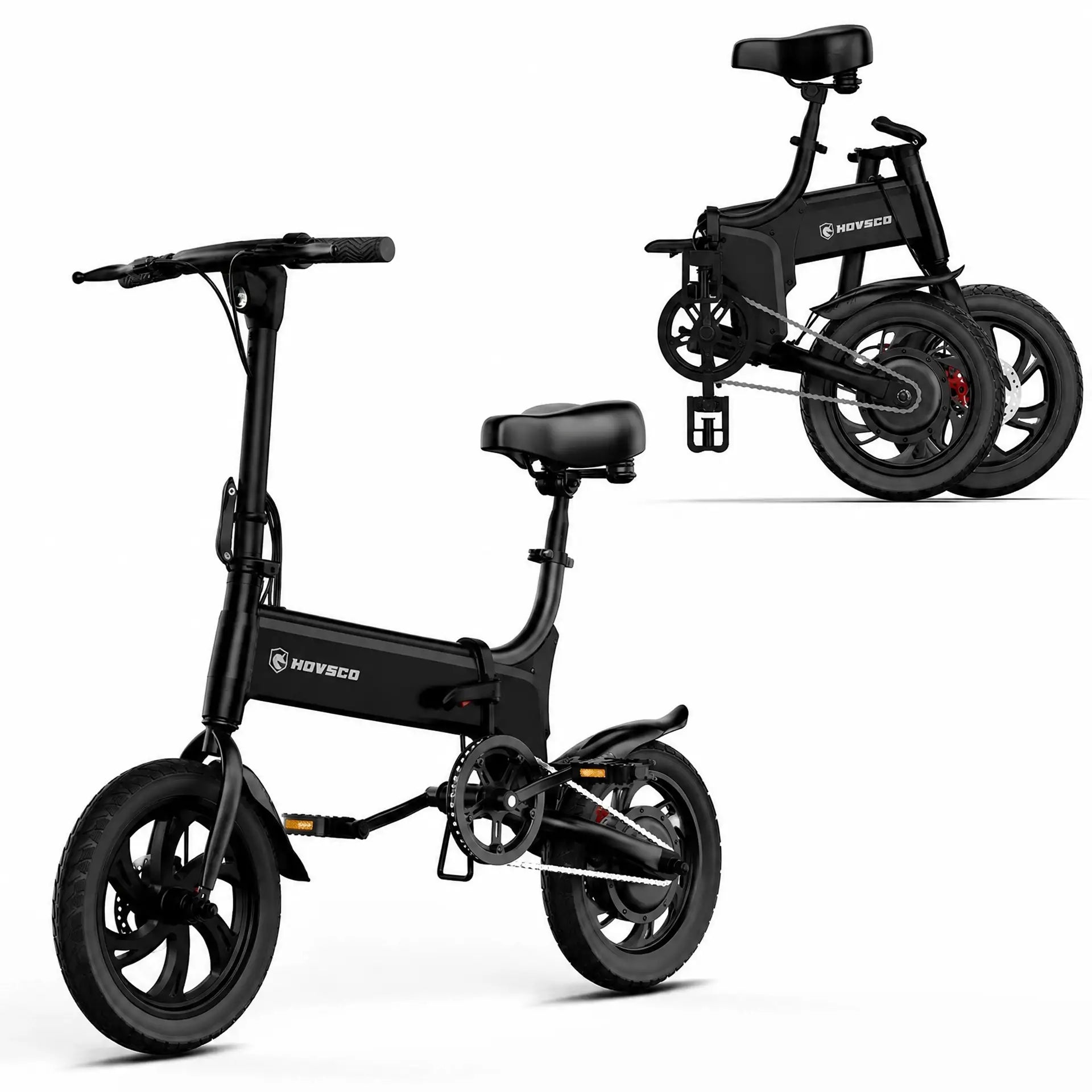
Match the machine to the trip — the full e-bike collection, the e-scooter collection, and the PortoMax e-scooter.
In product work, the personal-EV question is a trip question: where do you ride, how far, and where does it sleep? The e-bike tends to win most everyday trips on cost, legality, and utility; the scooter wins on portability; the motorcycle wins only where speed and distance demand it. Match the machine to the trip, verify the laws, and the choice becomes obvious.
— HOVSCO Product Team
The e-bike vs scooter vs motorcycle decision is a tradeoff table: e-bikes lead on cost, utility, and legal simplicity; scooters lead on portability; motorcycles lead only on speed and range. Match the machine to the trip, the storage, and the legal requirements, and the right personal EV picks itself.
E-bikes cost the least and ride under bicycle rules in most states.
Scooters win on portability but vary in legality by city.
Motorcycles add speed and range but need licensing, insurance, and storage.
Safety profiles track speed — the slower machine is safer per mile.
Choose by trip, storage, and legality, not by the spec sheet alone.
What trips will the machine actually replace?
Where will it live, and how will it be stored and secured?
What license, registration, and insurance does it need?
What speed and range does my worst day require?
What is the honest cost per mile over five years?
Should I buy an e-bike or an e-scooter?
Choose the e-bike for range, utility, and bike-law simplicity; choose the e-scooter for portability and stop-and-go city ease. The ebike vs electric scooter answer follows the trip and the storage.
Is an e-bike as fast as a motorcycle?
No — e-bikes top out in the 20–28 mph class range while motorcycles ride highway speeds. The ebike vs motorcycle comparison is not speed but cost, legality, and use: the e-bike fits everyday local trips best, while the motorcycle fits long highway runs.
Do I need a license for an e-scooter?
It varies by state and city — e-scooter rules range from bicycle-like to vehicle-like, and some cities restrict them on streets or sidewalks. Check the local rules before buying.
Which personal EV is cheapest to run?
The e-bike is the cheapest to run — cents per charge with minimal maintenance — followed by the e-scooter. Motorcycles carry insurance, fuel, and maintenance costs that are orders of magnitude higher.
Is an e-bike safer than a motorcycle?
On a per-mile basis, yes — the e-bike rides at lower speeds with lower crash risk, while national safety data shows motorcyclists overrepresented in fatal crashes. Training, gear, and visibility matter on all three.
Share:
E-Bike VIN and Registration Explained
E-Bike Theft Prevention: Locks, Habits and Recovery