



![[ New Arrival ] Porto Max Electric Scooter For Commute & Grocery Shopping - HOVSCO](http://www.hovsco.com/cdn/shop/files/PotroMax-3.jpg?v=1706927007&width=1200)
- by EO S
Retro Electric Moped vs. Modern Moped Style Ebike: 5 Key Differences
- by EO S
E-Bikes
Accessories
 Free Shipping
 15-Day Returns
 2-Year Warranty
Free Shipping
15-Day Returns
2-Year Warranty
2-Year Warranty
Free Shipping
15-Day Returns
2-Year Warranty
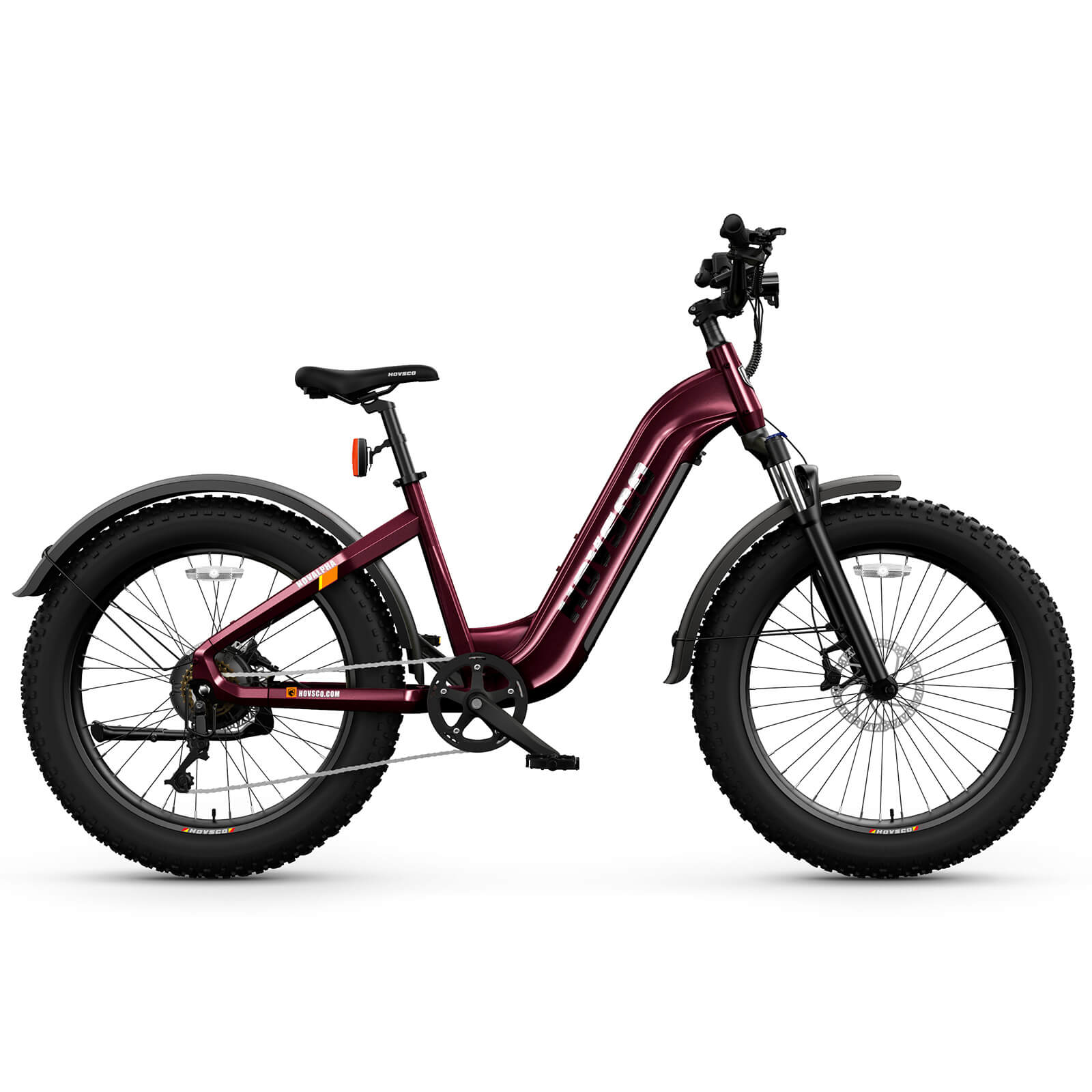
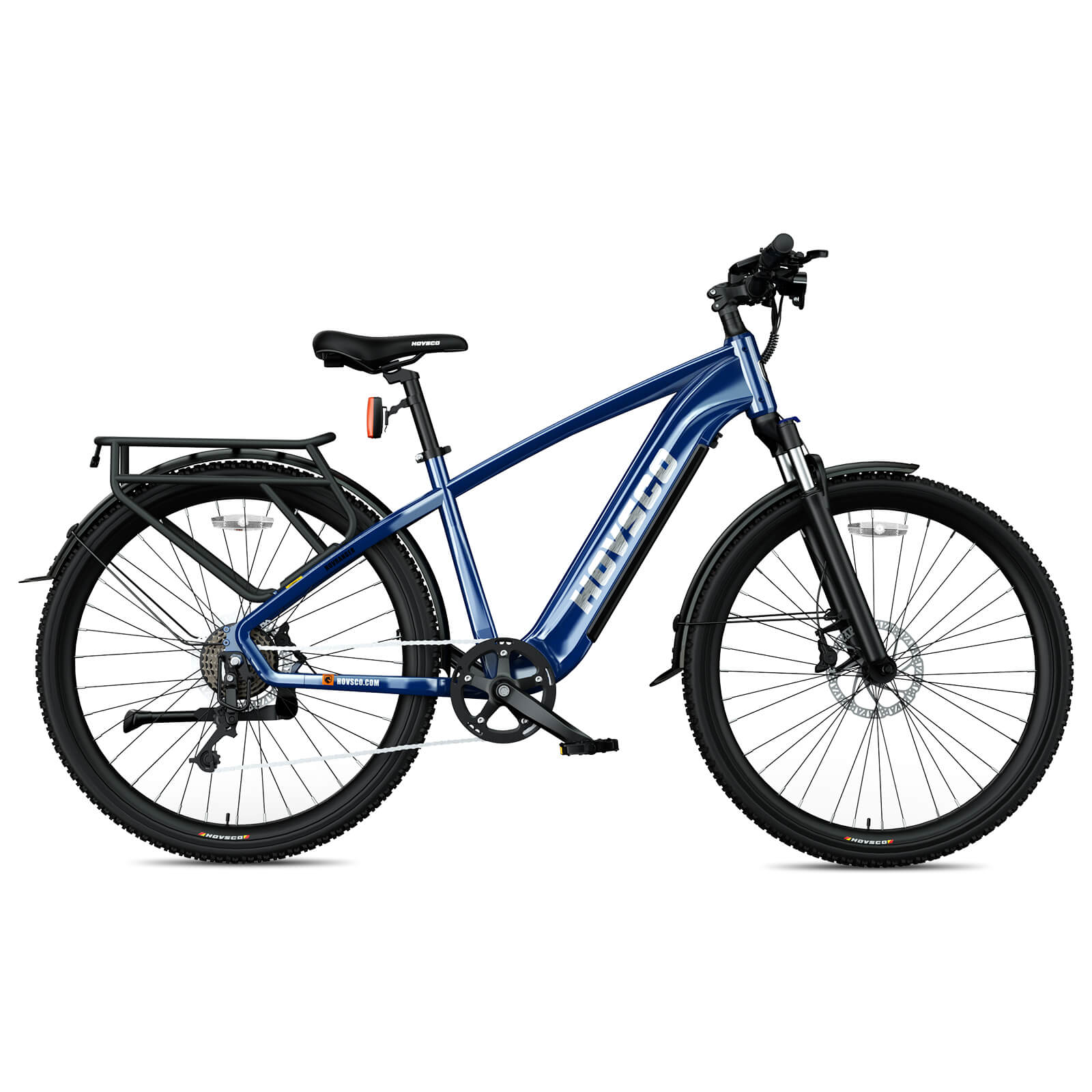
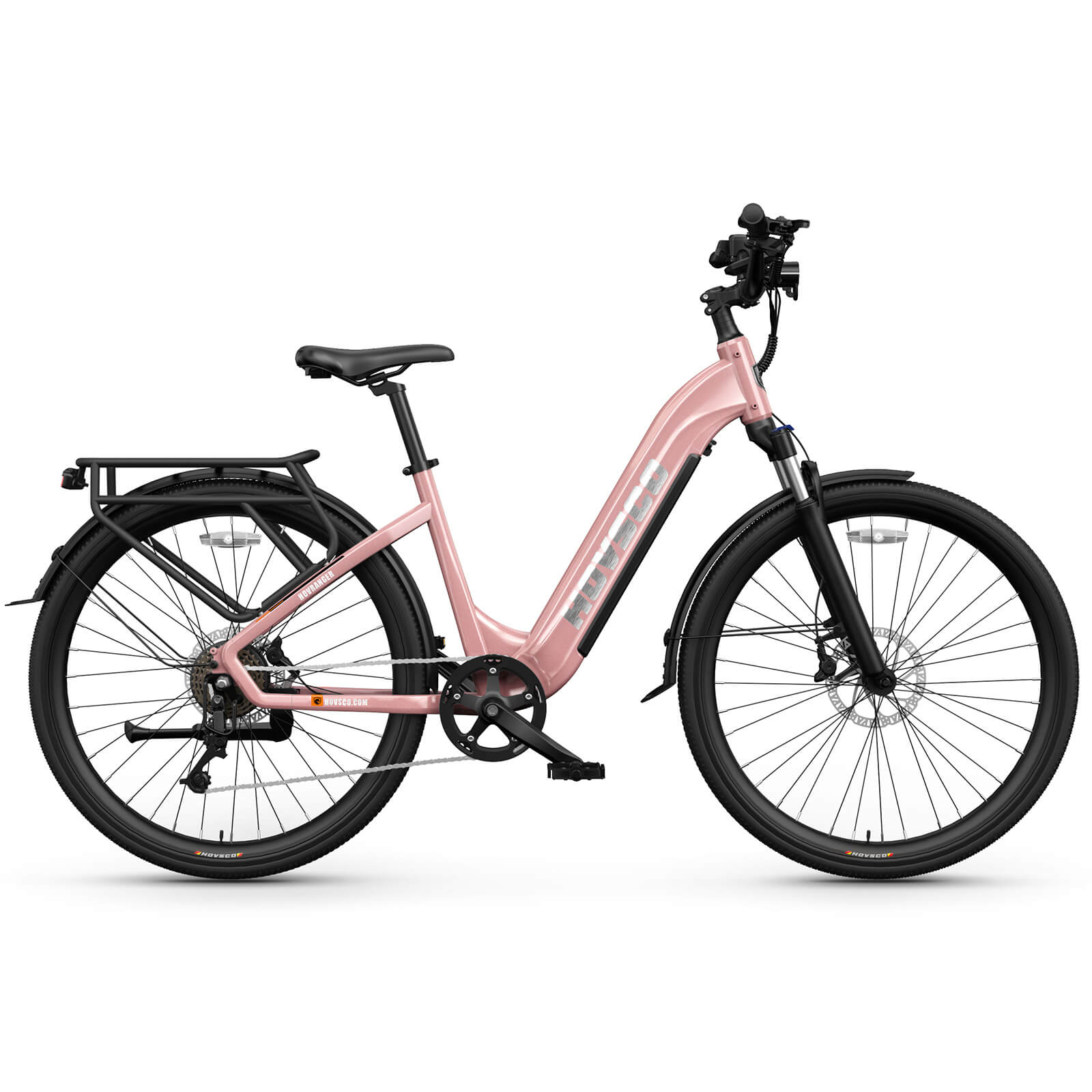
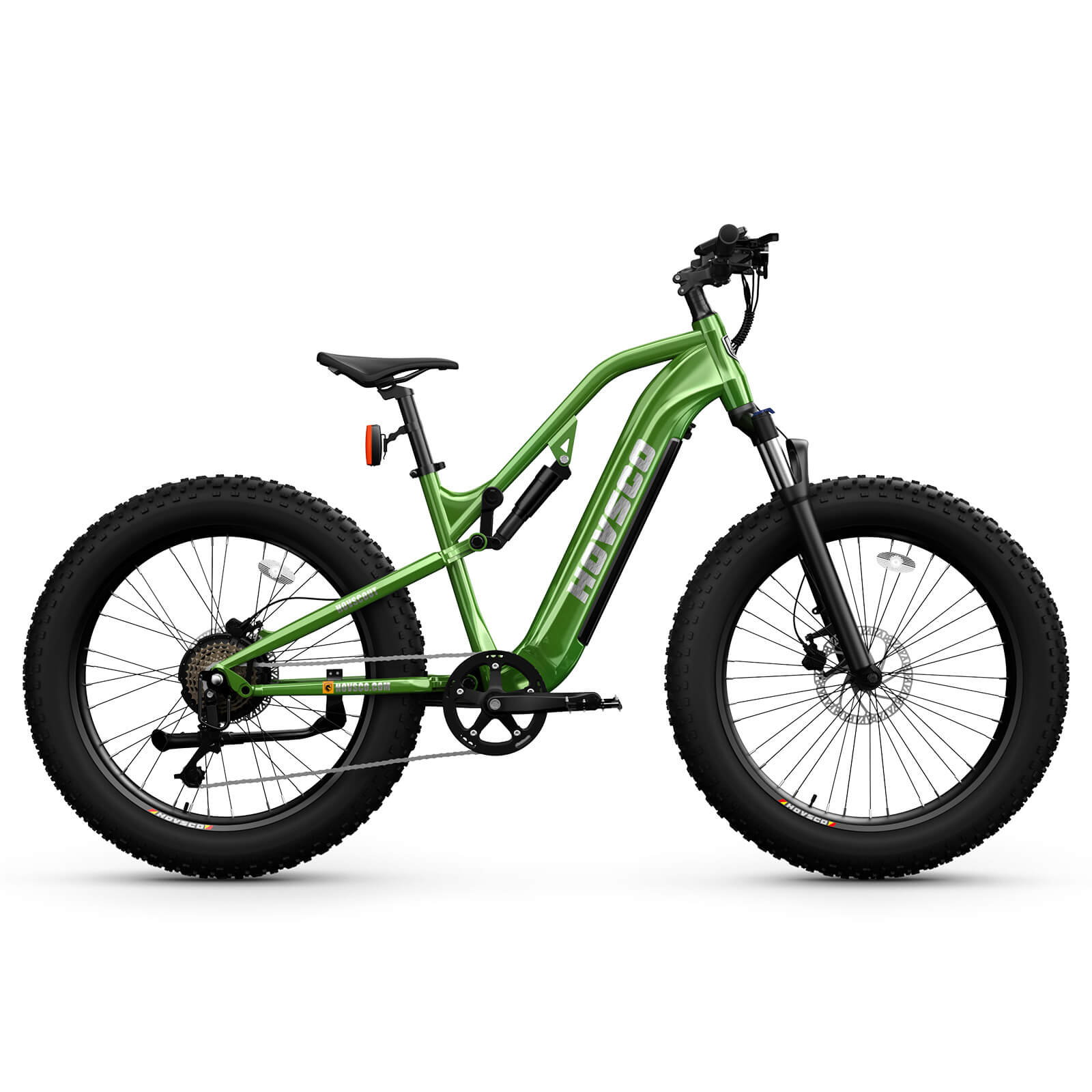
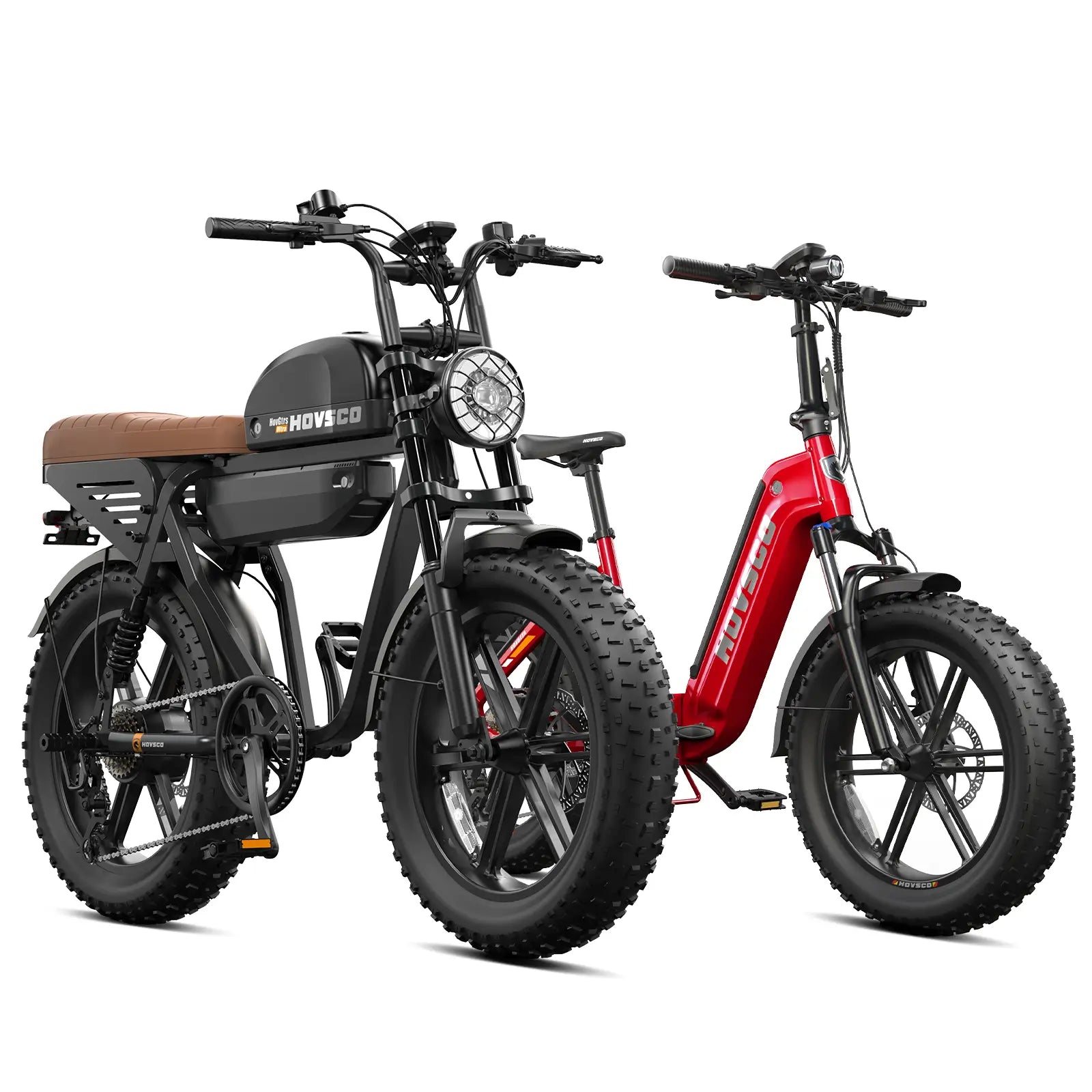
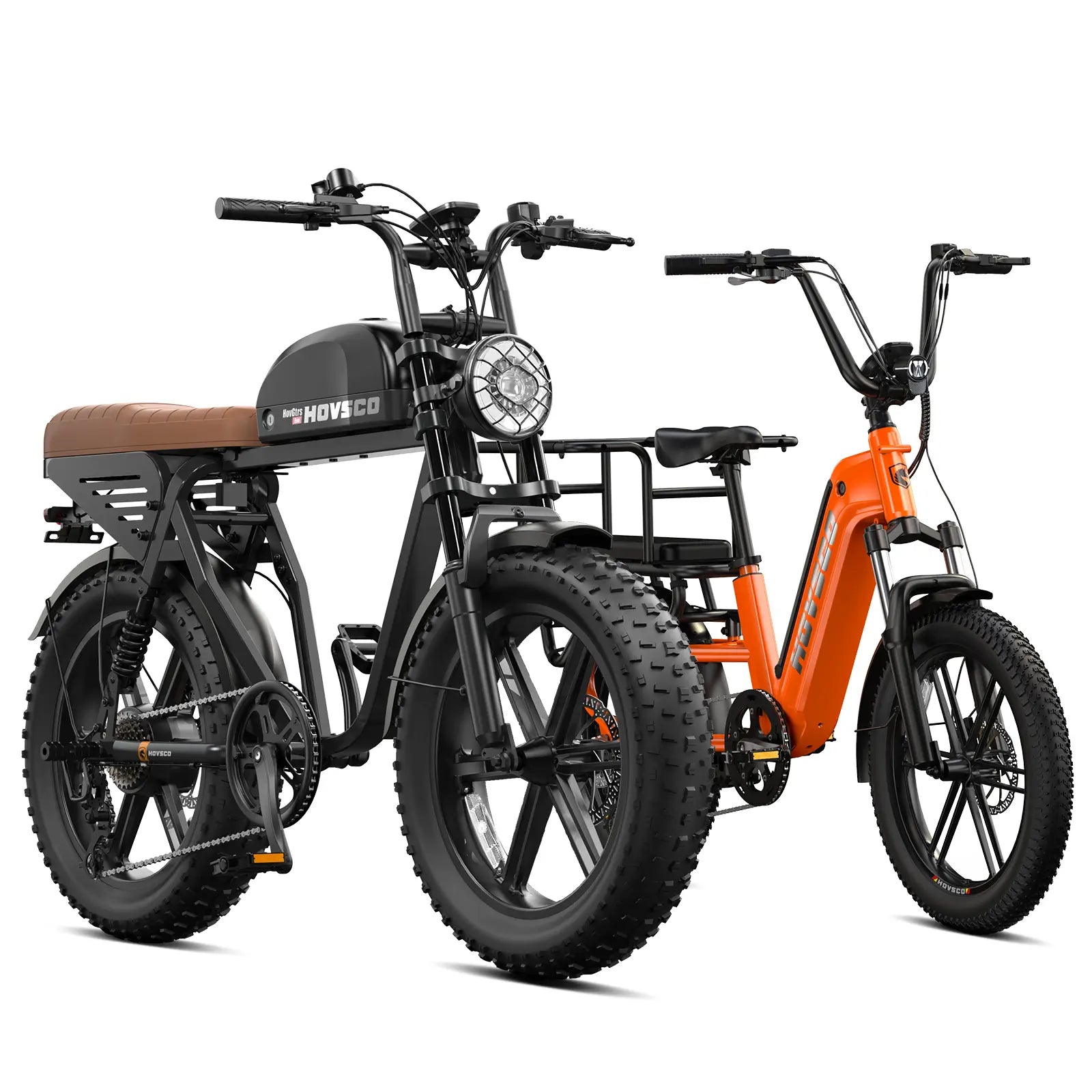
Retro electric mopeds capture that vintage charm with their classic lines and nostalgic appeal, but modern moped style ebikes blend timeless aesthetics with cutting-edge electric bike technology for everyday practicality. Understanding the five key differences helps riders decide which fits their commute, leisure rides, or urban adventures, especially when moped style ebikes often prove smarter for license-free riding on bike paths.
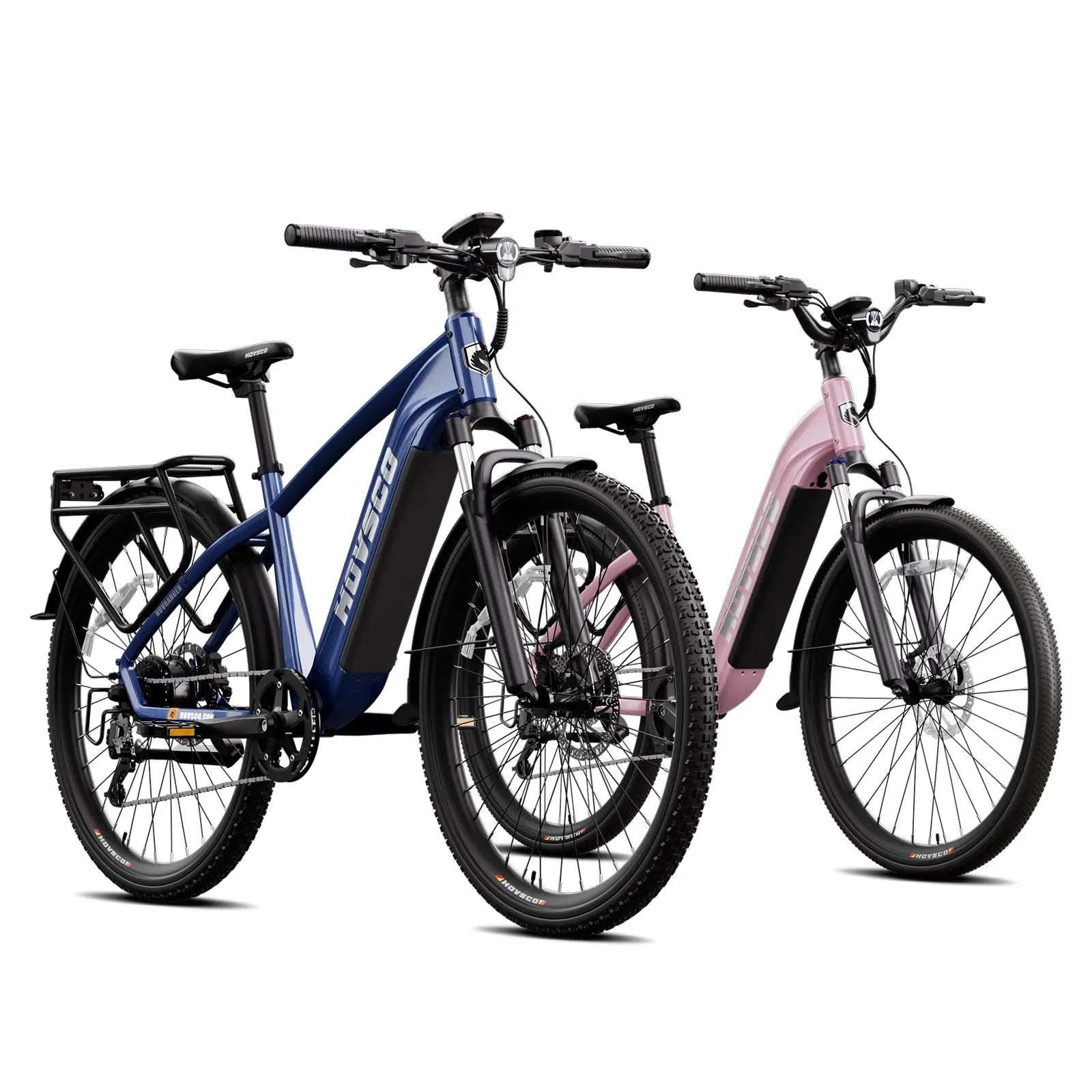
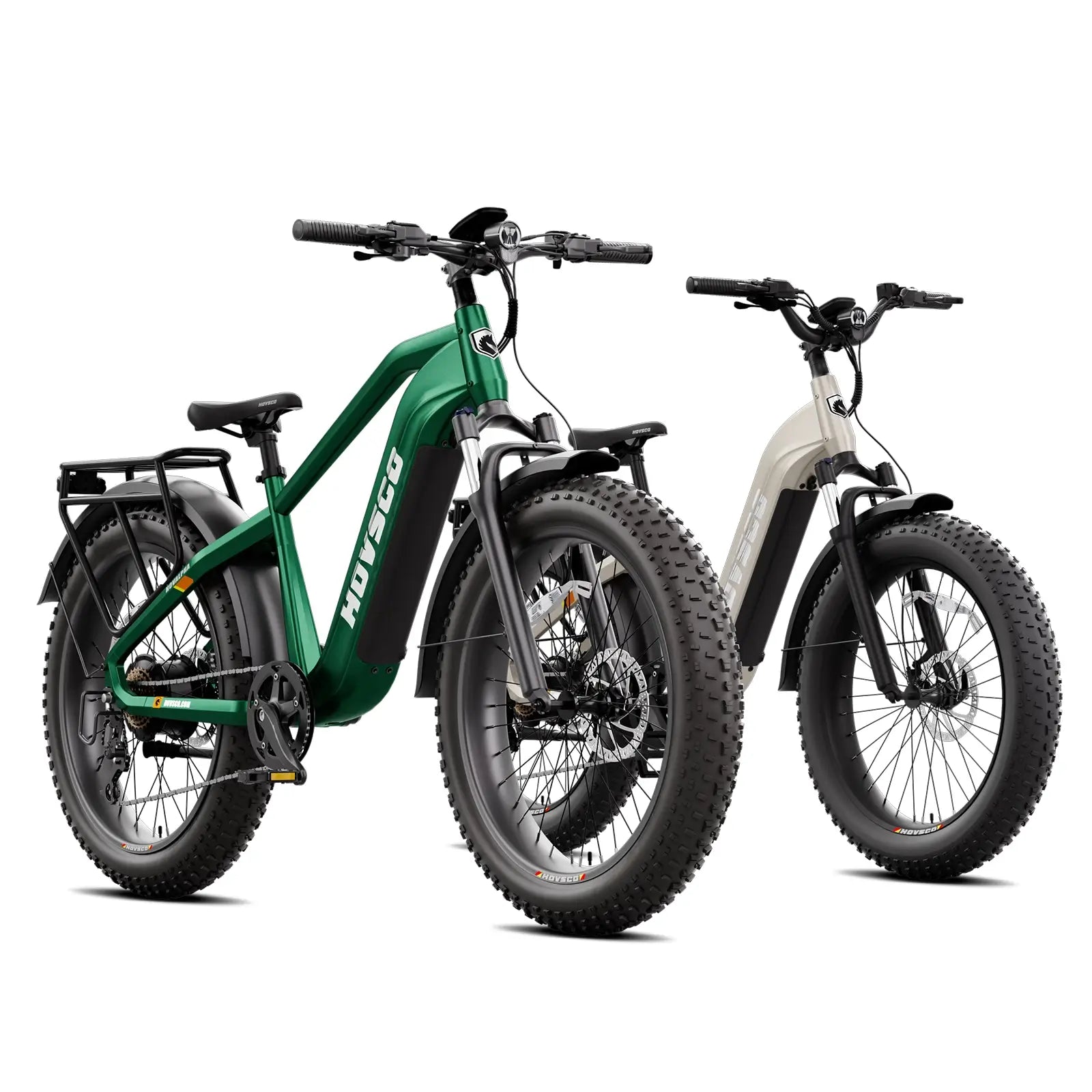
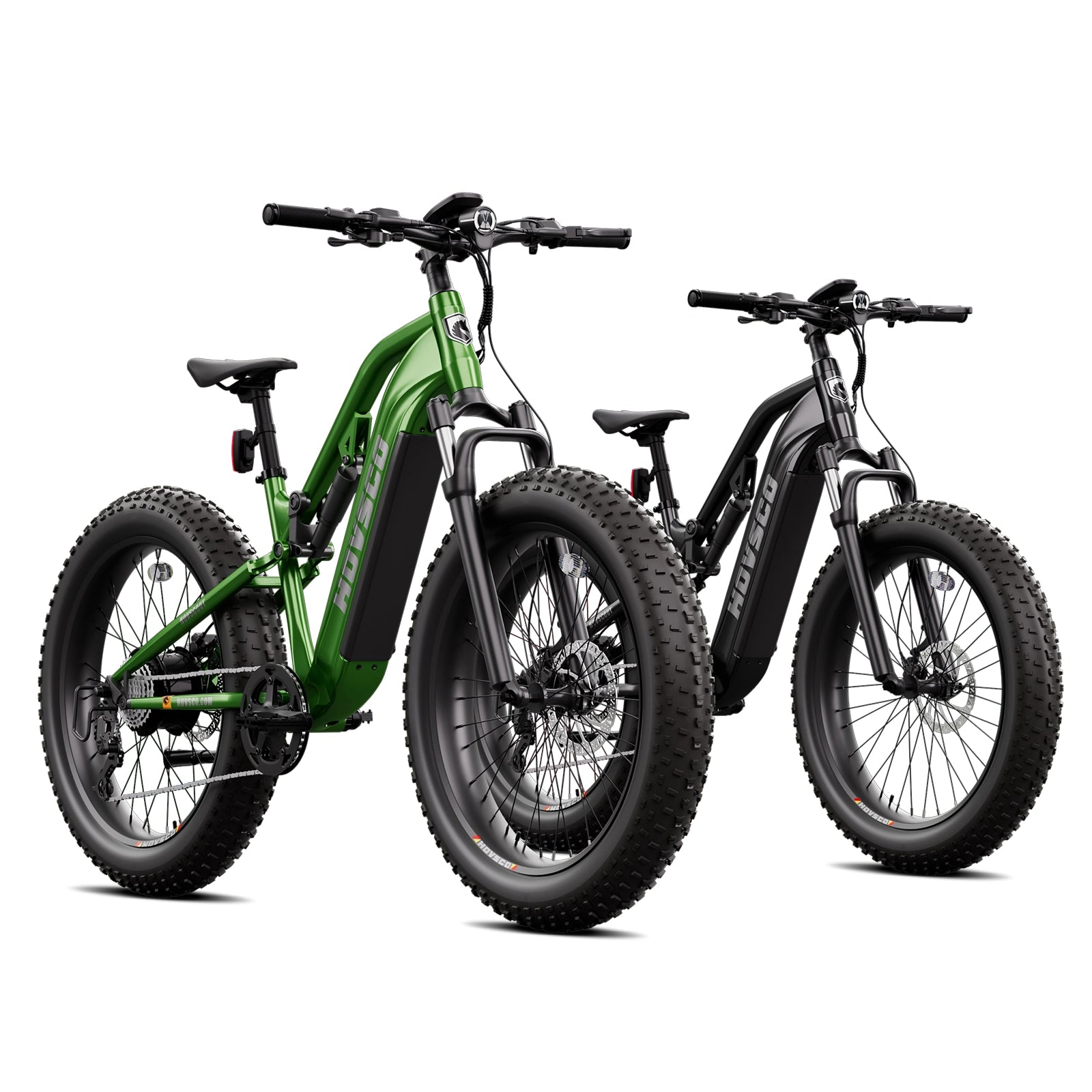
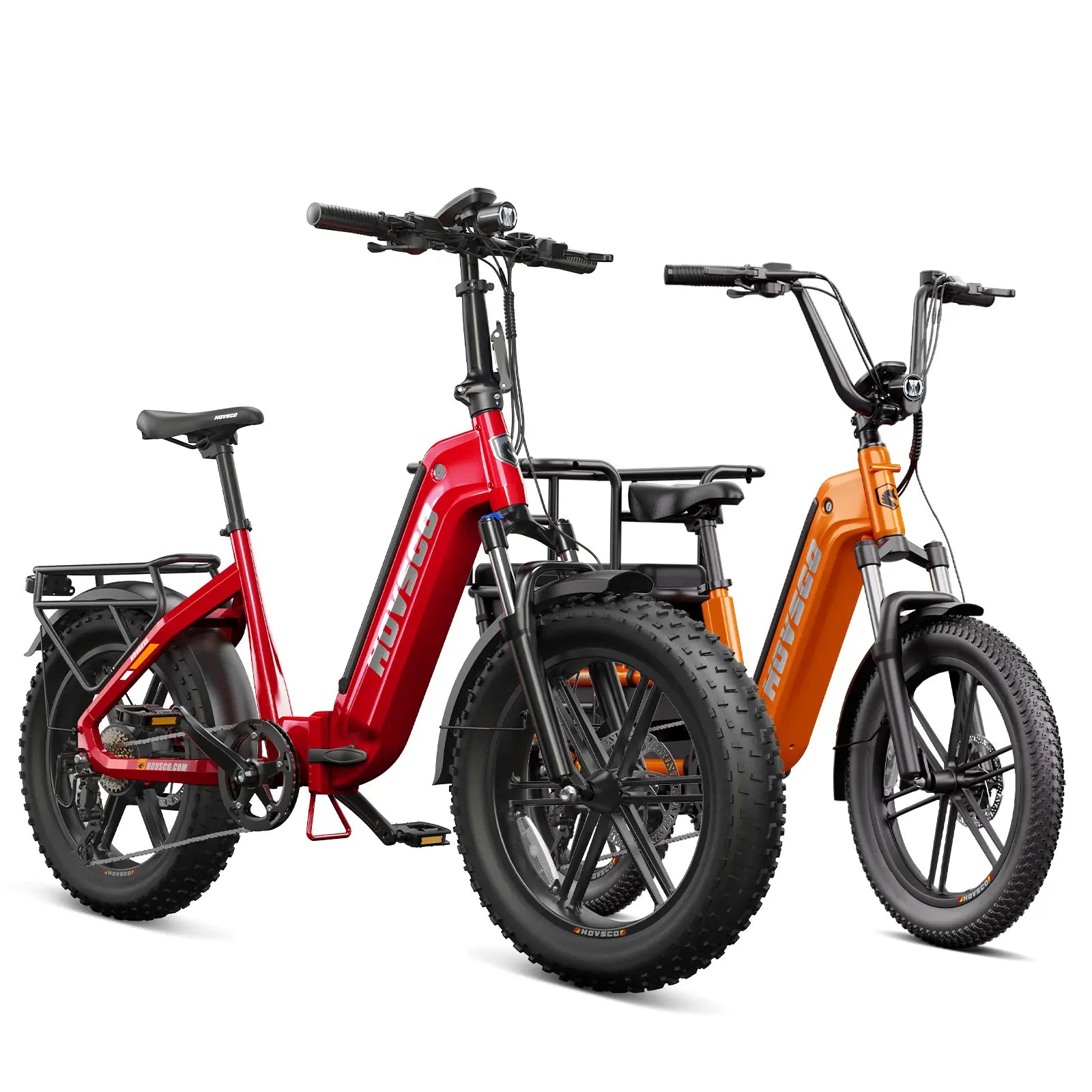
Check: Moped-Style ebikes
Retro electric mopeds typically classify as motorized vehicles, often requiring a driver's license, vehicle registration, and insurance in many states due to their throttle-only designs and higher speeds exceeding 30 mph. Modern moped style ebikes, equipped with functional pedals, fall under Class 2 or Class 3 e-bike regulations, allowing throttle use up to 20-28 mph without any license, registration, or insurance—perfect for hopping on bike lanes and trails effortlessly. This license-free status makes moped style ebikes far more accessible for daily commuters avoiding DMV hassles, while retro electric mopeds demand compliance like gas-powered scooters.
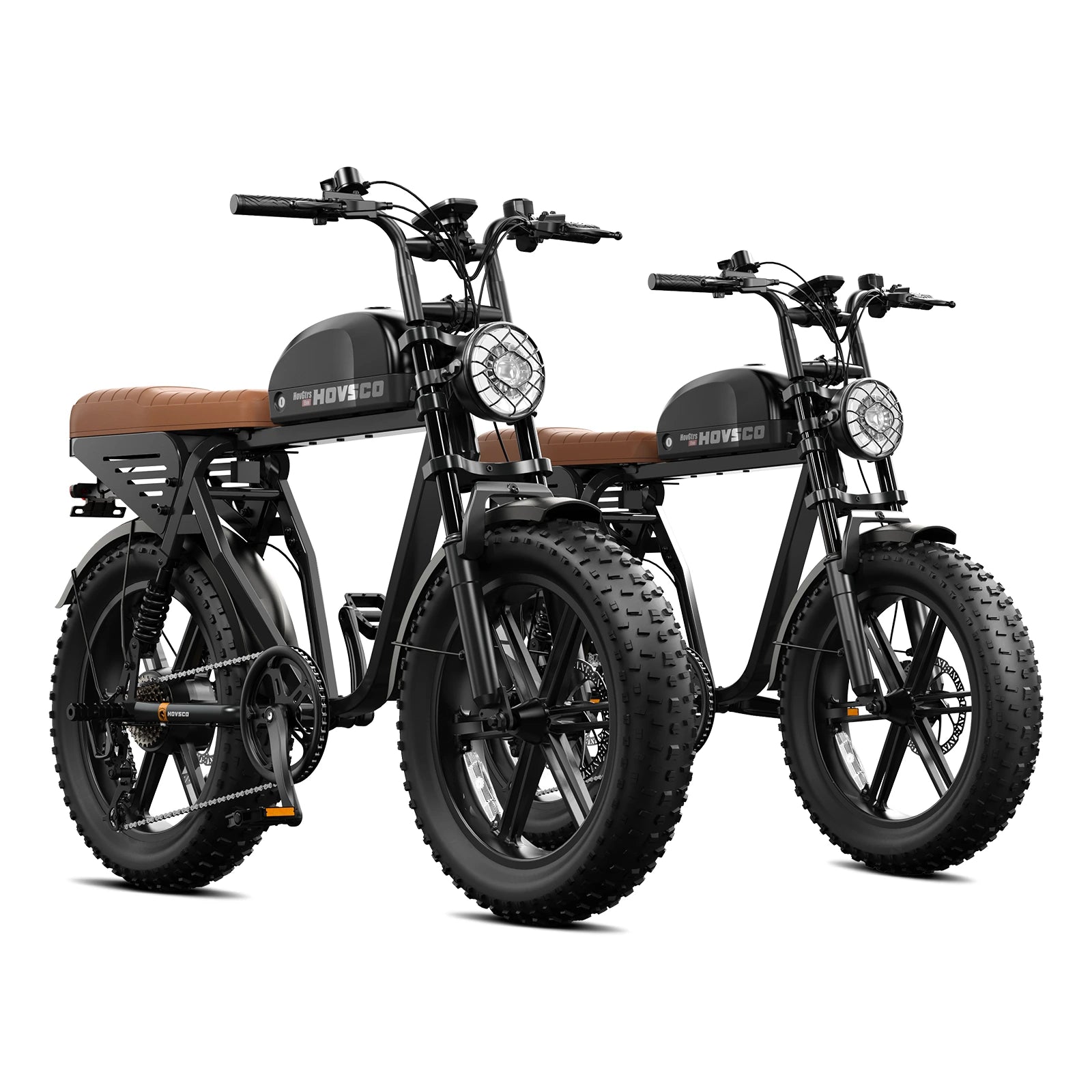
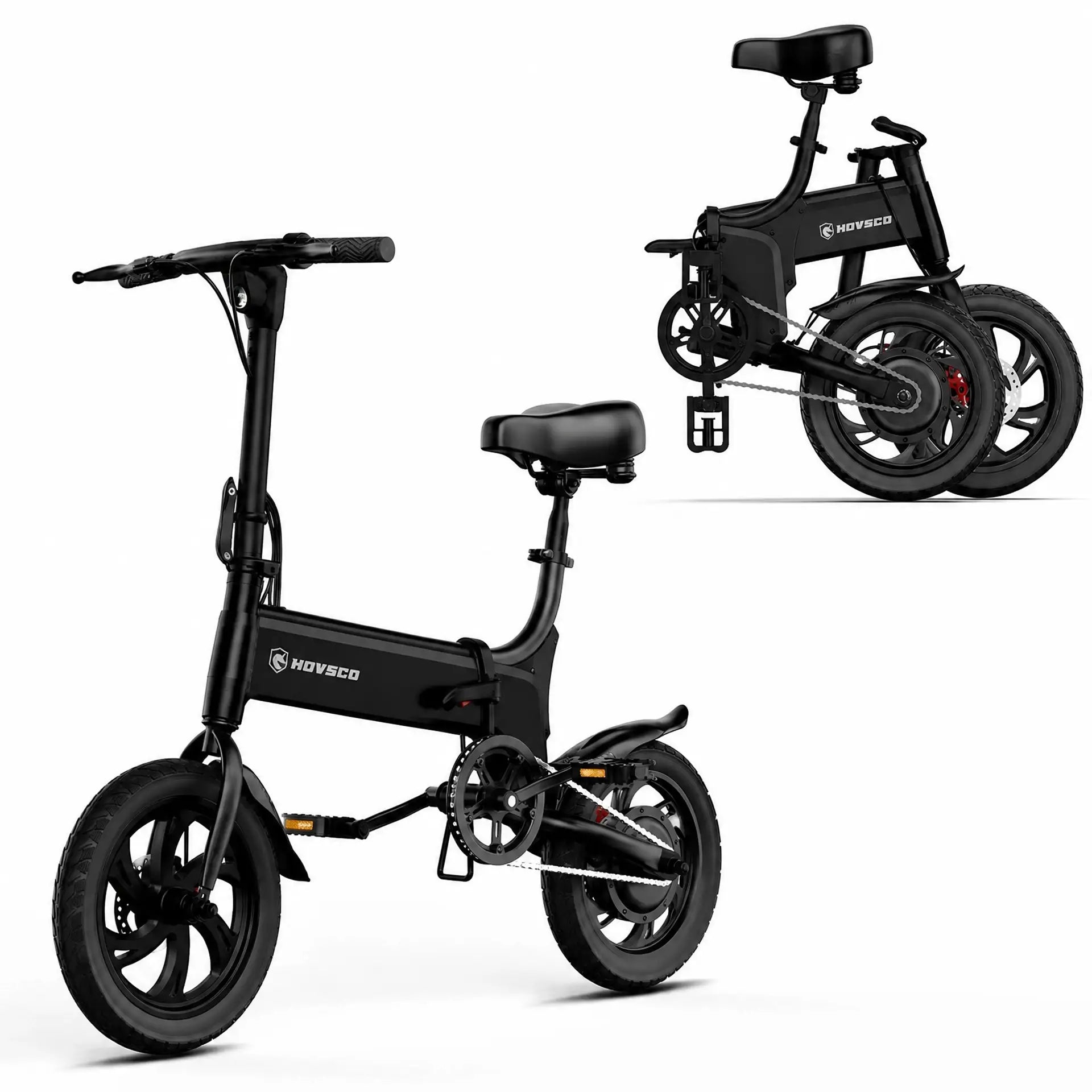
Retro electric mopeds feature a step-through frame with a wide bench seat for upright, relaxed cruising, mimicking old-school scooters but often lacking pedal integration for pure motor reliance. Modern moped style ebikes maintain that retro moped look with padded seats and foot pegs, yet add ergonomic pedals and adjustable handlebars for a hybrid posture that supports both throttle blasts and light pedaling on long rides. Riders praise moped style ebikes for blending moped comfort with bike versatility, reducing fatigue on bumpy city streets compared to rigid retro electric moped setups.
Retro electric mopeds pack robust hub motors from 1000W to 5000W, delivering top speeds of 40 mph or more for highway merges, but they drain batteries faster without pedal assist efficiency. Modern moped style ebikes use 750W-1500W motors with pedal-assist modes, capping at 28 mph legally while offering throttle for quick urban sprints and superior torque on hills. Choosing a moped style ebike means smarter power management for 40-60 mile ranges, outperforming retro electric mopeds in real-world efficiency without sacrificing that moped-style thrill.
Retro electric mopeds rely on larger 60V-72V batteries for extended high-speed runs, but frequent fast charging cycles shorten lifespan and demand longer downtime between rides. Modern moped style ebikes optimize 48V 20Ah batteries with smart BMS for 50+ mile ranges, quick 4-6 hour charges via standard outlets, and swappable options for non-stop commuting. This makes moped style ebikes ideal for bike path explorers who value convenience over raw endurance, dodging the heavier, thirstier packs of retro electric mopeds.
Retro electric mopeds start at $2000-$5000 with ongoing costs for licenses, plates, and motor repairs akin to scooters, plus vulnerability to theft as registered vehicles. Modern moped style ebikes range $1500-$3500 with minimal upkeep—simple tire swaps, chain lubes, and no emissions checks—while bike lane legality cuts insurance needs entirely. Opting for a moped style ebike saves thousands long-term, blending retro electric moped vibes with ebike affordability for budget-savvy riders.
Electric bike sales surged 145% in 2025 per Statista data, with moped style ebikes leading urban adoption thanks to their no-license appeal amid rising gas prices and bike infrastructure growth. Retro electric mopeds hold niche appeal for speed enthusiasts, but moped style ebikes dominate searches for "best moped style ebike for commuting" as cities expand bike lanes. Forecasts predict moped style ebike market share hitting 30% by 2027, fueled by retro designs meeting modern demands for sustainable, hassle-free transport.
Founded in 2019, HOVSCO has been a rapidly growing e-bike brand led by a dedicated team of cycling enthusiasts from top universities, passionate about helping people get healthy through innovative designs for commuting, trails, and urban adventures. Building on our successful hoverboard and e-scooter legacy that earned millions of consumers' trust, we now pioneer reliable electric bikes with US headquarters and efficient China supply chains to deliver the e-bike smile to all.
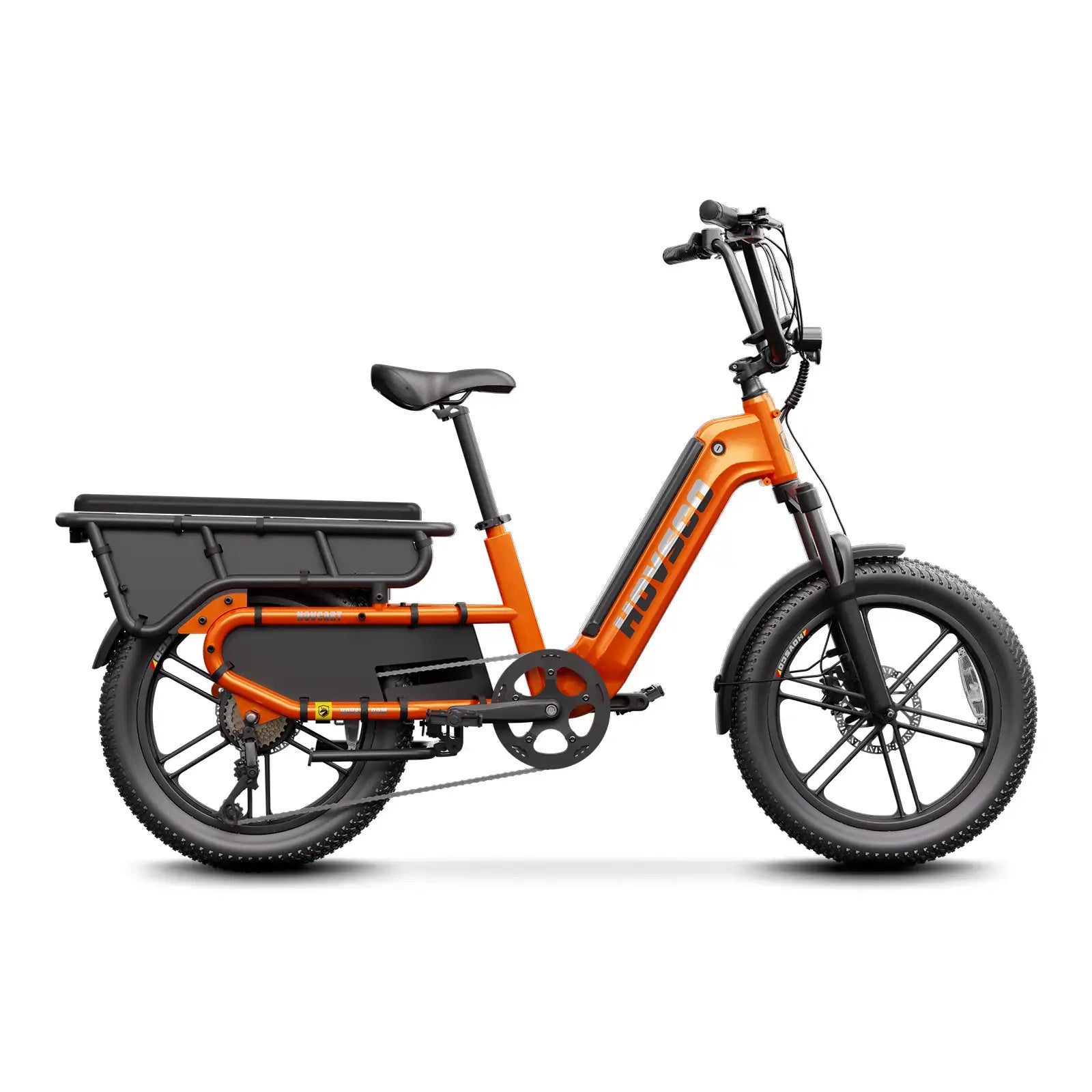
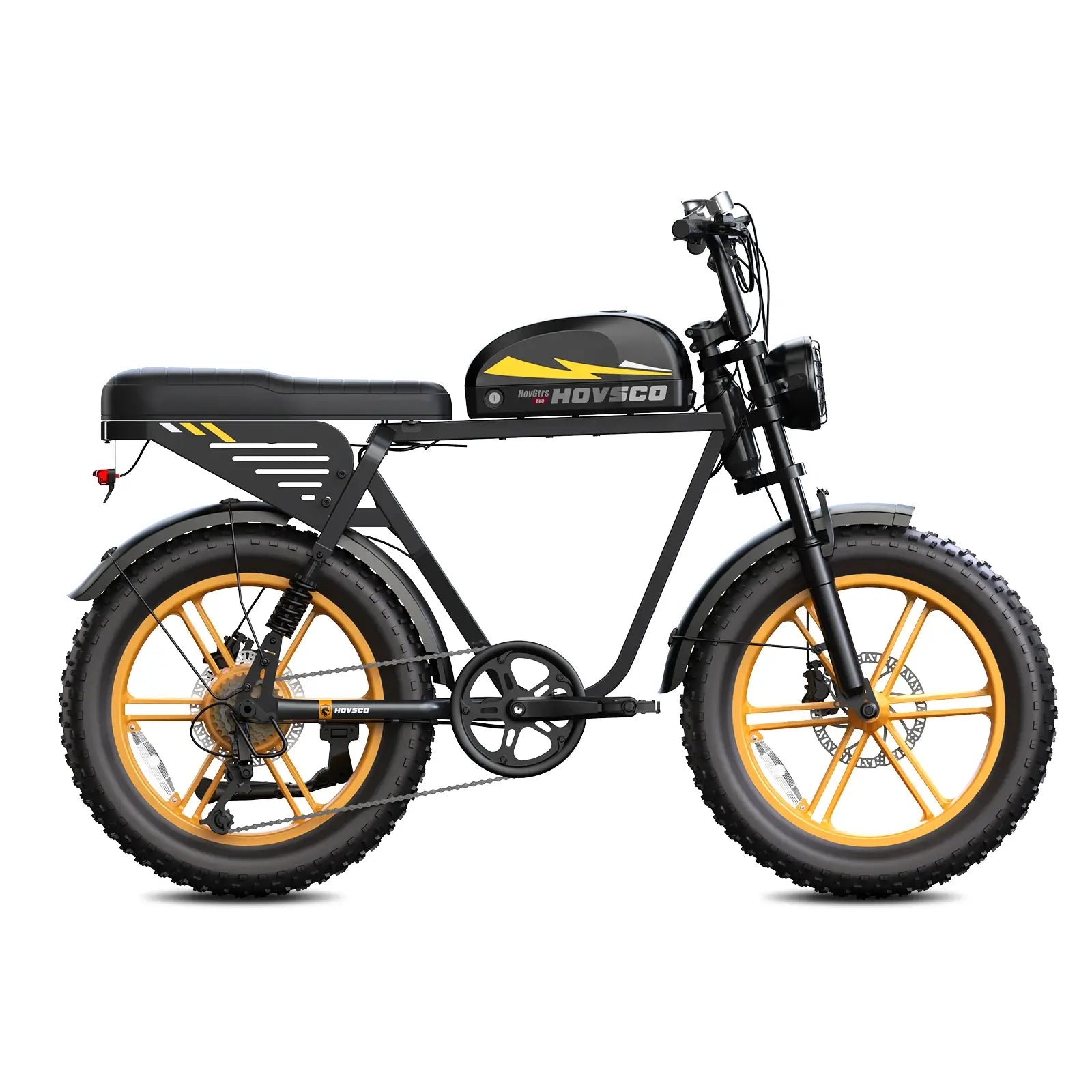
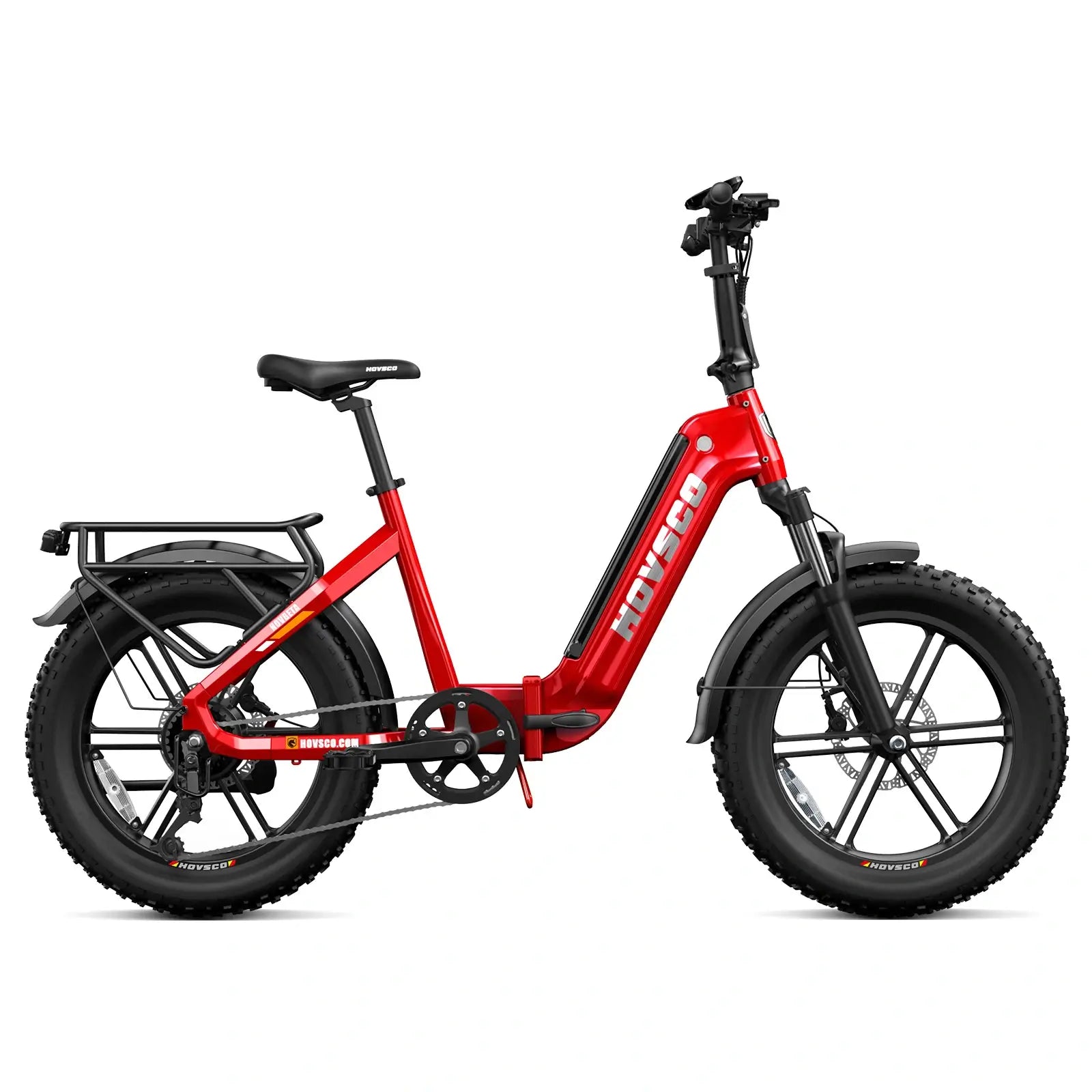
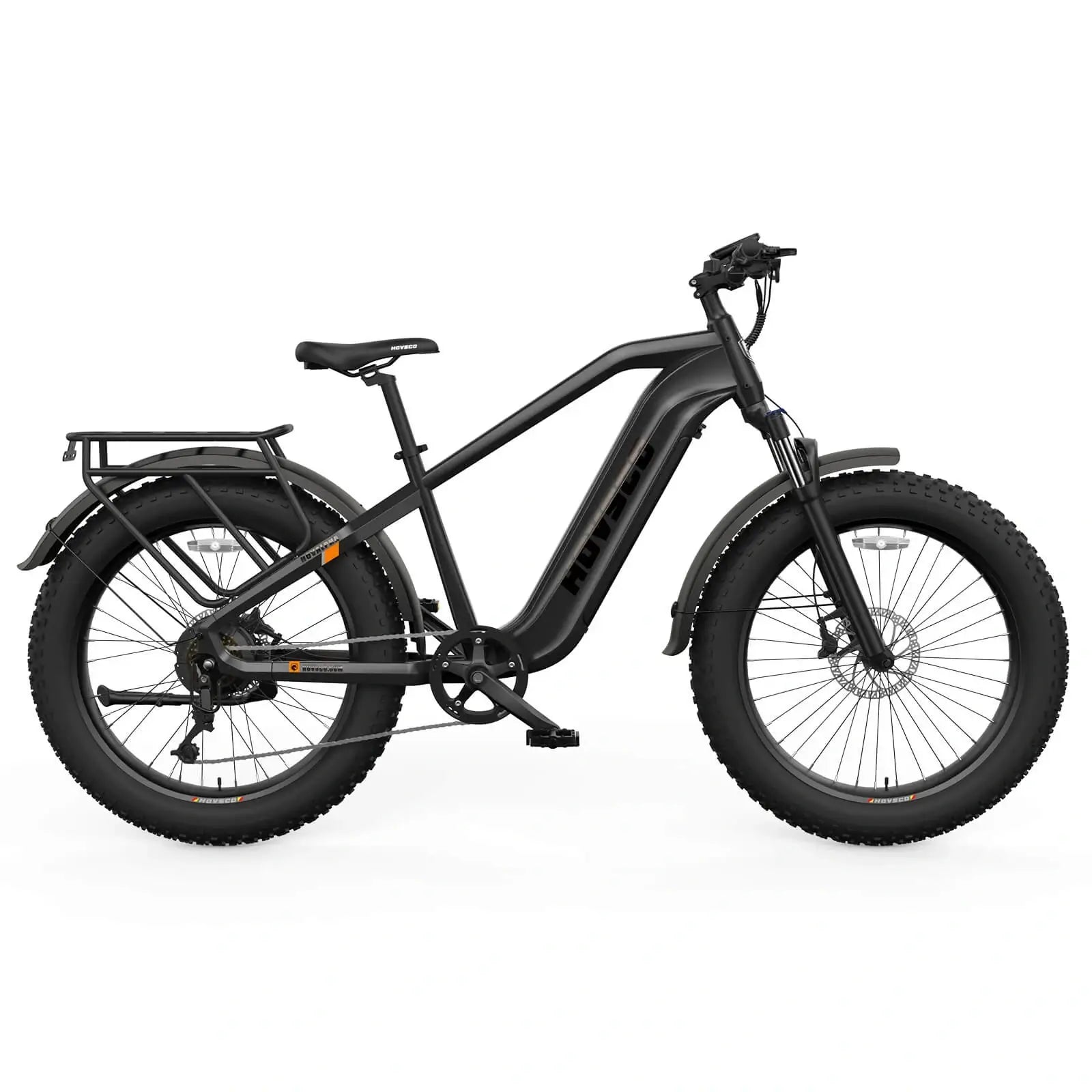
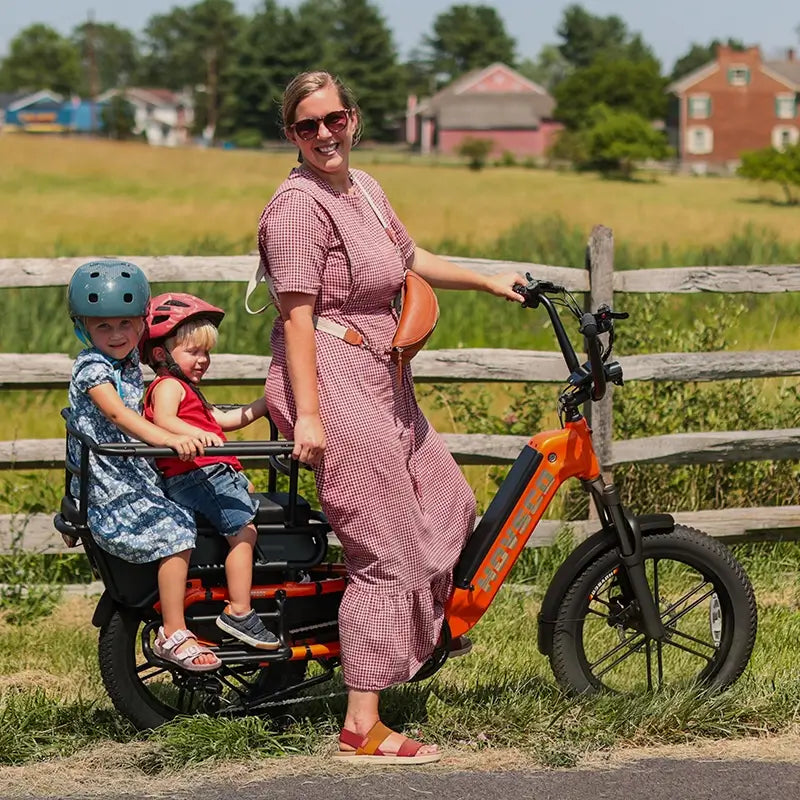
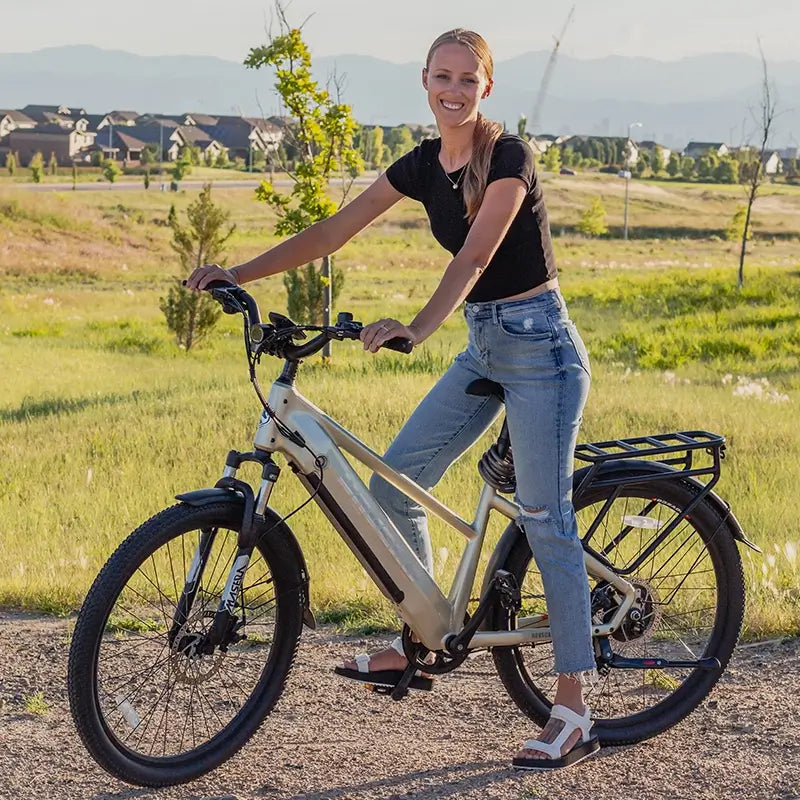
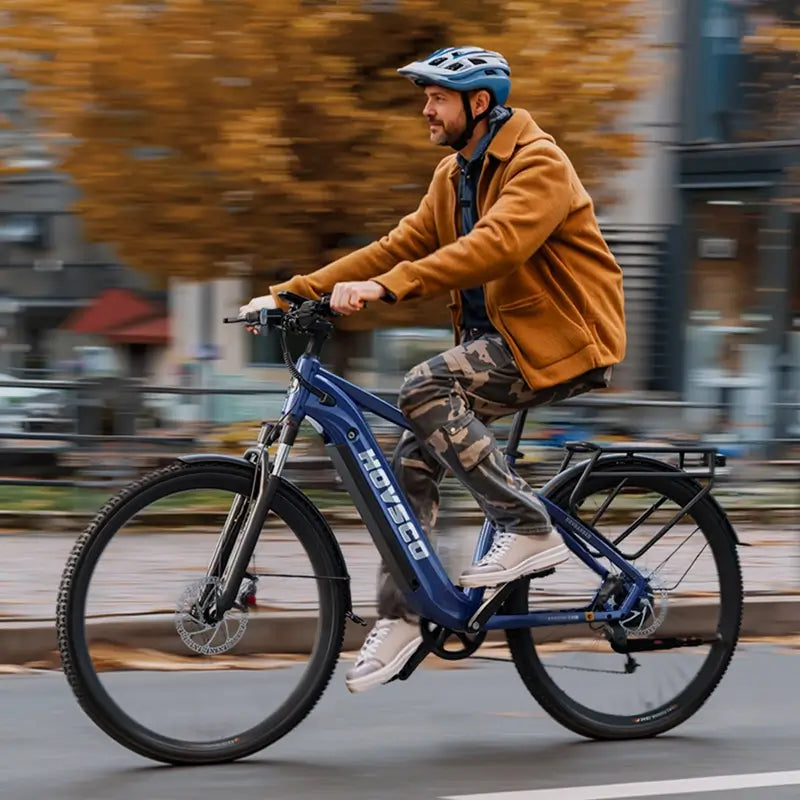
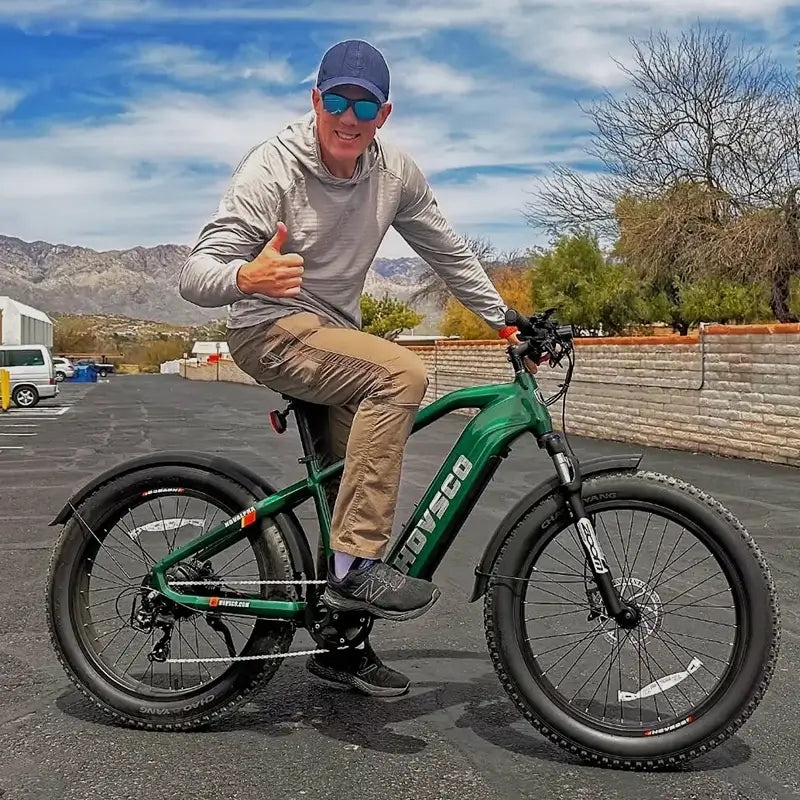
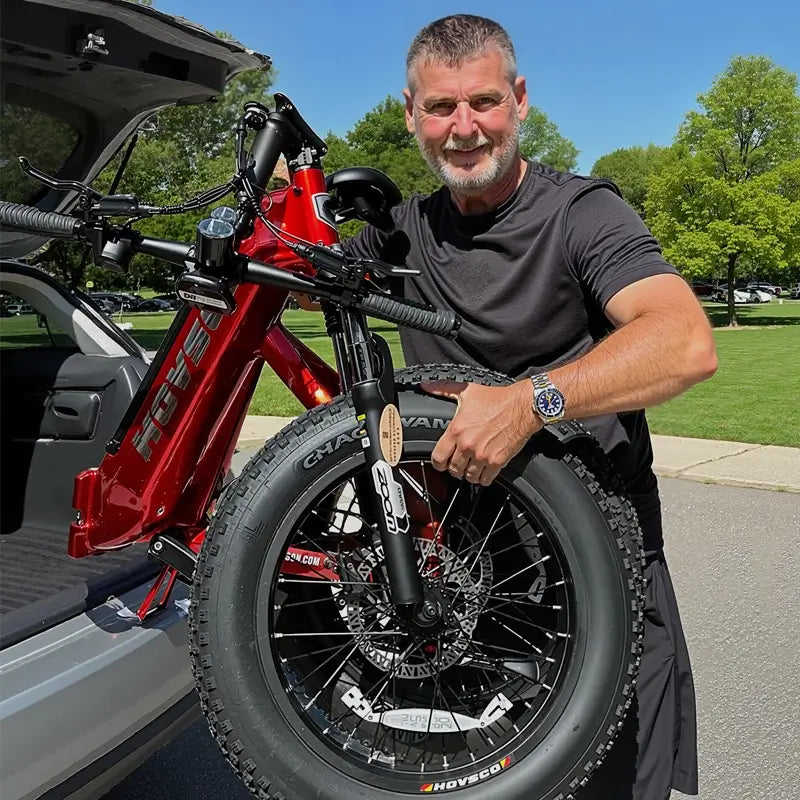
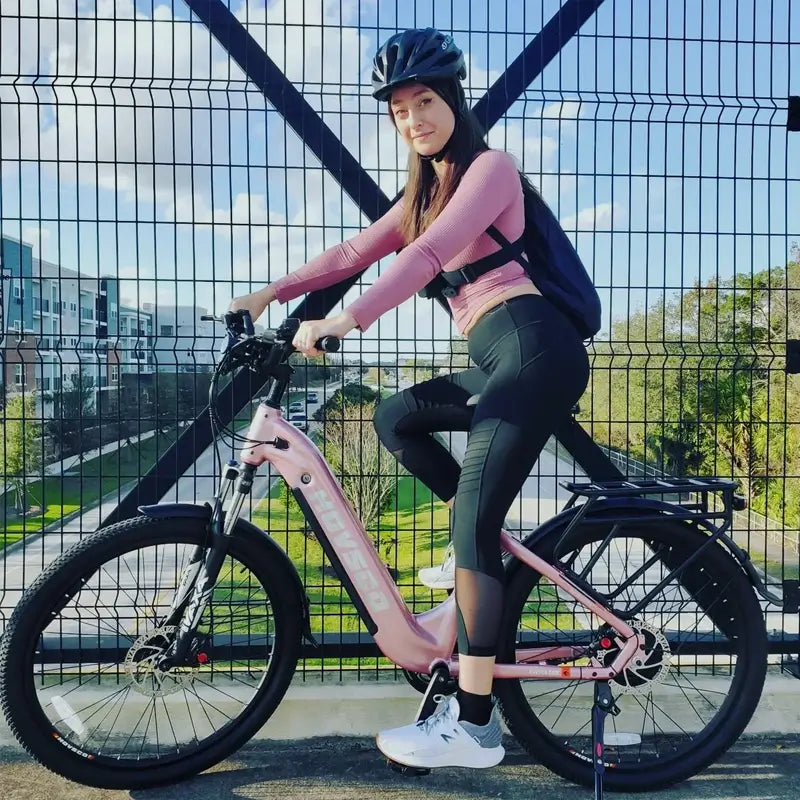
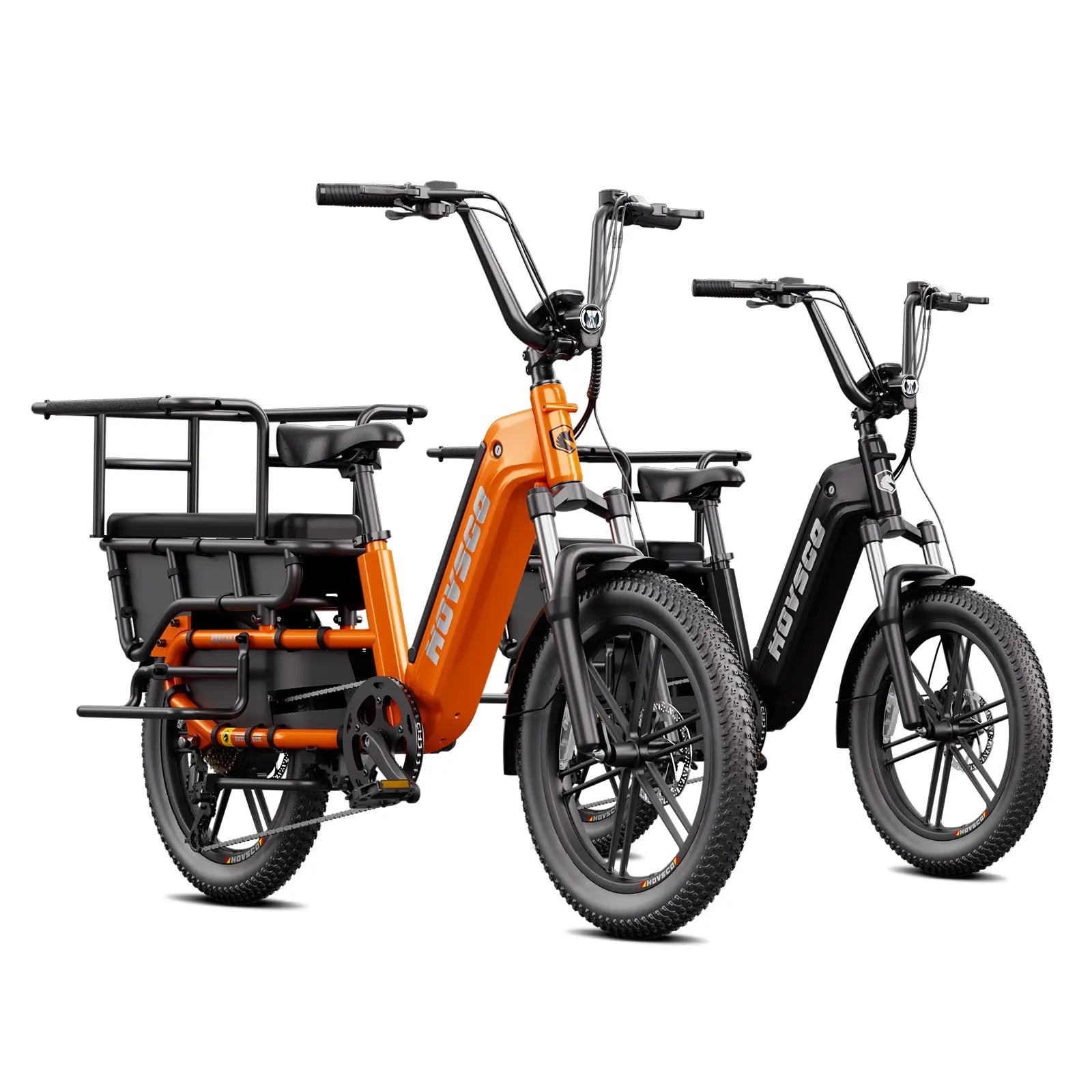
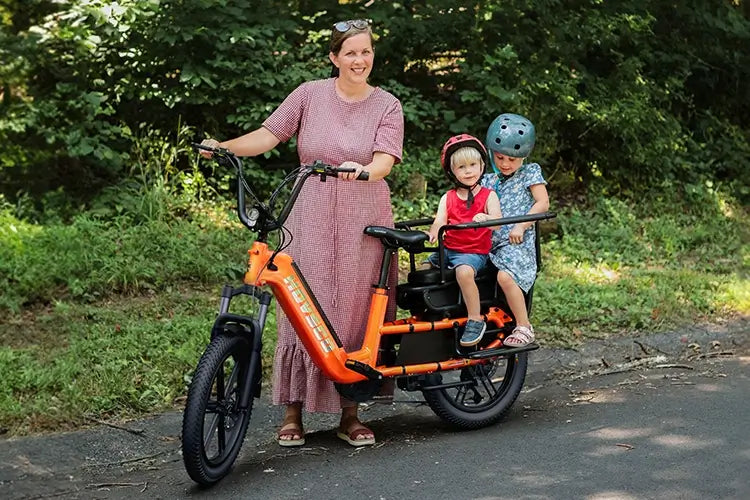
These top picks highlight why moped style ebikes outperform retro electric mopeds in versatility, with high ratings from thousands of Amazon reviews praising their value.
This matrix shows moped style ebikes winning on practicality, making them the smarter buy for most riders seeking retro electric moped style without the red tape.
Moped style ebikes shine with mid-drive or geared hub motors delivering 60-80 Nm torque, paired with torque sensors for seamless pedal-assist that feels natural unlike retro electric moped's on-off throttle. Advanced lithium-ion batteries with IP65 waterproofing ensure reliability in rain, while app integration tracks rides and optimizes power—features absent in simpler retro models. This tech edge powers why "moped style ebike vs electric moped" debates favor ebikes for efficient, connected riding.
Commuter Sarah in Phoenix saved $1200 yearly on gas and bus fares with her moped style ebike, logging 15 miles daily on bike paths without licensing stress, achieving ROI in under six months. Trail rider Mike shared how his retro-look moped style ebike handled Arizona deserts better than his old electric moped, cutting repair bills by 70% thanks to simpler bike components. These stories prove moped style ebikes deliver 3x faster payback than retro electric mopeds through lower costs and higher usability.
No license means instant freedom to ride bike lanes, dodging traffic and parking woes that plague retro electric moped owners. Lighter weight and pedal power extend adventures without range anxiety, while eco-friendly charging slashes your carbon footprint—smart for health-conscious urbanites. Experience the joy of moped style ebike cruising today and upgrade your ride smarter.
What's the difference between retro electric moped and moped style ebike? Retro models need licenses and lack pedals; moped style ebikes are pedal-equipped bikes with moped aesthetics for path access.
Are moped style ebikes street legal without registration? Yes, as Class 2/3 ebikes up to 28 mph, they're legal on roads and paths without plates in most US states.
How far do modern moped style ebikes go on one charge? Typically 40-60 miles, far more practical for daily use than many retro electric mopeds.
Can I ride a moped style ebike on bike trails? Absolutely, pedals classify them as ebikes, granting full trail and lane access denied to motorized mopeds.
By 2027, expect swappable batteries and AI-assisted throttles in moped style ebikes, boosting ranges to 80 miles while retro electric mopeds evolve toward hybrid legality tweaks. Urban bike lane expansions will cement moped style ebike dominance, with retro designs leading sales for style-savvy commuters. Ready to join the shift? Explore top moped style ebikes now and ride the future license-free.
Share:
Hovsco HovAlpha vs. RadRunner 3: Which Moped Style Ebike Wins?
Why Torque Sensors Revolutionize Moped Style Ebike Performance