


![[ New Arrival ] Porto Max Electric Scooter For Commute & Grocery Shopping - HOVSCO](http://www.hovsco.com/cdn/shop/files/PotroMax-3.jpg?v=1706927007&width=1200)
- by EO S
Are Moped Style Ebikes Legal in My State? 2026 US Ebike Laws Explained
- by EO S
E-Bikes
Accessories
 Free Shipping
 15-Day Returns
 2-Year Warranty
Free Shipping
15-Day Returns
2-Year Warranty
2-Year Warranty
Free Shipping
15-Day Returns
2-Year Warranty
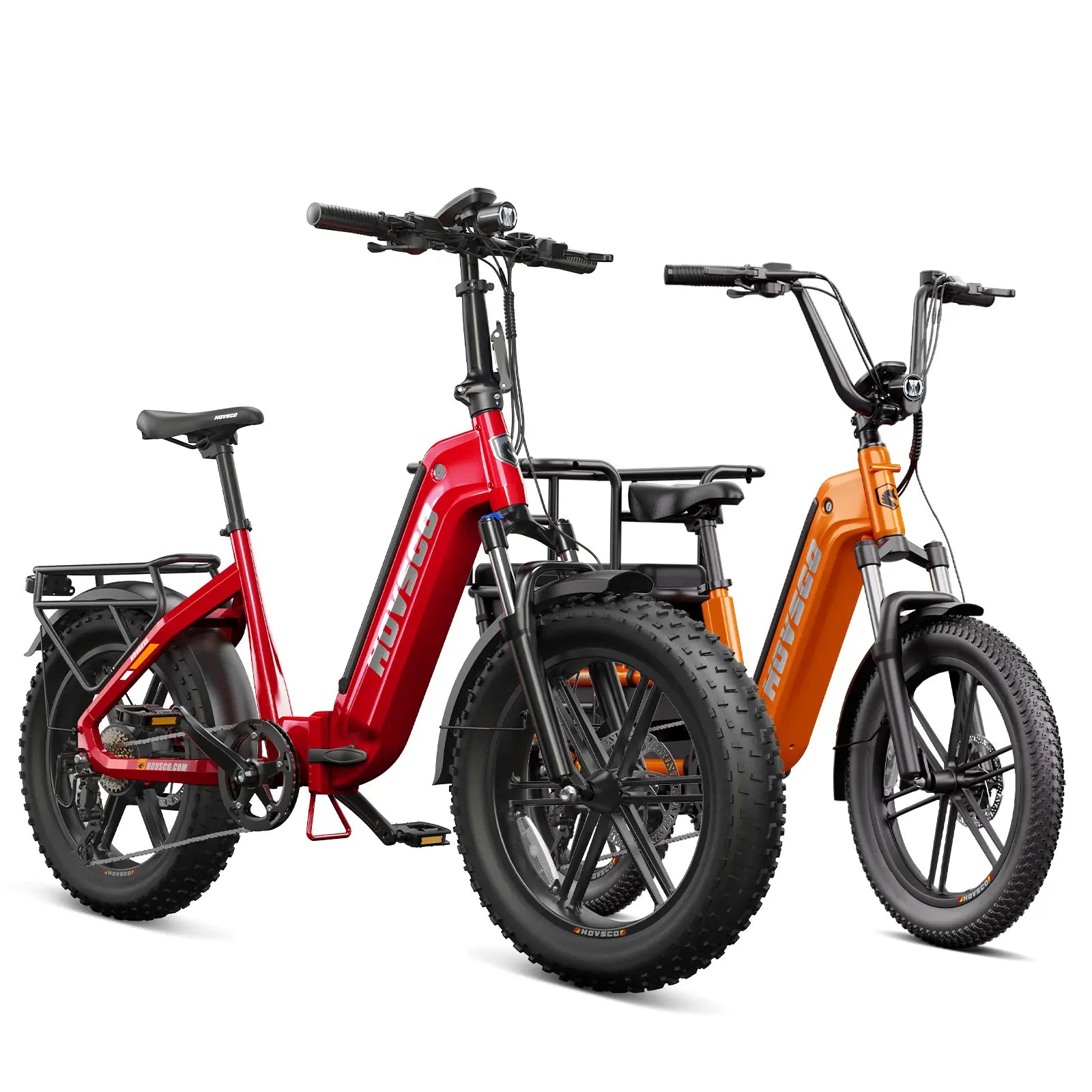
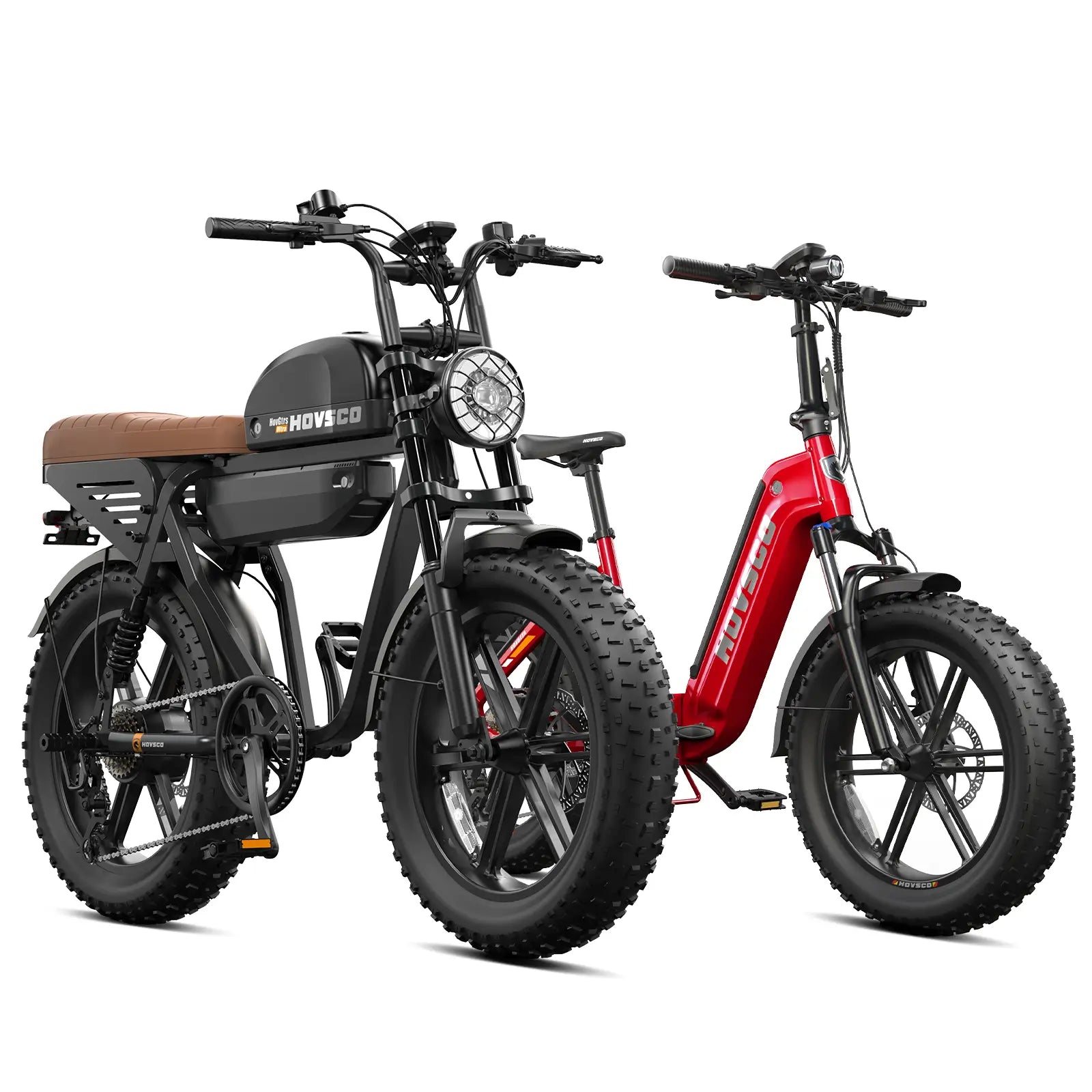
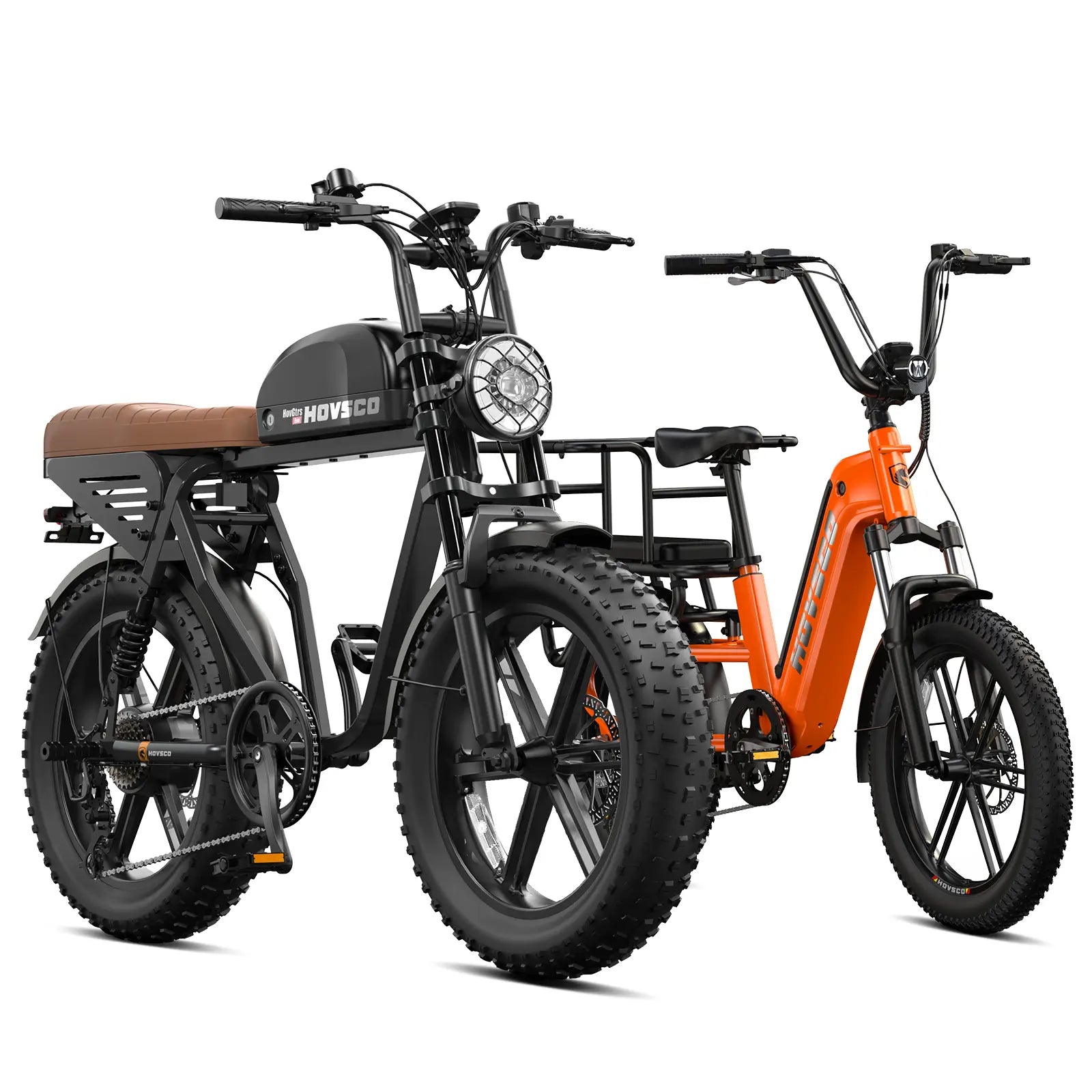
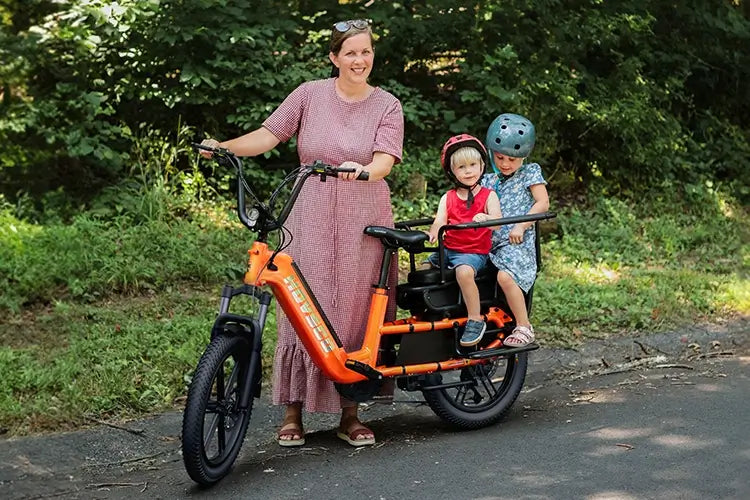
Moped style ebikes have surged in popularity for their motorcycle-like design and powerful performance, but their legality hinges on state-specific ebike laws by state. Understanding if a moped style ebike is a motorcycle or fits within standard ebike classifications can make or break your riding plans in 2026. This guide breaks down the essentials to keep you compliant and riding confidently.
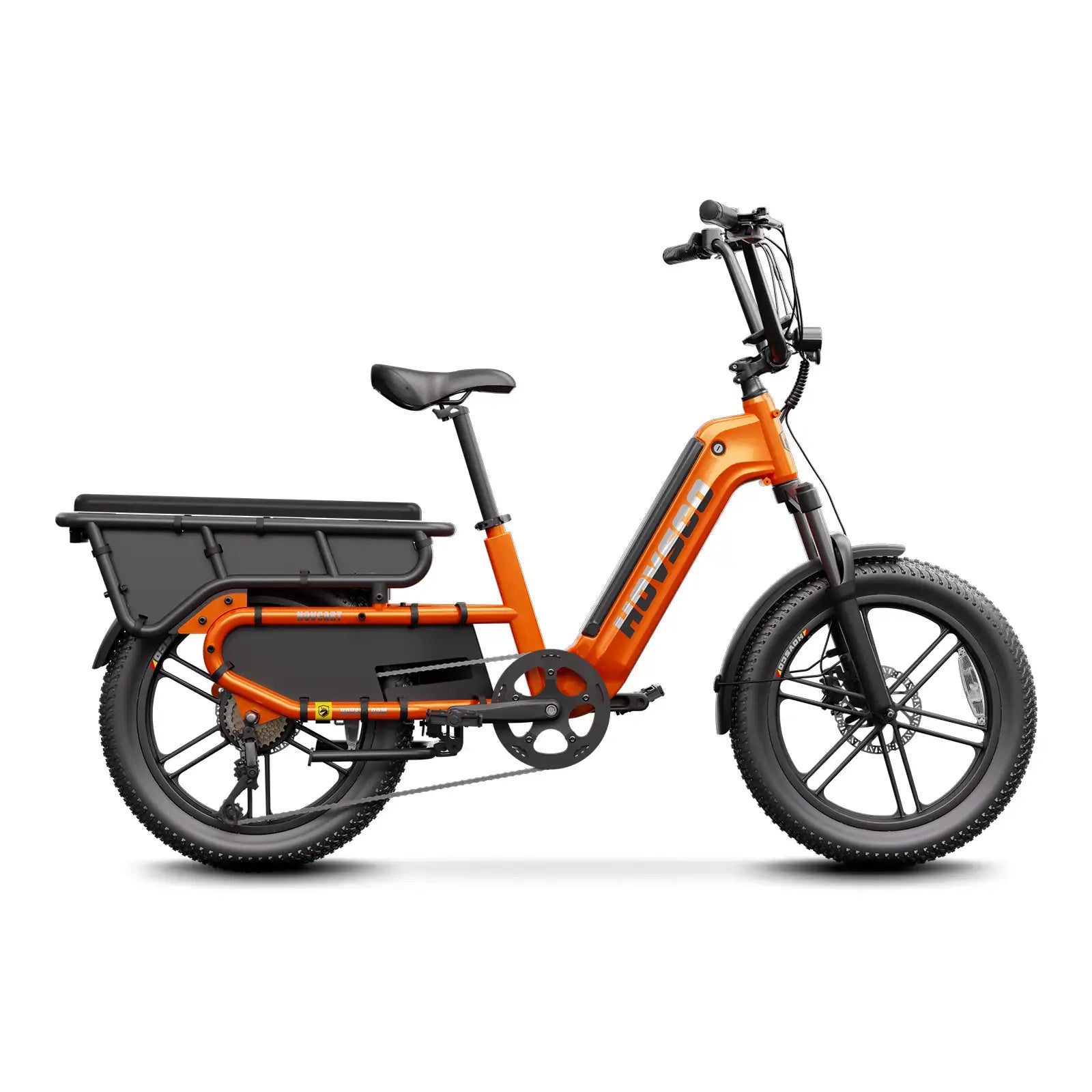
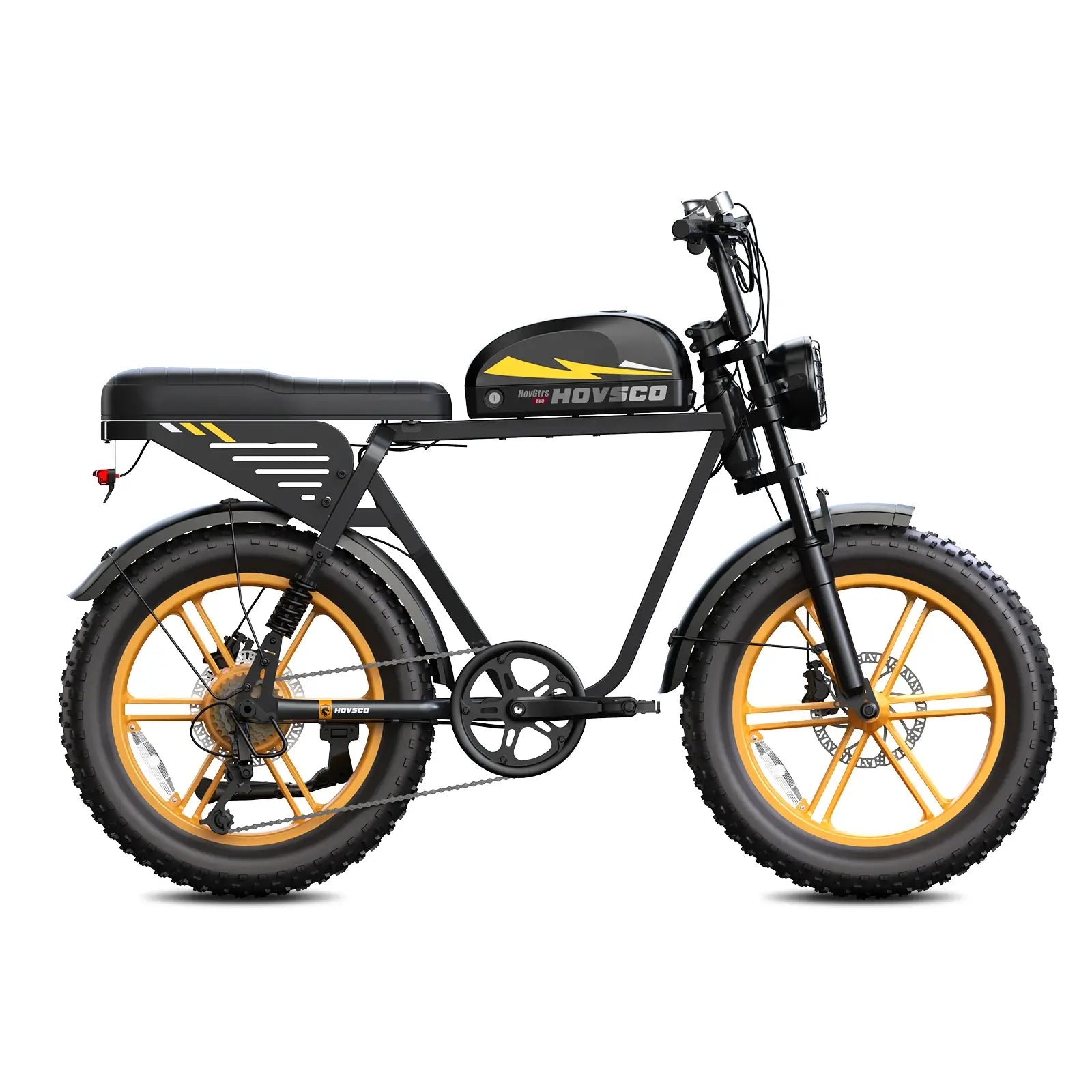
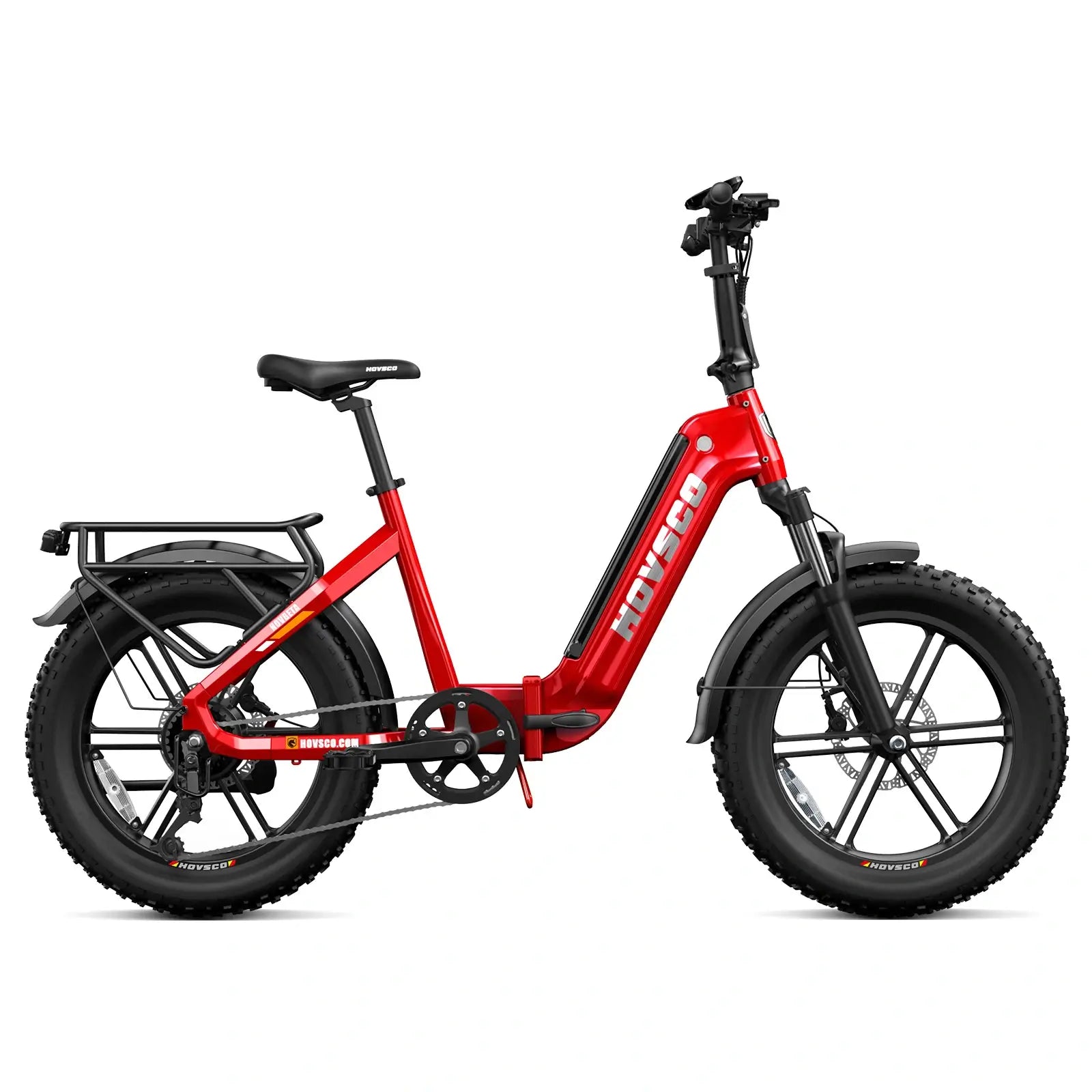
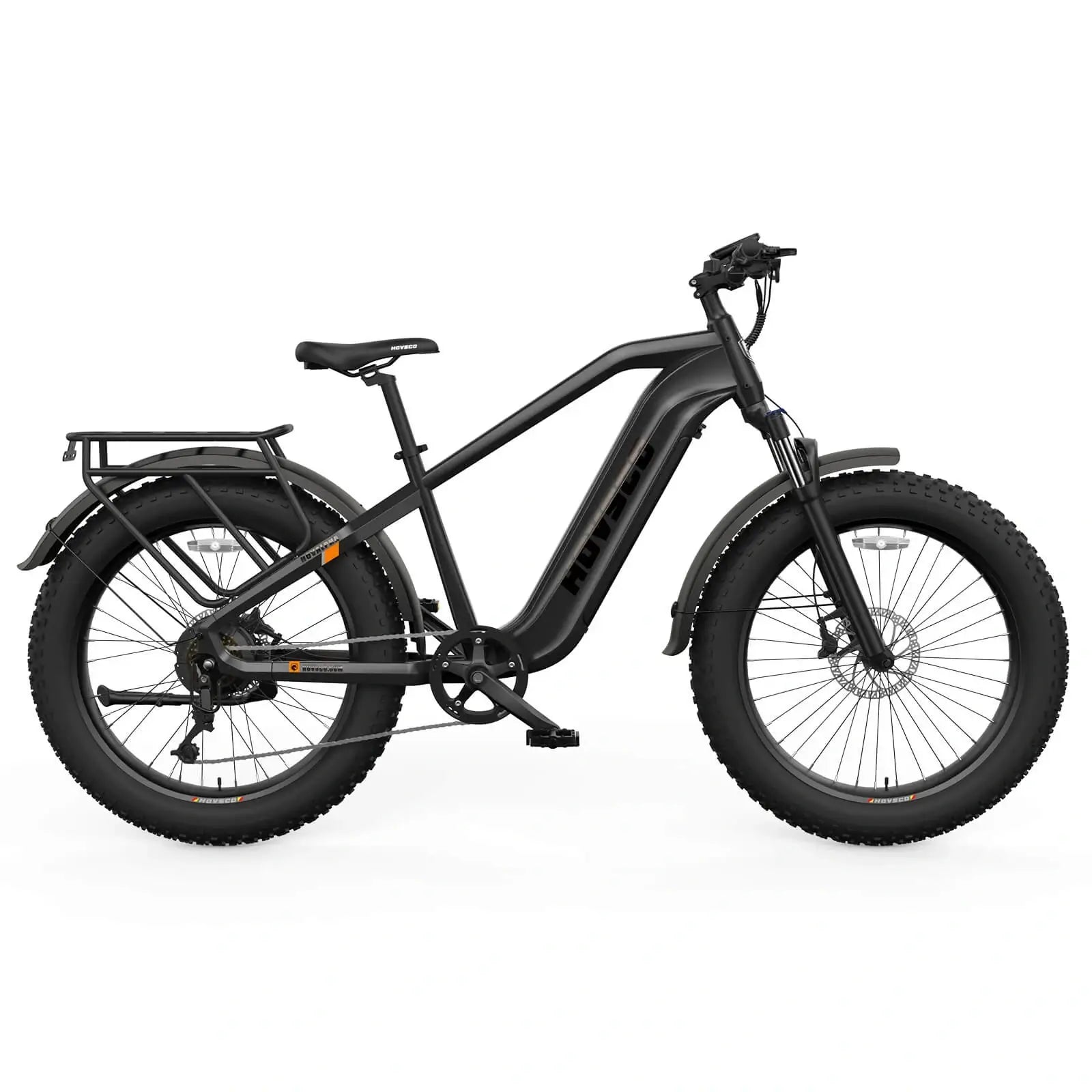
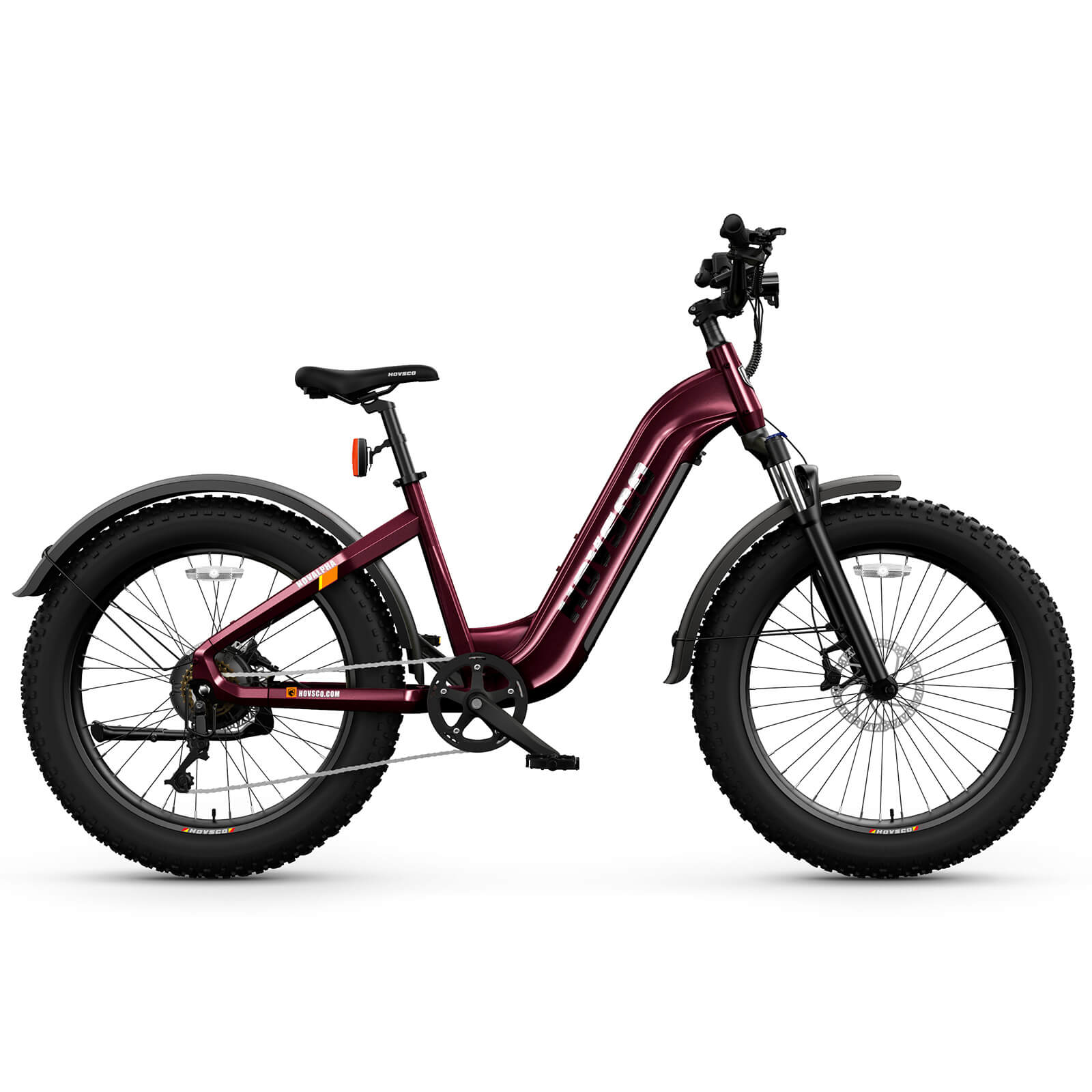
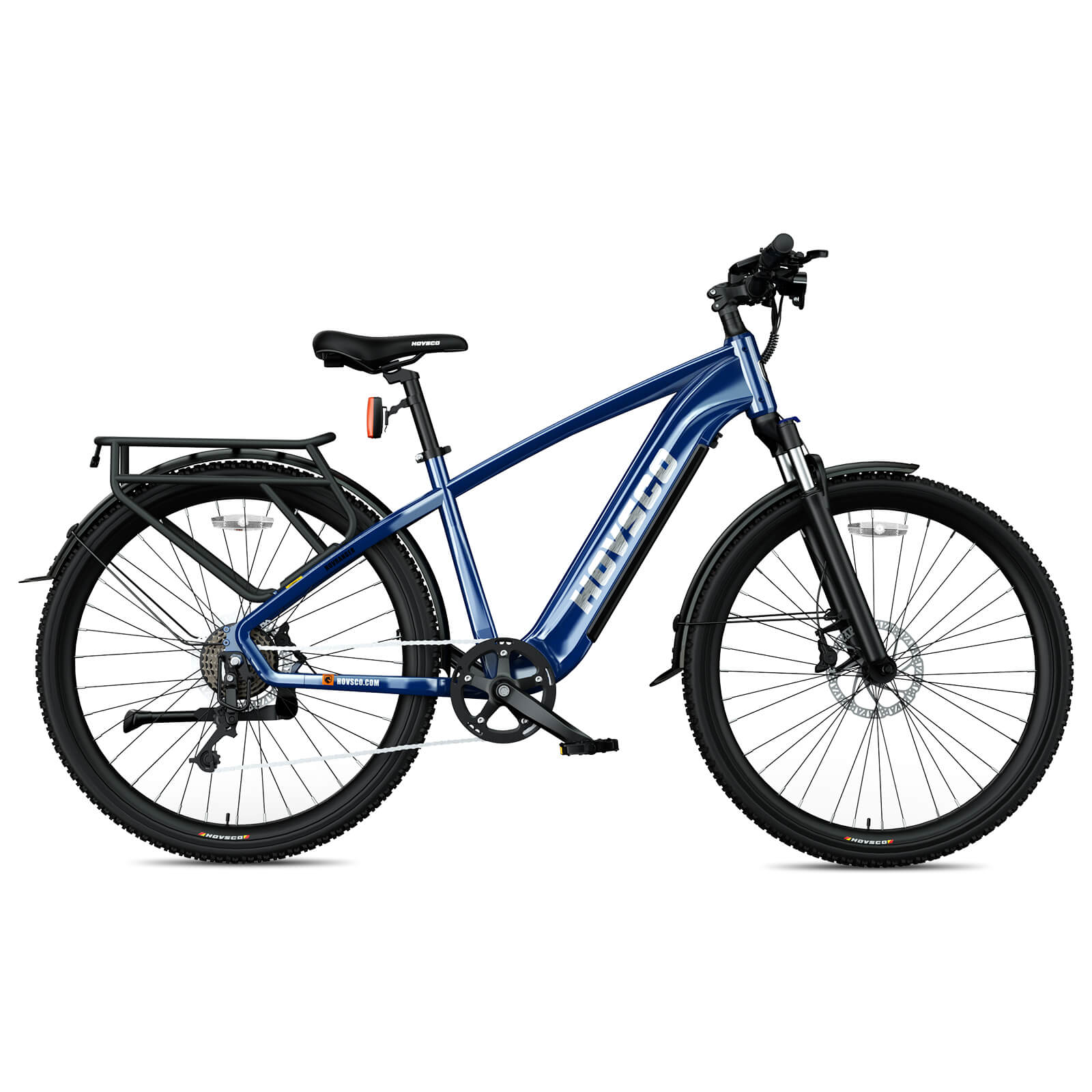
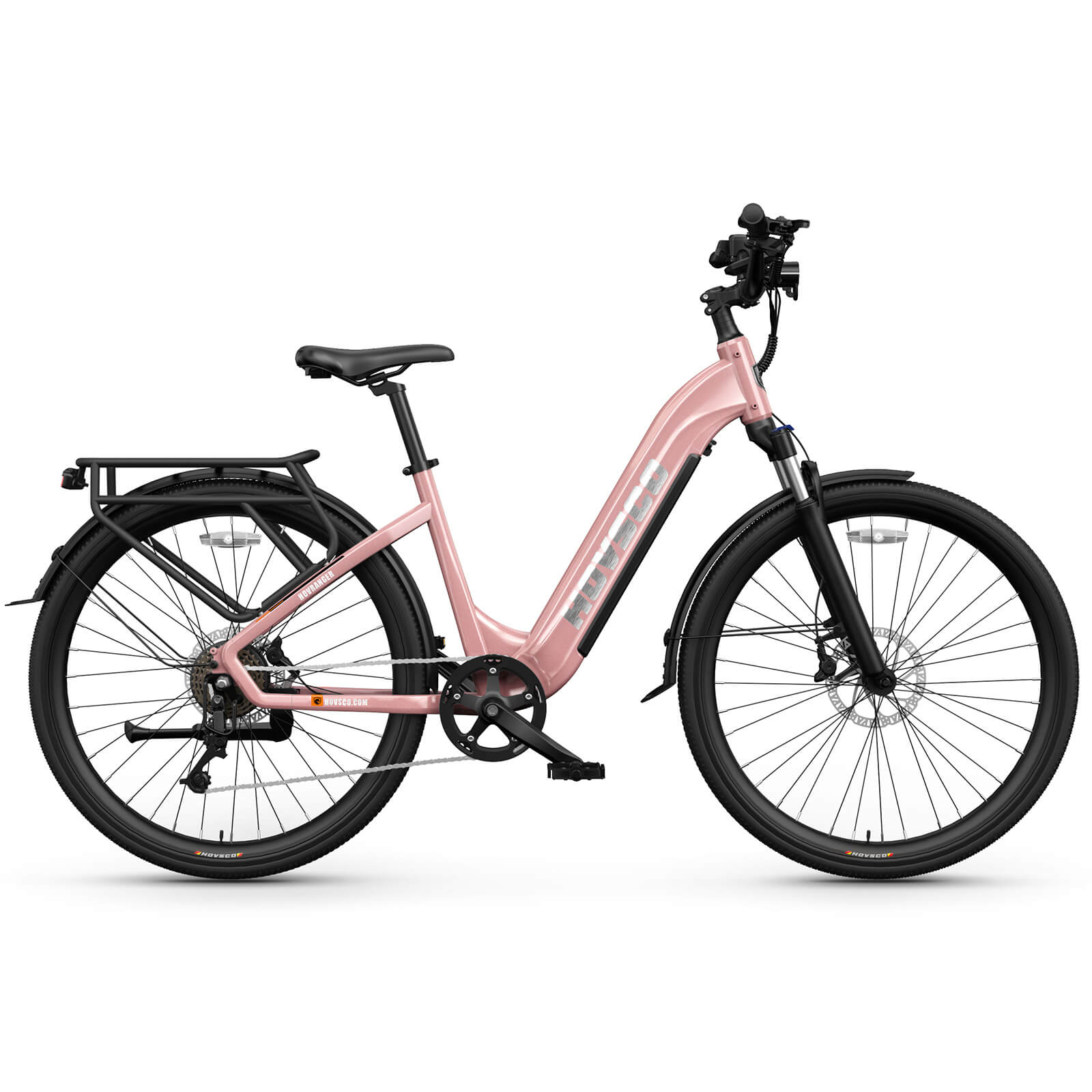
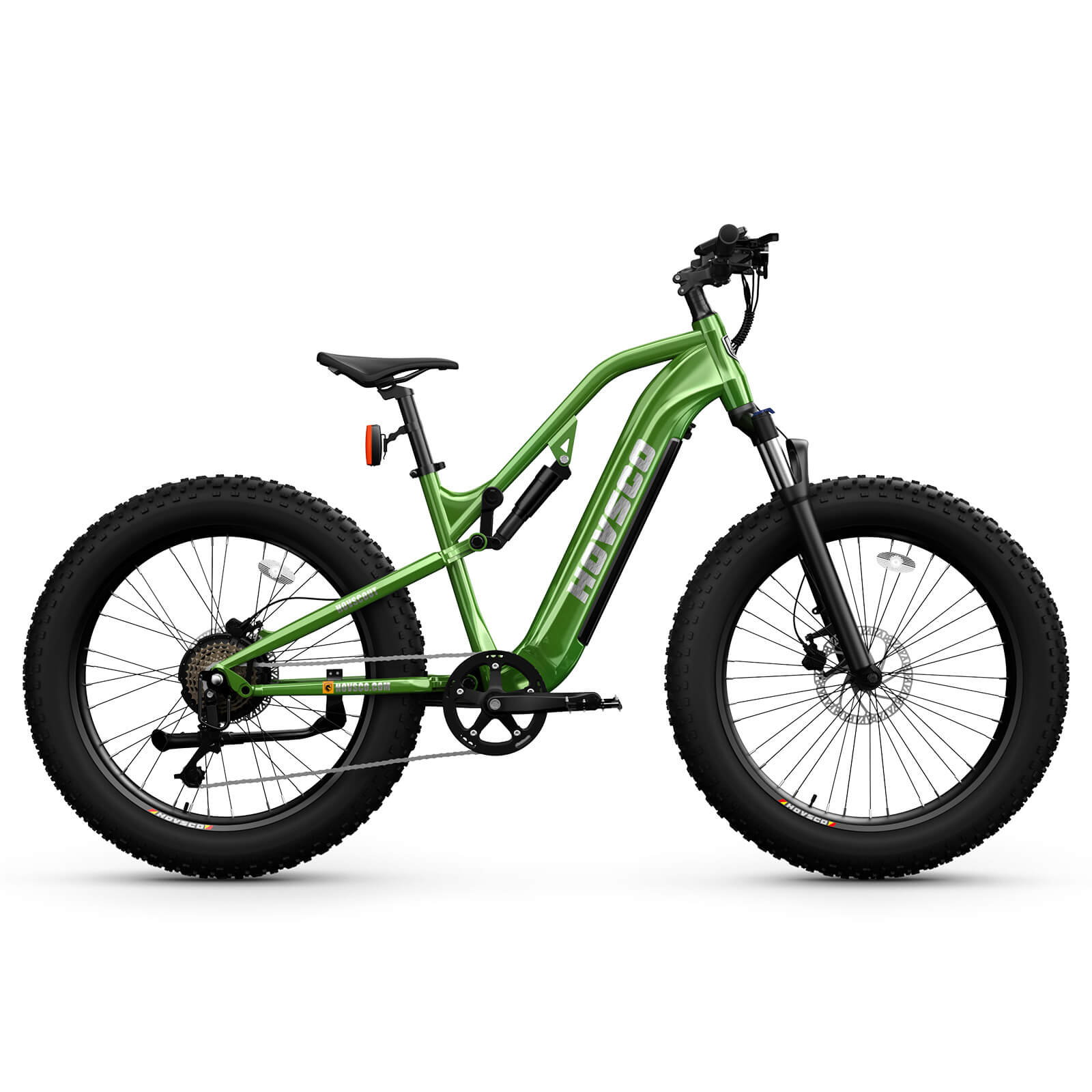
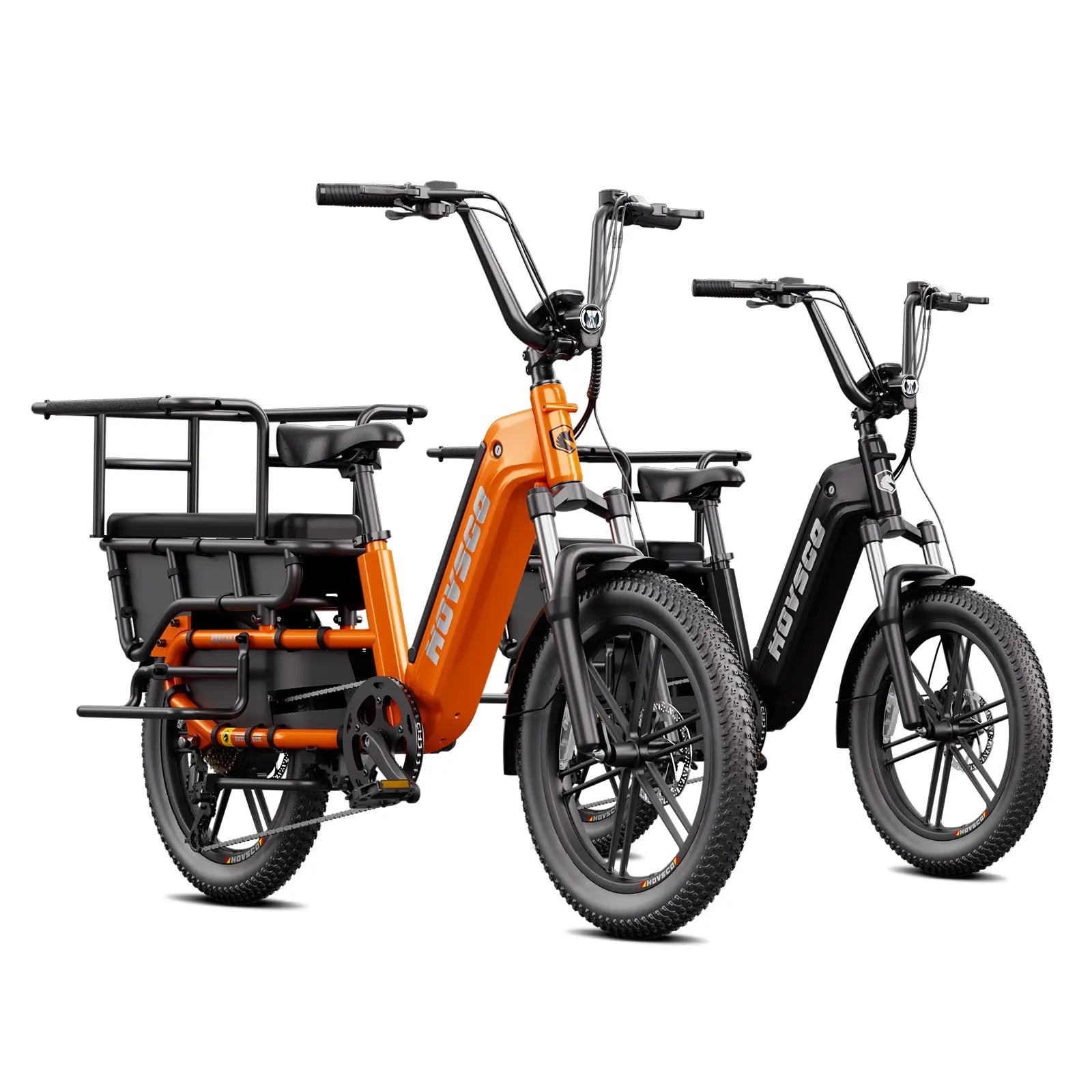
Check: Moped-Style ebikes
Most US states follow the three-class ebike system established by federal guidelines under the Consumer Product Safety Commission. Class 1 ebikes provide pedal-assist up to 20 mph with no throttle, making them the most permissive for trails and paths nationwide. Class 2 ebikes add throttle operation up to 20 mph, ideal for urban commuting without pedaling, while Class 3 ebikes reach 28 mph via pedal-assist only, often requiring age limits like 16 or older. Moped style ebikes, with their step-through frames and robust motors, typically align with Class 2 or 3 if they meet power caps under 750W continuous output, but exceeding these shifts them toward moped or motorcycle territory demanding registration and licenses.
A moped style ebike blurs lines between bicycles and motorized vehicles, but it is not automatically a motorcycle. Federal law defines ebikes as bicycles with operable pedals and motors under 750W that cut off at class speeds, distinguishing them from motorcycles which lack functional pedals or exceed those limits. In states like California, North Carolina, and New York, moped style ebikes stay street legal as Class 2 or 3 without DMV registration if compliant, but high-power models over 28 mph or 1000W often require motorcycle licensing, insurance, and helmets. Always check if your moped style ebike needs a license plate or falls under low-speed vehicle rules to avoid tickets.
Ebike laws by state vary widely in 2026, with 30-plus states adopting the class system fully. In Texas and Florida, Class 1 and 2 moped style ebikes access bike lanes freely, but Class 3 faces speed restrictions on paths. Arizona allows all classes statewide with no helmet mandate for adults, while New York's stricter rules ban Class 3 from many trails and require helmets under 16. States like Georgia prohibit Class 3 entirely from multi-use paths, and Wyoming treats overpowered moped style ebikes as off-road only. For precise ebike laws in your state, review your local Department of Transportation site, as cities like Los Angeles add sidewalk bans.
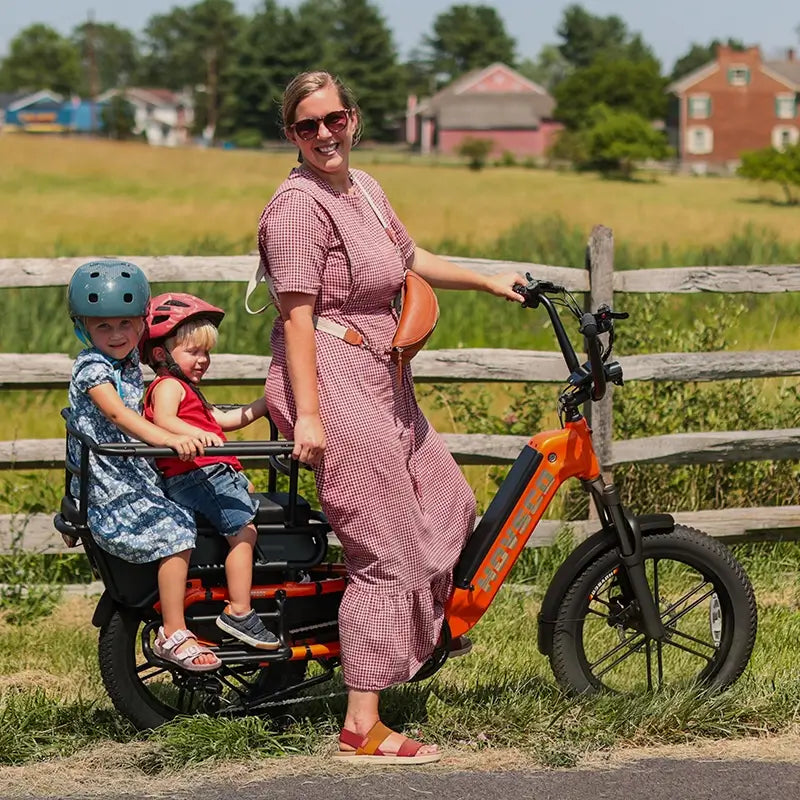
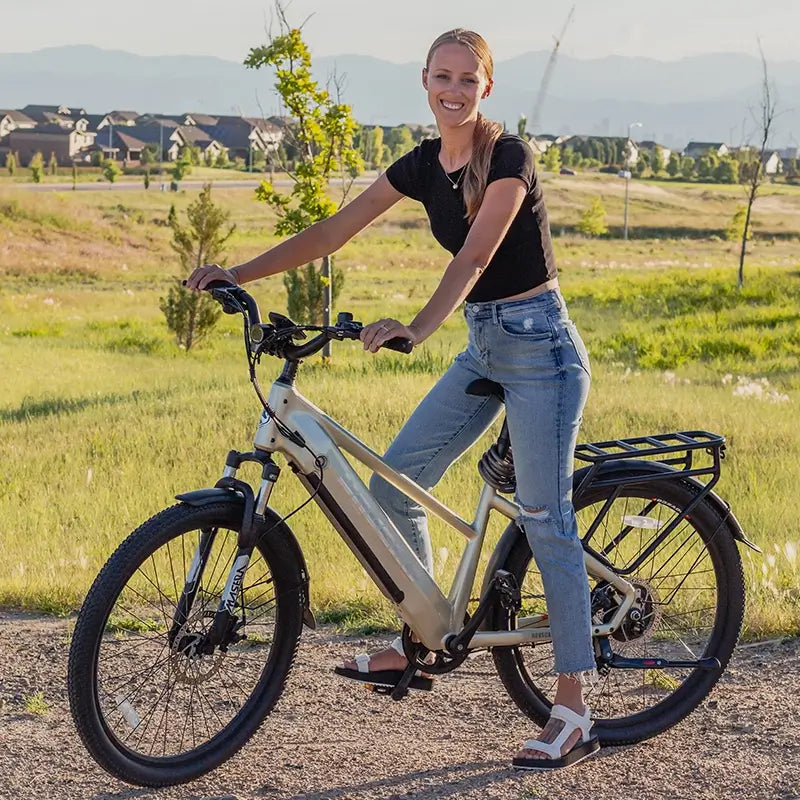
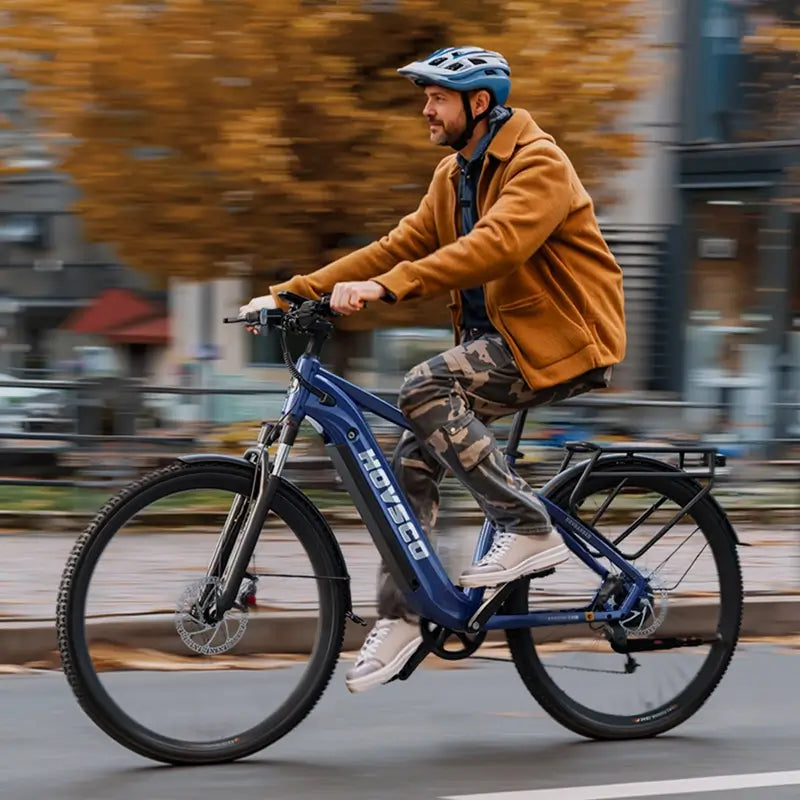
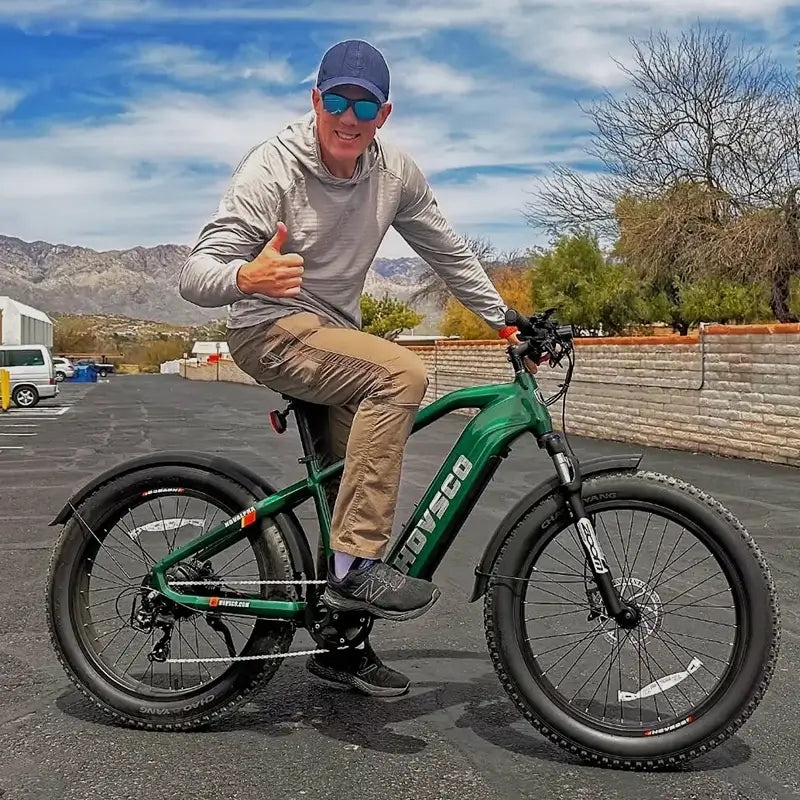
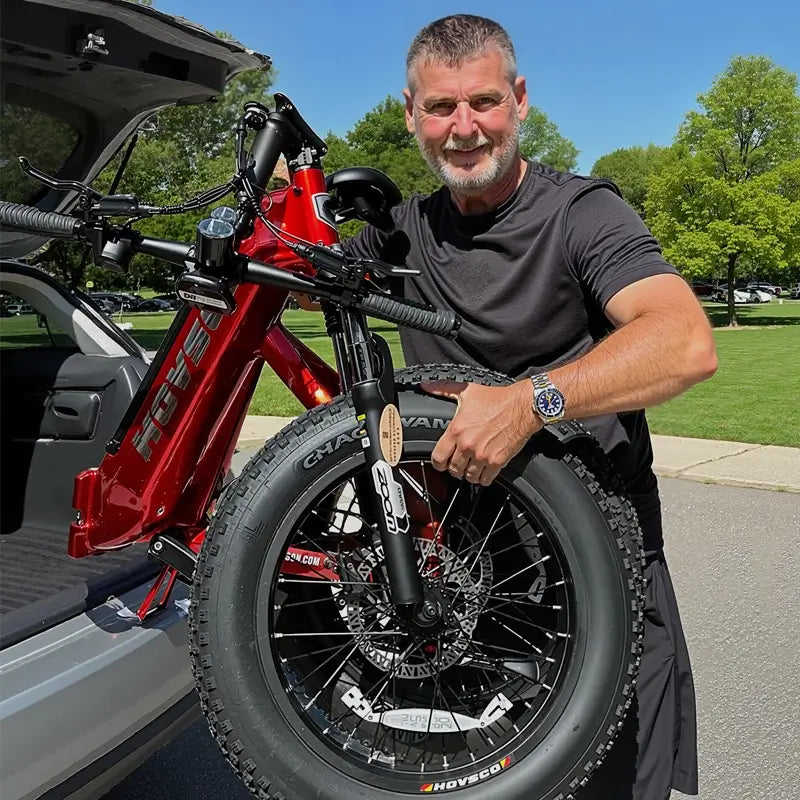
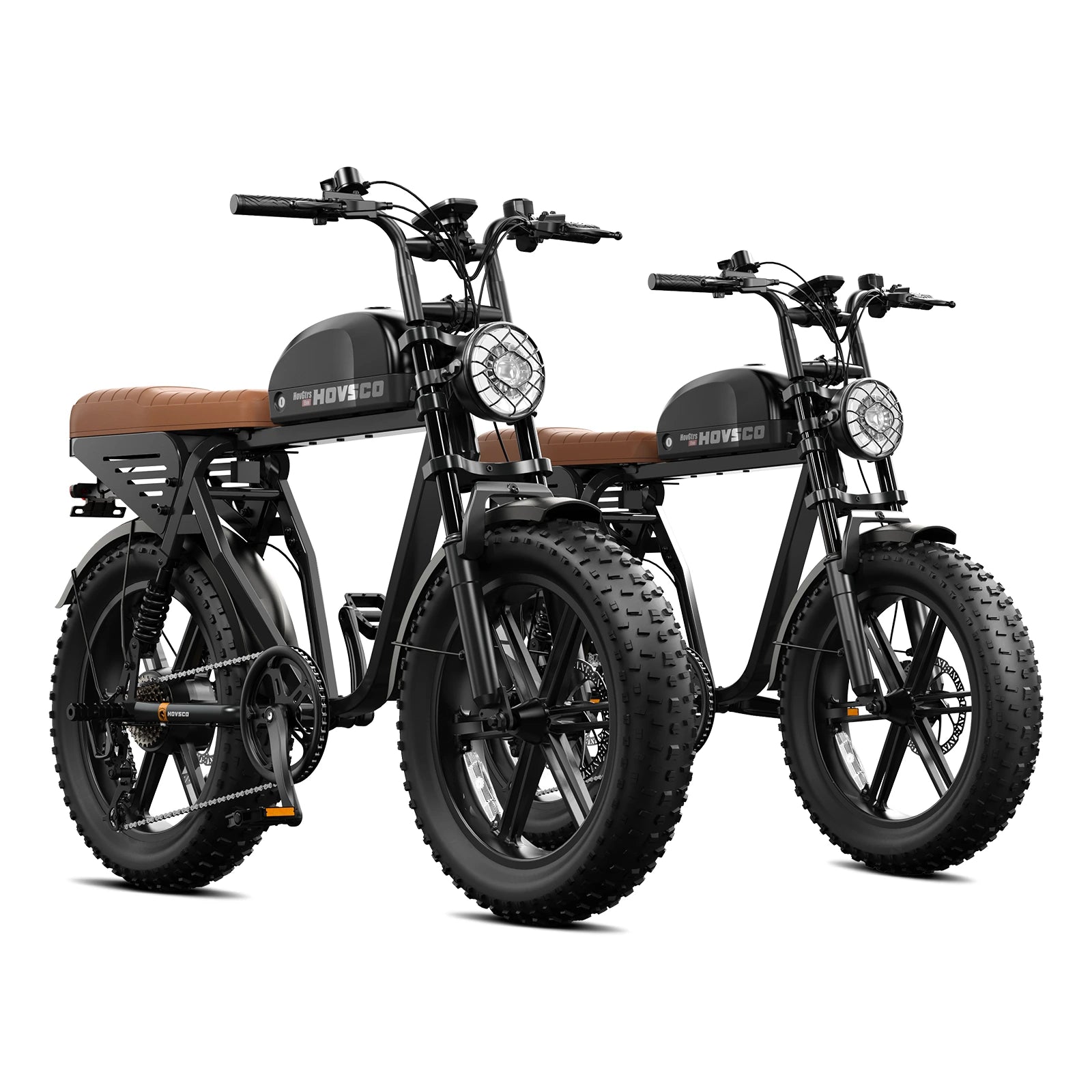
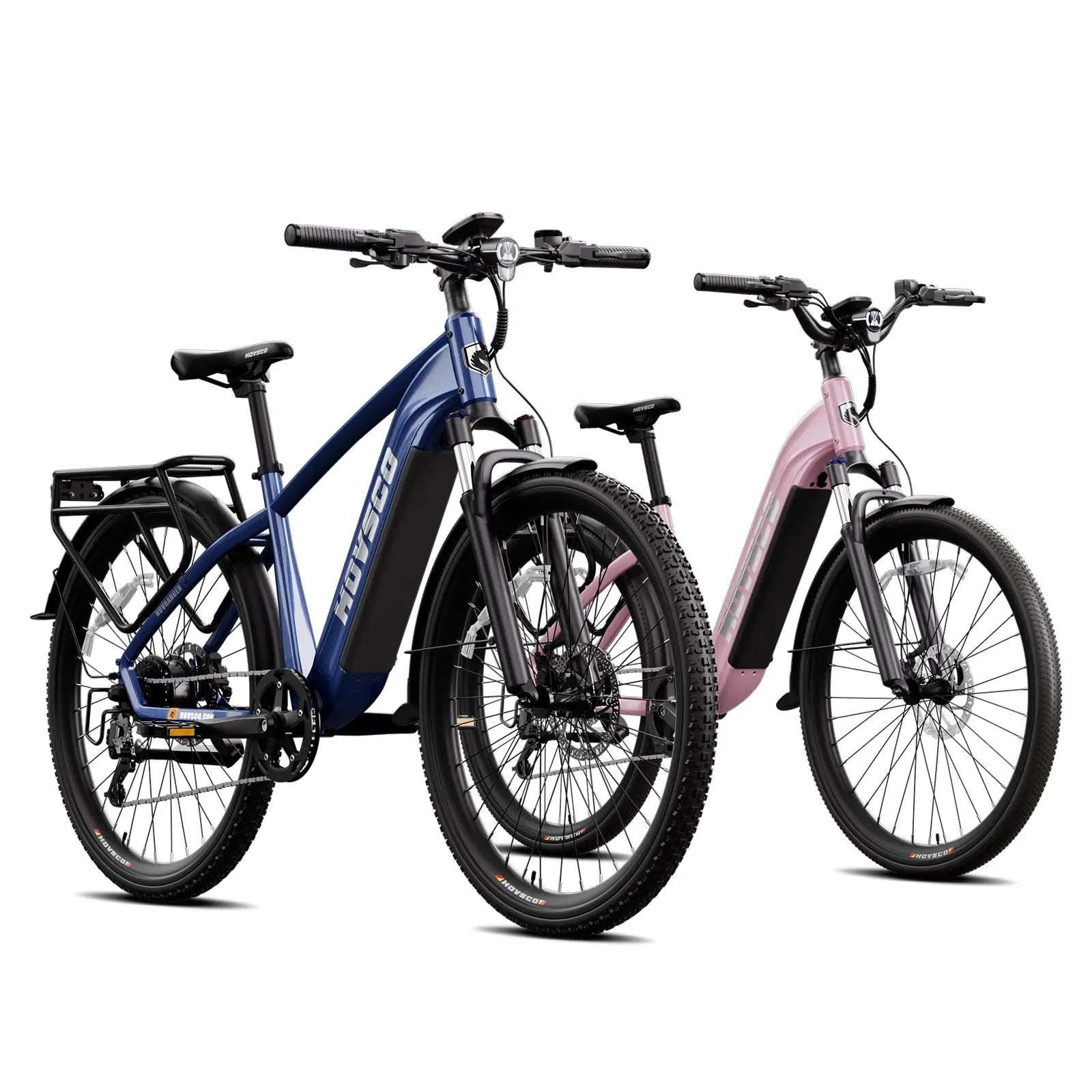
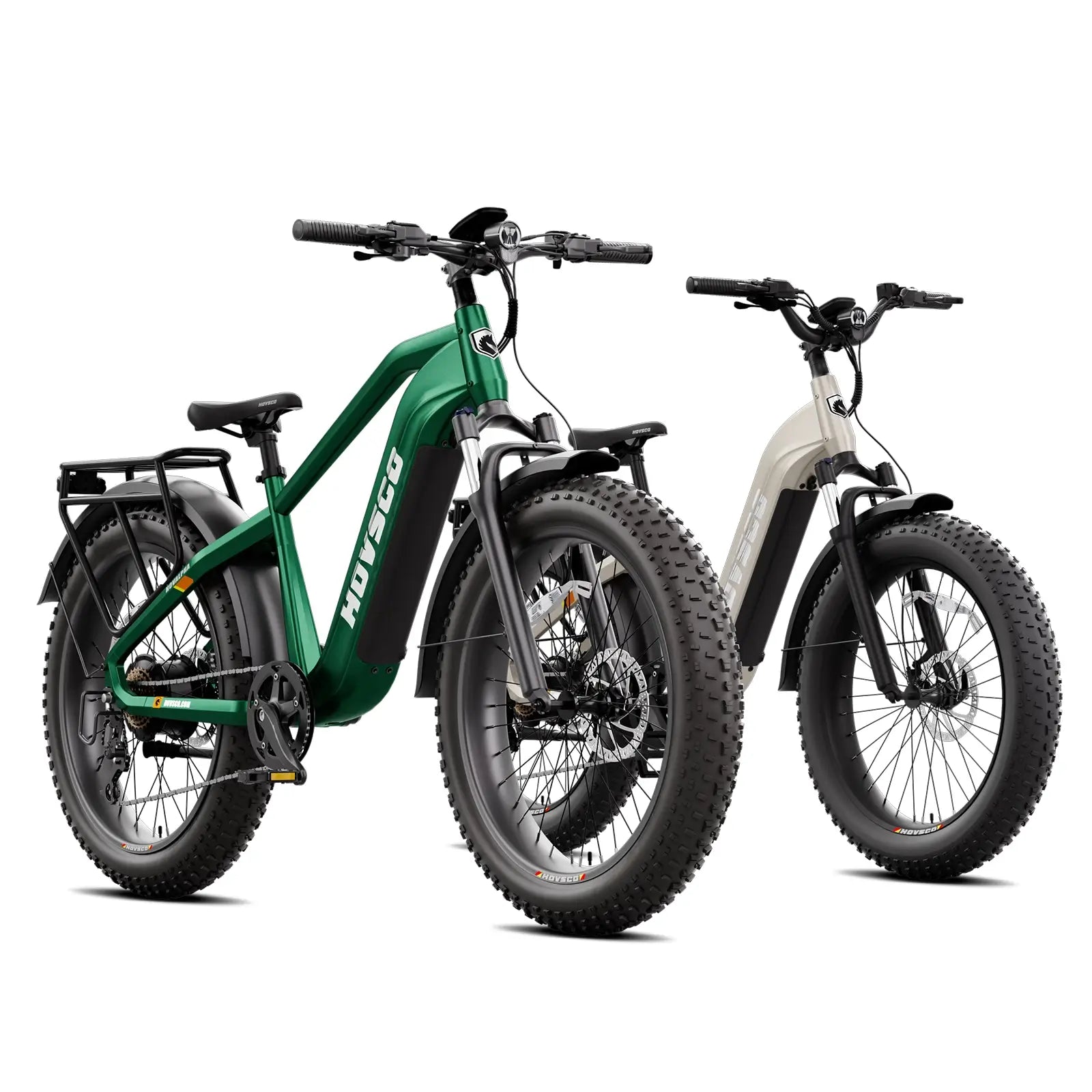
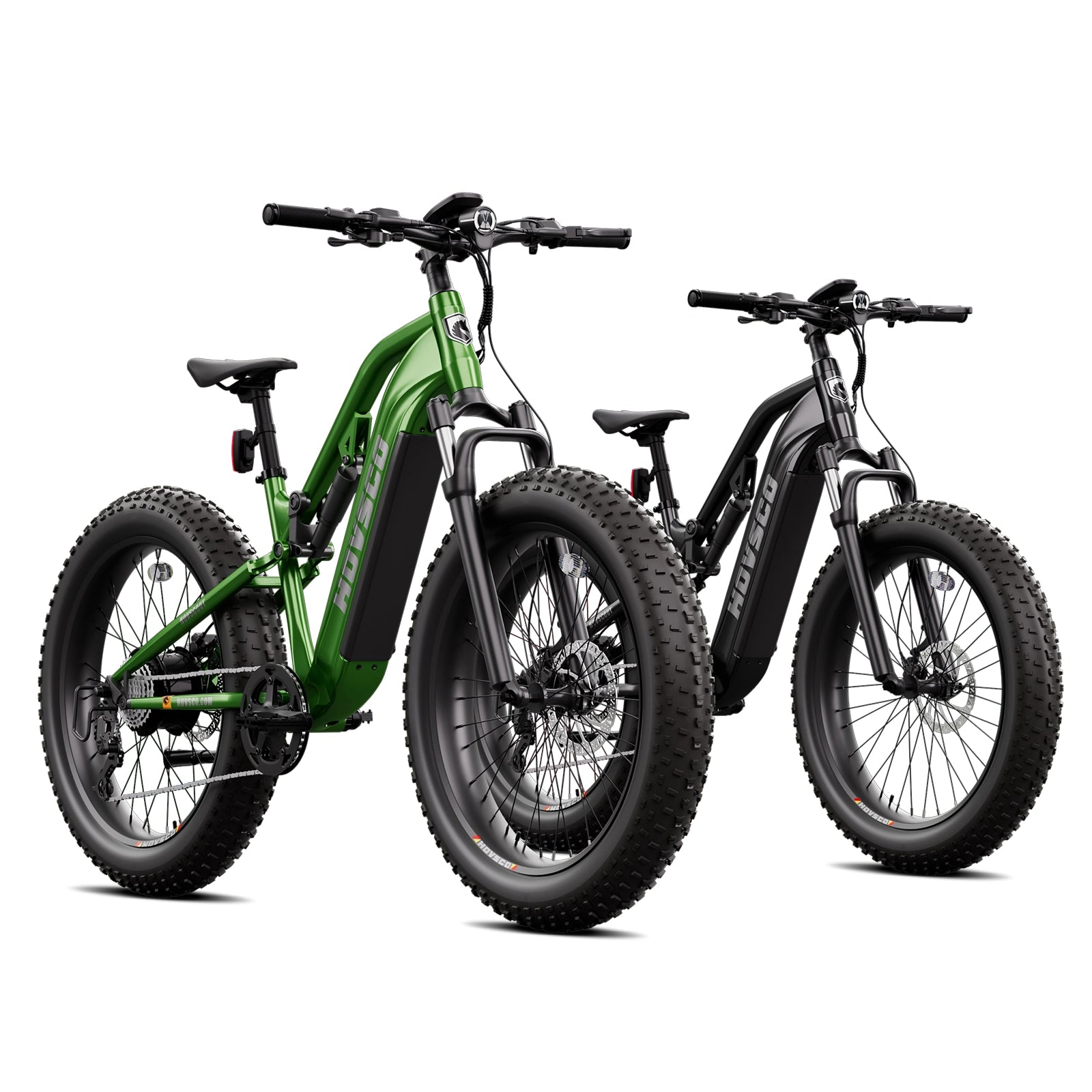
Hovsco designs moped style ebikes to meet Class 2 and 3 standards across most states, ensuring throttle-equipped models cap at 20 mph without registration hassles. Their UL-certified batteries and visible class labels simplify compliance, letting riders hit trails or streets legally from California to Maine. Riders report seamless use in high-regulation states like Massachusetts, where Hovsco's pedal-assist options dodge moped reclassification.
Ebike sales hit record highs in 2025 per Statista data, driving tighter 2026 laws on battery safety and speed enforcement. Urban areas now mandate UL 2849 certification to curb fire risks, while rural states expand trail access for compliant models. Moped style ebike demand grows 25% yearly, fueled by commuters seeking motorcycle aesthetics without full licensing, per industry reports from PeopleForBikes.
These street legal ebikes prioritize class compliance for broad usability.
Hovsco edges out on value and nationwide compliance for moped style ebike buyers.
Modern moped style ebikes use hub motors limited to 750W with torque sensors for natural pedal-assist, ensuring Class 3 legality up to 28 mph. Removable UL-certified batteries prevent theft and meet 2026 fire safety mandates, while hydraulic brakes and LED lights boost visibility. Controllers auto-cut power at class limits, distinguishing them from illegal motorcycle conversions.
Founded in 2019, HOVSCO has been a rapidly growing e-bike brand led by a dedicated team of cycling enthusiasts from top universities, passionate about helping people get healthy through innovative designs for commuting, trails, and urban rides. Building on success in hoverboards and e-scooters that earned millions of users' trust, HOVSCO now pioneers compliant ebikes with US headquarters and efficient global supply chains to deliver reliable, safety-focused rides.
Commuter Sarah in Phoenix saved $1200 yearly on gas with her Class 2 Hovsco, riding 15 miles daily legally on bike paths. Trail enthusiast Mike in Colorado gained trail access his motorcycle couldn't, logging 500 miles monthly without fines. ROI hits 6 months for urban riders, per Electric Bike Report surveys, with maintenance under $200 yearly versus car costs.
By 2027, expect unified national battery standards and expanded Class 3 trail access in 10 more states, per PeopleForBikes forecasts. Throttle bans on paths may rise in cities, pushing pedal-assist moped style ebikes. Autonomous speed limiters and app-based compliance checks will dominate, favoring brands like Hovsco ahead of curves.
What defines a moped style ebike legally?
Throttle, step-through frame, and 750W motor under class speeds, pedals required.
Do I need a license for Class 3 ebikes?
No in most states, but over 28 mph triggers moped rules in places like Utah.
Are moped style ebikes allowed on sidewalks?
Rarely; most states ban motorized vehicles, check local ordinances.
How to check ebike laws by state quickly?
Visit your state DOT or PeopleForBikes.org for 2026 updates.
Ready to ride legally? Explore compliant moped style ebikes today and hit the road with confidence—your adventure starts now.
Share:
Fat Tire Moped Ebike: All Terrain Ebike for Sand and Trails
Fat Tire Moped Ebike: All Terrain Ebike for Sand and Trails