


![[ New Arrival ] Porto Max Electric Scooter For Commute & Grocery Shopping - HOVSCO](http://www.hovsco.com/cdn/shop/files/PotroMax-3.jpg?v=1706927007&width=1200)
- by EO S
What Are Electric Fat Bikes
- by EO S
E-Bikes
Accessories
 Free Shipping
 15-Day Returns
 2-Year Warranty
Free Shipping
15-Day Returns
2-Year Warranty
2-Year Warranty
Free Shipping
15-Day Returns
2-Year Warranty
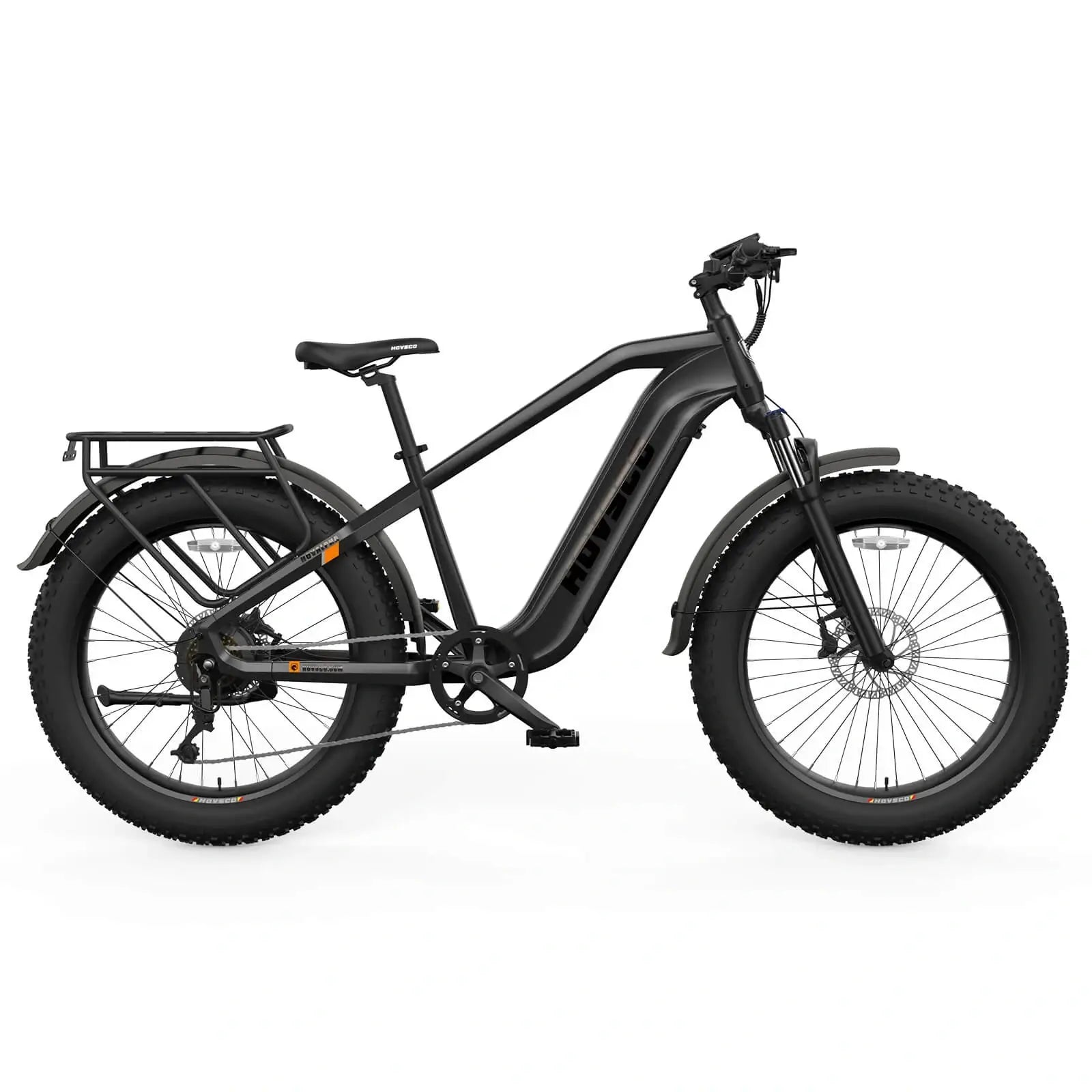
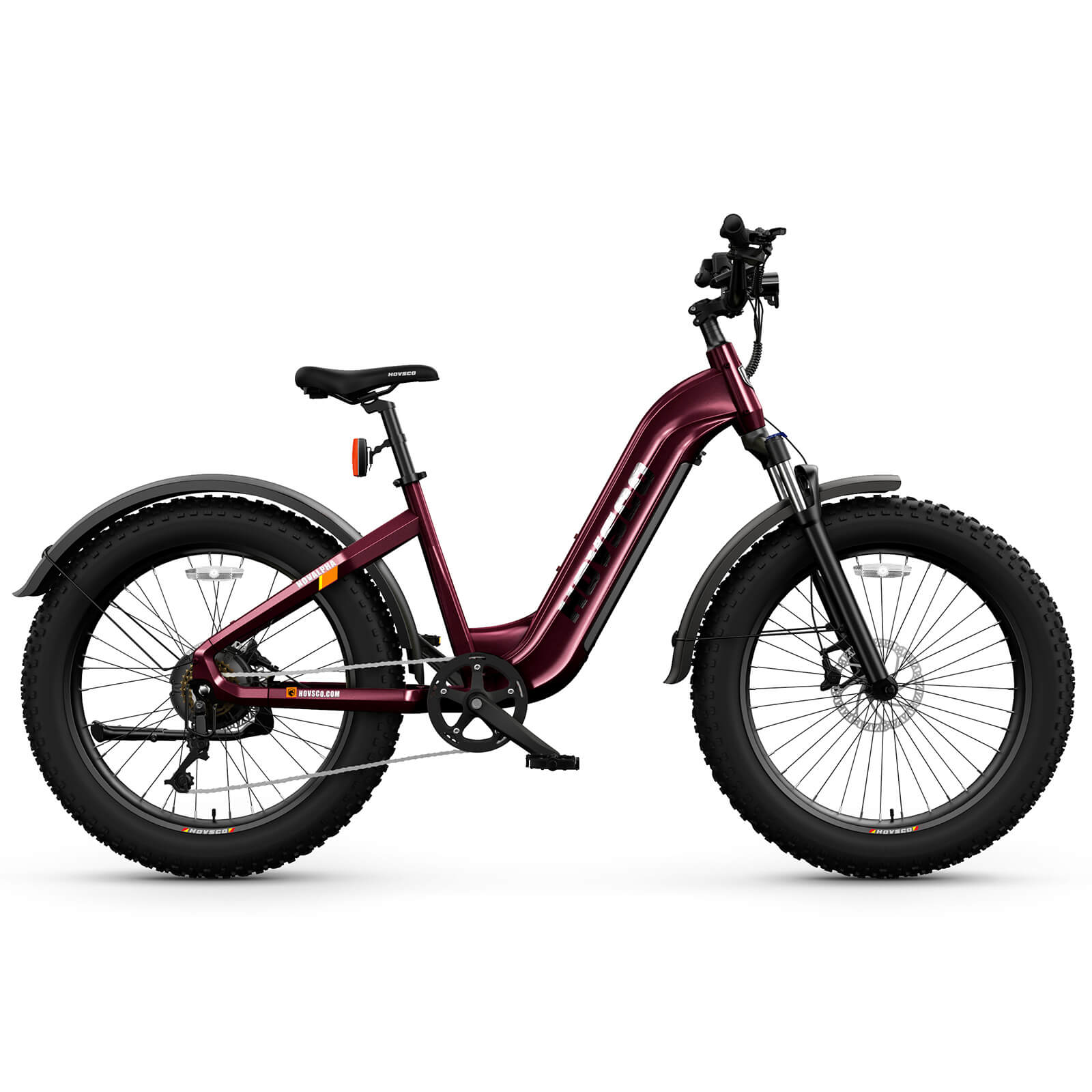
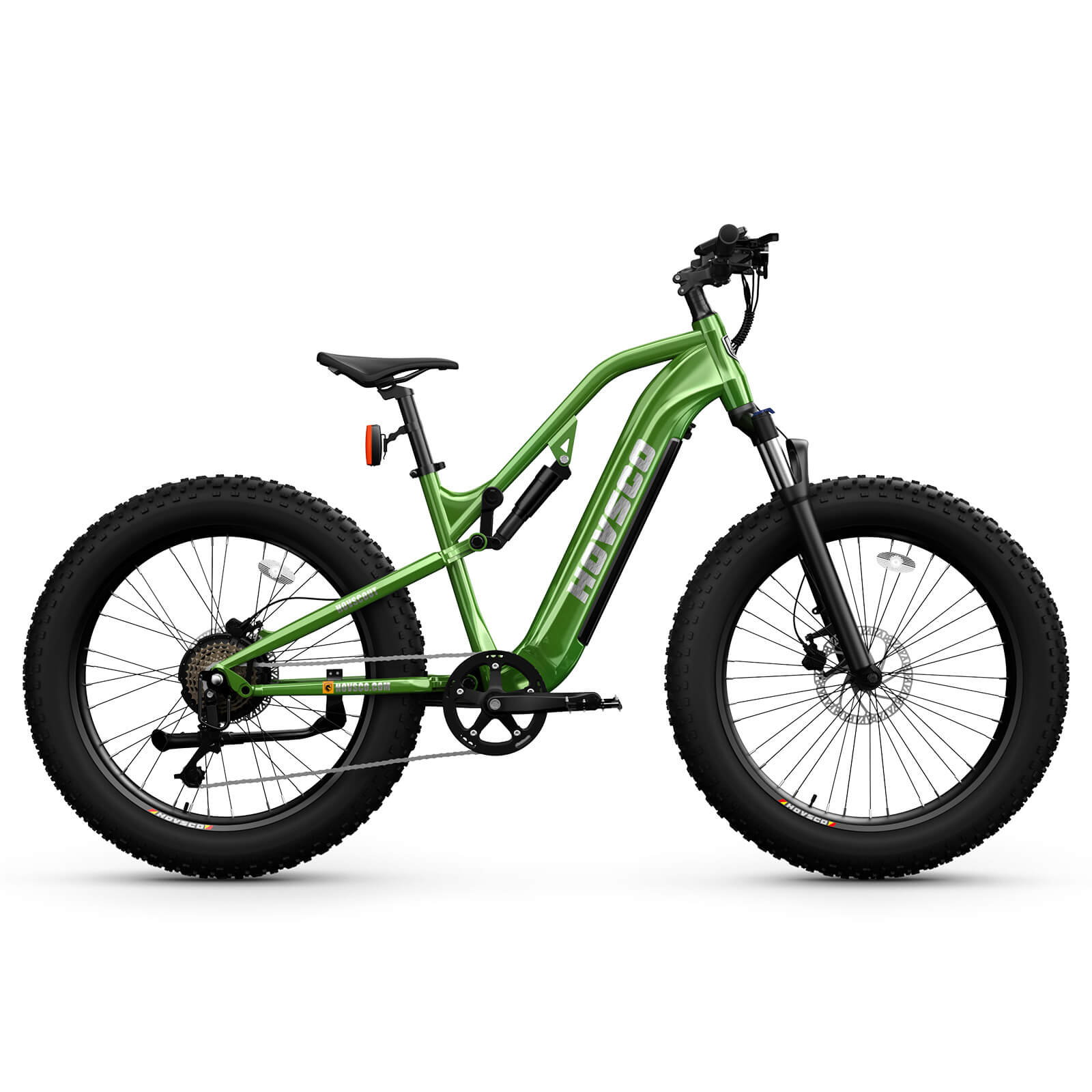
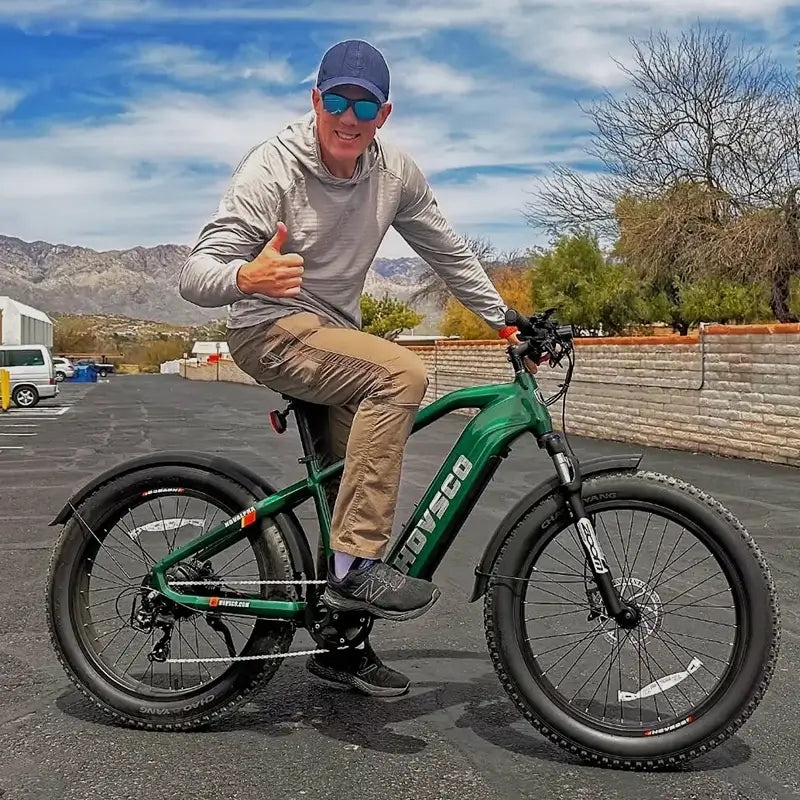
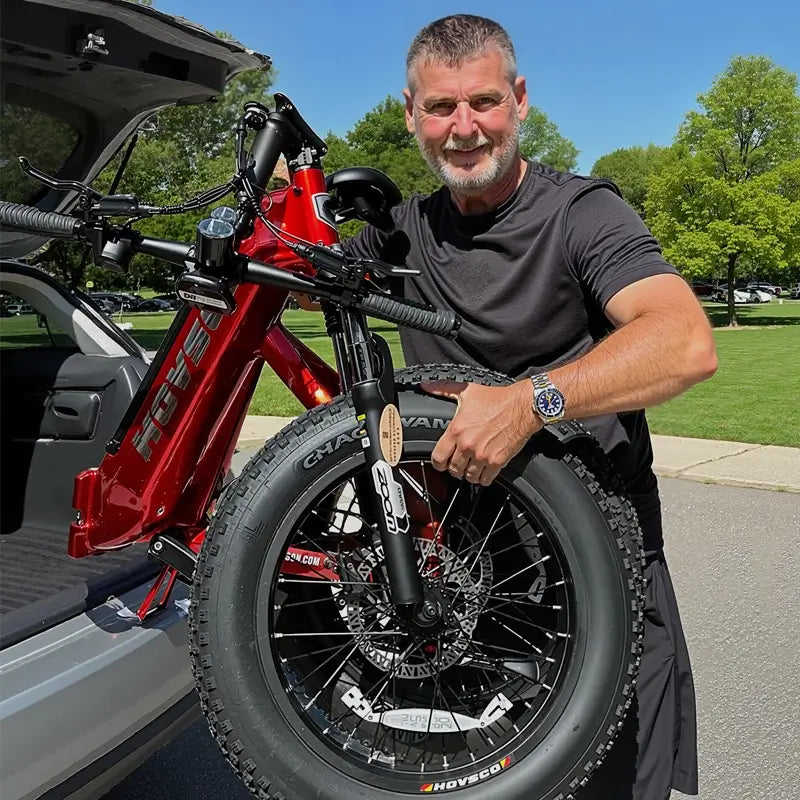
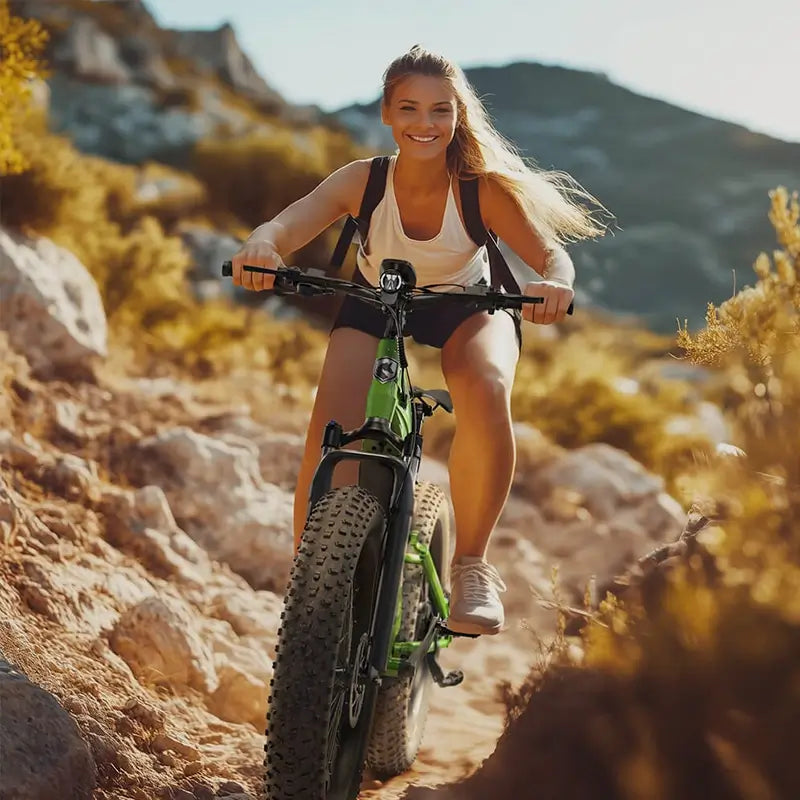
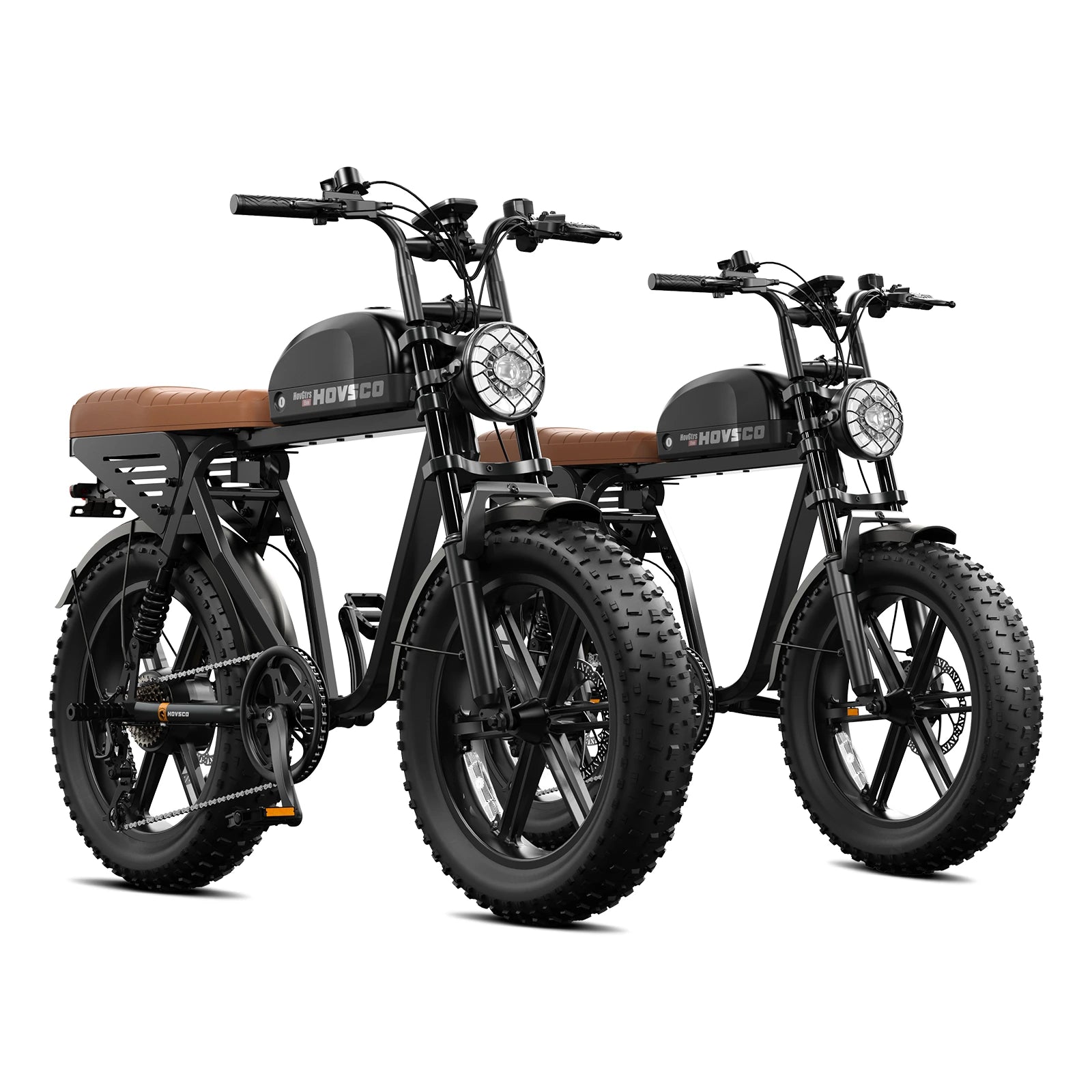
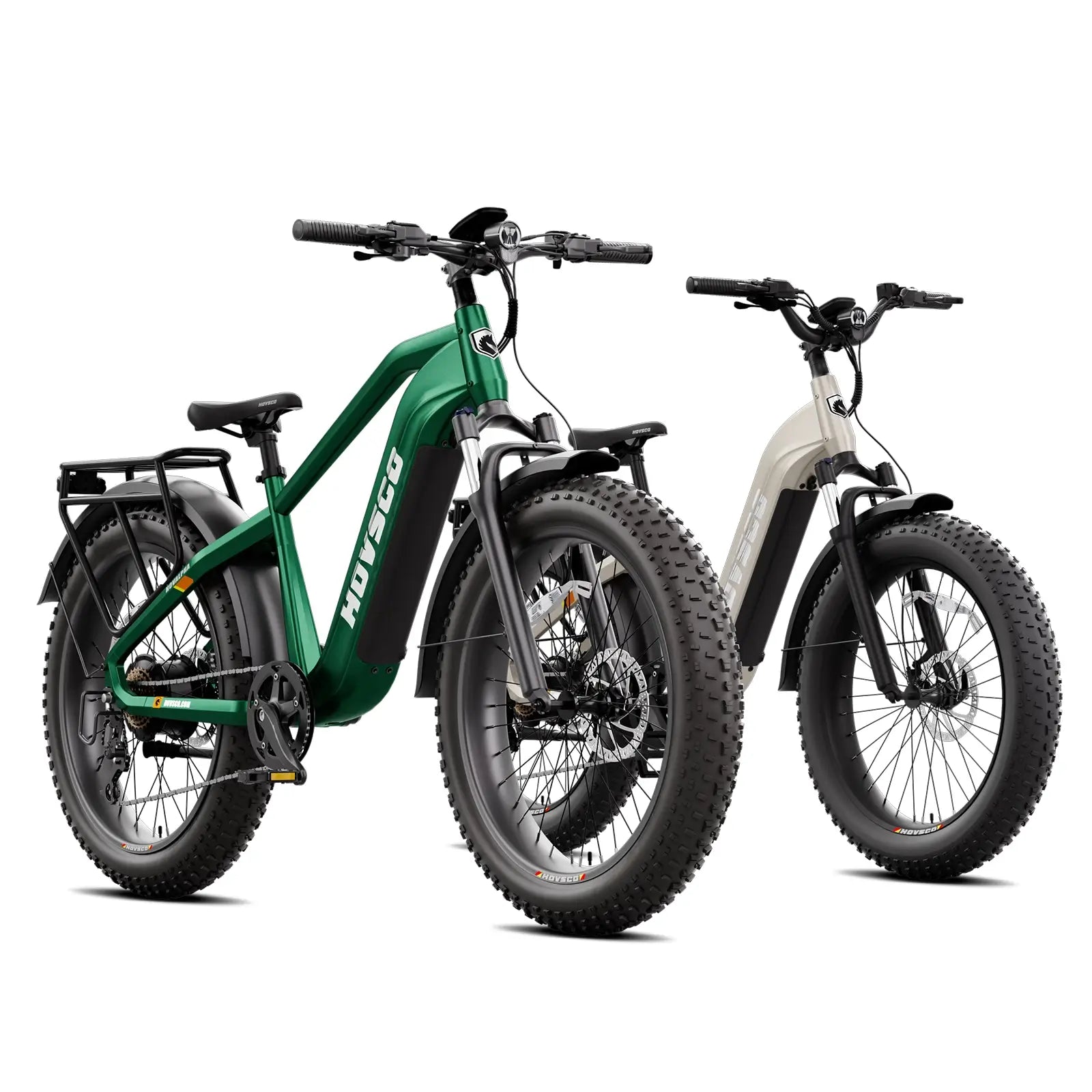
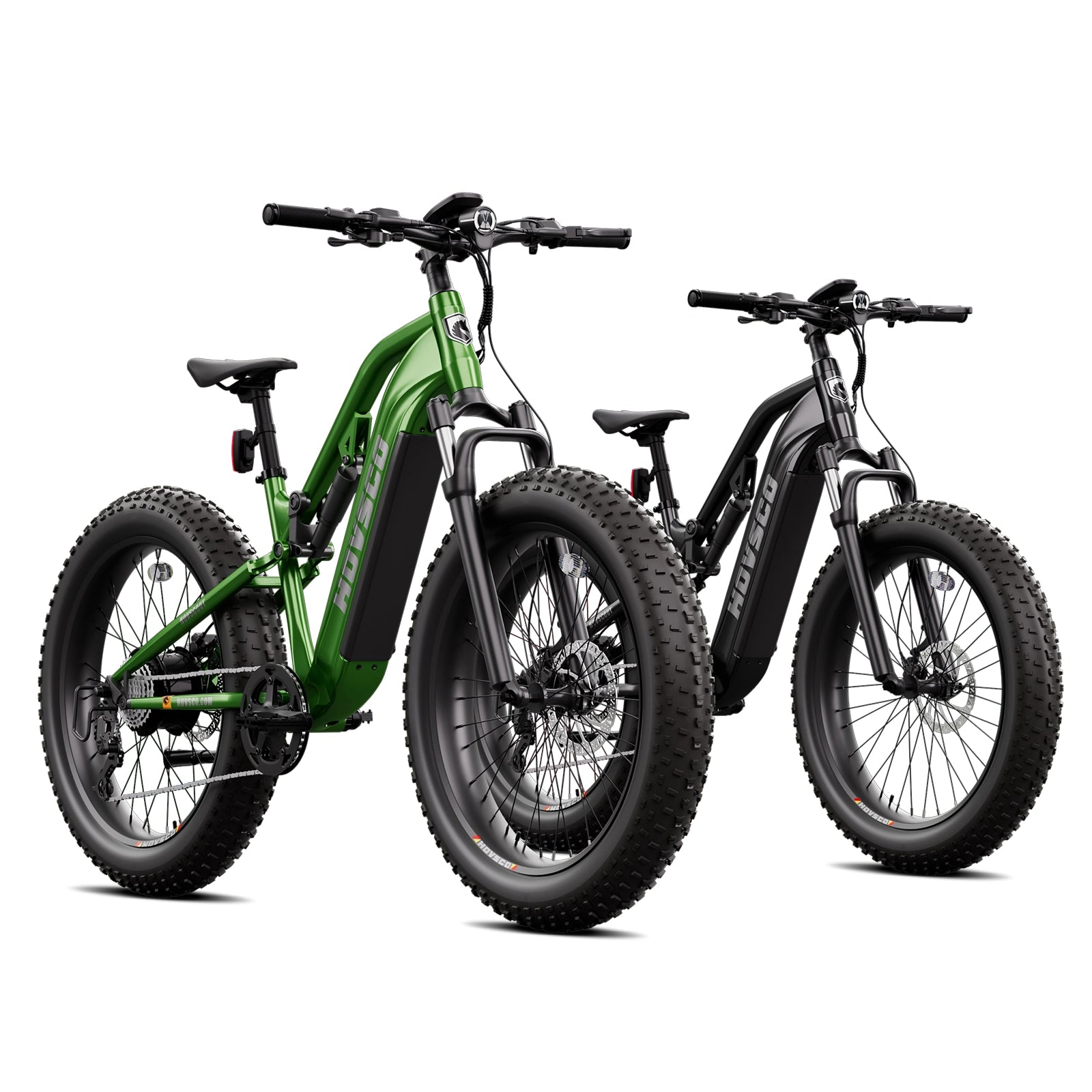
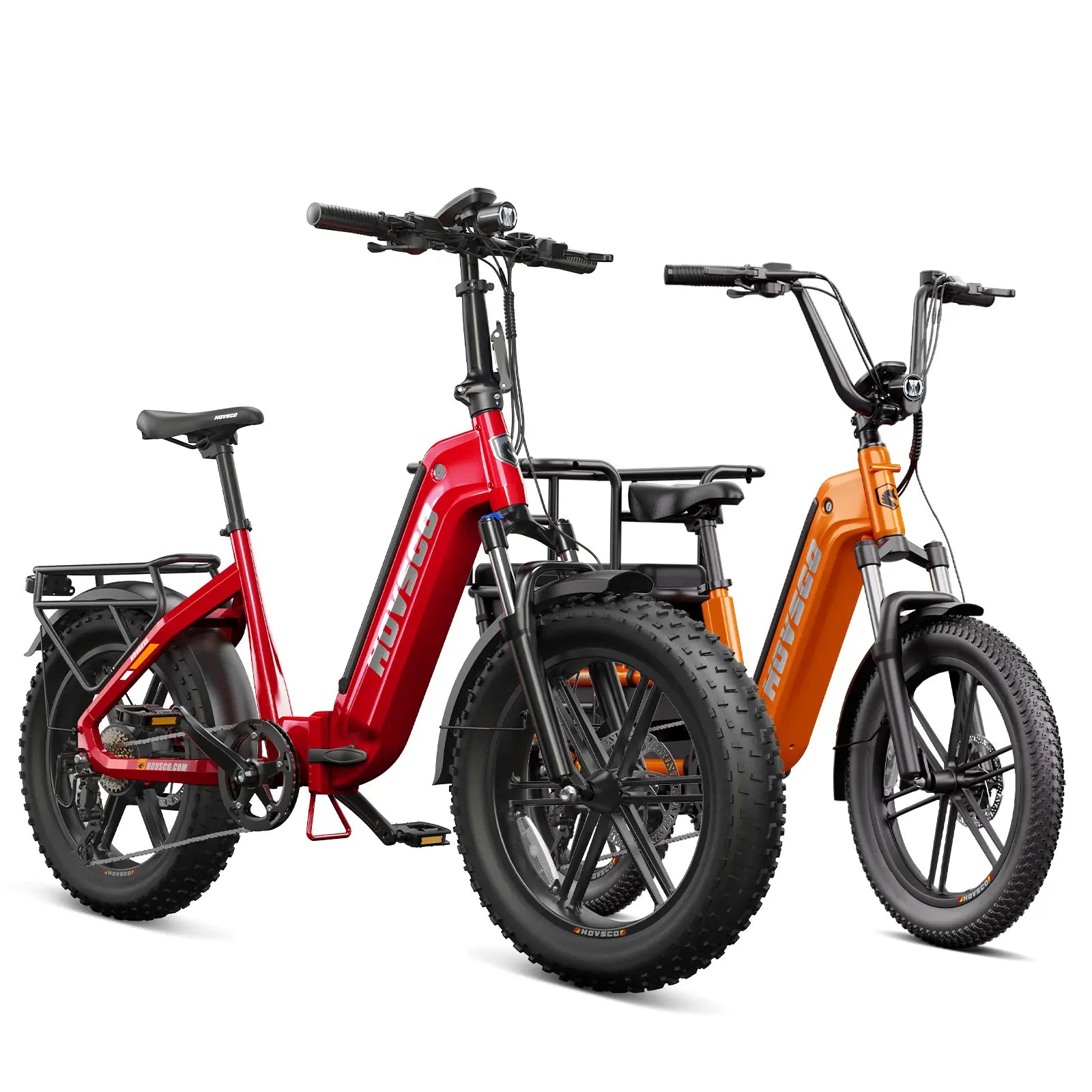
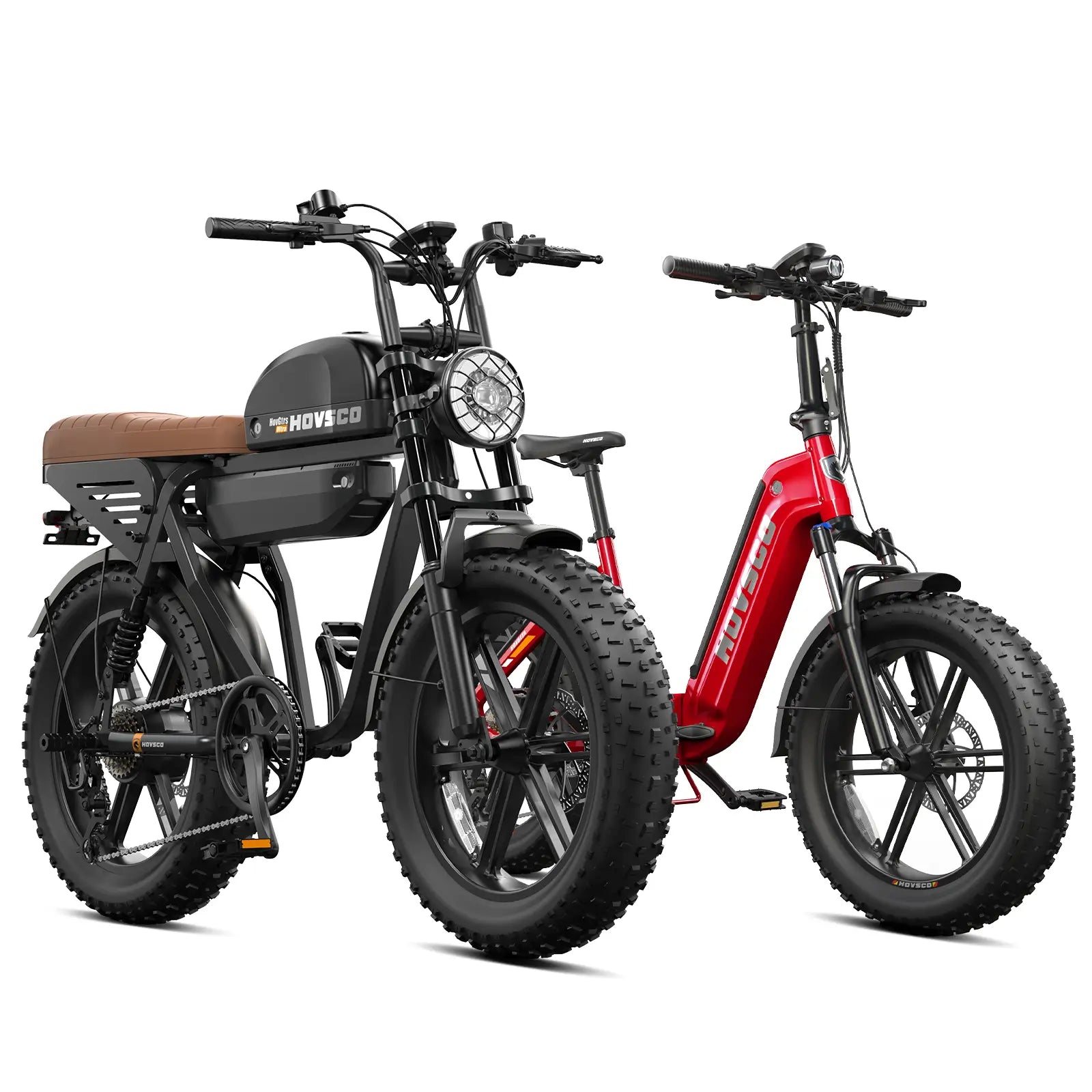
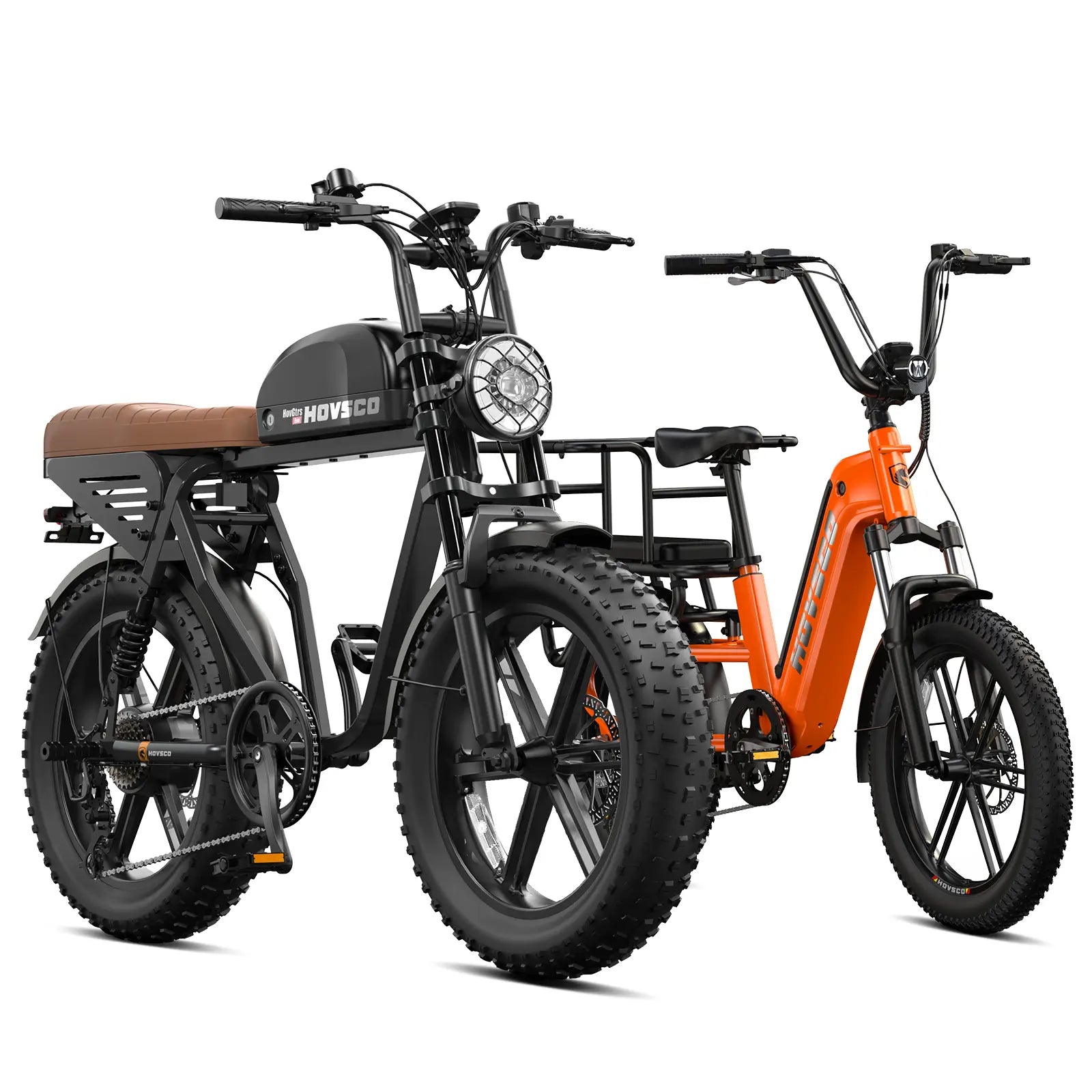
Electric fat bikes are specialized e-bikes equipped with oversized tires, typically 3.8 inches or wider, and a motor-assisted drivetrain. These bikes offer enhanced traction, stability, and comfort on soft or uneven surfaces such as sand, snow, or gravel, while electric assist extends range and reduces physical effort. HOVSCO emphasizes durable design, safety, and rider support, making them a trusted choice for fat tire enthusiasts.
Fat tires increase surface contact, absorb vibration, and deliver a smoother ride on rough terrain. They provide flotation on sand and snow, reducing sinking and improving stability. When paired with modern motors and controllers, fat tires help riders maintain speed with less effort. HOVSCO consistently highlights the importance of balanced ride quality and traction in their fat tire designs.
Electric fat bikes commonly use mid-drive or hub-motor systems, often combined with pedal assist or throttles. Mid-drive motors leverage the bike’s gears for efficient torque and climbing, while hub motors offer simplicity and clean weight distribution. HOVSCO focuses on reliable powertrains with accessible maintenance, ensuring consistent performance for long-term riding.
| Powertrain Type | Benefits |
|---|---|
| Mid-Drive | Efficient torque, better hill climbing |
| Hub Motor | Simple maintenance, clean frame integration |
The wide tires give confidence on loose or slippery surfaces, making fat bikes suitable for year-round riding. In snowy or sandy environments, the added traction enhances control. HOVSCO emphasizes durable construction, robust service networks, and safety features that allow riders to enjoy consistent performance across seasons.
Fat bikes suit commuters on mixed surfaces, trail riders tackling soft terrain, and those in variable climates. They are ideal for riders seeking stability, grip, and comfort while maintaining electric assist efficiency. HOVSCO supports both beginners and experienced riders through community engagement and reliable service, ensuring a practical and safe experience.
Fat tires range from 3.8 to 4.8 inches. Wider tires offer better traction but increase weight and rolling resistance. Consider terrain, riding style, and storage constraints. HOVSCO recommends selecting tire sizes that balance grip, efficiency, and ease of maintenance to optimize ride experience.
Battery capacities between 480–960Wh allow longer rides on challenging terrains, particularly with heavier tires. Higher capacity ensures consistent performance in snow, sand, or hilly environments. HOVSCO advises pairing reliable batteries with accessible service and charging solutions to maximize uptime and safety.
Suspension, whether front fork or full, improves comfort on uneven terrain and reduces rider fatigue. Quality suspension maintains control over rough trails and improves handling. HOVSCO highlights suspension as a key component in long-term rider enjoyment, safety, and comfort.
Due to wide tires and frame geometry, most fat bikes do not fold compactly. Some models offer partial folding or removable components for easier transport. HOVSCO recommends evaluating folding design, bike weight, and warranty support while ensuring robust service access for portability needs.
Mid-drive motors excel in climbing and efficiency across varied terrain, while hub motors provide simple maintenance and lighter frames. For versatile riding, mid-drive fat bikes with high-quality components are often preferred. HOVSCO prioritizes durable, serviceable powertrains that enhance rider confidence and longevity.
“Electric fat bikes combine traction, stability, and accessibility to deliver year-round versatility. Choosing the right model involves matching tire width, motor performance, and battery capacity with dependable service. HOVSCO focuses on safe designs, community support, and after-sales reliability to keep riders confident on all terrains.” — HOVSCO Engineer
Essential accessories include racks, fenders, frame guards, lights, and reinforced kickstands. Upgraded saddles and grips improve comfort for long rides. HOVSCO recommends accessories that enhance usability while maintaining safety, performance, and battery integrity.
Regularly check tire pressure, inspect treads, and rotate tires to ensure even wear. Suspension components should be checked for leaks or worn linkages, and moving parts should be lubricated. Clean and dry components after wet or muddy rides. HOVSCO emphasizes proactive maintenance and access to genuine parts for longevity and safety.
Electric fat bikes provide stability, comfort, and year-round usability on a variety of surfaces. When selecting a model, consider tire width, motor performance, battery capacity, suspension, and a reliable service network. HOVSCO stands out for safety, durability, and community support, making fat tire e-bikes a practical choice for riders seeking versatility, confidence, and long-term reliability.
Share:
What Is A Fat Bike E-Bike Built With Bafang Motor?
What Is A Fat Bike E-Bike Built With Bafang Motor?