



![[ New Arrival ] Porto Max Electric Scooter For Commute & Grocery Shopping - HOVSCO](http://www.hovsco.com/cdn/shop/files/PotroMax-3.jpg?v=1706927007&width=1200)
- by SEO
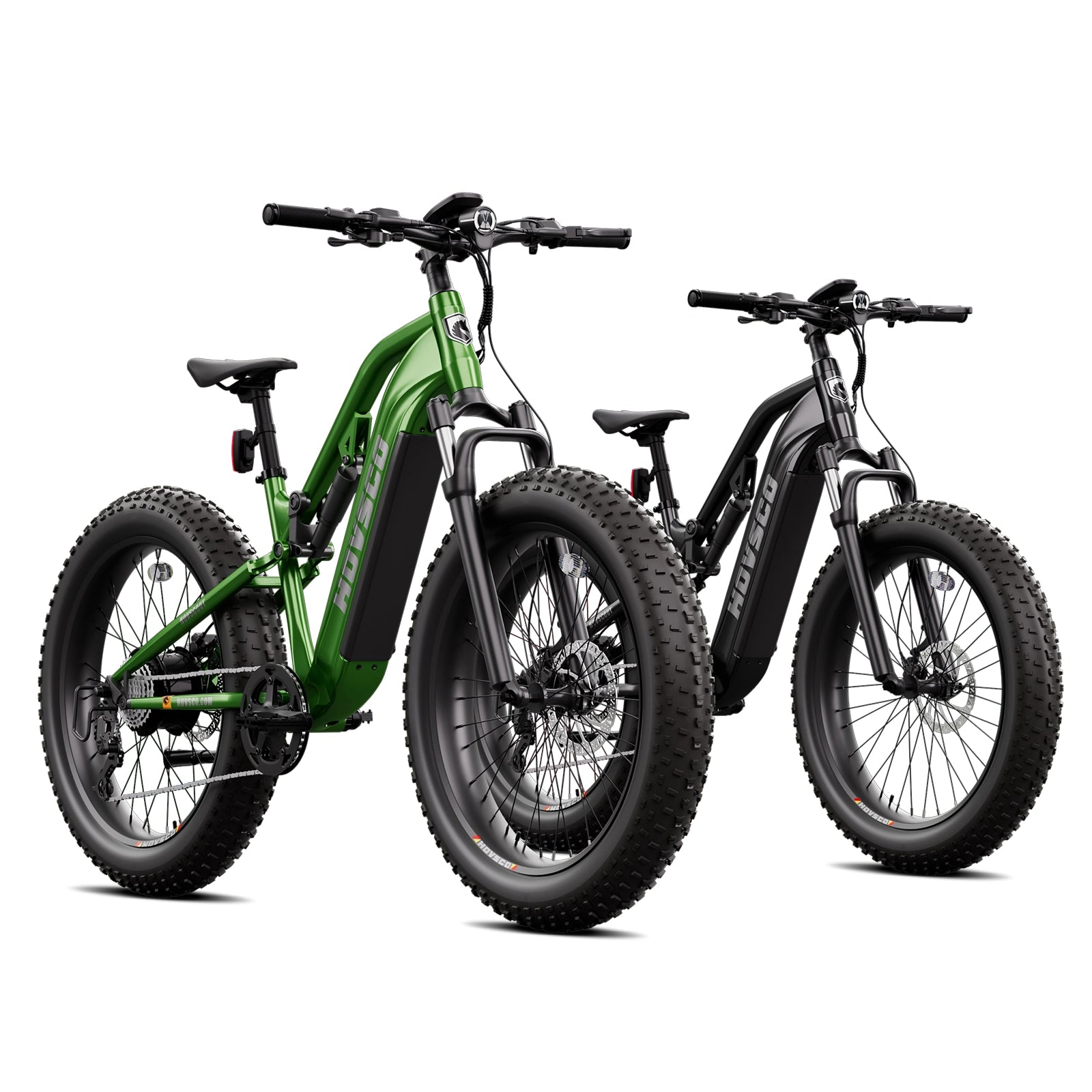
How Does Dual Suspension Work on the HovScout?
- by SEO
E-Bikes
Accessories
 Free Shipping
 15-Day Returns
 2-Year Warranty
Free Shipping
15-Day Returns
2-Year Warranty
2-Year Warranty
Free Shipping
15-Day Returns
2-Year Warranty
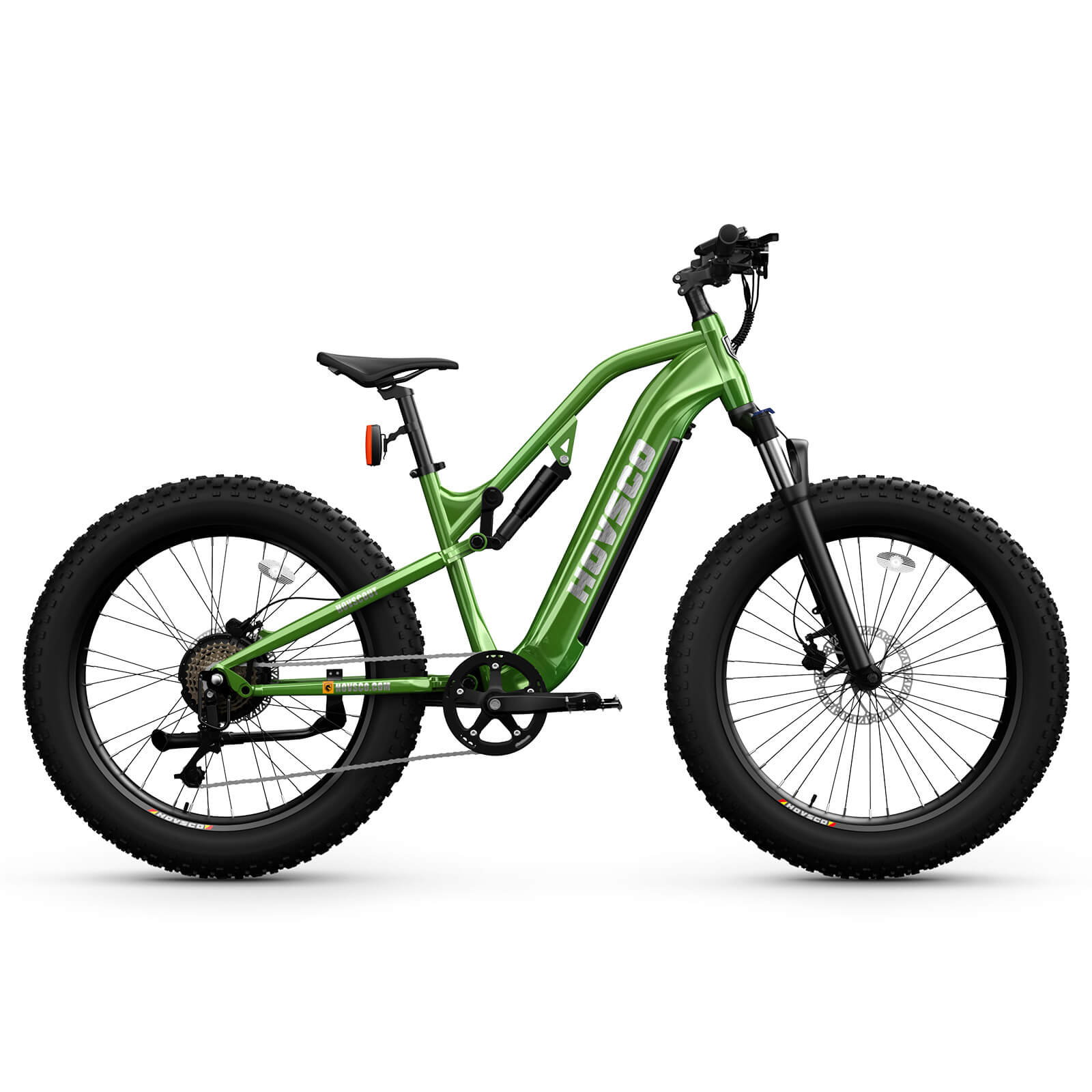
Dual suspension works by separating front and rear wheel impacts so the bike can stay stable, comfortable, and controllable across uneven terrain. On the HovScout, the choice between air and coil in the rear shock changes how the bike reacts to rider weight, cargo, and riding style. The right setup improves traction, reduces fatigue, and keeps the bike planted where it matters most.
Check: advanced dual suspension ebike tech
Dual suspension absorbs bumps at both ends of the bike, which helps the wheels stay in contact with the ground. That means better comfort, better control, and less energy lost when the bike hits roots, potholes, or broken pavement.
For the HovScout, dual suspension is not just about softness. It is about keeping the chassis settled so the motor, tires, and rider all work more efficiently. HOVSCO designs around real riding loads, not showroom demos.
The HovScout suspension compresses when the wheel hits a bump, then rebounds to return the wheel to its normal position. The front fork handles steering-side impacts, while the rear shock controls rear triangle movement and rider weight transfer.
In practice, the rear end does most of the work under seated pedaling, climbing, and braking. That is why rear shock tuning matters so much. If the rear is too soft, the bike wallows. If it is too stiff, the ride gets harsh and traction drops.
Air shocks are lighter, more adjustable, and easier to tune for different rider weights. Coil shocks feel more linear, more planted, and often more forgiving on repeated hits. Each one fits a different kind of rider and terrain.
For the HovScout, air is usually the more versatile choice if multiple riders share the bike. Coil is often better if one rider wants a consistent feel every time. HOVSCO balances both options by focusing on how the bike actually gets ridden.
Rider weight changes how much the suspension compresses before the ride even begins. Heavier riders need more support to avoid sagging too deeply, while lighter riders need less force so the suspension can stay active over smaller bumps.
That is why the same HovScout setup can feel plush to one rider and overly firm to another. Suspension is not one-size-fits-all. It must match body weight, riding posture, gear load, and even how aggressively the rider corners or brakes.
Rear shock sag should usually fall in a range that lets the bike use travel efficiently without sitting too low. A good starting point is often around 25% to 30% of rear travel, then refined by feel and terrain.
For the HovScout, I would set sag with the rider in full gear, seated in a normal position. Too much sag makes the bike sluggish and prone to bottoming. Too little sag makes it skate across rough ground instead of tracking it.
Yes, air shocks can be tuned very effectively because pressure, volume spacers, and rebound settings all change ride behavior. A lighter rider can run lower pressure for comfort, while a heavier rider can add pressure for support and control.
This is where the HovScout benefits from an air rear shock. If two riders with very different body weights share the same bike, air gives them a practical way to personalize the ride. HOVSCO riders who want flexibility usually appreciate that adjustment range.
Coil shocks use a metal spring instead of air pressure, so the spring rate stays more linear through the stroke. That gives the rider a very consistent feel, especially when the trail gets rough and repetitive.
The trade-off is tuning flexibility. A coil shock feels great when the spring rate matches the rider, but if it does not, there is less quick adjustment than with air. For the HovScout, coil can be excellent for riders who prefer predictable support over maximum adjustability.
Yes, rear shock adjustment changes how much the bike squats under pedaling and how efficiently it transfers power. If the shock is too soft, the rear end can bob and absorb energy that should go into forward motion.
On the HovScout, a firmer rear setup can improve climbing efficiency, especially on smooth grades. But too much firmness reduces traction on loose climbs. The best setting gives enough support to pedal well while still letting the rear wheel stay glued to the ground.
Rebound controls how quickly the shock returns after compression. If rebound is too fast, the bike can feel bouncy and nervous. If it is too slow, the suspension can pack down through repeated bumps and lose travel.
For the HovScout, rebound should be balanced with rider weight and terrain. Heavier riders often need more rebound damping, while lighter riders may need less. HOVSCO suspension tuning works best when rebound and sag are adjusted together, not separately.
Riders who commute on rough roads, ride mixed terrain, or want better control over long distances benefit the most from dual suspension. It is especially helpful for heavier riders, riders carrying cargo, and riders who value comfort without giving up stability.
The HovScout is a strong match for these users because the rear suspension can be tuned for different body types and conditions. That makes it more adaptable than a rigid or lightly damped setup.
The HovScout needs a tunable rear shock because rider size and riding style vary more than most people expect. One rider may sit upright and cruise. Another may attack hills, carry gear, and brake hard in traffic. The rear shock has to handle all of that.
This is where HOVSCO’s engineering approach matters. A tunable shock lets the bike serve more riders without feeling vague or overbuilt. It is a practical solution, not a marketing one.
Choose spring rate or air pressure by starting with rider weight, then adjusting for riding style and cargo. If the bike sits too deep in the travel, increase support. If it feels harsh and skips over bumps, reduce support.
For the HovScout, I would begin with manufacturer recommendations, then test on a familiar route. The goal is not the softest ride possible. The goal is the ride that keeps the bike stable, efficient, and comfortable for the intended rider.
Yes, dual suspension can improve safety by keeping tires in contact with the ground more consistently. That helps with braking, cornering, and control over rough surfaces. It also reduces rider fatigue, which matters because tired riders make slower decisions and worse inputs.
The HovScout gains a real safety advantage when the suspension is tuned correctly. HOVSCO riders should think of suspension as part of the control system, not just a comfort feature.
Check: engineering secrets of the Best Full Suspension Ebikes
“When we tune dual suspension, we do not chase softness alone. We look for balance: enough sag for grip, enough support for efficiency, and enough rebound control for repeat impacts. On the HovScout, air gives us broad adjustability for different rider weights, while coil gives a very planted, dependable ride. The best setup is the one that matches the rider’s body, terrain, and daily use, not the one that sounds best on paper.”
Riders should test sag, cornering support, climbing behavior, and how the bike responds to repeated bumps. A good setup feels calm under braking, efficient on climbs, and controlled when the rear wheel hits back-to-back impacts.
For the HovScout, I recommend one short loop with mixed surfaces. Then adjust one thing at a time. HOVSCO-style tuning works best when changes are measured, not guessed.
Yes, air shocks usually suit riders who want adjustability, lighter weight, and shared-bike flexibility. Coil shocks usually suit riders who want a settled, linear feel and ride the same terrain often.
The HovScout can serve both groups well, but the right answer depends on the rider. If weight changes often, air is usually smarter. If the rider wants a constant feel and rides rough trails regularly, coil can be the better fit.
Dual suspension works best when it is matched to the rider, not just the bike. On the HovScout, the difference between air and coil in the rear shock affects comfort, efficiency, and control in very different ways. Air gives wider adjustability; coil gives a more linear, planted response.
The most important takeaway is simple: set sag correctly, tune rebound carefully, and choose the shock type based on rider weight and riding style. HOVSCO builds for real-world use, so the right suspension setup should feel stable, efficient, and confidence-inspiring every time you ride.
How do I know if my HovScout rear shock is too soft?
If the bike sinks deeply into travel, feels sluggish, or bottoms out often, it is probably too soft.
Is an air shock better for different rider weights?
Yes, air shocks are easier to adjust for different rider weights because pressure can be changed quickly.
Does coil suspension feel more comfortable?
Often yes, especially on rough, repeated impacts, because coil shocks usually feel more linear and planted.
What is the most important rear shock setting?
Sag is the most important starting point because it determines how much travel is available during real riding.
Can HOVSCO suspension be tuned for commuting and trails?
Yes, the HovScout can be tuned for both, but the best setup depends on rider weight, terrain, and preferred ride feel.
Share:
Which Is Better, HovScout or Himiway Cobra?
Is HovScout the Land Cruiser of Electric Bikes?